




menu

Risks of DIY Water Cleanup in Detroit – Why Amateur Removal Creates Bigger Problems Than It Solves

Understanding the hidden dangers of do-it-yourself water damage restoration helps Detroit homeowners avoid costly structural failures, toxic mold growth, and insurance claim denials that turn a manageable situation into a catastrophic loss.

Slider Image 1
Slider Image 2
Slider Image 3
Slider Image 4
Slider Image 5
Slider Image 7
Slider Image 8
Slider Image 9
Slider Image 10
Slider Image 11

Why DIY Water Cleanup Fails in Detroit Homes

When water invades your Detroit home, the clock starts ticking. You grab towels, rent a shop vac from the hardware store, and think you can handle it yourself. The surface looks dry within a few hours. Problem solved, right?

Wrong. Detroit's aging housing stock presents unique challenges that make amateur water cleanup dangerous. Most homes in neighborhoods like Rosedale Park and Palmer Woods were built between 1920 and 1950. These structures feature horsehair plaster walls, oak hardwood floors, and balloon framing that creates vertical channels for water to travel unseen between floors.

The dangers of DIY water damage restoration multiply in Detroit's climate. Our freeze-thaw cycles create foundation cracks that let groundwater seep into basements. When you extract surface water but miss the hidden moisture in wall cavities, you create perfect breeding grounds for Stachybotrys chartarum, the toxic black mold that thrives in cellulose-rich materials.

The hazards of do-it-yourself water removal extend beyond mold. Detroit's clay soil expands when wet, putting pressure on foundation walls already compromised by decades of settlement. If you fail to dry the perimeter properly, that hydrostatic pressure can cause catastrophic structural shifts.

Insurance companies know the consequences of amateur water cleanup. Most policies require professional mitigation within 48 hours. When adjusters see Shop-Vac rental receipts instead of certified restoration invoices, they deny claims. You thought you saved money. Instead, you voided your coverage and face a five-figure repair bill you cannot afford.

The hidden risks of self-managed water mitigation show up weeks or months later. Warped floors. Electrical shorts. Respiratory illness. The pitfalls of DIY water extraction become undeniable when your family starts coughing and your home loses 20 percent of its value.

Why DIY Water Cleanup Fails in Detroit Homes
Professional Water Mitigation Versus Amateur Guesswork

Professional Water Mitigation Versus Amateur Guesswork

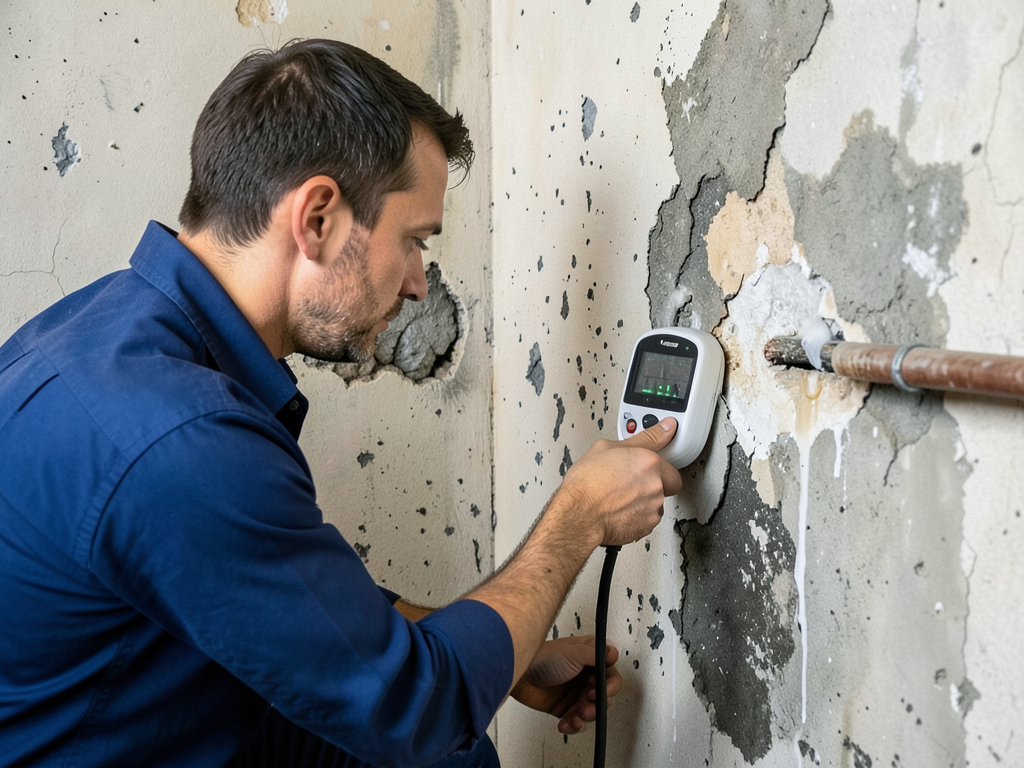
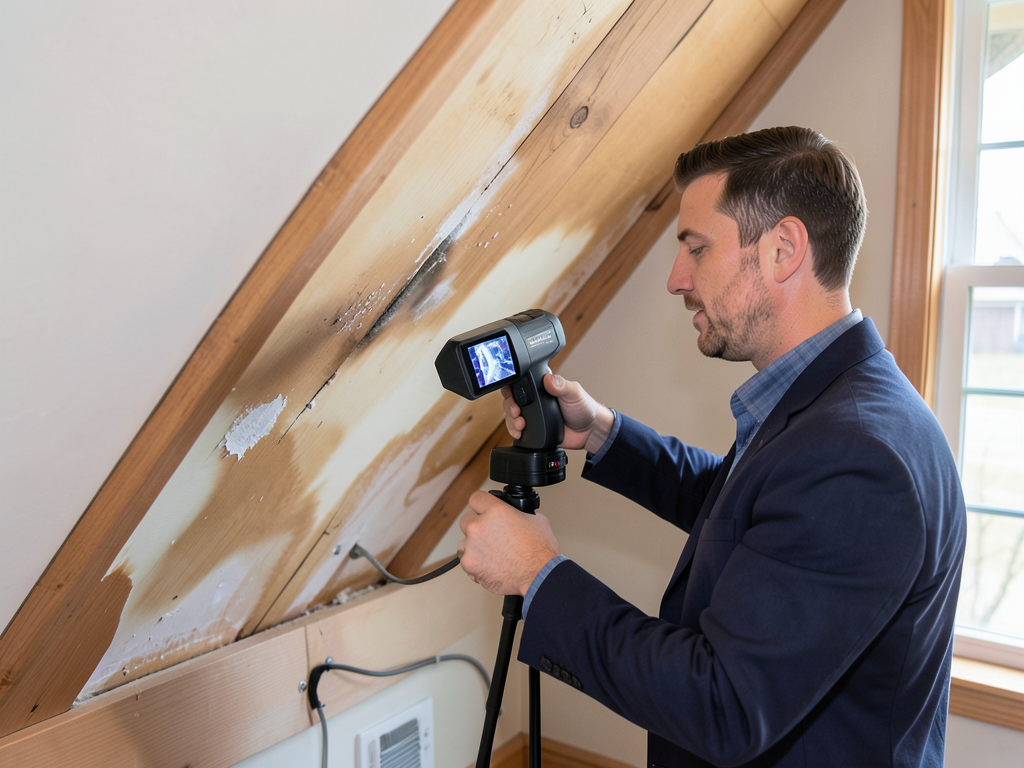
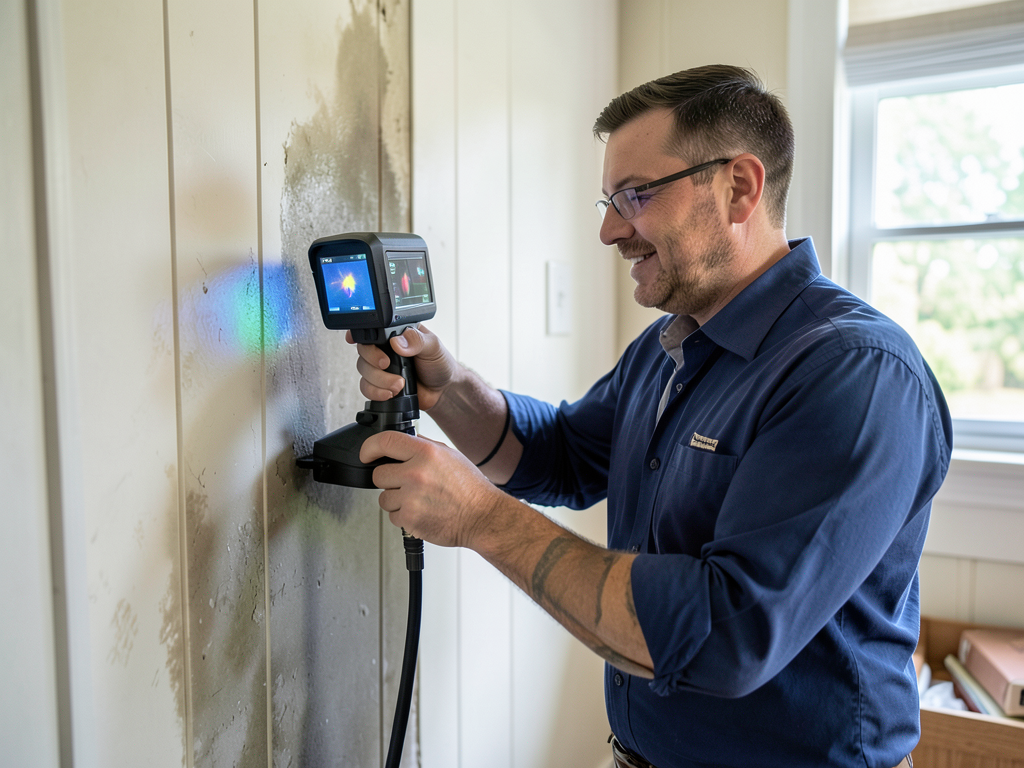
Professional water damage restoration relies on moisture mapping technology that amateur efforts cannot replicate. We use thermal imaging cameras to detect temperature differentials behind walls. Wet building materials show cooler temperatures than dry materials. This reveals hidden water pockets your eyes cannot see.

Extraction equipment makes the difference between surface drying and structural drying. Commercial truck-mounted extractors generate 500 inches of water lift. Your rental shop vac produces maybe 90 inches. That gap matters when you need to pull water from carpet padding, subfloors, and the crawl space beneath your home.

Desiccant dehumidifiers and axial air movers create the airflow patterns needed for rapid evaporation. We position equipment based on psychrometric calculations that account for temperature, humidity, and vapor pressure gradients. You cannot achieve these conditions by opening windows and running box fans.

Detroit's building codes require specific moisture content levels before reconstruction begins. Wood framing must reach below 16 percent moisture content. Concrete must drop below 4.5 percent per calcium chloride testing. We verify these numbers with pin-type and pinless moisture meters calibrated to IICRC S500 standards.

Antimicrobial application prevents microbial growth on affected surfaces. We apply EPA-registered disinfectants to studs, joists, and sheathing before封sealing contaminated materials in 6-mil polyethylene for proper disposal. This containment prevents cross-contamination to unaffected areas of your home.

Documentation protects your insurance claim. We photograph every stage of mitigation, log equipment readings in moisture logs, and provide detailed scope-of-work estimates that adjusters accept without dispute. This paper trail proves you took immediate action to prevent further damage, which satisfies your policy's requirement for reasonable mitigation efforts.

Our technicians hold IICRC certifications in water damage restoration. This training teaches the science of drying, not just the mechanics of equipment operation.

How Professional Assessment Reveals What You Cannot See

Risks of DIY Water Cleanup in Detroit – Why Amateur Removal Creates Bigger Problems Than It Solves
01

Initial Damage Inspection

We arrive within 60 minutes and conduct a room-by-room assessment using moisture detection equipment. Infrared cameras map the full extent of water migration through your walls, ceilings, and subfloors. We identify the water source, classify the contamination level per IICRC guidelines, and determine which materials require removal versus drying in place. You receive a written scope of work before any equipment starts running.
02

Moisture Monitoring Protocol

Daily moisture readings track drying progress across all affected materials. We document readings in a moisture log that shows the trajectory from saturated to dry. Dehumidifiers and air movers run continuously, with equipment repositioned based on changing moisture gradients. This data-driven approach ensures complete structural drying, not just cosmetic surface drying. The monitoring continues until all materials reach acceptable moisture content levels per industry standards.
03

Final Clearance Testing

Before we remove equipment, every affected surface undergoes final moisture verification. We compare current readings against baseline dry standards for each material type. Wood must measure below 16 percent, drywall below 12 percent, and concrete slabs below 4.5 percent. Only after achieving these targets do we issue a certificate of completion. This documentation proves your home is safe for reconstruction and satisfies insurance requirements for claim closure.

Why Detroit Homeowners Trust Certified Restoration Over DIY Attempts

Ironwood Water Damage Restoration Detroit understands the specific challenges of water damage in older Detroit homes. We have extracted water from hundreds of basements in Brightmoor, dried out flooded bungalows in Grandmont, and restored historic mansions along Boston Edison. This experience teaches you which shortcuts fail and which protocols actually work.

Detroit's Department of Buildings requires permits for structural repairs following water damage. When you attempt DIY cleanup and later discover you need to replace floor joists or sister studs, you trigger permitting requirements you cannot satisfy without professional documentation. We provide the engineering assessments and moisture reports that inspectors demand before issuing permits.

Insurance adjusters in the greater Detroit metro area recognize professional mitigation companies. They know our equipment, understand our processes, and trust our documentation. When you file a claim supported by our moisture logs and thermal images, adjusters approve it. When you file a claim with Home Depot receipts and smartphone photos, they question whether you really mitigated the damage or just cleaned up surface water.

The health risks of hidden mold growth make professional assessment essential. Detroit's older homes contain asbestos in floor tiles, lead paint on trim, and vermiculite insulation in attics. When water damage occurs, these materials may require specialized handling under EPA regulations. Our technicians hold asbestos awareness training and know when to call in licensed abatement contractors. You do not have this knowledge.

We work directly with Detroit-area insurance carriers including Auto Club Insurance, AAA Michigan, and local State Farm agents. This relationship speeds up claim processing because adjusters know we document everything properly. You spend less time fighting for coverage and more time getting your life back to normal.

Our local warehouse stocks replacement materials that match Detroit's historic architecture. We source oak hardwood that matches the original flooring in your 1920s Colonial. We carry plaster repair compounds formulated for horsehair walls. These details matter when you want your home restored, not just dried out.

What Professional Water Damage Restoration Delivers

Emergency Response Time

Water damage requires immediate action. We dispatch crews 24 hours a day, seven days a week, arriving at Detroit properties within 60 minutes of your call. This rapid response minimizes secondary damage and starts the drying process before mold spores colonize wet surfaces. Our trucks carry extraction equipment, air movers, and dehumidifiers so we begin mitigation the moment we arrive. You do not wait days for equipment rental or spend hours researching which machines you need. Speed determines whether your hardwood floors survive or require replacement.

Comprehensive Damage Assessment

Surface evaluation misses the majority of water damage. We use thermal imaging to identify moisture trapped in wall cavities, beneath flooring, and above ceilings. Moisture meters quantify exact water content in building materials so we know what requires removal versus drying. This scientific approach reveals problems you cannot see with visual inspection alone. We classify water damage by contamination category and determine which materials pose health risks. The assessment includes detailed photo documentation and moisture maps that insurance adjusters require for claim approval. You receive a written report explaining what happened and what must happen next.

Complete Structural Drying

Drying visible surfaces does not protect your home from long-term damage. We achieve complete structural drying by monitoring moisture levels in framing lumber, subfloors, wall cavities, and concrete slabs. Commercial dehumidifiers remove hundreds of pints of water vapor per day while air movers create circulation patterns that accelerate evaporation. Daily moisture readings track drying progress until all materials reach safe levels. This typically requires three to five days depending on the extent of saturation. The result is a home that is genuinely dry, not just superficially dry, preventing mold growth and structural rot.

Mold Prevention Protocols

Mold begins growing within 48 hours of water exposure. Our rapid extraction and drying prevents colonization before it starts. When necessary, we apply antimicrobial treatments to affected surfaces and remove porous materials that cannot be adequately cleaned. Air scrubbers with HEPA filtration capture mold spores during the restoration process, preventing contamination of unaffected areas. After completing structural drying, we conduct final moisture verification to confirm conditions will not support mold growth. This proactive approach eliminates the need for costly mold remediation later. You get documentation proving your home is safe for occupancy.

Frequently Asked Questions

You Have Questions,
We Have Answers

How Detroit's Aging Infrastructure Increases DIY Water Cleanup Risks

Detroit's combined sewer system dates back to the 1800s. During heavy rainfall, the system overflows and sends contaminated water back into basements through floor drains and sump pump discharge lines. This is Category 3 water containing sewage, industrial waste, and bacteria. Amateur cleanup attempts expose you to pathogens including E. coli, hepatitis A, and leptospirosis. You need full personal protective equipment, antimicrobial disinfection, and proper material disposal that follows Michigan Department of Environment, Great Lakes, and Energy regulations. The hazards of do-it-yourself water removal multiply exponentially when dealing with contaminated floodwater that looks clean but carries invisible health threats.

Detroit building codes require licensed contractors for plumbing repairs, electrical work, and structural modifications following water damage. When DIY cleanup uncovers rotted joists or corroded wiring, you cannot legally complete repairs yourself. Inspectors from the Detroit Buildings, Safety Engineering and Environmental Department red-tag work performed without permits. This creates legal liability and complicates home sales because title companies flag unpermitted work. Professional restoration companies coordinate with licensed plumbers and electricians who pull proper permits and pass inspections. We understand the consequences of amateur water cleanup extend beyond physical damage to include code violations that haunt you for years.
Water Damage Restoration Services in The Detroit Area

Conveniently located to serve the Detroit area, Ironwood is always ready to respond to your water damage emergencies. Explore our service area on the map below or contact us directly to discuss your specific needs. We’re committed to providing prompt, professional service wherever you are within our operational zone, ensuring rapid deployment and effective restoration solutions when you need them most.

Address:
Ironwood Water Damage Restoration Detroit, 15324 Mack Ave, Detroit, MI, 48230

Additional Services We Offer

Our news updates

Latest Articles & News from The Blogs

A slow leak behind a Royal Oak bathroom wall can go unnoticed for weeks. By the time you smell mildew…

Why Smart Leak Detectors Are Worth Every Penny for Your Royal Oak Rental Property

A slow leak behind a Royal Oak bathroom wall can go unnoticed for weeks. By the time you smell mildew…

Why Your Whole House Humidifier in Warren Might Be Ruining Your Drywall

Your furnace runs all winter. Your whole house humidifier works quietly behind the scenes. And somewhere behind that drywall in…

What Black Water Flooding Actually Does to Your Health (A Detroit Homeowner's Guide)

A sewage backup in your Detroit basement is not just a cleanup problem. It is a biohazard event. The water…

Contact Us

Every hour you wait allows water to migrate deeper into your home's structure. Call Ironwood Water Damage Restoration Detroit at (313) 572-5559 for immediate dispatch. Our certified technicians bring professional equipment and insurance-approved documentation that protects your claim and your property value.