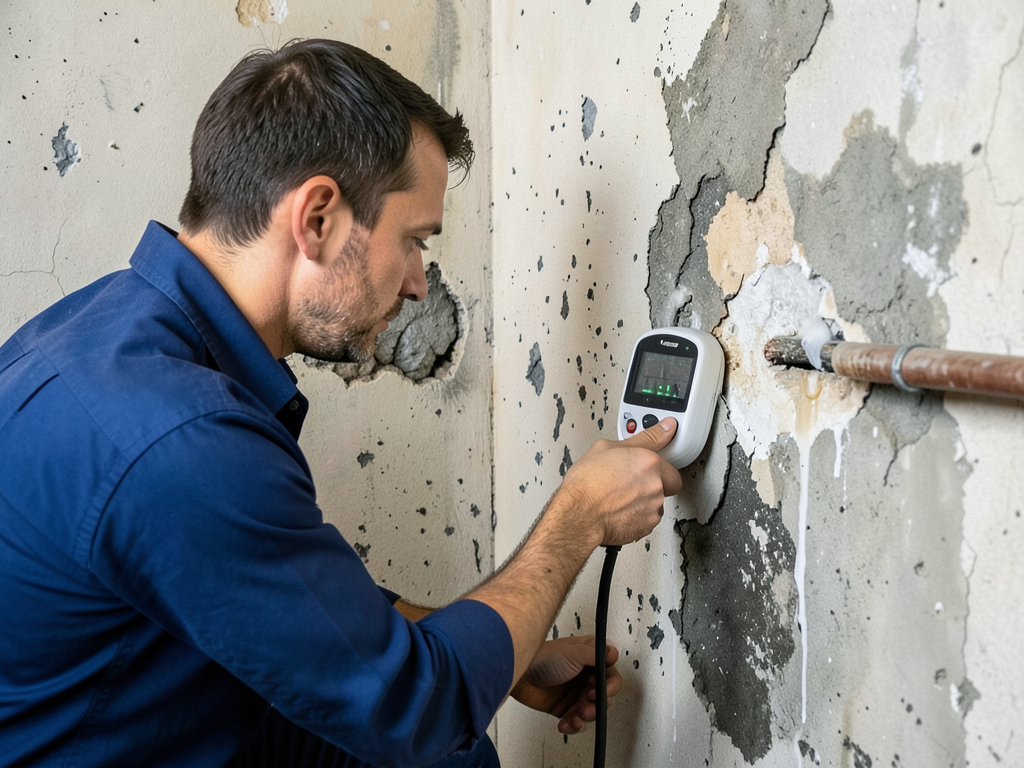







Detroit sits on heavy clay soil that expands when wet and contracts during dry periods. This cycle creates foundation movement that stresses plumbing connections, particularly in homes built before 1970 when flexible connections became standard. Cast iron drain lines crack at joints. Copper supply lines develop pinhole leaks where they pass through foundation walls. These failures often start as minor seepage that saturates wall cavities over weeks before manifesting as visible leaks. Adjusters see the gradual water staining and classify the damage as maintenance neglect, denying homeowners insurance mold coverage even when the final failure appeared sudden. Understanding this clay soil dynamic helps you document claims properly, showing how Detroit's geology creates sudden failures from cumulative stress rather than neglect.
Michigan requires water damage restoration contractors to follow state health department mold remediation standards when contamination exceeds 10 square feet. These standards mandate containment barriers, negative air pressure, and proper disposal of contaminated materials. Insurance adjusters approve mold remediation insurance claims more readily when contractors follow these protocols because it proves the contamination was significant enough to warrant professional intervention. Working with Detroit-area restoration companies familiar with local building department requirements and Michigan insurance claim procedures creates documentation that satisfies adjuster scrutiny. Local expertise translates directly to higher approval rates and fewer disputed claims.