




menu

Emergency Sewage Cleanup in Detroit – We Dispatch Within 30 Minutes, 24/7

When raw sewage floods your property, every minute increases contamination risk and structural damage. Our certified emergency sewage removal crews arrive fast, contain the threat, and restore safety to Detroit homes and businesses around the clock.

Slider Image 1
Slider Image 2
Slider Image 3
Slider Image 4
Slider Image 5
Slider Image 7
Slider Image 8
Slider Image 9
Slider Image 10
Slider Image 11

Sewage Backups in Detroit Don't Wait for Business Hours

You're standing in your basement watching sewage bubble up through the floor drain. The smell hits you. You know this is dangerous, but you don't know who to call or what to do first.

Detroit's aging sewer infrastructure creates unique risks for property owners. Many neighborhoods in Midtown, Corktown, and the Riverfront District rely on combined sewer systems that date back to the early 1900s. When heavy rains overwhelm these systems, raw sewage backs up into your property through basement drains, toilets, and sump pump lines.

The clay soil common throughout Wayne County compounds the problem. As temperatures swing from freezing winters to humid summers, the soil shifts and cracks aging sewer lines. Tree roots from Detroit's mature neighborhoods infiltrate these cracks, creating blockages that force sewage back into your building.

Raw sewage carries bacteria, viruses, and parasites that pose immediate health risks. E. coli, hepatitis A, and leptospirosis can spread through contact with contaminated water. Children, elderly residents, and anyone with compromised immune systems face the highest danger.

The damage accelerates by the hour. Sewage water destroys drywall, insulation, and flooring. It seeps into wall cavities and subfloors where you can't see it. Without professional 24 hour sewage extraction, mold colonizes within 48 hours. The longer you wait, the more you lose.

You need urgent sewer water cleanup now. Not tomorrow. Not when your regular plumber opens. Right now.

Sewage Backups in Detroit Don't Wait for Business Hours
How Professional Sewage Backup Cleanup Actually Works

How Professional Sewage Backup Cleanup Actually Works

Emergency sewage removal follows strict protocols because contaminated water is classified as Category 3 black water. This is the most dangerous classification in water damage restoration. You cannot treat sewage backup cleanup like a flooded basement from a broken pipe.

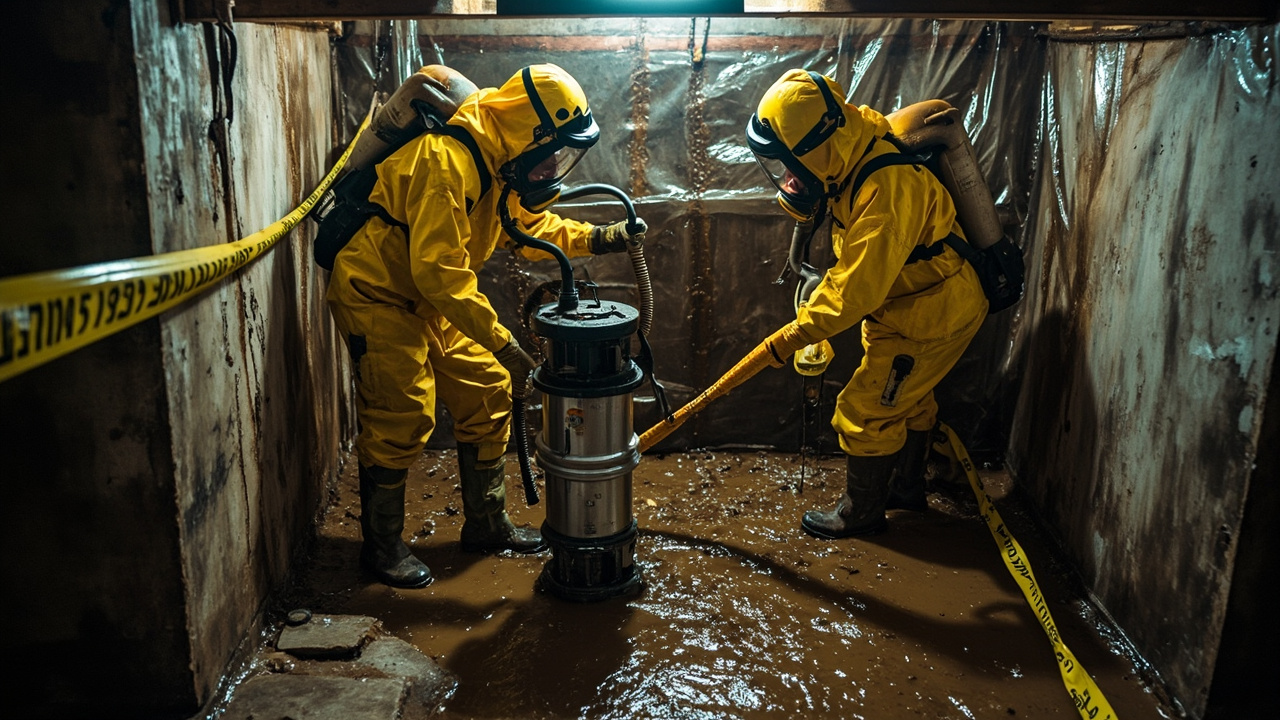
Our crews arrive wearing full personal protective equipment including respirators, chemical-resistant suits, and waterproof boots. We establish containment barriers to prevent cross-contamination to unaffected areas of your property. This matters in Detroit's older homes where open floor plans and shared ductwork can spread contaminants quickly.

We deploy truck-mounted extraction units that remove sewage water at rates exceeding 100 gallons per minute. Portable pumps handle standing water while wet vacuums extract moisture from carpets, padding, and porous materials. Speed determines salvageability. Materials that sit in sewage for more than 24 hours typically require disposal.

After extraction, we remove unsalvageable materials according to EPA guidelines. Drywall gets cut 12 inches above the waterline. Carpet and padding go directly into biohazard bags. Insulation comes out. We do not make judgment calls based on appearance. Sewage-contaminated materials harbor pathogens you cannot see.

Then comes antimicrobial treatment. We apply hospital-grade disinfectants to all affected surfaces using electrostatic sprayers that ensure complete coverage. Structural drying follows using commercial dehumidifiers and air movers calibrated to Detroit's humidity levels.

We document everything. Photos, moisture readings, removal logs. Your insurance adjuster needs this documentation. We know what Wayne County adjusters require because we work with them weekly.

What Happens When You Call for Emergency Sewage Cleanup

Emergency Sewage Cleanup in Detroit – We Dispatch Within 30 Minutes, 24/7
01

Immediate Dispatch and Assessment

You call our emergency line and reach a live person, not an answering service. We ask targeted questions to assess the scope while dispatching the nearest crew. Our technicians arrive within 30 minutes in the Detroit metro area. Upon arrival, we identify the sewage source, measure contamination spread, and establish safety perimeters. You get a verbal action plan before any work starts. We also contact your insurance company if you authorize us.
02

Containment and Extraction

We seal off contaminated zones using plastic sheeting and negative air pressure to prevent airborne pathogen spread. Truck-mounted extractors remove standing sewage while our team documents pre-existing conditions and damage progression. All contaminated materials get bagged and staged for proper disposal. We remove sewage from wall cavities, crawl spaces, and other hidden areas using moisture detection equipment. This phase typically takes 4 to 8 hours depending on affected square footage.
03

Disinfection and Structural Drying

After extraction, we apply EPA-registered antimicrobial treatments to all exposed surfaces including subfloors, studs, and concrete. Commercial drying equipment runs continuously with daily moisture monitoring until readings reach acceptable levels. We typically achieve structural dryness within 3 to 5 days. You receive a completion certificate documenting that your property is safe for reconstruction. This certificate is often required before contractors can begin rebuild work and before you can reoccupy the space.

Why Detroit Property Owners Choose Ironwood for Raw Sewage Remediation

When sewage floods your property at 2 a.m., you need a company that answers the phone and shows up prepared. We maintain fully stocked response vehicles positioned throughout Wayne County. Our crews know Detroit's grid layout. They know that Woodward Avenue traffic patterns differ from Jefferson Avenue access. They know which neighborhoods have combined sewers and which have separated systems.

This local knowledge changes response time and effectiveness. A crew unfamiliar with Detroit might bring inadequate equipment for a basement sewage backup in a 1920s bungalow with 9-foot ceilings and poured concrete floors. Our teams know what to expect and bring the right extraction capacity the first time.

We work directly with major insurance carriers active in the Detroit market. We understand Michigan's insurance claim requirements and adjuster expectations. We know that State Farm, Auto-Owners, and Frankenmuth handle claims differently. We speak their language and provide documentation formatted to their standards. This accelerates your claim and reduces out-of-pocket expenses.

Our technicians hold IICRC certifications in water damage restoration and applied microbial remediation. This is not optional training. You cannot properly handle sewage backup cleanup without understanding pathogen transmission, cross-contamination prevention, and antimicrobial application protocols. We invest in ongoing education because techniques evolve and pathogens adapt.

We also understand Detroit building codes and health department requirements for sewage incidents. Properties in historic districts like Indian Village or Boston-Edison face additional scrutiny during restoration. We navigate these requirements daily. We know which permits you need and how to document compliance.

You get transparency throughout the process. We explain what we find, why specific actions are necessary, and what your options are. No upselling. No fear tactics. Just honest assessment from technicians who live and work in this community.

What to Expect During Emergency Sewage Cleanup

Response Time and Availability

We answer emergency calls 24 hours a day, 365 days a year. When you call (313) 572-5559, you reach a trained dispatcher who can have a crew at your Detroit property within 30 minutes during normal traffic conditions. We maintain response vehicles in strategic locations across Wayne County to minimize travel time. Night, weekend, and holiday response carries no additional surcharge. Sewage emergencies happen on their schedule, not yours. Our crews arrive with truck-mounted extraction equipment, containment materials, and personal protective gear. You do not wait until morning while contamination spreads.

Initial Assessment and Safety Evaluation

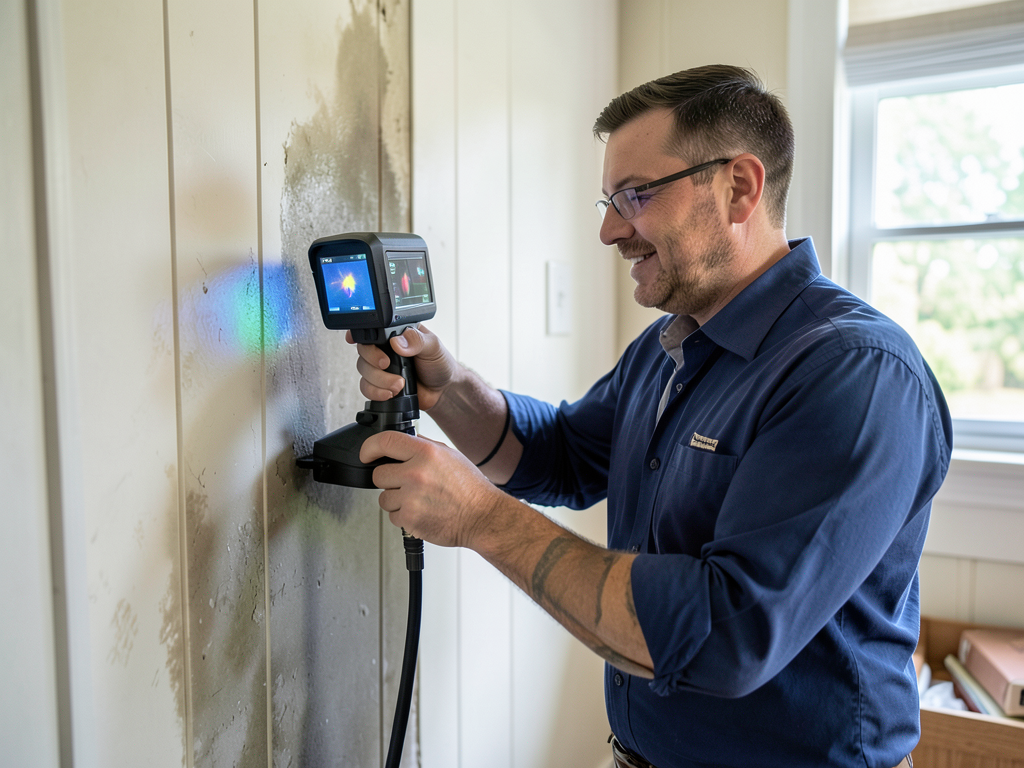
The first technician on site conducts a safety assessment before beginning water extraction. We check for electrical hazards, structural instability, and airborne contaminant levels. You receive a verbal explanation of what we found, what needs to happen, and realistic timeline expectations. We take detailed photos and moisture readings to establish baseline conditions. If you have active insurance coverage, we contact your carrier and begin documentation that adjusters require. This assessment typically takes 20 to 30 minutes. We then provide a written scope of work before starting extraction. You approve the plan before we proceed.

Contamination Removal and Property Restoration

You get complete sewage extraction, antimicrobial treatment, and structural drying. We remove all contaminated materials that cannot be safely disinfected. This includes carpet, padding, drywall, insulation, and baseboards that contacted sewage. Hard surfaces like concrete, tile, and framing lumber get treated with hospital-grade disinfectants after extraction. We run commercial dehumidifiers and air movers until moisture readings indicate the structure is dry. Most properties reach acceptable moisture levels within 3 to 5 days. You receive detailed documentation including moisture logs, removal inventory, and disinfection certificates. This documentation is necessary for insurance claims and future property transactions.

Post-Cleanup Verification and Follow-Up

After completing structural drying, we conduct final moisture testing to verify all affected areas have reached acceptable levels. You receive a completion certificate documenting that your property is safe for reconstruction. We provide referrals to trusted contractors for rebuild work if you need them. Our documentation package includes all photos, moisture logs, and material disposal records your insurance company requires. We remain available to answer adjuster questions and provide additional documentation if requested. If you notice any odors or concerns after we complete work, we return to reassess at no charge. Follow-up is part of the service, not an upsell.

Frequently Asked Questions

You Have Questions,
We Have Answers

What is considered a sewer emergency? +

A sewer emergency includes raw sewage backing up into your home through drains, toilets overflowing with wastewater, or visible sewage pooling in your basement. You face an emergency if you smell strong sewer gas, see black water coming from fixtures, or notice sewage outside your foundation. In Detroit, aging cast iron pipes and tree root intrusion often trigger sudden failures. Multiple drains backing up simultaneously signals a main line blockage. Do not wait. Sewage contains dangerous pathogens. Evacuate affected areas immediately and call a 24/7 emergency cleanup crew to contain contamination and prevent structural damage.

How much does sewage backup cleanup cost? +

Sewage cleanup costs vary based on contamination level, affected square footage, and structural damage. Small bathroom backups start around a few hundred dollars, while whole-basement flooding with Category 3 water reaches several thousand. Detroit homes with finished basements or older plumbing systems often face higher costs due to subfloor damage and pipe repair needs. Insurance typically covers sudden backups if you carry sewer backup endorsement coverage. The longer sewage sits, the more expensive remediation becomes. Mold growth starts within 48 hours. Get a free inspection immediately to prevent escalating damage and protect your family's health.

Does insurance cover sewage cleanup? +

Standard homeowners insurance excludes sewer backups, but you can add sewer backup endorsement coverage for minimal cost. This rider covers cleanup, damaged belongings, and structural repairs from sudden sewer failures. Detroit homeowners need this protection due to the city's aging infrastructure and combined sewer system, which overflows during heavy rain. Your policy may cover the backup itself but not the actual pipe repair. Review your declarations page now or call your agent. Document everything with photos if backup occurs. Professional remediation companies work directly with insurance adjusters to streamline claims and get you back home faster.

Is sewage backup an emergency? +

Yes. Sewage backup is a serious health emergency requiring immediate action. Raw sewage contains E. coli, hepatitis A, salmonella, and other dangerous pathogens that cause severe illness. Category 3 black water spreads contamination rapidly through porous materials like drywall, carpet, and insulation. In Detroit's humid climate, bacterial growth accelerates quickly. Children, elderly residents, and anyone with compromised immunity face heightened risk. Do not touch sewage or attempt cleanup yourself. Evacuate the area, shut off electricity to affected rooms if safe, and call emergency sewage cleanup professionals immediately. Every hour of exposure increases health risks and property damage.

What does it cost to unclog a sewer line? +

Unclogging a main sewer line costs between a few hundred to over a thousand dollars, depending on blockage severity and access points. Simple augering for minor clogs costs less, while hydro jetting for grease buildup or tree roots costs more. Detroit's mature tree canopy and clay soil conditions often cause root intrusion in older terra cotta and cast iron pipes. Video camera inspection adds cost but identifies exact problems and prevents repeat calls. If your line has collapsed sections or severe damage, full replacement becomes necessary. Get multiple quotes, but choose certified plumbers with proper equipment to avoid damage.

Can you get sick from breathing in backed up sewage? +

Absolutely. Breathing sewage fumes causes immediate nausea, headaches, and respiratory irritation. Prolonged exposure leads to serious infections. Sewage releases hydrogen sulfide gas, methane, and ammonia, which damage your lungs and nervous system. Airborne bacteria and viruses from fecal matter cause gastroenteritis, respiratory infections, and hepatitis. Children and immune-compromised individuals face severe complications. Detroit's older homes often lack proper ventilation, trapping toxic gases. Never stay in a sewage-contaminated space. Evacuate immediately, open windows if safe, and let professionals with respirators and protective gear handle cleanup. Your health is not worth the risk.

Will insurance pay for sewer line replacement? +

Most standard homeowners policies do not cover sewer line replacement unless sudden, accidental damage occurred. Gradual deterioration from age, tree roots, or lack of maintenance is your responsibility. Detroit's aging infrastructure means many homes have original clay or cast iron lines nearing end of life. Some insurers offer optional service line coverage for underground pipe failures. The city may cover repairs if the problem exists in the public portion beyond your property line. Get a camera inspection to determine where the failure occurred. Consider a home warranty or specialized utility line protection policy for future peace of mind.

Why is my sewer bill 200 dollars? +

High Detroit water bills often reflect sewer charges, which are calculated based on winter water usage. The Detroit Water and Sewerage Department assumes all water used indoors goes into the sewer system. Rates increased significantly in recent years due to infrastructure upgrades and debt service. Leaking toilets, running faucets, or underground pipe leaks inflate usage. Check your meter for hidden leaks. Review your bill for storm water drainage fees and fixed service charges. Detroit offers payment plans and assistance programs for qualifying residents. If your bill suddenly spikes without usage changes, request a meter test and inspect for sewer line problems.

Can I clean my sewer line myself? +

No. Do not attempt DIY sewage cleanup. Raw sewage is Category 3 black water containing deadly pathogens that require professional-grade disinfection and specialized equipment. You risk serious illness, cross-contamination, and incomplete remediation that leads to hidden mold growth. Detroit's health department mandates proper disposal of contaminated materials. Professionals use antimicrobial treatments, HEPA filtration, structural drying equipment, and follow IICRC standards. Improper cleanup voids insurance claims and creates liability if you sell your home later. Your safety and property value depend on certified technicians who document the process. Call emergency sewage professionals immediately. This is not a DIY job.

Is a clogged toilet considered a sewer backup? +

Not always. A single clogged toilet usually means a localized blockage in that fixture's drain. Use a plunger or auger to clear it. However, if multiple toilets back up simultaneously, other drains gurgle when you flush, or sewage appears in your basement floor drain, you have a main sewer line backup. Detroit homes on older combined sewer systems sometimes experience backups during heavy storms when the municipal system overflows. If plunging fails or sewage contains solid waste from other drains, stop using all water immediately and call a professional. Main line blockages require specialized equipment to prevent catastrophic flooding.

Why Detroit's Combined Sewer System Creates Sewage Backup Emergencies

Detroit operates one of the largest combined sewer systems in the United States, serving over 800,000 residents with infrastructure that dates to the 1800s. Combined sewers carry both stormwater runoff and sanitary sewage in the same pipes. During heavy rain events, which are increasing in frequency across Southeast Michigan, these systems exceed capacity and force sewage back into properties through basement drains and floor openings. Neighborhoods near the Detroit River, including Rivertown and Jefferson-Chalmers, face the highest backup risk due to elevation and proximity to the treatment plant. Emergency sewage removal demand spikes during spring thaw and summer thunderstorms when overwhelmed systems cannot handle volume.

Ironwood Water Damage Restoration Detroit maintains working relationships with the Detroit Water and Sewerage Department and understands local system limitations. We know which neighborhoods face the highest backup risk and which properties qualify for sewer backup assistance programs. Our technicians understand Michigan Department of Environment, Great Lakes, and Energy requirements for sewage cleanup documentation. We also know that many Detroit properties have backwater valves that were improperly installed or have failed due to age. This local knowledge helps us identify the source of sewage backups and recommend permanent solutions alongside emergency cleanup. When you work with a restoration company familiar with Detroit's specific infrastructure challenges, you get faster, more effective sewage backup cleanup.
Water Damage Restoration Services in The Detroit Area

Conveniently located to serve the Detroit area, Ironwood is always ready to respond to your water damage emergencies. Explore our service area on the map below or contact us directly to discuss your specific needs. We’re committed to providing prompt, professional service wherever you are within our operational zone, ensuring rapid deployment and effective restoration solutions when you need them most.

Address:
Ironwood Water Damage Restoration Detroit, 15324 Mack Ave, Detroit, MI, 48230

Additional Services We Offer

Our news updates

Latest Articles & News from The Blogs

A slow leak behind a Royal Oak bathroom wall can go unnoticed for weeks. By the time you smell mildew…

Why Smart Leak Detectors Are Worth Every Penny for Your Royal Oak Rental Property

A slow leak behind a Royal Oak bathroom wall can go unnoticed for weeks. By the time you smell mildew…

Why Your Whole House Humidifier in Warren Might Be Ruining Your Drywall

Your furnace runs all winter. Your whole house humidifier works quietly behind the scenes. And somewhere behind that drywall in…

What Black Water Flooding Actually Does to Your Health (A Detroit Homeowner's Guide)

A sewage backup in your Detroit basement is not just a cleanup problem. It is a biohazard event. The water…

Contact Us

Sewage backup gets worse by the hour. Call (313) 572-5559 now for immediate dispatch. Our crews are standing by 24/7 with the equipment and expertise to make your Detroit property safe again.