





Warren sits on dense clay soil that prevents proper drainage and creates hydrostatic pressure against basement walls. When spring thaw hits, that pressure forces groundwater through foundation cracks and block walls. The city's housing stock includes thousands of homes built in the 1950s and 60s with clay sewer laterals that crack and collapse, sending sewage backup into finished basements.
Winter freezing causes pipes to burst in crawl spaces and attics across neighborhoods like Fitzgerald and Warren Woods. The temperature swings from subzero nights to 40-degree afternoons crack supply lines and cause water heaters to fail. Commercial properties along Van Dyke Avenue and Mound Road deal with flat roof ponding that finds every weak point in membrane systems.
Warren's position in Macomb County means properties face Lake St. Clair humidity during summer months. Basements without proper dehumidification grow mold within 48 hours of water intrusion. The combination of clay soil, aging infrastructure, and extreme weather makes water damage cleanup a regular need for Warren property owners. Fast response prevents a small leak from becoming a complete interior demolition project.
We operate out of Detroit and serve the entire metro area, which means our crews reach Warren properties faster than national franchises routing calls to regional centers. When you call at 2 AM because your basement is flooding, we dispatch a truck immediately, not schedule you for the next business day.
Our techs understand Warren's specific challenges because we handle them constantly. We know which neighborhoods have combined sewers that backup during heavy rain. We recognize foundation construction methods used in different decades and adjust our drying strategy accordingly. When we inspect a 1960s ranch in Warren Woods, we check for the cast iron drain stack failures common to that era. When we work on commercial properties near the GM Tech Center, we coordinate with facility managers who need minimal business disruption.
We own our extraction and drying equipment instead of renting it per job. That means we bring enough air movers, dehumidifiers, and moisture meters to handle your entire property in one mobilization. We document everything for insurance claims with thermal imaging, moisture mapping, and daily progress photos. Most Warren homeowners never pay a deductible because we bill insurance directly and fight for full coverage.
We are not a referral service. Every technician works directly for Ironwood. You get the same crew from emergency extraction through final clearance testing. That continuity means faster work and better results because the team knows your property and sees the project through to completion.

Our crews operate 24/7 from Detroit and reach Warren properties within 60 minutes of your call. No answering services or appointment scheduling. We start extracting water the same day you discover the damage because every hour of saturation increases repair costs and mold risk.

We handle all communication with your insurance carrier and bill them directly. Our documentation includes moisture readings, thermal imaging, and scope photos that justify full coverage. Most Warren clients pay nothing out of pocket because we manage the entire claims process and push back when adjusters lowball estimates.
We do not just extract standing water and leave. Our industrial dehumidifiers and air movers run until wall cavities, subfloors, and insulation reach certified dry standards. We monitor moisture levels daily with calibrated meters and provide clearance documentation that protects you from future mold claims.
We handle water damage across the entire Detroit metro, which gives us deep experience with Warren's specific challenges. We understand local construction methods, soil conditions, and weather patterns. That knowledge speeds up diagnosis and ensures we address root causes instead of just treating symptoms.
Water damage restoration requires specialized equipment and training that most property owners do not have access to. A shop vacuum and box fans cannot remove the water trapped inside wall cavities, underneath flooring, and within insulation. Without proper extraction and drying, mold colonies establish within 48 hours and structural materials begin degrading.
Ironwood Water Damage Restoration Detroit handles every aspect of water removal and property restoration. We start with emergency water extraction to stop ongoing damage, then transition to structural drying that removes moisture from hidden areas. Our final phase includes repairs and reconstruction that return your property to pre-loss condition.
We categorize our services based on damage severity and source contamination. Clean water from supply line breaks requires different treatment than sewage backup or storm flooding. Our approach adjusts based on what caused your water damage and how long materials stayed saturated. Every project gets a moisture map, drying plan, and timeline so you know exactly what to expect throughout the restoration process.
We dispatch crews immediately when you call about active flooding or water intrusion. Our truck-mounted extractors remove thousands of gallons per hour from basements, crawl spaces, and commercial spaces. We pull up soaked carpet, remove damaged pad, and extract water from hardwood floors before they cup and buckle. Emergency mitigation includes shutting off water sources, containing affected areas, and moving contents to dry spaces. Fast response during the first 24 hours determines whether you need minor repairs or complete reconstruction.
After extraction, moisture remains trapped in drywall, insulation, framing, and subfloors. We deploy industrial dehumidifiers that pull humidity from the air while air movers circulate air through wall cavities and under flooring. Our technicians monitor moisture levels daily with penetrating and non-invasive meters. We document drying progress with thermal imaging that shows moisture migration within hidden spaces. Drying equipment runs continuously until all materials reach industry standard moisture content. Proper structural drying prevents mold growth and material degradation that leads to expensive callbacks months later.
Once drying completes, we handle all necessary reconstruction to return your property to pre-loss condition. Our crews remove damaged drywall, insulation, and framing that cannot be salvaged. We install new materials, match existing finishes, and coordinate with electricians and plumbers when systems need replacement. You work with one company from emergency response through final walkthrough instead of managing multiple contractors. This streamlined approach speeds up restoration and ensures quality control throughout the entire project.
Warren's combination of old infrastructure and extreme weather creates predictable patterns of water damage. Properties built before 1980 have galvanized supply lines that corrode from the inside and burst without warning. The clay soil throughout Macomb County creates foundation settlement that cracks walls and allows groundwater seepage.
Winter brings freeze damage to exposed pipes in garages, crawl spaces, and attics. Spring thaw overwhelms storm sewers and causes backup through floor drains. Summer humidity creates condensation on cold water pipes and air conditioning systems. Fall rain finds every roof penetration and missing shingle.
Commercial properties face additional challenges from flat roofs, large HVAC systems, and aging fire suppression lines. The industrial areas along Mound Road and Van Dyke Avenue have buildings with outdated plumbing that fails during peak use periods. Understanding these patterns helps Warren property owners recognize warning signs before minor issues become major disasters.
Warren's dense clay soil creates hydrostatic pressure that forces groundwater through foundation cracks and block wall joints. Spring thaw saturates the ground and pushes water into basements through floor-wall joints and cracked slabs. Without proper drainage systems and waterproofing, basement seepage becomes a chronic problem that damages finished spaces and creates mold growth.
Winter temperatures below zero cause copper and PEX supply lines to freeze and burst in unheated spaces. Homes lose hundreds of gallons before anyone discovers the break. Burst pipes flood finished basements, damage ceilings below bathrooms, and saturate insulation inside walls. The longer water runs undetected, the more extensive the damage and reconstruction costs become.
Combined sewer systems in older Warren neighborhoods backup during heavy rain when stormwater overwhelms treatment capacity. Sewage flows backward through floor drains and toilet flanges, flooding basements with contaminated water. This Category 3 water damage requires specialized cleaning and disposal procedures. Materials that touch sewage get removed and disposed of according to health department regulations.
Warren's freeze-thaw cycles crack shingles and lift flashing around chimneys and vents. Ice dams form when attic heat melts snow that refreezes at roof edges. Water backs up under shingles and drips into attics, saturating insulation and staining ceilings. Small roof leaks become major problems when water travels along rafters and damages areas far from the actual penetration point.
Water damage creates panic because the problem is visible, active, and getting worse by the minute. You need someone who answers the phone, shows up fast, and knows exactly what to do. Ironwood Water Damage Restoration Detroit eliminates the uncertainty that makes emergency situations worse.
When you call our dispatch line, you talk to someone who can deploy a crew immediately. We do not take messages or schedule callbacks. We gather essential information about your situation and send the closest available technician to your Warren property. Most calls get a crew on site within 60 minutes.
Our approach focuses on stopping damage first, then documenting everything for insurance purposes. You will not wait days for an estimate or approval before we start working. We begin extraction and mitigation immediately because every hour of delay increases your total repair costs. The insurance paperwork happens in parallel with emergency response, not before it.
Our technician arrives with extraction equipment ready to deploy. We assess the damage source, water category, and affected areas. You get an immediate explanation of what happened, what needs to happen next, and how long restoration will take. We take photos and moisture readings that document initial conditions. Then we start removing water and setting up drying equipment. Your property stabilizes within hours of our arrival instead of continuing to deteriorate while you wait for estimates.
You get daily updates on drying progress with actual moisture readings from our meters. We explain what the numbers mean and when materials will reach dry standards. If we discover hidden damage during demolition, we document it immediately and update the scope. You always know what is happening, why it is necessary, and what it costs. No surprises or unclear timelines that leave you guessing when your property will be usable again.
We photograph every step of the restoration process and maintain detailed moisture logs. Our estimates include line-item pricing that insurance adjusters can review and approve. We communicate directly with your carrier and handle all supplemental requests when hidden damage appears. You receive a complete file with before photos, progress documentation, and final clearance testing that proves your property meets industry dry standards and prevents future disputes.
Water damage restoration follows a specific sequence that cannot be rushed or skipped. Each phase builds on the previous work. Taking shortcuts creates mold problems and structural failures that cost more to fix than the original damage.
We remove standing water with truck-mounted extractors and portable pumps. Wet materials get pulled up or cut away to expose saturated structural components. We extract water from carpet, padding, and hardwood floors before they delaminate. Contents get moved to dry areas or climate-controlled storage. The goal is stopping active damage and removing bulk water so structural drying can begin. This phase typically completes within 24 hours of our arrival.
Industrial dehumidifiers and air movers run continuously to pull moisture from building materials. We position equipment based on airflow patterns and moisture mapping. Technicians visit daily to download data loggers, take new moisture readings, and adjust equipment placement. Drying time varies based on material type and saturation level. Most residential projects dry completely within three to seven days. We do not remove equipment until moisture meters confirm materials meet industry dry standards.
Once clearance testing confirms everything is dry, our reconstruction crew rebuilds damaged areas. We install new drywall, insulation, flooring, and trim work. Paint and finishes match your existing materials. Electrical and plumbing systems get repaired or replaced as needed. You get a fully restored space that looks like the damage never happened. Final walkthrough ensures you approve all work before we consider the project complete.
Professional water damage restoration follows standards established by the Institute of Inspection, Cleaning and Restoration Certification. These protocols ensure materials dry completely and mold growth cannot establish after we leave your property.
IICRC S500 Standard categorizes water damage by contamination level. Category 1 water from supply lines requires different treatment than Category 2 gray water from appliance overflows. Category 3 black water from sewage backup demands complete removal of porous materials that contacted the contamination. We adjust our approach based on water category and follow disposal requirements for contaminated materials.
Structural drying requires achieving specific moisture content levels in different building materials. Wood framing must reach 15 percent moisture content or less. Concrete slabs need to drop below 4.5 percent on a calcium chloride test before we install new flooring. Drywall cannot exceed 16 percent moisture content. We measure these levels with calibrated penetrating pin meters and non-invasive scanning meters.
Psychrometry drives our equipment placement and drying strategy. We measure temperature, relative humidity, and dew point to calculate grains per pound of moisture in the air. Dehumidifier capacity gets matched to room volume and moisture load. Air mover placement creates airflow across all wet surfaces without causing secondary damage from over-drying. This scientific approach ensures complete moisture removal instead of relying on guesswork and visual inspection.
Michigan does not require specific licensing for water damage restoration contractors, but professional certification demonstrates competency. Our technicians maintain IICRC Water Removal Technician and Applied Structural Drying certifications through continuing education. We follow Macomb County health department requirements for sewage cleanup and coordinate with local building departments when restoration requires permits.
The Institute of Inspection, Cleaning and Restoration Certification establishes protocols for water damage restoration. Our technicians complete hands-on training in water extraction techniques, structural drying principles, and contamination handling. IICRC certification requires passing written exams and maintaining continuing education credits. These standards protect property owners from contractors who lack proper training and create bigger problems than they solve.
Water damage gets classified by contamination level. Category 1 clean water comes from supply lines and rain. Category 2 gray water contains bacteria from washing machines and dishwashers. Category 3 black water includes sewage and flood water with dangerous pathogens. Categories determine which materials can be dried and which require removal. Insurance coverage and cleaning protocols change based on contamination category.
Different building materials require specific moisture levels before restoration can proceed. Wood framing needs 15 percent or lower moisture content. Concrete must reach designated levels before flooring installation. Drywall cannot exceed 16 percent without promoting mold growth. We measure these levels with calibrated meters and document readings daily. Rushing reconstruction before materials reach proper moisture content guarantees mold problems and material failure.
Dehumidifier selection depends on room volume, moisture load, and temperature. Undersized equipment runs continuously without removing enough moisture. We calculate grains per pound of water vapor and match dehumidifier capacity to actual conditions. Air mover placement follows patterns that create complete air exchange without damaging materials. Scientific equipment placement dries structures faster than random equipment deployment.
This video explains water damage restoration procedures for Warren, Michigan properties. Learn how professional crews extract water, dry structural materials, and prevent mold growth after flooding or pipe failures. The video covers IICRC water removal standards, moisture content requirements for building materials, and insurance claim documentation. Warren homeowners discover why clay soil and freeze-thaw cycles create recurring water damage problems and how proper structural drying prevents long-term issues.
Ironwood Water Damage Restoration Detroit serves all Warren neighborhoods and surrounding Macomb County communities. We respond to emergencies throughout the Fitzgerald district where post-war ranch homes face foundation seepage and aging plumbing failures. Warren Woods properties near 12 Mile Road call us for burst pipe cleanup and roof leak damage. The neighborhoods around Warren Consolidated Schools need fast response when water damage threatens family homes.
Commercial properties along Van Dyke Avenue and Mound Road require restoration crews who understand business operations cannot stop for days while equipment dries. We coordinate with facility managers to maintain access to critical areas while drying affected spaces. Industrial buildings near the GM Tech Center need technicians who can work around sensitive equipment and maintain clean room protocols.
We handle water damage calls from Sterling Heights to the north, where newer construction still faces Michigan weather and plumbing failures. Eastpointe properties to the south deal with similar infrastructure age and soil conditions as Warren. Center Line and Hazel Park communities call us when they need Detroit metro experience applied to their local properties.
Our trucks reach Warren locations quickly from our Detroit base because we know the traffic patterns on I-696, Mound Road, and Van Dyke. We arrive prepared for the specific challenges Warren properties face. The proximity to Lake St. Clair creates humidity issues during summer months that require aggressive dehumidification. The freeze-thaw cycles along the Clinton River watershed cause predictable patterns of foundation movement and pipe failures.
Whether you own a home near Warren City Hall, manage a commercial property in the industrial corridor, or maintain rental properties throughout Macomb County, Ironwood provides the same rapid response and thorough restoration. We understand how Warren's dense clay soil affects drainage, how the aging infrastructure creates recurring problems, and how Michigan weather beats on properties year after year. That local knowledge speeds up our diagnosis and ensures we address root causes instead of just cleaning up symptoms.
Water damage restoration in Warren involves removing water, drying affected areas, and repairing structural damage to your property. The process typically includes inspection, water extraction, dehumidification, cleaning, and restoration work. Professional teams use industrial equipment like air movers and dehumidifiers to prevent mold growth. Response time matters because water spreads quickly through floors, walls, and belongings. Most projects take three to seven days depending on damage severity. You need immediate action after flooding, pipe bursts, or appliance leaks to protect your home's structure and prevent health hazards.
Water damage falls into three categories based on contamination level. Category 1 is clean water from supply lines or rain. Category 2 is gray water from appliances like dishwashers and washing machines. Category 3 is black water from sewage or flooding, which poses serious health risks. The longer water sits, the worse the category becomes. Clean water turns gray within 24 hours and black within 48 hours. Each category requires different safety protocols and disposal methods. Your restoration team will assess the category and take appropriate precautions during cleanup and disposal.
Mold growth starts within 24 to 48 hours after water exposure. Warren's humid climate accelerates this timeline. You need professional drying equipment to remove moisture from hidden areas like wall cavities and subfloors. Surface drying is not enough. Restoration teams use moisture meters to track progress and ensure complete drying. Dehumidifiers and air movers run continuously for several days. Proper ventilation prevents musty odors and microbial growth. If you wait too long, mold remediation becomes a separate project with additional health concerns and structural repairs needed.
Water damage restoration in Warren involves removing water, drying affected areas, and repairing structural damage to your property. The process typically includes inspection, water extraction, dehumidification, cleaning, and restoration work. Professional teams use industrial equipment like air movers and dehumidifiers to prevent mold growth. Response time matters because water spreads quickly through floors, walls, and belongings. Most projects take three to seven days depending on damage severity. You need immediate action after flooding, pipe bursts, or appliance leaks to protect your home's structure and prevent health hazards.
Water damage falls into three categories based on contamination level. Category 1 is clean water from supply lines or rain. Category 2 is gray water from appliances like dishwashers and washing machines. Category 3 is black water from sewage or flooding, which poses serious health risks. The longer water sits, the worse the category becomes. Clean water turns gray within 24 hours and black within 48 hours. Each category requires different safety protocols and disposal methods. Your restoration team will assess the category and take appropriate precautions during cleanup and disposal.
Mold growth starts within 24 to 48 hours after water exposure. Warren's humid climate accelerates this timeline. You need professional drying equipment to remove moisture from hidden areas like wall cavities and subfloors. Surface drying is not enough. Restoration teams use moisture meters to track progress and ensure complete drying. Dehumidifiers and air movers run continuously for several days. Proper ventilation prevents musty odors and microbial growth. If you wait too long, mold remediation becomes a separate project with additional health concerns and structural repairs needed.
Your homeowner's insurance typically covers sudden and accidental water damage like burst pipes or appliance malfunctions. Flood damage from natural disasters requires separate flood insurance through the National Flood Insurance Program. Document everything with photos and videos before cleanup begins. Keep receipts for all emergency services and temporary repairs. File your claim immediately and ask your restoration company about direct insurance billing. Most restoration teams work directly with insurance adjusters to streamline the process. Review your policy to understand deductibles, coverage limits, and exclusions before damage occurs.
Professional equipment makes a significant difference in drying time and preventing secondary damage. Industrial dehumidifiers remove hundreds of gallons of moisture daily. Air movers create airflow to dry surfaces and hidden spaces. Moisture meters detect water in walls and floors you cannot see. Thermal imaging cameras identify wet areas behind surfaces. Extraction units remove standing water quickly. These tools work together to dry your property thoroughly and prevent mold. Household fans and shop vacuums lack the power needed for complete restoration and often leave moisture behind.
You need to act immediately when you discover water damage. Turn off the water source if possible. Move furniture and belongings to dry areas. Remove standing water with towels or a wet vacuum. Open windows for ventilation if weather permits. Take photos for insurance documentation. Call a restoration company within the first few hours. Remove wet rugs and curtains. Do not use electrical appliances in wet areas. The faster you respond, the less damage occurs to your floors, walls, and belongings. Every hour counts in preventing permanent damage.
Hardwood floors often survive water damage if dried properly within 24 hours. Restoration teams remove baseboards to allow airflow beneath flooring. Special floor drying systems force air between boards and the subfloor. Cupping and buckling sometimes reverse as wood dries. Engineered hardwood is more susceptible to permanent damage than solid wood. The subfloor condition matters more than the surface flooring. Wet subfloors lead to structural problems and mold growth. Your restoration team will monitor moisture levels daily and determine if floors need replacement or if drying will restore them.
Sewage backups require immediate professional help due to health hazards. Black water contains bacteria, viruses, and parasites. You need protective equipment and proper disposal methods. Restoration teams remove contaminated materials like drywall, insulation, and carpeting. They sanitize and disinfect all affected surfaces. Air scrubbers remove airborne contaminants. The EPA requires specific protocols for sewage cleanup. Do not attempt this work yourself. Your family's health depends on thorough decontamination. Most sewage backups result from main line blockages, tree root intrusion, or municipal system overflows during heavy rain.
Basement flooding in Warren happens frequently due to heavy rainfall, snowmelt, and high water tables. Sump pump failures cause many incidents. Foundation cracks allow groundwater seepage. Poor grading directs water toward your home instead of away from it. Restoration includes water removal, structural drying, and identifying the water source. You need foundation repairs, improved drainage, or sump pump upgrades to prevent recurrence. Basement waterproofing helps but does not replace flood insurance. Finished basements require extensive restoration including drywall, flooring, and insulation replacement after flooding.
Prevention saves you from expensive restoration projects. Inspect your roof annually for damaged shingles. Clean gutters twice yearly. Replace washing machine hoses every five years. Install a water leak detection system. Know where your main water shutoff valve is located. Test your sump pump quarterly. Insulate pipes in unheated areas. Fix small leaks immediately before they become major problems. Schedule annual plumbing inspections. Grade soil away from your foundation. These simple steps reduce your risk of water damage significantly and protect your Warren home year-round.
Your homeowner's insurance typically covers sudden and accidental water damage like burst pipes or appliance malfunctions. Flood damage from natural disasters requires separate flood insurance through the National Flood Insurance Program. Document everything with photos and videos before cleanup begins. Keep receipts for all emergency services and temporary repairs. File your claim immediately and ask your restoration company about direct insurance billing. Most restoration teams work directly with insurance adjusters to streamline the process. Review your policy to understand deductibles, coverage limits, and exclusions before damage occurs.
Professional equipment makes a significant difference in drying time and preventing secondary damage. Industrial dehumidifiers remove hundreds of gallons of moisture daily. Air movers create airflow to dry surfaces and hidden spaces. Moisture meters detect water in walls and floors you cannot see. Thermal imaging cameras identify wet areas behind surfaces. Extraction units remove standing water quickly. These tools work together to dry your property thoroughly and prevent mold. Household fans and shop vacuums lack the power needed for complete restoration and often leave moisture behind.
You need to act immediately when you discover water damage. Turn off the water source if possible. Move furniture and belongings to dry areas. Remove standing water with towels or a wet vacuum. Open windows for ventilation if weather permits. Take photos for insurance documentation. Call a restoration company within the first few hours. Remove wet rugs and curtains. Do not use electrical appliances in wet areas. The faster you respond, the less damage occurs to your floors, walls, and belongings. Every hour counts in preventing permanent damage.
Hardwood floors often survive water damage if dried properly within 24 hours. Restoration teams remove baseboards to allow airflow beneath flooring. Special floor drying systems force air between boards and the subfloor. Cupping and buckling sometimes reverse as wood dries. Engineered hardwood is more susceptible to permanent damage than solid wood. The subfloor condition matters more than the surface flooring. Wet subfloors lead to structural problems and mold growth. Your restoration team will monitor moisture levels daily and determine if floors need replacement or if drying will restore them.
Sewage backups require immediate professional help due to health hazards. Black water contains bacteria, viruses, and parasites. You need protective equipment and proper disposal methods. Restoration teams remove contaminated materials like drywall, insulation, and carpeting. They sanitize and disinfect all affected surfaces. Air scrubbers remove airborne contaminants. The EPA requires specific protocols for sewage cleanup. Do not attempt this work yourself. Your family's health depends on thorough decontamination. Most sewage backups result from main line blockages, tree root intrusion, or municipal system overflows during heavy rain.
Basement flooding in Warren happens frequently due to heavy rainfall, snowmelt, and high water tables. Sump pump failures cause many incidents. Foundation cracks allow groundwater seepage. Poor grading directs water toward your home instead of away from it. Restoration includes water removal, structural drying, and identifying the water source. You need foundation repairs, improved drainage, or sump pump upgrades to prevent recurrence. Basement waterproofing helps but does not replace flood insurance. Finished basements require extensive restoration including drywall, flooring, and insulation replacement after flooding.
Prevention saves you from expensive restoration projects. Inspect your roof annually for damaged shingles. Clean gutters twice yearly. Replace washing machine hoses every five years. Install a water leak detection system. Know where your main water shutoff valve is located. Test your sump pump quarterly. Insulate pipes in unheated areas. Fix small leaks immediately before they become major problems. Schedule annual plumbing inspections. Grade soil away from your foundation. These simple steps reduce your risk of water damage significantly and protect your Warren home year-round.
Conveniently located to serve the Detroit area, Ironwood is always ready to respond to your water damage emergencies. Explore our service area on the map below or contact us directly to discuss your specific needs. We’re committed to providing prompt, professional service wherever you are within our operational zone, ensuring rapid deployment and effective restoration solutions when you need them most.
Address:
Warren, MI, 48093
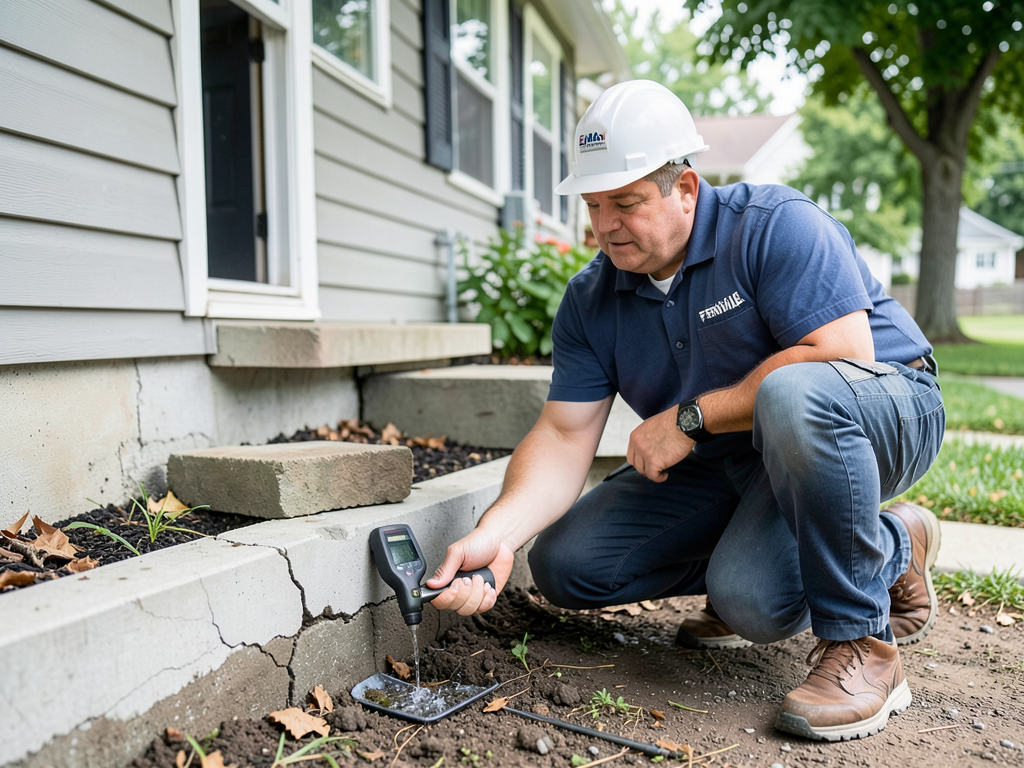
The Hidden Risks of Shared Driveway Runoff Between Your Ferndale Bungalow and Your Neighbor Shared driveways in Ferndale's historic bungalow neighborhoods create a hidden water damage threat that most homeowners never see coming. When rainwater…
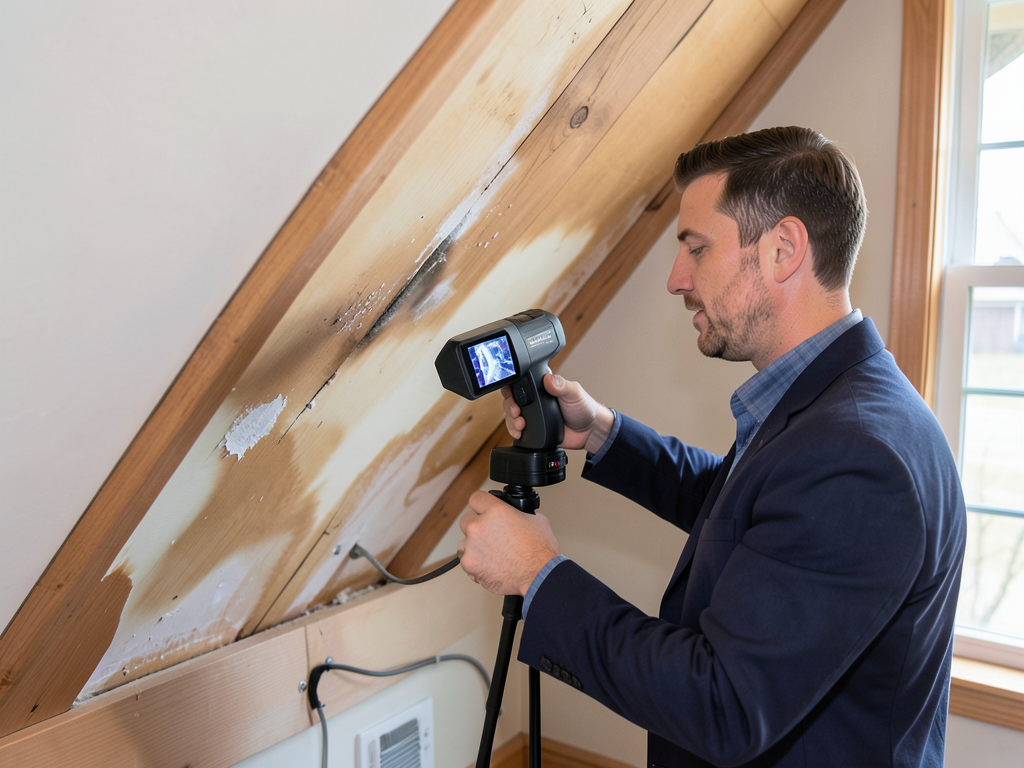
Tracking Down Hidden Water Leaks in Your Royal Oak Attic Kneewalls Royal Oak homeowners often…
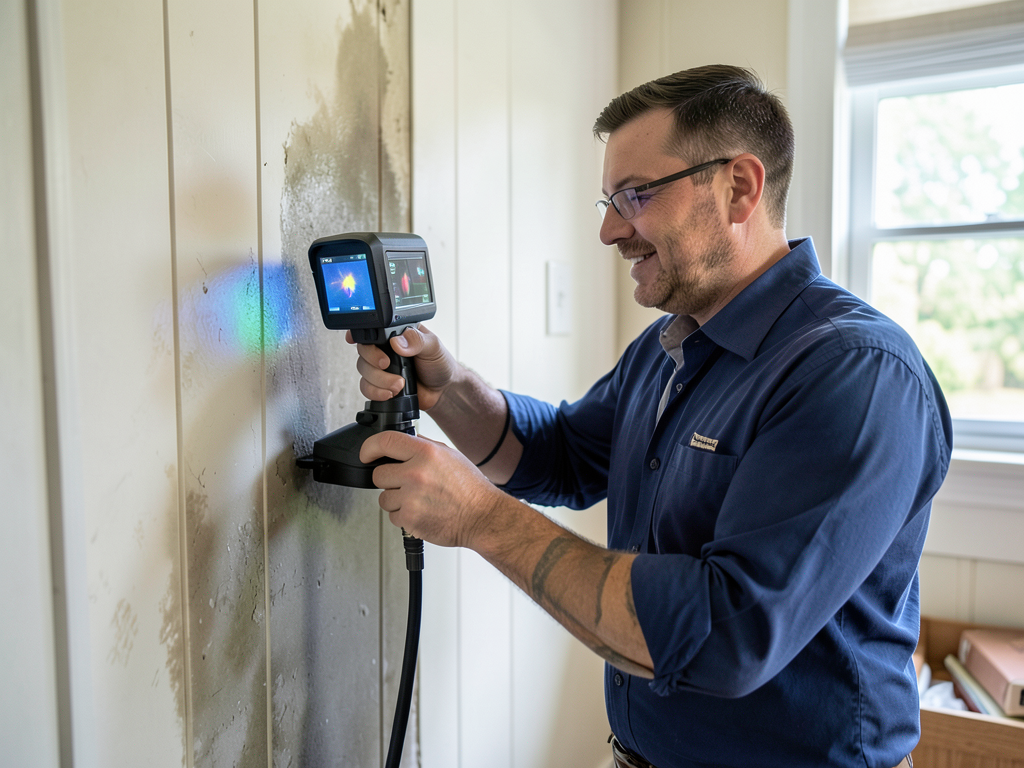
Why Your Baby's Nursery in Grosse Pointe Might Be Developing Hidden Wall Mold Parents in…
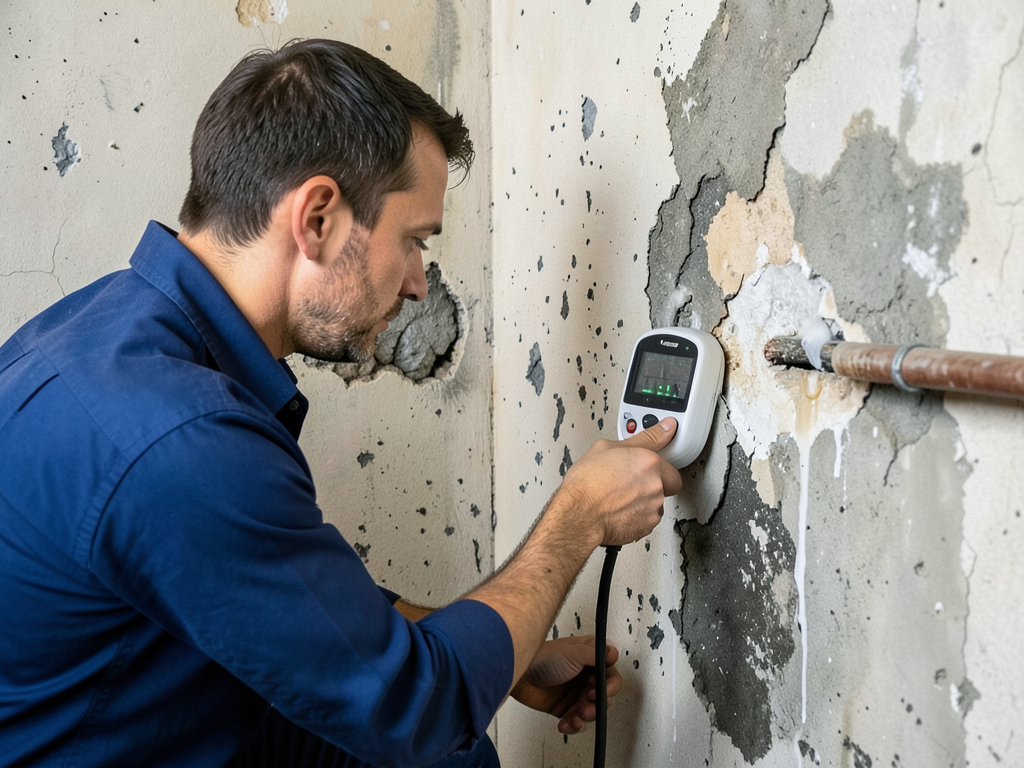
Protecting Your Remote Work Setup in Ferndale from Unexpected Basement Floods Water damage can destroy…
Water damage gets worse every hour you wait. Call Ironwood Water Damage Restoration Detroit at (313) 572-5559 right now for emergency response. Our crews are standing by 24/7 to extract water, dry your property, and handle insurance claims. Stop the damage before it spreads.