
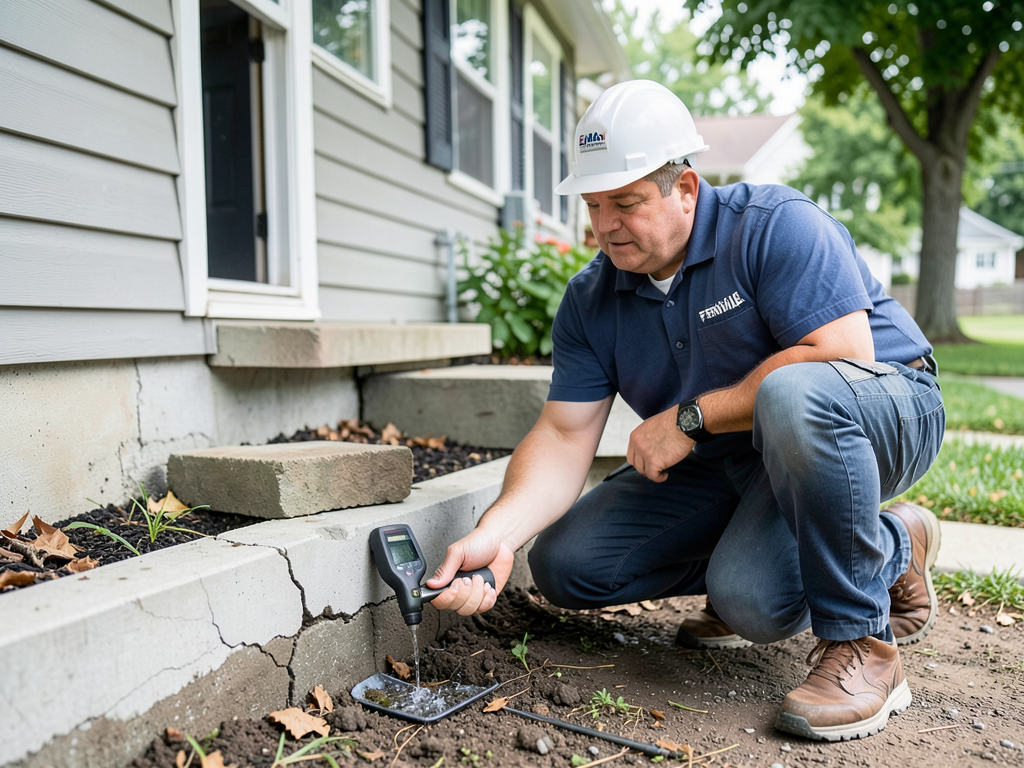
The Hidden Risks of Shared Driveway Runoff Between Your Ferndale Bungalow and Your Neighbor
Shared driveways in Ferndale’s historic bungalow neighborhoods create a hidden water damage threat that most homeowners never see coming. When rainwater flows from your neighbor’s half of the driveway toward your foundation, it can cause thousands of dollars in damage before you notice the first sign of trouble. Water Damage Restoration Livonia.
Water follows the path of least resistance, and in Ferndale’s dense bungalow districts, that path often leads straight to your basement. The combination of narrow lots, aging infrastructure, and Michigan’s freeze-thaw cycles turns a simple driveway into a potential water damage disaster waiting to happen. Michigan Residential Code.
How Shared Driveway Runoff Creates Foundation Problems
Water pooling against your foundation doesn’t just sit there. It seeps through the smallest cracks, works its way through the cove joint where walls meet floor, and creates hydrostatic pressure that can crack even the strongest concrete. In Ferndale’s clay-rich soil, this water has nowhere to go, so it pushes against your foundation walls with incredible force.
The problem compounds during Michigan’s spring thaw when melting snow and ice create a perfect storm of water volume. Your neighbor’s driveway might be slightly higher or improperly graded, sending water cascading toward your property with each rainfall or snowmelt event.
Warning Signs You Have a Runoff Problem
Efflorescence on your basement walls tells the story of water intrusion. These white, chalky deposits form when water carries dissolved salts through concrete, then leaves them behind as it evaporates. If you see efflorescence, water is already moving through your foundation. Flooded Basement Cleanup in Grosse Pointe Done Fast and Done Right.
Musty odors in your basement indicate moisture problems that could be coming from driveway runoff. The smell comes from mold and mildew growing in damp conditions. In Ferndale’s humid summers, these conditions worsen quickly once water finds its way inside.
Cracks in your foundation walls or floor often start small but grow larger as water pressure continues. Horizontal cracks typically indicate hydrostatic pressure from outside, while vertical cracks might suggest settling from saturated soil around your foundation.
Why Ferndale’s Geography Makes Runoff Worse
Ferndale sits on heavy clay soil that drains poorly. When water hits this soil, it doesn’t soak in quickly. Instead, it pools and moves laterally, finding its way to the lowest point. If your property sits slightly lower than your neighbor’s, their driveway becomes a water highway directed straight at your foundation.
The city’s mature tree canopy, while beautiful, creates another problem. Tree roots can lift and shift driveway sections, creating low spots that collect water. These depressions become collection points during rainstorms, directing water toward your home instead of away from it.
The Freeze-Thaw Cycle’s Hidden Damage
Michigan’s infamous freeze-thaw cycles turn minor water problems into major structural issues. Water that seeps into small foundation cracks freezes and expands, widening those cracks each winter. This cycle repeats year after year, turning hairline fractures into serious structural problems. Fixing the Mess After a Frozen Pipe Bursts in Your Detroit Home.
Ice buildup around your foundation can also lift and shift your home’s structure. This frost heave occurs when water-saturated soil freezes and expands, pushing against your foundation with tremendous force. The damage often shows up as sticking doors, cracked drywall, or uneven floors.
Professional Solutions for Driveway Runoff
Trench drains installed along property lines can capture water before it reaches your foundation. These systems collect surface water and channel it to storm drains or safe discharge points away from your home. The key is proper grading and installation to ensure water flows where you want it to go.
French drains provide underground drainage for water that’s already saturating the soil. These perforated pipes surrounded by gravel collect water and carry it away from your foundation. In Ferndale’s clay soil, French drains often require deeper installation to be effective.
Permeable pavers for shared driveways allow water to soak through instead of running off. These surfaces reduce the volume of water flowing toward your foundation while also providing a durable, attractive driveway surface that meets modern drainage standards.
DIY Fixes That Often Fail
Many homeowners try simple solutions like adding topsoil or extending downspouts, but these often miss the root cause. If your neighbor’s driveway is the primary water source, your efforts might redirect water temporarily but won’t solve the underlying drainage problem.
Surface grading alone rarely fixes shared driveway runoff issues. Water can flow under or around shallow grading changes, especially in clay soil where water moves laterally through the ground. Professional assessment often reveals problems that aren’t visible from the surface. Professional Cleanup for Flooded Basements in Dearborn (What to Expect and Why It Matters).
When to Call a Detroit Water Damage Expert
Call for professional help when you notice any foundation cracks, persistent basement moisture, or mold growth. These signs indicate water has already found its way inside, and the problem will only worsen without proper intervention.
Don’t wait for the next big storm to test your drainage system. Schedule an inspection before water damage occurs. Professional assessment can identify problems while they’re still minor and prevent costly repairs later. EPA WaterSense.
Water damage from shared driveway runoff often isn’t covered by standard homeowner’s insurance. Many policies exclude surface water damage, leaving you responsible for thousands in repairs if you wait until problems become severe.
Local Building Codes and Requirements
Detroit’s building codes require proper drainage away from foundations, but enforcement can be inconsistent in older neighborhoods like Ferndale. The Michigan Residential Code Section R401.3 mandates that the ground slope must fall at least 6 inches within the first 10 feet from foundation walls.
Local ordinances often require permits for major drainage work, especially when it affects property lines or storm sewer connections. Working with a licensed contractor ensures your solutions meet all local requirements and won’t create problems for your neighbors.
Cost Comparison: Prevention vs. Repair
| Solution Type | Typical Cost Range | Long-term Value |
|---|---|---|
| Professional drainage assessment | $300-$600 | Identifies problems before damage occurs |
| Trench drain installation | $2,000-$5,000 | Prevents foundation water damage |
| French drain system | $3,000-$8,000 | Long-term groundwater management |
| Foundation repair | $5,000-$15,000+ | Fixes existing damage |
| Mold remediation | $2,000-$10,000 | Health and structural safety |
Protecting Your Investment
Your home represents your largest investment. Water damage from shared driveway runoff can reduce property values, create health hazards, and lead to expensive repairs that could have been prevented with proper drainage solutions.
Talk to your neighbors about shared drainage concerns. Many driveway runoff problems can be solved through cooperative solutions that benefit both properties. Professional mediation can help when neighbors disagree about responsibility for drainage issues.
Regular maintenance of your drainage systems prevents small problems from becoming major issues. Clean gutters, extend downspouts, and inspect your foundation regularly for signs of water intrusion.
Call (313) 572-5559 Today to Schedule Your Inspection
Don’t let shared driveway runoff damage your Ferndale home. Our Detroit water damage experts understand the unique challenges of older neighborhoods and can provide solutions that protect your property for years to come.
Call (313) 572-5559 today to schedule your inspection. We’ll assess your specific situation, identify potential problems, and recommend solutions that fit your budget and protect your home.
Frequently Asked Questions
Who is responsible for driveway runoff between neighbors?
Responsibility often depends on property surveys and local ordinances. Generally, property owners must manage water on their own property, but shared driveways require cooperative solutions. Professional assessment can clarify responsibilities and recommend fair solutions.
How much does it cost to fix driveway drainage problems?
Costs vary widely based on the specific problem and solution needed. Simple fixes might cost a few hundred dollars, while comprehensive drainage systems can run several thousand. Professional assessment provides accurate cost estimates for your situation.
Can I sue my neighbor for water damage from their driveway?
Legal action is possible but often expensive and time-consuming. Most drainage disputes are better resolved through professional mediation or cooperative solutions. Check local ordinances and consider the cost of litigation versus the cost of fixing the problem.
How long does drainage system installation take?
Most residential drainage projects take 1-3 days to complete, depending on the complexity and weather conditions. Professional contractors can provide specific timelines after assessing your property’s needs.
Will my homeowner’s insurance cover driveway runoff damage?
Standard policies often exclude surface water damage. Coverage depends on your specific policy and the cause of damage. Review your policy and consider additional coverage if you’re in a high-risk area.
What’s the best time of year to install drainage systems?
Spring and fall typically offer the best conditions for drainage work in Michigan. Summer can be too dry for proper soil assessment, while winter installation is often impossible due to frozen ground.
How can I tell if water damage is from driveway runoff or another source?
Professional moisture testing and inspection can identify the water source. Signs like efflorescence patterns, crack locations, and water entry points help determine whether runoff is the primary cause.
Do I need permits for driveway drainage work?
Many drainage projects require permits, especially those affecting property lines or storm sewer connections. Professional contractors handle permitting as part of their services and ensure all work meets local codes.
How often should drainage systems be inspected?
Annual inspections are recommended, with additional checks after major storms or seasonal changes. Regular maintenance prevents small problems from becoming major issues.
Can landscaping help with driveway runoff?
Strategic landscaping can improve drainage, but it’s rarely a complete solution for shared driveway problems. Professional assessment can determine whether landscaping alone will address your specific issues.
What happens if I ignore driveway runoff problems?
Ignoring drainage problems typically leads to worsening damage over time. Foundation cracks grow larger, mold spreads, and repair costs increase. Early intervention prevents most serious damage.
Are there eco-friendly drainage solutions?
Yes, many modern drainage solutions incorporate sustainable practices like permeable surfaces, rain gardens, and water harvesting systems. These options can reduce environmental impact while solving drainage problems.
How do I choose the right contractor for drainage work?
Look for licensed, insured contractors with specific experience in drainage and foundation work. Check references, verify credentials, and ensure they understand local soil conditions and building codes.
Can driveway runoff affect my basement’s air quality?
Yes, moisture from runoff creates conditions for mold growth, which can significantly impact indoor air quality. Musty odors, increased humidity, and visible mold are signs of moisture problems that need immediate attention.
What’s the difference between surface and subsurface drainage?
Surface drainage manages water above ground through grading and channels, while subsurface drainage handles water below ground through pipes and drains. Most properties need both systems for complete water management.
Take Action Before Water Damage Strikes
Shared driveway runoff represents a serious threat to Ferndale homes, but it’s a threat you can control with proper planning and professional help. Don’t wait until you’re dealing with a flooded basement or cracked foundation to address drainage problems.
Call (313) 572-5559 today to schedule your professional inspection. Our Detroit water damage experts will assess your specific situation, identify potential problems, and recommend solutions that protect your home and your investment.
Water damage from shared driveway runoff doesn’t have to ruin your Ferndale bungalow. With the right solutions and professional help, you can keep your home dry, safe, and valuable for years to come. What to Do Right Now for Sewage Backup Cleanup in Detroit.
Pick up the phone and call (313) 572-5559 before the next storm hits. Your home deserves protection from the hidden risks of shared driveway runoff.