
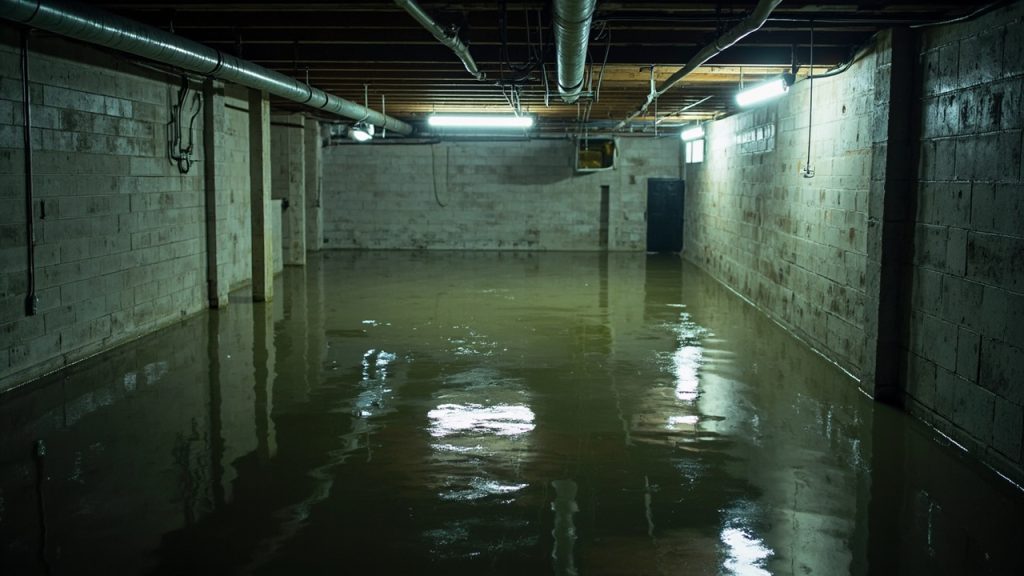
Basement Flood Restoration in Dearborn, MI
Your basement has water in it right now, or it did recently, and you need to know what comes next. Dearborn homeowners deal with flooded basements more than most people in Wayne County, and the reasons are specific to this area. Aging sewer infrastructure, proximity to the Rouge River floodplain, and flat terrain that slows drainage all work against you. The good news is that fast, professional restoration stops the damage before it compounds.
This is not a situation where waiting a day or two is safe. Water wicks into concrete block walls, saturates floor joists, and creates the moisture conditions mold needs within 24 to 48 hours. Every hour matters.
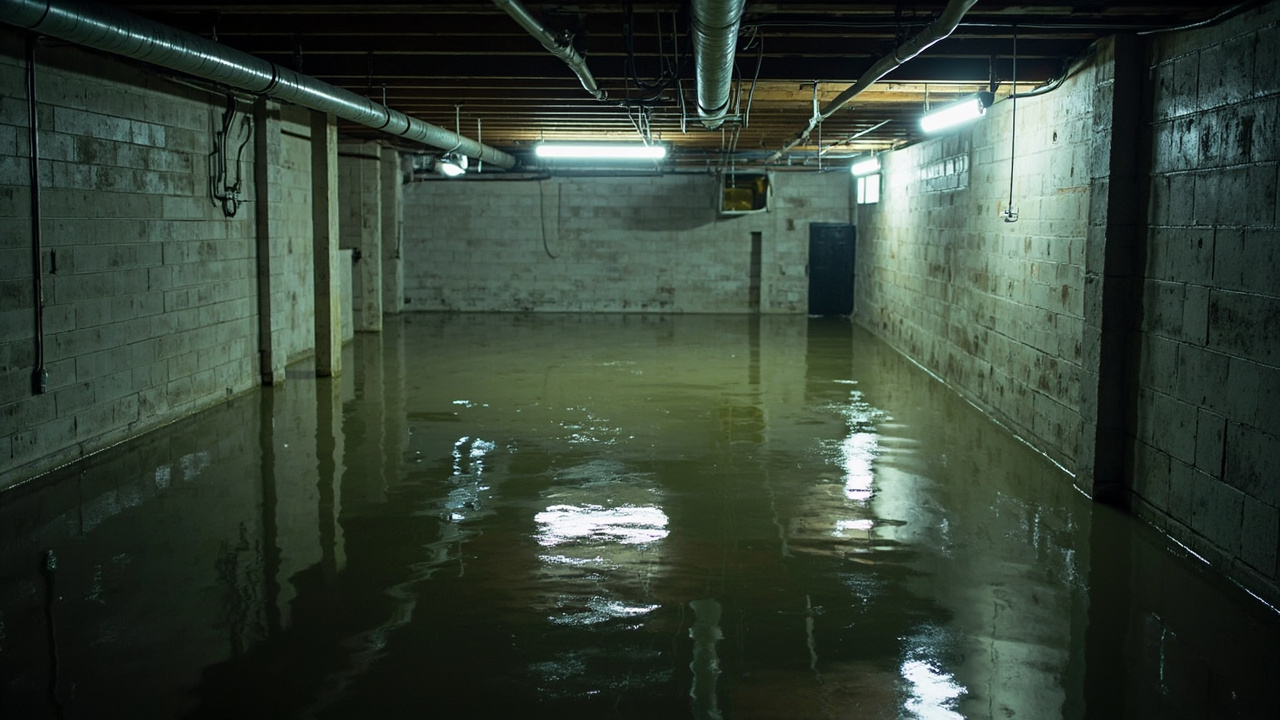
Why Dearborn Basements Flood More Than Most
Dearborn’s residential neighborhoods, from Fairlane to West Dearborn to the areas near Michigan Avenue, were largely built between the 1940s and 1970s. That means the sewer laterals under many homes are decades old, made from clay tile or cast iron, and prone to root intrusion and collapse. When heavy rain hits, the combined sewer system can back up fast.
The Rouge River runs directly through and around Dearborn, and its tributary branches sit beneath much of the city’s older development. During significant rain events, the water table rises quickly in low-lying areas near the river corridor. Sump pumps that work fine in a normal spring become overwhelmed in a matter of hours.
Sump pump failure is the single most common cause of flooded basements we see in Dearborn. A sump pump failure cleanup often involves not just water removal, but assessing whether the pit and discharge line are functioning correctly for the next event. If your pump ran continuously and still could not keep up, the system was undersized for your property’s water intrusion rate.
Other common causes in this area include:
- Sewer backup through floor drains (a Category 3 contamination event requiring full sanitization)
- Window well overflow from clogged drainage
- Foundation wall seepage through mortar joints and cracks in older block foundations
- Burst or leaking water service lines entering the home from the street
- Washing machine overflow or water heater failure in finished basement utility areas
Understanding what caused your flood matters because it determines the contamination category of the water. Clean water from a burst pipe is handled differently than a sewage backup. Learn more about how professionals classify water damage on our water categories page.
The Restoration Process We Use for Dearborn Flood Cleanups
Professional basement flood restoration follows a defined, sequential process. Each step depends on the one before it. Skipping steps, or rushing them, leads to failed drying, hidden moisture, and mold growth that shows up weeks later.
Step 1 — Emergency Inspection and Moisture Mapping
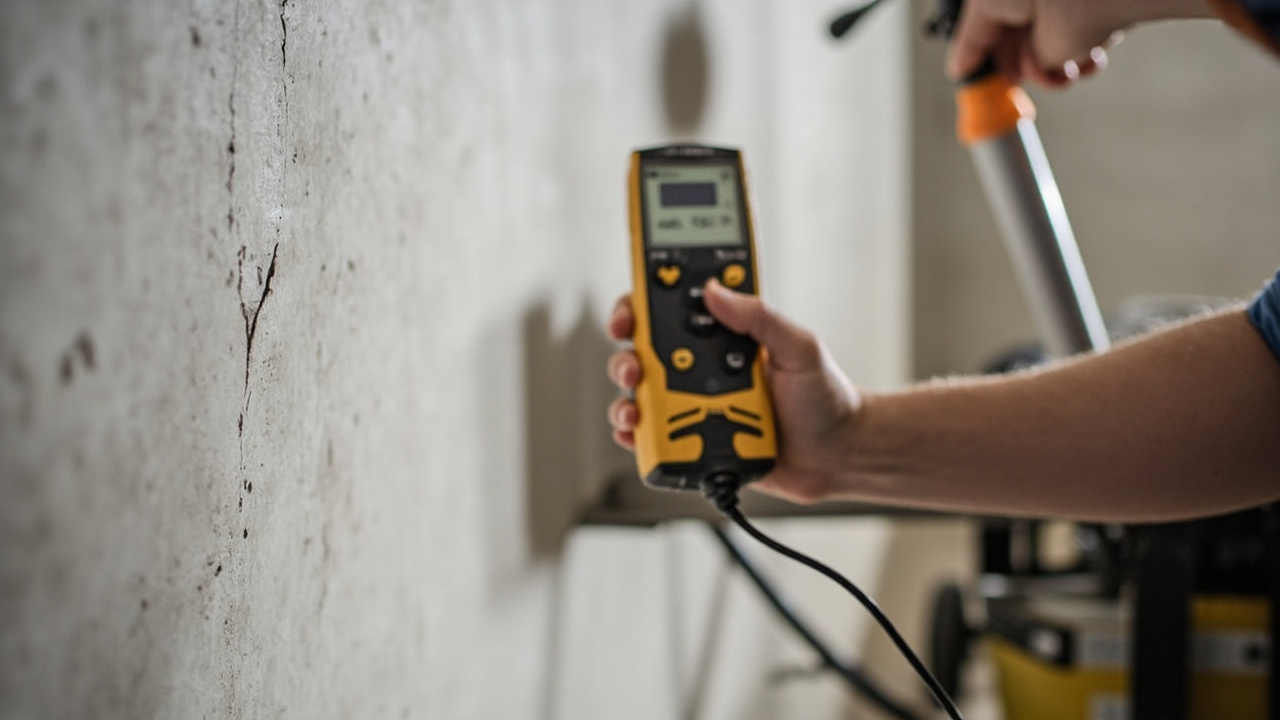
A trained technician arrives and immediately assesses the scope using calibrated moisture meters, thermal imaging cameras, and a hygrometer to read ambient humidity. We document everything, which matters for your insurance claim. We identify the water source, classify the water type, and map which materials are affected.
Thermal imaging is not optional. Water behind drywall or under finished flooring is invisible to the naked eye. Our hidden moisture detection process prevents the most common restoration failure, which is declaring a space dry when it is not.
Step 2 — Water Extraction
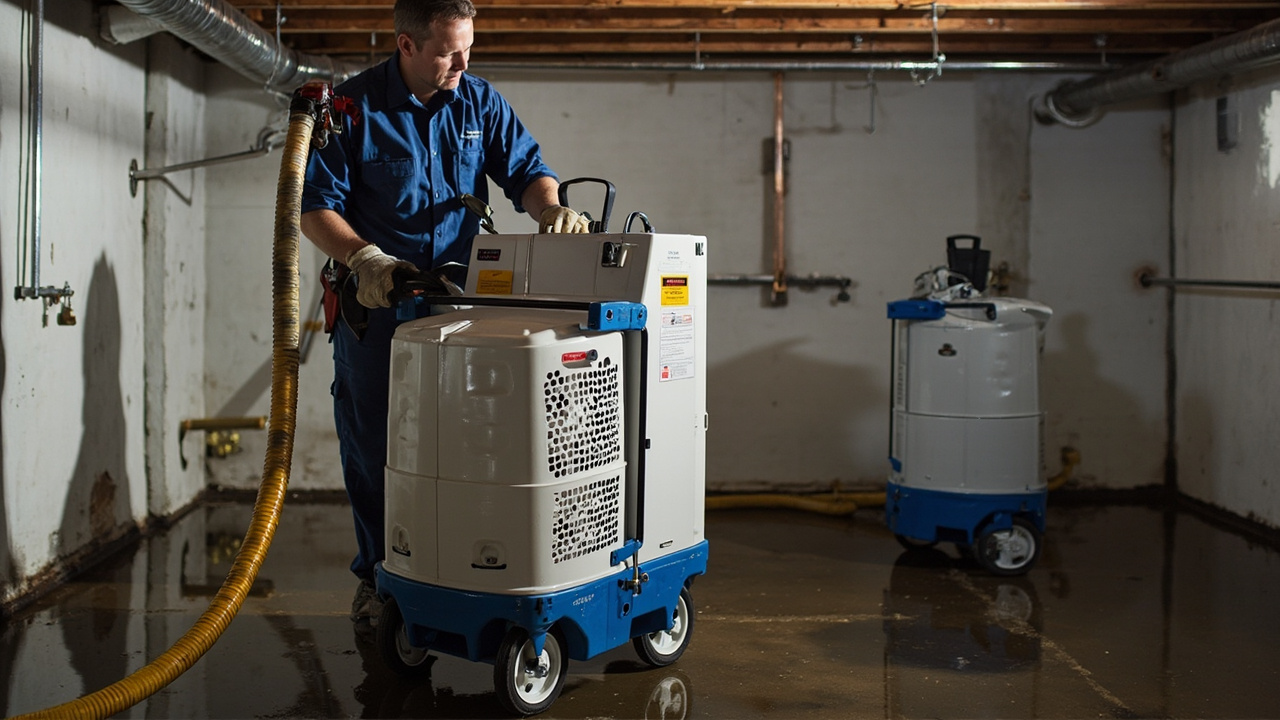
Truck-mounted or portable extraction units remove standing water first. In a typical Dearborn basement flood scenario, a truck-mount pulls significantly more water per hour than any consumer-grade wet vac. For large volumes, we use submersible pumps first, then follow with high-powered extraction wands that pull water from carpet padding, concrete pores, and subfloor materials.
This is where speed pays off. The faster the bulk water is out, the less lateral migration occurs into your framing, insulation, and wall cavities. Our large-scale water extraction equipment handles even the worst basement flooding scenarios.
Step 3 — Structural Drying and Dehumidification
Extraction removes bulk water. Drying removes the moisture that has already absorbed into materials. This requires a calculated drying system, meaning the right number and placement of air movers combined with commercial-grade low-grain refrigerant (LGR) dehumidifiers. We follow IICRC S500 psychrometric principles to achieve the correct evaporation rate without over-drying materials or creating secondary damage.
A typical Dearborn basement flood drying job takes three to five days with professional equipment running continuously. Check our detailed breakdown of how long drying takes for different materials and flood sizes. You can also read more about structural drying services and what the equipment does on-site.
Step 4 — Cleaning and Sanitization
Once the space reaches drying goals confirmed by daily moisture readings, we perform antimicrobial treatment and sanitization. For sewer backup events, this step is critical. Category 3 gray and black water carries pathogens that require EPA-registered disinfectants applied with proper dwell times. We clean surfaces, treat concrete, and address any affected contents.
For information on what full sanitization involves, see our sanitization and odor removal page. Musty odors that persist after a flood are almost always a sign of incomplete drying or microbial growth, not just a smell problem.
Step 5 — Final Documentation and Restoration Planning
We provide a complete drying log with daily psychrometric readings, moisture mapping diagrams, and photo documentation. This package supports your insurance claim and protects you if mold issues arise later. At this stage, we can coordinate reconstruction, whether that means drywall replacement, flooring installation, or structural repairs.
Dearborn Flood Damage Timeline and What Each Stage Means for Your Home
| Time After Flooding | What Is Happening to Your Home | Professional Action Required |
|---|---|---|
| 0 to 2 Hours | Standing water saturating flooring, drywall, and insulation | Emergency extraction begins immediately |
| 2 to 8 Hours | Drywall swells, flooring delaminates, wood framing absorbs moisture | Extraction complete, air movers and dehumidifiers deployed |
| 8 to 24 Hours | Wood begins warping, metal surfaces rust, odors develop | Drying system running, daily monitoring begins |
| 24 to 48 Hours | Mold spore germination begins on wet organic materials | Antimicrobial treatment applied, continued drying |
| 48 to 72 Hours | Visible mold growth possible, structural integrity at risk | Full mold remediation protocol may be required |
| 3 to 5 Days | Materials reach drying goals with professional equipment | Final moisture readings, clearance documentation, restoration planning |
How Dearborn Flood Cleanup Compares to DIY Attempts
Renting a wet vac and a box fan feels like taking action. It is not enough. Consumer wet vacs remove surface water. They do not extract moisture from carpet backing, concrete, or wall cavities. Box fans circulate air but do not reduce the dew point in the space. Without dehumidification that drops the specific humidity of the air, wet materials stay wet regardless of airflow.
The risks of DIY water cleanup go beyond incomplete drying. Handling sewage-contaminated water without proper PPE is a genuine health hazard. Disturbing wet drywall before testing for asbestos in older Dearborn homes built before 1980 is a code issue. Misclassifying your claim by starting unauthorized demolition can reduce your insurance payout.
The IICRC (Institute of Inspection, Cleaning and Restoration Certification) sets the industry standard for water damage restoration procedures. Certified technicians follow documented protocols that insurance adjusters recognize, which matters when you file a claim.
What Professional Flood Restoration Costs in Dearborn
Cost depends on several factors that vary significantly from job to job. Giving you a flat number without seeing your basement would not be honest. What we can tell you is what drives cost up or down.
| Cost Factor | Lower Cost Scenario | Higher Cost Scenario |
|---|---|---|
| Water Category | Clean water from pipe break | Sewage backup (Category 3) |
| Affected Area | Unfinished basement, concrete floor only | Finished basement with carpet, drywall, and framing |
| Response Time | Called within 2 hours of flooding | Water sat for 24 or more hours |
| Mold Presence | No mold growth detected | Active mold colony requiring remediation |
| Contents Affected | Empty space, no personal property | Furniture, electronics, stored items requiring pack-out |
| Reconstruction Scope | No demo or rebuild needed | Drywall, flooring, insulation replacement required |
For a detailed breakdown of what restoration costs and what insurance typically covers, see our water damage restoration cost guide for 2026.
Insurance Claims for Dearborn Basement Floods
Most standard homeowner policies in Michigan cover sudden and accidental water damage from internal sources, like a burst pipe or appliance failure. Sewer backup coverage is a separate endorsement that many Dearborn homeowners do not carry until after they need it. Flooding from external surface water typically requires a separate flood insurance policy through the National Flood Insurance Program (NFIP).
We work directly with all major insurance carriers. Our documentation process, including moisture logs, moisture maps, and photo evidence, is built to support your adjuster’s assessment. We do not pad claims, but we do make sure nothing is missed. Our insurance claims guide walks through the process step by step.
One important note for Dearborn homeowners. The City of Dearborn has invested in sewer infrastructure upgrades in recent years, but many lateral connections remain older clay tile. If your flood was caused by a sewer backup, document the source carefully before any cleanup begins. The cause of the backup may affect both your insurance claim and any potential claim against the city’s system.
Mold Risk After a Dearborn Basement Flood
Michigan’s climate creates mold-favorable conditions even in dry basements. After a flood event, the risk accelerates. Mold needs three things to grow: moisture, a food source (drywall paper, wood framing, cardboard), and temperatures above 40 degrees Fahrenheit. Your basement provides all three.
A professional drying job eliminates the moisture component before mold establishes itself. But if drying was incomplete, or if water sat for more than 24 hours before cleanup started, there is a real chance mold is already growing behind walls or under flooring where you cannot see it. Our signs of hidden mold resource covers what to watch for in the weeks after a flood.
If you see visible mold growth on walls or surfaces, that is a sign the job is not done. Mold remediation is a separate protocol from water restoration, and it requires containment, negative air pressure, HEPA filtration, and proper disposal of contaminated materials. Do not paint over it or seal it with bleach and call it done. That does not work.
Serving Dearborn and the Surrounding Wayne County Area
Our team serves all of Dearborn, including neighborhoods near Ford Road, Cherry Hill, the areas around Dearborn Country Club, and the Dearborn Heights border corridor. We also provide water damage restoration in Dearborn Heights and cover the broader metro area including Detroit, Livonia, and Taylor.
If you are dealing with a flooded basement right now, do not wait to see if it dries on its own. It will not. The damage that happens in the first 24 hours is preventable. The damage that happens after day two is not.
Frequently Asked Questions About Flooded Basements in Dearborn
How fast can a restoration crew get to my Dearborn home?
We target a 30-minute response time for emergency calls within Dearborn and the immediate Wayne County area. Our 24/7 emergency water removal service operates around the clock, including weekends and holidays.
My basement flooded from a sewer backup. Is that more serious than a pipe break?
Yes. Sewer backup water is classified as Category 3 (black water) under IICRC S500 standards. It contains bacteria, pathogens, and contaminants that require full sanitization protocols, not just drying. Any porous materials that had prolonged contact with Category 3 water typically need to be removed. Our emergency sewage cleanup team handles these situations with the appropriate protective equipment and disposal procedures.
Will my homeowner’s insurance cover a flooded basement in Dearborn?
Coverage depends on the cause. Internal sources like a burst pipe or appliance failure are usually covered under standard policies. Sewer backup requires a separate endorsement. Surface water flooding requires NFIP flood insurance. We assist with documentation and can walk you through what your policy likely covers. See our guide on whether insurance covers mold if that is also a concern.
Can I stay in my home while the drying equipment runs?
In most cases, yes. Commercial air movers and dehumidifiers are loud and will raise indoor temperatures slightly, but the space is generally habitable. If the flood involved sewage backup or if mold remediation is underway with containment barriers, temporary relocation may be recommended for health reasons.
How do I protect my basement from flooding again?
After the immediate restoration is complete, a few measures significantly reduce future risk. A battery backup sump pump is the most important investment for Dearborn homes. Window well covers, proper grading away from the foundation, and an overhead sewer conversion (which eliminates the floor drain path for sewer backups) are all worth considering. Our basement waterproofing guide and sump pump maintenance guide cover these options in detail.
If your basement has flooded and you are ready to get professional help on-site today, reach out directly. A trained technician will assess your situation, document the damage, and get the drying process started the same day. The sooner the equipment is running, the less you lose.
{
“@context”: “https://schema.org”,
“@type”: “BlogPosting”,
“headline”: “Professional Cleanup for Flooded Basements in Dearborn (What to Expect and Why It Matters)”,
“description”: “Flooded basement in Dearborn? Get 24/7 professional cleanup, water extraction, structural drying, and insurance help from Wayne County’s trusted restoration team.”,
“wordCount”: 2169,
“datePublished”: “2026-02-10T06:44:00.000Z”,
“dateModified”: “2026-02-10T06:44:00.000Z”,
“inLanguage”: “en-US”,
“mainEntityOfPage”: {
“@type”: “WebPage”,
“@id”: “https://ironwoodwaterdamagerestorationdetroit.com”
},
“publisher”: {
“@type”: “LocalBusiness”,
“name”: “Ironwood Water Damage Restoration Detroit”,
“url”: “https://ironwoodwaterdamagerestorationdetroit.com”
},
“author”: {
“@type”: “Organization”,
“name”: “Ironwood Water Damage Restoration Detroit”,
“url”: “https://ironwoodwaterdamagerestorationdetroit.com”
},
“image”: {
“@type”: “ImageObject”,
“url”: “https://ironwoodwaterdamagerestorationdetroit.com/wp-content/uploads/2026/03/professional-cleanup-for-flooded-basements-in-dear-1.jpg”
}
}
{
“@context”: “https://schema.org”,
“@type”: “LocalBusiness”,
“name”: “Ironwood Water Damage Restoration Detroit”,
“url”: “https://ironwoodwaterdamagerestorationdetroit.com”,
“address”: {
“@type”: “PostalAddress”,
“addressLocality”: “Detroit”
},
“areaServed”: {
“@type”: “City”,
“name”: “Detroit”
}
}
{
“@context”: “https://schema.org”,
“@type”: “FAQPage”,
“mainEntity”: [
{
“@type”: “Question”,
“name”: “How fast can a restoration crew get to my Dearborn home?”,
“acceptedAnswer”: {
“@type”: “Answer”,
“text”: “We target a 30-minute response time for emergency calls within Dearborn and the immediate Wayne County area. Our 24/7 emergency water removal service operates around the clock, including weekends and holidays.”
}
},
{
“@type”: “Question”,
“name”: “My basement flooded from a sewer backup. Is that more serious than a pipe break?”,
“acceptedAnswer”: {
“@type”: “Answer”,
“text”: “Yes. Sewer backup water is classified as Category 3 (black water) under IICRC S500 standards. It contains bacteria, pathogens, and contaminants that require full sanitization protocols, not just drying. Any porous materials that had prolonged contact with Category 3 water typically need to be removed. Our emergency sewage cleanup team handles these situations with the appropriate protective equipment and disposal procedures.”
}
},
{
“@type”: “Question”,
“name”: “Will my homeowner’s insurance cover a flooded basement in Dearborn?”,
“acceptedAnswer”: {
“@type”: “Answer”,
“text”: “Coverage depends on the cause. Internal sources like a burst pipe or appliance failure are usually covered under standard policies. Sewer backup requires a separate endorsement. Surface water flooding requires NFIP flood insurance. We assist with documentation and can walk you through what your policy likely covers. See our guide on whether insurance covers mold if that is also a concern.”
}
},
{
“@type”: “Question”,
“name”: “Can I stay in my home while the drying equipment runs?”,
“acceptedAnswer”: {
“@type”: “Answer”,
“text”: “In most cases, yes. Commercial air movers and dehumidifiers are loud and will raise indoor temperatures slightly, but the space is generally habitable. If the flood involved sewage backup or if mold remediation is underway with containment barriers, temporary relocation may be recommended for health reasons.”
}
}
]
}
{
“@context”: “https://schema.org”,
“@type”: “BreadcrumbList”,
“itemListElement”: [
{
“@type”: “ListItem”,
“position”: 1,
“name”: “Home”,
“item”: “https://ironwoodwaterdamagerestorationdetroit.com”
},
{
“@type”: “ListItem”,
“position”: 2,
“name”: “Blog”,
“item”: “https://ironwoodwaterdamagerestorationdetroit.com/blog”
},
{
“@type”: “ListItem”,
“position”: 3,
“name”: “Professional Cleanup for Flooded Basements in Dearborn (What to Expect and Why It Matters)”
}
]
}
{
“@context”: “https://schema.org”,
“@type”: “Service”,
“serviceType”: “Water Damage Restoration”,
“provider”: {
“@type”: “LocalBusiness”,
“name”: “Ironwood Water Damage Restoration Detroit”,
“url”: “https://ironwoodwaterdamagerestorationdetroit.com”
},
“areaServed”: {
“@type”: “City”,
“name”: “Detroit”
},
“description”: “Flooded basement in Dearborn? Get 24/7 professional cleanup, water extraction, structural drying, and insurance help from Wayne County’s trusted restoration team.”
}