




menu

Storm Damage Mitigation in Detroit – Complete Property Protection from Severe Weather Events

Expert Storm Damage Mitigation for Detroit properties, combining rapid emergency response with comprehensive structural assessment to protect your home or business from water intrusion, wind damage, and long-term deterioration after severe weather strikes.

Slider Image 1
Slider Image 2
Slider Image 3
Slider Image 4
Slider Image 5
Slider Image 7
Slider Image 8
Slider Image 9
Slider Image 10
Slider Image 11

Why Detroit Properties Face Unique Storm Damage Risks

Detroit's position along the Great Lakes creates a perfect storm of weather threats that most property owners underestimate until damage occurs. The city experiences dramatic freeze-thaw cycles that weaken roofing materials, sudden temperature swings that stress building envelopes, and intense summer thunderstorms that dump several inches of rain in hours.

The older housing stock in neighborhoods like Corktown, Indian Village, and Woodbridge compounds these risks. Many homes feature original slate roofs, clay tile, and masonry chimneys that become vulnerable after decades of weather exposure. When severe storms hit, these architectural elements fail in predictable patterns.

Wind-driven rain is the silent killer. During Detroit's spring and fall storm seasons, horizontal precipitation finds every gap in siding, every missing shingle, every cracked flashing detail. Water infiltrates wall cavities, saturates insulation, and creates conditions for mold growth within 48 hours.

Commercial properties face different but equally serious challenges. Flat or low-slope roofs on Detroit's industrial buildings and retail centers are prone to ponding water after heavy precipitation. The clay soil throughout Wayne County expands when saturated, creating hydrostatic pressure against foundation walls and basement waterproofing systems.

Storm damage mitigation addresses these threats before they escalate. The difference between a minor roof leak and catastrophic water damage often comes down to response time. Every hour of delay allows water to penetrate deeper into building assemblies, turning a simple storm damage cleanup project into extensive structural repairs.

Ironwood Water Damage Restoration Detroit understands the specific failure patterns that occur in this region. We know which building materials deteriorate fastest, which architectural details are most vulnerable, and how Detroit's weather patterns create cascading damage scenarios.

Why Detroit Properties Face Unique Storm Damage Risks
Our Comprehensive Storm Damage Mitigation Methodology

Our Comprehensive Storm Damage Mitigation Methodology

Effective storm damage restoration begins with understanding that visible damage is only part of the problem. Water follows gravity and capillary action through building assemblies in ways that most property owners cannot see or anticipate.

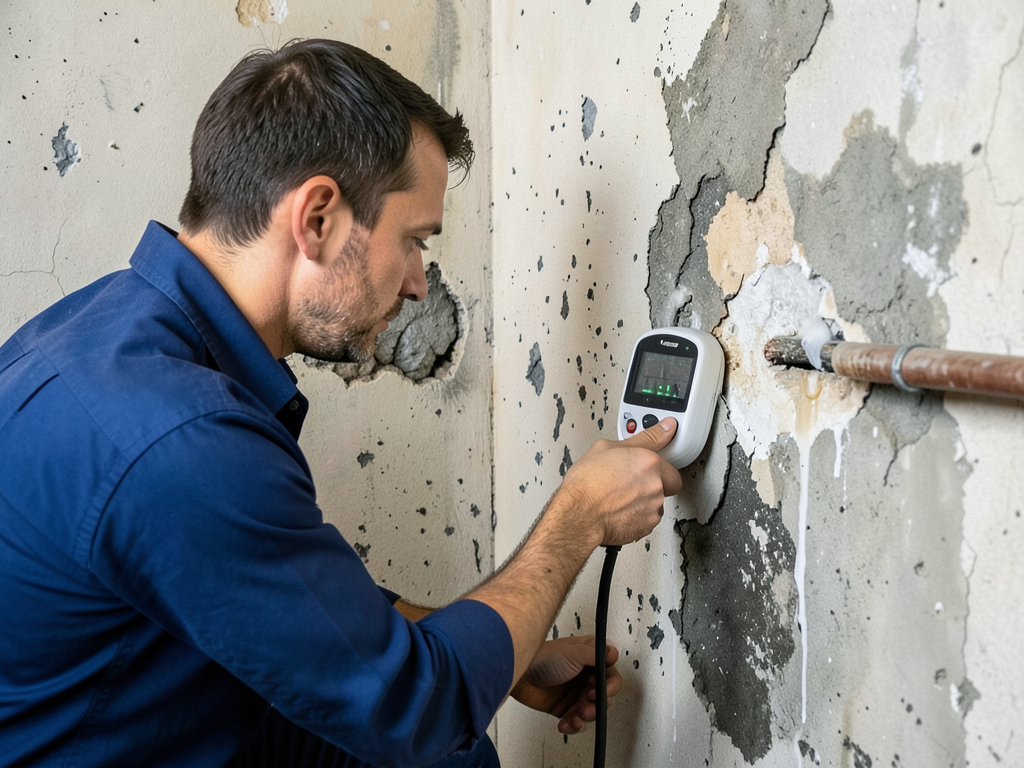
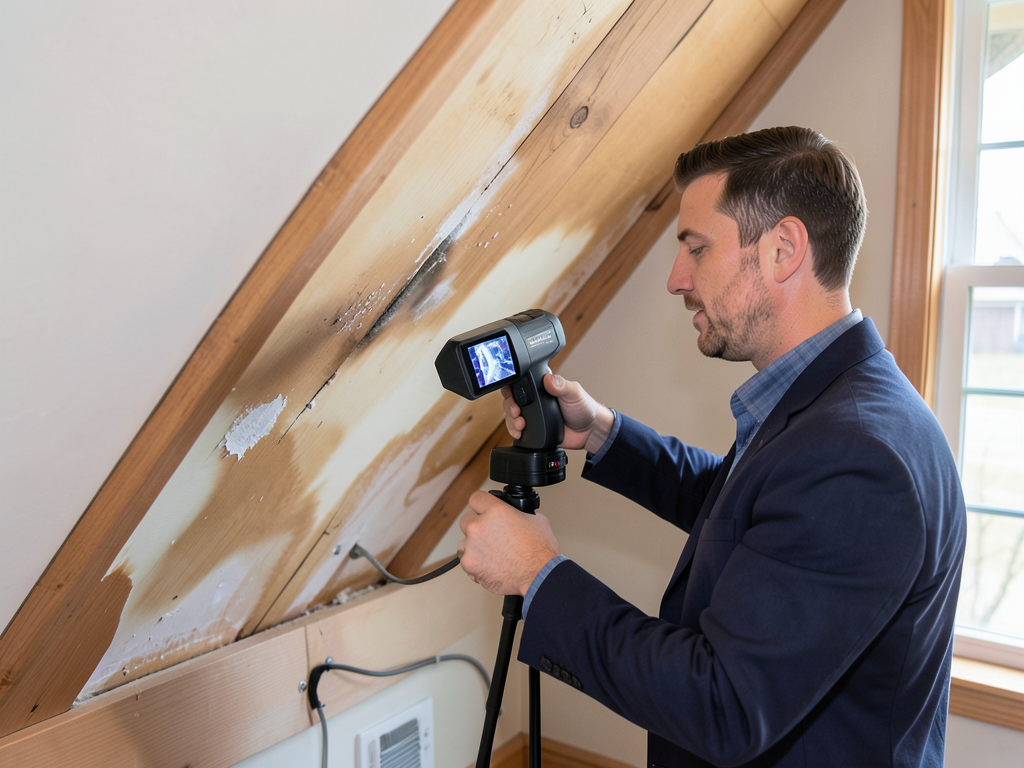
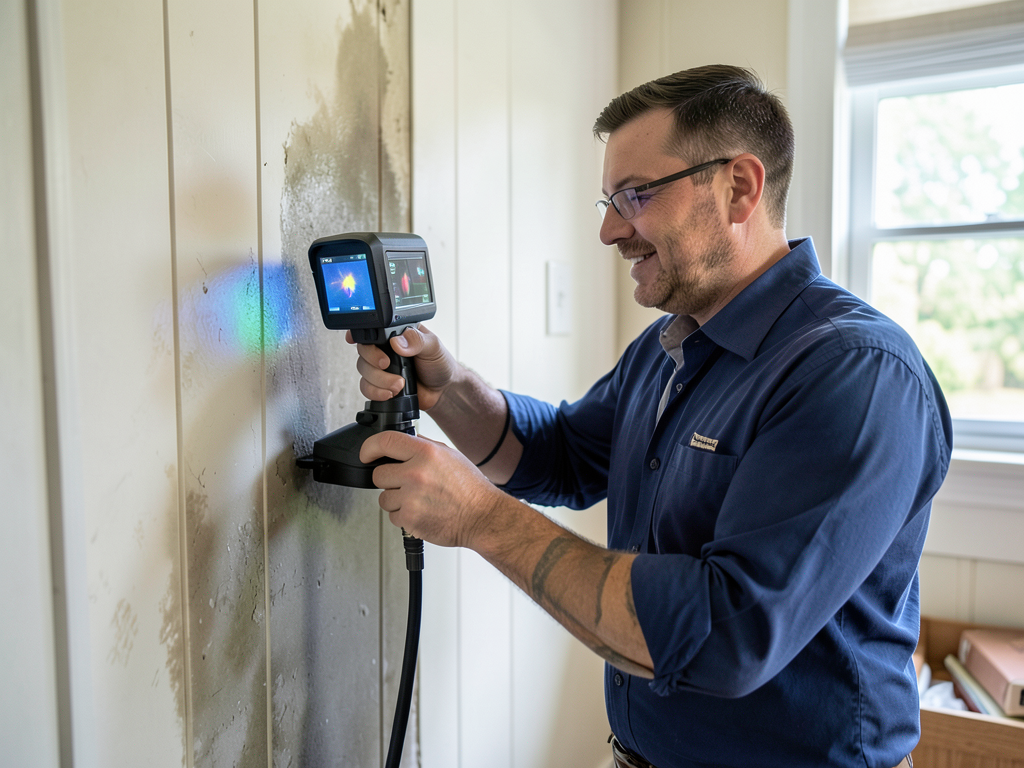
Our approach starts with thermal imaging and moisture mapping to identify the full extent of water intrusion. We use calibrated moisture meters to measure dampness levels in framing lumber, drywall, and insulation. A reading above 17 percent moisture content in wood indicates active water damage that requires immediate intervention.

Structural tarping goes beyond simply covering holes. We use engineered attachment methods that secure tarps without creating additional roof penetrations. Each anchor point is sealed and reinforced to withstand wind loads exceeding 60 miles per hour. This prevents secondary damage during the days or weeks required for permanent repairs.

Water extraction focuses on removing standing water and trapped moisture from building cavities. We deploy truck-mounted extractors capable of removing hundreds of gallons per hour, then use low-grain refrigerant dehumidifiers to dry structural components to acceptable moisture levels.

Storm damage remediation includes antimicrobial treatment of affected surfaces. Once organic materials like wood or drywall become wet, fungal growth begins rapidly in Detroit's humid climate. We apply EPA-registered antimicrobials to prevent mold colonization while materials dry.

Documentation is critical for insurance claims. We photograph all damage, maintain detailed moisture readings throughout the drying process, and provide comprehensive reports that support your claim. Most insurance adjusters expect specific data points that prove the scope of damage and the necessity of our emergency storm damage services.

The goal is complete structural stabilization. We do not simply stop active leaks. We verify that building assemblies have returned to dry standard conditions and that no hidden moisture remains to cause future problems.

How Storm Damage Mitigation Protects Your Property

Storm Damage Mitigation in Detroit – Complete Property Protection from Severe Weather Events
01

Emergency Assessment and Containment

We arrive within 60 minutes for emergency calls and immediately assess life safety hazards like electrical contact with water, structural instability, or gas line damage. The priority is stopping active water intrusion through temporary tarping, boarding broken windows, or deploying pumps for basement flooding. We establish containment barriers to prevent water migration into unaffected areas and begin documenting damage for insurance purposes before anything is moved or altered.
02

Water Extraction and Structural Drying

Extraction begins immediately using truck-mounted equipment and portable extractors for hard-to-reach areas. We remove baseboards and drill weep holes in wall cavities when necessary to drain trapped water. Industrial dehumidifiers and air movers create optimal drying conditions while we monitor moisture levels twice daily. The drying process typically requires three to seven days depending on the extent of saturation and building materials involved.
03

Restoration and Prevention Planning

Once structures reach dry standard conditions, we complete repairs using materials that match existing construction. This includes roof repairs, siding replacement, drywall installation, and repainting. We identify vulnerabilities that contributed to the damage and provide recommendations for upgrades like improved flashing details, better attic ventilation, or enhanced drainage systems. You receive a complete report detailing all work performed and suggested improvements to prevent future storm damage.

Why Detroit Property Owners Trust Our Storm Damage Expertise

Storm damage repair in Detroit requires familiarity with construction methods spanning over a century. A 1920s brick colonial in Palmer Woods has completely different vulnerability points than a 1960s ranch in Redford or a modern commercial building in the New Center area.

We have restored properties throughout Wayne County and understand the specific challenges each era of construction presents. Older homes often have inadequate roof ventilation, leading to ice dam formation during winter storms. Mid-century buildings frequently have deteriorated tar and gravel roofs that pond water. Newer construction may have improperly installed house wrap that channels water into wall cavities.

Our technicians hold IICRC certifications in water damage restoration and applied structural drying. This training goes beyond basic cleanup to include understanding psychrometrics, vapor pressure dynamics, and material-specific drying requirements. We know the difference between drying painted drywall versus plaster over wood lath, or how to handle water-damaged hardwood floors without causing cupping or permanent damage.

Insurance coordination is another area where experience matters. Michigan insurance policies vary significantly in their coverage of storm damage, particularly regarding gradual deterioration versus sudden storm events. We provide documentation that clearly establishes the timeline and cause of damage to support your claim.

Response capacity sets us apart during major storm events. When severe weather impacts the entire Detroit metro area, many restoration companies become overwhelmed. We maintain adequate equipment inventory and staffing to respond quickly even during peak demand periods.

Local knowledge extends to understanding Detroit's municipal requirements. Some neighborhoods have historic designation requiring specific repair approaches. Commercial properties must comply with current building codes even when repairing storm damage. We navigate these requirements to ensure your repairs meet all applicable standards.

Choosing a storm damage restoration provider based on price alone often leads to incomplete repairs and recurring problems. The lowest estimate typically means shortcuts in moisture detection, inadequate drying time, or failure to address underlying vulnerabilities.

What to Expect During Storm Damage Mitigation

Rapid Emergency Response

We maintain 24/7 availability for storm damage emergencies throughout the Detroit area. Our average response time is under 60 minutes for urgent situations involving active water intrusion, structural instability, or major property exposure. Non-emergency assessments are typically scheduled within four hours of your call. We understand that storm damage creates immediate anxiety about secondary damage and security concerns. You receive direct contact information for your project manager who remains available throughout the entire restoration process. Emergency response includes temporary protection measures that prevent additional damage while permanent repairs are planned and approved.

Thorough Damage Assessment

Initial assessment includes visual inspection of all affected areas plus moisture mapping using thermal imaging and calibrated meters. We document damage with photographs and detailed notes that support insurance claims. You receive a written scope of work explaining all necessary repairs, the sequence of work, and estimated timeline. Our assessments identify hidden damage that may not be apparent during initial inspection, including saturated insulation, wet wall cavities, and compromised structural members. We test for potential electrical hazards and check for compromised air sealing that could lead to energy loss or future moisture problems. The assessment process typically takes 60 to 90 minutes depending on property size and damage extent.

Complete Property Restoration

Storm damage cleanup results in your property being returned to pre-loss condition using quality materials and skilled workmanship. We match existing finishes, textures, and architectural details so repairs blend seamlessly with undamaged areas. All work meets current building codes even when repairing older construction. You receive material warranties from manufacturers plus workmanship guarantees on our installation. Final inspections verify that all moisture has been eliminated and repairs are complete. We provide before and after documentation showing the full scope of restoration work performed. The goal is not just fixing visible damage but ensuring your property is structurally sound and protected against future weather events.

Ongoing Support and Prevention

After restoration is complete, we provide recommendations for preventing future storm damage based on vulnerabilities identified during repairs. This may include upgrading roof ventilation, improving drainage, or reinforcing vulnerable architectural elements. We offer follow-up inspections to verify that repairs are performing as intended and that no hidden moisture problems have developed. Many clients schedule annual property assessments to identify and address minor maintenance issues before they become major problems during the next storm. You receive detailed documentation of all work performed, including materials used, moisture readings throughout the drying process, and photographic evidence of completed repairs. This documentation proves valuable for future property transactions and insurance purposes.

Frequently Asked Questions

You Have Questions,
We Have Answers

What is storm mitigation? +

Storm mitigation involves proactive measures to reduce damage before severe weather strikes. This includes reinforcing your roof, installing storm shutters, sealing windows and doors, securing loose siding, trimming trees near your structure, and upgrading garage doors. In Detroit, where heavy snowstorms, ice accumulation, and high winds occur regularly, mitigation focuses on preventing roof collapse from snow loads, ice dam formation, and wind-driven debris penetration. You strengthen weak points in your building envelope now to avoid costly water intrusion and structural damage later. Mitigation saves money compared to emergency repairs after a storm hits.

How do I stop my windows from breaking in high winds? +

Install impact-resistant windows rated for Detroit's wind zones or add storm shutters to existing windows. Plywood panels cut to size and pre-drilled for quick installation work during storm warnings. Reinforce window frames and apply shatter-resistant film to hold glass together if it cracks. Seal gaps around frames with weatherstripping to prevent wind pressure buildup inside your home. For older homes in neighborhoods like Corktown or Indian Village, consider permanent storm panel tracks that let you install protection quickly. Keep trees trimmed back at least 10 feet from windows to reduce debris impact risk during severe thunderstorms.

How could we mitigate the storm? +

Mitigating a storm requires pre-event preparation and immediate action when warnings issue. Secure outdoor furniture, trash cans, and equipment that become projectiles in high winds. Clear gutters and downspouts to handle heavy rainfall. Inspect your roof for loose shingles or flashing. Trim dead branches from trees. Create an emergency kit with tarps, plywood, and fasteners. When storms approach Detroit, move vehicles under cover, shut off utilities if flooding threatens, and document your property's condition with photos. After the storm passes, tarp damaged roofs immediately to prevent secondary water damage while waiting for professional repairs.

How to mitigate a storm? +

You mitigate storm damage through structural upgrades and emergency planning. Reinforce your roof deck with additional fasteners and install drip edge and ice-and-water shield membrane. Upgrade to Class 4 impact-resistant shingles that resist hail damage common during Detroit summer storms. Install gutter guards to prevent ice dams during freeze-thaw cycles. Secure your siding with proper fastening. Grade soil away from your foundation to prevent basement flooding during heavy rains. Create a storm response plan that includes emergency contacts for tarping services, generator fuel sources, and temporary board-up procedures. Mitigation is ongoing maintenance, not a one-time fix.

How Detroit's Great Lakes Climate Accelerates Storm Damage Severity

Detroit's proximity to Lake Erie and Lake St. Clair creates weather patterns that intensify storm damage beyond what most inland cities experience. Lake effect precipitation can dump rain or snow at rates exceeding two inches per hour, overwhelming roof drainage systems and causing sudden basement flooding. The dramatic temperature swings between lake-moderated air masses and continental weather systems create severe freeze-thaw cycles that crack masonry, split wood siding, and cause roof shingles to fail prematurely. These conditions make storm damage mitigation particularly critical for Detroit properties, where weather-related deterioration accelerates faster than in more climatically stable regions.

Ironwood Water Damage Restoration Detroit has built relationships with local building inspectors, insurance adjusters, and construction suppliers who understand the unique challenges of Detroit property restoration. We know which roofing materials perform best in this climate, how to detail flashing for ice dam prevention, and which waterproofing systems withstand the hydrostatic pressure created by saturated clay soil. Our familiarity with Detroit's diverse architectural styles means we can source period-appropriate materials for historic properties while meeting modern performance standards. This local expertise translates to faster permitting, better insurance claim outcomes, and repairs that actually solve underlying problems rather than just covering symptoms.
Water Damage Restoration Services in The Detroit Area

Conveniently located to serve the Detroit area, Ironwood is always ready to respond to your water damage emergencies. Explore our service area on the map below or contact us directly to discuss your specific needs. We’re committed to providing prompt, professional service wherever you are within our operational zone, ensuring rapid deployment and effective restoration solutions when you need them most.

Address:
Ironwood Water Damage Restoration Detroit, 15324 Mack Ave, Detroit, MI, 48230

Additional Services We Offer

Our news updates

Latest Articles & News from The Blogs

A slow leak behind a Royal Oak bathroom wall can go unnoticed for weeks. By the time you smell mildew…

Why Smart Leak Detectors Are Worth Every Penny for Your Royal Oak Rental Property

A slow leak behind a Royal Oak bathroom wall can go unnoticed for weeks. By the time you smell mildew…

Why Your Whole House Humidifier in Warren Might Be Ruining Your Drywall

Your furnace runs all winter. Your whole house humidifier works quietly behind the scenes. And somewhere behind that drywall in…

What Black Water Flooding Actually Does to Your Health (A Detroit Homeowner's Guide)

A sewage backup in your Detroit basement is not just a cleanup problem. It is a biohazard event. The water…

Contact Us

Do not wait for the next severe weather event to expose vulnerabilities in your property. Call (313) 572-5559 now for immediate storm damage mitigation or to schedule a property assessment. Our team is ready 24/7 to protect your Detroit home or business from weather-related damage.