





Royal Oak sits on heavy clay soil that doesn't drain water naturally. When spring thaws hit or summer storms dump inches in hours, that water has nowhere to go except basements and crawl spaces. The city's older housing stock features homes built in the 1920s through 1950s with original cast iron drain pipes, galvanized supply lines, and basement foundations that crack as soil shifts through freeze-thaw cycles. Main Street and Woodward Avenue flood zones push water toward residential areas during heavy rain events.
Michigan's temperature swings create constant expansion and contraction in plumbing systems. A pipe that survives a cold snap often bursts when temperatures rise and ice thaws. Royal Oak's mature tree canopy means root intrusion into sewer laterals, causing backups that flood finished basements during heavy use periods. The Red Run Drain watershed affects drainage patterns across the eastern sections of the city, making some neighborhoods more vulnerable than others. Homes near Normandy Oaks Park and along the Red Run corridor see repeated moisture issues that require professional water extraction and structural drying to prevent mold colonization in wall cavities and subfloors.
Ironwood Water Damage Restoration Detroit stations equipment and crews specifically for rapid deployment to Royal Oak. We don't dispatch from a distant warehouse or wait for a national call center to route your emergency. Our teams know that I-75 and I-696 access points get you to any Royal Oak neighborhood in minutes, and we stage commercial dehumidifiers, air movers, and moisture detection equipment in our fleet vehicles for immediate use.
We've worked with every major insurance carrier that covers Royal Oak properties. That means we know exactly what documentation your adjuster needs, how to photograph damage properly, and what drying protocols satisfy claim requirements. We don't guess at moisture readings or hope equipment runs long enough. Our IICRC-certified technicians use thermal cameras to find hidden water in wall cavities and moisture meters calibrated to wood, drywall, and concrete. We map your property room by room and track moisture levels daily until structures return to dry standard.
Royal Oak's housing diversity requires different approaches. A 1930s bungalow with plaster walls and hardwood floors needs different drying strategies than a 1990s colonial with drywall and carpet. We adjust equipment placement, airflow patterns, and dehumidification capacity based on your specific structure. When sewage backs up or a washing machine supply line floods your second floor, we extract standing water first, then set up containment barriers to prevent cross-contamination. We pull baseboards, drill weep holes in walls when needed, and document the entire process with photos and daily moisture logs your insurance company accepts without argument.

Water spreads through building materials at alarming speed. Our Royal Oak response teams arrive within hours of your call, not the next business day. We stop water migration immediately with extraction equipment and containment barriers, preventing secondary damage that triples repair costs. Nights, weekends, holidays - we're already moving when you hang up the phone.

We document water damage using the exact protocols insurance adjusters require for claim approval. Our teams photograph damage progression, map moisture zones, and provide detailed drying logs that satisfy even the strictest carriers. We communicate directly with your adjuster and handle the paperwork that bogs down most homeowners during an already stressful situation.
Every Ironwood crew member holds current IICRC certifications in water damage restoration and applied structural drying. They understand psychrometrics, material porosity, and evaporation rates - not just how to set up fans. Your home receives engineered drying solutions based on building science, ensuring complete moisture removal and preventing mold growth in hidden cavities.
We've restored water damage in Royal Oak homes for years and understand how local construction methods, soil conditions, and weather patterns create specific vulnerabilities. Your Vinsetta Boulevard Tudor faces different risks than a Sherman Drive ranch. We know which neighborhoods flood first, which foundations crack predictably, and how Royal Oak's clay soil affects drainage around your property.
Water damage restoration requires more than removing visible water. Ironwood provides comprehensive water damage cleanup that addresses immediate flooding, hidden moisture in building cavities, and long-term structural drying. We handle residential and commercial properties with the same urgency and technical precision. Our water damage mitigation services stop damage from spreading while we work with your insurance company to document losses and approve repairs.
Royal Oak properties face water intrusion from multiple sources - burst supply lines, failed sump pumps, sewer backups, roof leaks, and foundation seepage. Each requires different equipment, containment strategies, and drying protocols. We classify water damage by contamination level and treat clean water differently than sewage-contaminated water. Our water removal services extract standing water using truck-mounted pumps and portable extractors, then deploy industrial dehumidifiers and air movers calibrated to your specific building materials. Water damage remediation continues until thermal imaging confirms all moisture has been eliminated from walls, floors, and ceilings. We don't leave until moisture meters read dry standard and your property is safe from mold colonization.
Standing water destroys flooring, wicks into drywall, and creates immediate safety hazards. Our emergency water extraction teams arrive with truck-mounted pumps capable of removing thousands of gallons per hour from flooded basements and crawl spaces. We use weighted extractors on carpets, hardwood floors, and tile to pull water from padding and subfloors before permanent damage occurs. Royal Oak's clay soil prevents natural drainage, making professional extraction critical for basement floods and foundation leaks that won't dissipate on their own.
Water trapped in wall cavities, subfloors, and insulation causes mold growth and structural rot within 48 hours. Our IICRC-certified technicians use thermal imaging to locate hidden moisture, then engineer drying systems using commercial dehumidifiers and focused air movement. We monitor progress with calibrated moisture meters and adjust equipment placement daily until all materials return to dry standard. Royal Oak's older homes with plaster walls and hardwood floors require specialized drying techniques that prevent cracking and warping while eliminating moisture completely.
Sewer backups and toilet overflows introduce dangerous bacteria and pathogens into your living space. Our sewage cleanup teams wear protective equipment and follow strict containment protocols to remove contaminated water, dispose of unsalvageable materials, and disinfect all affected surfaces. We use antimicrobial treatments approved for residential use and seal contaminated areas to prevent cross-contamination. Royal Oak's aging sewer laterals and root intrusion issues make basement backups common during heavy rain, requiring immediate professional remediation to protect your family's health.
Royal Oak's housing age, soil composition, and climate create predictable water damage patterns. The city's clay soil holds moisture against foundations, creating hydrostatic pressure that forces water through basement walls and floor joints. Freeze-thaw cycles crack foundation walls and shift soil, opening new pathways for water intrusion. Many Royal Oak homes still have original plumbing installed decades ago, with cast iron drain pipes that corrode from the inside and galvanized supply lines prone to catastrophic failure.
The Red Run Drain watershed affects drainage across eastern Royal Oak, overwhelming storm sewers during heavy rain and pushing water into basements through floor drains. Homes near Normandy Oaks Park and along Vinsetta Boulevard experience repeated flooding during major weather events. Sump pumps fail during power outages or simply wear out after years of constant cycling. Washing machines on second floors flood bedrooms and damage ceilings below. These aren't rare emergencies - they're common problems that require fast professional response to prevent permanent structural damage and mold contamination.
Royal Oak's high water table keeps sump pumps running constantly during spring thaws and heavy rain. When pumps fail from age, power outages, or float switch problems, basements fill with inches of groundwater in hours. We extract standing water immediately and install temporary pumps while your system is repaired, preventing damage to furnaces, water heaters, and stored belongings in finished basement spaces.
Michigan winters freeze pipes in exterior walls, crawl spaces, and unheated garages. When temperatures rise, ice expands and ruptures copper and PEX lines, flooding homes with hundreds of gallons before anyone notices. We respond immediately to shut off water, extract flooding, and dry wall cavities before mold colonizes damp insulation and wood framing behind your drywall and plaster.
Tree roots infiltrate aging sewer laterals throughout Royal Oak, blocking flow and causing sewage to back up through basement floor drains during heavy use or rain events. Contaminated water spreads bacteria across basement floors and into porous concrete. We contain sewage, remove contaminated materials, and disinfect all surfaces using antimicrobial treatments that eliminate health hazards and prevent permanent odor absorption.
Water heaters last 10-15 years before corrosion weakens tanks and causes catastrophic ruptures. A 50-gallon tank floods basements and damages anything stored on floors or low shelves. We extract water immediately, dry concrete and framing, and help you document damage for insurance claims. Royal Oak's hard water accelerates tank corrosion, making premature failures common in older homes throughout the city.
Water damage creates panic. You're standing in a flooded basement or watching water spread across your ceiling and need help now. When you call Ironwood Water Damage Restoration Detroit, you reach a trained dispatcher who asks specific questions about your emergency, not a recording or overseas call center. We need to know what caused the flooding, how much water you see, and whether it's clean water or sewage. This information determines what equipment we load and how fast we need to move.
Our response teams arrive in clearly marked vehicles with all necessary equipment already staged. You won't wait days for an estimate or deal with sales pitches while water destroys your home. We assess damage immediately, explain what needs to happen, and start extraction and drying within minutes of arrival. You receive a detailed scope of work and direct communication with your assigned project manager. We handle insurance documentation, take photos your adjuster needs, and provide moisture readings that track progress until your property returns to dry standard. No surprises, no delays, no runaround.
We dispatch crews to your Royal Oak property within hours of your call, not the next business day. Our technicians arrive with truck-mounted extractors, industrial dehumidifiers, air movers, and moisture detection equipment ready for immediate deployment. We stop water from spreading, extract standing water, and set up drying equipment the same day you call. You receive emergency mitigation first, detailed estimates second. Your home is already being saved while other companies are still scheduling appointments.
You get a dedicated project manager who answers your calls and texts, not a different person every time you have questions. We explain what equipment we're using, why it's placed where it is, and how long drying will take based on your specific materials and moisture levels. Daily moisture readings track progress and we adjust equipment as conditions change. Your insurance adjuster receives the same updates and documentation, keeping everyone informed and claims moving forward without delays or denials.
We don't guess when your property is dry. Our technicians use thermal cameras to detect temperature differentials that indicate trapped moisture behind walls and under floors. Calibrated moisture meters measure wood, drywall, and concrete daily until readings match dry standard for your specific building materials. We provide final documentation showing your property is completely dry and safe for reconstruction. Equipment stays in place until science confirms moisture is gone, not when someone thinks it looks dry enough.
Water damage restoration follows a specific sequence. We extract water first, dry structures second, and restore your property third. Skipping steps or rushing the process leads to mold growth and permanent damage.
You call our 24/7 emergency line and speak with a trained dispatcher who gathers critical information about your water damage. We determine water source, contamination level, and affected areas while dispatching the nearest crew to your Royal Oak location. Our technicians arrive within hours with equipment staged for your specific emergency. We walk your property, identify all affected areas using moisture meters and thermal imaging, and explain exactly what needs to happen to stop damage and dry your structure completely.
We extract standing water using truck-mounted pumps and weighted floor extractors that pull moisture from carpets, padding, and subfloors. Once visible water is removed, we deploy commercial dehumidifiers and air movers positioned to create optimal airflow across wet materials. Thermal imaging guides equipment placement to ensure hidden moisture in wall cavities and beneath flooring receives focused drying. We monitor moisture levels daily and adjust equipment as readings drop, continuing until all building materials return to dry standard verified by calibrated meters.
When moisture meters confirm your property is dry, we conduct final thermal imaging to verify no hidden moisture remains. You receive complete documentation showing before and after moisture readings, equipment logs, and photos your insurance company requires for claim settlement. We coordinate with reconstruction contractors if repairs are needed or confirm your property is ready for you to return to normal use. Your project manager stays available for questions even after equipment is removed.
Professional water damage restoration follows standards established by the Institute of Inspection, Cleaning and Restoration Certification. IICRC S500 guidelines define proper water damage restoration procedures, including water classification, material removal protocols, and structural drying goals. Clean water from supply lines receives different treatment than gray water from washing machines or black water from sewage backups. Category 3 water requires complete removal of porous materials like drywall, insulation, and carpet padding due to contamination levels that cannot be safely sanitized.
Structural drying aims to return building materials to dry standard, defined as moisture content equivalent to unaffected areas of the same material. Wood framing in Royal Oak homes typically measures 8-12% moisture content when dry. Drywall should read below 1% on a moisture meter scale calibrated for gypsum. We don't guess or estimate - we measure daily until readings confirm complete moisture removal. Dehumidifier capacity is calculated based on cubic footage, material saturation levels, and target grain depression. Air movers are positioned to create cyclonic airflow across wet surfaces, maximizing evaporation rates without creating dead air pockets where moisture lingers.
Michigan's building codes don't specifically regulate water damage restoration, but insurance carriers require IICRC protocols for claim approval. We document moisture mapping using grid systems that track readings by room and material type. Thermal imaging detects temperature differentials as small as one degree, revealing moisture hidden behind finished surfaces. This technology guides selective demolition decisions - we only remove materials that can't be dried in place, minimizing reconstruction costs while ensuring complete water removal. Daily logs track equipment runtime, temperature, humidity levels, and moisture readings to verify progress and satisfy insurance documentation requirements.
Technicians must complete Applied Structural Drying training and pass certification exams covering psychrometrics, material science, and equipment operation. Our crews maintain current certifications through continuing education courses that cover new techniques, equipment advances, and updated industry standards. This training ensures your water damage restoration follows proven protocols that insurance companies accept and building science confirms as effective.
Water damage restoration costs depend on water volume, contamination level, affected materials, and required equipment runtime. Category 3 sewage cleanup costs more than clean water extraction due to disposal requirements and antimicrobial treatments. Hardwood floor drying requires specialized mats and longer equipment runtime than carpet drying. Insurance covers most water damage from sudden pipe failures but may exclude flood damage or gradual leaks from lack of maintenance.
Structural drying takes 3-7 days for most residential water damage in Royal Oak homes. Concrete basement floors dry slower than wood subfloors. Plaster walls hold moisture longer than drywall. Drying time depends on material porosity, saturation depth, temperature, and humidity levels. We monitor daily and adjust equipment until moisture meters confirm complete drying. Rushing the process by removing equipment early guarantees mold growth and material failure within weeks.
Insurance adjusters require specific documentation to approve water damage claims. We provide moisture mapping showing affected areas, photos documenting damage progression, equipment logs tracking drying progress, and final verification readings confirming dry standard achievement. This documentation satisfies carrier requirements and prevents claim delays or denials. We communicate directly with adjusters and speak their technical language, making the claims process faster and smoother for Royal Oak homeowners.
Ironwood Water Damage Restoration Detroit provides emergency water removal and structural drying services across all Royal Oak neighborhoods. We respond to homes along Vinsetta Boulevard's historic district, where 1920s Tudors and colonials face water damage from aging plumbing and basement seepage through original foundations. The tree-lined streets of Northwood and Northwood Hills see frequent sewer lateral backups from root intrusion into aging clay pipes. We've dried flooded basements in ranch homes throughout the Sherman Drive corridor and restored water-damaged properties near Normandy Oaks Park where the Red Run Drain occasionally overwhelms storm sewers during heavy rain events.
Properties along Woodward Avenue and Main Street face commercial water damage from roof leaks, broken sprinkler systems, and burst pipes in multi-story buildings. The downtown Royal Oak area includes restaurants, offices, and retail spaces where water damage shuts down business operations until professional remediation restores safety and functionality. We work with property managers and business owners to minimize downtime and coordinate with insurance adjusters who handle commercial claims differently than residential losses.
East Royal Oak neighborhoods near the I-75 corridor experience basement flooding when sump pumps fail or power outages disable backup systems. The Clawson border area shares similar soil conditions and drainage challenges that make water intrusion common during spring thaws. We serve properties throughout the 48067, 48068, and 48073 zip codes, understanding how local construction methods, foundation types, and plumbing materials affect water damage patterns across different parts of the city. Our response times stay consistent whether you're calling from a Victorian near the Arts District or a mid-century modern near Red Run Golf Course. Water doesn't respect property values or neighborhood boundaries, and neither do our emergency services.
Cost depends on the damage extent, water category, and affected square footage. A small leak in Royal Oak might run a few hundred dollars for extraction and drying. Extensive flooding affecting multiple rooms, structural repairs, and mold remediation costs more. Category 3 water (sewage) requires specialized containment and disposal, increasing price. Insurance often covers sudden incidents like burst pipes. Most restoration companies offer free inspections and work directly with your insurer to streamline claims. Get a detailed estimate before work begins to understand what you are paying for.
Absolutely. Water spreads fast through drywall, insulation, and subfloors. What looks like minor damage on the surface often hides structural rot and mold growth behind walls. Royal Oak homes built before 1980 often have plaster walls and wood framing that absorb water quickly. Professional restoration stops mold colonization within 24 to 48 hours, protects your home's value, and prevents health risks. DIY attempts miss hidden moisture pockets detected only with thermal imaging and moisture meters. Restoration costs less than replacing entire wall systems or treating chronic mold later.
Yes, if you act fast. Surface water on hardwood floors can be dried and refinished if addressed within 24 hours. Water that penetrates deeper causes swelling, cupping, and rot. Structural wood like joists and studs can often be dried and treated with antimicrobial solutions if the water is clean and exposure is brief. Heavily rotted wood loses load-bearing capacity and must be replaced. Professional moisture testing determines salvageability. Royal Oak's humid summers slow natural drying, so commercial dehumidifiers and air movers are critical to prevent permanent damage.
Cost depends on the damage extent, water category, and affected square footage. A small leak in Royal Oak might run a few hundred dollars for extraction and drying. Extensive flooding affecting multiple rooms, structural repairs, and mold remediation costs more. Category 3 water (sewage) requires specialized containment and disposal, increasing price. Insurance often covers sudden incidents like burst pipes. Most restoration companies offer free inspections and work directly with your insurer to streamline claims. Get a detailed estimate before work begins to understand what you are paying for.
Absolutely. Water spreads fast through drywall, insulation, and subfloors. What looks like minor damage on the surface often hides structural rot and mold growth behind walls. Royal Oak homes built before 1980 often have plaster walls and wood framing that absorb water quickly. Professional restoration stops mold colonization within 24 to 48 hours, protects your home's value, and prevents health risks. DIY attempts miss hidden moisture pockets detected only with thermal imaging and moisture meters. Restoration costs less than replacing entire wall systems or treating chronic mold later.
Yes, if you act fast. Surface water on hardwood floors can be dried and refinished if addressed within 24 hours. Water that penetrates deeper causes swelling, cupping, and rot. Structural wood like joists and studs can often be dried and treated with antimicrobial solutions if the water is clean and exposure is brief. Heavily rotted wood loses load-bearing capacity and must be replaced. Professional moisture testing determines salvageability. Royal Oak's humid summers slow natural drying, so commercial dehumidifiers and air movers are critical to prevent permanent damage.
Oak is dense and resistant but not waterproof. Remove standing water immediately. Use fans and dehumidifiers to dry the wood completely, targeting 6 to 9 percent moisture content before refinishing. Sand water-stained oak to remove discoloration, then apply wood conditioner and stain to match the original finish. If the oak is structural (beams, framing), verify integrity with a moisture meter and inspect for mold growth. Royal Oak's freeze-thaw cycles can worsen water-damaged oak if moisture penetrates deep into the grain. Address it within 48 hours for the best outcome.
Most homeowner policies cover sudden, accidental water damage like burst pipes, appliance failures, or storm-related roof leaks. They typically exclude gradual damage from neglect, like slow leaks or poor maintenance. Flood damage requires separate flood insurance. In Royal Oak, basement seepage from heavy rain may not be covered unless you have sewer backup or sump pump failure endorsements. File your claim immediately, document everything with photos, and get a professional assessment. Restoration companies often work directly with insurers to handle paperwork and reduce out-of-pocket costs.
Timelines vary by damage scope. A standard residential water extraction and drying job typically takes three to five days. Large losses or structural repairs extend that. Servpro operates as a franchise network, so response times and quality vary by location. Some Royal Oak area franchises respond within hours, others take longer depending on call volume. If you need immediate help, contact a local restoration company that guarantees same-day emergency response. Speed matters because mold starts growing within 24 to 48 hours in Michigan's humid climate.
Extraction and drying typically take three to five days for standard residential jobs. Drying time depends on water volume, affected materials, and humidity levels. Royal Oak's summer humidity slows evaporation, extending timelines. Structural repairs (drywall replacement, subfloor work) add one to two weeks. Mold remediation extends the process further. Commercial jobs or Category 3 water (sewage) take longer due to contamination protocols. Professionals use moisture meters to confirm materials are completely dry before rebuilding. Rushing the process traps moisture and causes mold growth within weeks.
Mold returns if the moisture source is not fixed. Professional remediation removes visible growth and treats affected areas with antimicrobial solutions, but if leaks persist or humidity stays above 60 percent, new spores colonize. Royal Oak basements are prone to humidity issues due to high water tables and older foundation construction. Install dehumidifiers, fix drainage problems, and monitor moisture levels with a hygrometer. Proper remediation includes identifying the root cause, not just cleaning surfaces. Without moisture control, mold will return within months.
Water affects more than what you see. Restoration includes extraction, structural drying, antimicrobial treatment, moisture testing, and reconstruction. Professionals use commercial-grade dehumidifiers, air movers, thermal imaging, and moisture meters that cost thousands. Labor-intensive tasks like removing baseboards, cutting drywall for airflow, and monitoring moisture daily over several days add up. Category 3 water requires hazmat protocols and disposal fees. Insurance claims, documentation, and coordination increase administrative costs. Cheap fixes miss hidden moisture and cause mold, costing more long-term. You pay for expertise and equipment that prevents future damage.
Mold spores begin colonizing wet wood within 24 to 48 hours in warm, humid conditions. Royal Oak summers create ideal mold growth environments, especially in basements and crawl spaces with poor ventilation. Surface mold appears quickly, but structural mold penetrates deep into wood fibers within a week. Once established, mold spreads rapidly and requires professional remediation. Wood moisture content above 20 percent sustains mold growth indefinitely. Immediate extraction and drying prevent colonization. If wood stays wet longer than 72 hours, expect mold and plan for antimicrobial treatment during restoration.
Oak is dense and resistant but not waterproof. Remove standing water immediately. Use fans and dehumidifiers to dry the wood completely, targeting 6 to 9 percent moisture content before refinishing. Sand water-stained oak to remove discoloration, then apply wood conditioner and stain to match the original finish. If the oak is structural (beams, framing), verify integrity with a moisture meter and inspect for mold growth. Royal Oak's freeze-thaw cycles can worsen water-damaged oak if moisture penetrates deep into the grain. Address it within 48 hours for the best outcome.
Most homeowner policies cover sudden, accidental water damage like burst pipes, appliance failures, or storm-related roof leaks. They typically exclude gradual damage from neglect, like slow leaks or poor maintenance. Flood damage requires separate flood insurance. In Royal Oak, basement seepage from heavy rain may not be covered unless you have sewer backup or sump pump failure endorsements. File your claim immediately, document everything with photos, and get a professional assessment. Restoration companies often work directly with insurers to handle paperwork and reduce out-of-pocket costs.
Timelines vary by damage scope. A standard residential water extraction and drying job typically takes three to five days. Large losses or structural repairs extend that. Servpro operates as a franchise network, so response times and quality vary by location. Some Royal Oak area franchises respond within hours, others take longer depending on call volume. If you need immediate help, contact a local restoration company that guarantees same-day emergency response. Speed matters because mold starts growing within 24 to 48 hours in Michigan's humid climate.
Extraction and drying typically take three to five days for standard residential jobs. Drying time depends on water volume, affected materials, and humidity levels. Royal Oak's summer humidity slows evaporation, extending timelines. Structural repairs (drywall replacement, subfloor work) add one to two weeks. Mold remediation extends the process further. Commercial jobs or Category 3 water (sewage) take longer due to contamination protocols. Professionals use moisture meters to confirm materials are completely dry before rebuilding. Rushing the process traps moisture and causes mold growth within weeks.
Mold returns if the moisture source is not fixed. Professional remediation removes visible growth and treats affected areas with antimicrobial solutions, but if leaks persist or humidity stays above 60 percent, new spores colonize. Royal Oak basements are prone to humidity issues due to high water tables and older foundation construction. Install dehumidifiers, fix drainage problems, and monitor moisture levels with a hygrometer. Proper remediation includes identifying the root cause, not just cleaning surfaces. Without moisture control, mold will return within months.
Water affects more than what you see. Restoration includes extraction, structural drying, antimicrobial treatment, moisture testing, and reconstruction. Professionals use commercial-grade dehumidifiers, air movers, thermal imaging, and moisture meters that cost thousands. Labor-intensive tasks like removing baseboards, cutting drywall for airflow, and monitoring moisture daily over several days add up. Category 3 water requires hazmat protocols and disposal fees. Insurance claims, documentation, and coordination increase administrative costs. Cheap fixes miss hidden moisture and cause mold, costing more long-term. You pay for expertise and equipment that prevents future damage.
Mold spores begin colonizing wet wood within 24 to 48 hours in warm, humid conditions. Royal Oak summers create ideal mold growth environments, especially in basements and crawl spaces with poor ventilation. Surface mold appears quickly, but structural mold penetrates deep into wood fibers within a week. Once established, mold spreads rapidly and requires professional remediation. Wood moisture content above 20 percent sustains mold growth indefinitely. Immediate extraction and drying prevent colonization. If wood stays wet longer than 72 hours, expect mold and plan for antimicrobial treatment during restoration.
Conveniently located to serve the Detroit area, Ironwood is always ready to respond to your water damage emergencies. Explore our service area on the map below or contact us directly to discuss your specific needs. We’re committed to providing prompt, professional service wherever you are within our operational zone, ensuring rapid deployment and effective restoration solutions when you need them most.
Address:
Royal Oak, MI, 48067
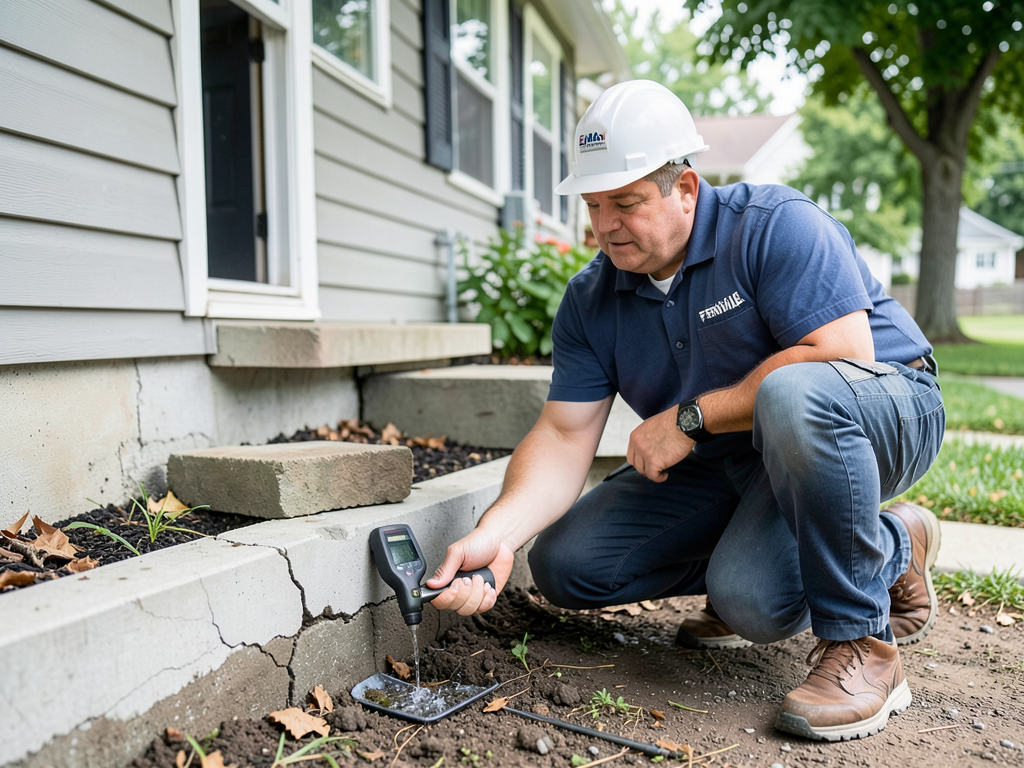
The Hidden Risks of Shared Driveway Runoff Between Your Ferndale Bungalow and Your Neighbor Shared driveways in Ferndale's historic bungalow neighborhoods create a hidden water damage threat that most homeowners never see coming. When rainwater…
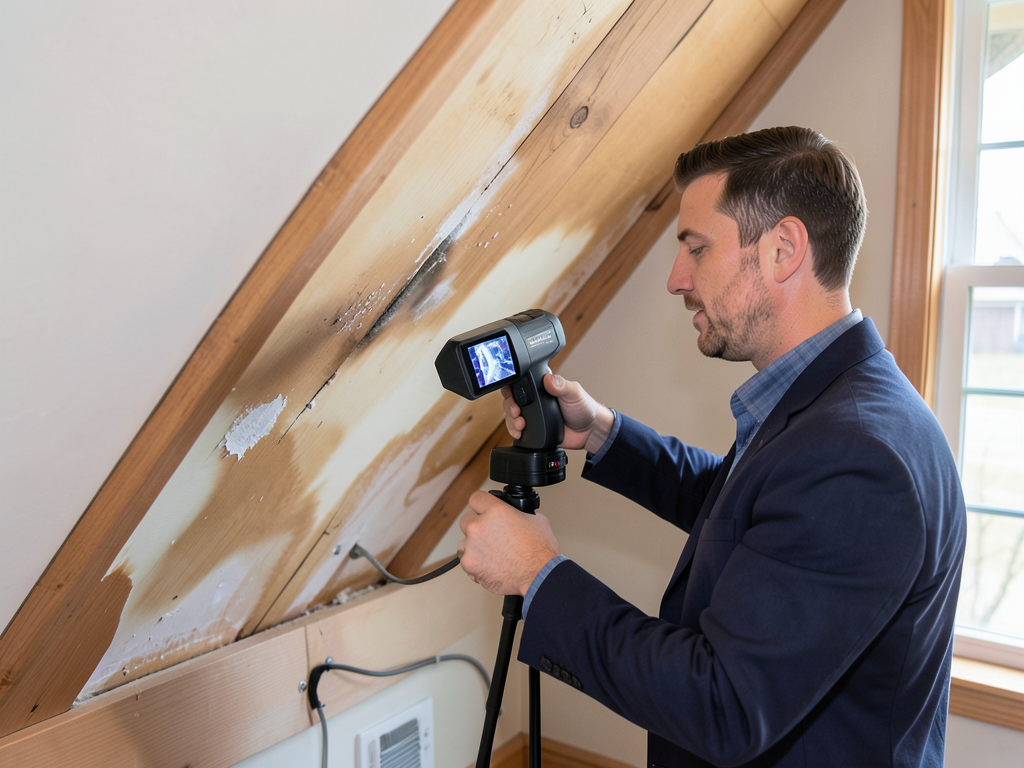
Tracking Down Hidden Water Leaks in Your Royal Oak Attic Kneewalls Royal Oak homeowners often…
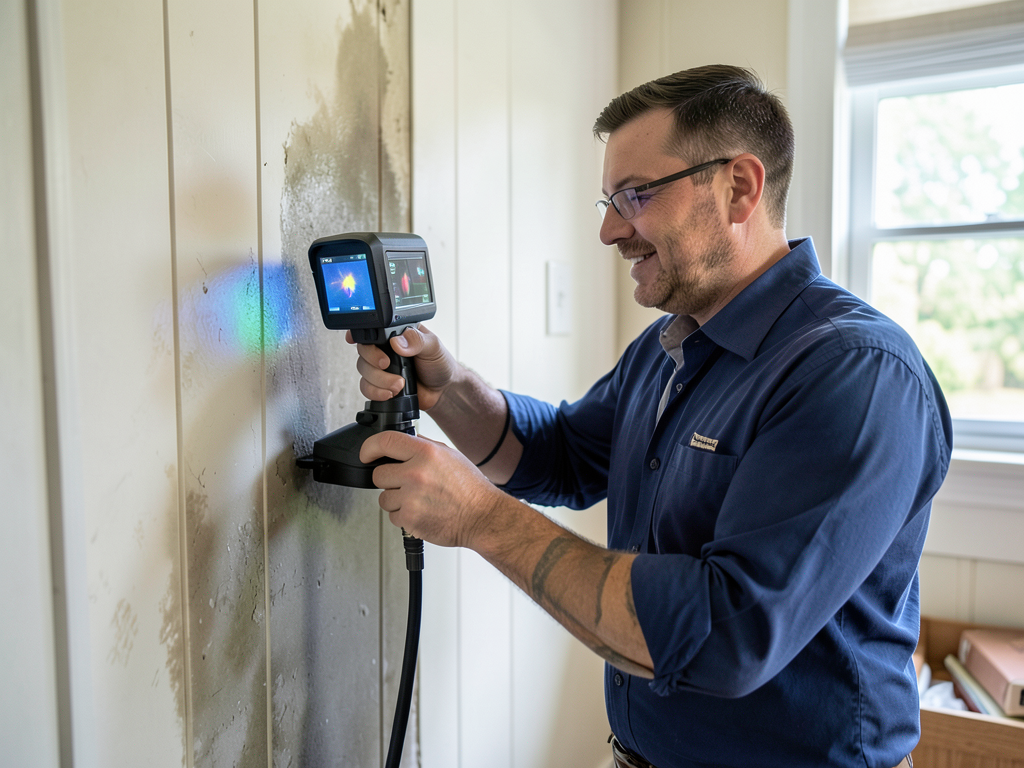
Why Your Baby's Nursery in Grosse Pointe Might Be Developing Hidden Wall Mold Parents in…
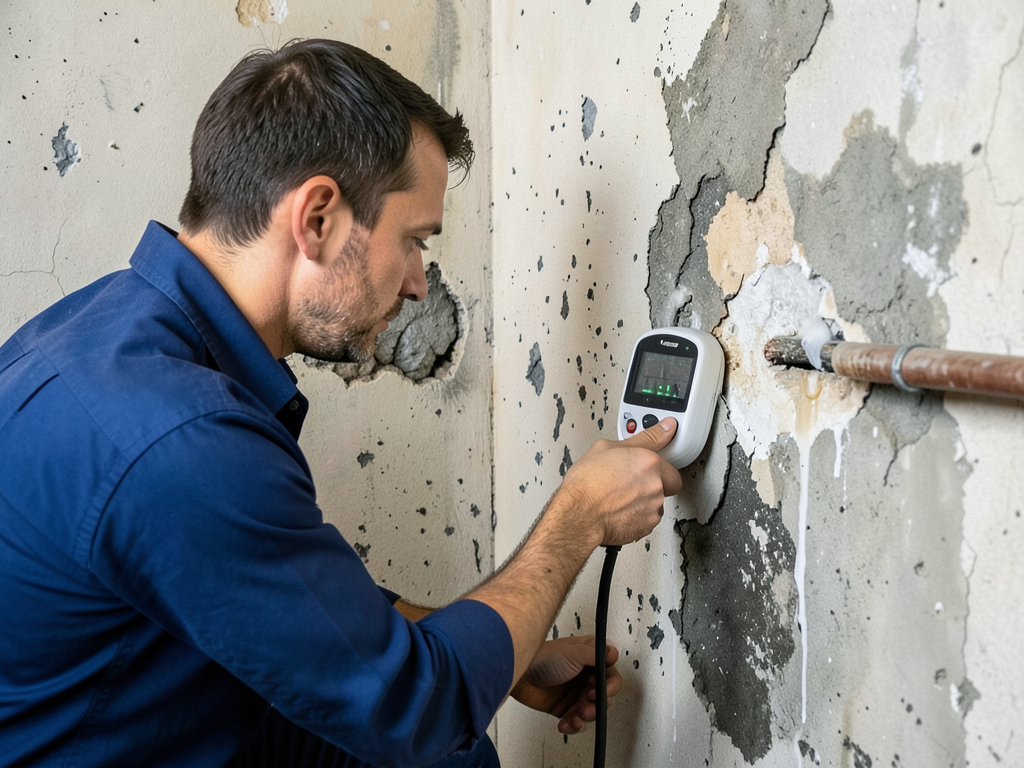
Protecting Your Remote Work Setup in Ferndale from Unexpected Basement Floods Water damage can destroy…
Water is destroying your Royal Oak property right now. Every minute increases damage and repair costs. Ironwood Water Damage Restoration Detroit responds immediately with trained crews and industrial equipment. Call (313) 572-5559 now for emergency water extraction and structural drying. We're already on our way.