




menu

Understanding Mold Toxicity in Detroit – Protect Your Health with Expert Diagnosis and Remediation

Get clear answers about mold illness symptoms, black mold health risks, and mycotoxin exposure from certified restoration specialists who understand Detroit's unique humidity challenges and aging housing stock.

Slider Image 1
Slider Image 2
Slider Image 3
Slider Image 4
Slider Image 5
Slider Image 7
Slider Image 8
Slider Image 9
Slider Image 10
Slider Image 11

Why Detroit Homes Face Higher Mold Toxicity Risks

Detroit's climate creates a perfect environment for toxic mold growth. The city sits in a humid continental zone where summer humidity regularly exceeds 70 percent. Winter freeze-thaw cycles crack foundations in older brick homes, letting moisture seep into basements and crawl spaces. You end up with persistent dampness that feeds mold colonies.

The housing stock tells part of the story. Over 60 percent of Detroit homes were built before 1960. These structures lack modern vapor barriers and often have outdated plumbing that leaks slowly behind walls. Water damage goes unnoticed for months while black mold species like Stachybotrys chartarum colonize drywall and insulation.

Signs of mold poisoning show up gradually. You might notice persistent headaches, respiratory irritation, or brain fog that worsens at home. These mold illness symptoms happen because mycotoxins become airborne. You breathe them in daily without realizing the source. Children and elderly residents face higher black mold health risks due to developing or compromised immune systems.

Effects of mold exposure extend beyond immediate discomfort. Chronic mycotoxin illness can trigger asthma, allergic reactions, and inflammatory responses throughout your body. Detroit residents dealing with these symptoms often mistake them for seasonal allergies or indoor air quality issues unrelated to fungal growth.

The basement flooding common to Detroit neighborhoods accelerates the problem. When water sits in lower levels for even 48 hours, mold spores activate and spread. You need to understand the connection between water intrusion events and toxic mold development to protect your household.

Why Detroit Homes Face Higher Mold Toxicity Risks
How Professional Mold Assessment Identifies Hidden Toxicity

How Professional Mold Assessment Identifies Hidden Toxicity

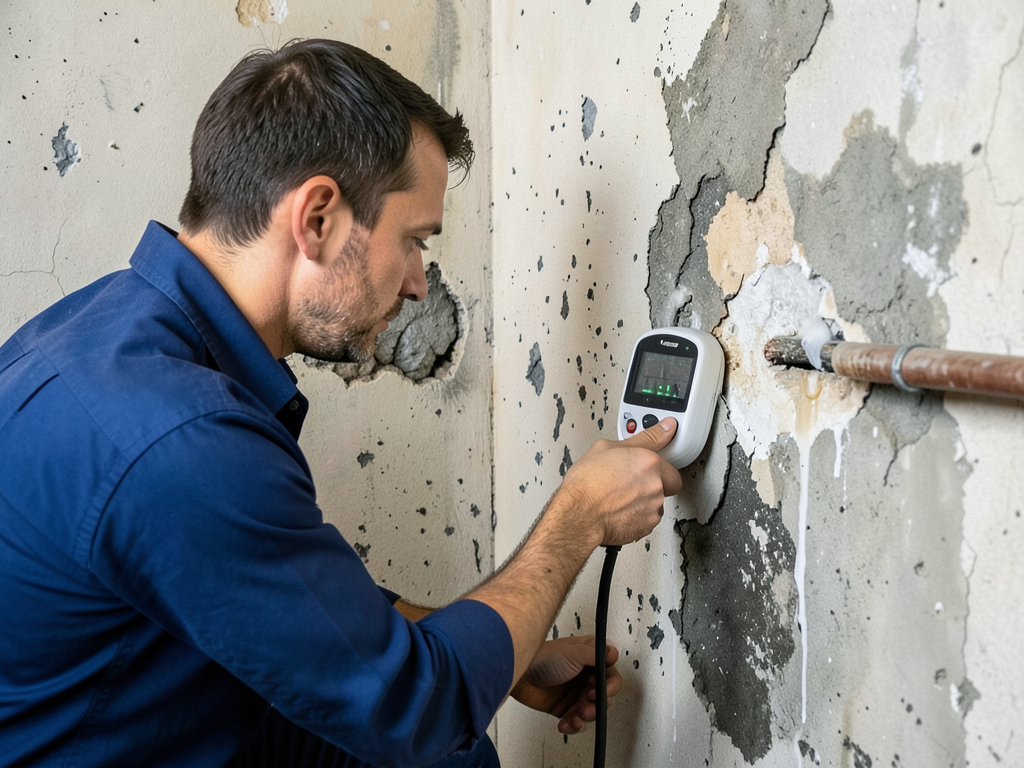
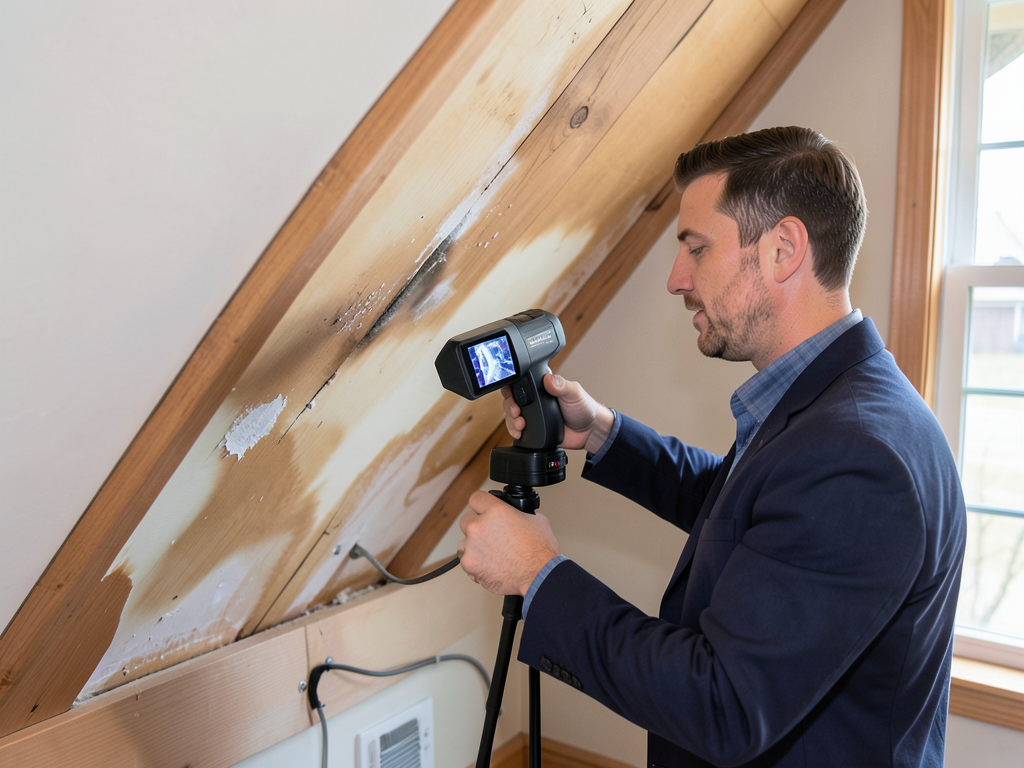
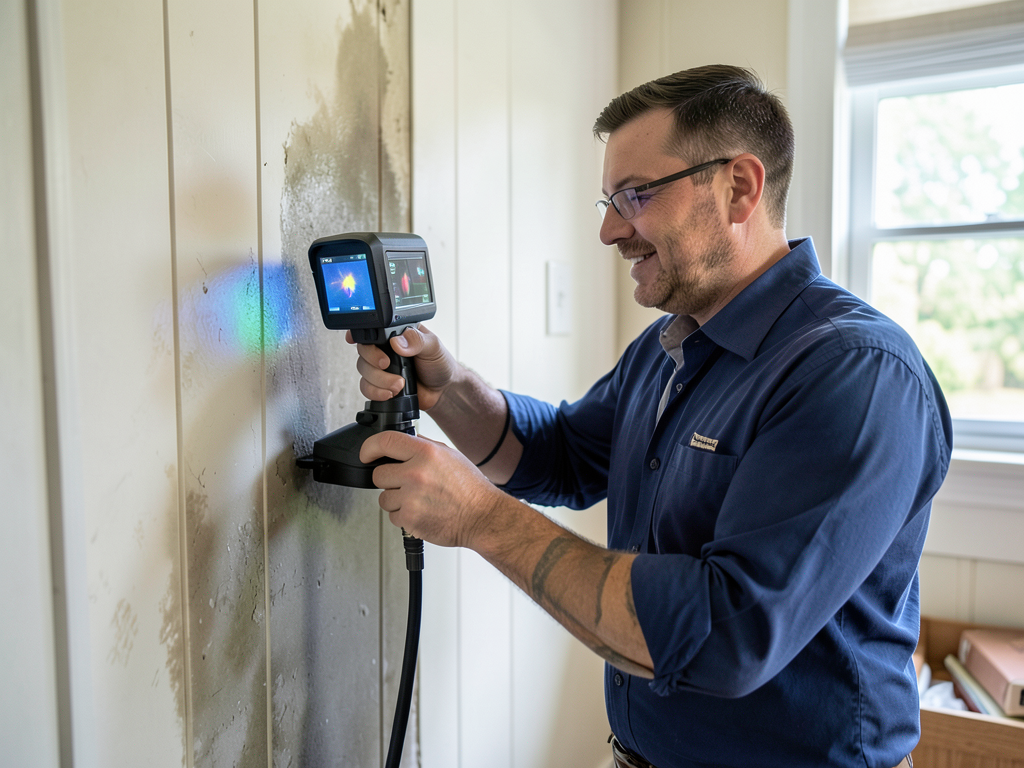
Proper mold toxicity evaluation goes beyond visible inspection. Certified technicians use moisture meters to measure water content in building materials. Readings above 16 percent indicate conditions that support active fungal growth. Thermal imaging cameras detect temperature variations that signal hidden moisture behind finished surfaces.

Air sampling captures spore concentrations throughout your home. Lab analysis identifies specific mold species and mycotoxin presence. This data determines whether you face cosmetic mold issues or genuine health threats. Not all mold produces dangerous mycotoxins, but black mold species and certain Aspergillus strains require immediate remediation.

Surface sampling involves swab tests or tape lifts from suspected contamination areas. These samples get analyzed under microscopy to confirm mold type and colony density. The results guide remediation scope and help establish whether occupants should vacate during cleanup.

Ironwood Water Damage Restoration Detroit uses environmental testing protocols that meet IICRC S520 standards. This industry benchmark ensures accurate assessment of contamination levels. You receive a detailed report explaining fungal ecology in your home, moisture sources feeding growth, and health risk factors based on species identified.

The assessment includes building envelope inspection. Technicians examine roof penetrations, window seals, foundation cracks, and HVAC systems. Detroit homes often have compromised building envelopes due to settling foundations and aging exterior materials. These entry points let humidity infiltrate wall cavities where mold thrives undetected.

Documentation photographs all affected areas and moisture readings. This creates a baseline for measuring remediation success and provides evidence for insurance claims if water damage caused the contamination.

What Happens During Your Mold Toxicity Evaluation

Understanding Mold Toxicity in Detroit – Protect Your Health with Expert Diagnosis and Remediation
01

Initial Health and Property Assessment

Technicians document your reported mold illness symptoms and map out areas where you notice musty odors or visible growth. They inspect water damage history, check basement moisture levels, and identify HVAC issues that might circulate spores. This consultation establishes the investigation scope and prioritizes high-risk zones like bathrooms, basements, and attic spaces common in Detroit housing.
02

Scientific Testing and Analysis

Air samples get collected using spore trap cassettes that capture particles for laboratory examination. Surface samples from suspected contamination areas undergo culture analysis. Moisture mapping with specialized equipment locates hidden water sources feeding mold colonies. Results typically return within 72 hours, identifying specific mold species, spore counts, and mycotoxin presence. This scientific data differentiates between minor mold issues and serious mycotoxin illness risks.
03

Detailed Report and Action Plan

You receive a comprehensive report explaining all findings in clear language. The document includes photographs, lab results, moisture readings, and specific recommendations for remediation. Technicians review black mold health risks identified in your home and outline containment procedures needed. The action plan details which materials require removal, what can be cleaned, and how to prevent recurrence through moisture control improvements.

Why Detroit Property Owners Trust Local Mold Toxicity Experts

Detroit presents unique challenges that out-of-town restoration companies miss. The city's aging infrastructure means combined sewer systems still serve many neighborhoods. During heavy rain events, these systems back up into basements, introducing contaminated water that accelerates toxic mold growth. Local expertise matters when assessing contamination risks from sewage-related flooding.

Building codes in Detroit have evolved significantly, but thousands of homes predate modern moisture management requirements. Technicians familiar with the city's architectural history recognize common problem areas. Brick Tudor homes in neighborhoods like Palmer Woods often trap moisture in exterior walls. Bungalows throughout the city frequently have inadequate crawl space ventilation. This knowledge speeds up assessment and ensures nothing gets overlooked.

Ironwood Water Damage Restoration Detroit maintains relationships with local environmental labs that provide faster turnaround on mold species identification. Quick results mean you get answers about mycotoxin illness risks sooner, which matters when deciding whether to remain in your home during remediation.

Insurance claims require specific documentation standards. Local specialists understand which Michigan insurers demand particular testing protocols or remediation certifications. This knowledge prevents claim denials and speeds up approval processes. You avoid the frustration of having to redo assessments because an out-of-state company missed regional insurance requirements.

The team stays current on Detroit-specific health department regulations for mold disclosure and remediation in rental properties. Landlords facing tenant complaints about mold illness symptoms need compliant assessments that satisfy both legal obligations and genuine health concerns.

Community knowledge extends to recognizing which Detroit neighborhoods experience chronic flooding. Homes near the Rouge River or in low-lying areas require enhanced moisture monitoring even after initial remediation. This geographic awareness informs long-term prevention strategies.

What to Expect During Mold Toxicity Assessment

Response Time and Scheduling

Initial consultations typically happen within 24 hours of contact. Emergency assessments for severe mold illness symptoms get prioritized the same day when possible. The evaluation itself takes two to four hours depending on property size and contamination extent. Technicians work around your schedule because occupants often need to remain onsite during air sampling to ensure normal HVAC operation and activity levels. Lab results return within three to five business days, though rush analysis cuts that to 48 hours if health concerns demand immediate answers about mycotoxin presence.

The Assessment Process

Technicians start with a detailed walk-through discussing your health concerns and any visible mold. They use moisture meters on walls, floors, and ceilings to map dampness. Thermal cameras scan for temperature anomalies indicating hidden water damage. Air samples get collected from multiple rooms plus an outdoor control sample. Surface samples come from suspected growth areas. The team photographs all findings and documents environmental conditions like humidity levels and temperature. You receive preliminary observations before technicians leave, though definitive species identification requires lab analysis.

Understanding Your Results

The final report breaks down exactly which mold species were found and where. Spore counts get compared to outdoor baseline levels to determine if indoor concentrations pose health risks. Any mycotoxin-producing species like Stachybotrys or Aspergillus get highlighted with specific health risk information. The report explains which building materials harbor contamination and whether they need removal or can be cleaned. You get clear answers about whether your symptoms match expected effects of mold exposure from the species identified in your home.

Post-Assessment Support

After receiving results, technicians review remediation options and answer questions about the process. If you proceed with cleanup, post-remediation verification testing confirms successful removal and safe reoccupancy. This clearance testing uses the same air sampling methods to prove spore counts returned to normal levels. You receive documentation suitable for insurance claims, real estate transactions, or health provider review. The team provides guidance on moisture control improvements to prevent recurrence, including dehumidification strategies and building envelope repairs specific to Detroit's climate challenges.

Frequently Asked Questions

You Have Questions,
We Have Answers

What are the 10 warning signs of mold toxicity? +

Common warning signs include persistent respiratory issues like coughing or wheezing, chronic fatigue that worsens indoors, brain fog and memory problems, headaches, skin rashes or irritation, sinus congestion, watery eyes, joint pain, digestive issues, and increased sensitivity to smells. Detroit residents in older homes near the Detroit River or in neighborhoods with basement flooding face higher exposure risks. If you experience multiple symptoms that improve when you leave your home, mold exposure is likely. Document when symptoms occur and contact a medical professional for evaluation while arranging professional mold inspection.

How do you know if you have mold toxicity in your body? +

Your body shows mold toxicity through respiratory symptoms, neurological issues, and immune responses. Watch for chronic sinus problems, unexplained fatigue, difficulty concentrating, and sensitivity to light or sound. Many Detroit homeowners notice symptoms worsen during humid summer months or after spring flooding. A healthcare provider can order mycotoxin testing through urine or blood samples to confirm exposure. Keep a symptom diary noting when issues intensify, particularly after spending time in basements or areas with water damage. Medical testing combined with professional mold inspection provides the clearest picture of exposure levels and health impacts.

Can mold cause heartburn? +

Yes, mold exposure can trigger heartburn and acid reflux symptoms. Mycotoxins cause inflammation throughout your digestive system, disrupting normal stomach acid production and esophageal function. The immune response to mold spores can increase histamine levels, which may relax the lower esophageal sphincter and allow stomach acid to flow backward. Detroit residents with older homes experiencing basement moisture or plumbing leaks face increased risk. If you notice heartburn that persists despite dietary changes or worsens in specific rooms, investigate potential mold growth. Address the source through professional remediation rather than masking symptoms with medication alone.

Can mold cause migraines? +

Mold exposure commonly triggers migraines and severe headaches. Mycotoxins cause neurological inflammation, while mold spores irritate sinuses and create pressure that radiates into head pain. The volatile organic compounds mold releases act as chemical triggers for migraine-prone individuals. Detroit's humid climate and aging housing stock create ideal conditions for mold growth, particularly in poorly ventilated bathrooms and basements. Many residents report headaches that start or worsen at home but improve outdoors or at work. If you experience this pattern, inspect your home for hidden mold growth and arrange professional testing to identify contamination sources.

How to flush mold out of your system? +

You cannot simply flush mold toxins from your system overnight. Recovery requires removing yourself from ongoing exposure first, then supporting your body's natural detoxification. Drink plenty of filtered water, eat foods rich in antioxidants, and consider supplements like activated charcoal or glutathione under medical supervision. Sweating through exercise or sauna use helps eliminate toxins through skin. Work with a healthcare provider familiar with mold illness for proper treatment. Most importantly, address the mold source in your Detroit home through professional remediation. Your body cannot heal while you continue breathing contaminated air daily.

Can air purifiers remove mold spores? +

Air purifiers with HEPA filters can capture airborne mold spores, reducing your immediate exposure. However, purifiers only address spores already floating in air, not the source actively growing on surfaces. They provide temporary relief but never substitute for professional mold remediation. Detroit homeowners often use purifiers while waiting for remediation or in rooms prone to moisture. Choose units rated for your room size with true HEPA filtration. Change filters regularly, as trapped mold spores can release mycotoxins if filters stay saturated. Air purifiers work best as supplemental protection, not primary solutions to mold contamination.

What kills mold permanently? +

Nothing kills mold permanently without addressing moisture sources. You must eliminate the water problem first, then remove contaminated materials. For hard surfaces, antimicrobial solutions containing quaternary ammonium compounds or hydrogen peroxide kill surface mold. However, porous materials like drywall, insulation, and carpet typically require removal and replacement. Detroit's freeze-thaw cycles and aging infrastructure create recurring moisture issues that need permanent fixes. Professional remediation includes source control, containment, removal of affected materials, HEPA vacuuming, and moisture prevention. Killing visible mold without fixing leaks or humidity problems guarantees regrowth within weeks or months.

How do I test myself for mold toxicity? +

Medical testing for mold toxicity requires a healthcare provider familiar with environmental illness. Common tests include urine mycotoxin panels that detect specific mold toxins your body is processing, blood tests measuring antibodies to mold species, and complete blood counts showing immune system responses. Some doctors order visual contrast sensitivity testing, which identifies neurological impacts from mycotoxins. Detroit residents should choose providers experienced with mold illness, as many conventional doctors overlook environmental factors. Testing costs vary and insurance coverage is inconsistent. Combine medical testing with professional home inspection to confirm both bodily exposure and environmental contamination sources.

What does mold in a house make you feel like? +

Mold exposure feels different for everyone, but common experiences include constant fatigue regardless of sleep, persistent stuffiness or sinus pressure, brain fog making concentration difficult, and general malaise that improves when you leave home. Many Detroit residents describe feeling drained or sick in their basement or bathroom but better outdoors. You might notice increased allergic reactions, unexplained mood changes, or a musty smell that others do not detect. Physical symptoms often include headaches, respiratory irritation, and skin reactions. If your home makes you feel consistently worse than other environments, investigate potential mold growth immediately.

Can mold mess up your gut? +

Yes, mold exposure significantly disrupts gut health. Mycotoxins damage intestinal lining, creating increased permeability often called leaky gut. This allows undigested proteins and toxins into your bloodstream, triggering widespread inflammation and immune reactions. Mold also alters gut microbiome balance, reducing beneficial bacteria and allowing harmful organisms to flourish. Detroit residents exposed to basement mold or water damage often experience digestive symptoms including bloating, diarrhea, constipation, and food sensitivities. The gut-brain connection means digestive disruption also affects mood and cognition. Healing requires removing mold exposure while working with healthcare providers to restore intestinal barrier function and microbiome balance.

How Detroit's Housing Age and Climate Create Mold Toxicity Challenges

Detroit's median home age of 70 years creates persistent moisture management issues. Original plumbing systems corrode and leak slowly inside walls. Galvanized steel pipes common in pre-1960 construction develop pinhole leaks that dampen insulation for months before anyone notices water damage. The city's clay soil expands during wet seasons and contracts during dry periods, creating foundation movement that cracks basement walls. These cracks channel groundwater into lower levels where it pools and feeds mold growth. Summer humidity combined with poor attic ventilation in older homes creates condensation on roof sheathing, another common site for toxic mold colonization.

Michigan requires licensed contractors for mold remediation projects exceeding 10 square feet. Ironwood Water Damage Restoration Detroit maintains all necessary certifications and follows Michigan Department of Health mold remediation guidelines. The team understands local building department requirements for permits when remediation involves structural repairs. This compliance matters because improper cleanup can spread contamination or leave mycotoxin reservoirs that continue causing health effects. Detroit property owners need professionals who know the difference between surface mold cleaning and true mycotoxin illness remediation. Local expertise prevents shortcuts that leave families exposed to ongoing black mold health risks.
Water Damage Restoration Services in The Detroit Area

Conveniently located to serve the Detroit area, Ironwood is always ready to respond to your water damage emergencies. Explore our service area on the map below or contact us directly to discuss your specific needs. We’re committed to providing prompt, professional service wherever you are within our operational zone, ensuring rapid deployment and effective restoration solutions when you need them most.

Address:
Ironwood Water Damage Restoration Detroit, 15324 Mack Ave, Detroit, MI, 48230

Additional Services We Offer

Our news updates

Latest Articles & News from The Blogs

A slow leak behind a Royal Oak bathroom wall can go unnoticed for weeks. By the time you smell mildew…

Why Smart Leak Detectors Are Worth Every Penny for Your Royal Oak Rental Property

A slow leak behind a Royal Oak bathroom wall can go unnoticed for weeks. By the time you smell mildew…

Why Your Whole House Humidifier in Warren Might Be Ruining Your Drywall

Your furnace runs all winter. Your whole house humidifier works quietly behind the scenes. And somewhere behind that drywall in…

What Black Water Flooding Actually Does to Your Health (A Detroit Homeowner's Guide)

A sewage backup in your Detroit basement is not just a cleanup problem. It is a biohazard event. The water…

Contact Us

Stop wondering whether your symptoms connect to mold exposure. Call (313) 572-5559 now for a comprehensive mold toxicity assessment. Certified technicians will identify exactly what you are dealing with and explain your options clearly.