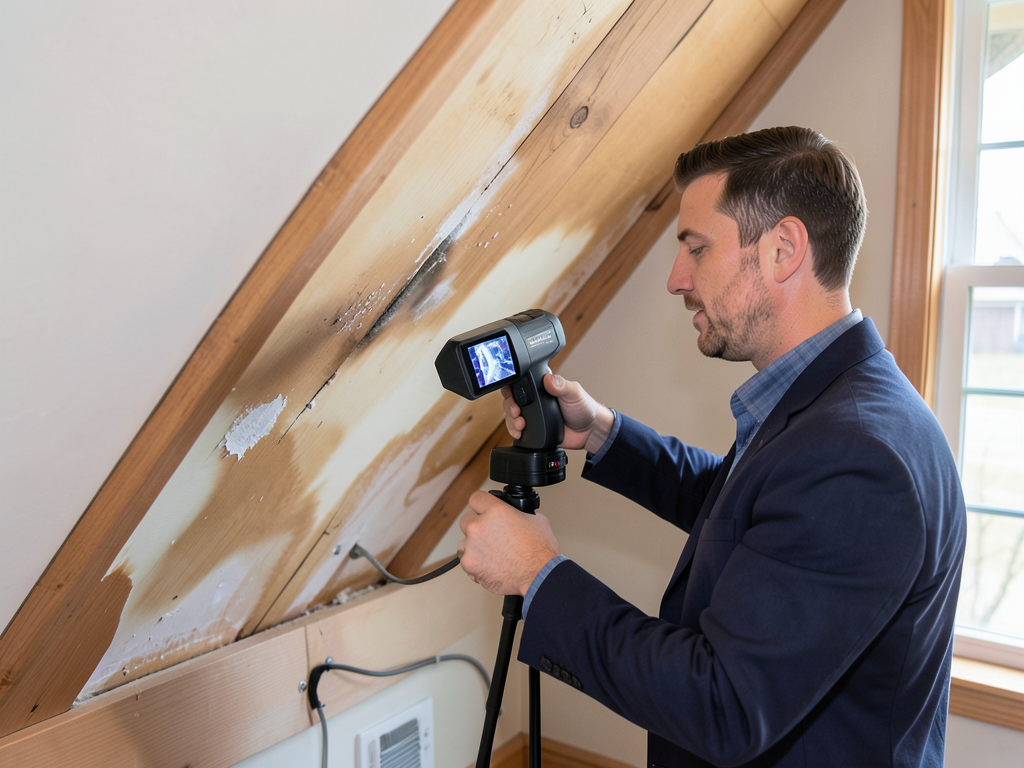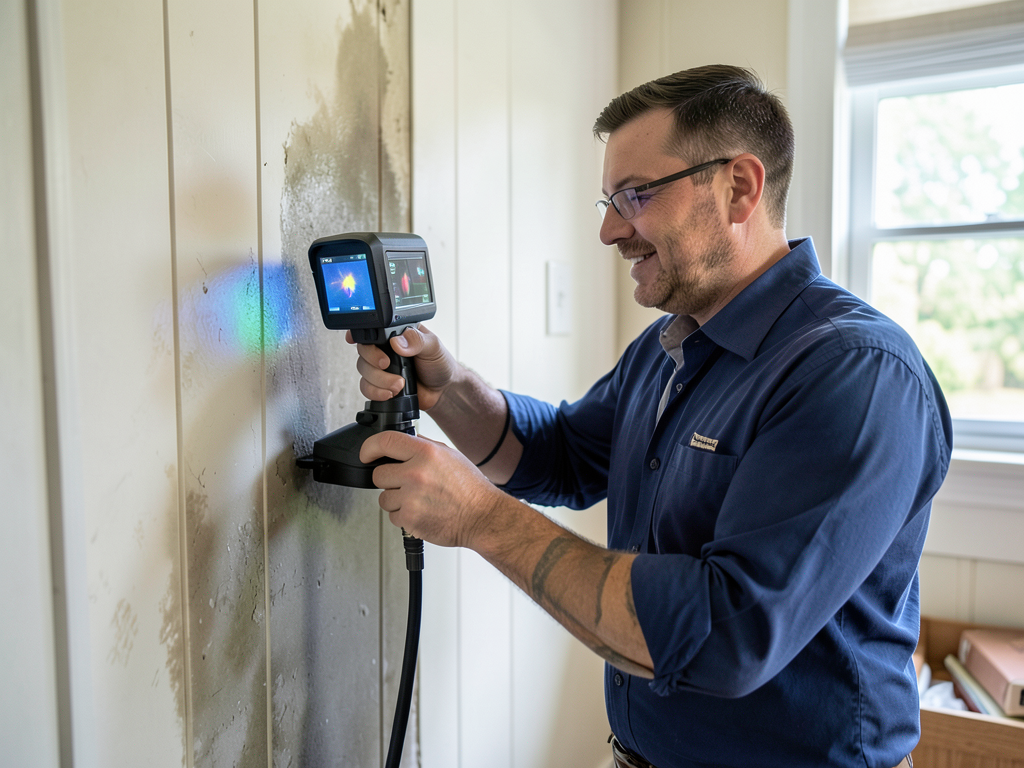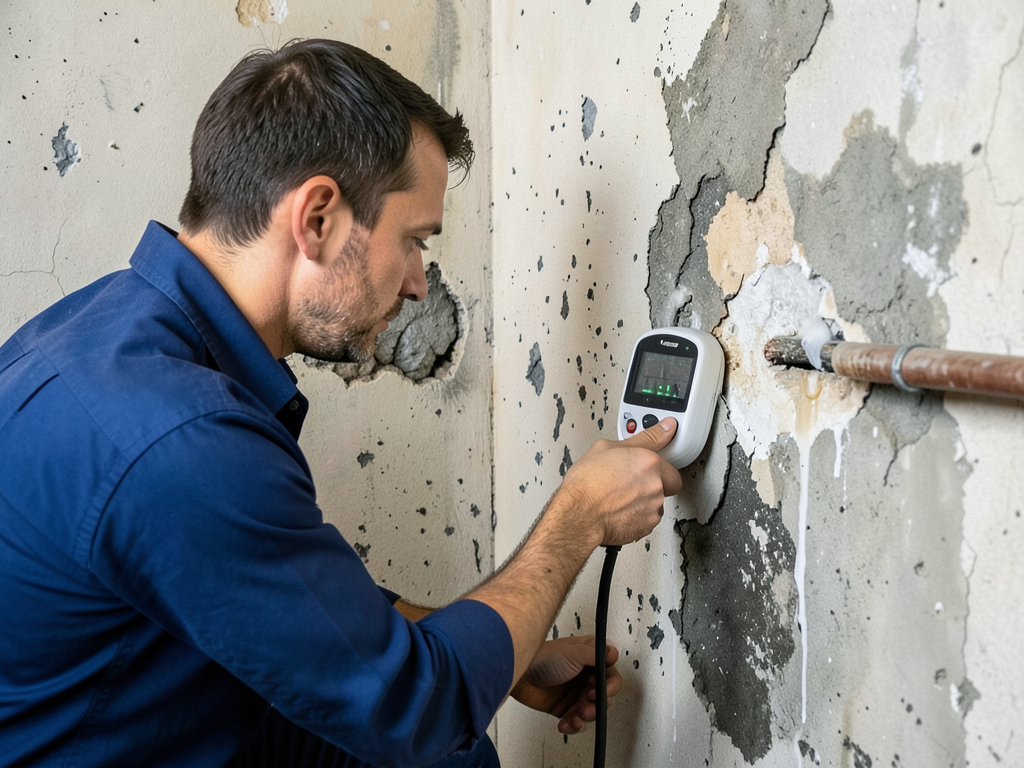







Detroit sits less than two miles from three major bodies of water: the Detroit River, Lake St. Clair, and the connecting channels to Lake Erie and Lake Huron. This geography creates persistent atmospheric moisture that drives high indoor humidity levels in homes without proper moisture management. Summer dew points regularly exceed 65 degrees, which means outdoor air carries massive water vapor loads. When this air enters your home through normal infiltration or ventilation, it elevates relative humidity indoors unless you actively remove moisture. Winter creates the opposite problem. Cold outdoor air infiltrates, then gets heated inside your home. This heated air has low relative humidity, so it pulls moisture from any available source, including the ground beneath your basement and condensation on cold surfaces. These seasonal swings stress building materials and create conditions for mold growth when excessive indoor moisture accumulates in hidden spaces.
Detroit's housing character requires moisture control strategies different from newer construction markets. Over 60% of the city's homes were built before 1960, long before building science understood vapor barriers, thermal bridging, and controlled ventilation. These homes need retrofitted moisture management that respects their original construction while adding modern protection against elevated home humidity. We work extensively in historic districts like Boston-Edison and Indian Village, where preservation requirements limit exterior modifications. Our solutions address excess humidity in house without compromising architectural integrity or historic character. This local expertise matters because generic approaches often fail in Detroit's unique combination of old housing stock and Great Lakes climate.