




menu

Mold Remediation & Removal in Detroit – Certified Abatement From Water Damage Through Final Clearance Testing

Professional mold mitigation services across the Detroit metro, from contaminated crawlspaces in historic homes to commercial water intrusion events, with containment protocols that protect your property and health.

Slider Image 1
Slider Image 2
Slider Image 3
Slider Image 4
Slider Image 5
Slider Image 7
Slider Image 8
Slider Image 9
Slider Image 10
Slider Image 11

Why Detroit Properties Face Persistent Mold Growth After Water Events

Detroit's freeze-thaw cycles create the perfect storm for mold contamination. When winter temperatures drop below freezing and pipes burst in older brick homes, the thaw releases water into wall cavities and basements. Add the region's humid summers and poor attic ventilation in pre-1950s construction, and you get persistent moisture that feeds mold colonies.

The clay soil common throughout Wayne County compounds the problem. It holds water against foundation walls, creating hydrostatic pressure that pushes moisture through basement concrete. That dampness creates ideal conditions for Stachybotrys and Aspergillus species to colonize drywall, insulation, and floor joists.

Most property owners in neighborhoods like Midtown and Corktown discover mold after a visible water event, a musty odor in the basement, or unexplained respiratory issues. By that point, spores have often spread beyond the initial contamination zone. Surface cleaning does not solve the problem. You need professional mold abatement that addresses the moisture source, removes contaminated materials, and prevents recolonization.

Mold decontamination is not cosmetic work. It requires containment barriers, negative air pressure, HEPA filtration, and antimicrobial treatments. Detroit's older housing stock, with balloon framing and hidden cavities, makes DIY removal dangerous. Disturbing colonies without proper containment releases millions of spores into living areas. Professional mold cleanup services follow IICRC S520 standards to protect your family and prevent cross-contamination during removal.

Why Detroit Properties Face Persistent Mold Growth After Water Events
How Certified Mold Mitigation Removes Contamination at the Source

How Certified Mold Mitigation Removes Contamination at the Source

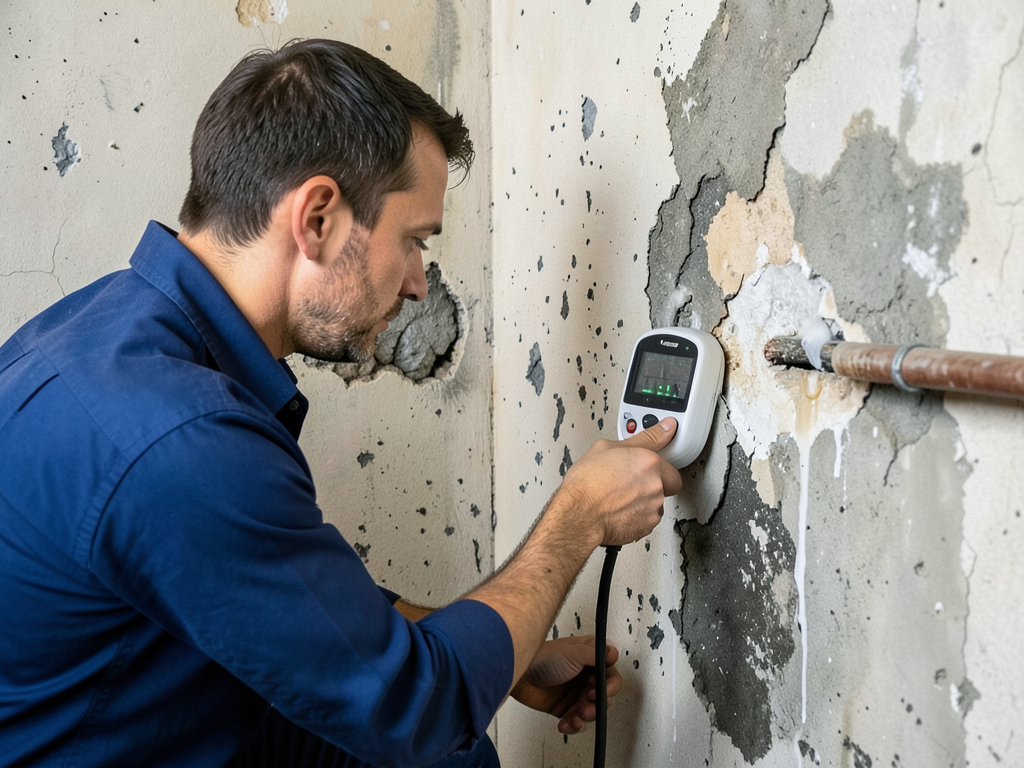
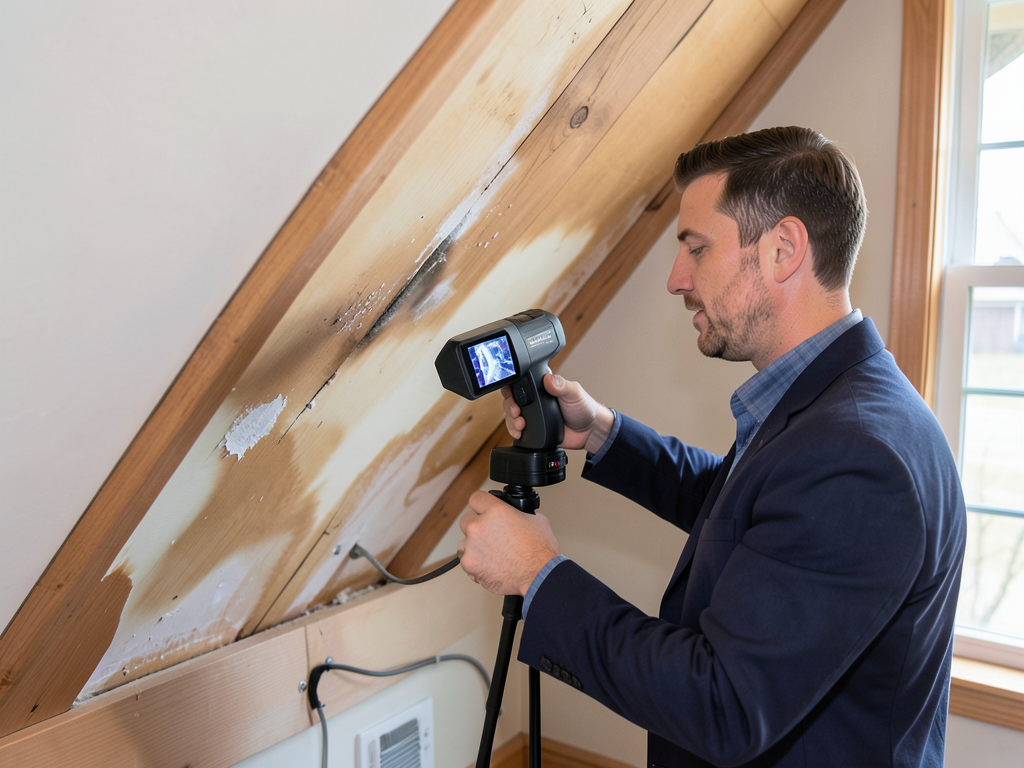
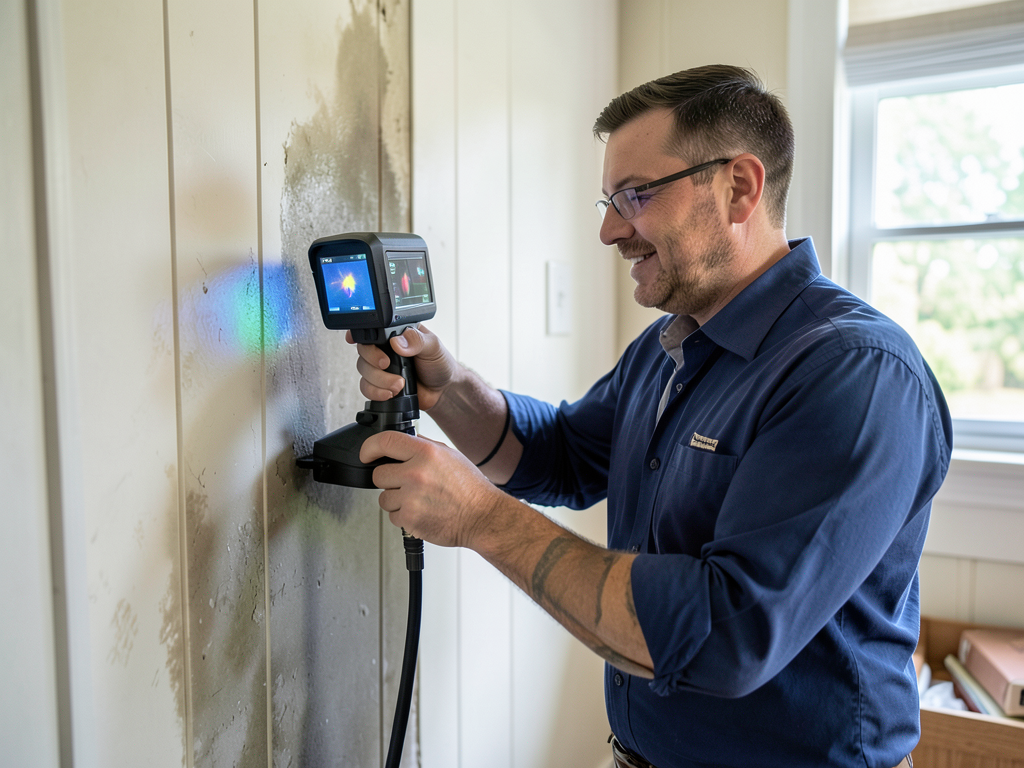
Effective mold remediation starts with moisture mapping using thermal imaging cameras and moisture meters. We identify every water source feeding the colony, from leaking supply lines to condensation on cold water pipes. You cannot eliminate mold without eliminating moisture. We document moisture readings in framing, insulation, and substrates to create a remediation plan.

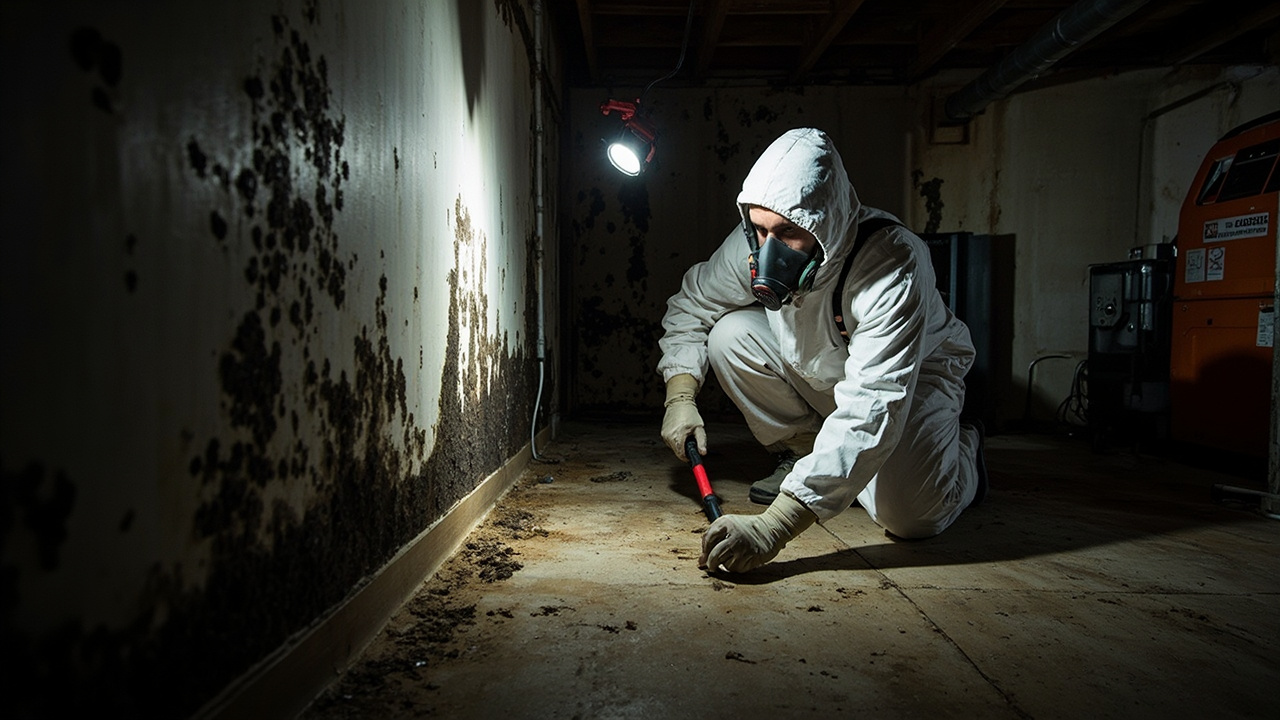
Containment comes next. We seal the work area with 6-mil polyethylene sheeting and create negative air pressure using HEPA-filtered air scrubbers. This prevents spores from migrating into clean areas during removal. For larger commercial projects or homes with HVAC systems, we seal supply and return vents and monitor air quality in adjacent rooms.

Material removal follows a calculated sequence. Non-porous surfaces like metal and glass get HEPA-vacuumed and treated with antimicrobial solutions. Porous materials like drywall, insulation, and ceiling tiles get bagged and removed when contamination exceeds ten square feet or penetrates the substrate. We cut back to clean framing, removing at least twelve inches beyond visible growth to capture hidden colonization.

After removal, we apply antimicrobial treatments to framing and concrete, then run air scrubbers for 48 to 72 hours. We take post-remediation air samples and surface swabs to verify clearance. Only after independent lab results confirm spore counts below baseline levels do we authorize reconstruction. This methodical approach ensures mold does not return after drywall goes back up.

What Happens During Professional Mold Abatement

Mold Remediation & Removal in Detroit – Certified Abatement From Water Damage Through Final Clearance Testing
01

Assessment and Containment Setup

We inspect the property with thermal imaging and moisture meters to map contamination extent and identify water sources. After documenting findings, we establish containment barriers using polyethylene sheeting and set up negative air machines with HEPA filtration. This creates controlled work zones that prevent spore migration. We explain the scope, timeline, and safety protocols before starting physical removal.
02

Removal and Decontamination

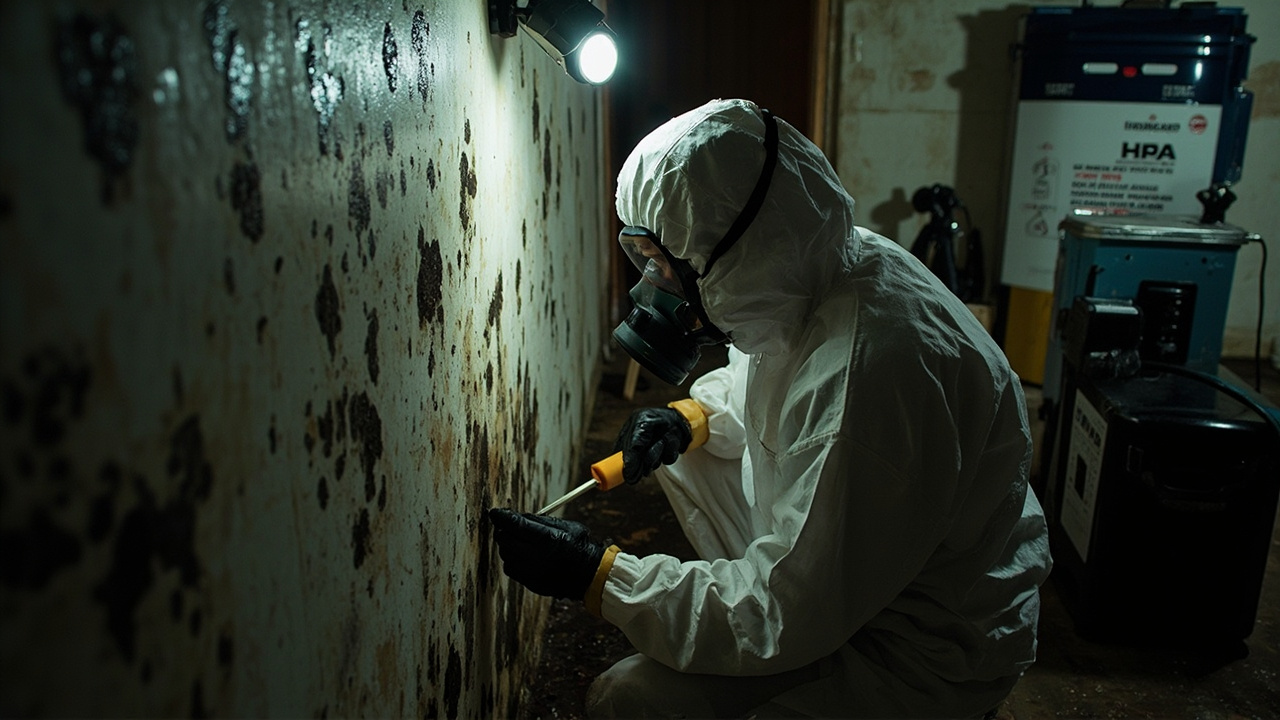
Technicians in full PPE remove contaminated materials using HEPA-filtered vacuums to capture spores during cutting and bagging. We dispose of porous materials like drywall and insulation, then treat remaining framing and concrete with EPA-registered antimicrobials. Air scrubbers run continuously during removal to filter airborne spores. We work in sections to maintain containment integrity and minimize disruption to occupied areas.
03

Clearance Testing and Reconstruction

After antimicrobial application, we run air scrubbers for 48 to 72 hours, then collect air and surface samples for independent laboratory analysis. Once results confirm spore counts meet clearance criteria, we remove containment barriers and authorize reconstruction. We provide detailed documentation for insurance claims and property records. The work area returns to pre-loss condition with verified mold-free surfaces ready for finishing.

Why Detroit Property Owners Trust Local Mold Remediation Experts

Detroit's housing stock presents challenges that out-of-town remediation companies miss. We understand how balloon framing in early 20th-century homes allows mold to travel vertically through wall cavities. We know that basements in neighborhoods near the Detroit River face different moisture issues than properties on higher ground in Palmer Woods. That local knowledge shapes our containment strategies and material removal plans.

We work within Detroit's building codes and permitting requirements. For commercial projects downtown or in the New Center area, we coordinate with building management and the Buildings, Safety Engineering and Environmental Department when remediation exceeds certain thresholds. We understand local inspection protocols and documentation requirements that satisfy city compliance officers.

Our relationships with Detroit-area insurance adjusters streamline the claims process. We provide detailed estimates that align with Xactimate pricing for Wayne County, reducing back-and-forth negotiations. We document moisture readings, photo evidence, and lab results in formats adjusters expect. This speeds approval and gets remediation started before mold spreads further.

Ironwood Water Damage Restoration Detroit maintains response capacity across the metro area. We serve residential properties from Grosse Pointe to Dearborn and commercial facilities from the Renaissance Center to the Detroit Medical Center. Our trucks carry containment materials, air scrubbers, and moisture detection equipment so we can start work the same day you call. We do not subcontract mold work to unlicensed crews. Our technicians hold IICRC certifications in Applied Microbial Remediation and Water Damage Restoration, ensuring every project meets industry standards.

What to Expect During Mold Cleanup Services

Emergency Response and Project Timeline

We dispatch technicians within two hours of your call for emergency mold discoveries after flooding or sewage backups. Initial assessment takes 60 to 90 minutes. Small projects under ten square feet often complete in one to two days. Larger remediation jobs involving multiple rooms or commercial spaces take three to seven days depending on contamination extent and drying time. We work around your schedule for occupied properties, establishing containment zones that allow you to remain in unaffected areas. Insurance coordination can add time to project start dates, but we begin moisture control and containment immediately to prevent spread while paperwork processes.

Comprehensive Mold Inspection and Moisture Analysis

Our assessment includes visual inspection of suspected areas plus moisture mapping with infrared cameras and pin-type meters. We check wall cavities, attic spaces, crawlspaces, and HVAC systems for hidden growth. We identify all moisture sources, from plumbing leaks to condensation issues to foundation seepage. You receive a written report detailing contamination extent, affected materials, moisture readings, and recommended remediation scope. For properties with health concerns or litigation potential, we arrange third-party air quality testing through independent industrial hygienists. This creates an objective baseline and post-remediation verification that satisfies insurance companies and real estate transactions.

Verified Contamination Removal and Clean Surfaces

You get laboratory-verified mold clearance before reconstruction begins. We remove all contaminated materials, treat remaining surfaces with antimicrobial solutions, and run HEPA filtration until air quality tests confirm spore counts meet acceptable levels. We provide before and after photos documenting removal, plus lab reports showing post-remediation air and surface sample results. The work area returns in ready-to-finish condition with all mold and damaged materials removed back to clean substrates. We coordinate with contractors for drywall, painting, and flooring replacement, or you can hire your own finishing crew using our documentation as a starting point.

Moisture Control Recommendations and Prevention Planning

Mold returns if moisture issues persist. We identify the root cause, whether it is a plumbing leak, poor drainage, inadequate ventilation, or foundation water intrusion. You receive written recommendations for permanent moisture control, from sump pump installation to crawlspace encapsulation to bathroom exhaust improvements. For properties with recurring issues, we can install continuous moisture monitoring systems that alert you to humidity spikes before mold establishes. We explain maintenance steps to keep humidity below 60 percent and prevent future growth. While we focus on remediation, we partner with licensed plumbers and foundation specialists when repairs exceed our scope.

Frequently Asked Questions

You Have Questions,
We Have Answers

How much does it cost to remove mold? +

Mold removal cost in Detroit varies based on contamination size, location, and severity. Small areas under 10 square feet may run a few hundred dollars. Larger infestations affecting multiple rooms or hidden spaces like crawl spaces and wall cavities cost significantly more. Factors include containment needs, air filtration equipment, disposal, and structural repairs. Detroit's older housing stock and basement moisture issues often complicate projects. Insurance may cover mold resulting from sudden water damage, but gradual leaks typically are not covered. Get a professional inspection first to understand the true scope before committing to treatment.

What is the difference between mold removal and mold remediation? +

Mold removal means physically eliminating visible mold from surfaces. Mold remediation is a comprehensive process that addresses the root cause, removes contaminated materials, treats affected areas with antimicrobials, and restores safe air quality. Remediation includes containment to prevent spore spread, HEPA filtration, moisture source elimination, and prevention strategies. In Detroit, where basements flood and humidity runs high, remediation is critical because simply scrubbing mold off drywall does not stop regrowth. Professional remediation follows IICRC standards to ensure mold does not return after treatment.

How much should it cost to remove mold? +

Expect mold removal costs in Detroit to range based on project complexity. Small, surface-level jobs may cost a few hundred dollars. Moderate contamination involving wall cavities, HVAC systems, or basements typically costs more. Extensive remediation requiring structural demolition, asbestos abatement in older Detroit homes, or prolonged containment increases expenses significantly. Costs include labor, containment barriers, air scrubbers, antimicrobial treatments, disposal, and repairs. Detroit's aging infrastructure and moisture-prone basements often require more invasive work. Request detailed estimates from certified professionals to avoid surprise charges mid-project.

Is professional mold removal worth it? +

Yes. Professional mold removal is worth it when contamination exceeds 10 square feet, involves HVAC systems, or affects vulnerable household members. Detroit's climate and older homes create persistent moisture problems that DIY methods cannot solve. Professionals use containment, HEPA filtration, and antimicrobials to prevent cross-contamination and spore spread. They identify hidden moisture sources behind walls or under floors that homeowners miss. Improper DIY removal spreads spores and worsens indoor air quality. For Detroit residents dealing with basement flooding or roof leaks, professional remediation prevents health risks and protects property value long-term.

What kills mold permanently? +

Nothing kills mold permanently if moisture remains. Mold needs water to survive. Professional remediation uses antimicrobial agents like quaternary ammonium compounds or hydrogen peroxide to kill surface mold. Encapsulants seal porous materials. However, Detroit's humid summers and wet basements mean mold returns unless you fix leaks, improve ventilation, and control indoor humidity below 50 percent. Dehumidifiers, proper grading, sump pumps, and exhaust fans prevent regrowth. Killing visible mold is step one. Eliminating moisture is the permanent solution. Without moisture control, mold always comes back.

What are signs of mold exposure? +

Mold exposure causes respiratory issues like coughing, wheezing, and throat irritation. You may experience nasal congestion, sneezing, or sinus pressure. Skin rashes and eye irritation are common. Those with asthma or allergies face worse symptoms. Prolonged exposure can trigger headaches, fatigue, and difficulty concentrating. In Detroit homes with damp basements or poor ventilation, residents often mistake mold symptoms for seasonal allergies. Musty odors signal hidden growth. If symptoms improve when you leave the house, mold is likely the culprit. Vulnerable individuals, including children and elderly residents, should seek medical evaluation immediately.

Can I remediate mold myself? +

You can handle very small mold patches under 10 square feet on non-porous surfaces like tile or glass. Use detergent, scrub thoroughly, and dry completely. However, Detroit homeowners should not DIY if mold affects drywall, insulation, HVAC systems, or covers large areas. Disturbing mold without containment spreads spores throughout your home. You lack professional-grade HEPA filtration and protective equipment. Hidden moisture sources behind walls or under floors require expertise to locate and fix. If mold returns after cleaning or you smell mustiness without visible growth, call a certified professional immediately.

Why is mold remediation so expensive? +

Mold remediation costs reflect specialized labor, equipment, and safety protocols. Professionals use containment barriers, negative air machines, HEPA vacuums, and antimicrobial treatments that homeowners cannot access. Detroit's older homes often require invasive demolition to reach mold in wall cavities, crawl spaces, or behind plaster. Disposal of contaminated materials follows strict regulations. Technicians wear respiratory protection and undergo certification training. Liability insurance and proper licensing add overhead. Moisture source identification and structural repairs increase costs. Cutting corners spreads contamination and risks health. Proper remediation prevents expensive regrowth and protects your investment.

How long should you stay out of house after mold remediation? +

You can typically return home the same day after small mold remediation projects. Larger jobs requiring extensive demolition, antimicrobial application, or structural drying may need 24 to 72 hours before re-entry. Wait until air scrubbers finish running and post-remediation testing confirms safe spore levels. Detroit's humid climate may extend drying time. Professionals will advise based on project scope and air quality results. Vulnerable individuals like infants, elderly residents, or those with respiratory conditions should wait longer. Never re-enter until you receive professional clearance to avoid inhaling residual spores.

Can a house full of mold be saved? +

Yes. Even Detroit homes with severe mold infestations can be saved through aggressive remediation. Professionals remove contaminated drywall, insulation, and flooring, treat structural framing with antimicrobials, and address moisture sources like foundation cracks or roof leaks. Older Detroit homes with solid bones often withstand remediation better than newer construction. However, cost may exceed home value in extreme cases. Structural damage from prolonged water intrusion complicates recovery. A certified inspector will assess feasibility. Most homes are salvageable if moisture stops and remediation follows IICRC protocols. Act quickly to prevent further deterioration.

How Detroit's Aging Infrastructure and Climate Cycles Drive Mold Contamination

Detroit's housing stock includes thousands of homes built between 1900 and 1950, before modern moisture barriers and ventilation standards. These properties feature stone foundations, minimal crawlspace access, and outdated plumbing that leaks behind walls. When January temperatures drop to single digits and pipes freeze in uninsulated rim joists, the spring thaw releases water into hidden cavities. Summer humidity above 70 percent keeps that moisture from drying, creating year-round conditions for mold colonization. The clay soil throughout Wayne County holds water against foundations, pushing moisture through concrete via capillary action. This creates damp basements even without active leaks, making professional mold mitigation essential for long-term property health.

Detroit building codes require licensed contractors for mold remediation exceeding certain square footage thresholds, but enforcement varies by neighborhood. Property owners need remediation companies familiar with city inspection protocols and documentation requirements. We maintain relationships with local building officials and understand what evidence satisfies permit closeout. For properties in historic districts like Indian Village or Boston-Edison, we coordinate with preservation guidelines that restrict material removal methods. Our knowledge of Detroit's rental ordinances helps landlords meet habitability standards after tenant-reported mold complaints. This local expertise protects your investment and ensures compliance with municipal requirements that out-of-area companies often miss.
Water Damage Restoration Services in The Detroit Area

Conveniently located to serve the Detroit area, Ironwood is always ready to respond to your water damage emergencies. Explore our service area on the map below or contact us directly to discuss your specific needs. We’re committed to providing prompt, professional service wherever you are within our operational zone, ensuring rapid deployment and effective restoration solutions when you need them most.

Address:
Ironwood Water Damage Restoration Detroit, 15324 Mack Ave, Detroit, MI, 48230

Additional Services We Offer

Our news updates

Latest Articles & News from The Blogs

A slow leak behind a Royal Oak bathroom wall can go unnoticed for weeks. By the time you smell mildew…

Why Smart Leak Detectors Are Worth Every Penny for Your Royal Oak Rental Property

A slow leak behind a Royal Oak bathroom wall can go unnoticed for weeks. By the time you smell mildew…

Why Your Whole House Humidifier in Warren Might Be Ruining Your Drywall

Your furnace runs all winter. Your whole house humidifier works quietly behind the scenes. And somewhere behind that drywall in…

What Black Water Flooding Actually Does to Your Health (A Detroit Homeowner's Guide)

A sewage backup in your Detroit basement is not just a cleanup problem. It is a biohazard event. The water…

Contact Us

Mold colonies double in size every 48 hours under ideal conditions. Call Ironwood Water Damage Restoration Detroit at (313) 572-5559 for same-day assessment and containment. We provide insurance documentation and lab-verified clearance testing across the Detroit metro.