




menu

Swollen Baseboards & Trim in Detroit – Expert Diagnosis and Permanent Moisture Repair

When water damaged baseboards and warped baseboard molding show up in your Detroit home, you need technicians who understand the root cause and fix it right the first time.

Slider Image 1
Slider Image 2
Slider Image 3
Slider Image 4
Slider Image 5
Slider Image 7
Slider Image 8
Slider Image 9
Slider Image 10
Slider Image 11

Why Detroit Homes Face Chronic Baseboard Swelling

You walk into your living room and notice the baseboard looks wrong. The paint is bubbling. The wood feels soft. The trim that used to sit flush against the wall now bows outward like it is trying to escape.

This is not cosmetic. This is moisture swollen baseboards telling you there is active water intrusion.

Detroit's aging housing stock and harsh freeze-thaw cycles create the perfect storm for baseboard damage. Homes built in the 1920s through 1950s often have uninsulated crawl spaces and outdated vapor barriers. When snow melts in March or summer humidity climbs above 70 percent, moisture migrates through foundation walls and condenses against cool interior surfaces. The result is expanded MDF trim that buckles, splits, and harbors mold.

Warped baseboard molding is not just ugly. It signals that water is actively attacking your wall cavity. The same moisture that swells your trim is feeding mold growth inside your drywall and rotting your floor joists. Bloated wood trim near bathrooms, kitchens, and exterior walls is a red flag for plumbing leaks, failed window flashing, or compromised foundation waterproofing.

You cannot paint over this. You cannot caulk it. The swelling will continue until you eliminate the moisture source and replace the damaged material with proper ventilation and moisture barriers in place.

Why Detroit Homes Face Chronic Baseboard Swelling
How We Stop the Swelling and Prevent It From Coming Back

How We Stop the Swelling and Prevent It From Coming Back

Most contractors rip out the damaged baseboard, slap in new trim, and leave. Three months later, the swelling returns because they never addressed the moisture source.

We do not work that way.

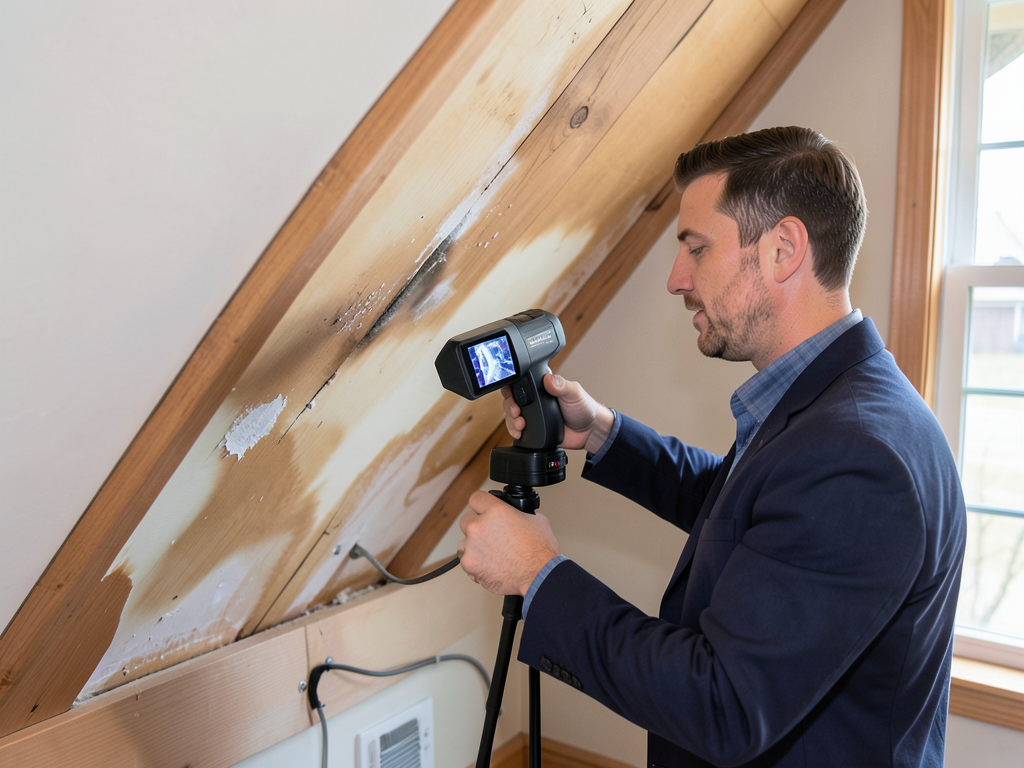
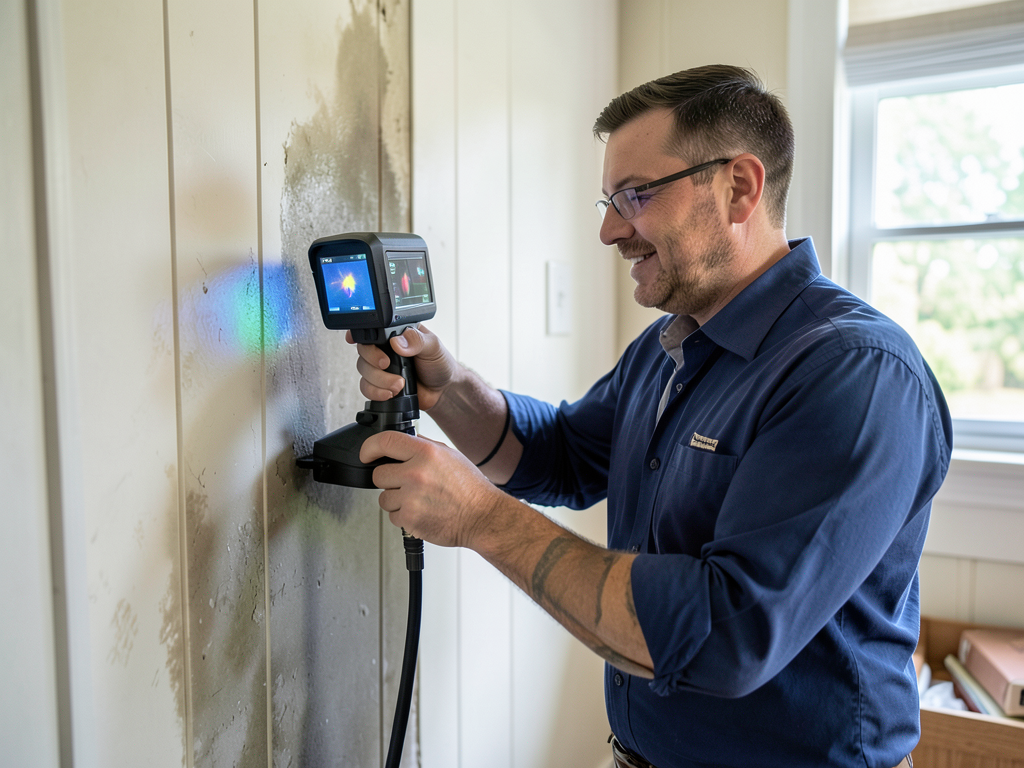
Our process starts with thermal imaging and moisture mapping. We use infrared cameras to trace the moisture pathway from the visible damage back to the source. A swollen baseboard in your bedroom might trace back to a pinhole leak in a second-floor bathroom supply line. Expanded MDF trim in your basement could be caused by a failed sump pump discharge line flooding your crawl space every time it rains.

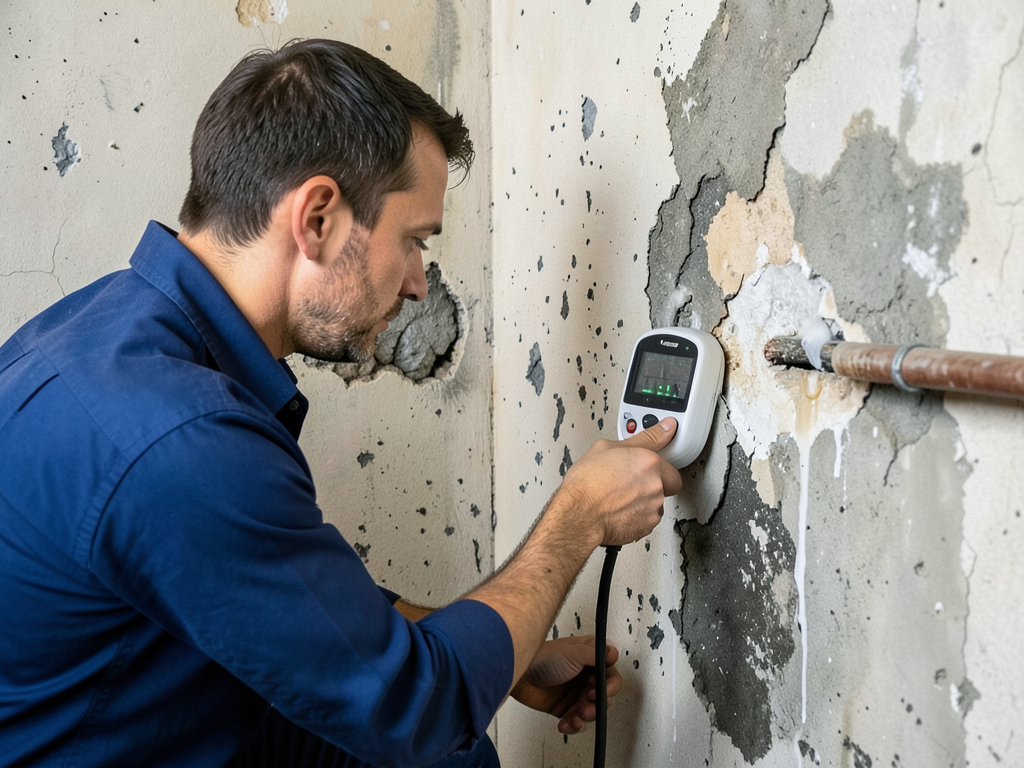
We measure moisture content in the subfloor, drywall, and framing lumber using pin-type and non-invasive meters. This tells us how far the water has traveled and whether structural members need replacement or can be dried in place.

Once we identify the source, we fix it. That might mean repairing a leaking toilet flange, rerouting a downspout away from the foundation, or installing a dehumidifier in a damp crawl space. We then remove all water damaged baseboards and any wall material that tests above 16 percent moisture content.

Before we install new trim, we treat the framing with antimicrobial solution and ensure the wall cavity is dry. We install moisture-resistant materials like PVC or primed finger-joint pine, not raw MDF that will swell again at the first sign of humidity. We seal the bottom edge where the baseboard meets the floor to prevent future wicking.

This is how you solve the problem once.

What Happens When We Repair Your Swollen Baseboards

Swollen Baseboards & Trim in Detroit – Expert Diagnosis and Permanent Moisture Repair
01

Moisture Source Identification

We use thermal imaging and moisture meters to trace the water pathway from your swollen baseboard back to the leak, condensation point, or groundwater intrusion. We document moisture levels in the subfloor, wall cavity, and framing to determine the full scope of damage. This diagnostic phase prevents cosmetic repairs that fail in three months.
02

Water Damage Remediation

We fix the source first. That means repairing the leaking pipe, sealing the foundation crack, or improving drainage around your home. We then remove all warped baseboard molding and any drywall or insulation testing above safe moisture thresholds. We dry the framing to below 16 percent moisture content and treat all surfaces with antimicrobial solution to prevent mold colonization.
03

Moisture-Resistant Reinstallation

We install new baseboard using moisture-resistant materials and seal the bottom edge to prevent future wicking from the slab or subfloor. We match your existing trim profile and finish. Before we leave, we verify all affected areas test dry and provide you with a moisture map showing baseline readings for future reference.

Why Detroit Homeowners Trust Ironwood Water Damage Restoration Detroit

Detroit homes present challenges that require local knowledge. A contractor from the suburbs will not understand why balloon-framed houses in Woodbridge leak differently than post-war ranches in Rosedale Park. They will not know that homes near the Detroit River face higher groundwater tables or that the clay soil in neighborhoods like Palmer Woods causes seasonal foundation movement that cracks perimeter drain tiles.

We work in these neighborhoods every day. We know which homes have cast iron drain stacks that are failing and leaking into wall cavities. We know that homes with original plaster walls need different drying protocols than homes with drywall. We understand that Detroit's housing stock was built during an era when vapor barriers did not exist and crawl spaces were vented year-round, creating the perfect environment for moisture swollen baseboards.

When you call Ironwood Water Damage Restoration Detroit, you get technicians who have remediated water damage in hundreds of Detroit homes. We know the building codes. We know the common failure points. We know how to navigate insurance claims with the carriers that dominate the Detroit market.

We also know how to work with the rhythm of your life. We do not leave equipment running for weeks. We do not create unnecessary demolition. We focus on surgical repairs that address the problem without tearing apart your entire home. You get clear communication, transparent pricing, and repairs that hold up through Detroit's freeze-thaw cycles and summer humidity.

This is not a side job for us. Water damage restoration is all we do.

What to Expect When You Work With Us

Same-Day Response for Active Leaks

If you have an active leak causing baseboard swelling, we can be on-site within hours to stop the water and begin drying. For non-emergency situations like gradual moisture intrusion, we schedule a diagnostic visit within 24 hours. We provide a detailed moisture assessment and repair plan before any work begins. You know exactly what needs to be fixed and why. Most baseboard replacement projects take two to four days depending on the extent of wall cavity damage and drying time required.

Comprehensive Moisture Assessment

Our initial evaluation includes thermal imaging to identify hidden moisture, moisture content testing in all affected building materials, and a visual inspection of potential water sources. We check plumbing fixtures, foundation walls, window flashing, and HVAC condensate lines. We inspect your crawl space or basement for groundwater intrusion or failed drainage systems. You receive a written report documenting all findings with photos and moisture readings. This report is detailed enough to submit to your insurance carrier if you choose to file a claim.

Permanent Repair, Not Temporary Fixes

We do not install new baseboard over wet framing. We do not use MDF trim in areas prone to moisture. Every repair includes source elimination, complete drying, antimicrobial treatment, and installation of moisture-resistant materials. Your new baseboard will match your existing trim profile and finish. We prime all cut edges and seal the bottom plate to prevent future moisture wicking. The work is clean, professional, and designed to last. You will not see bubbling paint or swelling wood in six months.

Post-Repair Moisture Monitoring

After we complete the repair, we provide you with baseline moisture readings for all affected areas. We recommend re-checking these areas in 30 days to confirm moisture levels remain stable. If you experience any recurrence of swelling or water damage in the repaired area, we return to investigate at no diagnostic charge. We also provide guidance on humidity control, drainage maintenance, and early warning signs to watch for. Our goal is to equip you with the knowledge to protect your home long-term.

Frequently Asked Questions

You Have Questions,
We Have Answers

How to fix a swollen baseboard? +

First, identify and stop the water source. Remove the swollen baseboard carefully using a pry bar. Inspect the wall cavity and subfloor for hidden moisture or mold, especially in Detroit homes with older plumbing or freeze-thaw foundation issues. Dry the area completely with fans and dehumidifiers for 48-72 hours. If the baseboard is solid wood and only slightly swollen, you can attempt drying and reinstalling it. However, MDF or particleboard baseboards absorb water like a sponge and rarely recover their original shape. Replace damaged sections with moisture-resistant materials. Address the root cause, whether it's a leaking pipe, poor grading, or basement seepage.

What is the 7 rule for baseboards? +

The 7 rule for baseboards states that baseboard height should be approximately 7 percent of your wall height for balanced visual proportions. For standard 8-foot ceilings common in Detroit bungalows and older homes, this translates to roughly 5.5 to 6-inch baseboards. For 9-foot ceilings, you would use 6 to 7-inch baseboards. Taller ceilings in historic Detroit homes may warrant even taller baseboards. This guideline helps maintain proper scale and prevents baseboards from looking too short or overwhelming the room. Local architectural styles, especially in areas with period homes, may favor taller or more ornate trim.

Why do baseboards swell? +

Baseboards swell when wood fibers absorb water and expand. Common causes in Detroit include basement flooding from heavy spring rains, burst pipes during harsh winters, leaking appliances, poor foundation drainage, and humidity from unvented crawl spaces. MDF and particleboard baseboards are especially vulnerable because they act like sponges. Even minor plumbing leaks behind walls can go unnoticed until baseboards buckle. Older Detroit homes with cast iron plumbing or settled foundations face higher risk. The freeze-thaw cycle can crack foundations, allowing groundwater seepage. Once swelling starts, the damage is usually permanent, requiring replacement rather than repair.

What does water damage on baseboards look like? +

Water damaged baseboards show several telltale signs. Look for bubbling or peeling paint, which indicates moisture trapped underneath. Discoloration appears as dark streaks, yellow stains, or grayish patches, especially along the bottom edge where water wicks up. Swelling causes the baseboard to bow outward or separate from the wall. You might notice a soft, spongy texture when pressed. Warping creates visible gaps at joints or corners. In Detroit homes with basement moisture issues, check for white chalky deposits from efflorescence. Black or green spots signal mold growth. A musty odor often accompanies water damage even before visible signs appear.

How to shrink swollen wood? +

You cannot reliably shrink swollen wood back to its original dimensions. Once wood fibers expand from water absorption, they structurally change. You can try removing the piece, drying it slowly in a climate-controlled space with dehumidifiers for several weeks, but expect minimal recovery. Solid hardwood may shrink somewhat, but it often warps or cracks during drying. MDF and particleboard remain permanently damaged. Sanding can remove minor surface swelling, but this weakens the material. In Detroit's humid summers, even dried wood may re-swell. The only reliable fix is replacement. Focus on eliminating the moisture source to prevent future damage.

How to make old baseboards look new? +

Clean old baseboards with TSP substitute or degreaser to remove grime and oils. Fill nail holes, dents, and gaps with wood filler or caulk. Sand smooth with 120-grit sandpaper, then 220-grit for a fine finish. Prime with a stain-blocking primer, especially important in older Detroit homes where baseboards may have nicotine stains or water marks. Apply two coats of semi-gloss or satin paint for durability and easy cleaning. Fresh caulk along the top edge creates a seamless wall transition. Replace damaged sections rather than trying to refinish severely warped or swollen pieces. New paint transforms tired trim affordably.

What is the new trend for baseboards? +

Tall baseboards are trending, with 6 to 8-inch profiles replacing standard 3 to 4-inch boards. Modern farmhouse style favors flat, simple baseboards in contrasting colors, often black or navy against white walls. Thicker baseboards, up to 3/4 inch, create bolder shadow lines. Some Detroit renovators are embracing painted wood tones or two-tone looks with darker baseboards. Minimalist designs skip ornate detailing for clean, squared edges. In historic Detroit neighborhoods, homeowners restore original tall baseboards with period-appropriate profiles. Moisture-resistant PVC or composite materials are gaining popularity in basements and bathrooms where water damage risks run high.

What are common baseboard installation mistakes? +

Common baseboard installation mistakes include not checking walls for plumb before cutting, which creates gaps. Failing to cope inside corners instead of mitering them leads to gaps as wood shrinks. Not accounting for Detroit's seasonal humidity swings causes joints to open. Using finish nails that are too short allows baseboards to pull away from walls. Skipping caulk at the top edge and joints creates an unfinished look. Installing baseboards before flooring is laid requires guessing heights. Not priming or sealing cut ends allows moisture absorption from concrete slabs or basement floors. Rushing installation without proper measurements wastes material and time.

Should you paint doors the same color as trim and baseboards? +

Painting doors, trim, and baseboards the same color creates a cohesive, streamlined look that makes rooms feel larger. White or off-white remains the most popular choice in Detroit homes, offering timeless appeal and easy resale value. However, contrasting colors add drama and define architectural features, especially in older homes with detailed millwork. Dark doors with white trim create modern contrast. Matching everything in a bold color works in contemporary spaces but requires commitment. Consider your home's style. Historic Detroit homes often benefit from period-appropriate cream or ivory tones. Test samples in your lighting before committing to ensure the look matches your vision.

Will a swollen wood floor go back to normal? +

Swollen wood floors rarely return to normal once water damage occurs. Solid hardwood may flatten somewhat after thorough drying, but cupping, crowning, and gaps between boards often remain. Engineered wood and laminate floors are permanently damaged because the core materials disintegrate when saturated. Detroit's humidity fluctuations can worsen damage over time. Quick action matters. Extract standing water immediately, run dehumidifiers, and remove wet flooring to dry the subfloor. Even with fast response, expect permanent changes. Sanding and refinishing can address minor surface issues on solid wood, but severe swelling requires replacement. Prevention through leak detection and proper ventilation beats attempted recovery.

How Detroit's Freeze-Thaw Cycles Accelerate Baseboard Damage

Detroit experiences an average of 136 freeze-thaw cycles per winter. When temperatures swing from 15 degrees at night to 38 degrees during the day, the ground around your foundation expands and contracts. This movement cracks perimeter drain tiles and foundation walls, allowing groundwater to seep into your basement or crawl space. That moisture wicks up through your slab or floor joists and saturates your baseboards from behind. Homes in older neighborhoods like Grandmont Rosedale and University District are particularly vulnerable because many still have the original clay perimeter drains installed in the 1940s and 1950s, which fail after decades of freeze-thaw stress.

Ironwood Water Damage Restoration Detroit specializes in diagnosing and repairing moisture problems in Detroit's unique housing stock. We understand the construction methods used in different eras and neighborhoods. We know which foundation types are prone to cracking and which drainage systems fail first. We work with local building inspectors and follow Detroit's residential code requirements for moisture barrier installation and ventilation. When you hire a local team, you get professionals who understand your home's construction and the environmental factors that caused the damage in the first place.
Water Damage Restoration Services in The Detroit Area

Conveniently located to serve the Detroit area, Ironwood is always ready to respond to your water damage emergencies. Explore our service area on the map below or contact us directly to discuss your specific needs. We’re committed to providing prompt, professional service wherever you are within our operational zone, ensuring rapid deployment and effective restoration solutions when you need them most.

Address:
Ironwood Water Damage Restoration Detroit, 15324 Mack Ave, Detroit, MI, 48230

Additional Services We Offer

Our news updates

Latest Articles & News from The Blogs

A slow leak behind a Royal Oak bathroom wall can go unnoticed for weeks. By the time you smell mildew…

Why Smart Leak Detectors Are Worth Every Penny for Your Royal Oak Rental Property

A slow leak behind a Royal Oak bathroom wall can go unnoticed for weeks. By the time you smell mildew…

Why Your Whole House Humidifier in Warren Might Be Ruining Your Drywall

Your furnace runs all winter. Your whole house humidifier works quietly behind the scenes. And somewhere behind that drywall in…

What Black Water Flooding Actually Does to Your Health (A Detroit Homeowner's Guide)

A sewage backup in your Detroit basement is not just a cleanup problem. It is a biohazard event. The water…

Contact Us

Swollen baseboards mean active water damage. Every day you wait, the moisture spreads deeper into your walls. Call Ironwood Water Damage Restoration Detroit at (313) 572-5559 for same-day diagnostics and a permanent fix.