




menu

Washing Machine Overflow Cleanup in Detroit – 60-Minute Emergency Response to Stop Water Damage Now

Ironwood Water Damage Restoration Detroit deploys certified teams within one hour to extract standing water, prevent structural damage, and restore your home after washing machine overflow cleanup emergencies across Detroit neighborhoods.

Slider Image 1
Slider Image 2
Slider Image 3
Slider Image 4
Slider Image 5
Slider Image 7
Slider Image 8
Slider Image 9
Slider Image 10
Slider Image 11

Why Washing Machine Floods Devastate Detroit Homes Fast

A washing machine overflow dumps 30 to 50 gallons per minute directly onto your floor. In Detroit homes, where many properties feature original hardwood floors and plaster walls from the 1920s through 1950s, this volume creates disaster within minutes. The water travels fast. It seeps between floorboards, saturates subflooring, wicks up drywall, and floods basements through floor joists.

Detroit's freeze-thaw cycles compound the problem. When washing machine leak water extraction gets delayed, moisture trapped in wall cavities freezes during winter months. This expansion cracks plaster, buckles hardwood, and creates hidden structural damage you will not see until spring. The city's older cast iron drain lines also complicate washer water damage restoration. Decades of corrosion mean your floor drain may not handle the sudden volume, causing backup flooding into adjacent rooms.

You face a narrow window to prevent permanent damage. Hardwood cupping starts within four hours. Mold colonization begins within 24 to 48 hours in Detroit's humid summers. Subfloor delamination happens when water sits longer than 72 hours. Emergency washer flood remediation is not optional. It is the difference between a cleanup bill and a reconstruction project.

Laundry machine overflow water removal requires immediate action because Detroit's housing stock was not built for modern appliance failure. Original flooring lacks vapor barriers. Plaster absorbs water like a sponge. Basements flood through porous foundation walls. Every minute counts when you are standing in two inches of water at 11 PM on a Tuesday.

Why Washing Machine Floods Devastate Detroit Homes Fast
How Professional Washing Machine Flood Cleanup Services Work

How Professional Washing Machine Flood Cleanup Services Work

Washing machine overflow cleanup is not mopping and hoping. It requires industrial extraction equipment, moisture mapping technology, and structural drying protocols that prevent secondary damage. When you call Ironwood Water Damage Restoration Detroit, we deploy truck-mounted extraction units that pull 200 gallons per hour from carpets, padding, and subflooring. Portable wet vacs cannot match this capacity.

We start with source control. Our technicians shut off the water supply, assess the failure point, and determine if the overflow came from a burst hose, clogged standpipe, or drain backup. This diagnosis matters because contamination levels vary. Clean water from a supply line requires different treatment than graywater from a drain overflow containing detergent residue and lint.

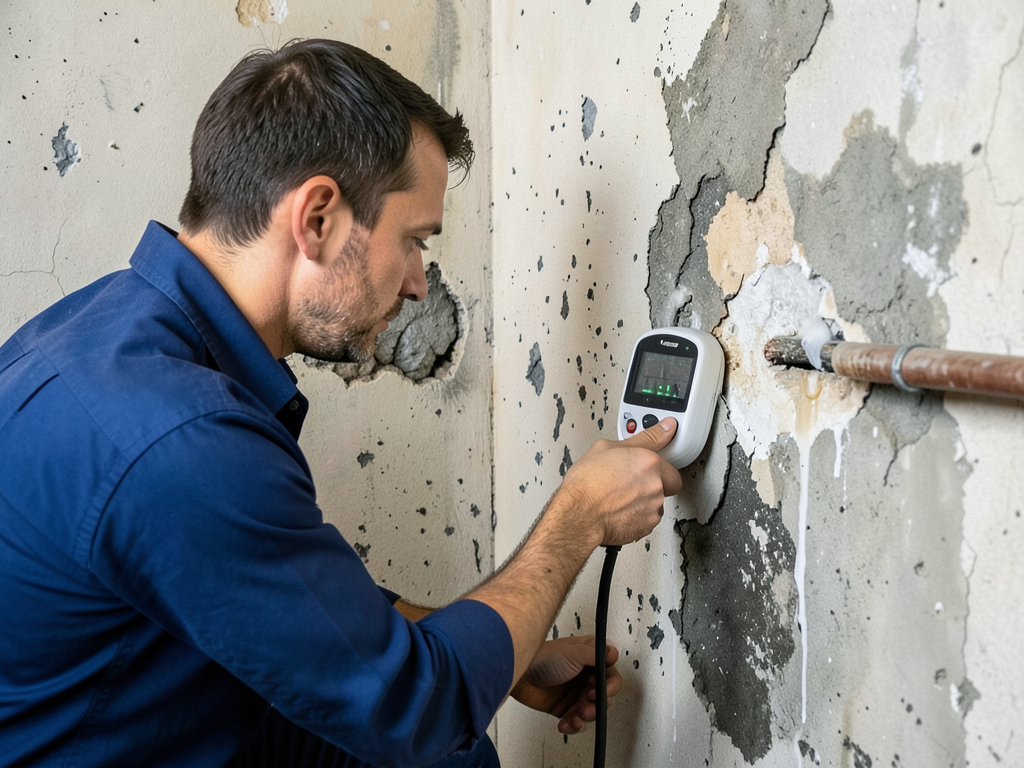
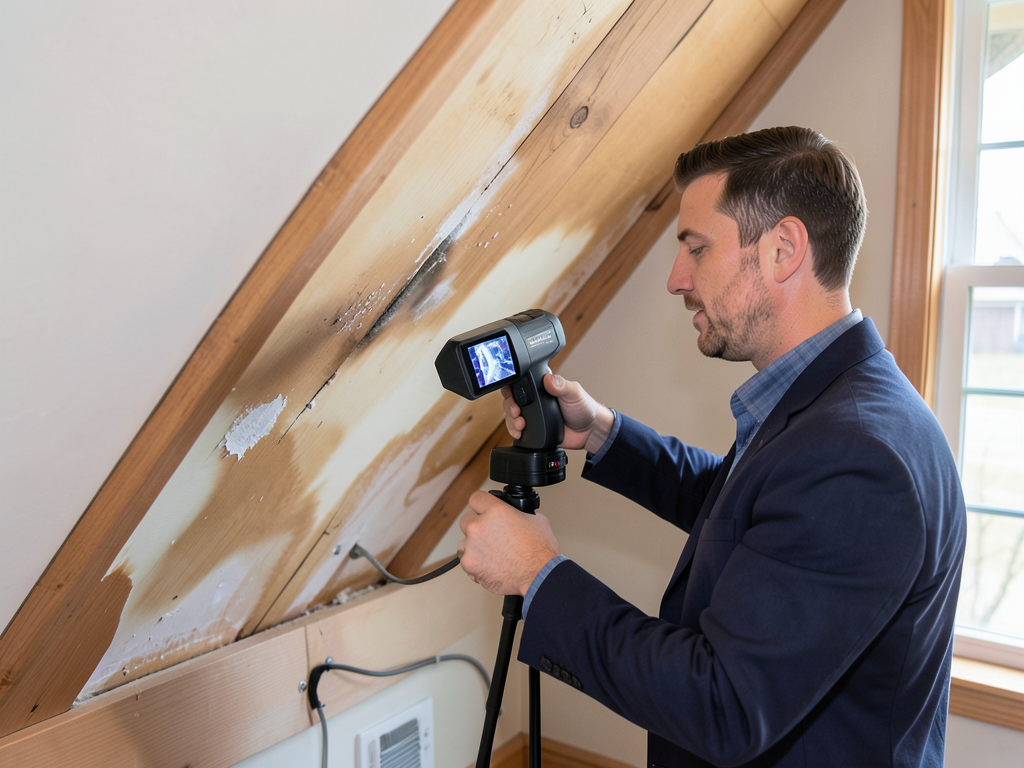
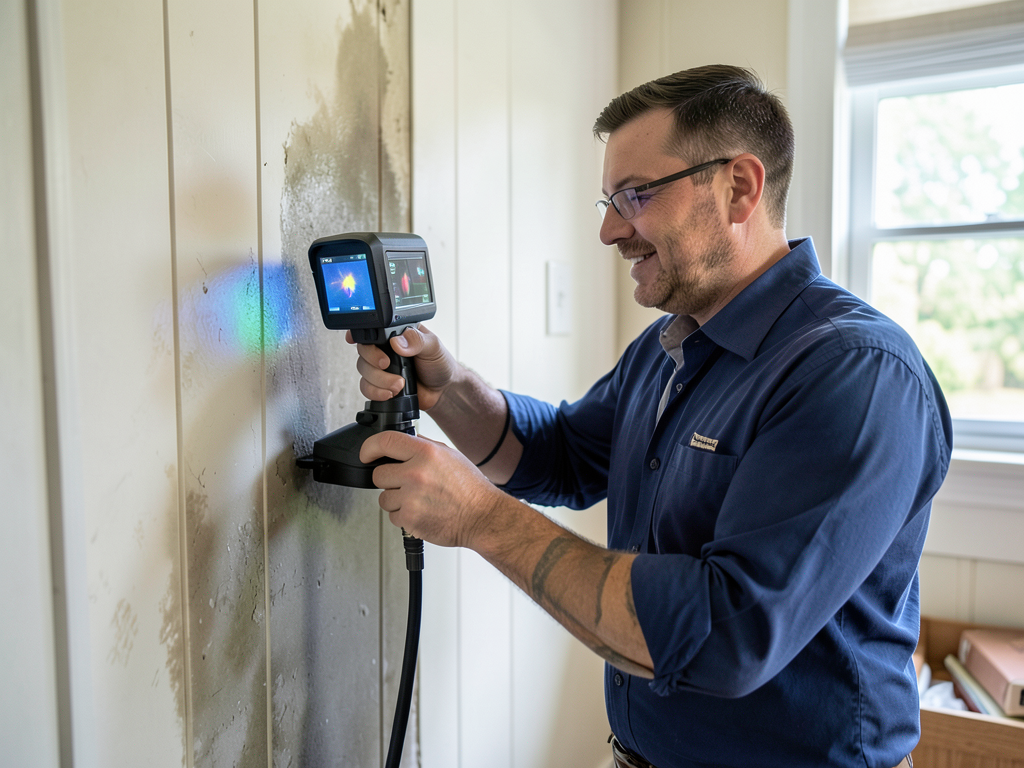
Moisture mapping comes next. We use thermal imaging cameras and penetrating moisture meters to track water migration through walls, under cabinets, and into HVAC ductwork. Detroit homes often have balloon framing, where wall cavities run uninterrupted from basement to attic. Water travels vertically through these voids. Surface drying misses 60 percent of the moisture load.

Our drying process uses commercial-grade air movers and dehumidifiers positioned based on psychrometric calculations. We measure temperature, relative humidity, and dew point to create optimal evaporation conditions. Drying hardwood floors requires slow, controlled humidity reduction to prevent cracking. Drying plaster walls requires monitoring to avoid over-drying and crumbling. We adjust equipment daily based on moisture readings until all materials reach dry standard, typically 12 to 15 percent moisture content for wood framing.

What Happens During Your Emergency Washing Machine Cleanup

Washing Machine Overflow Cleanup in Detroit – 60-Minute Emergency Response to Stop Water Damage Now
01

Immediate Water Extraction

Our crew arrives with truck-mounted extraction equipment and portable pumps to remove standing water within minutes. We extract from all affected surfaces including carpet, padding, hardwood, tile grout lines, and basement floor drains. High-velocity extraction prevents water from continuing its migration into wall cavities, subfloors, and insulation. We document pre-extraction moisture levels for insurance claims and establish baseline readings for drying verification.
02

Structural Drying Setup

After extraction, we position commercial air movers and dehumidifiers throughout affected rooms to create controlled airflow patterns. We remove baseboards when necessary to dry wall cavities, drill weep holes in plaster walls to release trapped moisture, and set up containment barriers to concentrate drying energy. Our technicians use moisture meters to identify hidden saturation in subflooring, insulation, and framing members. Equipment runs continuously with daily monitoring and adjustment based on moisture readings.
03

Verification and Restoration

We do not remove equipment until all materials test at dry standard using calibrated moisture meters. Final verification includes thermal imaging to confirm no residual moisture pockets remain in structural cavities. We apply antimicrobial treatments to affected areas, document completion with photos and moisture logs for your insurance adjuster, and coordinate any necessary reconstruction like hardwood refinishing or plaster repair. You receive a detailed report showing before and after readings proving complete drying.

Why Detroit Residents Choose Ironwood for Washer Flood Emergencies

Ironwood Water Damage Restoration Detroit understands the construction methods used in Detroit housing stock. We know that homes in neighborhoods like Palmer Woods, Indian Village, and Rosedale Park feature plaster walls, hardwood floors, and balloon framing that require specialized drying techniques. We have restored water damage in Detroit bungalows, Tudor revivals, and colonial homes where improper drying destroys original architectural details worth preserving.

Our technicians hold IICRC certifications in water damage restoration and applied structural drying. This training matters when you are drying 90-year-old hardwood that will crack if humidity drops too fast, or plaster walls that crumble when over-dried. We adjust our protocols based on building materials, not generic procedures copied from a manual.

We operate 24 hours a day because washing machine floods do not wait for business hours. Our average response time across Detroit is 60 minutes from your call to equipment on-site. We stock our trucks with extraction equipment, air movers, dehumidifiers, moisture meters, and antimicrobial treatments so we can start work immediately without return trips for supplies.

Insurance coordination is part of our service. We document everything your adjuster needs: photos, moisture readings, equipment logs, and drying progress reports. We work directly with your insurance company to streamline claims and reduce your out-of-pocket expense. Most homeowner policies cover sudden washing machine failures under water damage provisions.

You get direct communication throughout the process. No call centers. No subcontractors. Our project manager gives you their cell number and responds to questions within minutes. We explain what we are doing, why it matters, and what to expect next.

What to Expect When You Call for Washing Machine Cleanup

60-Minute Emergency Dispatch

We answer emergency calls 24 hours a day, seven days a week. Our dispatch team collects your address and damage details while simultaneously routing the nearest crew to your location. Average arrival time across Detroit is 60 minutes. Our technicians call you en route with an accurate ETA. They arrive in clearly marked vehicles with all necessary equipment already loaded. You do not wait days for an estimate appointment. We assess damage, explain the scope of work, and start extraction immediately. Time-sensitive emergencies get priority dispatch over scheduled maintenance calls.

Comprehensive Damage Assessment

Our initial assessment goes beyond the visible water on your floor. Technicians use thermal imaging cameras to detect moisture in walls, ceilings, and subfloors. We check adjacent rooms, levels above and below the overflow point, and HVAC systems for hidden water migration. Moisture meters measure saturation levels in wood framing, drywall, insulation, and flooring materials. We classify the water category based on source contamination and explain what this means for cleanup protocols. You receive a written scope of work detailing all affected areas, required equipment, estimated drying time, and projected costs before work begins.

Complete Structural Drying

Drying is not guesswork. We follow IICRC S500 standards, which specify target moisture levels for different building materials. Hardwood flooring must reach 12 to 14 percent moisture content. Drywall must reach 12 percent or less. Concrete must reach below 4 percent on a calcium chloride test. We measure daily and adjust equipment placement, airflow patterns, and dehumidification capacity based on readings. Most washing machine overflows dry completely within three to five days when treated immediately. You get documentation showing final moisture levels meet dry standard. This proof protects you from future mold claims and insurance disputes.

Post-Drying Verification and Prevention

After drying is complete, we conduct final verification using moisture meters and thermal imaging to confirm no residual moisture remains. We apply EPA-registered antimicrobial treatments to affected surfaces to prevent mold growth. You receive a completion report with before and after moisture readings, photos documenting the drying process, and equipment runtime logs. We also provide recommendations to prevent future washing machine floods, including hose replacement schedules, drain pan installation, and automatic shut-off valve options. Our documentation package gives you everything needed for insurance reimbursement and future property disclosures.

Frequently Asked Questions

You Have Questions,
We Have Answers

How to clean a washing machine overflow pipe? +

Turn off your water supply immediately. Disconnect the washing machine from power. Locate the overflow pipe, usually at the back near the drain hose. Remove any visible debris blocking the opening. Use a plumber's snake or flexible brush to clear buildup inside the pipe. Flush with hot water to confirm flow. In Detroit homes, hard water mineral deposits and detergent residue often cause clogs. If water damaged your floors or walls during the overflow, you need professional extraction and drying within 24 hours to prevent mold growth in Michigan's humid climate.

How do you remove black mold from a washing machine rubber seal? +

Black mold on washing machine seals thrives in Detroit's humidity. Mix equal parts white vinegar and water in a spray bottle. Spray the rubber seal thoroughly and let sit for 10 minutes. Scrub with a stiff brush, focusing on folds where mold hides. For stubborn growth, make a paste with baking soda and water. Wipe clean with a damp cloth. Dry completely. Run an empty hot cycle with two cups of vinegar monthly to prevent return. If mold has spread to surrounding walls or floors, call a water damage professional immediately.

Why are my clothes sopping wet after spin cycle? +

Your spin cycle may be failing due to an unbalanced load, worn drive belt, or faulty drain pump. Check if the load is bunched on one side and redistribute evenly. Inspect the drain hose for kinks or clogs that prevent water from exiting. A failing pump cannot remove water fast enough. In older Detroit homes, low voltage or outdated electrical panels sometimes cause motors to underperform. If sopping clothes happen repeatedly and water pools under your machine, you face a leak risk that can damage subfloors and create mold conditions within 48 hours.

How to clean up a washing machine flood? +

Act fast. Shut off the water supply and unplug the washing machine immediately. Remove standing water with a wet vacuum or towels. Move furniture and belongings to dry areas. Pull up soaked rugs. Use fans and dehumidifiers to start drying, but know that visible water is just the start. Water seeps into subflooring, drywall, and baseboards. In Detroit's older housing stock with wood framing, hidden moisture causes structural damage and mold growth within 24 to 48 hours. Call a certified water damage restoration company immediately for professional extraction, moisture detection, and complete drying.

Can I pour bleach down a washing machine drain pipe? +

You can pour bleach down a washing machine drain pipe occasionally to sanitize, but use caution. Pour one cup of bleach followed by hot water. Never mix bleach with other cleaners, especially ammonia or vinegar, as this creates toxic fumes. Bleach works for minor buildup, but it does not clear physical clogs from lint, soap scum, or Detroit's hard water deposits. Overuse can corrode older metal pipes common in Detroit homes built before 1980. If you smell sewer gas or notice slow drainage, you need a plumber to inspect for deeper blockages or venting issues.

How do you clean the overflow pipe? +

Locate your overflow pipe, typically near the washing machine drain connection. Turn off water first. Remove any external debris. Insert a plumber's snake or long flexible brush into the opening. Push through buildup while rotating. Flush with hot water under pressure to confirm clearance. Detroit's hard water leaves mineral scale that narrows pipes over time. If the overflow pipe connects to your home's main drain system and you experience repeated clogs, you may have a larger plumbing issue. Persistent overflow problems can flood laundry rooms and cause expensive water damage requiring professional restoration services.

What is the black gunk in a rubber seal washing machine? +

The black gunk is a combination of mold, mildew, bacteria, soap scum, fabric softener residue, and dirt from clothes. Washing machines trap moisture in the rubber seal folds, creating ideal conditions for growth. Detroit's humid summers accelerate this buildup. The gunk smells musty and transfers to your clothes. It also indicates poor drainage or ventilation in your laundry area. Clean it immediately with vinegar or a mold-killing cleaner. Leave the washer door open between loads to air out. If you see black gunk spreading to walls or floors, call a professional immediately.

What kills mold better, bleach or vinegar? +

Bleach kills mold faster on hard, non-porous surfaces, but it does not penetrate porous materials like drywall or wood subflooring. Vinegar is less toxic and kills mold at the root on most surfaces, though it works slower. For washing machine seals, vinegar is safer and effective. For water damage in Detroit homes where mold has spread into walls, floors, or HVAC systems after an overflow, neither bleach nor vinegar is enough. You need professional remediation with containment, HEPA filtration, and antimicrobial treatments to prevent health risks and structural damage.

Can vinegar damage the washing machine seal? +

White vinegar in normal cleaning concentrations will not damage your washing machine seal. Use a 50-50 mix with water for regular cleaning. Undiluted vinegar used repeatedly over months may dry out rubber slightly, but this risk is minimal compared to mold damage. Avoid using vinegar with bleach, as this creates dangerous chlorine gas. Detroit's hard water already stresses rubber seals with mineral buildup. Monthly vinegar rinses actually extend seal life by preventing residue accumulation. If your seal shows cracks or tears regardless of cleaning, replace it immediately to prevent leaks and water damage.

Why is my washing machine not spinning all the water out of clothes? +

Your washer may not spin water out due to a clogged drain pump filter, kinked drain hose, worn drive belt, or failed lid switch. Check the pump filter for lint, coins, or debris. Inspect the drain hose for blockages or improper height. An unbalanced load also prevents full spin. In Detroit's older homes, inadequate electrical supply can cause motor issues. If the drum spins but clothes stay wet, the pump is failing. Ignoring this problem leads to overflow, leaks, and floor damage. If you cannot identify the cause, call an appliance technician before water damage occurs.

Detroit's Older Homes and Washing Machine Water Migration Risks

Detroit's housing stock predates modern plumbing standards. Homes built before 1960 often lack proper laundry room waterproofing, floor drains, or washing machine drain pans. Original hardwood floors have gaps where water pours directly onto subflooring and into basement ceilings. Many Detroit homes still use cast iron drain lines installed in the 1940s and 1950s. These pipes corrode from the inside, narrowing the drain path and causing washing machine discharge to back up and overflow. Winter freeze-thaw cycles crack foundation walls, creating pathways for water to flood basements during overflow events. Emergency washer flood remediation in Detroit requires understanding these older construction methods to prevent missing hidden damage.

Ironwood Water Damage Restoration Detroit has restored water damage across every Detroit neighborhood from Downtown to the North End. We understand local building department requirements for water damage repairs and work with inspectors when structural repairs require permits. Our technicians know which Detroit homes have crawl spaces versus basements, where original plaster requires special drying techniques, and how Detroit's municipal water pressure affects washing machine hose failure rates. This local expertise prevents the mistakes that out-of-town restoration companies make, like over-drying historic plaster or missing water migration into balloon-framed walls. Choosing a Detroit-based team means working with professionals who understand your specific home construction.
Water Damage Restoration Services in The Detroit Area

Conveniently located to serve the Detroit area, Ironwood is always ready to respond to your water damage emergencies. Explore our service area on the map below or contact us directly to discuss your specific needs. We’re committed to providing prompt, professional service wherever you are within our operational zone, ensuring rapid deployment and effective restoration solutions when you need them most.

Address:
Ironwood Water Damage Restoration Detroit, 15324 Mack Ave, Detroit, MI, 48230

Additional Services We Offer

Our news updates

Latest Articles & News from The Blogs

A slow leak behind a Royal Oak bathroom wall can go unnoticed for weeks. By the time you smell mildew…

Why Smart Leak Detectors Are Worth Every Penny for Your Royal Oak Rental Property

A slow leak behind a Royal Oak bathroom wall can go unnoticed for weeks. By the time you smell mildew…

Why Your Whole House Humidifier in Warren Might Be Ruining Your Drywall

Your furnace runs all winter. Your whole house humidifier works quietly behind the scenes. And somewhere behind that drywall in…

What Black Water Flooding Actually Does to Your Health (A Detroit Homeowner's Guide)

A sewage backup in your Detroit basement is not just a cleanup problem. It is a biohazard event. The water…

Contact Us

Every minute water sits in your home increases damage and cost. Call Ironwood Water Damage Restoration Detroit now at (313) 572-5559 for 60-minute emergency response. Our crews are standing by 24/7 with trucks loaded and ready to extract water, dry your structure, and prevent permanent damage to your Detroit home.