
Tracking Down Hidden Water Leaks in Your Royal Oak Attic Kneewalls
Royal Oak homeowners often discover water damage too late in their attic kneewalls. These short vertical walls under sloped roofs create perfect traps for moisture from ice dams, poor flashing, or ventilation failures. The damage stays hidden until paint bubbles, insulation sags, or mold appears. This guide shows you how to find these leaks early and what steps to take before the problem spreads. Royal Oak climate data.
Understanding the Attic Kneewall: Why They Are Prone to Damage
Kneewalls are short walls under sloped roof sections that create usable attic space. In Royal Oak bungalows and mid-century homes, these walls often lack proper moisture barriers. The triangular attic space above collects warm air that meets cold roof surfaces. This temperature difference causes condensation inside the wall cavity.
Royal Oak experiences freeze-thaw cycles that stress roof materials. Water seeps into tiny cracks during thaws, then freezes and expands during cold snaps. This process widens gaps around flashing and shingles. The repeated expansion and contraction breaks down sealants that protect kneewall connections. Water Damage Restoration Livonia.
Top 5 Causes of Kneewall Moisture in Michigan Homes
Ice dams form when snow melts on warm roof sections and refreezes at cold eaves. Water backs up under shingles and flows into kneewall cavities. Royal Oak averages 30 inches of snow annually, creating ideal conditions for ice dam formation. Water Damage Restoration Warren.
Poor attic ventilation traps moisture inside kneewalls. Without proper airflow, warm moist air condenses on cold surfaces. Michigan Residential Code R806 requires specific ventilation ratios, but many older Royal Oak homes lack adequate vents. Michigan Residential Code R806.
Flashing failures around chimneys, vents, and roof valleys allow water intrusion. Wind-driven rain finds these weak points during storms. The short height of kneewalls makes them vulnerable to splash-back from nearby surfaces.
Dew point condensation occurs when indoor humidity meets cold kneewall surfaces. Activities like cooking, bathing, and breathing add moisture to indoor air. Without vapor barriers, this moisture migrates into wall cavities.
Improper insulation blocks soffit vents and creates moisture traps. When insulation touches roof sheathing, it prevents proper airflow. This leads to condensation and eventual water damage in kneewall spaces.
Signs of Damage Every Detroit Homeowner Should Look For
Water stains on ceilings below kneewalls indicate active leaks. These stains often appear as brown rings or patches that grow larger over time. The damage may extend several feet from the kneewall base.
Damp insulation in attic kneewalls loses its effectiveness. Wet insulation compresses and becomes a breeding ground for mold. You can check insulation by gently probing with a moisture meter through small access points.
Moldy odors in short attic spaces signal hidden moisture problems. The smell often resembles damp earth or mildew. These odors intensify during humid weather when mold releases more spores.
Rusted nails in roof deck indicate prolonged moisture exposure. When you see rust streaks on roof sheathing, water has been present for months or years. This suggests ongoing leaks that need immediate attention.
Peeling paint on walls near kneewalls shows moisture migration. Water travels through wall cavities and exits through paint layers. The paint bubbles, cracks, and eventually falls off as moisture continues to enter.
Our Professional Remediation Process
We start with thermal imaging to detect temperature differences in kneewall cavities. This non-invasive scan reveals moisture patterns that visual inspection misses. The camera shows cold spots where water has saturated insulation or framing.
Moisture meters measure water content at multiple depths in kneewall materials. We test drywall, insulation, and framing to map the extent of damage. Readings above 16% indicate active moisture problems requiring immediate action.
Water extraction removes standing water from kneewall cavities. We use specialized equipment to reach tight spaces between studs. The process prevents further absorption into framing materials. How to Remove Mold Safely from Your Royal Oak Home.
Drying and dehumidification eliminate remaining moisture. Industrial-grade dehumidifiers and air movers create airflow through kneewall spaces. This process typically takes 3-5 days depending on damage extent.
Mold prevention treatments protect against future growth. We apply antimicrobial solutions to affected areas after drying completes. This step prevents mold spores from establishing in damp environments. Fixing the Mess After a Frozen Pipe Bursts in Your Detroit Home.
Structural repairs restore kneewall integrity. We replace damaged drywall, insulation, and framing as needed. All repairs meet Michigan Residential Code requirements for moisture resistance.
Preventing Future Damage: Detroit Winterization Tips
Air sealing prevents warm indoor air from reaching cold kneewall surfaces. We use caulk, foam, and weatherstripping to close gaps around pipes, wires, and framing. This reduces condensation potential significantly.
Michigan building codes require R-49 to R-60 insulation in attics. Proper insulation maintains consistent roof temperatures and prevents ice dam formation. We recommend blown-in cellulose or fiberglass batts for kneewall applications.
Baffle installation maintains ventilation pathways in kneewall spaces. These plastic or foam channels keep insulation from blocking soffit vents. Proper airflow prevents moisture buildup and extends roof life.
Roof maintenance includes inspecting flashing, shingles, and sealants annually. Small repairs prevent major water intrusion later. We recommend professional inspections before winter to identify potential problems. Professional Cleanup for Flooded Basements in Dearborn (What to Expect and Why It Matters).
Gutter cleaning prevents ice dam formation by ensuring proper drainage. Clogged gutters allow water to back up under shingles. Clean gutters direct water away from kneewall foundations.
Common Kneewall Problems by Home Age
| Home Age | Common Issues | Typical Repair Cost | Urgency Level |
|---|---|---|---|
| Pre-1950 | No vapor barrier, deteriorated flashing | $2,500 – $6,000 | High |
| 1950-1980 | Poor ventilation, inadequate insulation | $1,800 – $4,500 | Medium |
| 1980-2000 | Flashing gaps, ice dam vulnerability | $1,500 – $3,500 | Medium |
| Post-2000 | Ventilation imbalances, material defects | $1,200 – $3,000 | Low-Medium |
Frequently Asked Questions
How can I tell if my kneewall has water damage?
Look for water stains on ceilings below, damp insulation, moldy odors in the attic, rusted nails in roof sheathing, and peeling paint near kneewalls. Use a moisture meter to test suspicious areas.
How much does kneewall water damage repair cost in Royal Oak?
Repair costs typically range from $1,500 to $6,000 depending on damage extent, materials needed, and whether mold remediation is required. Most Royal Oak homes fall in the $2,500 to $4,000 range.
Can I fix kneewall leaks myself?
Minor issues like sealing small gaps can be DIY projects. However, active leaks, mold, or structural damage require professional assessment and repair to prevent health hazards and ensure proper code compliance.
How long does kneewall water damage restoration take?
The process typically takes 3-7 days. This includes inspection, water extraction, drying (3-5 days), mold treatment if needed, and final repairs. Complex cases may require additional time.
Does homeowners insurance cover kneewall water damage?
Coverage depends on the cause. Sudden events like burst pipes are usually covered. Gradual damage from poor maintenance or ice dams may be excluded. Check your policy or consult your insurance provider.
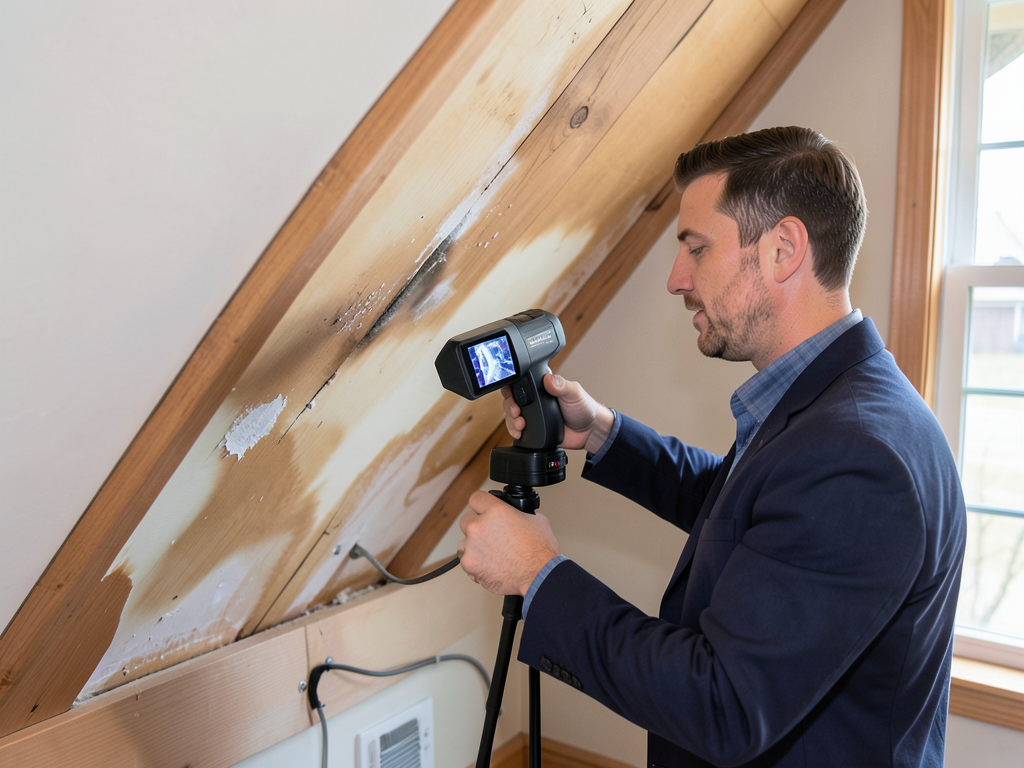
Technician using thermal imaging camera on kneewall – Professional inspecting attic kneewall with infrared camera to detect moisture patterns invisible to the naked eye.
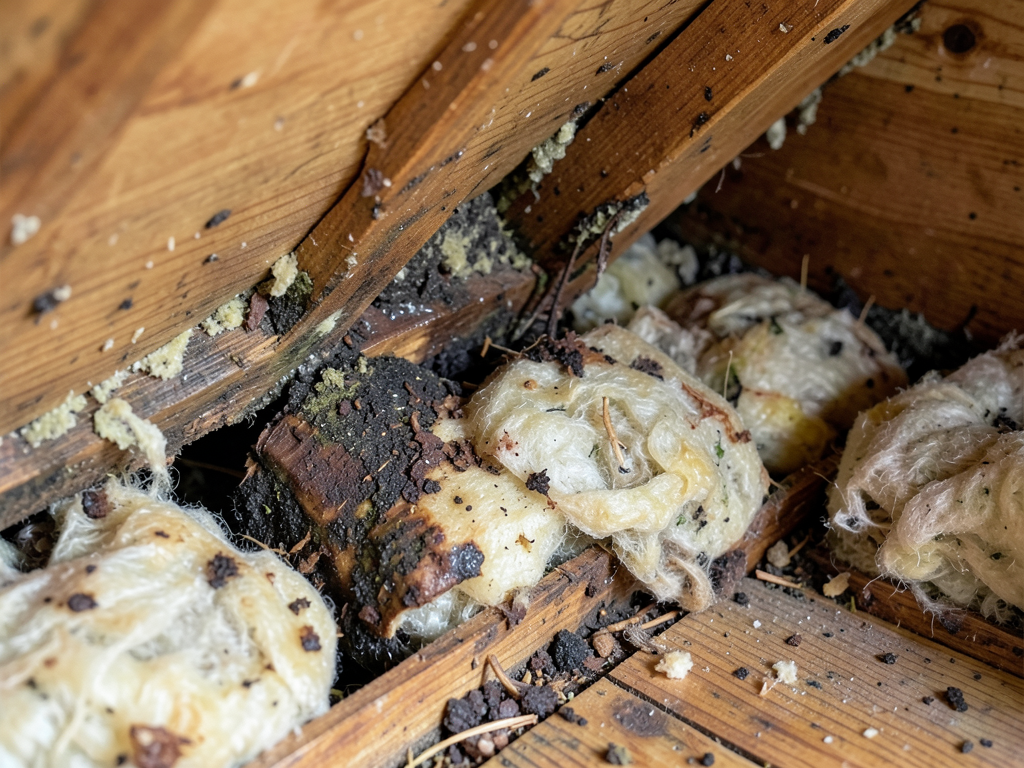
Before and after kneewall restoration – Comparison showing damaged insulation and drywall replacement with proper moisture barriers and ventilation improvements.
Call (313) 572-5559 Today to Schedule Your Inspection
Don’t wait for hidden water damage to become a major problem. Our Royal Oak specialists use thermal imaging and moisture meters to find leaks before they cause thousands in damage. We understand local building patterns and Michigan weather challenges. Call (313) 572-5559 now to protect your home investment. Quick action prevents mold growth and structural issues that could cost you much more later.
Pick up the phone and call (313) 572-5559 before the next storm hits. Our team arrives within hours to assess your kneewall situation and provide immediate recommendations. We handle everything from inspection to complete restoration, working directly with your insurance company to make the process smooth and stress-free. For more information, visit City of Royal Oak building department.