
Professional Mold Removal and Remediation in Royal Oak, MI
Mold does not wait. If you spotted dark patches on your basement walls or caught that unmistakable musty smell coming from a closet in your Vinsetta Park bungalow, the clock is already running. Royal Oak’s housing stock, particularly the dense corridors of older homes running from the 48067 zip code up through 48073, presents near-perfect conditions for mold growth. Poured concrete basements, minimal original vapor barriers, and the Detroit metro’s humid summer cycles create an environment where Stachybotrys chartarum (black mold) and other species can colonize within 24 to 72 hours of a moisture event.
This guide covers what professional mold removal actually involves, what makes Royal Oak homes particularly vulnerable, and how to tell the difference between a surface cleaning job and a full IICRC S520-compliant remediation.
Why Royal Oak Homes Develop Mold at Higher Rates
Royal Oak’s charm is also part of its mold problem. The city’s historic bungalows, Tudor revivals, and post-war ranches were built long before modern moisture control standards existed. Many of these homes along the Woodward Avenue corridor and in the Northwood neighborhood sit on shallow block foundations that wick ground moisture year-round.
The Detroit metro area experiences significant freeze-thaw cycling each winter, which cracks mortar joints and allows water infiltration during spring snowmelt. Add in Oakland County’s summer humidity spikes and you have a year-round moisture load on older building materials. Drywall, wood framing, and fiberglass insulation all serve as food sources for mold when relative humidity stays above 60 percent for extended periods.
Common moisture entry points in Royal Oak homes include cracked foundation walls, failed window well drains, condensation from uninsulated cold water pipes, and aging roof-to-wall flashing. If your home flooded recently, check out our overview of water damage restoration in Royal Oak to understand the full scope of what may need attention beyond the visible mold.
Signs You Have a Mold Problem Worth Calling About
- Visible dark or greenish-black staining on drywall, wood framing, or ceiling tiles
- A persistent musty or earthy odor that does not clear with ventilation
- Unexplained allergy symptoms that worsen when you are home (runny nose, eye irritation, coughing)
- Peeling paint or wallpaper caused by moisture pushing through the substrate
- White chalky deposits on concrete block walls (efflorescence), which signals active water migration
- Recent water damage from a burst pipe, sump pump failure, or basement flood that was not dried within 48 hours
If you are dealing with symptoms beyond just visible patches, our article on black mold symptoms breaks down the health impacts in detail. The U.S. Environmental Protection Agency’s mold cleanup guidance is also a reliable reference for understanding when professional intervention is necessary versus when surface cleaning may suffice.
The IICRC S520 Remediation Process We Follow in Royal Oak
The IICRC S520 Standard for Professional Mold Remediation is the industry benchmark for safe, effective mold removal. It is not a suggestion. It is the framework that separates professional remediation from someone spraying bleach on a wall and calling it done. Here is what a compliant remediation looks like inside a Royal Oak home.
Step 1 — Moisture Mapping and Air Quality Testing
Before anything is touched, the source of moisture must be identified and stopped. We use calibrated moisture meters and thermal imaging to locate hidden saturation behind walls and under flooring. Air sampling establishes a baseline spore count so we can verify successful remediation at the end of the job.
This step matters enormously in older Royal Oak homes where moisture pathways are not always obvious. Water from a sump pump failure in the mechanical room can migrate along the concrete slab to the far corner of the basement before you see any visible damage. If hidden moisture is the concern, our hidden moisture detection service covers the full diagnostic process.
Step 2 — Containment Using Negative Air Pressure
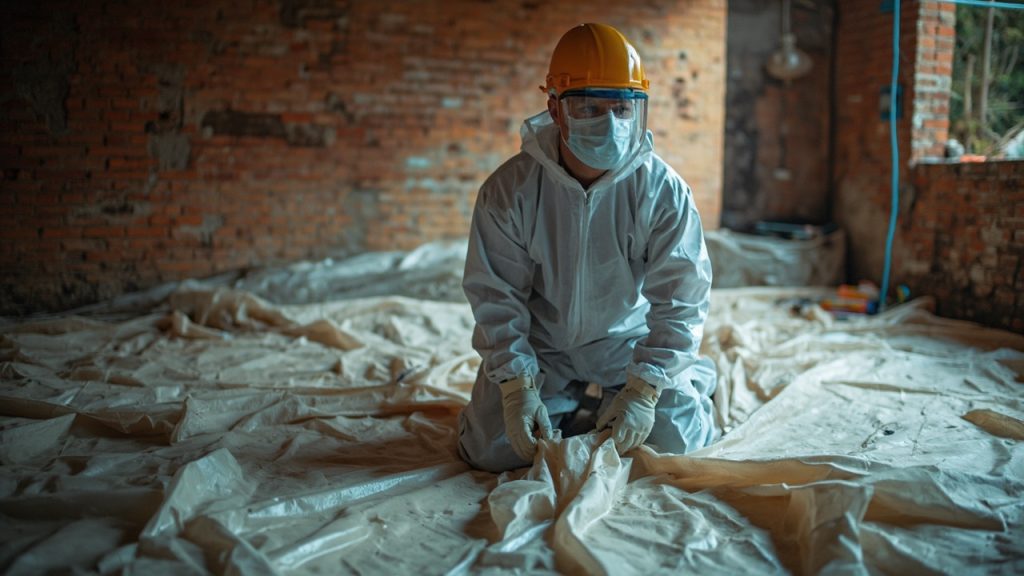
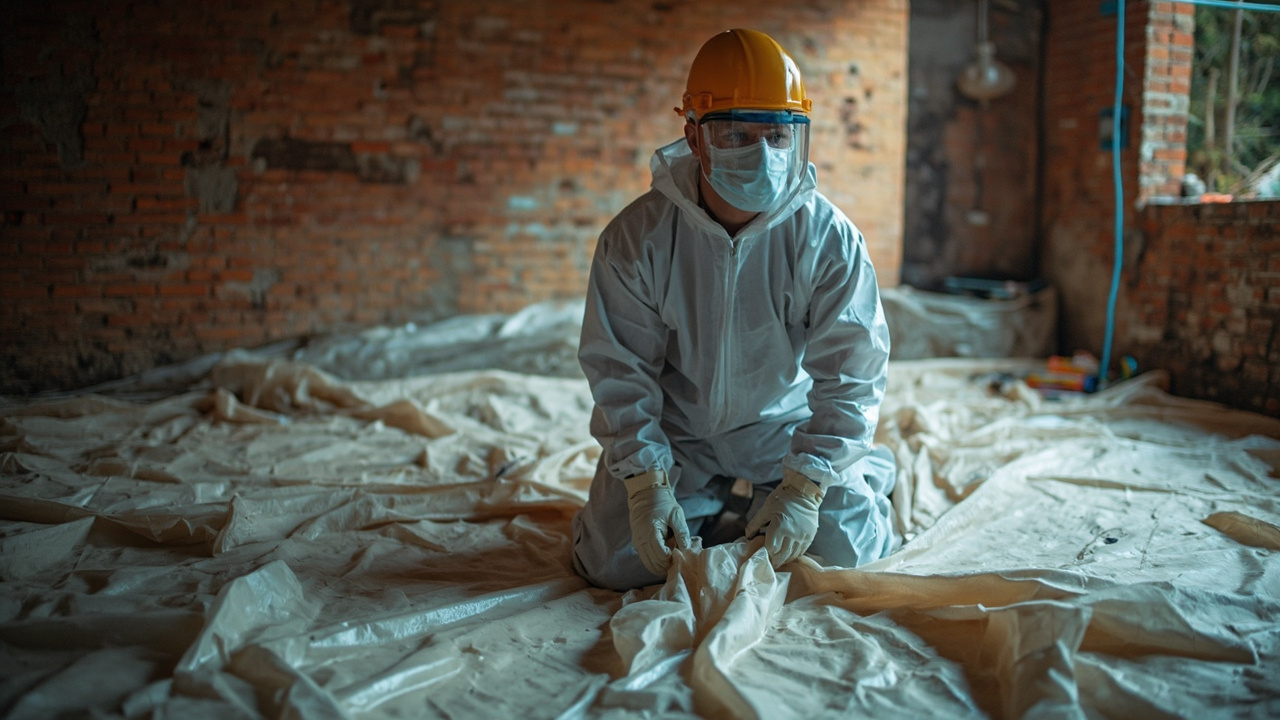
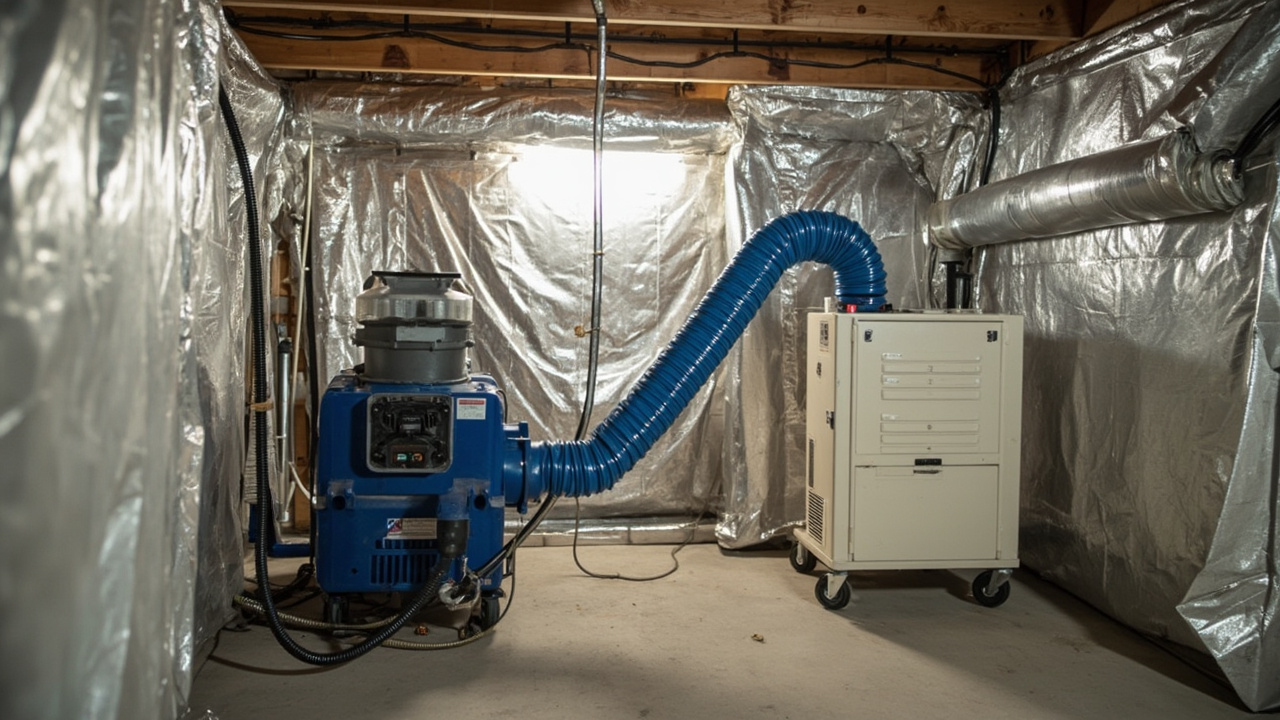
Mold spores become airborne the moment you disturb a colony. Containment prevents cross-contamination to unaffected areas of your home. We seal the work area with 6-mil poly sheeting and establish negative air pressure using HEPA air scrubbers. This means air flows into the containment zone rather than out, so spores cannot migrate to your living areas or HVAC system.
In a typical Royal Oak bungalow, this usually means sealing off the basement stairwell entry and any HVAC returns in the affected zone. Larger remediation projects in two-story homes may require multiple containment chambers.
Step 3 — Physical Removal of Contaminated Materials
Porous materials like drywall, insulation, and wood trim that test positive for mold growth must be removed and disposed of in sealed poly bags. You cannot remediate through a porous material. Painting over or encapsulating mold in drywall does not kill it. That approach fails inspection every time.
Structural wood framing with surface mold is treated differently. If the wood is structurally sound, we can often remediate in place using HEPA vacuuming followed by an antimicrobial bio-wash treatment. If the framing has been compromised by long-term moisture exposure, it needs to come out.

Step 4 — HEPA Vacuuming and Antimicrobial Treatment
After physical removal, all surfaces in the containment zone are HEPA vacuumed to capture residual spores. We follow with an antimicrobial bio-wash applied to all exposed structural surfaces. This treatment is EPA-registered and approved for use on wood, concrete, and masonry. It neutralizes residual mold proteins and provides a barrier against recolonization.
Concrete block foundations, which are common in Royal Oak homes built before 1960, require attention to the mortar joints where mold tends to root deeply. A surface spray alone will not reach the full depth of contamination in a deteriorated joint.
Step 5 — Structural Drying and Dehumidification
After remediation, the affected area must be dried to safe moisture content levels before reconstruction begins. We deploy commercial-grade LGR dehumidifiers and air movers to bring the affected structural materials down to below 16 percent moisture content. Typical drying times in Royal Oak basements range from three to five days depending on the volume of material and ambient conditions.
Skipping this step causes mold to return within weeks. If you have already had a water event that saturated your basement and you are concerned about future risk, our basement waterproofing guide covers the long-term protective measures that matter most for Oakland County homes.
Step 6 — Post-Remediation Verification
A final air quality test confirms that spore counts in the remediated space have returned to normal background levels. This clearance test is performed by an independent industrial hygienist, not by us. That separation matters. You get an unbiased confirmation that the remediation worked before reconstruction begins.
Post-remediation documentation also supports your homeowners insurance claim if mold resulted from a covered water event. For a deeper look at navigating that process, see our guide on how to handle insurance claims.
Mold Type Comparison and Remediation Considerations
| Mold Type | Common Location in Royal Oak Homes | Health Concern Level | Remediation Approach |
|---|---|---|---|
| Stachybotrys chartarum (Black Mold) | Flooded drywall, basement ceiling tiles, crawl spaces | High | Full containment, material removal, post-remediation air test required |
| Aspergillus | HVAC ducts, bathroom grout, window sills | Moderate to High | HEPA vacuuming, antimicrobial treatment, source moisture correction |
| Penicillium | Wet insulation, carpet padding, wood subfloor | Moderate | Material removal if porous, surface treatment on hard substrates |
| Cladosporium | Exterior-facing walls, attic sheathing, window frames | Low to Moderate | Surface cleaning, antimicrobial treatment, ventilation improvement |
Remediation Timeline and What Affects the Scope
| Project Size | Affected Area | Typical Timeline | Key Variables |
|---|---|---|---|
| Small | Under 10 sq ft (single wall section) | 1 to 2 days | Isolated moisture source, non-structural materials affected |
| Medium | 10 to 100 sq ft (partial basement wall or bathroom) | 2 to 4 days | May require drywall removal and structural drying |
| Large | 100 to 300 sq ft (full basement or crawl space) | 5 to 10 days | Multiple material types, extended drying phase, possible HVAC cleaning |
| Whole-Home | Over 300 sq ft or multiple floors | 10 to 21 days | Structural framing involvement, possible temporary relocation, full reconstruction |
What Mold Does to Royal Oak’s Older Building Materials
The wood framing in homes near the Northwood neighborhood or along the side streets off Woodward was often milled from old-growth timber. It is dense and durable. But once moisture infiltrates and mold takes hold, that same density means the wood holds moisture longer. Remediation on original framing requires more aggressive treatment and longer drying times than newer construction lumber.
Original plaster walls, which are still present in many pre-1960 Royal Oak homes, behave differently than drywall. Plaster itself is more mold-resistant than paper-faced drywall, but the wood lath behind it is not. If mold has reached the lath layer, the plaster must come down regardless of its surface condition.
Attic mold is also extremely common in Royal Oak homes where original soffit venting was never updated. Warm, moist air rises from the living space into an inadequately vented attic and condenses on the cold roof sheathing every winter. If you are dealing with mold in an upper floor or attic, our attic water damage cleanup page covers the specific structural concerns involved.
Does Your Homeowners Insurance Cover Mold Removal
The short answer is that it depends on the cause. Most Michigan homeowners insurance policies cover mold remediation when it results directly from a covered water loss, such as a burst pipe or appliance failure. Mold from long-term neglect or gradual leaks is typically excluded.
The Michigan Department of Insurance and Financial Services (DIFS) regulates homeowners insurance carriers in the state and provides guidance on claim disputes if your carrier denies a mold claim you believe should be covered.
We document the moisture source, remediation scope, and post-remediation results in a format that major insurance carriers recognize. This documentation is often what separates an approved claim from a denied one. For a full breakdown of mold coverage specifics, see our article on whether insurance covers mold.
Zip Codes and Neighborhoods We Serve in Royal Oak
We respond to mold calls throughout Royal Oak including the 48067, 48068, and 48073 zip codes. This includes the Vinsetta Park neighborhood, the Red Run Golf Club area, homes near Shrine of the Little Flower, and properties along the north end of Woodward Avenue approaching Crooks Road. We are typically on-site within 60 minutes of your call for emergency situations.
Royal Oak sits at the heart of the Oakland County service area. We also handle mold and water damage in neighboring communities. If you are dealing with related damage in surrounding areas, see our pages for water damage restoration in Troy and water damage restoration in Pontiac.
What Separates a Real Remediation from a Surface Clean
A surface clean involves wiping or spraying visible mold without addressing the moisture source or testing for hidden growth. It can make a wall look clean for two to four weeks. Then the mold returns, usually worse than before.
A proper remediation following IICRC S520 involves source identification, containment, physical removal where necessary, antimicrobial treatment, structural drying, and independent post-remediation verification. The difference is not just cosmetic. It is the difference between fixing the problem and paying for the same job twice.
If you noticed signs of hidden mold or are dealing with odor without visible growth, do not assume a surface treatment is sufficient. Air sampling will tell you the truth about what is actually present in your home’s air before and after any work is done.
If mold grew following a basement flood or sump pump failure, addressing the water intrusion side of the problem is equally important. Our sump pump failure cleanup and basement flood cleanup services address that side of the equation, and our team can coordinate both water and mold response in a single mobilization.
When You Should Call for an Emergency Mold Assessment
Call immediately if any of the following apply. You see active black or dark green mold growth larger than 10 square feet. You or a family member is experiencing respiratory symptoms that worsen indoors. A water damage event occurred more than 48 hours ago and the space was not dried professionally. You are preparing to sell the home and want documentation of a clean clearance test. A previous mold treatment does not appear to have worked.
Our team is available 24 hours a day, 7 days a week for Royal Oak mold emergencies. We can deploy containment same-day and begin remediation once the moisture source is identified and controlled. You can also explore our full mold remediation and removal service page to see the complete scope of what we handle across the Detroit metro area.
Mold is a solvable problem. The key is addressing it with the right process, the right equipment, and documentation that protects you long after the job is done. If you are in Royal Oak and ready to get a real assessment, contact our team today.
{
“@context”: “https://schema.org”,
“@type”: “BlogPosting”,
“headline”: “How to Remove Mold Safely from Your Royal Oak Home”,
“description”: “Professional mold removal in Royal Oak, MI. IICRC-certified remediation for older homes in 48067 & 48073. On-site in 60 minutes. Call 24/7.”,
“wordCount”: 2137,
“datePublished”: “2026-02-09T07:29:00.000Z”,
“dateModified”: “2026-02-09T07:29:00.000Z”,
“inLanguage”: “en-US”,
“mainEntityOfPage”: {
“@type”: “WebPage”,
“@id”: “https://ironwoodwaterdamagerestorationdetroit.com”
},
“publisher”: {
“@type”: “LocalBusiness”,
“name”: “Ironwood Water Damage Restoration Detroit”,
“url”: “https://ironwoodwaterdamagerestorationdetroit.com”
},
“author”: {
“@type”: “Organization”,
“name”: “Ironwood Water Damage Restoration Detroit”,
“url”: “https://ironwoodwaterdamagerestorationdetroit.com”
},
“image”: {
“@type”: “ImageObject”,
“url”: “https://ironwoodwaterdamagerestorationdetroit.com/wp-content/uploads/2026/03/removing-mold-safely-from-your-royal-oak-home-1.jpg”
}
}
{
“@context”: “https://schema.org”,
“@type”: “LocalBusiness”,
“name”: “Ironwood Water Damage Restoration Detroit”,
“url”: “https://ironwoodwaterdamagerestorationdetroit.com”,
“address”: {
“@type”: “PostalAddress”,
“addressLocality”: “Detroit”
},
“areaServed”: {
“@type”: “City”,
“name”: “Detroit”
}
}
{
“@context”: “https://schema.org”,
“@type”: “BreadcrumbList”,
“itemListElement”: [
{
“@type”: “ListItem”,
“position”: 1,
“name”: “Home”,
“item”: “https://ironwoodwaterdamagerestorationdetroit.com”
},
{
“@type”: “ListItem”,
“position”: 2,
“name”: “Blog”,
“item”: “https://ironwoodwaterdamagerestorationdetroit.com/blog”
},
{
“@type”: “ListItem”,
“position”: 3,
“name”: “How to Remove Mold Safely from Your Royal Oak Home”
}
]
}
{
“@context”: “https://schema.org”,
“@type”: “Service”,
“serviceType”: “Water Damage Restoration”,
“provider”: {
“@type”: “LocalBusiness”,
“name”: “Ironwood Water Damage Restoration Detroit”,
“url”: “https://ironwoodwaterdamagerestorationdetroit.com”
},
“areaServed”: {
“@type”: “City”,
“name”: “Detroit”
},
“description”: “Professional mold removal in Royal Oak, MI. IICRC-certified remediation for older homes in 48067 & 48073. On-site in 60 minutes. Call 24/7.”
}