




menu

Water Damage Restoration in Detroit – 24/7 Emergency Response with Direct Insurance Billing

Ironwood Water Damage Restoration Detroit provides comprehensive water damage remediation services across all Metro Detroit neighborhoods, deploying certified technicians within 60 minutes to prevent secondary damage and handle your claim from start to finish.

Slider Image 1
Slider Image 2
Slider Image 3
Slider Image 4
Slider Image 5
Slider Image 7
Slider Image 8
Slider Image 9
Slider Image 10
Slider Image 11

Why Detroit Homes Face Constant Water Damage Threats

Detroit's aging infrastructure creates a perfect storm for water intrusions. The city's 100-year-old combined sewer system overflows during heavy spring rains, backing raw sewage into basements across neighborhoods like Bagley and Grandmont-Rosedale. Freeze-thaw cycles punish outdated copper piping throughout winter, causing catastrophic pipe bursts in February and March when temperatures swing 40 degrees in 24 hours.

Historic brick bungalows and Victorian homes in Indian Village and Palmer Woods feature original plumbing systems never designed for modern water pressure. Clay soil throughout Wayne County shifts dramatically during seasonal moisture changes, cracking foundation walls and creating pathways for groundwater seepage. When the Detroit River floods or storm drains clog, water finds the path of least resistance into your crawl space or finished basement.

Water damage cleanup cannot wait in Detroit's humid climate. Within 48 hours, mold colonies establish themselves behind drywall and under flooring. The city's average 74% summer humidity accelerates microbial growth, turning a manageable water removal job into a full-scale water damage remediation project requiring structural demolition.

You need immediate water damage mitigation the moment you discover standing water, ceiling stains, or that distinctive musty odor. Every hour of delay compounds the destruction, increases restoration costs, and jeopardizes your insurance claim. Detroit homeowners face water damage repair emergencies year-round, but most wait too long to call professionals who understand local building construction and environmental factors.

Why Detroit Homes Face Constant Water Damage Threats
Our Science-Based Water Damage Restoration Process

Our Science-Based Water Damage Restoration Process

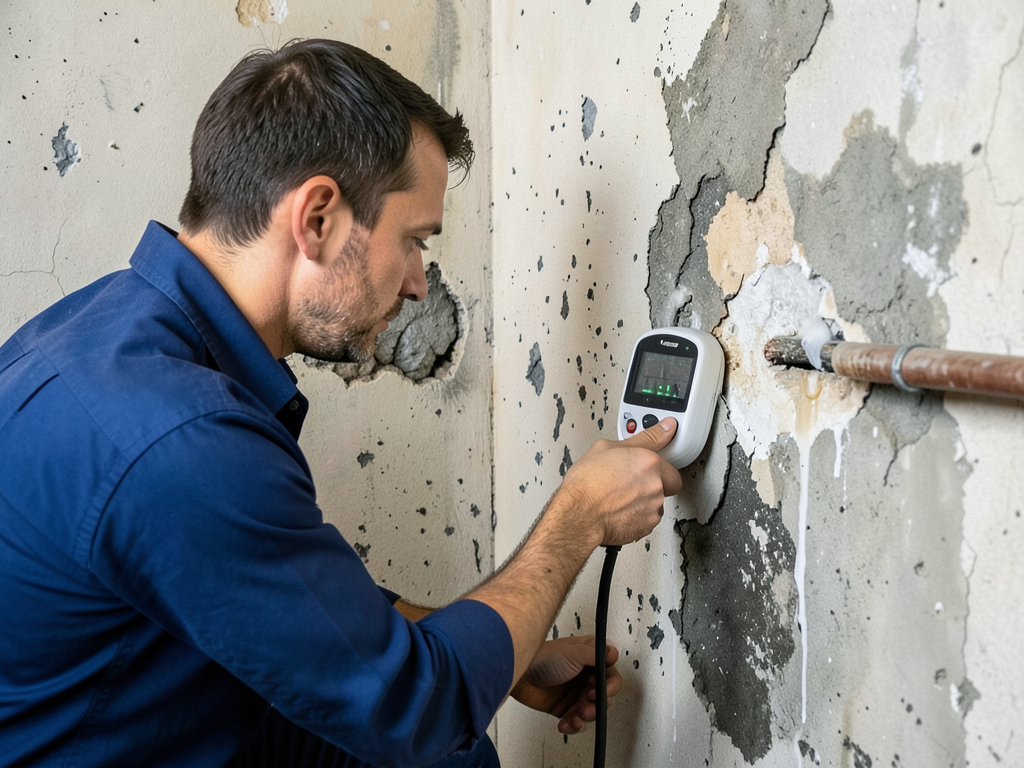
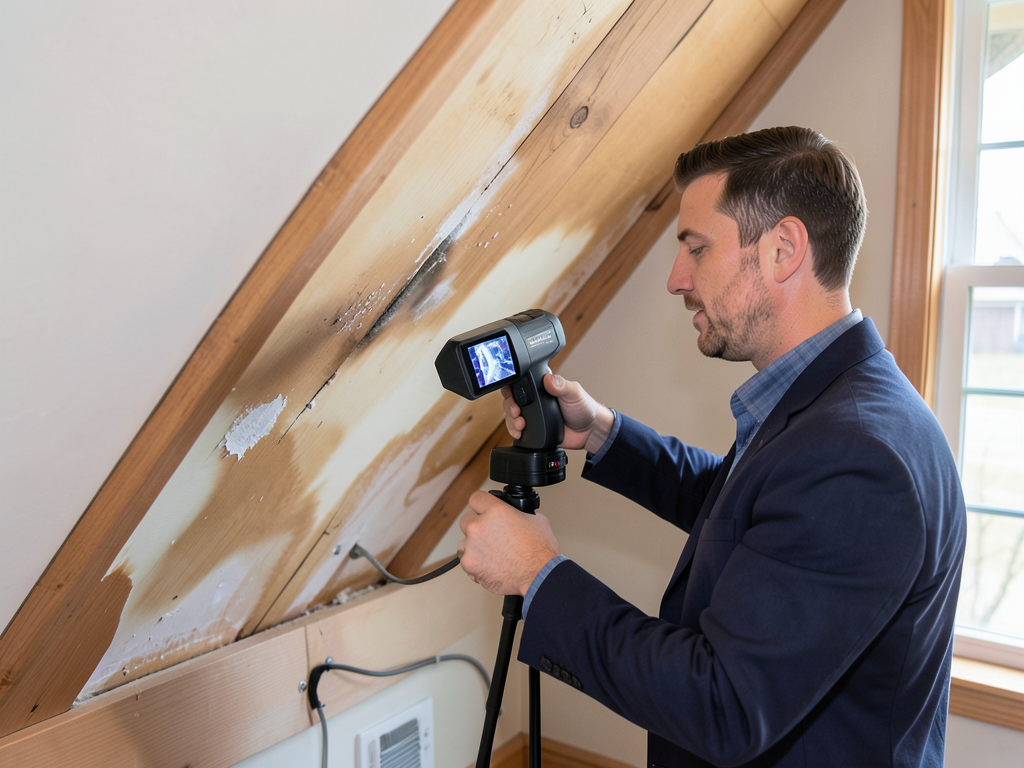
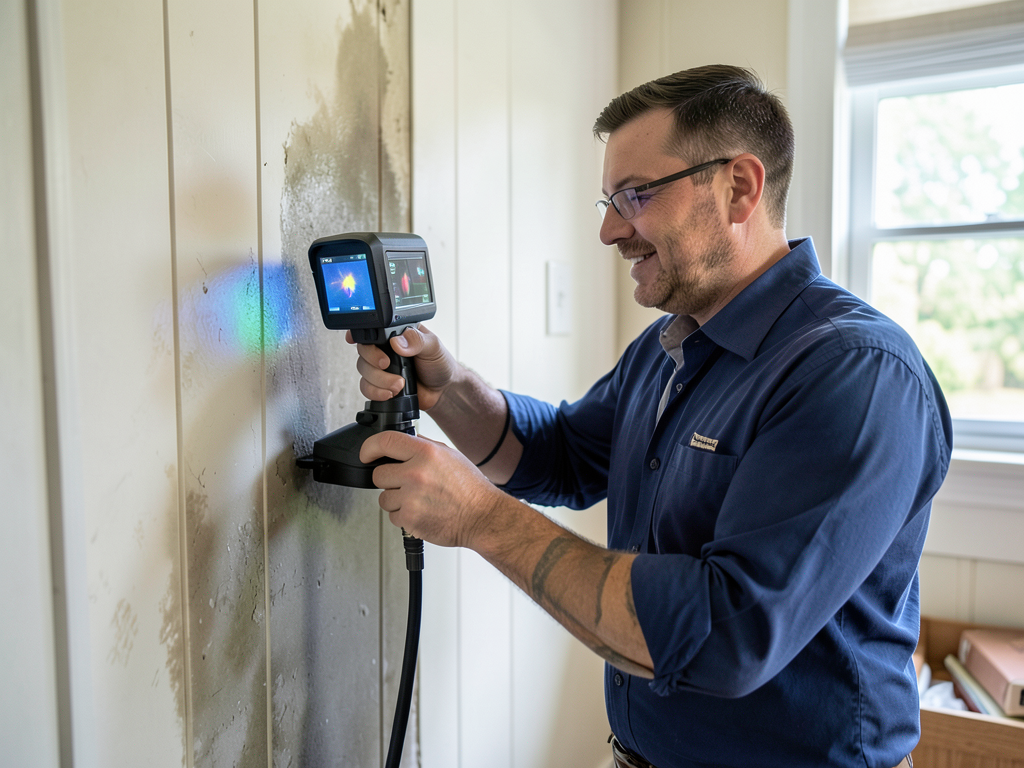
Ironwood Water Damage Restoration Detroit deploys IICRC-certified technicians using thermal imaging cameras to map moisture penetration beyond visible water stains. We measure humidity gradients with psychrometers and track drying progress through daily moisture mapping, creating documentation your insurance adjuster requires for full claim approval.

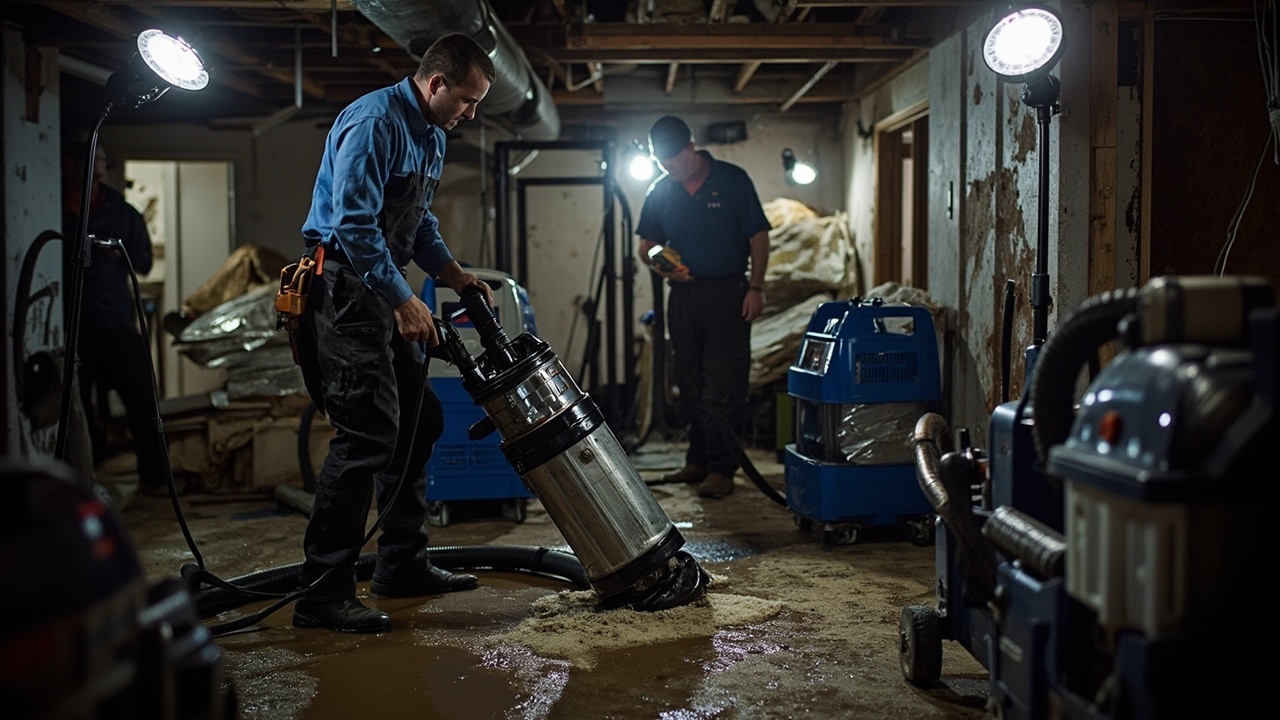
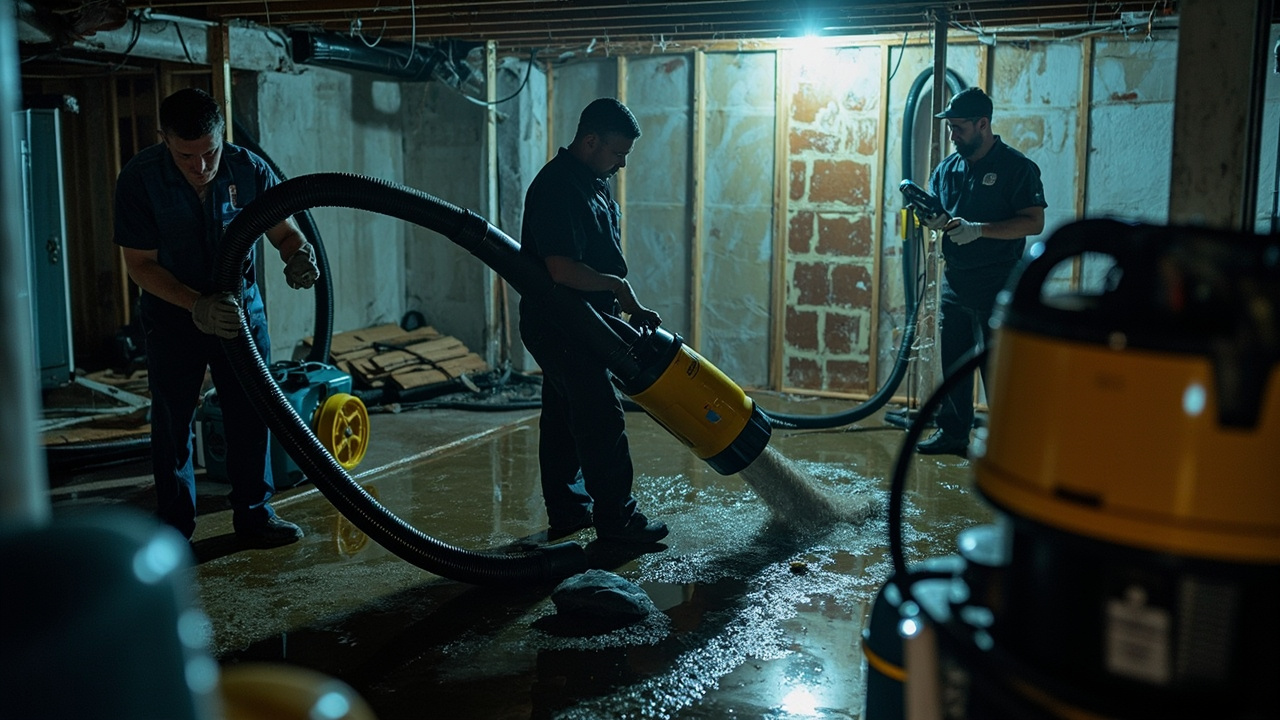
Our extraction process begins with truck-mounted pumps removing standing water at 200 gallons per minute, followed by weighted extraction on carpets and upholstery. We pull baseboards to inspect wall cavities for wicking moisture, drilling weep holes in trapped assemblies where water accumulates between studs. Industrial air movers create rapid evaporation by moving 3,000 cubic feet per minute across affected surfaces, while commercial dehumidifiers pull 14 gallons of water vapor daily from the air.

Detroit's brick veneer construction requires specialized drying techniques. Moisture trapped between brick and sheathing needs injecti-dry systems that force heated air through wall cavities. We monitor substrate moisture content with pin-type and non-invasive meters, targeting 15% moisture content or below before reconstruction begins. Hardwood floors common in Detroit's older homes need slow, controlled drying to prevent cupping and crowning.

We apply antimicrobial treatments to all affected surfaces after water damage cleanup, preventing mold establishment during the drying period. Our containment barriers with negative air pressure protect unaffected areas from cross-contamination. You receive real-time updates through our project management system showing moisture readings, equipment placement, and drying progress. We work directly with your insurance carrier, translating technical findings into claim-friendly documentation that speeds approval and minimizes your out-of-pocket expense.

What Happens During Your Emergency Water Damage Call

Water Damage Restoration in Detroit – 24/7 Emergency Response with Direct Insurance Billing
01

Immediate Damage Assessment

Within 60 minutes of your call, our technician arrives with moisture detection equipment to identify the water source and map affected areas. We classify the water category (clean, gray, or black water), measure moisture levels in structural materials, and photograph all damage for insurance documentation. You receive an immediate action plan outlining extraction needs, drying timeline, and estimated scope before any equipment deployment.
02

Water Extraction and Drying

Our team extracts all standing water using submersible pumps and truck-mounted vacuums, then positions commercial air movers and dehumidifiers based on psychrometric calculations specific to your space. We monitor temperature, relative humidity, and material moisture content twice daily, adjusting equipment placement to maintain optimal drying conditions. Structural cavities receive targeted drying through specialized injection systems. Most residential water damage remediation projects reach dry standard within three to five days.
03

Final Verification and Restoration

Before removing drying equipment, we verify all materials meet IICRC dry standards through comprehensive moisture testing. You receive a detailed drying log showing daily readings and confirmation your property is ready for reconstruction. Our in-house restoration team repairs drywall, replaces flooring, and matches paint to return your property to pre-loss condition. We coordinate directly with your insurance adjuster throughout the claim process, ensuring full coverage for necessary repairs.

Why Detroit Property Owners Choose Ironwood Water Damage Restoration

Detroit's building stock demands expertise you cannot learn from a manual. We understand how balloon-framed houses built before 1940 allow water to travel vertically through open wall cavities. We know that homes in Rosedale Park and University District have plaster walls requiring different drying techniques than modern drywall. Our technicians recognize the difference between foundation seepage common in homes near Rouge River and supply line failures in updated plumbing systems.

We maintain relationships with local insurance adjusters who trust our documentation and scope accuracy. When we submit an estimate for water damage repair, adjusters know our measurements are precise, our classifications are correct, and our pricing reflects actual Detroit market rates. This trust translates to faster claim approval and fewer disputes over covered damages.

Our equipment inventory includes specialty tools for Detroit's unique architecture. We stock injecti-dry systems for brick cavity drying, floor mat systems for hardwood preservation, and hydroxyl generators for odor elimination without requiring property evacuation. When a project demands resources beyond standard water removal services, we deploy them immediately rather than waiting for rentals or subcontractors.

You work with the same project manager from initial assessment through final walkthrough. No call centers, no rotating technicians, no confusion about project status. Our local dispatch center at (313) 572-5559 connects you directly to someone who knows your property and can answer specific questions about your drying progress.

Detroit experiences water damage emergencies every day. We have seen every failure mode in every building type across every neighborhood. This accumulated knowledge means we identify problems faster, dry structures more efficiently, and restore your property correctly the first time. Your home or business receives the same expert care whether you are in Downtown, Midtown, or the surrounding Wayne County suburbs.

What You Can Expect From Our Water Damage Restoration Service

Emergency Response Time

We answer emergency calls 24 hours a day, 365 days a year, with a live person who dispatches technicians immediately. Our average response time across Metro Detroit is 60 minutes from initial call to on-site assessment. You receive a confirmation text with technician name, photo, and estimated arrival time. Night and weekend emergencies receive the same priority as weekday calls. We maintain fully-stocked response vehicles throughout Wayne County, eliminating delays for equipment pickup. When you call at 2 AM with water pouring through your ceiling, we arrive ready to stop the damage and begin extraction before sunrise.

Comprehensive Property Assessment

Our initial assessment includes thermal imaging of all potentially affected areas, moisture testing of floors and walls, and source identification to prevent continued water intrusion. We create a detailed scope document with room-by-room damage descriptions, material moisture readings, and equipment placement strategy. You receive this assessment before any work authorization, allowing you to review the plan and ask questions. We explain category classification (clean water, gray water, or black water) and how it affects restoration approach and cost. This transparency eliminates surprises and gives you control over the process from the first conversation.

Certified Drying Standards

Every project follows IICRC S500 standards for water damage restoration, ensuring your property reaches verified dry conditions before reconstruction. We provide daily moisture logs showing progress toward dry goals, with readings taken at consistent locations for accurate trend analysis. Our technicians adjust equipment based on psychrometric data, not guesswork or arbitrary timelines. You see exactly when materials reach acceptable moisture content through readings you can verify independently. Final sign-off includes comprehensive documentation proving your property meets industry standards for safe reconstruction. This scientific approach prevents hidden moisture problems that lead to mold growth and structural damage months after restoration appears complete.

Direct Insurance Coordination

We communicate directly with your insurance carrier from first contact through final invoice, handling all technical documentation and claim requirements. Our estimates use Xactimate software with local Detroit pricing, matching the same platform your adjuster uses for consistent scope agreement. We photograph all damage, document all moisture readings, and provide detailed narratives explaining why specific services are necessary. You receive copies of all insurance correspondence and can review our recommended scope before submission. We attend adjuster inspections, explain technical findings, and advocate for complete coverage of necessary repairs. This partnership approach speeds claim resolution and maximizes your covered restoration, reducing your financial burden during an already stressful situation.

Frequently Asked Questions

You Have Questions,
We Have Answers

How much does restoration cost for water damage? +

Water damage restoration costs vary based on the extent of damage, water source, and affected materials. Minor leaks affecting one room may cost less than basement flooding requiring structural drying. Category 3 water involves contamination and demands more intensive cleanup. Detroit homes with older plumbing or basement issues often face higher costs due to hidden moisture in walls or subfloors. Insurance typically covers sudden incidents like burst pipes but excludes gradual damage from neglect. Get a professional assessment within 24 hours to prevent mold growth, which escalates costs. Most companies provide free inspections and work directly with your insurance adjuster.

What does water damage restoration include? +

Professional water damage restoration includes emergency water extraction, structural drying, dehumidification, antimicrobial treatment, and content restoration. Technicians assess the category of water (clean, gray, or black) and use moisture meters to map affected areas. Industrial air movers and dehumidifiers run continuously to dry framing, subfloors, and insulation. In Detroit homes with basements, crawl space drying and foundation moisture control are common. The process includes removing damaged materials like drywall or carpeting, sanitizing surfaces to prevent mold, and documenting everything for insurance claims. Thermal imaging detects hidden moisture pockets behind walls that homeowners miss.

Can water damage be repaired? +

Yes, water damage can be repaired if addressed quickly. The first 48 hours are critical before mold colonizes wet materials. Structural elements like framing and subflooring can be saved through professional drying if extraction begins immediately. Detroit's humid summers accelerate mold growth, making speed essential. Porous materials like carpet padding and insulation often require replacement, while hardwood floors may be salvageable depending on water exposure time. Drywall absorbs water rapidly and usually needs replacement if saturated beyond the bottom foot. Professional restoration prevents secondary damage like warping, rot, and microbial growth that compromise structural integrity.

Is water damage restoration worth it? +

Water damage restoration is worth it to protect your home's structural integrity and prevent health hazards. Untreated water damage leads to mold growth within 24 to 48 hours, wood rot, and foundation issues that cost exponentially more later. In Detroit, where basements are common and freeze-thaw cycles stress foundations, moisture infiltration compounds existing vulnerabilities. Insurance covers most sudden water events, making professional restoration financially accessible. DIY attempts miss hidden moisture in wall cavities and subfloors, leading to recurring problems. Professional restoration preserves property value, prevents toxic mold exposure, and provides documentation that protects you during resale or future insurance claims.

Does insurance pay for water restoration? +

Insurance typically pays for water restoration from sudden, accidental events like burst pipes, appliance malfunctions, or storm damage. Policies exclude gradual damage from neglected maintenance, such as slow leaks or foundation seepage. Category 1 clean water claims process faster than Category 3 sewage backups, which may require separate endorsements. Detroit homeowners should review policies for sewer backup riders, common due to aging municipal infrastructure. Restoration companies document all damage with photos and moisture readings to support your claim. They work directly with adjusters to expedite approval. File claims immediately after discovery and begin mitigation to prevent denial for negligence.

How to dry out a house after water damage? +

Drying a house after water damage requires professional equipment and strategic airflow. Remove standing water immediately using pumps or wet vacuums. Open windows only if outdoor humidity is lower than indoor levels, common during Detroit's dry winter months but counterproductive in summer. Place commercial-grade air movers at wall bases to create continuous airflow across wet surfaces. Run dehumidifiers to extract moisture from the air, emptying reservoirs frequently. Remove wet contents and pull back carpeting to dry subfloors. Do not close up walls or turn off equipment prematurely. Professional moisture meters confirm dryness, preventing hidden mold growth in cavities.

How likely is mold after water damage? +

Mold becomes likely within 24 to 48 hours after water damage if materials remain wet. Detroit's average humidity levels accelerate spore colonization, especially in basements with poor ventilation. Porous materials like drywall, insulation, and carpeting provide ideal growth surfaces when saturated. Category 2 gray water and Category 3 black water carry organic matter that feeds mold rapidly. Even clean water from supply lines creates conditions for growth if drying is incomplete. Hidden moisture behind walls or under flooring allows mold to spread undetected. Professional restoration includes antimicrobial treatment and thorough drying to eliminate this risk before spores establish colonies.

Will insurance pay out for water damage? +

Insurance will pay for water damage from covered perils listed in your policy. Sudden pipe bursts, roof leaks from storms, and appliance failures typically qualify. Exclusions include flood damage requiring separate NFIP policies, gradual seepage, and maintenance-related issues. Detroit properties near the Detroit River or in flood zones need additional flood coverage. Sewage backups require specific endorsements due to the city's combined sewer system overflows during heavy rain. Carriers require immediate mitigation to prevent further loss. Document everything with photos, save damaged items for inspection, and contact a restoration company that handles insurance coordination. Delayed reporting can result in claim denial.

What does category 3 damage look like? +

Category 3 water damage involves grossly contaminated water containing pathogens, heavy metals, or toxic chemicals. This includes sewage backups, river flooding, and toilet overflows with fecal matter. In Detroit, basement backups from combined sewers during storms create Category 3 conditions. The water appears discolored, smells foul, and leaves visible residue on surfaces. Affected materials like drywall, insulation, and porous flooring require removal and disposal, not just drying. Standing Category 3 water poses immediate health risks including E. coli, hepatitis, and parasites. Professional remediation uses protective equipment, antimicrobial agents, and follows strict disposal protocols for contaminated materials.

What not to do after water damage? +

Do not delay calling professionals or begin drying within the first hour. Do not enter standing water without confirming electrical power is shut off to prevent electrocution. Do not use household fans or dehumidifiers for extensive damage, they lack the capacity for structural drying. Do not remove wet materials prematurely before documentation for insurance purposes. Avoid closing windows and doors, which traps moisture and accelerates mold growth beyond the initial 48-hour window. Do not ignore wet insulation or drywall, assuming it will dry on its own. Detroit's humidity requires industrial equipment. Do not attempt sewage cleanup without protective equipment and proper disinfection protocols.

How Detroit's Aging Infrastructure Creates Year-Round Water Damage Risks

Detroit ranks among the oldest major cities in America, with housing stock averaging 70 years old across most neighborhoods. Original cast iron sewer laterals corrode from the inside, creating backflow risks during heavy rainfall when the combined sewer system overflows. Galvanized supply lines installed before 1960 develop pinhole leaks and catastrophic failures without warning. Basement flooding from sewer backups requires immediate black water remediation with antimicrobial treatment and proper disposal of contaminated materials. The city's infrastructure challenges mean Detroit homeowners face higher water damage frequency than suburban communities with modern separated sewer systems and updated supply lines.

Effective water damage mitigation in Detroit requires understanding local building methods and municipal requirements. Our technicians know which neighborhoods have combined sewers requiring backflow prevention, which foundation types are prone to seasonal seepage, and how to navigate city inspection requirements for major water damage repairs. We maintain relationships with Detroit Building Safety Engineering and Design department inspectors, ensuring restoration work meets current code even when repairing structures built under outdated standards. This local expertise prevents permit delays and ensures your restored property complies with modern safety requirements while preserving the character of Detroit's historic housing stock.
Water Damage Restoration Services in The Detroit Area

Conveniently located to serve the Detroit area, Ironwood is always ready to respond to your water damage emergencies. Explore our service area on the map below or contact us directly to discuss your specific needs. We’re committed to providing prompt, professional service wherever you are within our operational zone, ensuring rapid deployment and effective restoration solutions when you need them most.

Address:
Ironwood Water Damage Restoration Detroit, 15324 Mack Ave, Detroit, MI, 48230

Additional Services We Offer

Our news updates

Latest Articles & News from The Blogs

A slow leak behind a Royal Oak bathroom wall can go unnoticed for weeks. By the time you smell mildew…

Why Smart Leak Detectors Are Worth Every Penny for Your Royal Oak Rental Property

A slow leak behind a Royal Oak bathroom wall can go unnoticed for weeks. By the time you smell mildew…

Why Your Whole House Humidifier in Warren Might Be Ruining Your Drywall

Your furnace runs all winter. Your whole house humidifier works quietly behind the scenes. And somewhere behind that drywall in…

What Black Water Flooding Actually Does to Your Health (A Detroit Homeowner's Guide)

A sewage backup in your Detroit basement is not just a cleanup problem. It is a biohazard event. The water…

Contact Us

Water damage worsens every hour you wait. Call Ironwood Water Damage Restoration Detroit at (313) 572-5559 right now for immediate dispatch. Our technicians arrive within 60 minutes, ready to extract water, prevent mold growth, and protect your property value.