
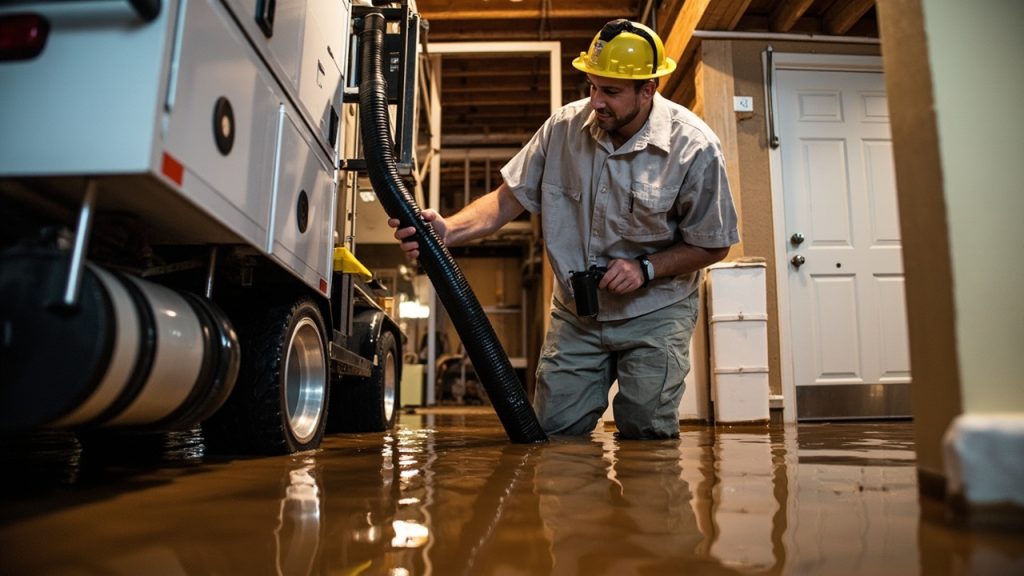
Flooded Basement Cleanup and Water Damage Restoration in Grosse Pointe, MI
Water in your basement right now? Stop what you are doing and call a certified restoration crew. Every hour of standing water increases the structural damage to your foundation, pushes moisture into your framing and insulation, and creates the exact conditions that mold needs to establish itself. In Grosse Pointe, where many homes along Lakeshore Drive and the streets near Windmill Pointe Park were built 60 to 90 years ago, that timeline gets even tighter because older construction absorbs water faster than modern materials.
This page tells you exactly what to do right now, what the professional cleanup process looks like, and how to navigate your insurance claim so you are not left paying out of pocket for something that should be covered.

What to Do Right Now While You Wait for the Crew
Do not go into the basement if you see standing water near your electrical panel or any outlets. Water and live electricity are a fatal combination. Get to your breaker box and cut power to the basement circuit before anyone steps down there.
Once the power is off and you know it is safe, here is what actually helps before the restoration team arrives.
- Document everything with your phone. Photograph the water line on the walls, all visible damage, and any belongings sitting in the water. Your insurance adjuster will want this.
- Move valuables, documents, and electronics to a dry area upstairs if you can do it safely.
- Do not run a shop vac or consumer-grade pump on Category 2 or Category 3 water. If the water looks gray or smells like sewage, it is contaminated. Exposure without proper PPE is a genuine health risk.
- Find your sump pump and check if it is running. A failed float switch is one of the most common causes of basement flooding in Grosse Pointe Farms and Grosse Pointe Woods.
- Call your insurance company to open a claim. Do this before any cleanup starts so the adjuster can document the loss in its original condition.
If your basement water smells like sewage or the toilet is backing up, you are dealing with a sewage backup. That water is classified as Category 3 black water, and it contains fecal coliform bacteria and pathogens that require full hazmat-level extraction and sanitization. Do not attempt to clean it yourself.
Why Grosse Pointe Basements Flood More Than You Think
Grosse Pointe sits on the western shore of Lake St. Clair. The soil in this corridor is dense clay, which means it does not drain well. When Michigan gets a heavy spring rainfall or a fast snowmelt event, that clay soil saturates quickly and pushes hydrostatic pressure against basement walls and floor slabs. Older homes with stone foundations or unreinforced block walls are especially vulnerable.
The Wayne County combined sewer system runs through this part of the Detroit metro, and it has a known capacity problem during peak storm events. When the system is overwhelmed, sewage backflows into basement floor drains. This is a documented issue that the Wayne County Department of Public Works has worked to address through infrastructure upgrades, but older lateral connections in the five Grosse Pointes remain a risk.
Common causes of basement flooding in this area include the following.
- Sump pump failure during a power outage or due to a worn-out float switch. Read our full sump pump maintenance guide to understand what preventive steps actually help.
- Foundation wall cracks from freeze-thaw cycles. Grosse Pointe averages multiple freeze-thaw events each winter, and each cycle widens existing cracks in masonry and poured concrete.
- Window well overflow from clogged drains or missing covers on below-grade egress windows.
- Sewage backup through floor drains when the combined sewer is overwhelmed.
- Burst pipes in uninsulated rim joist areas and exterior walls during hard freezes. If you dealt with frozen pipes recently, our frozen pipe burst cleanup page covers the full scope of that damage.
The Complete Flooded Basement Cleanup Process
Professional flooded basement cleanup in Grosse Pointe follows a structured, science-based process governed by IICRC (Institute of Inspection Cleaning and Restoration Certification) standards. The S500 Standard for Water Damage Restoration is the industry benchmark that certified technicians follow on every job. Here is what that process looks like from first truck to final clearance.
Step 1 — Emergency Water Extraction
The crew arrives with truck-mounted extraction units that pull standing water at a rate that no consumer pump can match. A truck-mount can extract hundreds of gallons per hour. For large-scale flooding, we deploy large-scale water extraction equipment alongside portable units to clear every corner of the space.
Contamination class matters here. Category 1 water from a broken supply line is clean. Category 2 gray water from a washing machine or sump pit requires PPE and appropriate disposal. Category 3 black water from sewage backup requires full contamination protocols, including the removal of porous materials that cannot be sanitized. Your technician will assess the water category on arrival and adjust the extraction approach accordingly.
Step 2 — Moisture Mapping and Hidden Detection
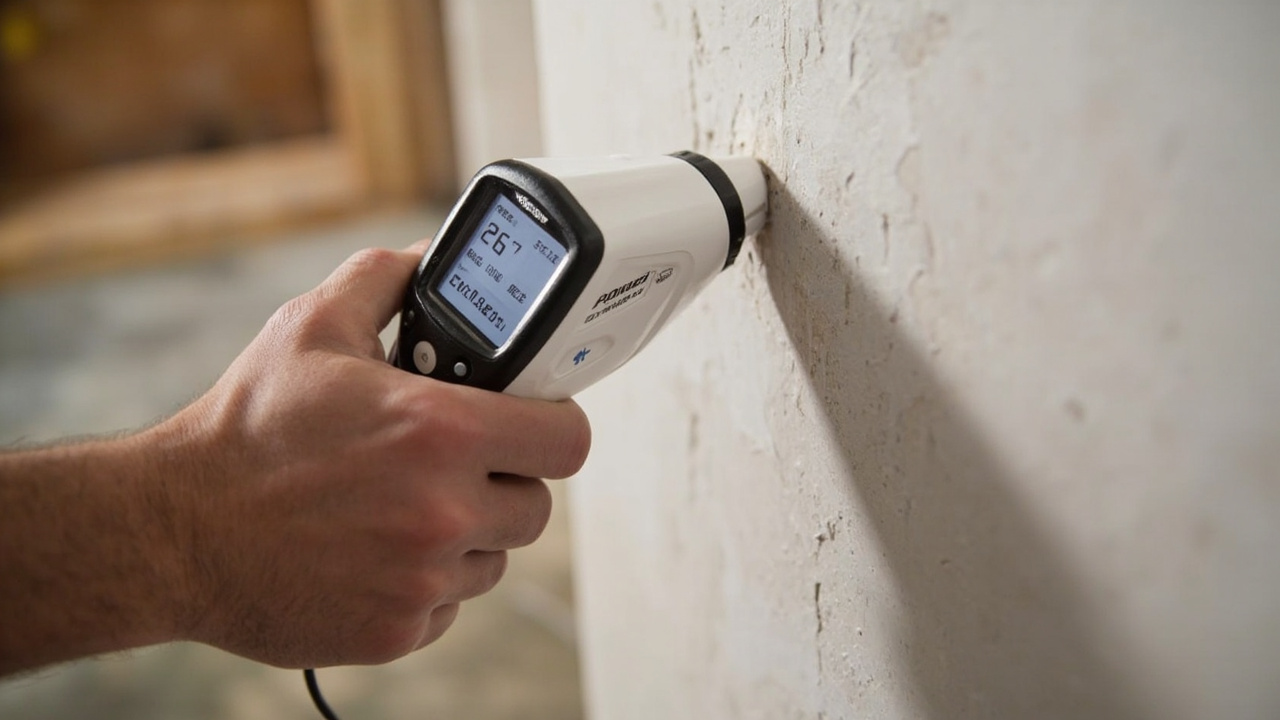
Water migrates. It wicks into drywall, insulation, sub-flooring, and even concrete block within hours of a flood event. Technicians use thermal imaging cameras and calibrated moisture meters to map every affected surface. This is called hidden moisture detection, and it is what separates a proper restoration from a surface-only cleanup that leaves moisture trapped inside your walls to grow mold for six weeks before you smell it.
Step 3 — Structural Drying and Dehumidification
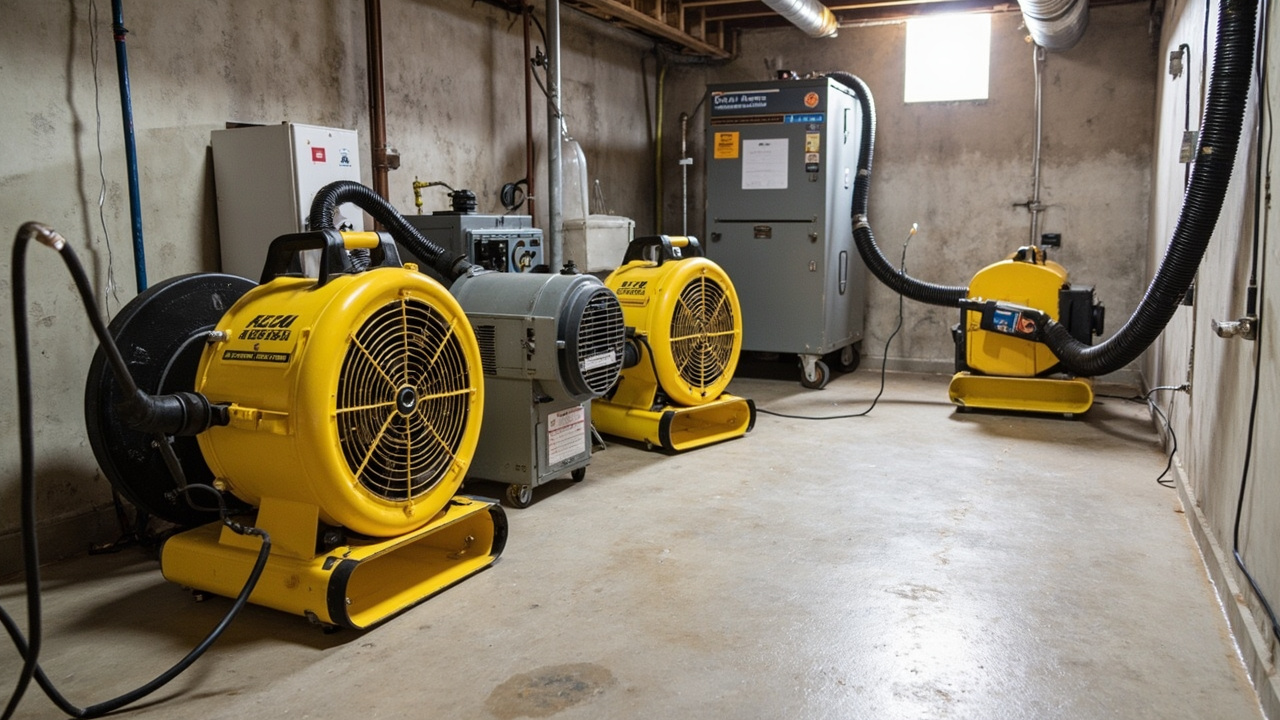
After extraction, the real drying work begins. Industrial-grade air movers are positioned using psychrometric principles, meaning the placement is calculated based on the airflow patterns and surface area of your specific basement, not just placed randomly around the room. These air movers work in tandem with commercial dehumidifiers that pull moisture from the air as it evaporates off wet surfaces.
The goal is to bring the affected materials down to acceptable moisture content readings, typically within three to five days for most residential basements. Heavily saturated concrete slabs or block walls in older Grosse Pointe Shores homes can take longer. Learn more about the full structural drying services involved in a complete restoration.
Drywall that tested above threshold and any saturated insulation is removed before drying begins. Leaving wet insulation inside walls is one of the most common causes of post-restoration mold growth. Our guide on soggy insulation explains when materials can be saved versus when removal is the only responsible option.
Step 4 — Sanitization and Odor Removal
Once moisture levels are within normal range, the affected surfaces are treated with EPA-registered antimicrobials. For sewage backup events, this step is especially thorough because the pathogens left behind after Category 3 extraction are not visible to the eye. Sanitization and odor removal also addresses the musty smell that many homeowners notice even after the water is gone. That odor comes from microbial off-gassing, and it will not go away on its own without treatment.
Step 5 — Mold Assessment
If water sat in your basement for more than 24 to 48 hours before extraction, mold is a real possibility. Mold colonies can establish on wet drywall paper, wood framing, and carpet backing in that window. If visible mold growth is found, a separate mold remediation and removal protocol is initiated. This is a distinct process from water restoration and must be handled by certified technicians to avoid cross-contaminating other areas of the home.
| Damage Level | Water Depth | Typical Drying Time | Key Concern |
|---|---|---|---|
| Minor | Under 1 inch | 2 to 3 days | Carpet padding saturation |
| Moderate | 1 to 6 inches | 3 to 5 days | Drywall wicking, framing moisture |
| Significant | 6 to 24 inches | 5 to 7 days | Structural materials, HVAC ductwork |
| Severe | Over 24 inches | 7 to 14+ days | Foundation integrity, full gut required |
Navigating Your Insurance Claim in Wayne County
Insurance coverage for basement flooding in Grosse Pointe depends heavily on the cause of the loss and the exact language in your homeowner’s policy. This distinction trips up a lot of homeowners, and it is worth understanding before you call your agent.
Standard homeowner’s policies in Michigan typically cover sudden and accidental water damage, such as a burst pipe or an appliance failure. They do not cover flooding from external surface water unless you have a separate flood insurance policy through the NFIP or a private carrier. Sewage backup coverage is usually a separate rider, and many Grosse Pointe homeowners drop it to save on premiums, which is a mistake given the Wayne County sewer overflow risk.
When you call us, we work directly with your insurance carrier to document the loss using their preferred reporting formats. We provide moisture logs, equipment placement records, and photo documentation that adjusters at State Farm, Allstate, Auto-Owners, and AAA Michigan all accept. Our insurance claims guidance page breaks down exactly what your adjuster needs to see to approve the full scope of the restoration work.
| Flood Cause | Covered by Standard HO Policy? | Requires Separate Rider or Policy? |
|---|---|---|
| Burst pipe (sudden, accidental) | Usually yes | No |
| Sump pump failure | Usually no | Water backup rider needed |
| Sewage backup through floor drain | Usually no | Water backup rider needed |
| Surface water flooding from storm | No | NFIP or private flood policy needed |
| Washing machine overflow | Usually yes | No |
| Foundation seepage over time | No (maintenance exclusion) | Not typically insurable |
Why Grosse Pointe Homes Need a Specialized Response
Restoration in Grosse Pointe Park, Grosse Pointe City, Grosse Pointe Farms, Grosse Pointe Shores, and Grosse Pointe Woods is not the same as a cookie-cutter suburban job. Many homes in this corridor have finished basements with hardwood floors, custom cabinetry, and plaster walls over lathe. Standard restoration approaches designed for poured concrete and drywall can damage these original materials if the technician does not know what they are working with.
If your basement has hardwood flooring, our team uses specialized low-profile air movers and drying mats to pull moisture from below the floor rather than ripping it out immediately. Many hardwood floors in flood events can be saved with the right equipment and monitoring. Check our page on hardwood floor water damage to understand the assessment criteria.
We also handle content pack-out for finished living spaces. If you have furniture, art, electronics, or documents affected by the flooding, our content cleaning and pack-out service inventories, removes, and restores your belongings at a separate facility while the structural drying work proceeds. This is the only way to properly dry a finished basement without damaging your possessions in place.
Sump Pump Failure Cleanup in Grosse Pointe
Sump pump failure is the single most common call we get from homeowners in the 48230 and 48236 zip codes. A pump that loses power during a storm, develops a stuck float switch, or simply wears out after 8 to 10 years of service will allow water to accumulate in the sump pit and overflow across your basement floor within hours.
The resulting water is typically Category 2, meaning it contains contaminants from the pit and surrounding soil. It requires proper extraction and sanitization, not just shop vac cleanup. Our sump pump failure cleanup process addresses both the water removal and the underlying contamination. We also document the failed equipment for your insurance claim because pump failure with proper rider coverage is often a reimbursable loss.
After the restoration is complete, take a look at our basement waterproofing guide and preventative waterproofing tips to understand what long-term protection actually looks like for a Grosse Pointe home with clay soil and an aging foundation.
24/7 Emergency Response Serving All Five Grosse Pointes
We respond to flooded basement calls around the clock. Our target arrival time is 60 minutes or less from dispatch for addresses in Grosse Pointe Park, Grosse Pointe City, Grosse Pointe Farms, Grosse Pointe Shores, and Grosse Pointe Woods. We carry IICRC certification, and our technicians are trained in water mitigation, structural drying, and Category 3 black water handling.
If you are dealing with an ongoing situation, whether it is a storm flooding emergency or a slow-developing sewage backup, we dispatch immediately and begin mitigation on arrival. Every hour you wait is another hour water spends inside your walls.
Call us now or visit our contact page to reach our emergency dispatch team. If you want to understand what the full restoration process covers before you call, our water damage restoration page gives you the complete picture.
{
“@context”: “https://schema.org”,
“@type”: “BlogPosting”,
“headline”: “Flooded Basement Cleanup in Grosse Pointe Done Fast and Done Right”,
“description”: “Flooded basement in Grosse Pointe? Get 24/7 emergency water extraction, structural drying, and insurance billing help. On-site in 60 minutes.”,
“wordCount”: 2089,
“datePublished”: “2026-02-07T06:49:00.000Z”,
“dateModified”: “2026-02-07T06:49:00.000Z”,
“inLanguage”: “en-US”,
“mainEntityOfPage”: {
“@type”: “WebPage”,
“@id”: “https://ironwoodwaterdamagerestorationdetroit.com”
},
“publisher”: {
“@type”: “LocalBusiness”,
“name”: “Ironwood Water Damage Restoration Detroit”,
“url”: “https://ironwoodwaterdamagerestorationdetroit.com”
},
“author”: {
“@type”: “Organization”,
“name”: “Ironwood Water Damage Restoration Detroit”,
“url”: “https://ironwoodwaterdamagerestorationdetroit.com”
},
“image”: {
“@type”: “ImageObject”,
“url”: “https://ironwoodwaterdamagerestorationdetroit.com/wp-content/uploads/2026/03/how-to-get-a-flooded-basement-cleaned-up-fast-in-g-1.jpg”
}
}
{
“@context”: “https://schema.org”,
“@type”: “LocalBusiness”,
“name”: “Ironwood Water Damage Restoration Detroit”,
“url”: “https://ironwoodwaterdamagerestorationdetroit.com”,
“address”: {
“@type”: “PostalAddress”,
“addressLocality”: “Detroit”
},
“areaServed”: {
“@type”: “City”,
“name”: “Detroit”
}
}
{
“@context”: “https://schema.org”,
“@type”: “BreadcrumbList”,
“itemListElement”: [
{
“@type”: “ListItem”,
“position”: 1,
“name”: “Home”,
“item”: “https://ironwoodwaterdamagerestorationdetroit.com”
},
{
“@type”: “ListItem”,
“position”: 2,
“name”: “Blog”,
“item”: “https://ironwoodwaterdamagerestorationdetroit.com/blog”
},
{
“@type”: “ListItem”,
“position”: 3,
“name”: “Flooded Basement Cleanup in Grosse Pointe Done Fast and Done Right”
}
]
}
{
“@context”: “https://schema.org”,
“@type”: “Service”,
“serviceType”: “Water Damage Restoration”,
“provider”: {
“@type”: “LocalBusiness”,
“name”: “Ironwood Water Damage Restoration Detroit”,
“url”: “https://ironwoodwaterdamagerestorationdetroit.com”
},
“areaServed”: {
“@type”: “City”,
“name”: “Detroit”
},
“description”: “Flooded basement in Grosse Pointe? Get 24/7 emergency water extraction, structural drying, and insurance billing help. On-site in 60 minutes.”
}