
Professional Sewage Backup Cleanup in Detroit, MI — 24/7 Emergency Response
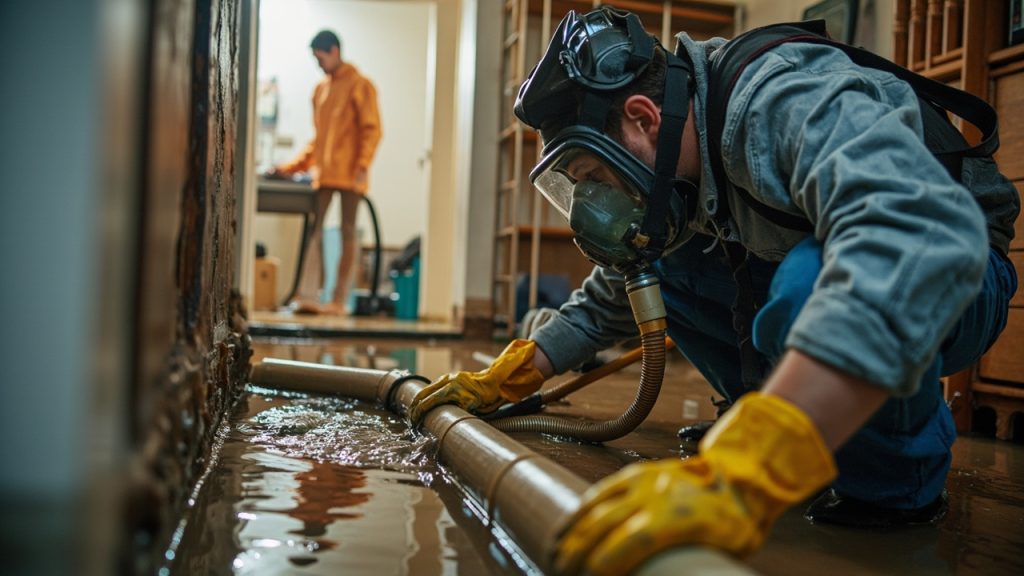
Raw sewage in your basement is not a cleanup job you schedule for next week. Every hour you wait, Category 3 black water saturates your subfloor, wicks into drywall, and deposits a cocktail of pathogens including E. coli, Salmonella, and Hepatitis A into materials that cannot simply be wiped down. If you are standing in a flooded Detroit basement right now, call a certified restoration company first, then read this page.
For residents in Jefferson Chalmers, East English Village, Corktown, or any neighborhood tied into Detroit’s aging combined sewer system, sewage backups are a recurring reality — not a rare event. The Detroit Water and Sewerage Department (DWSD) manages one of the largest combined sewer overflow (CSO) systems in the country, and during heavy rain events, that system gets overwhelmed. When it does, wastewater moves the wrong direction and ends up in your home.
Why Sewage Backup Is a Biohazard Emergency, Not Just a Mess
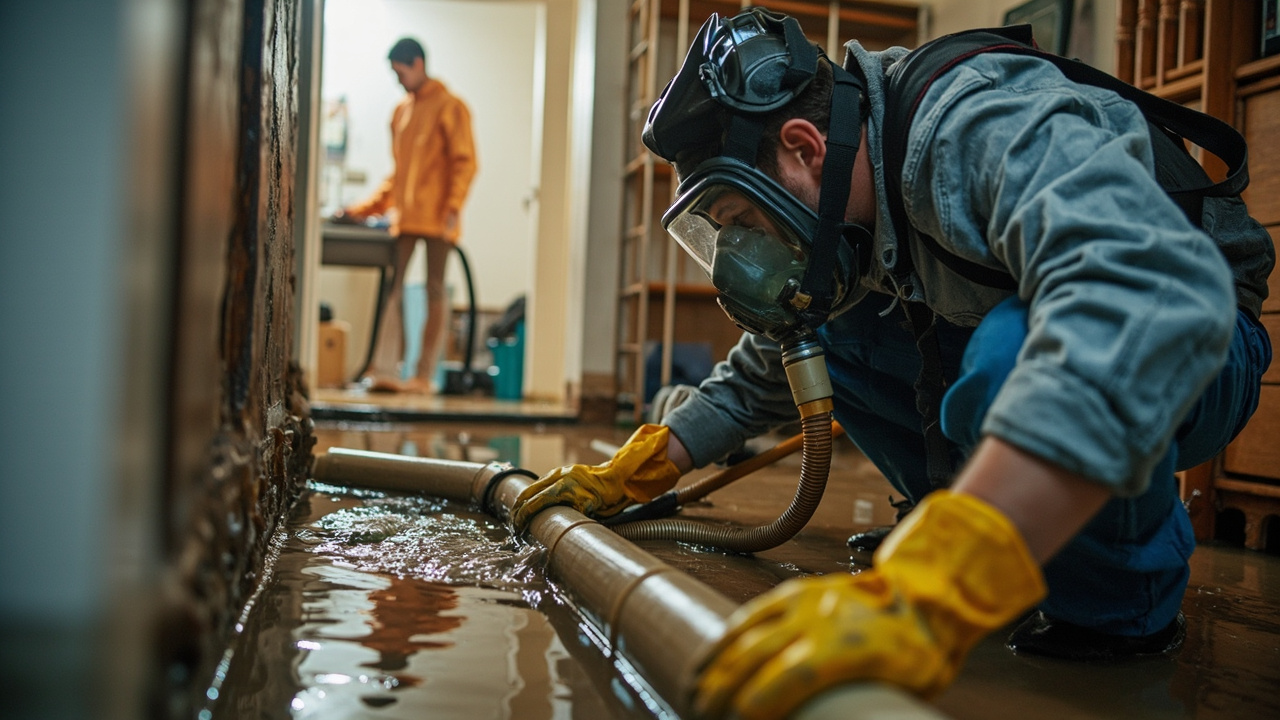
Category 3 water — what the IICRC (Institute of Inspection Cleaning and Restoration Certification) defines as grossly contaminated water — carries organisms that cause serious illness. This is not the same as a burst supply line or a washing machine overflow. Sewage contains fecal matter, pharmaceutical waste, industrial runoff, and biological agents that standard household cleaners cannot neutralize.
Touching contaminated surfaces without full Personal Protective Equipment (PPE) puts you at direct risk. Running a fan to dry out the space before proper extraction and antimicrobial treatment only spreads aerosolized pathogens into your living areas above the basement. Many Detroit homeowners make this mistake and then spend weeks dealing with respiratory symptoms, skin irritation, and secondary mold growth that sets in within 24 to 48 hours of the initial backup.
You can learn more about the differences between contamination levels in our water damage categories guide. Understanding what you are dealing with changes every decision you make in the next 24 hours.
Common Health Risks from Residential Sewage Exposure
- E. coli and Salmonella from fecal contamination (causes severe gastrointestinal illness)
- Hepatitis A virus, which survives in contaminated water and on surfaces
- Giardia and Cryptosporidium, both resistant to standard disinfectants
- Airborne mold spores that develop from residual moisture within 24 to 48 hours
- Hydrogen sulfide gas from decomposing organic matter (the source of that rotten egg odor)
The CDC’s guidance on flood and sewage cleanup is clear that entry into sewage-affected spaces requires full PPE including rubber boots, waterproof gloves, eye protection, and an N95 respirator at minimum. For full submersion scenarios, full-face respiratory protection is standard protocol.
Detroit’s Sewer System and Why Your Basement Is Vulnerable
Detroit operates on a combined sewer system, which means stormwater and sanitary sewage share the same pipes. This infrastructure design made sense when it was built, but today it creates a predictable failure point. When a significant rain event hits — and Detroit sees its share of heavy summer storms — the volume of water entering the system exceeds pipe capacity. Sewage backs up through the lowest point of entry in homes, which is almost always a floor drain, toilet, or laundry drain in the basement.
Neighborhoods with older housing stock, like Indian Village, Islandview, and areas near the Detroit River, face elevated risk because the lateral sewer lines connecting homes to the main are aging. Root intrusion, pipe offset, and deterioration in cast iron and clay tile lines are all documented contributors to backup events across the 313.
A failed sump pump compounds the problem. During a CSO event, even a functioning sump pump may not keep up with the volume. If your pump fails during a storm, you are dealing with both groundwater and sewage simultaneously. Our sump pump failure cleanup page covers what happens when that equipment gives out at the worst possible moment.
The Right Steps for Sewage Backup Cleanup in Detroit
This is the full lifecycle of a proper sewage remediation job. Cutting any step short creates downstream problems, whether that is a failed insurance claim, lingering odor, or mold that shows up two months later.
Step 1 — Inspection and Containment
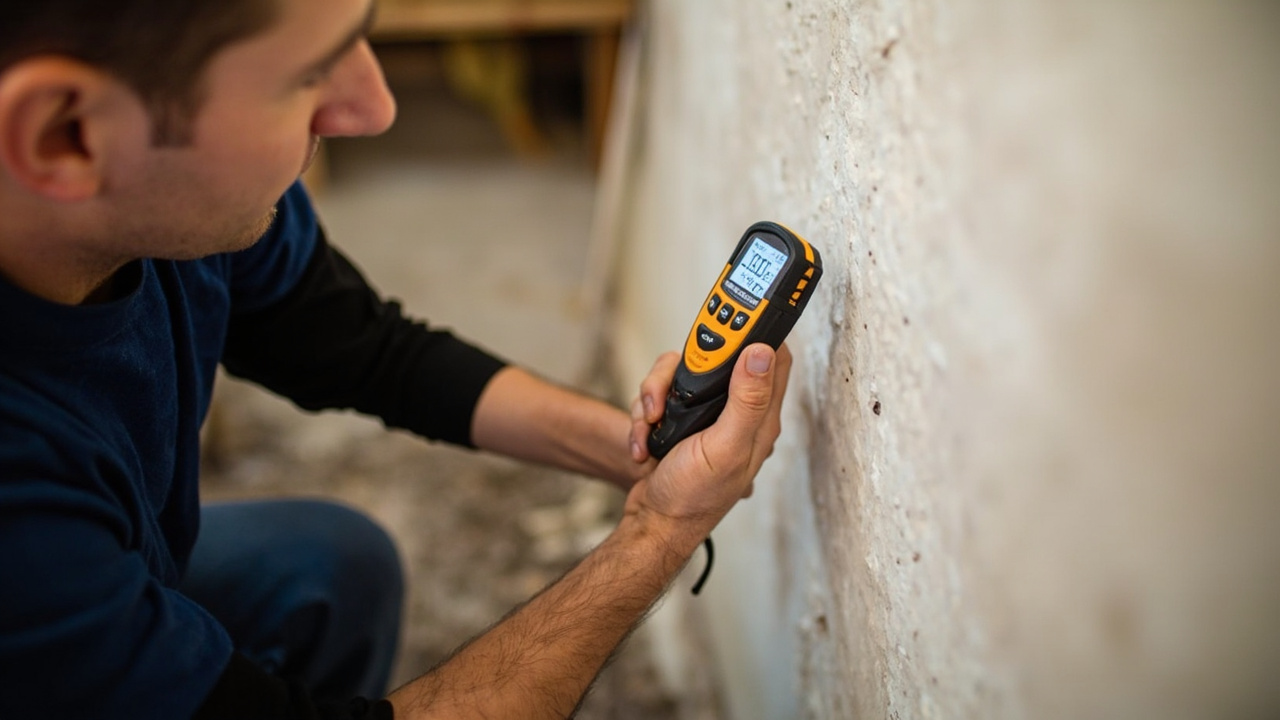
A certified technician inspects the affected area using moisture meters and thermal imaging cameras to determine the full scope of contamination. Sewage travels further than it looks. It wicks into subfloor assemblies, travels under baseboards, and saturates insulation inside wall cavities. Containment barriers go up immediately to prevent cross-contamination to unaffected living spaces.
Step 2 — Sewage Extraction
Truck-mounted extraction units pull standing black water from the space. This is not a wet-dry shop vac job. Industrial-grade extractors are required to pull contaminated liquid from porous materials and flooring assemblies. All extracted waste is disposed of per Michigan DEQ biohazard disposal protocols. Our team handles large scale water extraction across the Detroit metro on a 24/7 basis.
Step 3 — Biohazard Cleaning and Antimicrobial Treatment
Every surface that contacted sewage gets cleaned and treated with EPA-registered antimicrobial solutions. This includes concrete floors, block walls, floor joists, subfloor sheathing, and any personal property. Materials that cannot be effectively decontaminated — drywall below the waterline, saturated insulation, carpet and padding — are removed and disposed of as biohazard waste. Our sanitization and odor removal services follow IICRC S500 and S520 standards throughout this phase.
Step 4 — Structural Drying and Dehumidification
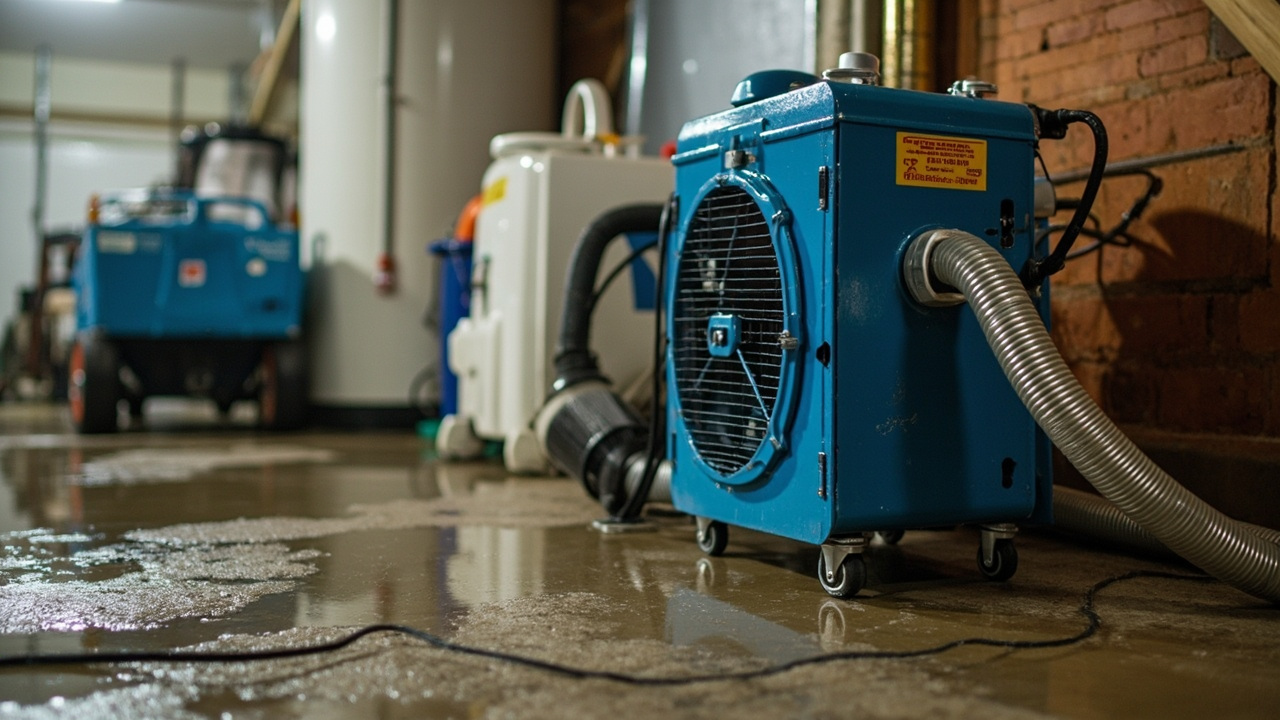
After extraction and cleaning, commercial-grade desiccant or refrigerant dehumidifiers and air movers begin the structural drying process. Moisture readings are taken at multiple depths across structural assemblies. Target moisture content for wood framing is below 16 percent. Drying timelines depend on material density, ambient temperature, and initial saturation levels. We cover that in detail on our how long does drying take page.
Step 5 — Deodorization and Final Clearance
Thermal fogging, hydroxyl generators, or ozone treatment eliminates residual odor molecules embedded in structural materials. A final inspection confirms moisture levels are back to baseline and no active microbial growth is present. Without this step, the odor will return — especially during humid Michigan summers when ambient moisture causes residual contamination to off-gas.
Sewage Backup Cleanup Timeline and What Drives Cost
| Factor | Low Impact Scenario | High Impact Scenario |
|---|---|---|
| Area affected | Under 200 sq ft, floor drain only | Full basement, 800+ sq ft |
| Material removal needed | Minimal (sealed concrete floor) | Drywall, framing, carpet, insulation |
| Contamination depth | Surface level only | Wicked into subfloor and wall cavities |
| Response time | Called within 2 hours | Discovery delayed 24+ hours |
| Drying timeline | 3 to 4 days | 7 to 10 days with structural drying |
| Mold risk | Low (rapid response) | High (delayed response, warm temps) |
Speed is the single biggest cost variable. A sewage backup addressed within two hours in a finished Detroit basement requires far less material removal than one discovered the next morning. The longer black water sits, the deeper it saturates. Finished drywall that absorbs sewage becomes non-salvageable biohazard material by hour 24. Unfinished concrete block walls can often be cleaned and treated if addressed quickly.
How Detroit Homeowner Insurance Works for Sewage Backups
Standard homeowner policies in Michigan typically do not cover sewer or drain backup damage unless you have a specific sewer backup rider attached to your policy. This is a critical distinction. Many Detroit homeowners find out after the fact that their base policy excludes the exact event they just experienced.
What restoration companies can do is document everything properly so your claim is airtight. That means moisture logs, photo documentation, written scope of work, and material disposal records. Carriers like State Farm and Allstate require this documentation before approving coverage under an endorsement. Our team works directly with adjusters and understands how to handle insurance claims for water and sewage damage in Michigan.
If DWSD or the City of Detroit is responsible for a main line failure that caused your backup, there is a separate claims process through the city. Document everything and file promptly. Detroit has deadlines for municipal claims that many residents miss simply because they did not know the process.
Category 3 Water vs Other Water Damage Types
| Water Category | Source Examples | Health Risk | Restoration Approach |
|---|---|---|---|
| Category 1 (Clean Water) | Supply line break, fresh overflow | Low | Extract, dry, monitor |
| Category 2 (Gray Water) | Dishwasher leak, toilet overflow (urine only) | Moderate | Extract, disinfect, dry |
| Category 3 (Black Water) | Sewage backup, CSO flooding, river flooding | Severe — biohazard | Full PPE, extraction, antimicrobial treatment, material removal, structural drying |
It is worth noting that Category 2 water left standing for more than 24 hours in warm conditions degrades to Category 3. Detroit’s summer basement temperatures are warm enough that this happens faster than most homeowners expect. A toilet overflow that seemed manageable on Monday afternoon can be a biohazard situation by Tuesday morning if it sat overnight.
Can You Stay in the House During Sewage Remediation
This is the question every Detroit homeowner asks. The honest answer depends on the location and extent of contamination. If the sewage backup is contained to the basement and the HVAC system has not pulled contaminated air into the upper floors, many families can remain upstairs while work happens below — provided containment barriers are in place and the remediation team seals off the work area properly.
If the backup affected main living areas, if the HVAC system circulated contaminated air, or if there are children, elderly residents, or immunocompromised individuals in the home, temporary relocation is strongly recommended. Your insurance policy may cover temporary housing expenses under Additional Living Expense (ALE) coverage if the home is deemed uninhabitable.
Protecting Your Detroit Basement After the Backup Is Resolved
Once remediation is complete, the question shifts to prevention. Detroit homeowners have a few specific options worth discussing with a plumber familiar with DWSD infrastructure.
An overhead conversion is the most effective protection. This replaces your home’s below-grade lateral connection with one that runs above the main sewer line, making gravity-fed backups physically impossible. It is a significant project, but it is the only method that provides full protection against combined sewer overflow events.
A backwater valve (also called a backflow preventer) is the more common and affordable choice. Installed in the floor drain lateral, it allows water to flow out but closes automatically when water tries to come back in. These require maintenance — a clogged or stuck backwater valve is worse than having none at all.
Read through our basement waterproofing guide for a full breakdown of interior and exterior drainage options specific to Detroit’s clay-heavy soil and older housing stock. Also review our sump pump maintenance guide — a functioning pump with a battery backup is your first line of defense during any storm event.
Frequently Asked Questions About Sewage Backup Cleanup in Detroit
Who is responsible when the city’s sewer causes the backup?
If a DWSD main line failure or blockage caused backflow into your home, you may have a claim against the city. You must file a written claim with the City of Detroit within a specific timeframe. Document the event thoroughly — photos, timestamps, and a written statement from your plumber confirming the source. The process is not fast, but documented claims do get resolved.
Is sewage backup covered by standard homeowner insurance in Michigan?
Usually not under the base policy. Sewer and drain backup coverage is a separate endorsement that must be added before the loss occurs. Check your declarations page for language like “water backup” or “service line” coverage. If you do not have the rider, you may still have options depending on the cause of the backup. An experienced restoration company can help you understand what to document regardless of coverage status.
How long does sewage backup remediation take in a typical Detroit basement?
A contained backup in an unfinished basement with sealed concrete can be cleaned and dried in three to five days. A finished basement with drywall, insulation, and flooring typically takes seven to ten days from extraction through final structural drying. Larger or more complex situations involving wall cavity contamination can extend beyond that. You can find more detail at our emergency sewage cleanup service page.
What should I never do during a sewage backup?
Do not run fans before extraction and antimicrobial treatment — you will spread pathogens. Do not enter the space without PPE. Do not use your HVAC system if the affected area is connected to ductwork. Do not dispose of materials yourself without documentation — you will lose the ability to file an accurate insurance claim. And do not wait to call. The risks of DIY water cleanup are significant enough that we wrote an entire resource on the risks of handling this yourself.
24/7 Sewage Backup Cleanup Across the Detroit Metro
Sewage backups happen at 2am during a thunderstorm. They happen on Thanksgiving afternoon. They happen when you are already dealing with something else. Our team responds across Detroit and the surrounding metro, including service areas in Warren, Dearborn, St. Clair Shores, Livonia, and beyond.
Every technician who walks into a sewage-affected property carries IICRC certification, full PPE, and the equipment to start extraction immediately. We do not send a salesperson. We send the crew.
If you are dealing with sewage backup right now, contact us directly. The sooner we get there, the less of your home we have to remove and the lower your total restoration cost. Call the number at the top of this page or reach out through our contact page for an immediate response.
{
“@context”: “https://schema.org”,
“@type”: “BlogPosting”,
“headline”: “What to Do Right Now for Sewage Backup Cleanup in Detroit”,
“description”: “Sewage backup in your Detroit home? Get immediate steps, health risks, and 24/7 professional cleanup info for basement backups across Detroit neighborhoods.”,
“wordCount”: 2241,
“datePublished”: “2026-02-08T14:23:00.000Z”,
“dateModified”: “2026-02-08T14:23:00.000Z”,
“inLanguage”: “en-US”,
“mainEntityOfPage”: {
“@type”: “WebPage”,
“@id”: “https://ironwoodwaterdamagerestorationdetroit.com”
},
“publisher”: {
“@type”: “LocalBusiness”,
“name”: “Ironwood Water Damage Restoration Detroit”,
“url”: “https://ironwoodwaterdamagerestorationdetroit.com”
},
“author”: {
“@type”: “Organization”,
“name”: “Ironwood Water Damage Restoration Detroit”,
“url”: “https://ironwoodwaterdamagerestorationdetroit.com”
},
“image”: {
“@type”: “ImageObject”,
“url”: “https://ironwoodwaterdamagerestorationdetroit.com/wp-content/uploads/2026/03/what-to-do-right-now-for-sewage-backup-cleanup-in-1.jpg”
}
}
{
“@context”: “https://schema.org”,
“@type”: “LocalBusiness”,
“name”: “Ironwood Water Damage Restoration Detroit”,
“url”: “https://ironwoodwaterdamagerestorationdetroit.com”,
“address”: {
“@type”: “PostalAddress”,
“addressLocality”: “Detroit”
},
“areaServed”: {
“@type”: “City”,
“name”: “Detroit”
}
}
{
“@context”: “https://schema.org”,
“@type”: “FAQPage”,
“mainEntity”: [
{
“@type”: “Question”,
“name”: “Who is responsible when the city’s sewer causes the backup?”,
“acceptedAnswer”: {
“@type”: “Answer”,
“text”: “If a DWSD main line failure or blockage caused backflow into your home, you may have a claim against the city. You must file a written claim with the City of Detroit within a specific timeframe. Document the event thoroughly — photos, timestamps, and a written statement from your plumber confirming the source. The process is not fast, but documented claims do get resolved.”
}
},
{
“@type”: “Question”,
“name”: “Is sewage backup covered by standard homeowner insurance in Michigan?”,
“acceptedAnswer”: {
“@type”: “Answer”,
“text”: “Usually not under the base policy. Sewer and drain backup coverage is a separate endorsement that must be added before the loss occurs. Check your declarations page for language like \”water backup\” or \”service line\” coverage. If you do not have the rider, you may still have options depending on the cause of the backup. An experienced restoration company can help you understand what to document regardless of coverage status.”
}
},
{
“@type”: “Question”,
“name”: “How long does sewage backup remediation take in a typical Detroit basement?”,
“acceptedAnswer”: {
“@type”: “Answer”,
“text”: “A contained backup in an unfinished basement with sealed concrete can be cleaned and dried in three to five days. A finished basement with drywall, insulation, and flooring typically takes seven to ten days from extraction through final structural drying. Larger or more complex situations involving wall cavity contamination can extend beyond that. You can find more detail at our emergency sewage cleanup service page.”
}
},
{
“@type”: “Question”,
“name”: “What should I never do during a sewage backup?”,
“acceptedAnswer”: {
“@type”: “Answer”,
“text”: “Do not run fans before extraction and antimicrobial treatment — you will spread pathogens. Do not enter the space without PPE. Do not use your HVAC system if the affected area is connected to ductwork. Do not dispose of materials yourself without documentation — you will lose the ability to file an accurate insurance claim. And do not wait to call. The risks of DIY water cleanup are significant enough that we wrote an entire resource on the risks of handling this yourself.”
}
}
]
}
{
“@context”: “https://schema.org”,
“@type”: “BreadcrumbList”,
“itemListElement”: [
{
“@type”: “ListItem”,
“position”: 1,
“name”: “Home”,
“item”: “https://ironwoodwaterdamagerestorationdetroit.com”
},
{
“@type”: “ListItem”,
“position”: 2,
“name”: “Blog”,
“item”: “https://ironwoodwaterdamagerestorationdetroit.com/blog”
},
{
“@type”: “ListItem”,
“position”: 3,
“name”: “What to Do Right Now for Sewage Backup Cleanup in Detroit”
}
]
}
{
“@context”: “https://schema.org”,
“@type”: “Service”,
“serviceType”: “Water Damage Restoration”,
“provider”: {
“@type”: “LocalBusiness”,
“name”: “Ironwood Water Damage Restoration Detroit”,
“url”: “https://ironwoodwaterdamagerestorationdetroit.com”
},
“areaServed”: {
“@type”: “City”,
“name”: “Detroit”
},
“description”: “Sewage backup in your Detroit home? Get immediate steps, health risks, and 24/7 professional cleanup info for basement backups across Detroit neighborhoods.”
}