
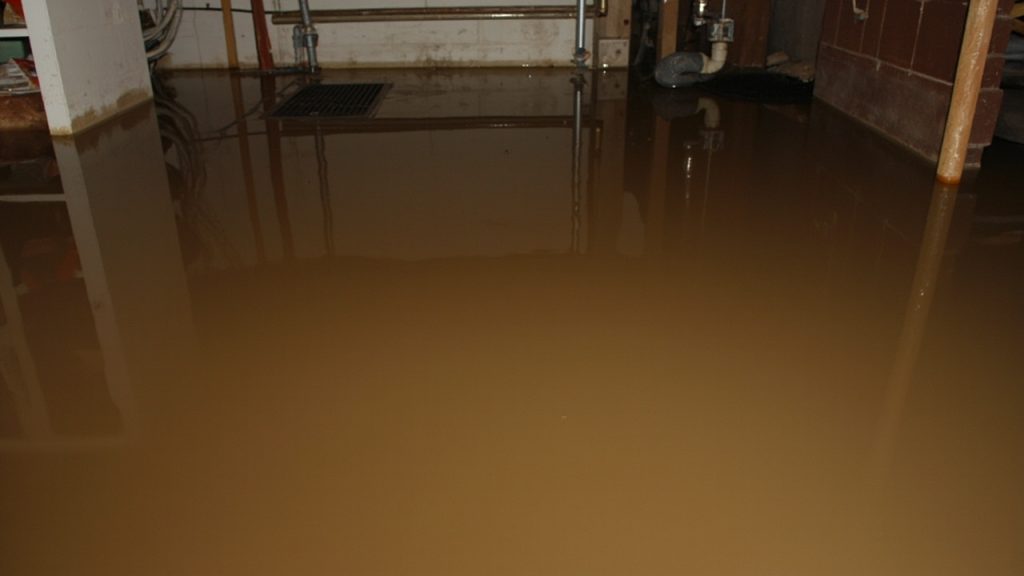
A sewage backup in your Detroit basement is not just a cleanup problem. It is a biohazard event. The water pooling on your floor carries pathogens, fecal bacteria, and airborne toxins that can cause serious illness within hours of exposure. Before you grab a mop or a shop vac, you need to understand exactly what you are dealing with.
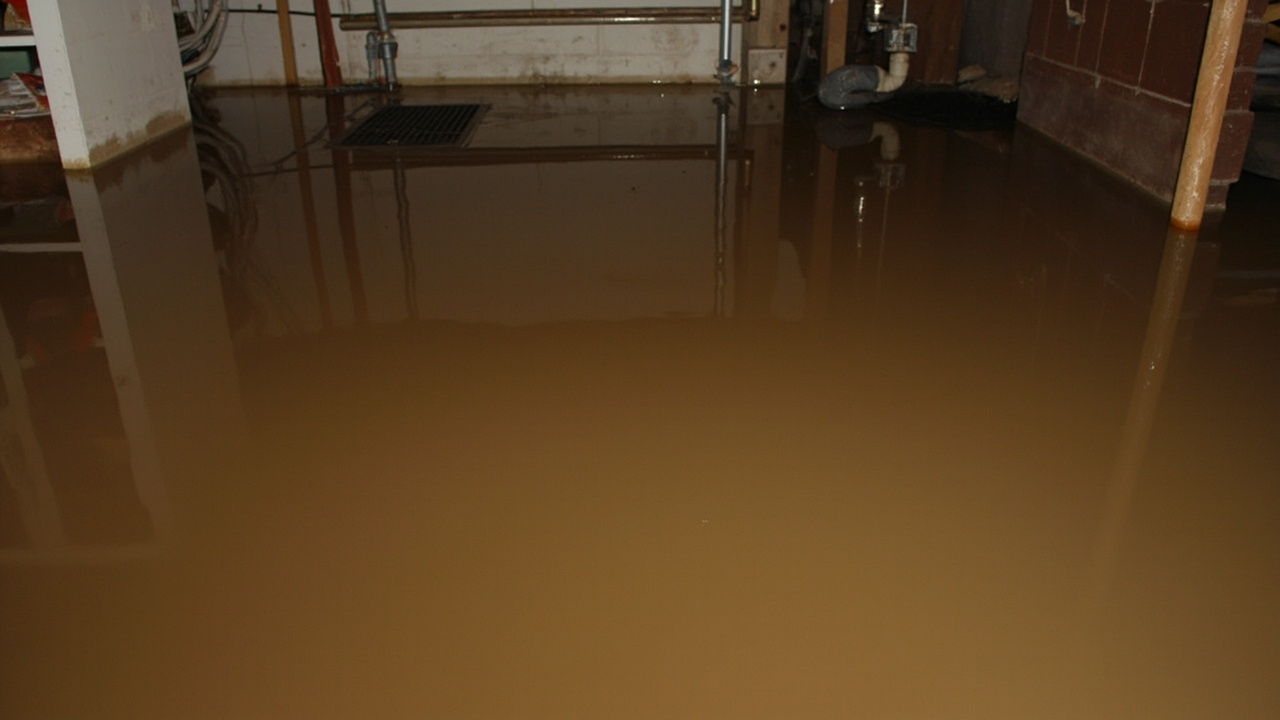
What Category 3 Black Water Actually Is
Water damage professionals follow a three-tier classification system established by the IICRC (Institute of Inspection Cleaning and Restoration Certification) under its S500 Standard for Professional Water Damage Restoration. Understanding these categories explains why sewage water demands a completely different response than a burst pipe.
| Water Category | Source | Contamination Level | DIY Safe? |
|---|---|---|---|
| Category 1 (Clean Water) | Broken supply lines, faucet overflows, rainwater (fresh) | Low. No significant biological threat at point of origin. | Generally yes, if dried within 24-48 hours |
| Category 2 (Gray Water) | Washing machine discharge, dishwasher overflow, toilet overflow (urine only) | Moderate. Contains chemical and biological contaminants. | Risky. Requires PPE and proper disposal. |
| Category 3 (Black Water) | Sewage backups, rising groundwater, CSO flooding, stagnant standing water | Severe. Contains fecal matter, pathogens, heavy metals, and toxins. | No. Professional biohazard remediation required. |
Category 3 water is classified as grossly contaminated. Any water that has contacted sewage lines, backed up through a floor drain, or risen from the street during a storm event falls into this category. So does standing water that has sat for more than 24-48 hours, because microbial populations double rapidly in warm, stagnant conditions.
In Detroit, the most common sources of Category 3 events are combined sewer overflows, sump pump failures during heavy rain, and aging clay sewer laterals that crack and allow groundwater and sewage to mix before backing up into a home.
The Pathogens Living in That Water
This is where the real danger sits. Black water is not just dirty. It is biologically active with organisms capable of causing life-threatening illness.
Bacteria That Cause Immediate Illness
Escherichia coli (E. coli) is present in virtually every sewage backup. Certain strains produce toxins that cause severe gastrointestinal distress, kidney failure, and in vulnerable populations, death. You do not need to drink the water. Skin contact with open cuts, mucous membrane exposure, or touching your face after contact with contaminated surfaces is enough.
Salmonella survives in sewage water for extended periods. Exposure causes fever, diarrhea, and abdominal cramps within 6 to 48 hours. For elderly residents and children, Salmonella infections can escalate to hospitalization.
Leptospira, the bacterium causing Leptospirosis, enters the body through skin abrasions or mucous membranes. Urban floodwater is a known transmission vector according to the CDC. Symptoms mimic the flu initially but can progress to organ failure if untreated.
Viral Threats
Hepatitis A spreads through contact with fecal-contaminated water. It attacks the liver and causes jaundice, fatigue, and abdominal pain. Norovirus, the same pathogen behind cruise ship outbreaks, survives in sewage water and on surfaces long after the water recedes. A dose of fewer than 20 viral particles is enough to cause infection.
Parasitic Organisms
Giardia and Cryptosporidium are parasites shed in human and animal waste. Both form protective cysts that survive outside a host for weeks. Standard household disinfectants, including bleach at typical dilutions, do not reliably destroy Cryptosporidium cysts on porous surfaces.
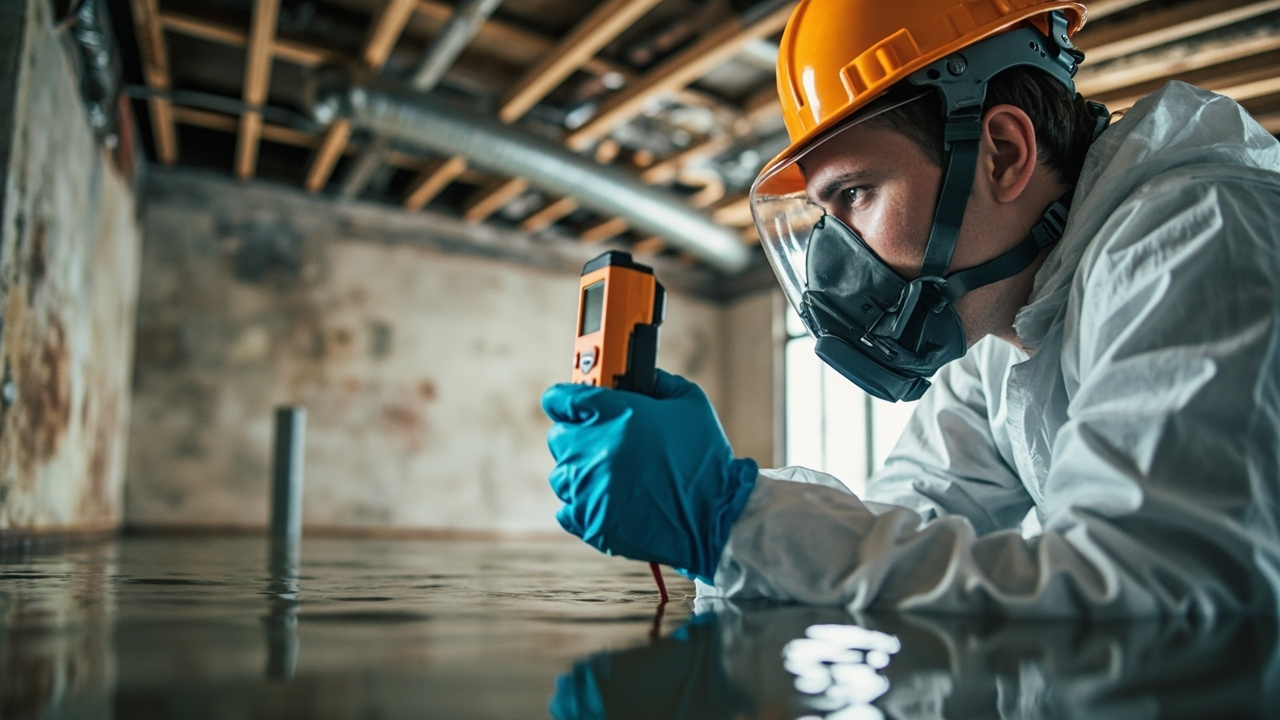
Airborne Hazards You Cannot See
Most Detroit homeowners focus on the visible water. The invisible threat is often more dangerous.
Endotoxins from Gram-Negative Bacteria
When bacteria like E. coli die or are disturbed by cleaning activity, they release endotoxins from their cell walls. Inhaling endotoxin-laden aerosols causes fever, inflammation of the airways, and in people with asthma or COPD, serious respiratory complications. Using a shop vac or fans to dry a sewage-flooded basement aerosolizes these particles directly into the breathing zone.
Microbial Volatile Organic Compounds (mVOCs)
As mold and bacteria metabolize organic material in flooded drywall, wood framing, and carpet, they release mVOCs. These gases cause headaches, dizziness, nausea, and respiratory irritation. You can often smell them before visible mold appears. In a sealed basement with poor ventilation, like many homes in the Jefferson Chalmers or Poletown East neighborhoods, mVOC concentrations build quickly.
Mycotoxins from Mold Growth
If black water sits for more than 24 hours, mold colonization begins. Certain mold species, particularly Stachybotrys chartarum (commonly called black mold), produce mycotoxins. Mycotoxin exposure is linked to chronic respiratory illness, neurological symptoms, and immune suppression. Once embedded in porous materials like drywall, insulation, or OSB sheathing, mycotoxin contamination cannot be eliminated with surface cleaning alone.
Why Detroit Basements Face Elevated Risk
Detroit’s sewer infrastructure directly increases the risk and severity of Category 3 events for homeowners across the metro area.
The Combined Sewer Overflow Problem
Detroit operates one of the largest combined sewer systems in the country. A combined sewer carries both stormwater runoff and sanitary sewage in a single pipe. During heavy rain events, which are becoming more frequent and intense, the system exceeds its capacity. The result is a combined sewer overflow (CSO), where raw sewage and stormwater are discharged together. In neighborhoods like Boynton, East English Village, and areas along the Rouge River corridor, this means the water flooding your basement is not just rainwater. It is a mixture of stormwater and untreated sewage.
The Detroit Water and Sewerage Department (DWSD) manages the system and provides updates on sewer overflows and infrastructure programs, but homeowners should not wait for official advisories before treating flood events as potential Category 3 situations.
Aging Clay Lateral Lines
Thousands of Detroit homes still have original clay tile sewer laterals running from the house to the street main. These lines crack, offset at joints, and allow root intrusion. When a main line surcharges during a storm, sewage under pressure travels back through these compromised laterals and into the basement through floor drains, toilets, and any below-grade fixture. Homes in older residential corridors like West Village, Grandmont-Rosedale, and Bagley are especially vulnerable.
Higher Microbial Load in Urban Floodwater
Urban stormwater carries a heavier microbial load than rural runoff. Animal waste, motor oil, industrial residues, and human waste all mix in Detroit’s combined system. Testing of urban floodwater following CSO events consistently shows fecal coliform levels thousands of times above safe swimming standards. This is not a comparison to recreational water. It is a measure of pathogen density in what is now sitting in your home.
Why Household Bleach Is Not Enough
Bleach kills pathogens on non-porous surfaces. It does not penetrate porous materials. Drywall, wood framing, subflooring, insulation, and carpet backing are all porous. When Category 3 water saturates these materials, pathogens migrate deep into the substrate. A bleach solution applied to the surface will kill what it contacts. It will not reach the organisms living two inches inside a sheet of drywall.
The IICRC S500 standard is clear on this point. Category 3 water damage to porous structural materials almost always requires removal and disposal, not cleaning and disinfection. This means drywall is cut out, insulation is bagged and removed, and affected flooring is demolished. Attempting to clean and keep contaminated porous materials puts your household at ongoing risk.
For a detailed explanation of why bleach fails at mold and contamination control on building materials, read our article on why bleach won’t fix your Ferndale basement mold and when to call a pro.
Required Personal Protective Equipment for Any Entry
If you must enter a flooded area before professional help arrives, the following PPE is the minimum acceptable protection. This is not a suggestion. Exposure without proper protection in a Category 3 environment can cause illness within hours.
- N95 respirator at minimum. A P100 half-face respirator is preferable in enclosed spaces.
- Chemical-resistant nitrile gloves, not latex. Double-gloving is recommended.
- Rubber boots or waterproof boot covers extending above the waterline.
- Disposable Tyvek suit or equivalent protective coveralls.
- Safety goggles with indirect venting. Avoid open-frame safety glasses.
- Avoid touching your face at any point. Remove and bag all PPE before leaving the contaminated area.
The 5 Steps to Take Immediately After a Black Water Event
Speed matters. Every hour that contaminated water sits increases material damage and microbial growth. Here is what to do in the first 60 minutes.
- Stop the source. Locate your main water shutoff and the shutoff for your sewer cleanout if you have a backwater valve. If the backup came from the city main, call DWSD’s emergency line immediately.
- Cut electrical power to the affected area. Do not enter a flooded basement while power is live. Locate your breaker panel and kill circuits for the basement before entry.
- Do not run HVAC systems. Heating or cooling equipment will circulate aerosolized contaminants through your ductwork and into the rest of the home.
- Document everything before touching anything. Take photos and video of all visible damage. This is your insurance documentation. For guidance on making that claim count, read our article on how to get your Detroit home insurance to actually pay for water restoration.
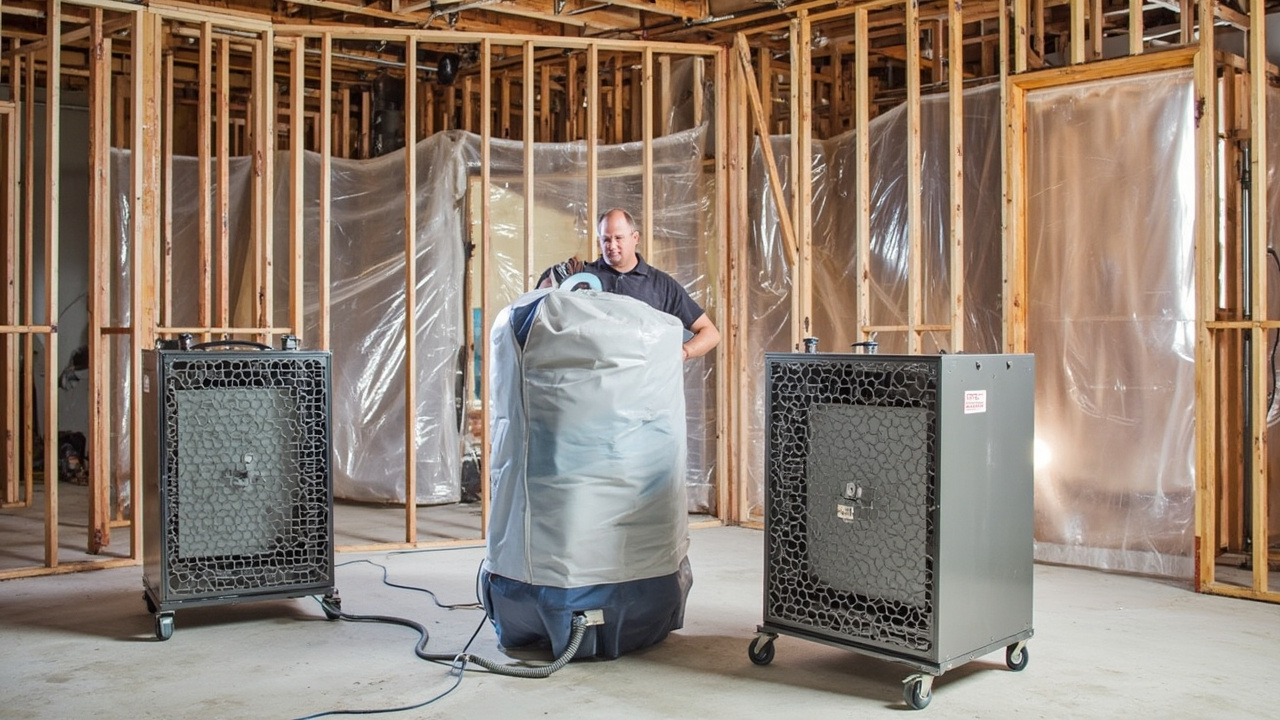
- Call a certified water damage restoration company. Look for IICRC certification specifically. Category 3 remediation requires specialized equipment including HEPA air scrubbers, negative air pressure containment, and EPA-registered biocides. This is not standard carpet cleaning.
What Professional Category 3 Remediation Actually Involves
Understanding the remediation process helps you ask the right questions and verify the work is done correctly.
| Remediation Phase | What Happens | Why It Matters | Typical Timeframe |
|---|---|---|---|
| Containment Setup | Plastic sheeting and negative air pressure isolate the affected zone | Prevents cross-contamination to unaffected areas of the home | First 2-4 hours |
| Water Extraction | Truck-mounted extraction units remove standing water | Reduces contact time of pathogens with building materials | 2-6 hours depending on volume |
| Demolition of Porous Materials | Drywall cut out to flood line plus 12 inches, insulation removed, flooring pulled | Eliminates materials that cannot be decontaminated in place | 1-3 days |
| Biocide Application | EPA-registered biocides applied to all affected structural surfaces | Kills residual pathogens on non-porous and semi-porous substrates | Same day as demolition |
| Structural Drying | Industrial dehumidifiers and air movers dry framing and concrete | Brings moisture content below threshold for mold growth | 3-7 days with daily monitoring |
| Post-Remediation Clearance Testing | Air and surface samples sent to a third-party lab | Provides documentation that contamination levels are within acceptable limits | 24-48 hours for lab results |
If a restoration company skips containment or jumps straight to drying without demolishing affected porous materials, that is a serious problem. The IICRC S500 standard exists precisely because shortcuts in Category 3 remediation leave hidden contamination behind.
Protecting Your Insurance Claim
Sewage backup coverage is often a separate rider on a standard homeowner’s policy in Michigan. Many Detroit homeowners discover after a loss that their base policy excludes sewer backup. If you live in a neighborhood with a history of CSO events, like the lower Eastside or near the Conner Creek area, this rider is worth carrying.
When filing a claim for a black water event, the contamination category matters. Insurers may dispute the scope of demolition if documentation is weak. A professional written protocol from an IICRC-certified firm carries more weight than a verbal estimate. If your property also sustained flood damage from rising groundwater, there may be FEMA National Flood Insurance Program (NFIP) considerations separate from your homeowner’s policy.
For homeowners in Corktown and other historic Detroit neighborhoods with older construction and unique structural materials, read our resource on filing a successful water damage insurance claim for your Corktown home.
What Happens to Materials Left in the Home
Wet carpet saturated with Category 3 water is a significant health hazard. The padding beneath it acts as a sponge, trapping pathogens and providing an ideal environment for mold. No amount of extraction or drying makes Category 3-affected carpet safe to keep. If you are dealing with carpet questions after any flooding event, our article on deciding whether your wet carpet in Sterling Heights can be saved or needs to go walks through the decision factors in detail.
Hardwood floors present a different challenge. Subfloor saturation can cause structural damage and mold growth beneath finished flooring. For guidance on wood flooring specifically, read how to save your hardwood floors after a significant water leak in Birmingham MI.
A Direct Word on DIY Black Water Cleanup
People attempt DIY cleanup of sewage backups every day. Some feel they cannot afford professional help. Some do not understand the actual risk. Some rent a pump and think the job is done when the standing water is gone.
The standing water being gone is when the secondary risks begin. Surfaces look dry but remain contaminated. Pathogens survive on materials for days to weeks. Mold begins growing within 24 to 48 hours. The air in a closed basement becomes a vector for illness.
Wayne County Health Department treats sewage exposure as a reportable health risk for good reason. If you or a family member experience gastrointestinal symptoms, fever, or respiratory problems following a flood event in your home, seek medical attention and tell the physician about the exposure to black water. Early treatment for Leptospirosis and Hepatitis A significantly improves outcomes.
If you have had a sewage backup in the Detroit area, call a certified restoration company today. The longer contaminated materials sit, the greater the remediation scope and the greater the health risk to everyone in the home.
{
“@context”: “https://schema.org”,
“@type”: “BlogPosting”,
“headline”: “What Black Water Flooding Actually Does to Your Health (A Detroit Homeowner’s Guide)”,
“description”: “Category 3 black water carries deadly pathogens. Detroit homeowners need to know the real health risks before touching anything after a sewage flood.”,
“wordCount”: 2208,
“datePublished”: “2026-04-17T04:19:00.000Z”,
“dateModified”: “2026-04-17T04:19:00.000Z”,
“inLanguage”: “en-US”,
“mainEntityOfPage”: {
“@type”: “WebPage”,
“@id”: “https://ironwoodwaterdamagerestorationdetroit.com”
},
“publisher”: {
“@type”: “LocalBusiness”,
“name”: “Ironwood Water Damage Restoration Detroit”,
“url”: “https://ironwoodwaterdamagerestorationdetroit.com”
},
“author”: {
“@type”: “Organization”,
“name”: “Ironwood Water Damage Restoration Detroit”,
“url”: “https://ironwoodwaterdamagerestorationdetroit.com”
},
“image”: {
“@type”: “ImageObject”,
“url”: “https://ironwoodwaterdamagerestorationdetroit.com/wp-content/uploads/2026/03/the-hidden-health-risks-of-category-3-black-water-1.jpg”
}
}
{
“@context”: “https://schema.org”,
“@type”: “LocalBusiness”,
“name”: “Ironwood Water Damage Restoration Detroit”,
“url”: “https://ironwoodwaterdamagerestorationdetroit.com”,
“address”: {
“@type”: “PostalAddress”,
“addressLocality”: “Detroit”
},
“areaServed”: {
“@type”: “City”,
“name”: “Detroit”
}
}
{
“@context”: “https://schema.org”,
“@type”: “BreadcrumbList”,
“itemListElement”: [
{
“@type”: “ListItem”,
“position”: 1,
“name”: “Home”,
“item”: “https://ironwoodwaterdamagerestorationdetroit.com”
},
{
“@type”: “ListItem”,
“position”: 2,
“name”: “Blog”,
“item”: “https://ironwoodwaterdamagerestorationdetroit.com/blog”
},
{
“@type”: “ListItem”,
“position”: 3,
“name”: “What Black Water Flooding Actually Does to Your Health (A Detroit Homeowner’s Guide)”
}
]
}
{
“@context”: “https://schema.org”,
“@type”: “Service”,
“serviceType”: “Water Damage Restoration”,
“provider”: {
“@type”: “LocalBusiness”,
“name”: “Ironwood Water Damage Restoration Detroit”,
“url”: “https://ironwoodwaterdamagerestorationdetroit.com”
},
“areaServed”: {
“@type”: “City”,
“name”: “Detroit”
},
“description”: “Category 3 black water carries deadly pathogens. Detroit homeowners need to know the real health risks before touching anything after a sewage flood.”
}