
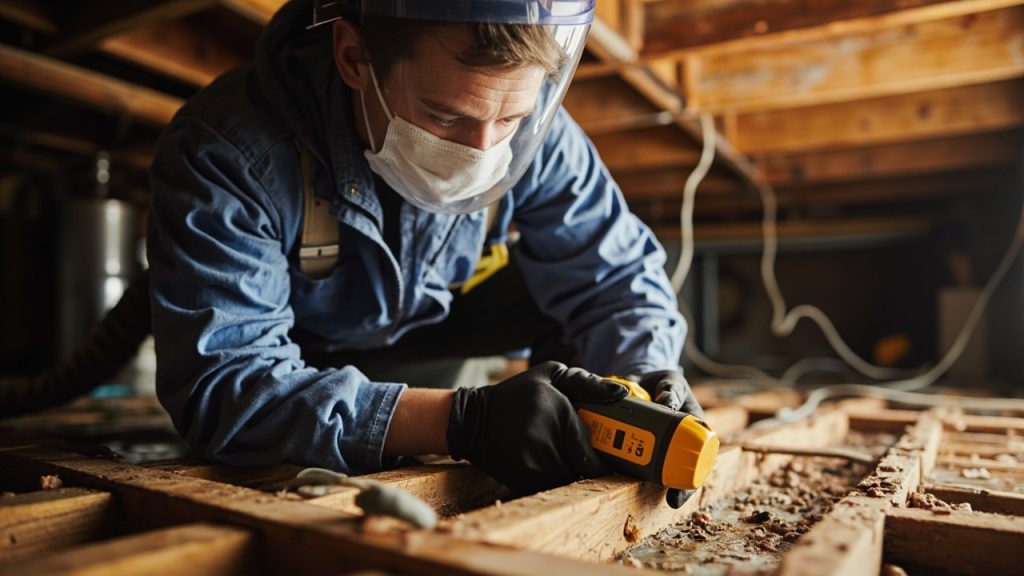
A wet crawl space in Southwest Detroit is not just an inconvenience. It is a ticking clock. Every hour that moisture sits in that low, confined space under your home, it works against the wood, insulation, and air quality of everything above it. If you have had water intrusion and you are wondering whether it will just dry out on its own, the short answer is no. The long answer is what this article covers.
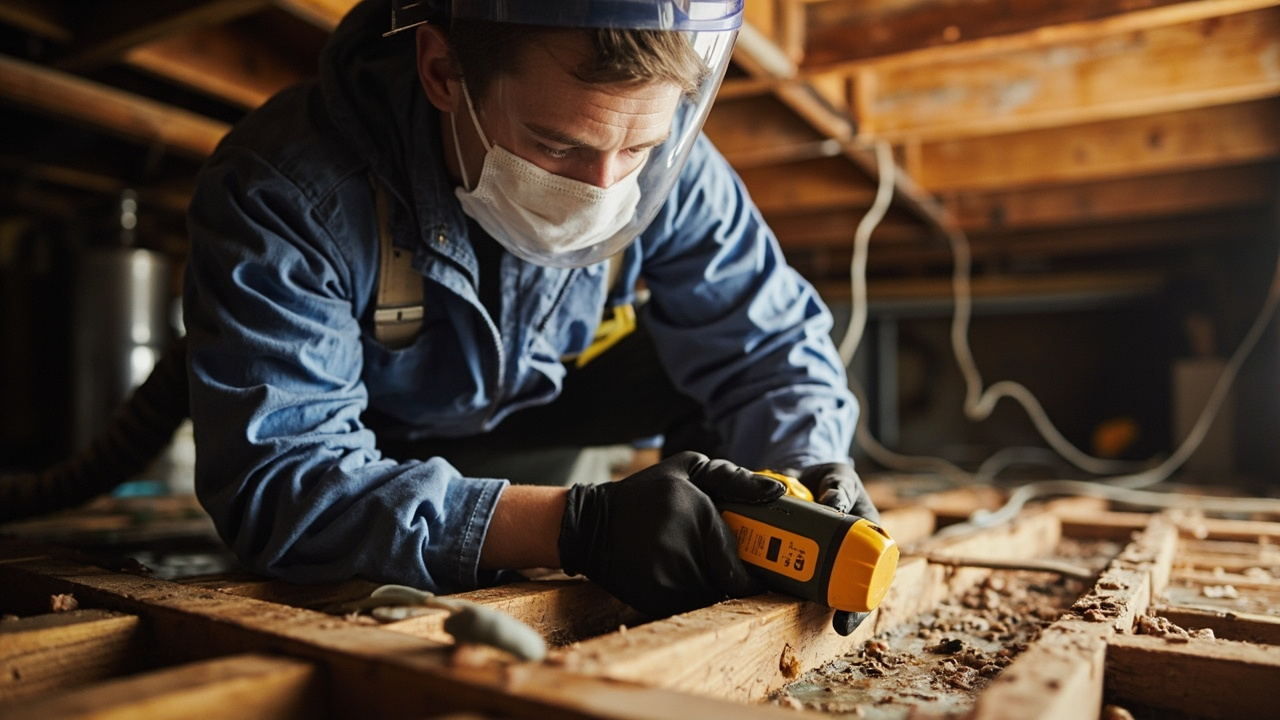
Why Southwest Detroit Crawl Spaces Are Especially Vulnerable
The housing stock in Southwest Detroit, from Mexicantown to the streets bordering Delray and Southwest Side neighborhoods, skews older. Many homes here were built between the 1920s and 1960s, and a significant portion sit on crawl spaces rather than full basements. That construction era predates modern vapor barrier standards.
Detroit’s soil composition makes things worse. The city sits on a heavy clay base. Clay soil does not drain well. When rain saturates the ground or when snowmelt presses against your foundation, that water has nowhere to go except inward. This is called hydrostatic pressure, and it is the primary driver of moisture intrusion in crawl spaces across this region.
The Great Lakes proximity adds another layer. Relative humidity (RH) in Southeast Michigan routinely spikes during summer months. When outdoor humidity is high and crawl space ventilation is poor, the RH inside an unencapsulated crawl space can exceed 80 percent for weeks at a time. At that level, mold colonies establish in as little as 48 to 72 hours.
What Happens to Your Home When a Crawl Space Stays Wet
The damage follows a predictable sequence. Understanding it helps you grasp why speed matters.
Subfloor Joists Begin to Deteriorate
The structural members holding up your floor are typically wood. Prolonged moisture exposure causes wood to swell, warp, and eventually rot. Subfloor joists that have absorbed excess moisture lose load-bearing capacity. In older homes around Corktown or Indian Village, where original old-growth lumber was used, this deterioration can be slow but deep. You may not notice the floor flex until significant structural compromise has already occurred.
Mold Takes Hold Fast
Mold spores are everywhere in the air. All they need is a moisture-rich surface and darkness. A crawl space provides both. Once mold colonizes the subfloor, rim joists, and insulation, it does not stay contained. Spores migrate upward through gaps, penetrations, and HVAC returns into the living space. If you or anyone in your home has noticed musty odors, worsening allergies, or respiratory irritation, an unaddressed crawl space moisture problem may be the source.
For more on why DIY approaches fall short when mold is involved, read why bleach won’t fix your Ferndale basement mold and when to call a pro. The same principles apply to crawl space mold in Southwest Detroit.
Efflorescence and Foundation Damage
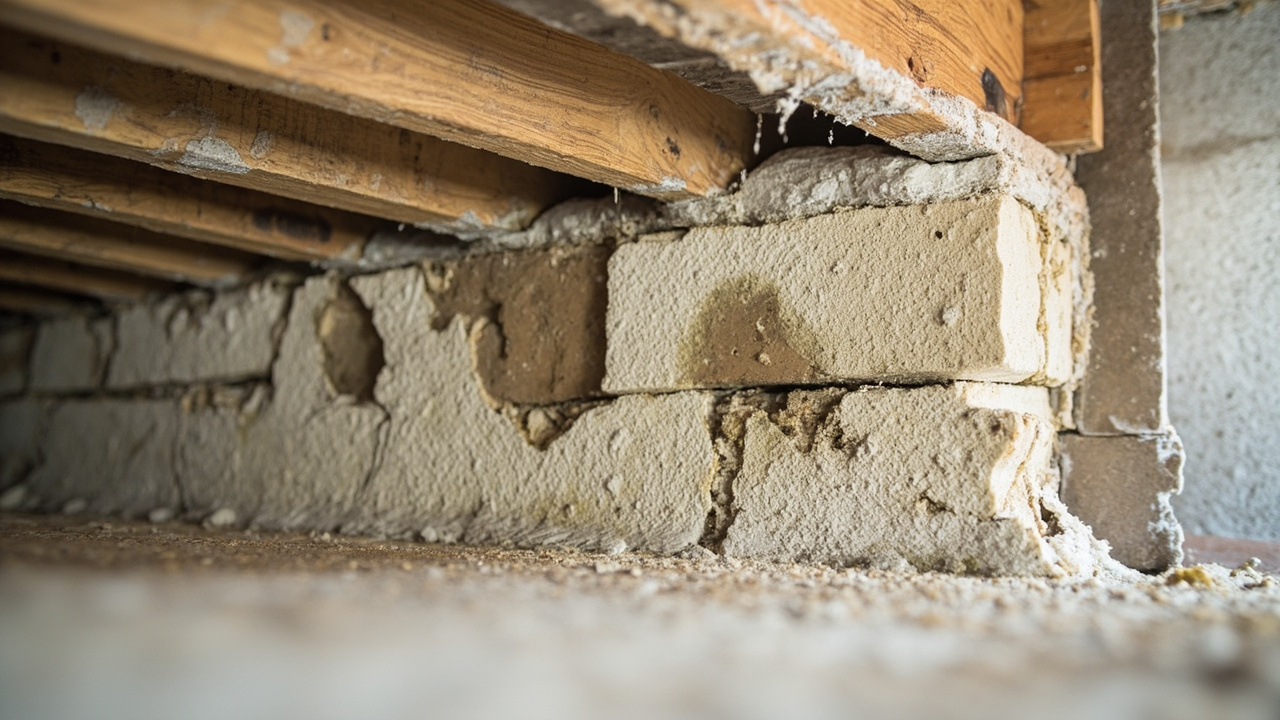
Efflorescence is the white, chalky mineral deposit you see on concrete or block foundations after water repeatedly passes through. It is a visual indicator that water is actively migrating through your foundation walls. Left unchecked, this moisture movement weakens the masonry over time and can lead to significant repair costs.
HVAC and Mechanical System Contamination
Many Southwest Detroit homes have ductwork running through or near the crawl space. When mold establishes in the crawl space and air handlers pull air from that area, contaminated air circulates through the entire home. This turns a localized moisture problem into a whole-house indoor air quality issue.
The Professional Crawl Space Drying Process, Step by Step
The IICRC (Institute of Inspection Cleaning and Restoration Certification) sets the industry standard for water damage restoration through its S500 Standard. A certified contractor follows a defined process. Here is what that looks like on a real Southwest Detroit job site.
Phase 1 – Emergency Assessment and Safety Inspection
Before anyone enters the crawl space, the source of water must be identified and stopped. This is non-negotiable. Common sources in this area include groundwater intrusion through foundation walls, broken plumbing supply or drain lines, and sewer backups tied to the Detroit Water and Sewerage Department (DWSD) combined sewer system.
Water categorization determines the safety protocol and remediation scope. Category 1 is clean water from a supply line. Category 2 is gray water with some contamination. Category 3 is black water, sewage or floodwater, and requires full personal protective equipment plus antimicrobial treatment of all affected surfaces.
Structural integrity, electrical hazards, and gas line proximity are all checked before technicians enter the space.
Phase 2 – Standing Water Extraction
If bulk water is present, it comes out first. Submersible pumps handle large volumes. Truck-mounted extraction units handle the remainder. Getting standing water out in the first two to four hours dramatically reduces the total drying time and limits secondary damage to insulation and wood.
Phase 3 – Debris Removal and Antimicrobial Application
Wet fiberglass batt insulation cannot be dried in place. It loses its R-value when wet, becomes a perfect mold substrate, and holds moisture against the subfloor for weeks. It must be removed and disposed of as a standard part of the process. Wet crawl space insulation is not a grey area.
Once the space is cleared, EPA-registered antimicrobial agents are applied to all wood surfaces, foundation walls, and any porous materials that remain. This is not optional when dealing with Category 2 or 3 water. Michigan’s seasonal humidity means any untreated organic surface in a crawl space is at risk.
Phase 4 – Structural Drying Using Psychrometry
Psychrometry is the science of measuring and managing the moisture content of air. It is the technical foundation of professional water damage drying. A trained restorer reads temperature, relative humidity, and dew point to calculate the drying potential of the air in the space.
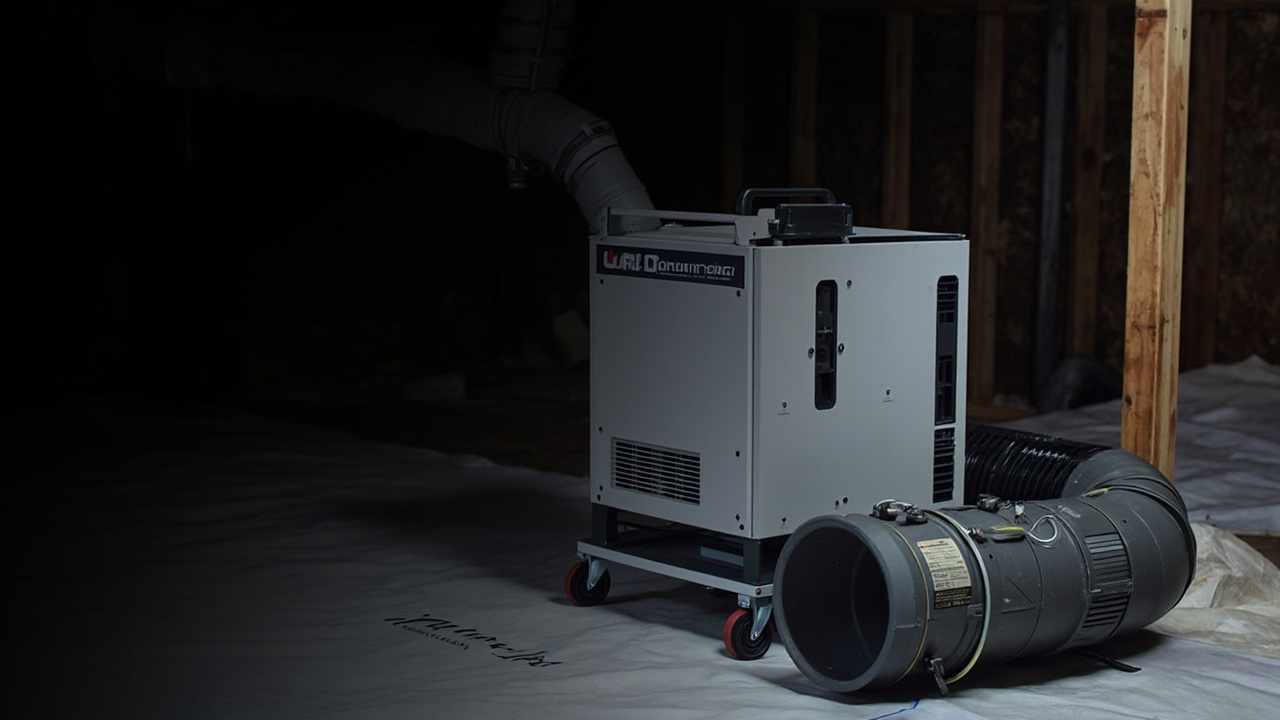
LGR (Low Grain Refrigerant) dehumidifiers are the workhorse of crawl space drying. They are more effective at pulling moisture from the air at lower grain levels than conventional dehumidifiers. Paired with strategic placement of air movers to increase airflow across wet structural surfaces, LGR dehumidification pulls moisture out of the wood and into the air, which is then captured by the dehumidifier.
The goal is to reach the Dry Standard, defined by the IICRC S500 as bringing affected materials to a moisture content comparable to unaffected materials of the same type in the same structure. For subfloor wood in a Southwest Detroit home, that typically means a moisture content reading below 16 percent on a calibrated moisture meter.
HEPA air scrubbers may also run during this phase to capture airborne mold spores and particulates, particularly in Category 3 or mold-affected jobs.
Phase 5 – Daily Monitoring and Moisture Verification
Drying is not a set-it-and-forget-it process. A certified technician returns daily to take moisture readings of the subfloor, joists, sill plates, and rim joists using a calibrated pin or pinless moisture meter. Readings are logged to document the drying curve. Equipment is repositioned as drying progresses to address areas that are drying slower than the rest.
Typical drying time for a crawl space in Southeast Michigan runs three to five days under optimal conditions. Variables that extend that window include the initial moisture load, outdoor temperature and humidity, and whether encapsulation was in place before the event. Detroit’s spring and fall humidity patterns can add a day or two to the cycle compared to drier climates.
| Drying Phase | Typical Duration | Key Equipment | Measurement Goal |
|---|---|---|---|
| Water Extraction | 1 to 4 hours | Submersible pump, truck-mount extractor | Zero standing water |
| Debris and Insulation Removal | 2 to 6 hours | Manual removal, disposal bags | All wet porous materials removed |
| Antimicrobial Treatment | 1 to 2 hours | Sprayers, EPA-registered fungicide | Full coverage of wood and masonry surfaces |
| Structural Drying | 3 to 5 days | LGR dehumidifiers, axial air movers, HEPA scrubbers | Wood moisture content below 16% |
| Final Monitoring and Verification | 1 day (final check) | Moisture meter, psychrometric readings | IICRC S500 Dry Standard met |
Crawl Space Water Source Matters More Than You Think
The source of the water changes the entire scope of work. Here is a breakdown of the most common scenarios in Southwest Detroit and what each one means for the remediation process.
| Water Source | Category | Contamination Risk | Typical Remediation Add-Ons |
|---|---|---|---|
| Broken supply line (clean) | Category 1 | Low | Standard drying, insulation replacement |
| Washing machine drain overflow | Category 2 | Moderate | Antimicrobial treatment, possible mold inspection |
| Groundwater intrusion (clay soil seepage) | Category 2 to 3 | Moderate to High | Antimicrobial, encapsulation consultation, sump pump evaluation |
| Sewer backup (DWSD combined sewer) | Category 3 | High | Full PPE protocol, structural decontamination, mold remediation |
| Foundation crack seepage (prolonged) | Category 2 to 3 | Moderate to High | Efflorescence removal, antimicrobial, drainage assessment |
What Proper Documentation Means for Your Insurance Claim
One of the most overlooked parts of the crawl space drying process is documentation. A professional restoration company generates a moisture log for every day of the drying process. This log records initial moisture readings, daily readings at mapped locations, equipment placement, temperature, humidity, and dew point readings, and the final verification readings that confirm the Dry Standard was met.
This documentation is what your insurance carrier needs to pay the claim. Without it, an adjuster has no way to verify the scope of work or justify the equipment deployment charges. If you are navigating a claim after crawl space water damage, read how to get your Detroit home insurance to actually pay for water restoration. The documentation your restoration contractor provides is the backbone of that process.
If you live in Corktown specifically, the older plumbing and combined sewer infrastructure in that neighborhood creates a higher frequency of sewer-related claims. The claims process for Category 3 sewer events has specific documentation requirements. Filing a successful water damage insurance claim for your Corktown home covers what you need to know for that specific scenario.
Long-Term Prevention Through Crawl Space Encapsulation
Drying a crawl space solves the immediate problem. Encapsulation prevents the cycle from repeating. A properly installed vapor barrier system seals the crawl space from ground moisture. Combined with a functioning sump pump basin and a properly sized dehumidifier, encapsulation keeps RH below the 50 percent threshold that mold requires to grow.
Key components of a complete encapsulation system for a Southwest Detroit home include the following:
- A 20-mil reinforced polyethylene vapor barrier covering the entire ground surface and extending up foundation walls
- Sealed seams with approved tape rated for crawl space environments
- A sump pump basin with a battery backup in case of power outages during heavy Michigan storms
- A dedicated crawl space dehumidifier set to maintain RH below 50 percent year-round
- Sealed vents if converting to a conditioned crawl space design
- A drainage mat below the vapor barrier in high groundwater areas to allow water to channel to the sump rather than pool
Homes in low-lying sections of Southwest Detroit, particularly those near the old industrial waterfront areas or in the Delray neighborhood near the river bend, are especially good candidates for full encapsulation given the chronic groundwater pressure those areas see.
How This Connects to the Rest of Your Home
A crawl space does not exist in isolation. The moisture that saturates your subfloor joists affects the hardwood flooring above them. Warped joists mean uneven floors, which accelerates finish floor wear and eventually requires structural repair before any cosmetic fix makes sense. If you have hardwood floors above a previously wet crawl space, how to save your hardwood floors after a significant water leak applies directly to your situation.
The same moisture that rots joists also wicks into carpet and subfloor padding if your crawl space sits beneath a carpeted area. Decisions about whether flooring can be saved or needs replacement depend on how long moisture sat and what the moisture content readings show at the time of inspection. For insight on that decision process, deciding whether your wet carpet can be saved or needs to go walks through the criteria used by restoration professionals.
Signs Your Southwest Detroit Crawl Space Has a Moisture Problem Right Now
Many homeowners only find out about crawl space moisture issues during a home inspection or after visible floor damage appears. Watch for these indicators:
- Musty odor that intensifies in spring or after heavy rain
- Floors that feel soft, spongy, or have visible bow when you walk across them
- Visible efflorescence (white chalky deposits) on foundation walls
- Condensation on cold water pipes in the summer
- Insulation that has sagged or fallen from between joists
- Visible mold growth on wood surfaces when you access the space with a flashlight
- Increased allergy symptoms or unexplained respiratory issues among household members
- High humidity readings inside the home despite running AC, which can signal moisture migration from below
According to the EPA’s guidance on mold and moisture, controlling moisture is the single most effective way to prevent mold growth in residential structures. That means addressing the source, completing the drying process to a verified standard, and maintaining the space against future intrusion.
Getting the Right Team for the Job
The difference between a properly dried crawl space and one that looks dry but is not comes down to whether the team used calibrated instruments, documented the drying curve, and met the IICRC S500 Dry Standard before packing up their equipment.
Ask any contractor you consider about their IICRC certification, whether they use LGR dehumidifiers specifically for crawl spaces, how they document moisture readings, and whether they can provide a psychrometric report at the end of the job. Those questions will separate qualified professionals from general contractors who are not trained in the science of structural drying.
If your crawl space has taken on water, do not wait to see if it dries out on its own. It will not. Call a certified restoration company, get the assessment done, and get the drying process started within the first 24 hours. That window is where the difference between a contained drying project and a full mold remediation job is decided.
{
“@context”: “https://schema.org”,
“@type”: “BlogPosting”,
“headline”: “What Really Happens When You Skip Proper Crawl Space Drying in Southwest Detroit”,
“description”: “Skipping proper crawl space drying in Southwest Detroit leads to mold, rot, and structural damage. Here’s what the full professional drying process looks like.”,
“wordCount”: 2310,
“datePublished”: “2026-04-24T06:15:00.000Z”,
“dateModified”: “2026-04-24T06:15:00.000Z”,
“inLanguage”: “en-US”,
“mainEntityOfPage”: {
“@type”: “WebPage”,
“@id”: “https://ironwoodwaterdamagerestorationdetroit.com”
},
“publisher”: {
“@type”: “LocalBusiness”,
“name”: “Ironwood Water Damage Restoration Detroit”,
“url”: “https://ironwoodwaterdamagerestorationdetroit.com”
},
“author”: {
“@type”: “Organization”,
“name”: “Ironwood Water Damage Restoration Detroit”,
“url”: “https://ironwoodwaterdamagerestorationdetroit.com”
},
“image”: {
“@type”: “ImageObject”,
“url”: “https://ironwoodwaterdamagerestorationdetroit.com/wp-content/uploads/2026/03/what-happens-if-you-don-t-dry-out-your-southwest-d-1.jpg”
}
}
{
“@context”: “https://schema.org”,
“@type”: “LocalBusiness”,
“name”: “Ironwood Water Damage Restoration Detroit”,
“url”: “https://ironwoodwaterdamagerestorationdetroit.com”,
“address”: {
“@type”: “PostalAddress”,
“addressLocality”: “Detroit”
},
“areaServed”: {
“@type”: “City”,
“name”: “Detroit”
}
}
{
“@context”: “https://schema.org”,
“@type”: “BreadcrumbList”,
“itemListElement”: [
{
“@type”: “ListItem”,
“position”: 1,
“name”: “Home”,
“item”: “https://ironwoodwaterdamagerestorationdetroit.com”
},
{
“@type”: “ListItem”,
“position”: 2,
“name”: “Blog”,
“item”: “https://ironwoodwaterdamagerestorationdetroit.com/blog”
},
{
“@type”: “ListItem”,
“position”: 3,
“name”: “What Really Happens When You Skip Proper Crawl Space Drying in Southwest Detroit”
}
]
}
{
“@context”: “https://schema.org”,
“@type”: “Service”,
“serviceType”: “Water Damage Restoration”,
“provider”: {
“@type”: “LocalBusiness”,
“name”: “Ironwood Water Damage Restoration Detroit”,
“url”: “https://ironwoodwaterdamagerestorationdetroit.com”
},
“areaServed”: {
“@type”: “City”,
“name”: “Detroit”
},
“description”: “Skipping proper crawl space drying in Southwest Detroit leads to mold, rot, and structural damage. Here’s what the full professional drying process looks like.”
}