
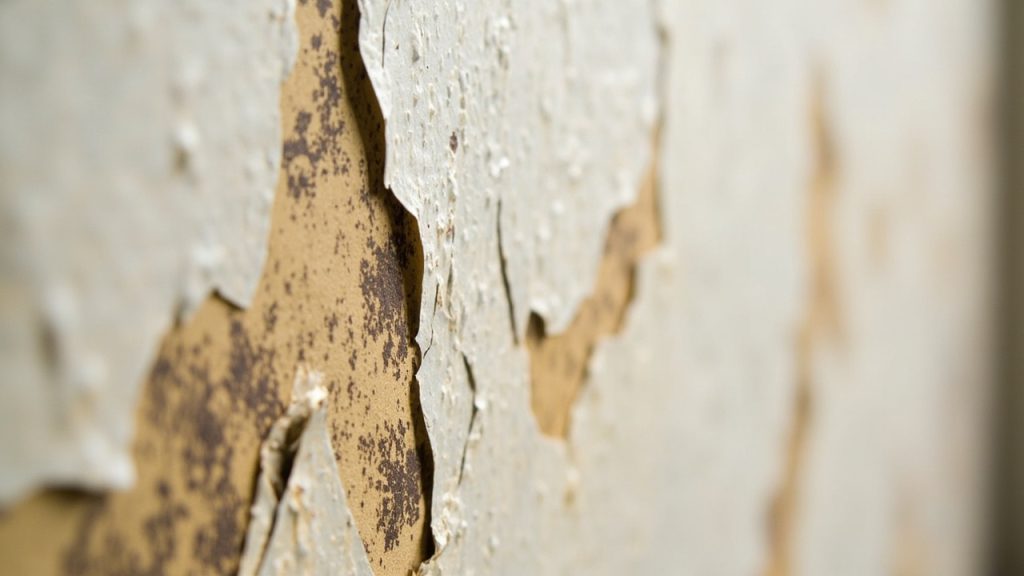
If you own a home in Madison Heights built before 1990, there is a reasonable chance something is growing behind your wallpaper right now. Not a small amount. A colony. And you would never know it until you start peeling.
Older Metro Detroit homes in the Madison Heights corridor, along with similar housing stock in Hazel Park, Ferndale, and Royal Oak, were built during a period when vinyl wallpaper was standard. That wallpaper traps moisture against the wall surface. When humidity cycles through Michigan’s seasons, that trapped moisture feeds mold year after year behind a surface that looks perfectly fine from the front.
If you have been wondering what grows behind wallpaper in older Madison Heights homes, the answer depends heavily on how long the moisture has been sitting there and what the wall substrate is made of. This guide covers how to spot the signs, why it happens so frequently in Oakland County’s older housing, and what the remediation process looks like when a professional opens those walls.
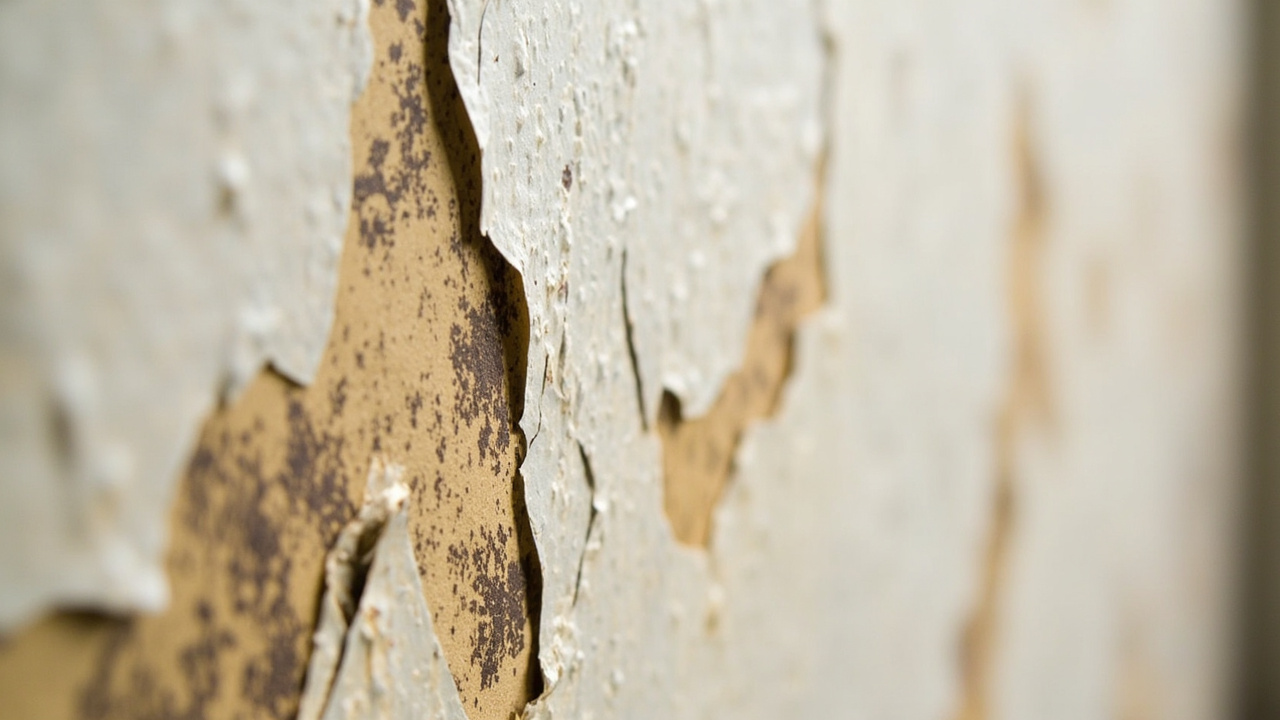
Why Wallpaper and Michigan Humidity Are a Bad Combination
Michigan sits squarely in the Great Lakes climate zone. Summers push indoor relative humidity above 65 percent in poorly ventilated homes. Winters create dramatic temperature differentials between exterior walls and heated living spaces. That cycle pulls moisture into wall cavities and never lets it fully dry.
Vinyl wallpaper is what restoration crews call a hygroscopic trap. The paper backing absorbs moisture. The vinyl face prevents it from evaporating outward. So it sits. For months. For years. The cellulose-based paste used to hang that wallpaper is an excellent food source for mold spores, which are always present in indoor air at low levels.
Homes in Madison Heights built between 1950 and 1985 frequently have plaster and lath construction rather than modern drywall. Oakland County housing data shows that the 48071 and 48072 zip codes contain a high concentration of homes from this exact era, many of which have never had their original wall assemblies opened or inspected. Plaster holds more moisture than drywall and releases it slowly, which makes the problem worse. When plaster finally fails from sustained moisture exposure, the damage behind it is usually extensive.
Visual and Sensory Signs You Should Not Ignore
Mold behind wallpaper is not always visible, but your home gives you signals. The problem is that these signals are easy to dismiss as normal aging in an older house.
- Wallpaper bubbling or lifting at seams without any recent water event
- Dark spots or staining that bleeds through from behind the paper
- A persistent musty odor in a specific room, especially noticeable after rain
- Soft or slightly spongy texture when you press against a wall
- Discoloration at the base of walls near floor trim
- Family members experiencing unexplained respiratory irritation, headaches, or allergy-like symptoms at home
The musty odor is often the most reliable early indicator. Mold produces microbial volatile organic compounds (MVOCs) during active growth, and that chemical byproduct is what you smell. If one room in your home consistently smells musty and you cannot locate the source, the source is likely inside the wall.
What Is Growing Back There
Not all mold species are equally dangerous, but in the context of sustained moisture behind wallpaper in an older home, the species you want to avoid finding are unfortunately common.
Stachybotrys chartarum, commonly called black mold, thrives on wet cellulose materials. Wallpaper paste is essentially its preferred food source. Stachybotrys produces mycotoxins, which are toxic compounds that become airborne when spores are disturbed. Cladosporium and Penicillium species are also frequently found behind wallpaper and can cause respiratory problems in sensitive individuals.
The danger escalates significantly when you disturb the mold without proper containment. Dry-peeling old wallpaper releases millions of spores into the room air. Those spores enter your HVAC system and spread throughout the home within hours. What was a localized colony behind one wall becomes a building-wide contamination event. This is the most common mistake homeowners make when they try to handle this themselves.
For more on why surface treatments fail against mold colonies, read why bleach won’t fix your Ferndale basement mold. The same principle applies to wallpaper mold.
| Species | Appearance | Primary Health Risk | Preferred Substrate |
|---|---|---|---|
| Stachybotrys chartarum | Black or dark green, slimy | Mycotoxin exposure, respiratory damage | Wet cellulose (paste, paper, drywall) |
| Cladosporium | Olive green to brown | Allergic reactions, asthma aggravation | Damp wallpaper, wood, fabric |
| Penicillium | Blue-green with white edges | Sinus irritation, allergic response | Cellulose paste, insulation |
| Aspergillus | Variable (green, yellow, black) | Lung infections in immune-compromised individuals | Plaster, drywall, paste |
How Professionals Find Mold You Cannot See
A proper inspection does not start with peeling wallpaper. It starts with data collection from the outside in.
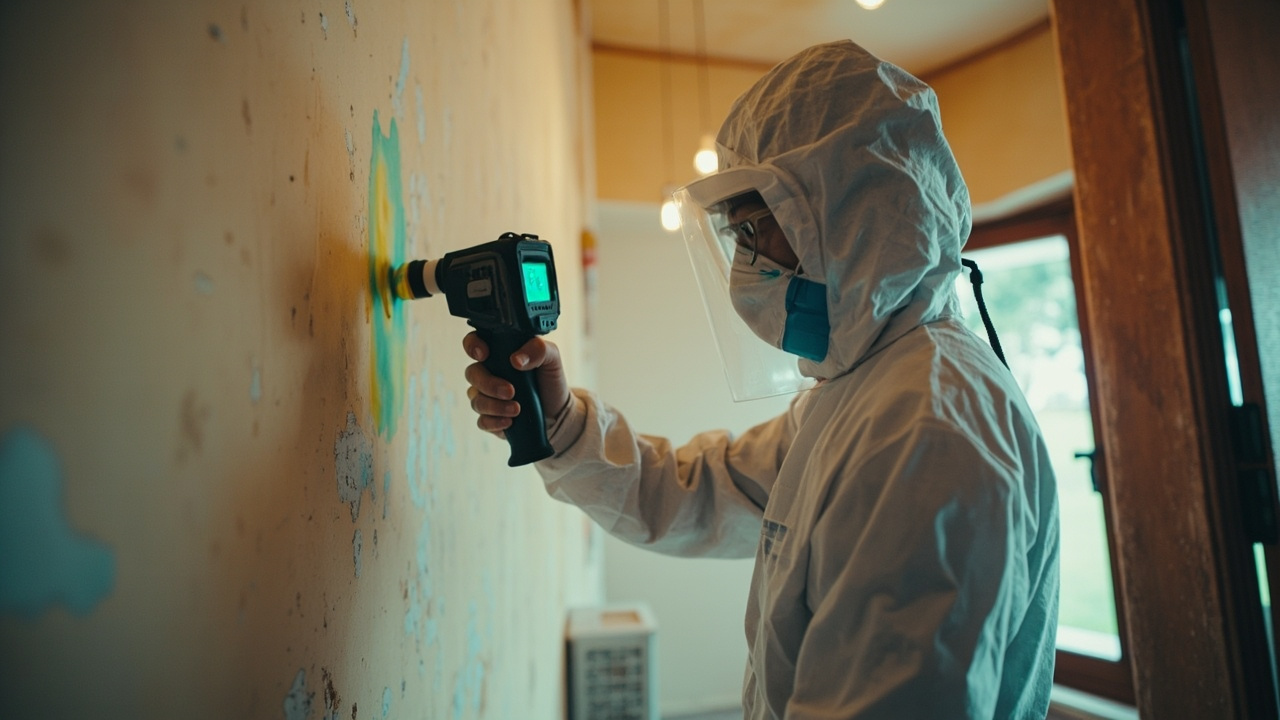
A certified technician will use a calibrated moisture meter to measure moisture content at multiple points across the wall surface. Readings above 16 percent moisture content in a wood substrate, or above 1 percent in a gypsum or plaster substrate, indicate conditions that support active mold growth. These readings map the extent of the problem before anything is opened.
Thermal imaging cameras detect temperature differentials inside wall cavities. Wet insulation and wet plaster hold temperature differently than dry material. A trained technician reads those thermal patterns to identify areas of sustained moisture that a moisture meter alone might miss from the surface.
If the moisture readings and thermal imaging suggest active growth, a professional will take air samples or surface swab samples and send them to a third-party laboratory for mycological analysis. That analysis identifies the species present and the spore count, which determines the remediation protocol required under the IICRC S520 Standard for Professional Mold Remediation.
The Remediation Process Step by Step
When a remediation crew arrives at a Madison Heights home with confirmed mold behind wallpaper, the work follows a structured sequence. Skipping steps or rushing the process results in incomplete remediation and recurrence.
Setting Up Containment and Air Control
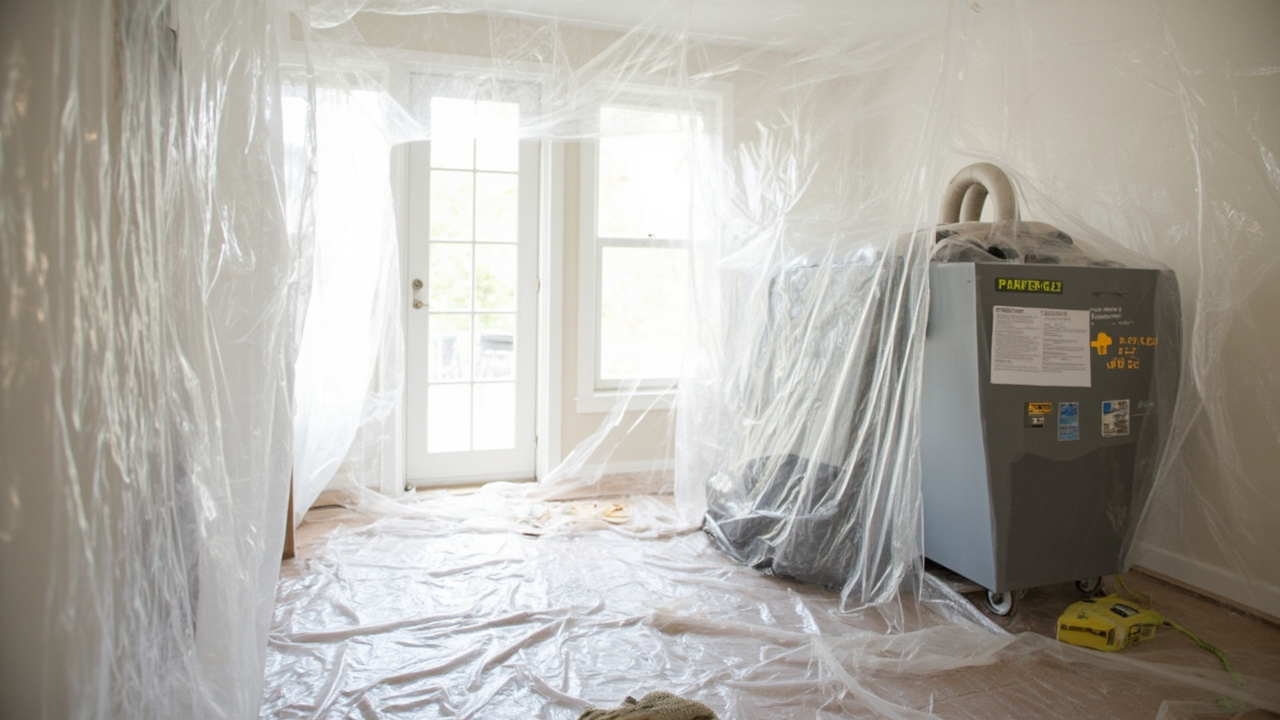
Before anything is removed, the affected area is isolated with 6-mil polyethylene sheeting and negative air pressure. This prevents spores from migrating to unaffected parts of the home during demolition. HVAC registers in the work area are sealed. High-efficiency particulate air (HEPA) filtration units run continuously throughout the project. HEPA filtration captures particles as small as 0.3 microns, which includes mold spores. The air inside the containment zone is cycled through these units throughout the entire project.
Controlled Demolition and Treatment
Wallpaper, substrate, and any affected drywall or plaster are removed methodically, not ripped away. Materials are placed directly into sealed poly bags inside the containment zone before being removed from the building. This prevents cross-contamination in hallways and common areas.
Exposed framing and substrate surfaces are treated with an EPA-registered antimicrobial agent. This addresses residual spores that remain on structural components that were not removed. Porous materials like insulation are typically removed entirely rather than treated in place.
Clearance Testing
A post-remediation air sample is taken and sent to the same third-party lab. The project is not complete until spore counts inside the remediated area are equal to or lower than outdoor background levels. This is the only objective verification that the remediation was successful. Any company that skips this step leaves you with no proof the problem was actually resolved.
What the CDC and EPA Say About Indoor Mold Exposure
The Centers for Disease Control and Prevention state clearly that mold exposure can cause nasal stuffiness, throat irritation, coughing, wheezing, eye irritation, and skin irritation in otherwise healthy people. People with mold allergies, asthma, or compromised immune systems face more serious health consequences from prolonged exposure.
The EPA recommends that any mold covering more than 10 square feet be handled by a trained professional. In the context of mold behind wallpaper in a plaster-and-lath home, a colony that appears small from the surface often covers several times that area once the wall is opened.
Does Your Michigan Homeowners Insurance Cover This
This is where a lot of Madison Heights homeowners get surprised. Michigan homeowners insurance policies are very specific about what triggers mold coverage.
Sudden Events Versus Gradual Damage
If the mold resulted from a sudden and accidental water event, such as a burst pipe or an appliance failure, most policies will cover the remediation as part of the water damage claim. If the mold resulted from long-term seepage, chronic humidity, or a slow leak that went unaddressed for weeks or months, insurers typically deny the claim on the basis of deferred maintenance or gradual damage.
The distinction matters enormously in older homes where moisture problems develop slowly and go undetected for years. Documentation of the moisture source is critical to a successful claim. A restoration company that provides detailed moisture mapping and a written scope of work gives you the documentation your adjuster needs.
What Your Documentation Needs to Include
When you file a mold-related claim in Oakland County, your insurance adjuster will want a clear timeline of when the moisture source began, a moisture assessment from a certified technician, and a written scope of work that ties the mold growth to a specific covered peril. Without that documentation, even legitimate claims get denied. For more on navigating the insurance side of water and mold damage in the Metro Detroit area, read how to get your Detroit home insurance to actually pay for water restoration.
Humidity Control After Remediation
Removing the mold is only half the solution. If the conditions that caused the growth are not corrected, mold returns within months. In Madison Heights and the surrounding Oakland County communities, post-remediation moisture control usually involves addressing a combination of factors.
| Season | Target Indoor Relative Humidity | Risk if Above Target |
|---|---|---|
| Winter | 25 to 35 percent | Condensation on windows and exterior walls, frost in wall cavities |
| Spring | 35 to 45 percent | Elevated spore counts, reactivation of dormant colonies |
| Summer | 45 to 50 percent | Active mold growth, HVAC system contamination |
| Fall | 35 to 45 percent | Transition moisture buildup in wall assemblies |
A whole-home dehumidifier is often the most effective tool for homes in the Metro Detroit area. Portable units help, but they do not cover the volume of air in a larger older home. Vapor barriers in crawl spaces and proper attic ventilation are also critical, particularly in homes where the original insulation has never been upgraded.
If the wallpaper mold was tied to a plumbing leak or water intrusion event, the source must be fully repaired before any remediation work begins. Replacing wallboard in a wall that still has an active slow leak creates the same problem again within one season.
Water Damage in Other Parts of Your Home
Mold behind wallpaper is rarely an isolated problem. Homes with sustained moisture in one area typically have moisture moving through the building structure in multiple ways. If you have found mold behind wallpaper, check your hardwood floors for cupping or staining. Water migrates down and across wall assemblies, and floors in adjacent rooms can absorb that moisture over time. Read about how to save your hardwood floors after a significant water leak for what to watch for.
Similarly, if your home has carpeting in rooms adjacent to the affected wall, moisture can wick into carpet padding and create a secondary mold source at floor level. The guidance on deciding whether wet carpet in Sterling Heights can be saved applies directly to this scenario.
What to Do Right Now If You Suspect Mold Behind Your Walls
Do not peel the wallpaper. Do not spray bleach on the surface and hope for the best. Do not run fans in the room, which increases spore dispersal. Keep the HVAC system running on normal mode but do not introduce supplemental airflow into the suspected area.
What you should do is document what you are seeing. Photograph the bubbling, staining, or discoloration. Note when the musty odor is strongest and whether it correlates with outdoor humidity or rain events. This information helps a restoration technician identify the moisture source faster and gives you a record for your insurance carrier.
Then call a certified remediation company to perform a proper inspection. In Madison Heights and across the Metro Detroit area, an inspection with moisture mapping and thermal imaging gives you an accurate picture of the scope before any walls are opened. That information protects you from both under-treating the problem and paying for work you do not need.
Mold behind wallpaper in an older home is a fixable problem. But the fix requires precision, proper containment, and an understanding of how moisture moves through Michigan home construction. If the walls in your Madison Heights home are telling you something, they deserve a closer look from someone who knows what they are looking at.
Reach out to schedule a no-pressure moisture inspection. We serve Madison Heights, Hazel Park, Warren, and communities across Wayne County and Oakland County with IICRC-certified technicians who have worked in these homes for years. We will tell you exactly what is there and what it takes to fix it.
{
“@context”: “https://schema.org”,
“@type”: “BlogPosting”,
“headline”: “What’s Actually Growing Behind the Wallpaper in Your Older Madison Heights Home”,
“description”: “Mold behind wallpaper is common in Madison Heights homes built before 1990. Learn the signs, what species grow there, and how professional remediation works.”,
“wordCount”: 2180,
“datePublished”: “2026-04-25T10:16:00.000Z”,
“dateModified”: “2026-04-25T10:16:00.000Z”,
“inLanguage”: “en-US”,
“mainEntityOfPage”: {
“@type”: “WebPage”,
“@id”: “https://ironwoodwaterdamagerestorationdetroit.com”
},
“publisher”: {
“@type”: “LocalBusiness”,
“name”: “Ironwood Water Damage Restoration Detroit”,
“url”: “https://ironwoodwaterdamagerestorationdetroit.com”
},
“author”: {
“@type”: “Organization”,
“name”: “Ironwood Water Damage Restoration Detroit”,
“url”: “https://ironwoodwaterdamagerestorationdetroit.com”
},
“image”: {
“@type”: “ImageObject”,
“url”: “https://ironwoodwaterdamagerestorationdetroit.com/wp-content/uploads/2026/03/what-s-actually-growing-behind-the-wallpaper-in-yo-1.jpg”
}
}
{
“@context”: “https://schema.org”,
“@type”: “LocalBusiness”,
“name”: “Ironwood Water Damage Restoration Detroit”,
“url”: “https://ironwoodwaterdamagerestorationdetroit.com”,
“address”: {
“@type”: “PostalAddress”,
“addressLocality”: “Detroit”
},
“areaServed”: {
“@type”: “City”,
“name”: “Detroit”
}
}
{
“@context”: “https://schema.org”,
“@type”: “BreadcrumbList”,
“itemListElement”: [
{
“@type”: “ListItem”,
“position”: 1,
“name”: “Home”,
“item”: “https://ironwoodwaterdamagerestorationdetroit.com”
},
{
“@type”: “ListItem”,
“position”: 2,
“name”: “Blog”,
“item”: “https://ironwoodwaterdamagerestorationdetroit.com/blog”
},
{
“@type”: “ListItem”,
“position”: 3,
“name”: “What’s Actually Growing Behind the Wallpaper in Your Older Madison Heights Home”
}
]
}
{
“@context”: “https://schema.org”,
“@type”: “Service”,
“serviceType”: “Water Damage Restoration”,
“provider”: {
“@type”: “LocalBusiness”,
“name”: “Ironwood Water Damage Restoration Detroit”,
“url”: “https://ironwoodwaterdamagerestorationdetroit.com”
},
“areaServed”: {
“@type”: “City”,
“name”: “Detroit”
},
“description”: “Mold behind wallpaper is common in Madison Heights homes built before 1990. Learn the signs, what species grow there, and how professional remediation works.”
}