
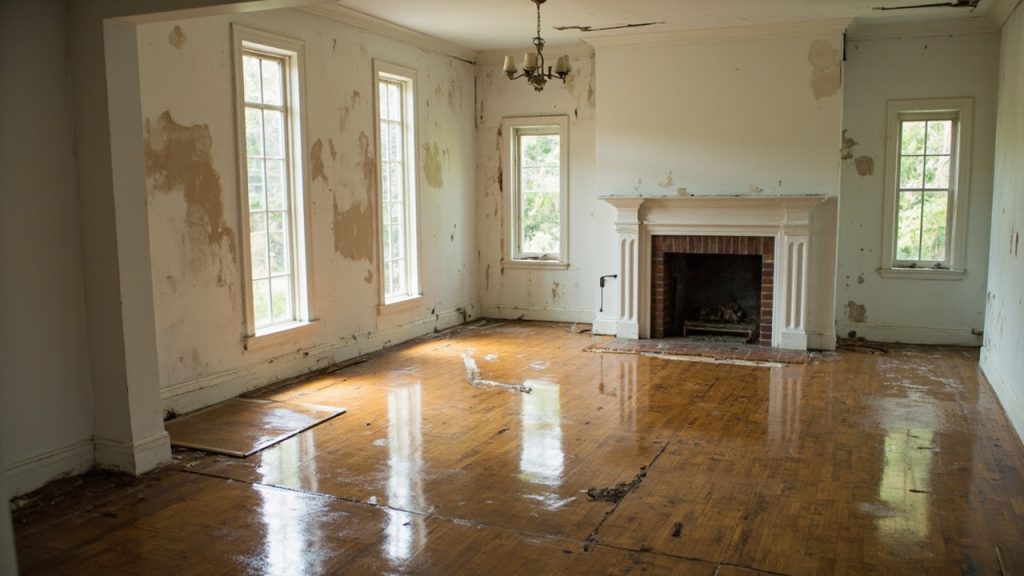
You get back from two weeks away, open the front door of your Arden Park property, and the smell hits you before you even flip the light switch. That musty, damp odor means one thing: water has been sitting somewhere in that house for days, maybe weeks. This is vacant home water damage, and it is one of the most expensive and stressful situations a Detroit property owner can face.
The reason it gets so bad is time. A leak that would cost a few hundred dollars to fix on Day 1 can turn into a full mold remediation, structural drying, and flooring replacement project by Day 14. In a city with Michigan’s climate extremes, from polar vortex pipe bursts in January to heavy summer humidity that spikes indoor moisture levels, undetected water damage moves fast.
Here is exactly what you need to do, understand, and watch out for.
Your First 60 Minutes Back at the Property
Do not walk in and start pulling up carpet. Your first priority is safety, not cleanup.
Check for Electrical Hazards Before Anything Else
Standing water near electrical outlets, panels, or appliances is a electrocution risk. If you see water near any electrical source, do not enter that space. Call Detroit Edison (DTE Energy) to shut off power to the property before you go in.
If the water is contained to a single room away from electrical sources, you can likely enter safely. But be cautious on warped or buckling floors, which can give way under weight.
Shut Off the Main Water Supply Immediately
Even if the active leak has stopped, shut off the main valve. In most older Arden Park homes, the shut-off is in the basement near the front foundation wall, close to the water meter. If the leak is still active, stopping the water source prevents further saturation of walls, subfloors, and joists.
Document Everything Before You Touch It
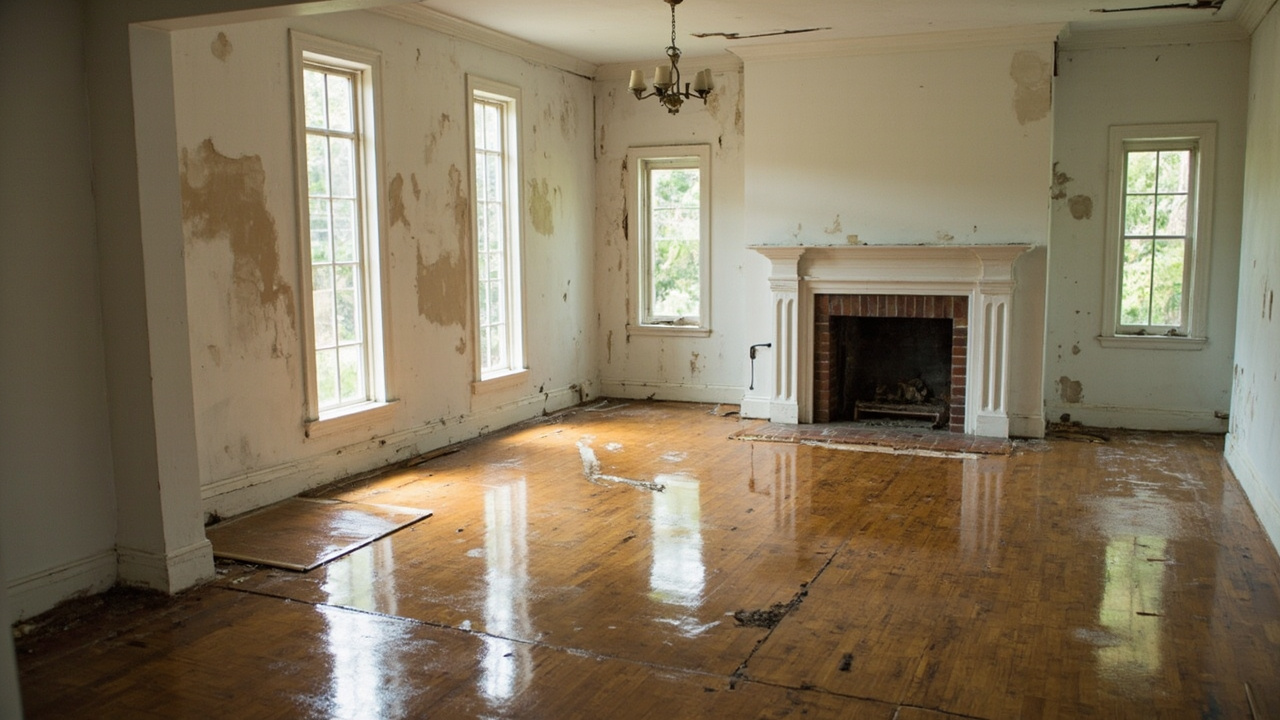
Take video. Walk every room. Capture water lines on walls, damaged flooring, ceiling staining, and any visible mold growth. This documentation is the foundation of your insurance claim. Do not move or discard damaged materials until a restoration professional or your adjuster has seen the damage.
Common Causes of Vacant Home Water Damage in Detroit
Detroit’s climate creates specific vulnerabilities that vacant properties face more than occupied ones. Here are the most common culprits we find in Arden Park and surrounding neighborhoods like Palmer Woods and Indian Village.
Burst Pipes During Michigan Winters
When temperatures drop below 20°F, which happens regularly during polar vortex events in Wayne County, water inside pipes can freeze and expand. The pipe itself may not burst immediately. It often cracks during the freeze and then ruptures when temperatures rise and ice thaws. If no one is home to hear that water, it can run for hours into walls, ceilings, and crawl spaces.
Copper supply lines in the exterior walls of older Arden Park homes, many of which were built between the 1920s and 1940s, are especially vulnerable. Uninsulated pipes in unheated garages and crawl spaces are the first to go.
Sump Pump Failure in Detroit Basements
Detroit sits on a high water table. Most basements in this area rely on a sump pump to keep groundwater from seeping in through the foundation. When a sump pump fails because of a power outage, a burned-out motor, or a stuck float switch, a basement can take on several inches of water in a matter of hours during a heavy rain event.
If your Arden Park property sits empty and the sump pump fails in May or June during Michigan’s spring rain season, that standing basement water will begin growing mold colonies within 24 to 48 hours. By the time you return two weeks later, you may be looking at Category 3 contaminated water and significant structural damage to wood framing and drywall.
Roof Leaks and Ice Dams
Ice dams form when heat escapes through the attic, melts snow on the roof, and that meltwater refreezes at the cold eaves. The backed-up water then forces its way under shingles and into the attic and ceiling. In a vacant home, this leak can drip steadily for weeks before anyone notices the water staining on plaster ceilings below.
Slow Supply Line Failures
The braided stainless or rubber supply lines under bathroom sinks and behind toilets have a service life. When they fail, they can release water at the full pressure of your supply line continuously until the valve is shut. A single failed toilet supply line can release thousands of gallons into your home over a two-week absence.
The Insurance Gap Most Vacation Home Owners Miss
This is where a lot of Detroit property owners get blindsided. Standard Michigan homeowners insurance policies contain vacancy clauses that can void or severely limit your coverage if your home has been unoccupied beyond a set threshold, typically 30 to 60 consecutive days.
Understanding the 30-Day Vacancy Rule
Most standard policies define a home as “vacant” when it has been unoccupied and essentially empty of personal property for 30 consecutive days or more. Once your property crosses that threshold, many perils, including water damage from burst pipes, are either excluded entirely or subject to a dramatically reduced payout.
If you are using your Arden Park home seasonally or as a second property, you need to read your policy’s vacancy clause carefully. Some insurers require you to purchase a separate vacant home endorsement or a dedicated vacant dwelling policy to maintain coverage.
For a detailed walkthrough of how to handle the claims process when water damage has already occurred, read our guide on how to get your Detroit home insurance to actually pay for water restoration. It covers documentation, adjuster conversations, and what insurers look for when evaluating vacant home claims.
How to Document Damage for a Successful Claim
Regardless of vacancy status, strong documentation improves your claim outcome. Your documentation package should include timestamped video of all affected areas, photos of the source of the leak, any maintenance records showing the property was serviced, and receipts or logs of regular check-ins by a property manager or neighbor.
If you have a Corktown rental or secondary Detroit property and have already dealt with the claims process, our article on filing a successful water damage insurance claim walks through that process in detail.
What Professional Water Damage Restoration Actually Involves
A restoration crew does far more than extract water with a wet vac. IICRC-certified (Institute of Inspection Cleaning and Restoration Certification) technicians follow a structured process that addresses both the visible damage and the hidden moisture that causes mold growth and structural failure.
Thermal Imaging and Moisture Mapping
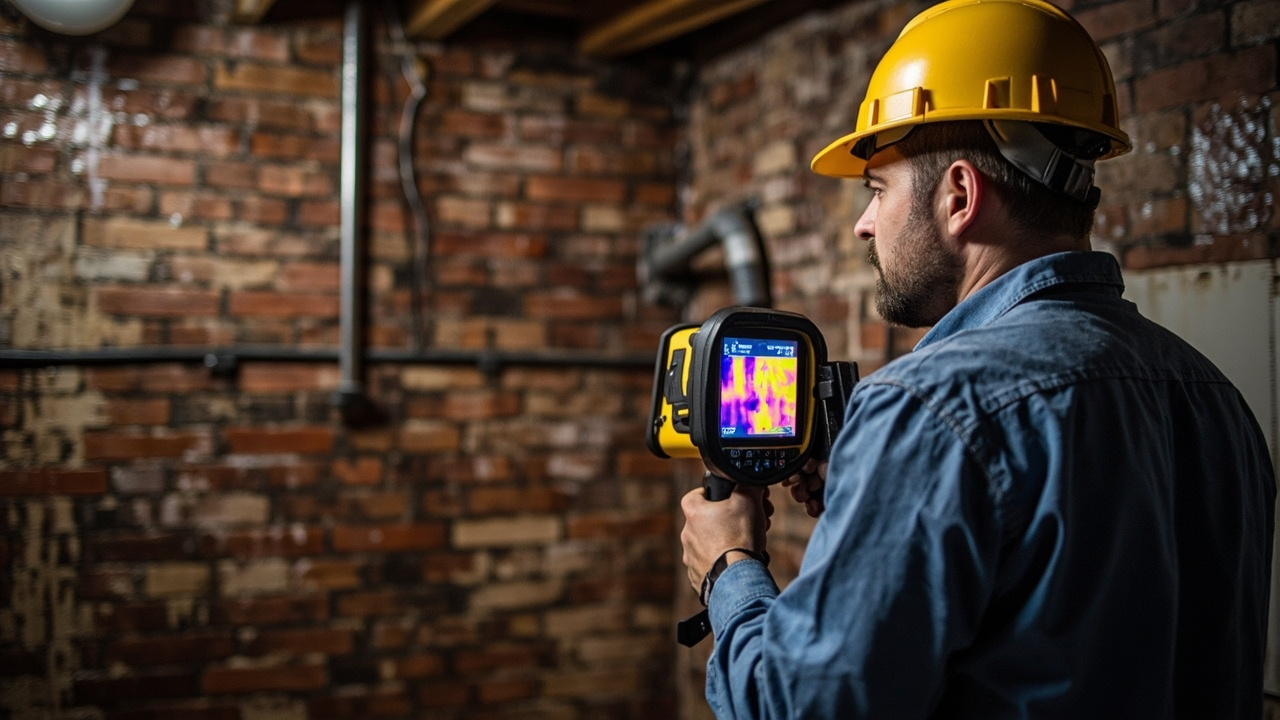
The first step is finding all the water, including water you cannot see. Thermal imaging cameras detect temperature differentials in walls, ceilings, and floors caused by moisture. A competent technician will map every wet cavity before any drying begins. Skipping this step leads to mold growth behind walls months later.
Water Classification and Extraction
Not all water is the same. Restoration professionals classify water damage into three categories. Category 1 is clean water from a supply line. Category 2 is grey water with some contamination, such as water from an overflow or dishwasher. Category 3 is black water, which includes sewage backups or floodwater that has been standing long enough to harbor bacteria and pathogens.
The classification affects how materials are handled. Category 3 water damage typically requires removal of drywall, flooring, and insulation that cannot be safely dried and retained. Standing water in a Detroit basement that has been there for two weeks almost always qualifies as Category 3.
Industrial Dehumidification and Structural Drying
Extraction removes bulk water. Drying removes moisture from building materials. Restoration crews use large-capacity refrigerant dehumidifiers and high-velocity air movers to lower the relative humidity of the affected space and force moisture out of wet materials like wood framing, subfloor, and drywall. This process typically takes three to five days depending on the extent of saturation.
In Detroit summers, where outdoor relative humidity can average 75 to 80 percent, drying a structure requires equipment powerful enough to overcome the ambient moisture load. A residential dehumidifier from a hardware store will not accomplish this.
Mold Remediation When Growth Has Already Started
If water has been sitting for more than 48 hours, mold growth is likely. Arden Park properties with plaster walls over wood lath, which is common in homes from the early 20th century, can hide extensive mold growth inside wall cavities. IICRC-certified mold remediation involves containment, negative air pressure with HEPA filtration, removal of contaminated materials, and surface treatment.
Bleach on visible mold surface is not a remediation strategy. It kills surface spores but does not penetrate porous materials or address the moisture source. Our article on why bleach won’t fix basement mold explains why that approach makes the problem worse over time.
Damage Timelines for Vacant Home Water Events
| Time Elapsed | What Is Happening | Typical Materials Affected | Restoration Complexity |
|---|---|---|---|
| 0 to 24 hours | Active saturation, drywall swelling, flooring absorbing water | Drywall, carpet, hardwood, subfloor | Low to moderate |
| 24 to 48 hours | Mold spore germination begins, wood begins to warp | Framing, subfloor, drywall, insulation | Moderate |
| 2 to 7 days | Visible mold growth, drywall crumbling, paint peeling | Framing, drywall removal likely required, carpet loss | Moderate to high |
| 7 to 14 days | Structural compromise possible, Category 3 water classification likely | Joists, beams, plaster, extensive mold colonies | High |
| 14 days and beyond | Significant structural damage, potential Wayne County code violations for unsafe structure | Full demolition of affected areas often required | Very high |
Protecting Specific Materials in Your Arden Park Property
Many Arden Park homes have original hardwood floors, plaster walls, and period woodwork. These materials require specific attention during a water event.
Hardwood floors can sometimes be saved if drying begins within 24 to 48 hours. Cupping and crowning in wood floors is a direct response to moisture imbalance. Once the wood is dried back to its equilibrium moisture content, floors may flatten and be salvageable with sanding and refinishing. Our guide on saving hardwood floors after a water leak covers the decision points in detail.
Carpet in a vacant home that has been wet for more than 72 hours almost always needs to go. The padding acts as a sponge and is nearly impossible to dry completely. For more on that decision, see our resource on whether wet carpet can be saved.
Prevention Systems Worth Installing Before You Leave
The best outcome is not discovering damage when you return. It is being alerted within minutes of a leak starting.
- Smart water shut-off valves like the Moen Flo or Phyn Plus monitor water flow and can automatically shut off your main supply when they detect abnormal usage patterns. They connect to your home’s Wi-Fi and send alerts to your phone. For a vacant property, this is the most impactful single investment you can make.
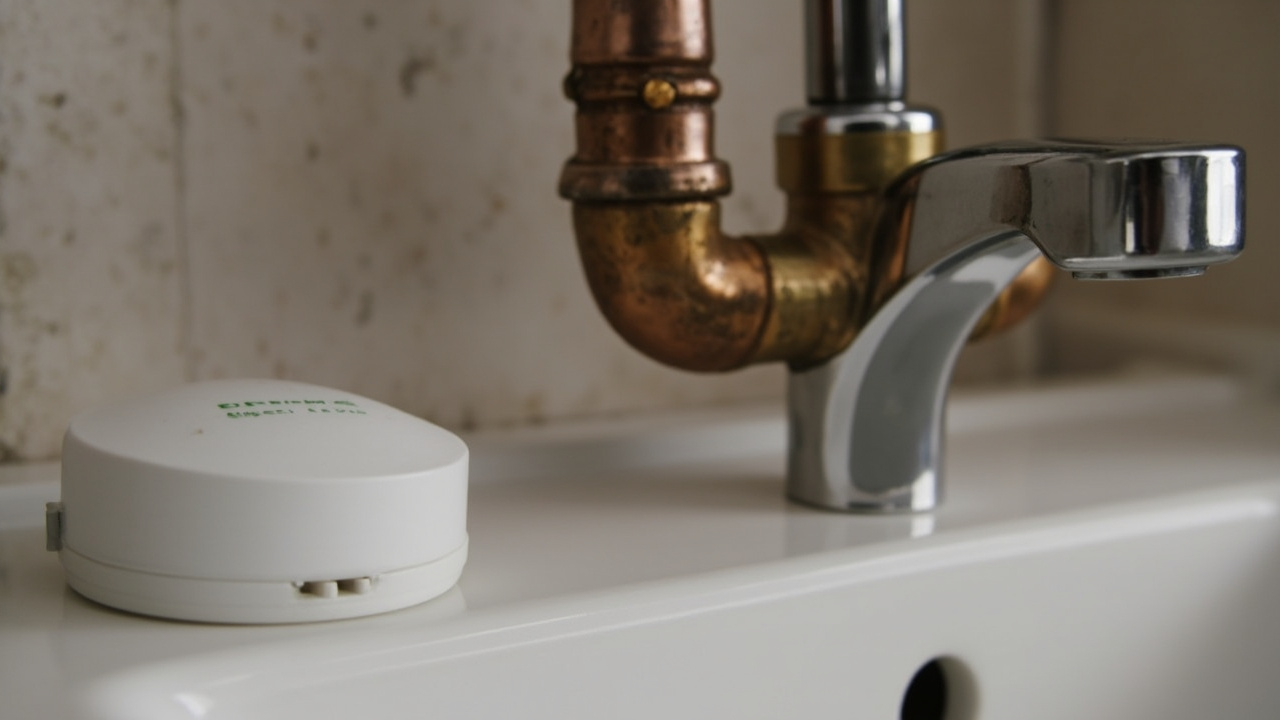
- Wi-Fi leak sensors placed under sinks, behind toilets, near the water heater, and around the sump pump crock provide early detection alerts. Sensors from brands like Govee or Aqara are low cost and reliable.
- Temperature monitoring via smart thermostats like Ecobee or Nest alerts you when interior temperatures drop toward freezing. Set your Arden Park property to maintain a minimum of 55°F when vacant to prevent pipe freeze.
- Sump pump battery backup systems keep the pump running during power outages. Given that Detroit sees significant thunderstorm activity from spring through early fall, a battery backup is essential for any Detroit basement.
- Property management check-ins through a local Detroit property manager can catch issues that technology misses. A weekly walk-through during extended absences provides a human set of eyes.
The EPA’s WaterSense program provides guidance on identifying common household leaks and calculating water loss over time, which is useful for understanding how much water a slow leak releases over a two-week absence.
Detroit Climate Factors That Affect Vacant Home Risk
| Season | Primary Risk | Average Humidity Level | Specific Concern for Vacant Homes |
|---|---|---|---|
| Winter (Dec to Feb) | Frozen and burst pipes, ice dams | 65 to 75% indoors if unheated | Pipe freeze in unheated spaces, no one to hear water running |
| Spring (Mar to May) | Sump pump overload, foundation seepage | 60 to 70% outdoors | Heavy rain + snowmelt overwhelms drainage systems |
| Summer (Jun to Aug) | High ambient humidity accelerates mold growth | 75 to 85% outdoors | Existing moisture in walls grows mold rapidly without A/C running |
| Fall (Sep to Nov) | Roof vulnerabilities before winter, early freeze events | 55 to 70% outdoors | Leaves blocking gutters cause overflow against foundations |
For IICRC standards on water damage classification and restoration procedures, the IICRC’s published ANSI standards define the protocols that certified restoration firms are required to follow. When you hire a restoration company, asking for their IICRC certification number is a reasonable baseline check.
When to Call a Detroit Restoration Crew and What to Expect
If you have discovered water damage in your Arden Park or greater Detroit metro property, do not wait to see if it dries on its own. It will not. Water moves into building materials quickly and dries slowly without mechanical assistance.
A reputable Detroit restoration crew should be on-site within 60 minutes of your call for emergency response situations. They should bring moisture meters, thermal imaging equipment, and extraction gear to the first visit. Anything less is a sign they are not equipped for a serious vacant home water loss.
Get a written scope of work that identifies affected materials, the drying goal in terms of target moisture content, and a timeline before work begins. This document becomes part of your insurance claim and protects you if there are disagreements later.
The damage you can see is rarely the full picture. Moisture mapping in the walls will tell the real story. Trust the equipment readings over what things look like on the surface.
{
“@context”: “https://schema.org”,
“@type”: “BlogPosting”,
“headline”: “What Happens to Your Arden Park Vacation Home When a Hidden Leak Goes Undetected for Weeks”,
“description”: “Vacant home water damage in Detroit’s Arden Park can spiral fast. Here’s exactly what to do, what your insurance may not cover, and how to protect your property.”,
“wordCount”: 2308,
“datePublished”: “2026-04-29T09:12:00.000Z”,
“dateModified”: “2026-04-29T09:12:00.000Z”,
“inLanguage”: “en-US”,
“mainEntityOfPage”: {
“@type”: “WebPage”,
“@id”: “https://ironwoodwaterdamagerestorationdetroit.com”
},
“publisher”: {
“@type”: “LocalBusiness”,
“name”: “Ironwood Water Damage Restoration Detroit”,
“url”: “https://ironwoodwaterdamagerestorationdetroit.com”
},
“author”: {
“@type”: “Organization”,
“name”: “Ironwood Water Damage Restoration Detroit”,
“url”: “https://ironwoodwaterdamagerestorationdetroit.com”
},
“image”: {
“@type”: “ImageObject”,
“url”: “https://ironwoodwaterdamagerestorationdetroit.com/wp-content/uploads/2026/03/what-to-do-if-your-arden-park-vacation-home-suffer-1.jpg”
}
}
{
“@context”: “https://schema.org”,
“@type”: “LocalBusiness”,
“name”: “Ironwood Water Damage Restoration Detroit”,
“url”: “https://ironwoodwaterdamagerestorationdetroit.com”,
“address”: {
“@type”: “PostalAddress”,
“addressLocality”: “Detroit”
},
“areaServed”: {
“@type”: “City”,
“name”: “Detroit”
}
}
{
“@context”: “https://schema.org”,
“@type”: “BreadcrumbList”,
“itemListElement”: [
{
“@type”: “ListItem”,
“position”: 1,
“name”: “Home”,
“item”: “https://ironwoodwaterdamagerestorationdetroit.com”
},
{
“@type”: “ListItem”,
“position”: 2,
“name”: “Blog”,
“item”: “https://ironwoodwaterdamagerestorationdetroit.com/blog”
},
{
“@type”: “ListItem”,
“position”: 3,
“name”: “What Happens to Your Arden Park Vacation Home When a Hidden Leak Goes Undetected for Weeks”
}
]
}
{
“@context”: “https://schema.org”,
“@type”: “Service”,
“serviceType”: “Water Damage Restoration”,
“provider”: {
“@type”: “LocalBusiness”,
“name”: “Ironwood Water Damage Restoration Detroit”,
“url”: “https://ironwoodwaterdamagerestorationdetroit.com”
},
“areaServed”: {
“@type”: “City”,
“name”: “Detroit”
},
“description”: “Vacant home water damage in Detroit’s Arden Park can spiral fast. Here’s exactly what to do, what your insurance may not cover, and how to protect your property.”
}