
Furnace Leaking Water in Summer? Causes, Fixes, and When to Call a Detroit Pro
You walk past your furnace on a hot July afternoon and notice a puddle on the floor. The heat is off. So why is water coming out of your furnace? This is one of the most confusing situations homeowners in Clinton Township, Sterling Heights, and across Metro Detroit deal with every summer. The short answer is that your furnace and your central air conditioning system share the same ductwork, and that shared relationship is exactly what causes the leak.
Left alone, that puddle can saturate subflooring, feed mold colonies behind drywall, and cost far more to fix than the original HVAC problem. This guide explains what is happening, what you can do right now, and when water damage restoration becomes necessary.
Why Your Furnace Leaks Even When the Heat Is Off
Your furnace is not leaking because of a heating problem. In summer, your air conditioning system uses the furnace cabinet as a housing unit for the evaporator coil. As warm indoor air passes over that coil, heat is absorbed and moisture condenses out of the air, the same way a cold glass sweats on a humid August afternoon in Macomb County.
Metro Detroit summers are genuinely brutal for HVAC systems. According to the National Weather Service Detroit/Pontiac office, average relative humidity in Southeast Michigan during July and August regularly sits between 70 and 80 percent. That means your evaporator coil is pulling significant volumes of water vapor out of your indoor air every single day. A properly functioning system routes that condensate safely through a drain line and out of your home. When any part of that pathway fails, water ends up on your floor.
High-efficiency furnaces add another layer to this. A two-stage or modulating furnace extracts so much heat from combustion gases that those gases actually condense inside the heat exchanger, producing additional condensate even during the off-season when the heating function briefly cycles. Older homes in areas like Grosse Pointe and Eastpointe with 80 percent AFUE furnaces will not have this secondary condensate issue, but they still deal with all the AC-related drainage problems described below.
The Four Most Common Causes of Summer Furnace Leaks
1. Clogged Condensate Drain Line (The Number One Culprit)
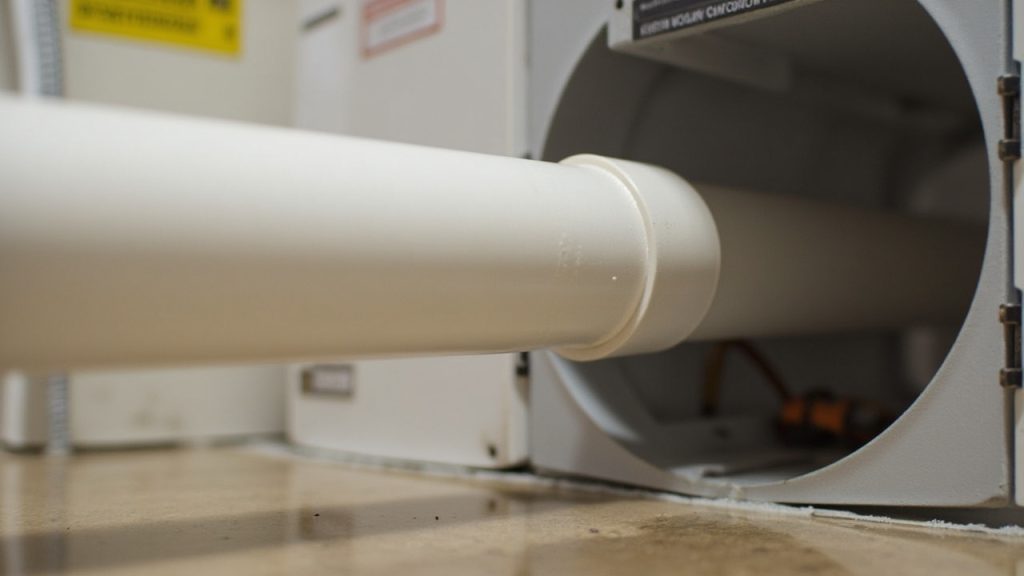
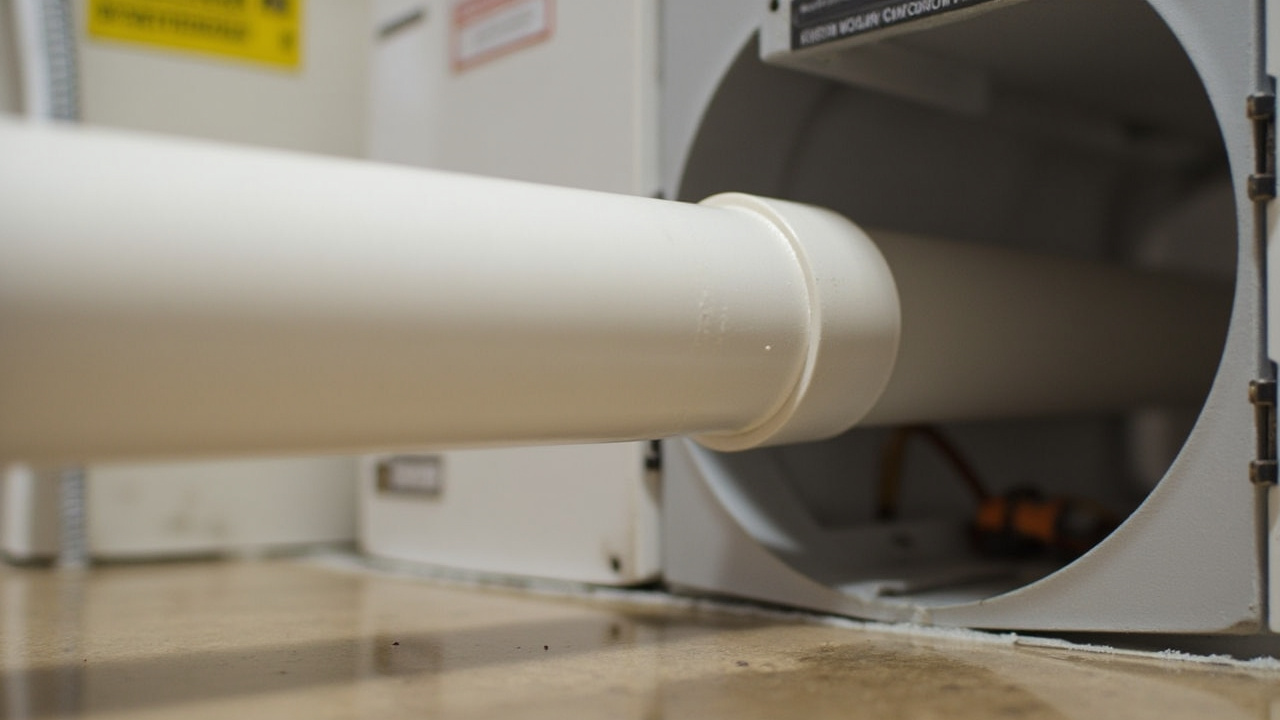
The condensate drain line is a small PVC pipe, usually three-quarters of an inch in diameter, that carries water from the drain pan below the evaporator coil to a floor drain or utility sink. Over a Michigan winter and spring, algae, mold, and mineral deposits from hard water accumulate inside that line. By the time your AC runs full tilt in June, the line is partially or fully blocked.
Water backs up into the drain pan. The pan overflows. You get a puddle.
You can often clear a clogged condensate drain line yourself. Here is how to do it safely:
- Turn off your thermostat and shut off the AC at the breaker.
- Locate the condensate drain line. It exits the furnace cabinet, usually from a PVC fitting near the bottom, and runs toward a drain.
- Find the access port or T-fitting on the line. Remove the cap.
- Pour a cup of distilled white vinegar into the access port. Let it sit for 20 to 30 minutes.
- Use a wet-dry shop vac to suction from the outdoor or indoor exit point of the drain line for two to three minutes.
- Flush with a cup of clean water and check that it flows freely.
- Restore power and monitor the drain pan for 30 minutes after the AC resumes cooling.
If the line is completely blocked or made of older rubber tubing common in pre-2000 Clinton Township construction, a licensed HVAC technician should clear and re-slope it properly.
2. Cracked or Overflowing Secondary Condensate Tray
Most systems have a primary drain pan directly under the evaporator coil and a secondary condensate tray below that as a backup. Over years of use, plastic pans crack. Metal pans rust through. When the primary pan fails or overflows due to a clogged line, the secondary tray becomes the last defense. If that tray is also compromised, water goes directly onto your utility room floor or, in homes with attic air handlers like many ranch-style homes in Shelby Township, it can drip through ceilings.
Inspect both pans visually. Look for rust staining, standing water, or visible cracks. A cracked pan needs replacement, not patching with tape. Temporary fixes fail during peak cooling demand.
3. Frozen Evaporator Coils
When airflow across the evaporator coil drops below what the system needs, the coil gets too cold and ice forms on it. Common causes include a dirty air filter, blocked return air vents, or low refrigerant charge from a refrigerant leak. When the system cycles off or you shut it down, that ice melts rapidly, dumping far more water into the drain pan than it was designed to handle at once.
Signs of a frozen coil include reduced airflow from supply registers, ice visible on the refrigerant line leaving the furnace cabinet, and intermittent cooling followed by flooding. If you suspect a refrigerant leak, an HVAC technician must diagnose it. Refrigerant handling requires EPA Section 608 certification and is not a DIY job.
4. Faulty Condensate Pump
Not every home in Metro Detroit has a floor drain near the furnace. Finished basements in newer Clinton Township subdivisions often rely on a condensate pump, a small electric pump that lifts condensate water up and out through a line to a drain or exterior exit point. These pumps have a float switch that triggers the pump when water reaches a certain level.
When the pump motor fails or the float switch sticks, water rises past the pump reservoir and spills onto the floor. Test the pump by slowly pouring water into the reservoir and confirming the pump activates and discharges. If it does not, replace the unit. Condensate pump replacement is a straightforward job for a handyman or HVAC technician.

Immediate Steps to Prevent Water Damage After You Find the Leak
Speed matters. Water on a concrete utility room floor is a minor inconvenience. Water that migrates under flooring or into adjacent drywall becomes a significant restoration project.
- Shut off the AC system at the thermostat immediately to stop additional condensate production.
- Soak up standing water with towels or a wet-dry vac. Do not use a standard household vacuum.
- Move any stored items, cardboard boxes, or furniture away from the wet area.
- Place a fan pointed at the wet area to begin drying. If you have a dehumidifier, run it in the space.
- Photograph everything before you clean it up. This matters for insurance documentation.
- Check adjacent spaces. If the furnace sits against a wall, check the other side and the ceiling below if the unit is on an upper floor.
If water has been leaking for more than 24 hours or if you see any discoloration on drywall or flooring, contact a water damage restoration professional. At that point, the issue is beyond a simple mop-up.
For homeowners navigating insurance coverage, our guide on how to get your Detroit home insurance to actually pay for water restoration walks through exactly what to document and how to approach your claim.
The Hidden Dangers of AC Condensate Leaks — Mold and Structural Damage
Mold is the real risk here, not the water itself. Mold colonies can establish on wet drywall, insulation, and wood framing in as little as 48 hours when temperatures are warm, and Michigan summers provide ideal mold growth conditions. A furnace room that stays in the mid-70s Fahrenheit with a moisture source is essentially a petri dish.
Mold behind drywall or under flooring does not smell immediately. By the time you notice a musty odor in your home, the colony is already well established. Residents in older Ferndale and Hazel Park homes, where original wood subflooring is common, face higher risk because wood retains moisture longer than concrete.
The EPA’s guidance on mold remediation is clear that porous materials like drywall and insulation that have been wet for more than 48 to 72 hours typically need to be removed rather than dried in place. This is exactly why a professional assessment after any furnace leak is worth the time. For a deeper look at why surface-level mold treatments fall short, read why bleach won’t fix your Ferndale basement mold and when to call a pro.
Subfloor saturation is the other major structural concern. Water that reaches hardwood flooring causes cupping, buckling, and staining. If you have hardwood anywhere near your HVAC system, read our resource on how to save your hardwood floors after a significant water leak. Carpet over a wet subfloor is a different problem — the padding traps moisture against the wood and accelerates mold growth. Our guide on deciding whether wet carpet in Sterling Heights can be saved or needs to go covers how professionals make that call.
HVAC Repair vs. Water Damage Restoration — Knowing Who to Call
Many homeowners call the wrong professional first. The HVAC technician fixes the leak source. The water damage restoration company handles what the water already damaged. These are separate scopes of work, and you often need both.
| Situation | Who to Call First | Why |
|---|---|---|
| Water actively dripping from furnace cabinet | HVAC technician | Stop the source before addressing damage |
| Standing water on utility room floor only | HVAC technician, then monitor | May be self-contained if caught early |
| Water under adjacent flooring or drywall contact | Water damage restoration company | Requires moisture mapping and professional drying equipment |
| Musty odor after a condensate leak | Water damage restoration company | Mold assessment and remediation needed |
| Ceiling staining below an attic air handler | Water damage restoration company first | Hidden moisture extent must be mapped before repair |
| Insurance claim involved | Water damage restoration company | IICRC-certified documentation supports claim approval |
What Professional Water Damage Restoration Actually Looks Like
When an IICRC-certified restoration technician responds to a condensate-related water loss, the process follows a defined protocol. First, moisture mapping using thermal imaging cameras and non-invasive moisture meters establishes where water traveled beyond what is visible. This step is critical and often reveals damage inside walls or under flooring that a homeowner would miss entirely.
Next, commercial-grade air movers and desiccant or refrigerant dehumidifiers are placed according to a drying plan. The goal is to reduce structural moisture content to pre-loss levels within a specific drying window, typically three to five days for residential losses. Daily monitoring ensures the equipment is working and adjustments are made as needed.
If mold is present, mold remediation follows a separate containment and removal protocol before any reconstruction begins. For homeowners with a Corktown or Midtown bungalow where the mechanical room is adjacent to finished living space, this containment step is especially important to prevent cross-contamination to the rest of the home. Our resource on filing a successful water damage insurance claim for your Corktown home explains how to document this process for your insurer from day one.
A Damage Assessment Checklist for Subfloor Saturation
Use this checklist if you have had a condensate leak and want to assess whether professional drying is necessary before calling a restoration company:
| Assessment Point | What to Look For | Action Needed |
|---|---|---|
| Visible discoloration on drywall | Yellow or brown staining low on walls near furnace | Professional moisture check required |
| Flooring feel | Soft spots, buckling, or springiness when walking | Subfloor saturation likely, call restoration |
| Baseboard condition | Swelling, paint bubbling, or separation from wall | Moisture wicked into wall cavity |
| Odor | Musty or earthy smell in the room | Mold assessment needed immediately |
| Duration of leak | Longer than 24 to 48 hours before discovery | Professional drying and inspection required |
| Adjacent rooms | Discoloration or odor in rooms sharing a wall | Moisture has migrated, professional assessment needed |
Preventing Future Summer Furnace Leaks
Preventive maintenance during spring, before Detroit’s humidity season hits, eliminates most of these problems before they start.
- Pour a cup of vinegar into the condensate drain access port every April. This prevents algae buildup through the summer.
- Replace your air filter every 30 days during peak cooling season. A dirty filter is the leading cause of frozen evaporator coils.
- Have an HVAC technician check refrigerant charge and coil condition annually. Low refrigerant accelerates coil freezing.
- Inspect the primary drain pan visually at the start of each cooling season. Look for rust, cracks, or residual standing water.
- If your home has a condensate pump, test it every spring by pouring water into the reservoir and confirming activation.
- Keep the area around your furnace and air handler clear of stored items. Cardboard and fabric absorb moisture and feed mold.
Homeowners in Macomb County and the northern Metro Detroit suburbs deal with particularly hard water, which deposits calcium and mineral scale inside condensate lines faster than in other parts of the region. If your home uses well water or sits in a high-hardness water zone, consider an annual professional drain line flush rather than relying on vinegar alone.
A summer condensate leak is a fixable problem when you catch it fast. It becomes a mold remediation and structural drying project when you do not. If you are already past the early stage, or if you are not sure how far the water traveled, the safest move is a professional moisture assessment first. Restoration is significantly less expensive than reconstruction.
If you are in the Metro Detroit area and dealing with a furnace leak that has gone beyond a simple puddle, reach out to a certified water damage restoration company right away. The longer wet building materials sit, the more the scope of work grows. A quick call today saves a much larger headache in two weeks.
{
“@context”: “https://schema.org”,
“@type”: “BlogPosting”,
“headline”: “Why Your Furnace Is Leaking Water in the Middle of a Clinton Township Summer”,
“description”: “Furnace leaking water this summer in Metro Detroit? Learn the real causes, DIY steps, and when to call a water damage restoration pro. Fast, local help.”,
“wordCount”: 2283,
“datePublished”: “2026-05-02T08:21:00.000Z”,
“dateModified”: “2026-05-02T08:21:00.000Z”,
“inLanguage”: “en-US”,
“mainEntityOfPage”: {
“@type”: “WebPage”,
“@id”: “https://ironwoodwaterdamagerestorationdetroit.com”
},
“publisher”: {
“@type”: “LocalBusiness”,
“name”: “Ironwood Water Damage Restoration Detroit”,
“url”: “https://ironwoodwaterdamagerestorationdetroit.com”
},
“author”: {
“@type”: “Organization”,
“name”: “Ironwood Water Damage Restoration Detroit”,
“url”: “https://ironwoodwaterdamagerestorationdetroit.com”
},
“image”: {
“@type”: “ImageObject”,
“url”: “https://ironwoodwaterdamagerestorationdetroit.com/wp-content/uploads/2026/03/the-hidden-reason-your-furnace-is-leaking-water-du-1.jpg”
}
}
{
“@context”: “https://schema.org”,
“@type”: “LocalBusiness”,
“name”: “Ironwood Water Damage Restoration Detroit”,
“url”: “https://ironwoodwaterdamagerestorationdetroit.com”,
“address”: {
“@type”: “PostalAddress”,
“addressLocality”: “Detroit”
},
“areaServed”: {
“@type”: “City”,
“name”: “Detroit”
}
}
{
“@context”: “https://schema.org”,
“@type”: “BreadcrumbList”,
“itemListElement”: [
{
“@type”: “ListItem”,
“position”: 1,
“name”: “Home”,
“item”: “https://ironwoodwaterdamagerestorationdetroit.com”
},
{
“@type”: “ListItem”,
“position”: 2,
“name”: “Blog”,
“item”: “https://ironwoodwaterdamagerestorationdetroit.com/blog”
},
{
“@type”: “ListItem”,
“position”: 3,
“name”: “Why Your Furnace Is Leaking Water in the Middle of a Clinton Township Summer”
}
]
}
{
“@context”: “https://schema.org”,
“@type”: “Service”,
“serviceType”: “Water Damage Restoration”,
“provider”: {
“@type”: “LocalBusiness”,
“name”: “Ironwood Water Damage Restoration Detroit”,
“url”: “https://ironwoodwaterdamagerestorationdetroit.com”
},
“areaServed”: {
“@type”: “City”,
“name”: “Detroit”
},
“description”: “Furnace leaking water this summer in Metro Detroit? Learn the real causes, DIY steps, and when to call a water damage restoration pro. Fast, local help.”
}