
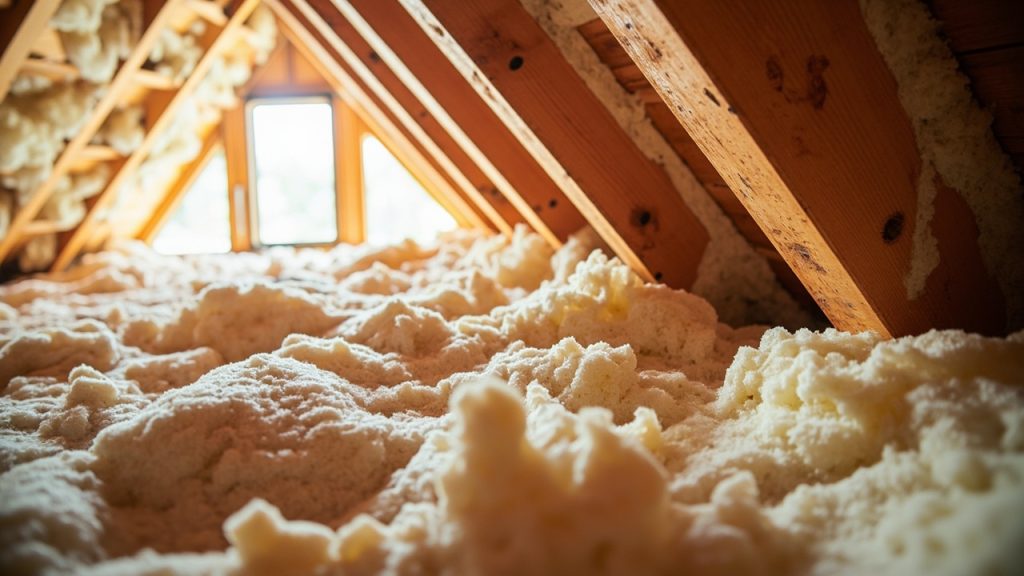
Your roof leaked. You found the source, patched it, and checked the attic. The insulation looks fine. Maybe a little matted, but dry to the touch. You figure you dodged a bullet.
You probably didn’t.
This is the single most common mistake we see from homeowners in Eastpointe, Roseville, and across the east side of Metro Detroit after a roof leak or ice dam event. Insulation that looks dry on the surface can be holding moisture deep in its core, and that moisture is already doing damage you can’t see.
What Wet Insulation Actually Does to Your Attic
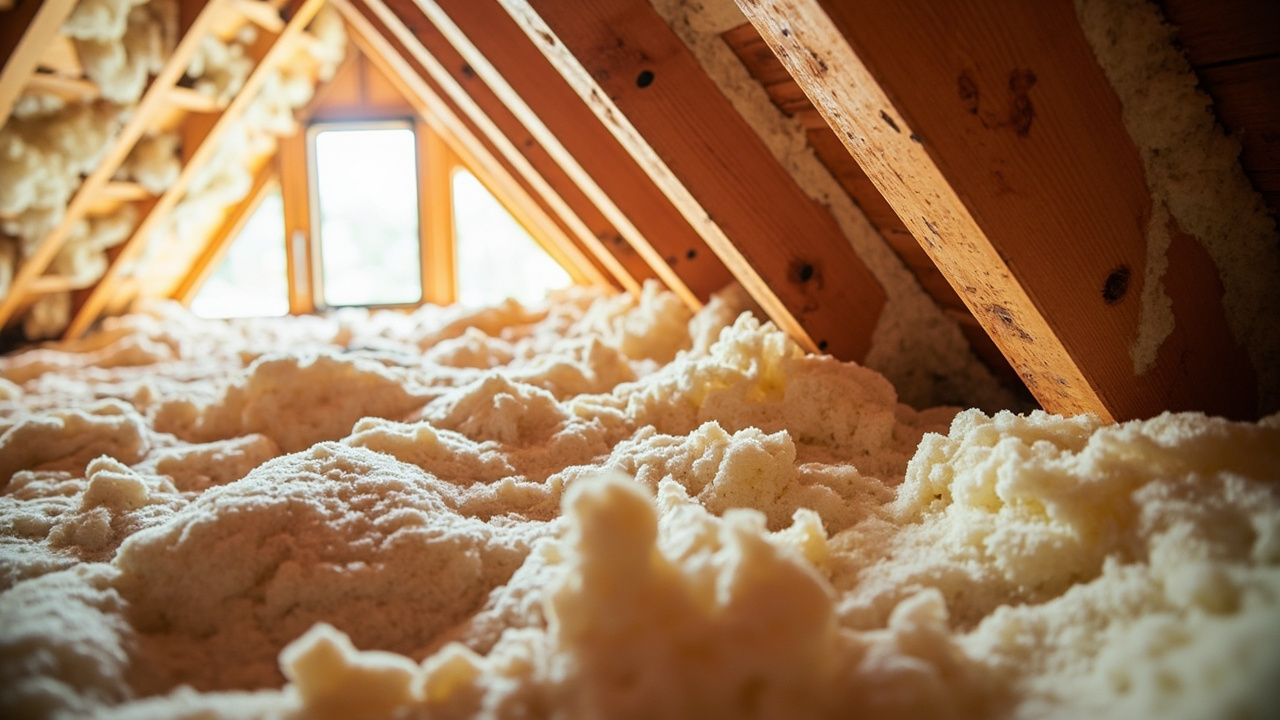
Attic insulation is not like a wet towel you can just wring out and hang up. The physics of how cellulose and fiberglass batt insulation absorb and release moisture is the reason that visual inspection alone misses the problem more than half the time.
The R-Value Collapse You Can’t See
R-value measures thermal resistance. Michigan sits in Climate Zone 5, meaning the U.S. Department of Energy’s residential energy code recommends R-49 to R-60 for attic insulation in this region. That’s not a suggestion. It’s the minimum to keep your heating costs manageable during a Detroit January.
When cellulose insulation gets wet, it can lose up to 40 percent of its R-value even after it appears to dry out. The fibers mat down and compact. They never return to their original loft. Fiberglass batts fare slightly better, but saturated batts develop thermal bridging, meaning cold spots form where the insulation is thinned or compressed.
The result is a heating bill that creeps up month after month, and you never connect it to that roof leak from three months ago.
Mold Growth Starts in 24 to 48 Hours
The EPA’s guidance on mold and moisture is clear on this point. Mold colonies can begin forming on wet organic material within 24 to 48 hours at typical indoor temperatures. Attic cellulose insulation is made from recycled paper. It is organic. It is exactly the kind of substrate mold thrives on.
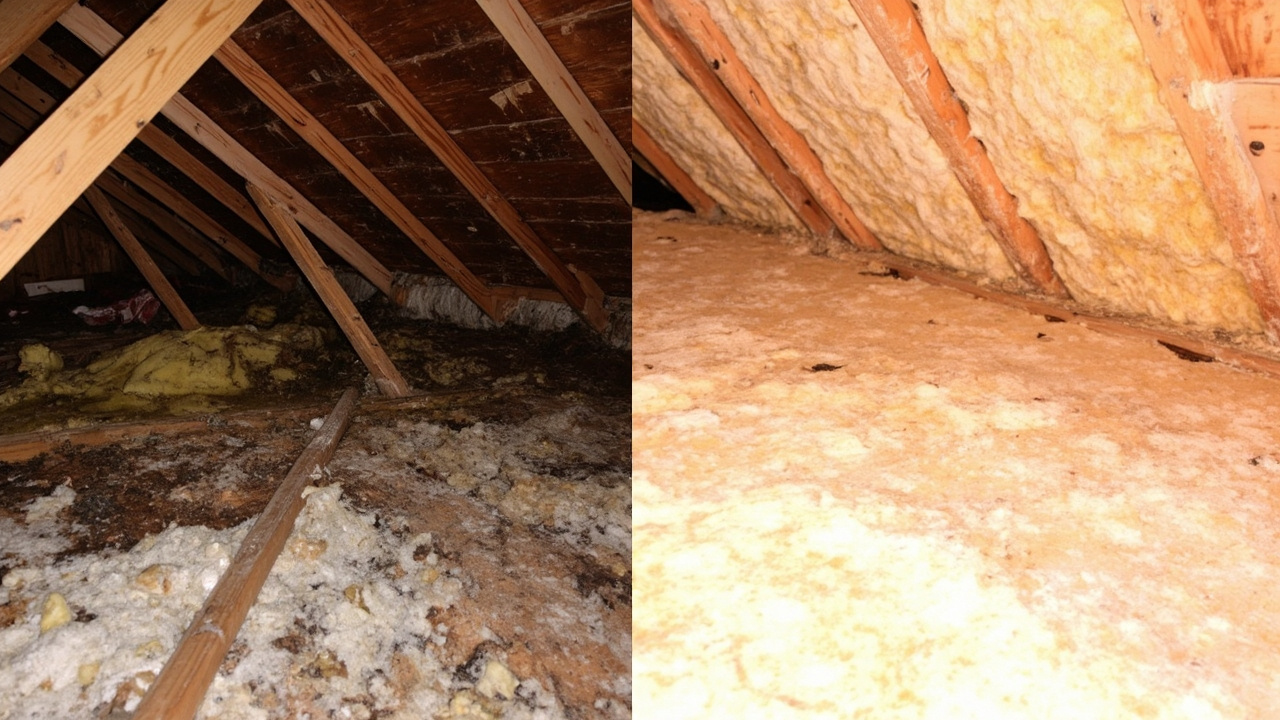
Fiberglass itself doesn’t feed mold, but the dust, debris, and organic particles trapped in saturated fiberglass batts absolutely do. We’ve pulled fiberglass insulation from attics in St. Clair Shores and Clinton Township that looked clean from below but had active mold colonies growing on the facing paper and on the rafters directly underneath.
By the time you smell something musty in your second-floor bedrooms, the mold is already well-established. At that point, you’re not just replacing insulation. You’re doing full mold remediation under IICRC S500 Standards, which adds both time and cost to the job.
Structural Wood Rot and What It Means for Your Rafters
Moisture that saturates insulation migrates into the rafters, sheathing, and any wood framing it contacts. In an Eastpointe home, where many of the housing stock dates back several decades, that framing wood is often older-growth lumber that has been through many freeze-thaw cycles already.
Prolonged moisture contact causes wood rot. Rot is not just a cosmetic problem. It compromises the structural integrity of your roof deck. A rafter that looks solid can be soft and punky two inches below the surface. We’ve seen roof sheathing in Wayne County attics that crumbled when we pushed a moisture probe into it, despite the surface looking intact.
Catch it early with professional moisture mapping and you’re replacing insulation. Miss it for a season and you may be replacing sheathing and rafters too.
Why Eastpointe Attics Face Specific Risks
Eastpointe and the surrounding communities in Macomb County sit at a specific intersection of climate and housing stock that makes attic water damage especially common.
Ice Dams Are the Number One Cause
When heat escapes through an under-insulated or unevenly insulated attic, it warms the roof deck and melts snow from the bottom up. That meltwater runs down the slope and refreezes at the cold eaves, forming an ice dam. Water backs up behind the dam and finds any gap in the roofing membrane, the flashing, or around penetrations.
Eastpointe gets the same Great Lakes-effect snow events as the rest of Metro Detroit, and the older ranch and cape cod homes on the east side often have lower-pitched roofs with minimal overhang. Those roof geometries are ice dam factories. The irony is that the ice dam itself is usually a symptom of inadequate attic insulation, meaning the leak and the root cause are the same problem.
Bathroom Fan Venting into the Attic
This is more common than you’d expect in homes built before current Michigan Residential Code requirements tightened up. Bathroom exhaust fans that vent directly into the attic space, instead of through the roof or soffit to the exterior, pump warm humid air into the attic all year. In winter, that moisture condenses on the cold roof sheathing. Over months and years, it soaks the insulation from above.
We find this in homes across the east side of Detroit regularly. The insulation looks slightly yellow or matted, and there’s often a faint mildew odor. The homeowner has no idea the fan has been dumping moisture into the attic for five years.
Storm Damage and Flashing Failures
Severe thunderstorms and high winds are a regular feature of Metro Detroit summers. Wind-driven rain can push water through compromised ridge vents, around deteriorated flashing at chimneys and skylights, and through lifted shingles. A single storm event can introduce several gallons of water into the attic space before the homeowner notices water staining on the ceiling below.
The Difference Between Insulation Types When They Get Wet
| Insulation Type | Moisture Absorption | R-Value Recovery After Drying | Mold Risk | Typical Recommendation After Saturation |
|---|---|---|---|---|
| Cellulose (blown-in) | High, retains moisture for weeks | Poor, permanent compaction | High (organic material) | Replace in most cases |
| Fiberglass Batts | Moderate, water drains but debris remains | Moderate, batts may re-loft partially | Medium (facing paper is organic) | Evaluate moisture levels, often replace |
| Blown-in Fiberglass | Low to moderate | Good if dried within 48 hours | Low to medium | Dry first, replace if contaminated |
| Mineral Wool | Very low, naturally water-resistant | Excellent | Very low | Dry and inspect, often salvageable |
| Polyurethane Spray Foam (closed-cell) | Negligible, impermeable | Not applicable | Very low | Rarely needs replacement |
Closed-cell spray foam is the most water-resistant option available, but it’s also the most expensive to install. Most Eastpointe homes have either blown-in cellulose or fiberglass batts, which are the two types most vulnerable to permanent damage from moisture events.
What Professional Wet Attic Insulation Removal Actually Involves
This is not a shop-vac-and-bag job. Proper removal of contaminated attic insulation follows specific protocols to protect your home and the people doing the work.
Containment and Personal Protective Equipment
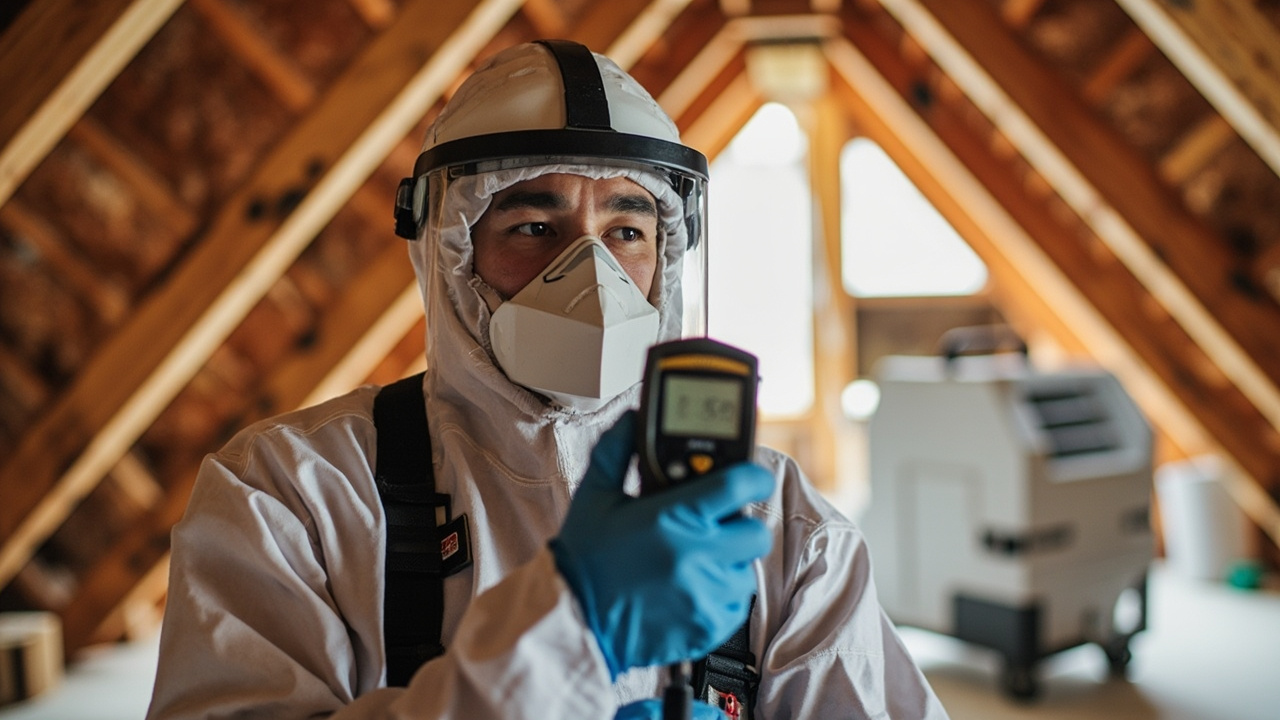
Before any material comes out, the attic access point is contained to prevent contaminated dust and mold spores from entering your living space. Technicians wear Tyvek suits, respirators rated for mold particulates, and gloves. This isn’t overcautious. Disturbing moldy insulation without containment can seed mold throughout your HVAC system and living areas.
HEPA Vacuum Extraction
Blown-in cellulose and fiberglass are extracted using industrial HEPA-filtered vacuum systems. Standard shop vacuums recirculate fine particles back into the air. HEPA filtration captures particles down to 0.3 microns, which includes mold spores and fine insulation fibers. The extracted material is bagged and disposed of per Michigan environmental guidelines.
Moisture Mapping and Structural Assessment
Once the insulation is out, every rafter, every piece of sheathing, and every top plate gets tested with calibrated moisture meters and thermal imaging cameras. We map the moisture readings across the entire attic floor and roof deck to find every area of elevated moisture content, including spots that were hidden under dry-looking insulation.
Any wood reading above 19 percent moisture content by weight is a structural concern. Any reading above 28 percent indicates active wood degradation. Those areas get targeted drying with industrial dehumidifiers and directed airflow before anything else happens.
Anti-Microbial Treatment
After structural drying is confirmed complete, we apply EPA-registered anti-microbial treatment to all exposed wood surfaces. This step is not optional when any mold growth was present. Skipping it and just putting new insulation over untreated wood is how mold comes back within a year.
Air Sealing Before Re-Insulation
This is where we add real long-term value. With the insulation out, we have full access to every penetration in your attic floor, every gap around ceiling boxes, plumbing stacks, and interior wall top plates. All of those get air-sealed with spray foam or caulk before new insulation goes in. This reduces thermal bridging, improves your actual R-value performance, and helps prevent the warm air movement that causes future ice dams.
New Insulation Installation
We recommend blown-in fiberglass or cellulose for most Eastpointe attics, depending on the existing ventilation setup and the homeowner’s budget. We verify that soffit vents and ridge vents are clear and functional, and that baffles are in place to maintain the ventilation channel at the eaves. Proper cross-ventilation is what keeps attic temperatures stable and prevents future moisture buildup.
DTE Energy currently offers rebates for qualifying insulation upgrades in Michigan homes. A professional contractor can help you document the before and after R-values to support a rebate application.
How the Professional Replacement Process Compares to DIY Attempts
| Task | DIY Approach | Professional Approach | Risk If Done Incorrectly |
|---|---|---|---|
| Moisture detection | Visual check, touch test | Calibrated moisture meters, thermal imaging | Miss hidden moisture, mold returns |
| Mold assessment | Look for visible growth | Surface and air sampling, IICRC protocol | Active mold covered by new insulation |
| Material extraction | Shop vac, manual bagging | Industrial HEPA vacuum extraction | Mold spores spread through living areas |
| Wood treatment | Often skipped | EPA-registered anti-microbial application | Mold regrowth within 6 to 12 months |
| Air sealing | Rarely performed | Full attic floor air sealing before re-insulation | Continued ice dam formation, energy loss |
| Insurance documentation | Self-photographed, minimal | Moisture logs, thermal photos, written scope | Claim denial or underpayment |
Working With Your Insurance Company on an Attic Insulation Claim
Michigan homeowners insurance typically covers sudden and accidental water damage, which includes a roof leak from storm damage or a one-time ice dam event. What it generally does not cover is long-term moisture accumulation from a bathroom fan that was venting into the attic for years. The distinction matters, and your adjuster will be looking at the evidence carefully.
Professional moisture mapping and written documentation of the damage scope are critical for a successful claim. Adjusters can be skeptical of attic claims because homeowners sometimes conflate a single storm event with years of deferred maintenance. When you have timestamped thermal imaging, calibrated moisture readings, and a written scope from a certified technician, you’re in a much stronger position.
If you want a detailed breakdown of how to handle the insurance side of a water damage claim, read our guide on how to get your Detroit home insurance to actually pay for water restoration. And if you’re dealing with a specific storm event, the piece on filing a successful water damage insurance claim walks through the documentation process step by step.
When the Attic Is Not Your Only Problem
Attic water damage rarely stays in the attic. Water follows gravity and finds pathways through ceiling assemblies, into wall cavities, and down to lower floors. If you’ve had a significant roof leak, it’s worth having the rooms below inspected as well.
Water that reached your second-floor hardwood flooring needs a different response than water in drywall. Our guide on how to save your hardwood floors after a significant water leak covers what’s salvageable and what isn’t. And if you’re seeing any dark staining or musty odors in areas below the leak, don’t assume bleach will fix it. Read why in our breakdown of why bleach won’t fix mold and when professional remediation is the only safe option.
Signs You Should Call a Professional Today
- You had a confirmed roof leak within the past 90 days and haven’t had the attic professionally inspected
- Your energy bills have increased without a clear explanation
- There is a musty smell in your upper floor bedrooms or hallways
- You can see staining, discoloration, or matted areas on your attic insulation
- Your insulation is cellulose and you live in a home built before current attic ventilation codes
- You have ice dams forming on your roof most winters
- Your bathroom exhaust fans are older and you have never confirmed where they vent
Any one of these conditions warrants a professional moisture assessment, not just a visual check from the attic hatch with a flashlight.
Why Local Experience in Metro Detroit Matters for This Work
A technician who knows the difference between the housing stock in Eastpointe, the older brick bungalows near East English Village, and the newer builds out in Shelby Township knows that each one presents different attic geometry, different ventilation challenges, and different typical failure points. That context changes how moisture mapping is approached, how the scope of work is written, and how an insurance claim is documented.
EPA Lead-Safe certification is also relevant for older homes in this region. Any home built before 1978 may have lead-based paint on attic framing or around penetrations. Disturbing those surfaces without proper precautions is a health and regulatory issue. A certified local contractor will address that before work begins.
If water reached your lower floors or you’re uncertain whether carpeting was affected, our article on deciding whether wet carpet can be saved covers how those decisions get made.
If your attic insulation got wet, the safest assumption is that it needs professional evaluation and likely replacement. The cost of doing it right the first time is a fraction of what remediation and structural repair cost when the problem is found a year later. Schedule a moisture assessment before the next Michigan winter cycle starts.
{
“@context”: “https://schema.org”,
“@type”: “BlogPosting”,
“headline”: “Why Your Wet Attic Insulation in Eastpointe Probably Needs Replacing Even When It Looks Fine”,
“description”: “Wet attic insulation in Eastpointe can hide mold, R-value loss, and rot even when it looks dry. Here’s what Detroit homeowners need to know.”,
“wordCount”: 2269,
“datePublished”: “2026-05-05T11:14:00.000Z”,
“dateModified”: “2026-05-05T11:14:00.000Z”,
“inLanguage”: “en-US”,
“mainEntityOfPage”: {
“@type”: “WebPage”,
“@id”: “https://ironwoodwaterdamagerestorationdetroit.com”
},
“publisher”: {
“@type”: “LocalBusiness”,
“name”: “Ironwood Water Damage Restoration Detroit”,
“url”: “https://ironwoodwaterdamagerestorationdetroit.com”
},
“author”: {
“@type”: “Organization”,
“name”: “Ironwood Water Damage Restoration Detroit”,
“url”: “https://ironwoodwaterdamagerestorationdetroit.com”
},
“image”: {
“@type”: “ImageObject”,
“url”: “https://ironwoodwaterdamagerestorationdetroit.com/wp-content/uploads/2026/03/why-you-might-need-to-replace-your-wet-attic-insul-1.jpg”
}
}
{
“@context”: “https://schema.org”,
“@type”: “LocalBusiness”,
“name”: “Ironwood Water Damage Restoration Detroit”,
“url”: “https://ironwoodwaterdamagerestorationdetroit.com”,
“address”: {
“@type”: “PostalAddress”,
“addressLocality”: “Detroit”
},
“areaServed”: {
“@type”: “City”,
“name”: “Detroit”
}
}
{
“@context”: “https://schema.org”,
“@type”: “BreadcrumbList”,
“itemListElement”: [
{
“@type”: “ListItem”,
“position”: 1,
“name”: “Home”,
“item”: “https://ironwoodwaterdamagerestorationdetroit.com”
},
{
“@type”: “ListItem”,
“position”: 2,
“name”: “Blog”,
“item”: “https://ironwoodwaterdamagerestorationdetroit.com/blog”
},
{
“@type”: “ListItem”,
“position”: 3,
“name”: “Why Your Wet Attic Insulation in Eastpointe Probably Needs Replacing Even When It Looks Fine”
}
]
}
{
“@context”: “https://schema.org”,
“@type”: “Service”,
“serviceType”: “Water Damage Restoration”,
“provider”: {
“@type”: “LocalBusiness”,
“name”: “Ironwood Water Damage Restoration Detroit”,
“url”: “https://ironwoodwaterdamagerestorationdetroit.com”
},
“areaServed”: {
“@type”: “City”,
“name”: “Detroit”
},
“description”: “Wet attic insulation in Eastpointe can hide mold, R-value loss, and rot even when it looks dry. Here’s what Detroit homeowners need to know.”
}