
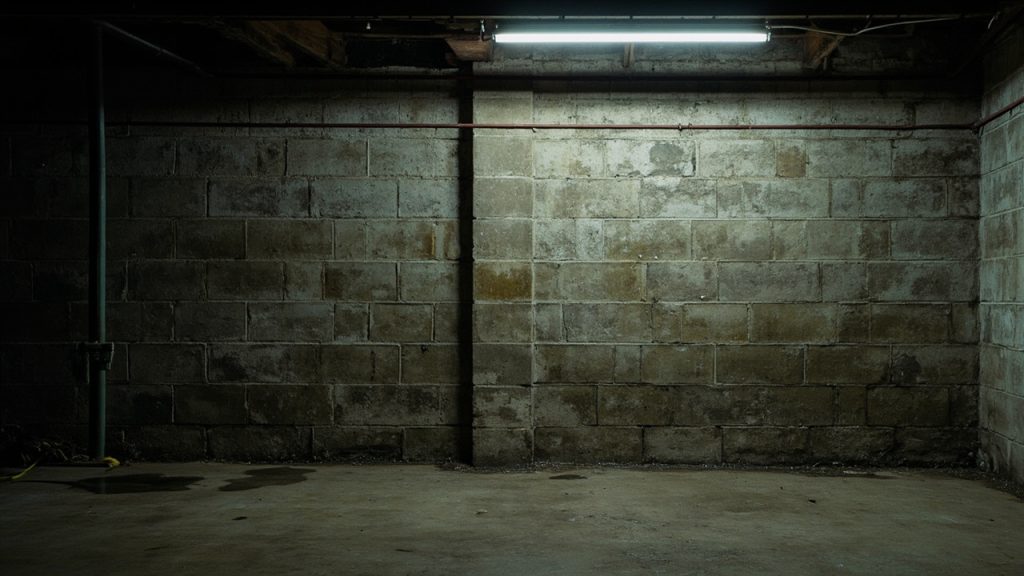
That wet, earthy smell rising from your basement every time rain hits Detroit is not just unpleasant. It is a warning sign. For homeowners in Islandview, this odor is one of the most common complaints we hear, and it almost always points to the same set of underlying problems rooted in the neighborhood’s soil, infrastructure, and housing stock.
If you have been opening windows or running air fresheners and hoping it goes away, it won’t. Here is what is actually happening and what to do about it.
Why Islandview Homes Are Built for This Problem
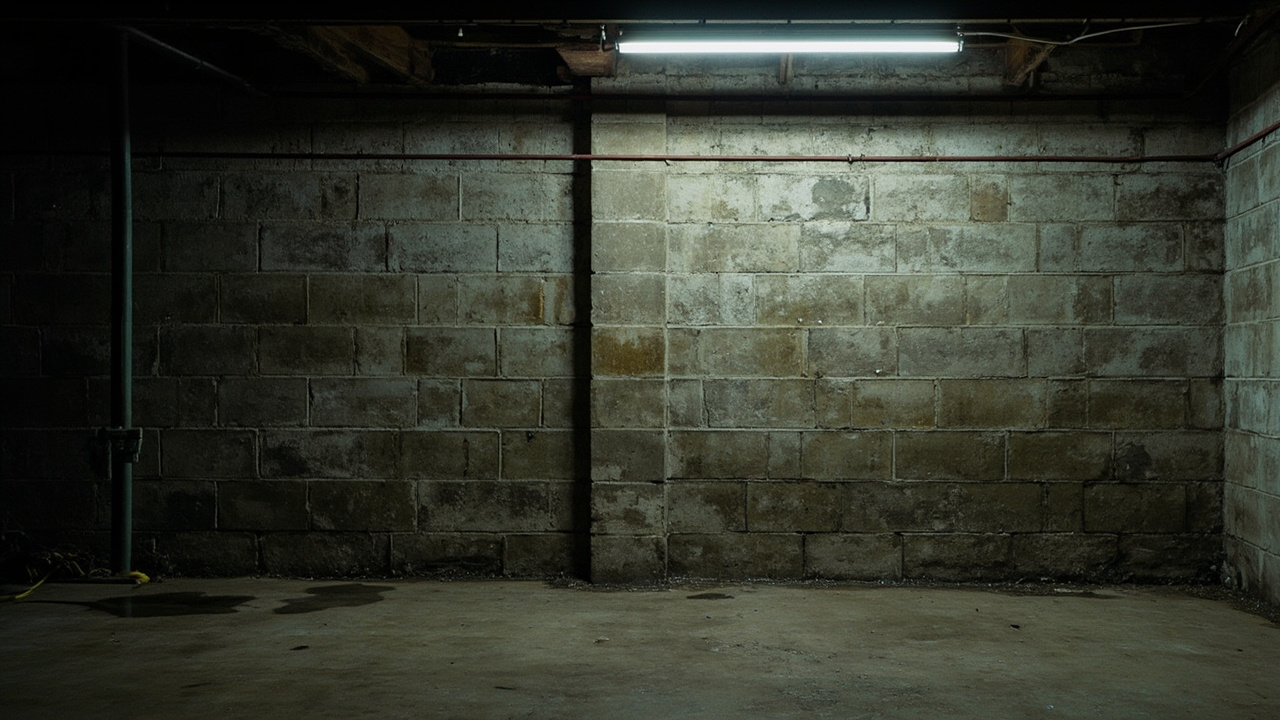
Islandview sits on Detroit’s East Side, bordered by East Jefferson Avenue and within a short distance of the Detroit River and Belle Isle Park. Most homes in this neighborhood were built in the early to mid-twentieth century, which means their foundations are old, their drainage systems are outdated, and their basements were never designed with modern waterproofing standards in mind.
These foundations are typically poured concrete or cinder block. Both are porous. Over decades of freeze-thaw cycles, Detroit’s winters crack them, widen gaps, and allow groundwater to seep in. When rain saturates the soil around your home, hydrostatic pressure builds up against those walls. Water finds every crack, joint, and cold seam it can.
The result is not always a puddle on the floor. Sometimes it is just moisture vapor pushing through the block. That moisture feeds the organisms that produce that earthy, damp-soil smell you are noticing.
The Three Smells and What Each One Means
Not all basement odors are the same. Identifying the specific smell gives you a head start on diagnosing the source. Here is a breakdown of the three most common basement odors in Islandview homes and what each one typically indicates.
| Smell Description | Likely Cause | Urgency Level |
|---|---|---|
| Earthy, damp soil | Moisture intrusion through foundation, wet soil vapor, early-stage mold growth | Moderate. Address within days to weeks. |
| Musty, stale, or moldy | Active mold or mildew colony, typically on drywall, wood framing, or stored items | High. Mold spreads quickly in humid conditions. |
| Rotten eggs or sulfur | Sewer gas from a dry P-trap or cracked sewer line, possible combined sewer overflow (CSO) backup | Urgent. Sewer gas contains methane and hydrogen sulfide. |
The earthy smell most Islandview residents describe after rain is typically the first stage. It means moisture is getting in. Left alone, it moves quickly into the musty category as mold colonies establish themselves in the damp environment.
How Detroit’s Sewer System Makes It Worse
Detroit operates a combined sewer system, meaning stormwater and sanitary sewage share the same pipes. The Detroit Water and Sewerage Department (DWSD) manages this aging infrastructure, and during heavy rainfall events, the system frequently exceeds its capacity.
When that happens, you get a combined sewer overflow (CSO). In Islandview and the surrounding East Side neighborhoods, this can push sewage-contaminated water back through floor drains, sump pump pits, and basement plumbing fixtures. Even when the backup is minor and you never see standing water, the gases from that sewage can enter your basement through dry floor drains or cracked lateral lines.
That sulfur smell you notice after a major rainstorm? That is likely sewer gas, not just damp soil. The two can coexist in the same basement, which is why identifying the distinct smells matters before you decide how to respond.
Homes along the streets closest to East Jefferson and the riverfront corridor tend to sit at lower elevations, making them more vulnerable to this backflow pressure. If your home is in that zone and you do not have a properly functioning backwater valve, you are at real risk during any significant storm event.
The Mold Connection You Cannot Ignore
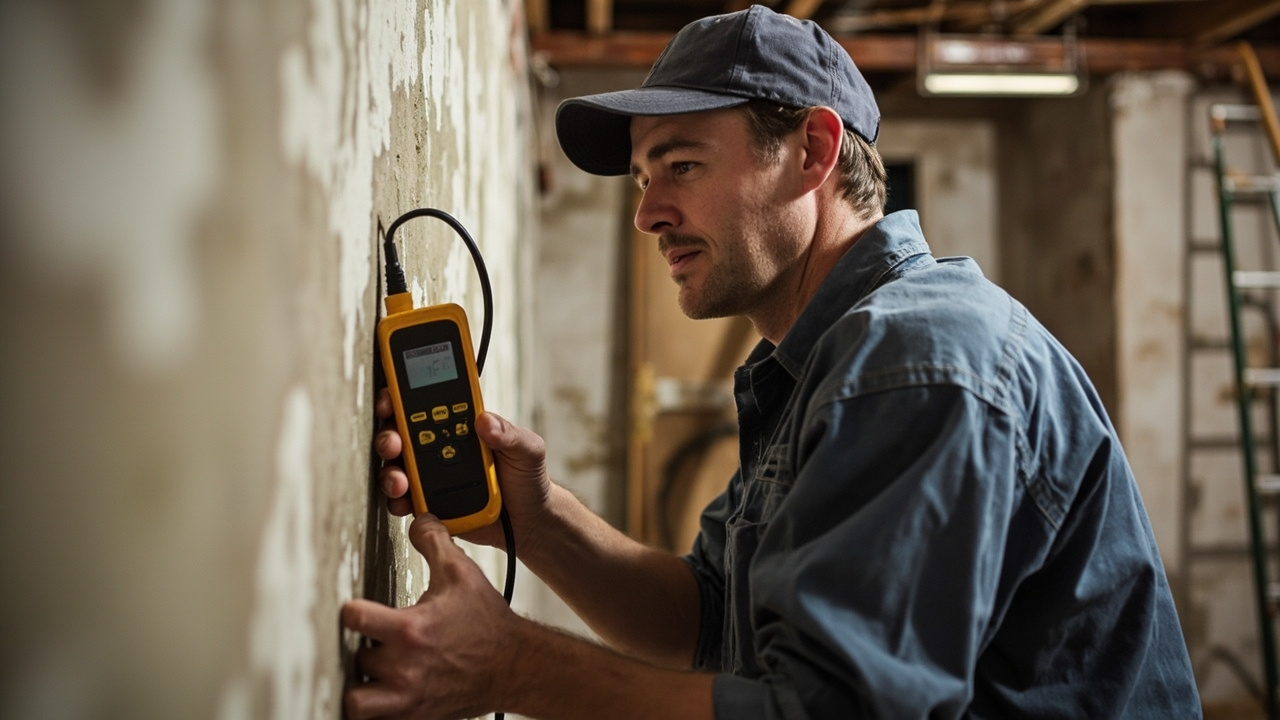
Earthy basement smells and mold growth are closely linked. When moisture vapor pushes through your foundation block, it raises the relative humidity inside your basement. Detroit summers already push outdoor humidity into the 70 to 80 percent range on many days. Your basement, without active dehumidification, can sit at 90 percent or higher.
At those humidity levels, mold does not need a visible water source. It grows on drywall paper, wood framing, stored cardboard, and even concrete surfaces. The mold species most commonly found in wet Detroit basements include Cladosporium, Penicillium, and Aspergillus. In chronic moisture situations, you can also encounter Stachybotrys chartarum, commonly called black mold, which requires consistently wet material to grow but poses serious health concerns once established.
The earthy smell you notice is often a mix of geosmin (produced by soil bacteria called actinomycetes) and microbial volatile organic compounds (MVOCs) released by mold colonies. By the time you can smell it, there is usually active biological growth somewhere in the space. Bleach alone will not resolve it. For a deeper explanation of why surface treatments fall short, read our article on why bleach won’t fix basement mold and when to call a pro.
What Efflorescence Tells You About Your Walls
Look at your basement walls. Do you see white, chalky, or powdery deposits on the concrete or block? That is efflorescence. It forms when water moves through the masonry and carries dissolved minerals to the surface. The water evaporates, the minerals stay behind.
Efflorescence itself is not dangerous, but it is direct physical evidence that water is actively migrating through your foundation walls on a regular basis. If you see it, you have a moisture pathway. That pathway is also the route for humid air and soil vapor to enter your basement.
Heavy efflorescence combined with an earthy smell after rain is a reliable indicator that hydrostatic pressure is working against your foundation consistently. That condition tends to worsen over time without intervention.
DIY Measures and Where They Stop Working
There are things you can do on your own that will genuinely help in mild cases.
- Run a dehumidifier rated for your basement square footage. In most Islandview basements, that means a unit rated for 1,500 to 2,000 square feet or more. Empty the reservoir daily during summer months or connect a drain hose.
- Pour water into floor drains you rarely use. Dry P-traps are a direct pathway for sewer gas. Running water into them re-seals the trap and blocks gas entry.
- Check your sump pump. Test it by pouring water into the pit. If it does not activate, the float switch may have failed. Sump pump failure during a Detroit rainstorm is one of the fastest ways to end up with several inches of water on your basement floor.
- Improve grading around your foundation. The soil should slope away from the house for at least six feet. Flat or inward-sloping ground directs rainwater straight toward your footings.
- Clean and extend your downspouts. Discharging roof runoff within two feet of your foundation wall adds thousands of gallons of water per storm directly against your basement walls.
These steps address surface-level contributors. They will reduce odor in borderline cases. But if your foundation has active cracks, if you have visible mold growth, if the smell is sulfur-based, or if you have experienced any visible water intrusion, these steps are not a solution. They are a delay.
When the Problem Requires a Professional
Water damage restoration professionals operate under the IICRC S500 and S520 standards, which govern water damage remediation and mold remediation respectively. These standards exist because improper handling of water damage and mold creates larger problems than the original event.
You need a professional when any of the following apply to your Islandview basement.
| Condition | Why Professional Intervention Is Required |
|---|---|
| Visible mold covering more than 10 square feet | EPA guidelines recommend professional remediation at this threshold. Disturbing mold without containment spreads spores throughout the home. |
| Sewage backup or sewer gas odor | Category 3 (black water) contamination requires specialized personal protective equipment, disinfection protocols, and proper disposal. Health risk is significant. |
| Standing water after rain events | Water left for more than 24 to 48 hours causes structural damage and accelerates mold growth. Professional extraction and drying equipment moves far more air volume than consumer units. |
| Chronic moisture or efflorescence on multiple walls | Indicates systemic hydrostatic pressure. Interior waterproofing systems (drainage tile, interior membranes) require licensed contractors. |
| Odor persists after DIY dehumidification | Persistent odor after drying indicates biological growth in wall cavities or subfloor, which requires inspection tools like moisture meters and thermal imaging to locate. |
What a Water Damage Inspection Actually Covers
When a restoration crew comes out to an Islandview home, the inspection is not a quick walk-around. A proper assessment covers every potential moisture pathway and source.
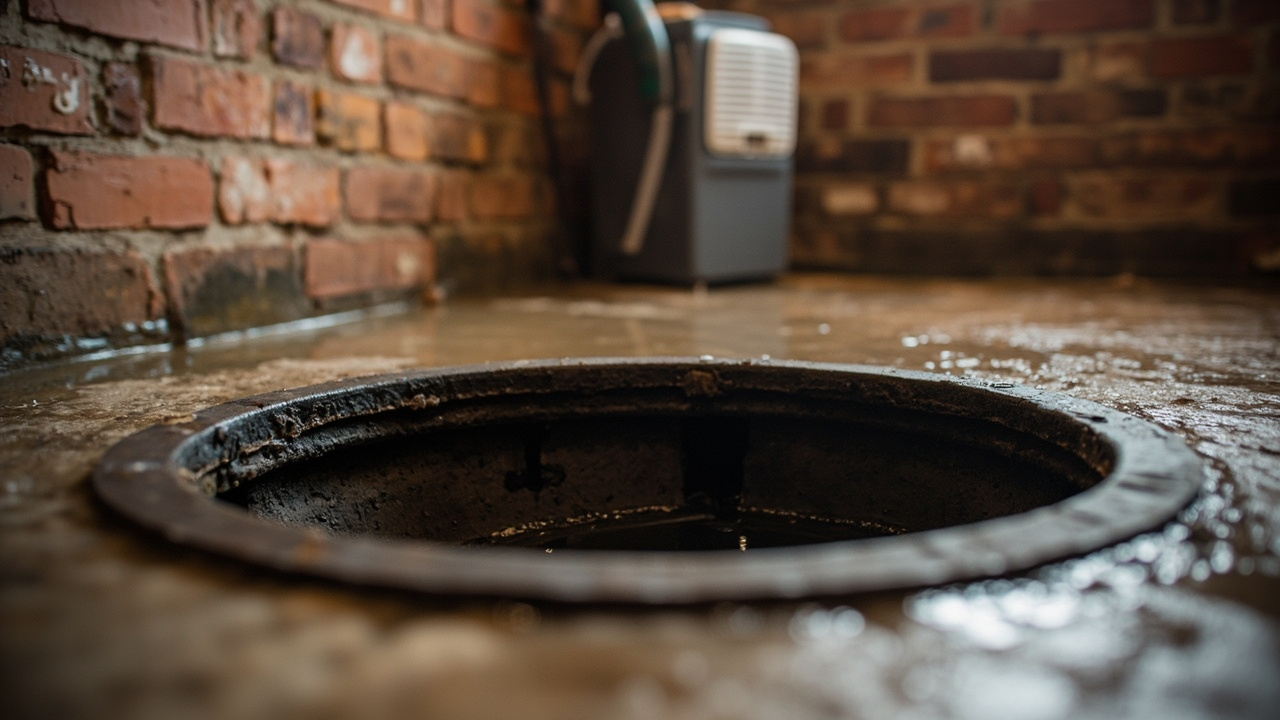
The technician will use a calibrated moisture meter to check wall cavities, floor joists, and concrete slab surfaces. In older homes with plaster walls over wood lath, moisture can hide for months inside the wall assembly before it becomes visible. Thermal imaging cameras help locate temperature differentials that indicate wet insulation or hidden water pooling.
The inspection also covers the mechanical equipment. Your water heater, HVAC unit, and any condensate lines running through the basement are all potential moisture sources that homeowners routinely overlook when they are focused on the foundation.
Once moisture sources are identified, the remediation plan is scoped. This usually involves water extraction if there is standing water, industrial air movers and dehumidifiers for structural drying, and mold remediation if biological growth is present. Odor neutralization using hydroxyl generators or thermal fogging comes at the end of the process, after the moisture problem is resolved, not before.
Insurance Coverage and What to Document
Many Islandview homeowners do not realize that some basement water damage scenarios are covered by their homeowner’s insurance policy while others are not. Sudden and accidental water damage from a burst pipe is typically covered. Gradual seepage through the foundation over time is usually excluded as a maintenance issue.
Sewer backup coverage is a separate endorsement that many policies do not include by default. If you have experienced sewer gas or visible backup from a CSO event, check your policy declarations page for that endorsement before assuming coverage.
Document everything before cleanup begins. Photograph the water line, the affected materials, and any visible mold or efflorescence. Keep all receipts for emergency equipment rentals or temporary fixes. For a detailed walkthrough of how to approach the claims process, read our guide on how to get your Detroit home insurance to actually pay for water restoration.
Older Islandview homes also require attention to lead paint and asbestos considerations when restoration work involves disturbing surfaces built before current safety standards. The EPA’s Lead-Safe certification program applies to contractors working in pre-renovation-era housing, and most of the homes in this neighborhood fall into that category.
Preventing the Smell From Coming Back
Once your basement has been properly dried and any mold has been remediated, the goal is to break the cycle that keeps causing the problem. In Islandview, that means addressing the soil-to-foundation relationship and the mechanical systems that manage water.
Interior waterproofing systems, including perimeter drainage channels and sump pits with battery backup units, are the most reliable long-term solution for basements that see chronic moisture intrusion. Exterior waterproofing, which involves excavating around the foundation and applying a membrane, is more effective but also more disruptive and costly. Most homeowners in established neighborhoods like Islandview opt for interior systems because they avoid major landscaping disruption.
Vapor barriers on basement walls and floors help reduce the soil vapor migration that produces that earthy smell. These are not a substitute for fixing active water intrusion, but they significantly reduce ambient moisture levels in basements where seepage has been addressed but soil vapor remains a factor.
Keep your sump pump on a maintenance schedule. Test it at the start of every spring before Detroit’s rainy season hits. Replace the unit every seven to ten years regardless of whether it appears to be functioning, because failure under load during a storm is the worst time to find out the pump was degrading.
If your basement odor issue is tied to specific flooring, like wet carpet that absorbed water during a previous event, the material itself may need to go. Read our breakdown on whether wet carpet can be saved or needs to be replaced for a clear framework on making that call.
The Longer You Wait, The More It Costs
Moisture problems in basements compound. A small seepage issue that produces an earthy smell today becomes a mold problem within weeks under Detroit summer humidity conditions. A mold problem that occupies one wall section can spread to structural framing, HVAC ductwork, and stored belongings before you fully register how far it has traveled.
Getting a moisture assessment done early, before visible mold appears and before the smell becomes constant, is the most cost-effective approach. The inspection itself is straightforward. What you learn from it determines whether this is a dehumidifier situation or something that requires a full remediation scope.
If you are in Islandview or the surrounding East Side neighborhoods near West Village, East Jefferson, or the Belle Isle corridor and you are noticing that post-rain basement smell, do not treat it as a minor inconvenience. Treat it as the early warning it is.
Call a certified water damage restoration company that works regularly in Detroit and knows the specific infrastructure and housing challenges of this neighborhood. An experienced crew can assess your basement, give you a clear picture of what you are dealing with, and lay out a realistic plan to fix it.
{
“@context”: “https://schema.org”,
“@type”: “BlogPosting”,
“headline”: “Why Your Islandview Basement Smells Like Earth Every Time It Rains”,
“description”: “That earthy basement smell in your Islandview home isn’t normal. Learn what causes it, what it means, and when to call a water damage pro in Detroit.”,
“wordCount”: 2230,
“datePublished”: “2026-05-09T04:49:00.000Z”,
“dateModified”: “2026-05-09T04:49:00.000Z”,
“inLanguage”: “en-US”,
“mainEntityOfPage”: {
“@type”: “WebPage”,
“@id”: “https://ironwoodwaterdamagerestorationdetroit.com”
},
“publisher”: {
“@type”: “LocalBusiness”,
“name”: “Ironwood Water Damage Restoration Detroit”,
“url”: “https://ironwoodwaterdamagerestorationdetroit.com”
},
“author”: {
“@type”: “Organization”,
“name”: “Ironwood Water Damage Restoration Detroit”,
“url”: “https://ironwoodwaterdamagerestorationdetroit.com”
},
“image”: {
“@type”: “ImageObject”,
“url”: “https://ironwoodwaterdamagerestorationdetroit.com/wp-content/uploads/2026/03/why-your-islandview-basement-smells-like-earth-eve-1.jpg”
}
}
{
“@context”: “https://schema.org”,
“@type”: “LocalBusiness”,
“name”: “Ironwood Water Damage Restoration Detroit”,
“url”: “https://ironwoodwaterdamagerestorationdetroit.com”,
“address”: {
“@type”: “PostalAddress”,
“addressLocality”: “Detroit”
},
“areaServed”: {
“@type”: “City”,
“name”: “Detroit”
}
}
{
“@context”: “https://schema.org”,
“@type”: “BreadcrumbList”,
“itemListElement”: [
{
“@type”: “ListItem”,
“position”: 1,
“name”: “Home”,
“item”: “https://ironwoodwaterdamagerestorationdetroit.com”
},
{
“@type”: “ListItem”,
“position”: 2,
“name”: “Blog”,
“item”: “https://ironwoodwaterdamagerestorationdetroit.com/blog”
},
{
“@type”: “ListItem”,
“position”: 3,
“name”: “Why Your Islandview Basement Smells Like Earth Every Time It Rains”
}
]
}
{
“@context”: “https://schema.org”,
“@type”: “Service”,
“serviceType”: “Water Damage Restoration”,
“provider”: {
“@type”: “LocalBusiness”,
“name”: “Ironwood Water Damage Restoration Detroit”,
“url”: “https://ironwoodwaterdamagerestorationdetroit.com”
},
“areaServed”: {
“@type”: “City”,
“name”: “Detroit”
},
“description”: “That earthy basement smell in your Islandview home isn’t normal. Learn what causes it, what it means, and when to call a water damage pro in Detroit.”
}