
Efflorescence vs Mold in Your Detroit Basement
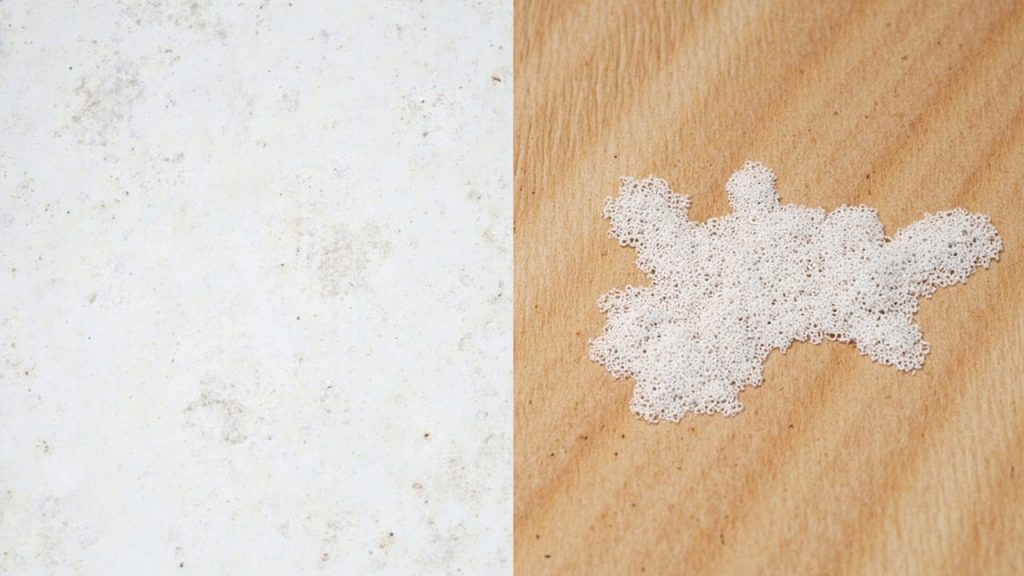
That white, powdery crust on your basement wall is not automatically a mold problem. But it is always a moisture problem. And in Southwest Detroit, where aging brick foundations sit on heavy clay soil with a high water table, the difference between mineral deposits and fungal growth matters a lot. One is a cosmetic nuisance. The other is a health hazard.
This guide will help you tell them apart quickly, explain why Detroit basements are especially prone to both, and show you when to handle it yourself versus when to call a certified restoration professional.
The Quick Comparison Table
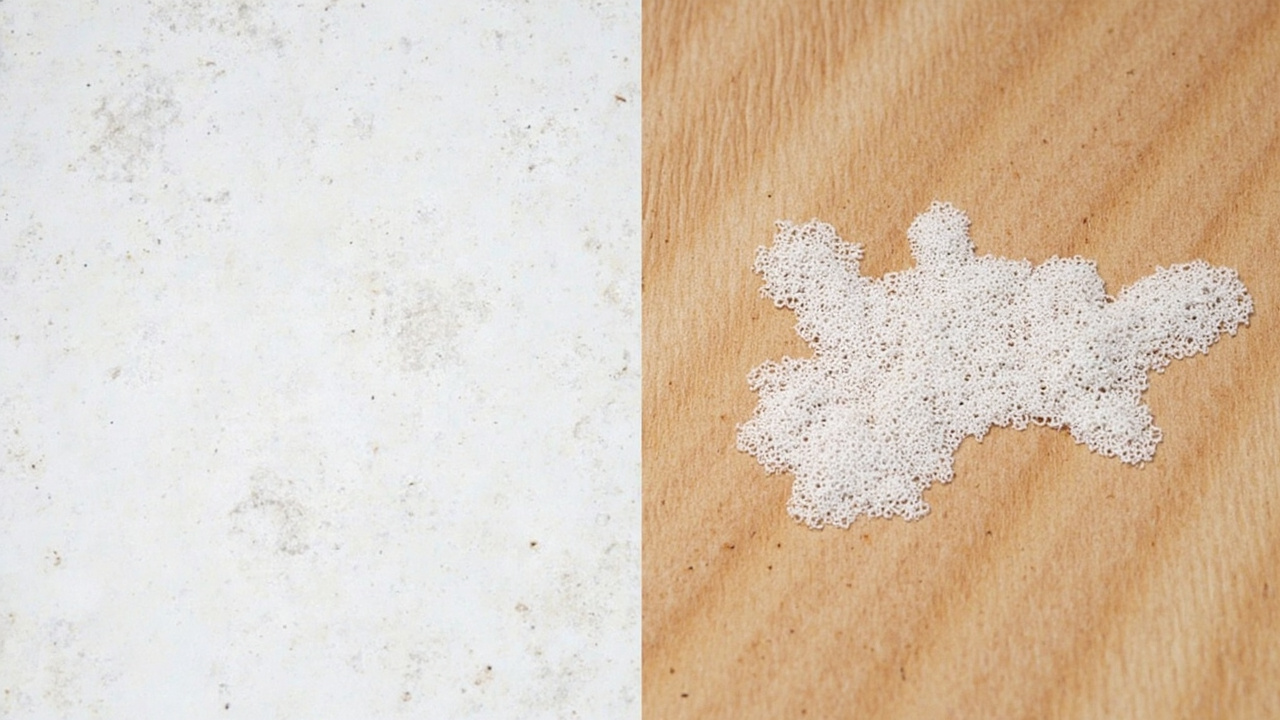
| Feature | Efflorescence (Salt) | Mold (Fungal Growth) |
|---|---|---|
| Color | White, gray, or off-white | White, green, black, or fuzzy multicolor |
| Texture | Powdery, crystalline, chalky | Fuzzy, slimy, or cottony |
| Reaction to Water | Dissolves or smears when wet | Stays intact, may spread |
| Smell | No odor | Musty, earthy, or rotten smell |
| Health Risk | None (not toxic) | Respiratory irritation, allergies, serious illness |
| Surface | Concrete, brick, masonry | Drywall, wood, insulation, masonry |
| Root Cause | Water moving through masonry | Sustained moisture above 60% relative humidity |
What Efflorescence Actually Is (The Salt Problem)
Efflorescence is what happens when water moves through your concrete or brick wall, picks up soluble salts and minerals like calcium carbonate, and then deposits them on the surface as the water evaporates. The result is that white, chalky crust you are seeing.
It is not alive. It cannot spread to your drywall or your lungs. But it is a clear signal that water is actively moving through your foundation walls.
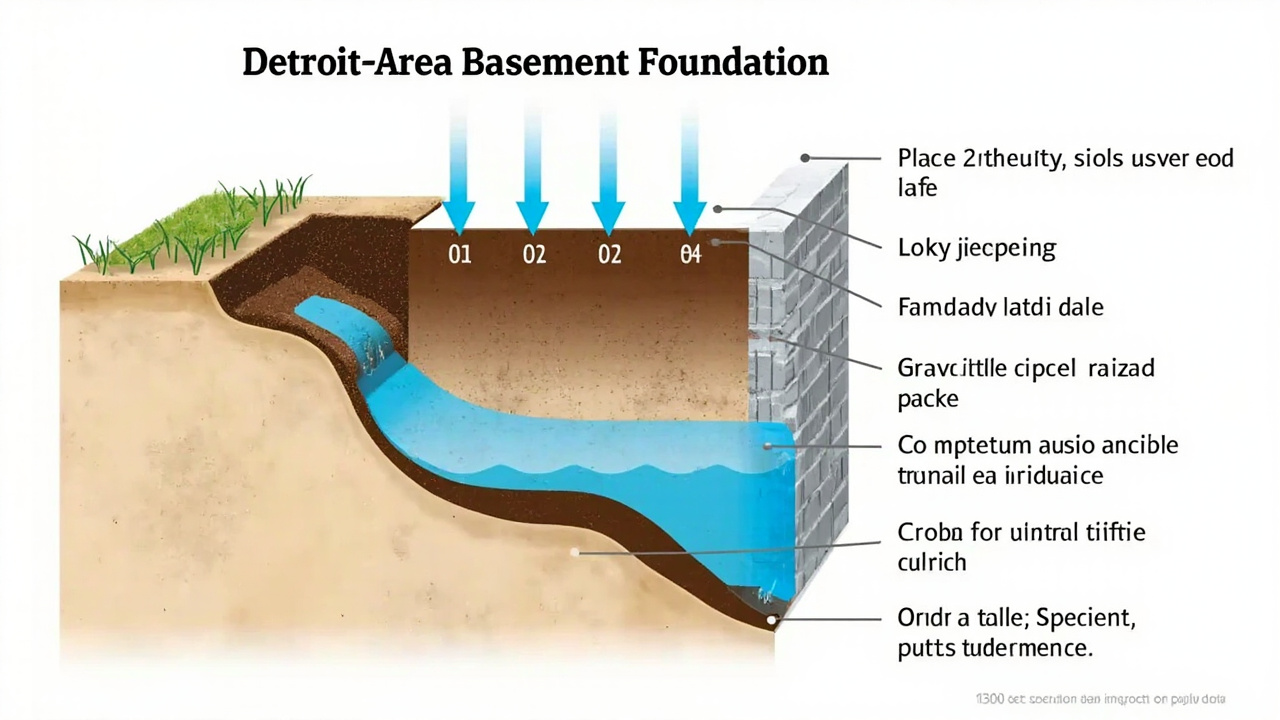
The science behind it is straightforward. Hydrostatic pressure from the saturated soil around your foundation pushes groundwater toward your basement through a process called capillary action. The water wicks through the tiny pores in masonry, carrying dissolved minerals with it. When the water reaches the interior surface and evaporates, those mineral deposits stay behind.
In Southwest Detroit neighborhoods like Mexicantown, Springwells Village, and Delray, foundations built from the early 1900s through the mid-century are especially prone to this. The brick and mortar used in those eras is more porous than modern concrete block. When you factor in the high clay content of Detroit’s soil and the seasonal freeze-thaw cycles that crack mortar joints every winter, you get a perfect pathway for water and minerals to migrate inward.
How to Confirm It Is Efflorescence
- Rub it with your finger. If it crumbles into powder and smears like chalk, it is almost certainly mineral deposits.
- Spray a small amount of water on it. Efflorescence will dissolve or go transparent when wet. Mold will not.
- Check for a smell. Efflorescence has no odor at all. If you catch even a faint musty smell, you need to look more carefully.
- Look at the location. Efflorescence appears almost exclusively on masonry surfaces. Mold can grow on wood, drywall, carpet, insulation, and nearly any organic material.
Identifying Mold Growth in Michigan Homes
Mold is a living organism, specifically a type of fungi, and it behaves completely differently from mineral deposits. It needs three things to grow: a food source (organic material like wood or drywall), the right temperature, and moisture. Michigan’s humid summers and the sealed, poorly ventilated basements common in Detroit homes create ideal conditions.
White mold is often the one that confuses homeowners the most because it can look powdery in its early stages. Species like Aspergillus and Penicillium are commonly white or light-colored and can colonize basement walls, floor joists, and the underside of subfloors. Black Mold, specifically Stachybotrys chartarum, is darker and slimier and tends to grow behind walls and under flooring where chronic moisture has gone unaddressed.
The key identifiers for mold over efflorescence are texture, smell, and location. Mold feels fuzzy or slimy, not chalky. It produces a distinct musty or earthy odor caused by microbial volatile organic compounds. And it grows on wood framing, insulation, and drywall, not just on bare concrete or brick.
If you see fuzzy white growth on a wood beam, your floor joist, or basement drywall, stop treating it like a salt problem. That is biological growth and it warrants professional attention. You can read more about why common DIY fixes fall short in our guide on why bleach won’t fix your Ferndale basement mold and when to call a pro.

The Water Test and the Smell Test
These two simple tests are the fastest way to get a preliminary answer before you call anyone.
The Water Test
Dampen a paper towel and press it firmly against the white growth for a few seconds. Then observe what happens. If the substance dissolves, runs, or goes translucent, it is mineral-based. Efflorescence is water-soluble because it formed from water in the first place. If the substance holds its shape, stays fuzzy, or smears without dissolving, you are dealing with an organic growth.
The Smell Test
Stand near the affected wall and breathe in slowly. Efflorescence has absolutely no odor. If you detect anything musty, sour, or earthy, that indicates fungal growth somewhere nearby. The smell often comes before visible mold becomes obvious, particularly when mold is growing inside wall cavities or beneath subfloors. Trust the smell test. Experienced restoration technicians use it as a first diagnostic step on every job.
Why Detroit Basements Are Prone to Both
Detroit’s geology and housing stock combine to create ideal conditions for basement moisture problems. Understanding the local factors helps you make smarter decisions about long-term solutions.
Clay Soil and Hydrostatic Pressure
The greater Detroit metro sits on a thick layer of glacial clay deposited during the last ice age. Clay absorbs water easily and drains slowly, which means the soil around your foundation stays saturated for extended periods after rain or snowmelt. That sustained saturation creates significant hydrostatic pressure against your foundation walls. Water finds the path of least resistance, which is typically through hairline cracks, deteriorating mortar joints, and the porous face of old masonry.
Proximity to the Great Lakes and the Detroit River
Detroit’s water table sits relatively high compared to inland cities because of proximity to the Great Lakes basin and the Detroit River. Homes in lower-lying neighborhoods near the riverfront, including parts of Delray, Zug Island corridor, and areas near the Rouge River, experience higher baseline groundwater levels. That means even modest rainfall events can push water against basement walls.
Freeze-Thaw Cycles and Masonry Degradation
Michigan averages dozens of freeze-thaw cycles between November and March. Each cycle pushes water that has seeped into mortar joints and concrete cracks through expansion and contraction. Over time, this fractures mortar, spalls brick faces, and creates larger pathways for water infiltration. In neighborhoods like Corktown, Woodbridge, and Southwest Detroit where homes range from 70 to over 100 years old, this cumulative damage is significant.
Aging Infrastructure and Combined Sewer Overflow
Detroit’s aging combined sewer system means heavy rain events can cause sewer backups into basements citywide. Wayne County and the Great Lakes Water Authority have invested in infrastructure upgrades, but many older neighborhoods still see episodic backup events. These events introduce not just water but organic material and bacteria into basements, dramatically increasing mold risk. If you experienced a sewer backup rather than a groundwater intrusion, the remediation process is more intensive and has specific EPA mold remediation guidelines that govern how it is handled safely.
A Side-by-Side Look at Treatment Approaches
| Problem | Short-Term Fix | Long-Term Solution | Professional Required? |
|---|---|---|---|
| Efflorescence (light) | Scrub with stiff brush and clean water | Masonry sealer after surface dries | No, if moisture source is addressed |
| Efflorescence (recurring) | Surface cleaning only buys time | Interior drainage system, vapor barrier, waterproofing membrane | Yes, to address hydrostatic pressure |
| White Mold (small area) | HEPA vacuum, antimicrobial treatment | Dehumidification, vapor barrier, source remediation | Recommended for anything over 10 sq ft |
| Black Mold (Stachybotrys) | Do not attempt DIY | Containment, HEPA filtration, full IICRC-compliant remediation | Yes, always |
| Recurring moisture from sewer backup | Extract water, discard porous materials | Backflow preventer, full biohazard remediation | Yes, Category 3 water event |
Professional Solutions and When to Stop Waiting
If the water test and smell test confirm mold, or if efflorescence keeps coming back no matter how many times you scrub it off, the underlying moisture pathway needs to be addressed. Surface treatment without fixing the source is a waste of time and money.
For Efflorescence That Keeps Returning
Recurring efflorescence means water is continuously moving through your foundation. A certified waterproofing contractor will evaluate whether the solution is exterior waterproofing membrane, an interior French drain system, a sump pump upgrade, or a combination. A vapor barrier on the interior wall face can also reduce capillary wicking in less severe cases. The right answer depends on the severity of hydrostatic pressure, the age of your foundation, and the drainage grading around your home.
For Confirmed Mold Growth
Any mold remediation performed by a professional should follow IICRC S520 standards. This means proper containment to prevent cross-contamination, air scrubbers with HEPA filtration, safe removal of affected materials, and post-remediation verification testing. An IICRC-certified technician will also address the relative humidity conditions that allowed mold to grow in the first place, typically targeting below 50% RH in basement spaces.
If you believe your moisture damage may be covered by homeowners insurance, start documenting everything now. Photos, dates, and any previous reports of water intrusion all matter. Our guide on how to get your Detroit home insurance to actually pay for water restoration walks through the process in detail, and if you are in Corktown specifically, the Corktown water damage insurance claim guide covers neighborhood-specific considerations.
Watch for Secondary Damage
Prolonged basement moisture does not stay in the basement. Water vapor migrates upward through your subfloor and into finished living spaces. If you have hardwood floors above an affected basement, read our guide on how to save your hardwood floors after a significant water leak for what to watch for. And if you have carpeting anywhere near the moisture zone, our guide on deciding whether wet carpet can be saved or needs to go will help you make the right call before mold takes hold in those materials too.
What Happens If You Ignore It
Efflorescence left untreated does not directly harm your health, but the moisture causing it will eventually degrade your mortar, weaken your foundation, and create the humid environment that mold needs to grow. The two problems often coexist in older Detroit homes.
Mold ignored beyond a few weeks begins to penetrate porous building materials at a depth that surface cleaning cannot reach. Stachybotrys chartarum colonies embedded in drywall or wood framing require full material removal. Michigan Building Codes require proper disposal and documentation for significant mold remediation projects. The longer you wait, the more material gets replaced and the higher the remediation scope.
If you are in Southwest Detroit, Mexicantown, the Hubbard Farms historic district, or anywhere along the River Rouge corridor and you are seeing white growth in your basement, the time to investigate is now, not after the next heavy rain pushes the problem further.
Call an IICRC-certified restoration professional for a proper assessment. A qualified technician can distinguish between efflorescence and mold on sight, test for airborne spore counts, and give you a clear picture of what you are actually dealing with before you spend a dollar on remediation or waterproofing.
{
“@context”: “https://schema.org”,
“@type”: “BlogPosting”,
“headline”: “Is That White Fuzz on Your Southwest Detroit Basement Walls Mold or Just Salt”,
“description”: “White fuzz on your Detroit basement walls? Learn how to tell efflorescence from mold fast, and what to do next to protect your home.”,
“wordCount”: 1876,
“datePublished”: “2026-05-14T11:01:00.000Z”,
“dateModified”: “2026-05-14T11:01:00.000Z”,
“inLanguage”: “en-US”,
“mainEntityOfPage”: {
“@type”: “WebPage”,
“@id”: “https://ironwoodwaterdamagerestorationdetroit.com”
},
“publisher”: {
“@type”: “LocalBusiness”,
“name”: “Ironwood Water Damage Restoration Detroit”,
“url”: “https://ironwoodwaterdamagerestorationdetroit.com”
},
“author”: {
“@type”: “Organization”,
“name”: “Ironwood Water Damage Restoration Detroit”,
“url”: “https://ironwoodwaterdamagerestorationdetroit.com”
},
“image”: {
“@type”: “ImageObject”,
“url”: “https://ironwoodwaterdamagerestorationdetroit.com/wp-content/uploads/2026/03/is-that-white-fuzz-on-your-southwest-detroit-basem-1.jpg”
}
}
{
“@context”: “https://schema.org”,
“@type”: “LocalBusiness”,
“name”: “Ironwood Water Damage Restoration Detroit”,
“url”: “https://ironwoodwaterdamagerestorationdetroit.com”,
“address”: {
“@type”: “PostalAddress”,
“addressLocality”: “Detroit”
},
“areaServed”: {
“@type”: “City”,
“name”: “Detroit”
}
}
{
“@context”: “https://schema.org”,
“@type”: “BreadcrumbList”,
“itemListElement”: [
{
“@type”: “ListItem”,
“position”: 1,
“name”: “Home”,
“item”: “https://ironwoodwaterdamagerestorationdetroit.com”
},
{
“@type”: “ListItem”,
“position”: 2,
“name”: “Blog”,
“item”: “https://ironwoodwaterdamagerestorationdetroit.com/blog”
},
{
“@type”: “ListItem”,
“position”: 3,
“name”: “Is That White Fuzz on Your Southwest Detroit Basement Walls Mold or Just Salt”
}
]
}
{
“@context”: “https://schema.org”,
“@type”: “Service”,
“serviceType”: “Water Damage Restoration”,
“provider”: {
“@type”: “LocalBusiness”,
“name”: “Ironwood Water Damage Restoration Detroit”,
“url”: “https://ironwoodwaterdamagerestorationdetroit.com”
},
“areaServed”: {
“@type”: “City”,
“name”: “Detroit”
},
“description”: “White fuzz on your Detroit basement walls? Learn how to tell efflorescence from mold fast, and what to do next to protect your home.”
}