

Why Plumbing Stacks Are the Leading Cause of Water Damage in Gold Coast High-Rises
If you own or manage a unit in one of the East Jefferson Avenue high-rises between Indian Village and the Detroit Riverfront, water damage here plays by different rules. A single plumbing failure on the 14th floor can migrate through concrete to the 12th floor before anyone notices. By the time someone calls for help, you are not dealing with one unit. You are dealing with three, sometimes five.
This is the reality of Gold Coast high-rise water damage, and it is almost always traced back to the same source: the vertical plumbing stack.
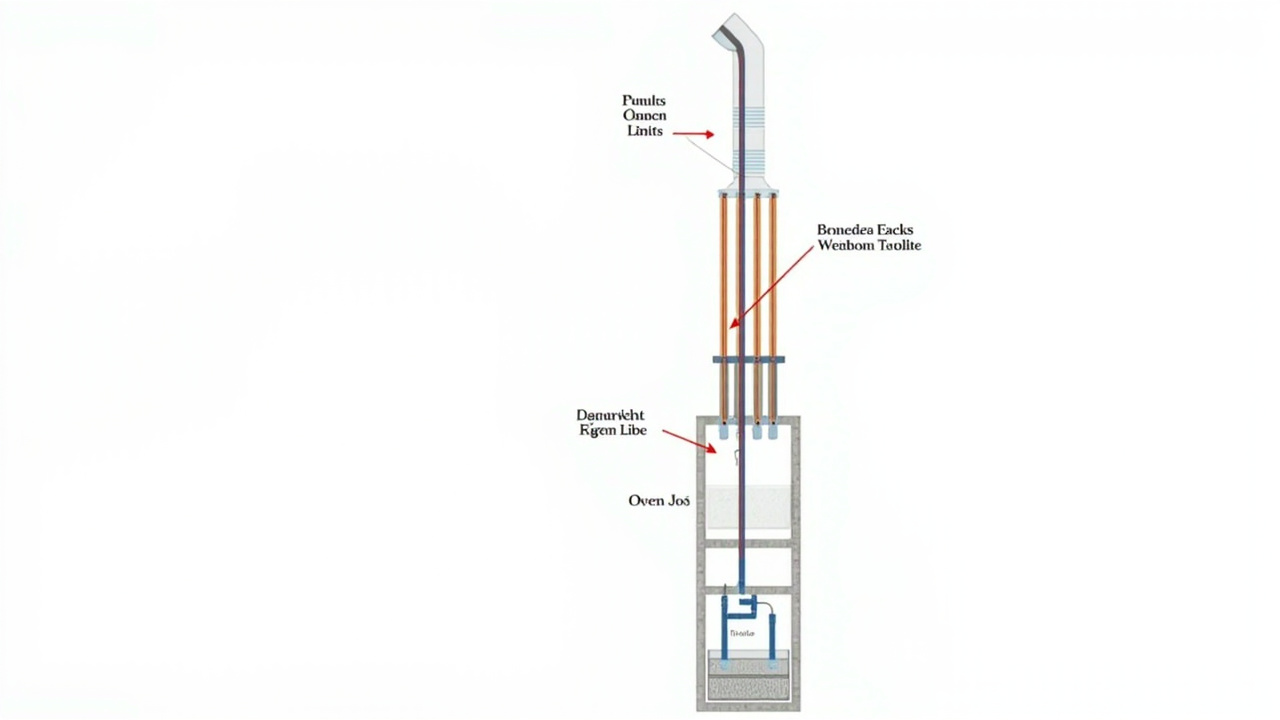
What a Plumbing Stack Is and Why It Fails in Older High-Rises
A plumbing stack is the vertical pipe running from the basement mechanical room to the roof of the building. It handles both supply (water coming in) and drain, waste, and vent functions. In a 20-story building, you may have a primary stack and several branch stacks serving clusters of units on each floor.
The Gold Coast corridor along East Jefferson Avenue is home to some of Detroit’s most architecturally significant residential towers. Many were constructed in the mid-20th century. The Kean, the Whittier, and Alden Park Towers are examples of buildings with original or partially original plumbing infrastructure designed for a different era of water pressure and usage patterns.
Here is what causes these systems to fail.
Galvanized Steel Corrosion
Pre-war and early post-war high-rises used galvanized steel pipe for both supply and drain lines. Galvanized pipe has a finite lifespan. When the zinc lining corrodes from the inside, the pipe narrows, pressure builds unevenly, and pinhole leaks form at joints and elbows. In a vertical stack, one of those pinholes can send water running down the outside of the pipe inside your wall cavity for months before a ceiling shows visible staining.
Pressure Reducing Valve Failure
High-rises use booster pumps and pressure reducing valves (PRVs) to manage water pressure across floors. A PRV that fails open on floors 8 through 14 can push water pressure far beyond what the older branch lines were designed to handle. The result is a sudden pipe burst, not a slow leak. That kind of event can release hundreds of gallons in minutes.
Backflow and Drain Stack Blockages
Drain stacks accumulate grease, scale, and debris over decades. A partial blockage creates back-pressure in the system. When multiple units on the same drain stack flush or drain simultaneously, that back-pressure can force water backward through toilet flanges and floor drain seals. The water that comes back up in these events is Category 3, what the IICRC S500 standard classifies as grossly contaminated black water, and it requires a completely different remediation protocol than a clean supply line break.
How Water Travels Differently in Concrete High-Rise Construction
Single-family homes in Indian Village or the Joseph Berry Subdivision have wood framing and subfloors. Water follows gravity straight down and pools. In a poured concrete high-rise, water behavior is more complicated and far more damaging to property values and structural integrity.
Concrete is porous. Water under pressure or sustained flow will saturate a concrete slab and wick horizontally. A supply line break on floor 10 does not just damage floor 10. The saturated slab becomes a reservoir that feeds moisture into the ceiling of floor 9 and the floor assembly of floor 11 simultaneously.
We use thermal imaging cameras and calibrated moisture meters to map exactly how far water has migrated through the slab. Without that mapping, crews can pull drywall and set drying equipment in the wrong locations. The moisture stays trapped, mold establishes within 48 to 72 hours, and the property management team has a much bigger problem on their hands three weeks later.

Category 3 Water Damage in Multi-Unit Buildings and What It Actually Costs
Not all water damage is equal, and the difference between Category 1 and Category 3 is not just a remediation protocol difference. It is a cost magnitude difference that property managers and HOA boards need to understand before they can make sound decisions about preventive maintenance spending.
Category 3 events in multi-unit buildings, meaning sewage backflow, drain stack surges, or contaminated water intrusion, routinely generate total claims in the $50,000 to $150,000 range when you account for decontamination, full material removal, tenant displacement, and reconstruction across multiple affected floors. That figure does not include legal costs if a subrogation dispute develops between the HOA master policy and individual unit owner policies.
Compare that against the current cost of annual or biennial hydro-jetting for a full vertical drain stack, which is a fraction of even the smallest multi-unit Category 3 claim. The math is straightforward. Buildings that defer drain stack maintenance for five or more years are the ones generating the worst backflow claims on record along the East Jefferson corridor.
Backflow prevention devices on building water supply entries also need annual inspection. A failed backflow preventer is a code violation under the Michigan Department of Environment, Great Lakes, and Energy plumbing standards and can expose building ownership to significant liability if it contributes to contamination of the municipal supply.
The Multi-Unit Liability Problem That Property Managers Face
Water damage in a single-family home is a conversation between one homeowner and one insurance adjuster. Water damage in a Gold Coast high-rise is a conversation between the unit owner on floor 10 where the leak originated, the HOA or condo association’s master policy, the unit owners on floors 8 and 9 who sustained damage, and potentially the building’s property management company.
The question of who pays for what depends heavily on where the leak originated. Did it start inside the unit’s branch line, which is typically the unit owner’s responsibility, or did it originate in the main riser or stack, which is typically a common element covered under the master policy? Getting that determination right, with documented evidence from moisture mapping and thermal imaging, is what makes or breaks an insurance subrogation case.
If you are a property manager or HOA board member dealing with this, read our guide on how to get your Detroit home insurance to actually pay for water restoration before you sign anything with an adjuster.
Documentation Requirements for Gold Coast Building Engineers
Detroit building engineers and HOA boards managing properties in the 48214 zip code area have specific documentation expectations before any restoration contractor can begin work on common elements. You will typically need to provide a certificate of insurance (COI) naming the building’s management company and HOA as additional insured parties, a written scope of work, and in some buildings, approval from the building engineer before any walls are opened.
Working without that documentation can get a restoration crew ejected from the building. It also creates gaps in the documentation chain that insurers will exploit to deny claims.
What a High-Rise Water Damage Response Actually Looks Like
Speed matters. Water in a saturated concrete slab starts contributing to mold conditions within two days. Here is what a proper response sequence looks like for a Gold Coast high-rise event.
- Source isolation. The building’s maintenance team or a plumber shuts the affected riser or stack valve. No restoration work starts until the water source is controlled.
- Affected floor identification. Thermal imaging and moisture meters are used on the primary affected floor plus two floors above and below to determine the full migration pattern.
- Category determination. Is this a clean water supply line (Category 1), gray water from an appliance or drain (Category 2), or black water from a drain stack backflow or sewage event (Category 3)? The category determines PPE requirements, what materials can be dried versus must be removed, and how the space must be treated before re-occupancy.
- Content protection. Unit contents including furniture, flooring materials, and personal property are documented, inventoried, and moved or protected before drying equipment is placed.
- Structural drying. Industrial air movers and desiccant or refrigerant dehumidifiers are positioned based on the moisture map, not by guesswork. In a concrete building, drying timelines are longer than wood-frame construction.
- Post-drying verification. Moisture readings are logged daily and compared against the IICRC S500 drying goals. Final clearance requires readings at or below the established dry standard for each material type before any reconstruction begins.
Concrete Slab Drying Timelines and Why They Run Long
Property managers accustomed to wood-frame residential drying timelines are often caught off guard by how long concrete slab drying takes in a high-rise event. Wood subfloors in a properly set up dry-out can reach clearance in three to five days. Concrete slabs operate on a different schedule entirely.
A moderate supply line event with partial slab saturation on one floor typically requires five to ten days of continuous drying before moisture readings reach acceptable levels. A more significant event with full slab saturation across multiple floors can require 14 to 21 days or longer. That timeline directly affects tenant displacement duration, temporary housing costs, and the overall claim scope.
The concrete slab drying timeline is also affected by ambient conditions inside the building. High-rises along the Detroit Riverfront deal with high relative humidity during spring and fall, which extends drying times compared to a controlled interior environment. Desiccant dehumidifiers perform better than refrigerant units in these high-humidity, lower-temperature conditions, which is why equipment selection matters as much as equipment quantity.
Plumbing Stack Failure Types and What They Mean for Restoration Scope
| Failure Type | Water Category | Typical Floors Affected | Estimated Drying Timeline |
|---|---|---|---|
| Supply riser pinhole leak (slow) | Category 1 | 1 to 2 floors | 3 to 7 days |
| PRV failure or pipe burst (sudden) | Category 1 | 2 to 5 floors | 7 to 14 days |
| Drain stack blockage and backflow | Category 3 | 1 to 3 floors | 10 to 21 days plus full decontamination |
| Sump pump failure in mechanical room | Category 2 or 3 | Basement and P1 only | 5 to 10 days |
Pre-War Versus Modern High-Rise Plumbing Architecture
The restoration approach differs significantly depending on whether you are working in a pre-war building like the Whittier or a post-2000 concrete and glass tower closer to the riverfront development corridor.
| Building Type | Typical Stack Material | Pressure System | Common Failure Point | Restoration Complexity |
|---|---|---|---|---|
| Pre-war (early construction era) | Galvanized steel or cast iron | Gravity-fed or early booster | Corrosion at joints, lead solder connections | High, due to inaccessible chases |
| Mid-century construction | Cast iron drain, copper supply | Booster pump zones | Copper oxidation, failed PRVs | Medium to high |
| Modern construction | CPVC or PEX supply, ABS drain | Variable speed pumps with zone PRVs | PEX fitting failures, backflow preventer wear | Medium, better access panels |

Hydro-Jetting as a Preventive Strategy for Stack Maintenance
Most Gold Coast building managers schedule drain stack hydro-jetting every one to three years depending on building age and occupancy. Hydro-jetting uses high-pressure water to scour the interior walls of drain stacks, removing scale, grease buildup, and debris that contributes to blockages and back-pressure events.
When you weigh the cost of annual hydro-jetting against a single Category 3 remediation event generating $50,000 to $150,000 in total claim costs, the maintenance argument is not difficult to make to an HOA board. Add tenant displacement costs and the risk of subrogation litigation between insurers, and the case for a proactive maintenance schedule becomes the only rational position.
Buildings that skip this maintenance for five or more years are the ones that generate the worst drain stack backflow claims. The displacement costs of tenants who cannot occupy their units during a multi-floor Category 3 remediation are often more financially painful to building ownership than the remediation itself.
What to Do Right Now If You Suspect a Stack Leak
If you see water staining on a ceiling near a plumbing wall, hear dripping inside a wall cavity, or notice a musty odor developing near a bathroom or kitchen that shares a wall with a neighboring unit, do not wait. That smell is mold establishing in a moisture-rich cavity. You are already past the 48-hour window where immediate action prevents secondary damage.
Contact your building’s maintenance team to identify whether the source is a branch line inside your unit or a common element riser. That determination changes everything about who responds and who pays. If you need help understanding what your policy covers and what the HOA master policy should cover, the process for filing a successful water damage insurance claim applies directly to multi-unit situations as well.
If the event has already happened and you are in the drying and reconstruction phase, be aware that mold can grow behind newly installed drywall if the substrate was not verified dry before reconstruction. If you are dealing with visible mold from a previous water event that was not properly dried, surface treatment does not solve the problem. Read why bleach will not fix a mold problem before you attempt a DIY fix in a high-rise unit.
Frequently Asked Questions from Gold Coast Property Managers
How do I know if my water damage is from a stack or a branch line?
The location of the staining is your first clue. Staining that appears on ceilings or walls shared between two units, or staining that tracks vertically across multiple floors, points to a main riser or stack. Staining confined to a single unit and originating near a specific fixture, like a toilet, supply valve, or dishwasher connection, typically indicates a branch line inside that unit. A moisture mapping inspection with thermal imaging will confirm the source with enough precision to support an insurance determination. That distinction matters because stack failures are typically common element events covered under the HOA master policy, while branch line failures usually fall to the individual unit owner’s policy.
Who is responsible for plumbing stack repairs in a condo building?
In most Michigan condo associations, the main vertical stack and risers are classified as common elements under the condo’s master deed and bylaws. Repair and maintenance responsibility sits with the HOA or condo association, and costs are typically covered under the master policy or funded through reserve accounts. Branch lines that serve only a single unit and run from the stack connection into that unit are usually the individual owner’s responsibility. The exact boundary point where common element ends and unit responsibility begins varies by building and governing documents, so reviewing your master deed language before disputing a claim is essential. Michigan condominium law under the Michigan Condominium Act provides a framework, but the specific documents for each building govern the outcome.
How long will my unit be uninhabitable after a high-rise water damage event?
For a Category 1 event affecting one or two floors, drying typically runs five to ten days before reconstruction can begin. Category 3 events require full decontamination and material removal before any drying equipment is placed, which adds three to five days to the front end of the timeline. Reconstruction after drying clearance adds additional time depending on scope. A realistic estimate for a multi-unit Category 3 event from the day of loss to re-occupancy is four to eight weeks, assuming no permitting delays and no disputes about scope between insurers. Buildings with established COI and scope-of-work approval processes move faster because contractors are not waiting on paperwork while conditions worsen.
Serving Detroit’s East Jefferson Corridor
Our crews work throughout the following areas and understand the specific building stock and construction methods that make high-rise water damage more complex than a typical residential loss.
- Gold Coast neighborhood along East Jefferson Avenue
- Indian Village and the Joseph Berry Subdivision
- The East Jefferson corridor between Belle Isle and downtown Detroit
- Riverfront high-rise developments in the 48214 zip code area
- Midtown and New Center buildings with similar concrete high-rise construction
We carry the documentation, COI formats, and scope-of-work templates that Detroit building engineers and Gold Coast HOA boards require before work begins, so there are no delays waiting for paperwork approval while water continues to migrate through your building’s slab. Call our emergency line now. Every hour of delay in a concrete structure increases both the drying timeline and the total claim cost.
{
“@context”: “https://schema.org”,
“@type”: “BlogPosting”,
“headline”: “Why Plumbing Stacks Are the Leading Cause of Water Damage in Gold Coast High-Rises”,
“description”: “Plumbing stack failures drive most high-rise water damage claims in Detroit’s Gold Coast. Learn what causes them, what remediation costs, and how to prevent them.”,
“wordCount”: 2669,
“datePublished”: “2026-05-23T08:55:00.000Z”,
“dateModified”: “2026-05-23T08:55:00.000Z”,
“inLanguage”: “en-US”,
“mainEntityOfPage”: {
“@type”: “WebPage”,
“@id”: “https://ironwoodwaterdamagerestorationdetroit.com”
},
“publisher”: {
“@type”: “LocalBusiness”,
“name”: “Ironwood Water Damage Restoration Detroit”,
“url”: “https://ironwoodwaterdamagerestorationdetroit.com”
},
“author”: {
“@type”: “Organization”,
“name”: “Ironwood Water Damage Restoration Detroit”,
“url”: “https://ironwoodwaterdamagerestorationdetroit.com”
},
“image”: {
“@type”: “ImageObject”,
“url”: “https://ironwoodwaterdamagerestorationdetroit.com/wp-content/uploads/2026/03/why-plumbing-stacks-are-the-leading-cause-of-water-1.jpg”
}
}
{
“@context”: “https://schema.org”,
“@type”: “LocalBusiness”,
“name”: “Ironwood Water Damage Restoration Detroit”,
“url”: “https://ironwoodwaterdamagerestorationdetroit.com”,
“address”: {
“@type”: “PostalAddress”,
“addressLocality”: “Detroit”
},
“areaServed”: {
“@type”: “City”,
“name”: “Detroit”
}
}
{
“@context”: “https://schema.org”,
“@type”: “FAQPage”,
“mainEntity”: [
{
“@type”: “Question”,
“name”: “How do I know if my water damage is from a stack or a branch line?”,
“acceptedAnswer”: {
“@type”: “Answer”,
“text”: “The location of the staining is your first clue. Staining that appears on ceilings or walls shared between two units, or staining that tracks vertically across multiple floors, points to a main riser or stack. Staining confined to a single unit and originating near a specific fixture, like a toilet, supply valve, or dishwasher connection, typically indicates a branch line inside that unit. A moisture mapping inspection with thermal imaging will confirm the source with enough precision to support an insurance determination. That distinction matters because stack failures are typically common element events covered under the HOA master policy, while branch line failures usually fall to the individual unit owner’s policy.”
}
},
{
“@type”: “Question”,
“name”: “Who is responsible for plumbing stack repairs in a condo building?”,
“acceptedAnswer”: {
“@type”: “Answer”,
“text”: “In most Michigan condo associations, the main vertical stack and risers are classified as common elements under the condo’s master deed and bylaws. Repair and maintenance responsibility sits with the HOA or condo association, and costs are typically covered under the master policy or funded through reserve accounts. Branch lines that serve only a single unit and run from the stack connection into that unit are usually the individual owner’s responsibility. The exact boundary point where common element ends and unit responsibility begins varies by building and governing documents, so reviewing your master deed language before disputing a claim is essential. Michigan condominium law under the Michigan Condominium Act provides a framework, but the specific documents for each building govern the outcome.”
}
},
{
“@type”: “Question”,
“name”: “How long will my unit be uninhabitable after a high-rise water damage event?”,
“acceptedAnswer”: {
“@type”: “Answer”,
“text”: “For a Category 1 event affecting one or two floors, drying typically runs five to ten days before reconstruction can begin. Category 3 events require full decontamination and material removal before any drying equipment is placed, which adds three to five days to the front end of the timeline. Reconstruction after drying clearance adds additional time depending on scope. A realistic estimate for a multi-unit Category 3 event from the day of loss to re-occupancy is four to eight weeks, assuming no permitting delays and no disputes about scope between insurers. Buildings with established COI and scope-of-work approval processes move faster because contractors are not waiting on paperwork while conditions worsen.”
}
}
]
}
{
“@context”: “https://schema.org”,
“@type”: “BreadcrumbList”,
“itemListElement”: [
{
“@type”: “ListItem”,
“position”: 1,
“name”: “Home”,
“item”: “https://ironwoodwaterdamagerestorationdetroit.com”
},
{
“@type”: “ListItem”,
“position”: 2,
“name”: “Blog”,
“item”: “https://ironwoodwaterdamagerestorationdetroit.com/blog”
},
{
“@type”: “ListItem”,
“position”: 3,
“name”: “Why Plumbing Stacks Are the Leading Cause of Water Damage in Gold Coast High-Rises”
}
]
}
{
“@context”: “https://schema.org”,
“@type”: “Service”,
“serviceType”: “Water Damage Restoration”,
“provider”: {
“@type”: “LocalBusiness”,
“name”: “Ironwood Water Damage Restoration Detroit”,
“url”: “https://ironwoodwaterdamagerestorationdetroit.com”
},
“areaServed”: {
“@type”: “City”,
“name”: “Detroit”
},
“description”: “Plumbing stack failures drive most high-rise water damage claims in Detroit’s Gold Coast. Learn what causes them, what remediation costs, and how to prevent them.”
}