
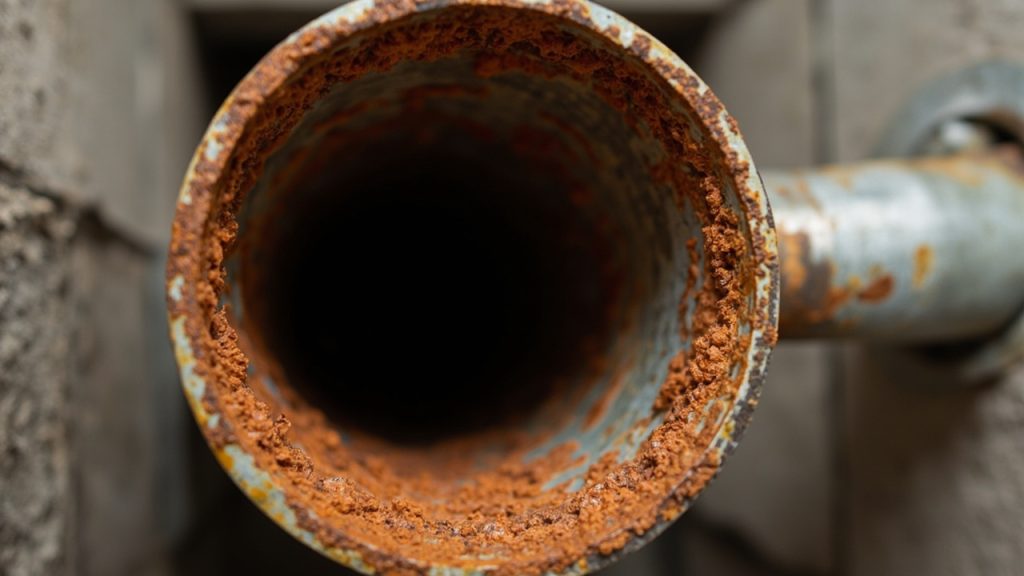
If your Grosse Pointe Park home was built before the mid-1970s, there is a strong chance galvanized steel pipes are still running through your walls, floors, and basement. These pipes were the standard for decades. The problem is that galvanized steel has a finite lifespan, and most of that lifespan has already expired. When these pipes fail, the damage they cause goes far beyond a wet floor.
What Galvanized Steel Pipe Actually Is and Why It Fails
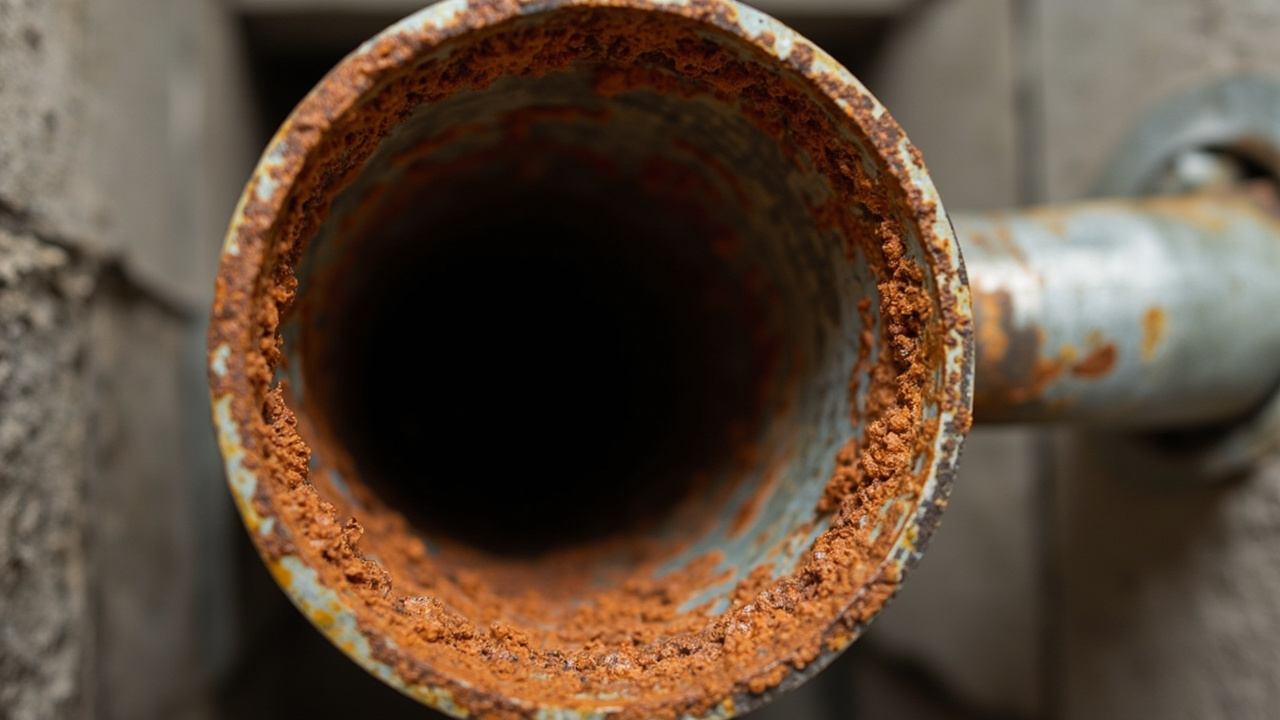
Galvanized steel pipe is standard steel pipe coated with a thin layer of zinc. That zinc coating acts as a sacrificial barrier against oxidation. When the pipe is new, the zinc does its job and protects the steel underneath from rust and corrosion.
The issue is gradual zinc depletion. Over decades of water flow, mineral deposits, and constant contact with oxygen, the zinc layer erodes from the inside out. Once it is gone, the steel underneath begins to corrode aggressively. This process is called oxidation, and it produces iron oxide, which you probably know as rust.
As the corrosion builds up inside the pipe, a few things happen simultaneously. The interior diameter of the pipe narrows, reducing water pressure throughout the house. Iron scales break off and travel through your water supply, giving your tap water a brown or tea-colored tint. And the structural integrity of the pipe wall weakens until it eventually cracks or bursts entirely.
In Grosse Pointe Park specifically, this process is accelerated by Michigan’s freeze-thaw cycles. Water expands when it freezes. In winter months, any moisture that has already penetrated the outer wall of a corroded pipe will expand, putting additional hydrostatic pressure on a pipe wall that is already compromised. Pipe bursts in late winter and early spring are extremely common in neighborhoods like The Village district and along older blocks near Windmill Pointe Drive.
How to Identify Galvanized Pipe Failure Before a Burst Happens
The warning signs of galvanized pipe failure are consistent, but homeowners often dismiss them as minor inconveniences. Do not make that mistake. Early identification can mean the difference between a manageable repair and a full basement restoration.
- Low water pressure throughout the house. If multiple fixtures are showing reduced flow, the cause is likely internal corrosion narrowing the pipe diameter, not a pressure issue from the Detroit Water and Sewerage Department (DWSD) supply line.
- Discolored water, especially on first draw. Brown, orange, or reddish water when you first open a tap in the morning is a direct sign of iron scaling inside your pipes.
- Visible pitting or staining on exterior pipe surfaces. Check exposed pipes in your basement or utility room. White mineral deposits, orange staining, or visible pitting on the outside of the pipe indicate the corrosion process has advanced significantly.
- Uneven water temperature. Corrosion buildup affects hot water lines differently than cold lines, and you may notice inconsistent temperature delivery from your fixtures.
- Unexplained wet spots or damp drywall. A slow pinhole leak in a corroded pipe may seep for weeks before you see visible water damage. Check the base of walls near plumbing runs regularly.
The Lead Leaching Risk in Older Detroit Area Plumbing Systems
Galvanized pipe corrosion carries a health risk that goes beyond property damage. As the zinc layer depletes and the steel corrodes, galvanized pipes can absorb and re-release lead particles that originated from solder joints, lead service lines, or lead-containing fixtures in the same plumbing system.
This is not a hypothetical. The U.S. Environmental Protection Agency has documented that corroded galvanized pipes can act as a secondary source of lead contamination in older homes, even after a lead service line has been replaced. In a city with Detroit’s plumbing history, this is a concern that every Grosse Pointe Park homeowner with original pipes should take seriously.
If you have young children in the home, have your water tested before assuming the tap is safe. The cost of a water quality test is minimal compared to the risks of undetected lead exposure.
What Happens to Your Home When a Galvanized Pipe Fails
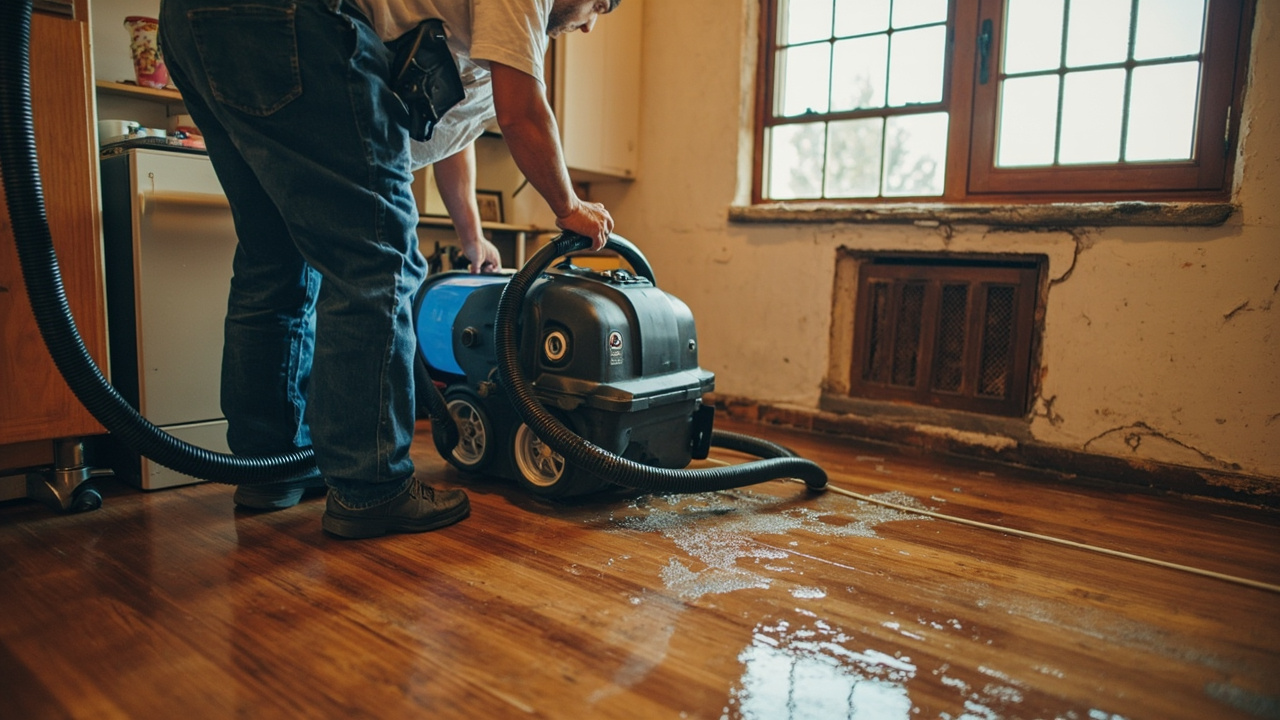
A pipe burst from advanced galvanized corrosion does not give you much warning. In most cases, homeowners come home to standing water or wake up to water running through a ceiling. What follows is not just a plumbing problem. It is a water damage restoration event with multiple layers of secondary damage.
Structural Damage to Wood Framing and Subfloors
Water travels fast and follows gravity. In a two-story Grosse Pointe Park home with a pipe failure on the first floor, water will saturate the subfloor and migrate into the floor joists within hours. Wood framing begins to lose structural integrity after sustained saturation. The older balloon-frame construction common in pre-war homes in this area absorbs moisture quickly because the wall cavities run continuously from foundation to roof without fire-blocking, allowing water to travel vertically through the framing.
If hardwood floors are present, the window for successful restoration is narrow. Water acts fast on wood. For a detailed breakdown of what can realistically be saved, read how to save hardwood floors after a significant water leak, which covers the drying timeline and decision criteria that restoration professionals use.
Mold Growth in Michigan Basements
Michigan’s climate creates ideal mold conditions year-round. High humidity in summer and condensation from temperature swings in spring and fall mean that any moisture event in a basement is a mold event waiting to happen. Mold colonizes wet building materials within 24 to 48 hours under the right temperature and humidity conditions.
Galvanized pipe failures in basements are especially serious because basements in Grosse Pointe Park tend to have poured concrete foundations with limited ventilation, exposed fiberglass insulation, and older drywall or wood paneling that absorbs moisture aggressively. If you are dealing with visible mold growth or a musty smell after a pipe leak, do not rely on bleach as a solution. It does not penetrate porous materials. For a clear explanation of why surface treatment is not enough, see why bleach will not fix your basement mold and when to call a pro.
Damage to Flooring, Carpet, and Personal Property
Carpet and pad act like a sponge. A pipe leak that goes undetected for even 12 hours can result in carpet, pad, and subfloor that are all saturated. Whether wet carpet can be restored or needs to be replaced depends on the water category (clean supply water vs. greywater) and the duration of saturation. A complete breakdown of that decision process is covered in deciding whether your wet carpet can be saved or needs to go.
The Water Damage Restoration Process After a Pipe Failure
When a galvanized pipe fails and causes water damage, restoration follows a defined sequence. Understanding this process helps you make informed decisions and communicate clearly with your restoration contractor.
| Phase | What Happens | Typical Timeframe |
|---|---|---|
| Emergency Response | Water source isolation, initial assessment, documentation for insurance | 0 to 4 hours after contact |
| Water Extraction | Truck-mounted or portable extraction units remove standing water from all affected surfaces | Same day |
| Structural Drying | Industrial air movers and dehumidifiers run continuously to dry subfloor, framing, and drywall | 3 to 5 days depending on saturation depth |
| Mold Assessment | Moisture readings confirm whether mold remediation is needed before reconstruction begins | After structural drying is complete |
| Reconstruction | Replacement of damaged drywall, flooring, insulation, and other materials | 1 to 3 weeks depending on scope |
IICRC-certified technicians follow the S500 Standard for Professional Water Damage Restoration, which establishes the industry protocols for drying goals, equipment placement, and documentation. When you hire a restoration contractor, confirm they hold current IICRC certification. This matters for both quality of work and insurance documentation.
Repiping vs. Patching Your Galvanized System
When a galvanized pipe fails, the plumber will often offer two options. Patch the section that failed, or repipe the affected portion or the entire system. The right answer depends on the age and condition of the rest of the pipes.
If one section has failed due to advanced corrosion, the rest of the galvanized system is almost certainly in similar condition. Patching buys time but does not address the underlying problem. It is worth having a plumber assess the full system using a camera inspection before committing to a partial repair.
PEX piping has become the dominant replacement choice in Metro Detroit repiping projects. It is flexible, resistant to freeze-thaw expansion, and significantly easier to route through existing wall cavities without major demolition. Michigan Building Code allows PEX in residential applications, and it has a demonstrated service life that far exceeds what remains in most original galvanized systems.
| Pipe Type | Expected Lifespan | Freeze-Thaw Resistance | Lead Risk | Common Use in Grosse Pointe Park |
|---|---|---|---|---|
| Galvanized Steel | 40 to 70 years | Poor (rigid, cracks under expansion) | Moderate (secondary leaching) | Original supply lines in pre-1975 homes |
| Copper | 50 to 70 years | Moderate | Low (unless lead solder was used) | Mid-century renovations |
| PEX | 50+ years | Excellent (flexible under expansion) | None | Current standard for repipe work |
| CPVC | 50 to 75 years | Poor in extreme cold | None | Less common in Michigan climate |
Does Homeowners Insurance Cover Galvanized Pipe Water Damage
This question causes more confusion than almost any other in residential water damage restoration. The short answer is that coverage depends on how the damage is classified.
Michigan homeowners insurance policies generally cover water damage that is sudden and accidental. A pipe that bursts overnight and floods your basement qualifies under most standard policies. A pipe that has been leaking slowly for months and caused gradual damage to your flooring and walls is typically classified as a maintenance failure, and that is usually excluded.
The problem with galvanized pipe failures is that the corrosion is gradual, but the pipe burst itself is sudden. Insurance adjusters in Michigan will look for evidence of pre-existing corrosion, deferred maintenance, and water staining that predates the event. How you document and present your claim makes a significant difference in the outcome.
For a detailed walkthrough of how to document a water damage claim and what Michigan adjusters are actually looking for, read how to get your Detroit home insurance to actually pay for water restoration. If you are in Corktown or one of the other historic neighborhoods with older housing stock, the Corktown-specific insurance guide at filing a successful water damage insurance claim for your Corktown home covers the same process with neighborhood-specific context.
What to Do Before Your Adjuster Arrives
- Photograph every affected area before any cleanup begins.
- Save all damaged materials in a visible area. Do not throw anything away before the adjuster documents it.
- Get a written assessment from a licensed restoration contractor that identifies the water source and affected areas.
- Ask your restoration contractor to provide moisture readings and a drying log. Adjusters use these to verify the scope of the damage.
- Review your policy for exclusions related to pipe age or deferred maintenance before the adjuster visit.
What Grosse Pointe Park Homeowners Should Do Right Now
If your home was built before 1975 and you have not had your plumbing system assessed, the time to act is before a pipe fails, not after. A basic plumbing inspection with a camera scan of the supply lines gives you a clear picture of where the system stands.
If you are already dealing with water damage from a pipe failure, the priority is stopping the water source, documenting everything, and calling a restoration contractor within the first few hours. The cost and complexity of restoration increase significantly after the first 24 hours because mold risk, structural saturation depth, and secondary damage all escalate quickly.
Grosse Pointe Park has some of the finest older residential architecture in Southeast Michigan. The homes along Windmill Pointe, in the Milk River neighborhood, and throughout the eastern sections of the park are worth protecting. Galvanized pipe corrosion is a manageable problem when you catch it early. It becomes a major restoration project when you do not.
If you are seeing the warning signs described here, or if you have already experienced a pipe failure and are dealing with the aftermath, contact a licensed and IICRC-certified water damage restoration team that knows Metro Detroit’s older housing stock. Get a professional assessment, document everything, and do not wait to address standing water or moisture in your building materials.