
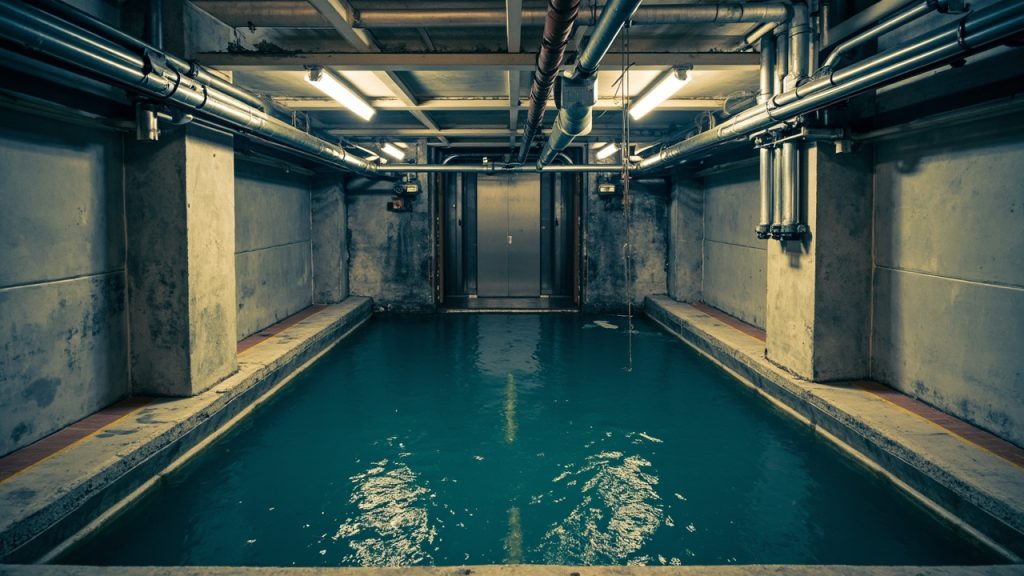
Professional Flooded Elevator Shaft Cleanup and Restoration in Detroit
If water is sitting in your elevator pit right now, stop all elevator operations immediately. Do not attempt to restart the cab. A flooded elevator shaft is not a maintenance call. It is a life safety emergency with electrical, mechanical, and environmental hazards that compound by the hour.
This guide covers exactly what happens after a water main break sends water into a high-rise elevator shaft in Downtown Detroit, what restoration crews do to make it safe again, and what building managers and HOA boards need to know before the remediation team arrives.
Why Elevator Pits Flood So Fast in Detroit High Rises
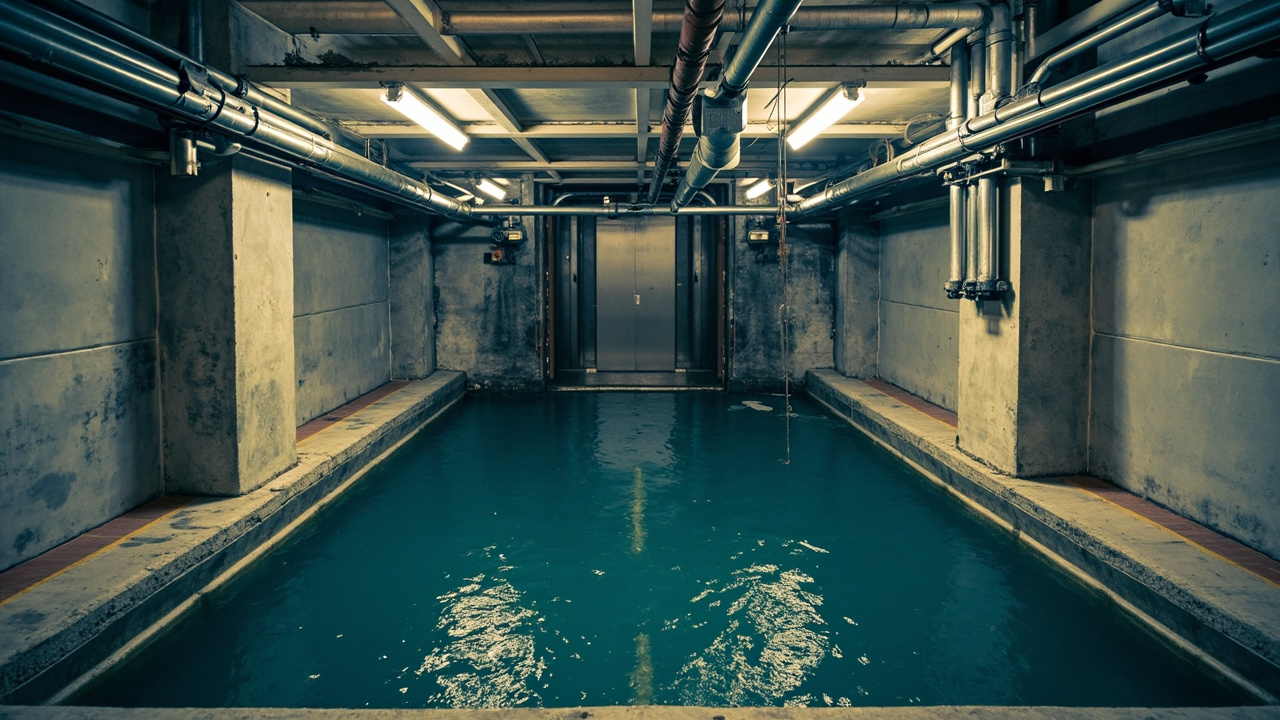
Detroit’s urban infrastructure is aging. Many of the water mains running beneath the central business district, Midtown, and along the Rivertown corridor were installed in the mid-20th century. When a main fails, it does not slowly seep. It erupts. Water finds the lowest point of a structure in minutes, and in a high-rise, that lowest point is the elevator pit.
The pit sits at the base of the elevator shaft, typically 4 to 8 feet below the lowest floor landing. It houses the oil buffer channels, governor rope slack, sump pump, and in hydraulic systems, the hydraulic cylinder. All of that equipment is designed to operate dry. None of it tolerates submersion.
Detroit’s water table in areas like the New Center neighborhood and along the Detroit River shoreline already puts pressure on below-grade structures. A main break on top of an already saturated substrate can flood a pit to 6 feet in under 20 minutes depending on the break size and the building’s drainage capacity.
The Immediate Hazards Inside a Flooded Elevator Shaft
Every minute a flooded pit sits untreated adds a new category of damage. Building managers need to understand each hazard layer before making decisions about re-entry and restoration scope.
Electrical Short Circuits and Electrocution Risk
The elevator pit contains limit switches, safety circuit wiring, lighting fixtures, and sump pump electrical connections. When water contacts energized components, the shock hazard extends beyond the pit itself through the building’s electrical system. The circuit breaker for the elevator machine room must be locked out immediately. Do not assume a tripped breaker means the system is de-energized. Verify with a licensed electrician before any crew enters the pit.
Hydraulic Fluid Contamination
Hydraulic elevators, still common in mid-rise buildings throughout Midtown and the Cass Corridor, use petroleum-based or biodegradable hydraulic fluid in the underground cylinder and jack assembly. When the pit floods, that fluid mixes with the standing water. This creates a hazardous waste situation regulated by the EPA under 40 CFR Part 279. The contaminated water cannot be pumped directly into a floor drain or storm system. It requires containment, testing, and licensed disposal. This is where a generic water extraction crew becomes a liability. You need a team trained in biohazard and chemical remediation.
Structural Corrosion Starting at the Rail Base Plates
The guide rails that keep the elevator cab aligned run from the pit floor to the top of the shaft. Their base plates are bolted to the pit floor. Prolonged water contact causes accelerated corrosion at these anchor points. Rail alignment is critical to safe elevator operation. Even a 2mm shift from corroded base plate hardware can cause cab binding or safety gear activation. A mechanical inspection by a licensed elevator contractor must happen before any elevator returns to service.
Mold Colonization in the Shaft Walls
Concrete shaft walls wick moisture quickly. Within 48 to 72 hours of a flood event, mold colonies begin forming in the porous substrate, especially if the shaft has any drywall or wood framing at the pit level. In Detroit’s humid summer months, that timeline shrinks. The enclosed shaft environment traps humidity and provides the dark, stagnant conditions that accelerate fungal growth. Restoration crews must treat the shaft as a contained mold-risk environment from the first hour.
The Detroit-Specific Restoration Process Step by Step
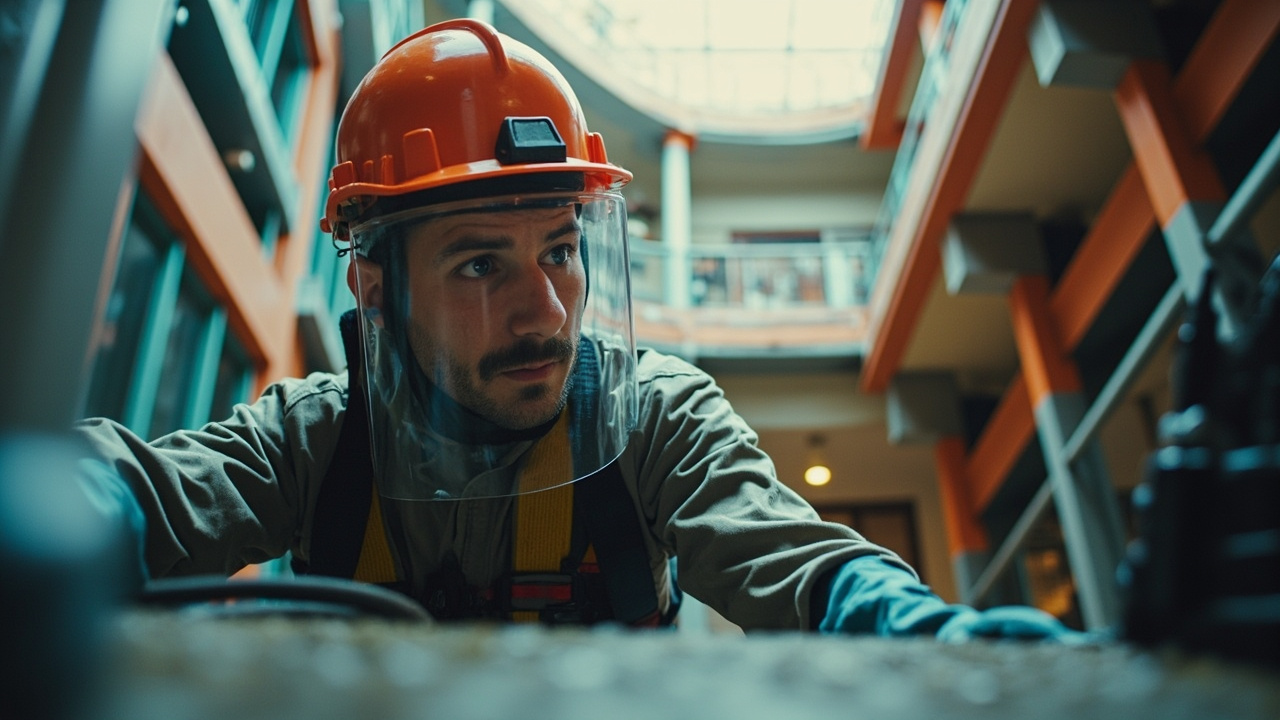
This is not a generic water damage response. A flooded elevator shaft in a commercial or residential high rise in Wayne County follows a specific protocol driven by safety codes, confined space regulations, and elevator-specific mechanical requirements.
Step 1. Secure the Scene and Lock Out Tag Out
Before any restoration crew enters the pit, the elevator must be locked out and tagged out per OSHA 29 CFR 1910.147. The machine room power disconnect is engaged, locked with a physical hasp, and tagged with the technician’s name and contact information. This is non-negotiable and non-waivable, regardless of time pressure.
Step 2. Confined Space Entry Permit and Atmospheric Testing
Elevator pits qualify as permit-required confined spaces under OSHA 29 CFR 1910.146. Before entry, the atmosphere must be tested for oxygen levels, flammable gases, and toxic vapors including hydrogen sulfide, which can off-gas from stagnant water in older Detroit building basements. A trained entry supervisor, at least one authorized entrant, and an attendant stationed outside the pit opening are required. Restoration companies that skip this step expose your building to OSHA liability.
Step 3. Hydraulic Fluid Segregation and Water Extraction
Standing water in the pit is pumped using truck-mounted extraction units capable of 200 to 400 gallons per hour for standard pit sizes. Hydraulic fluid contamination is identified by sheen and odor on the water surface. Contaminated water is pumped into sealed containment tanks for licensed disposal. Clean water is extracted separately. The two streams must never be combined in a drain.
Step 4. Mechanical Component Assessment
Once the pit is clear of standing water, restoration technicians document the condition of every mechanical component. This includes the oil buffers, governor rope guide, traveling cable slack tray, and sump pump system. This documentation supports your insurance claim and the elevator contractor’s re-certification inspection. Without it, your elevator will not pass a reinspection from the Michigan Department of Licensing and Regulatory Affairs (LARA), which oversees elevator safety in Michigan.
Step 5. Structural Drying with Desiccant Dehumidification
Standard refrigerant dehumidifiers are not effective in concrete elevator shafts. The high thermal mass of the concrete and the low-ambient-temperature environment of a below-grade pit require desiccant dehumidification systems. These units pull moisture from concrete and masonry at temperatures and humidity levels that refrigerant units cannot handle. Technicians set target moisture content levels for the concrete substrate and monitor readings daily until the material reaches acceptable dryness for the elevator contractor’s re-entry inspection.
Step 6. Antimicrobial Treatment and Mold Prevention
Shaft walls, pit floor surfaces, and any exposed wood or framing receive an EPA-registered antimicrobial treatment. If visible mold is already present, that triggers a separate remediation protocol with containment, HEPA filtration, and physical removal of colonized materials. Building managers in older Detroit structures like the historic lofts in Corktown or warehouse conversions in the Eastern Market district often discover pre-existing mold growth once the pit walls are fully visible during restoration.
Compliance Requirements Building Managers Must Know
Your building does not get its elevator back until multiple agencies sign off. Understanding the compliance chain saves time and prevents costly restarts.
| Regulatory Body | Jurisdiction | What They Require After a Flood Event |
|---|---|---|
| Michigan LARA Elevator Safety Board | Statewide | Mandatory elevator reinspection and re-certification before return to service |
| Detroit BSEED | City of Detroit | Building safety inspection if structural elements were affected, permit review for any repair work |
| OSHA 29 CFR 1910.146 | Federal | Confined space entry permit documentation for all pit entry work |
| EPA 40 CFR Part 279 | Federal | Licensed disposal of hydraulic fluid contaminated water and materials |
| IICRC S500 Standard | Industry | Documentation of water damage category, drying targets, and moisture readings |
The Detroit Building Safety Engineering and Environmental Department (BSEED) has authority to issue stop-work orders on occupied buildings with unresolved structural or safety concerns. A flooded elevator shaft that is not properly documented and restored can trigger a BSEED inspection of adjacent spaces, especially if the water migrated beyond the shaft into mechanical rooms or lower-level parking structures.
Realistic Timeline from Flood to Elevator Reinspection
Building managers fielding questions from tenants and property owners need realistic expectations. The timeline below reflects typical Detroit commercial restoration projects based on a standard 6-foot-deep pit with moderate hydraulic fluid contamination and no pre-existing mold.
| Phase | Typical Duration | Key Milestone |
|---|---|---|
| Emergency response and lockout | 0 to 2 hours | Elevator shut down, scene secured, confined space entry permit issued |
| Water extraction and fluid segregation | 2 to 6 hours | Standing water removed, contaminated material in containment |
| Mechanical documentation | 4 to 8 hours | Component condition report delivered to building manager and elevator contractor |
| Structural drying | 3 to 7 days | Concrete substrate reaches target moisture content per IICRC S500 |
| Antimicrobial treatment and clearance | Day 5 to 8 | Restoration company issues drying completion report |
| Elevator contractor repairs and reinspection | Day 7 to 14 | LARA inspection passed, elevator returned to service |
If pre-existing mold is discovered during restoration, add 3 to 5 days for remediation. If the hydraulic cylinder was submerged, the elevator contractor may require a full cylinder replacement before reinspection approval, which can extend the timeline by several weeks depending on parts availability.
Preventing Future Elevator Shaft Flooding in Detroit Buildings
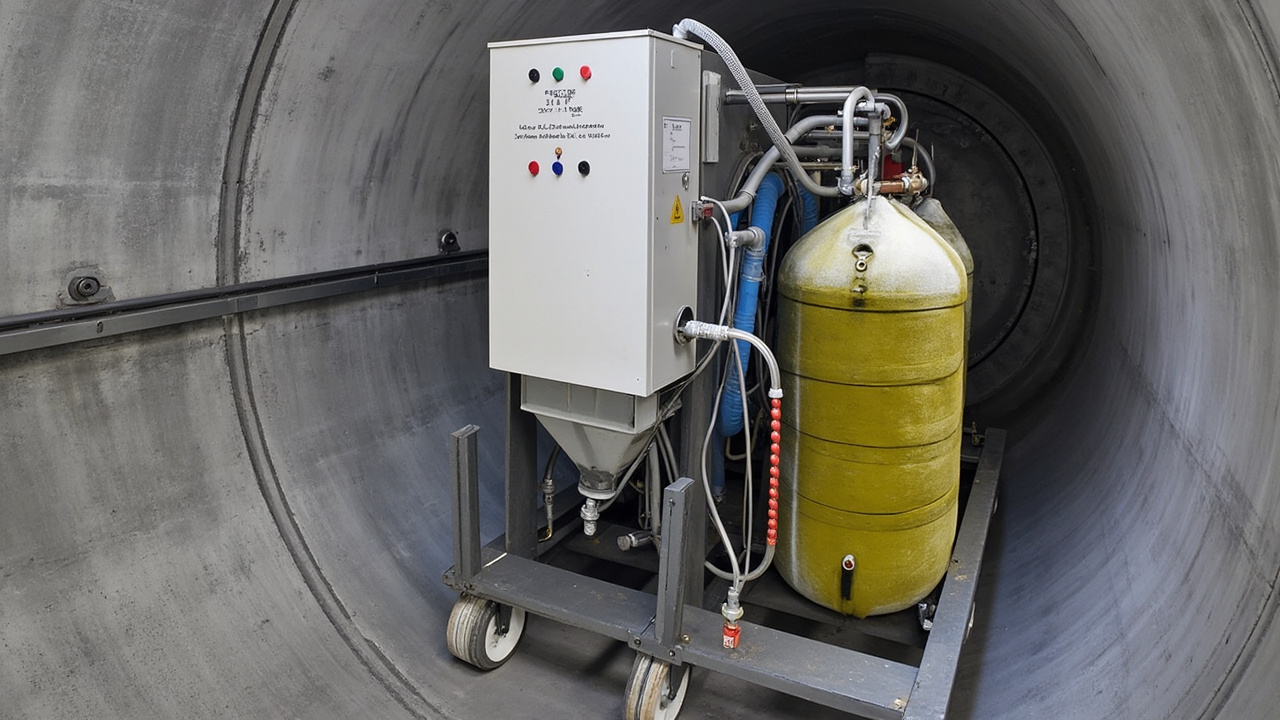
The most effective prevention systems pay for themselves after one avoided restoration event. These are the solutions worth discussing with your facilities team.
- High-water alarm systems. A float switch mounted in the elevator pit sends an alert to building management when water accumulates beyond 2 inches. Basic systems cost a fraction of a single restoration event and give you response time before the pit fills.
- Sump pump upgrade and redundancy. Most elevator pits have a single sump pump. Dual-pump systems with a battery backup ensure drainage continues during power outages, which frequently accompany major main breaks in Detroit’s older grid infrastructure.
- Pit liner installation. A sealed polyurea or epoxy pit liner applied to the pit floor and lower walls significantly slows water intrusion from groundwater infiltration, a real concern in Wayne County’s clay-heavy soil.
- Waterproof conduit sealing. All conduit entries into the elevator pit should be sealed with hydraulic cement or expanding foam to prevent water tracking along the conduit path from adjacent mechanical rooms.
- Quarterly sump pump testing. Sump pumps in elevator pits are out of sight and frequently neglected. Add them to your quarterly preventive maintenance schedule with a documented test and discharge rate check.
How Insurance Claims Work for Elevator Shaft Flooding
Commercial property policies typically cover sudden and accidental water damage from a main break. The complication with elevator shafts is that multiple loss categories overlap. You have structural damage to the shaft, mechanical damage to the elevator components, environmental damage from hydraulic fluid, and potential business interruption if the elevator is the only accessible route for mobility-impaired tenants.
Each category may be handled by a different section of your commercial property policy. Document everything from the first hour. Photographs, moisture readings, confined space entry logs, and the mechanical component assessment report are all critical to a clean claim. If your insurer disputes scope, the IICRC S500-compliant drying log is your strongest evidence that the restoration met the industry standard of care.
For guidance on navigating the insurance side of a water damage restoration event, the process for getting your Detroit property insurance to actually pay for water restoration applies to commercial claims as well as residential. The documentation principles are identical, and carriers respond the same way to organized evidence regardless of the policy type.
Building managers dealing with flooding that affected multiple floors or units alongside the elevator shaft may also need to understand the process for filing a successful water damage insurance claim for each affected unit, particularly in mixed-use buildings where residential and commercial coverage intersects.
What to Look for in a Detroit Elevator Shaft Restoration Company
Not every water damage company is qualified to work in a confined space. Before you call anyone, verify these credentials.
The restoration company must hold IICRC certification in Water Damage Restoration (WRT) and Applied Structural Drying (ASD). Their crew must have documented confined space entry training and a written confined space program that complies with OSHA 29 CFR 1910.146. They must be able to demonstrate experience with hydraulic fluid remediation specifically, not just general water extraction.
Ask for a list of elevator shaft or below-grade commercial restoration projects completed in the Detroit metro area. Companies that have worked in the high-rise corridor along Woodward Avenue, the Rivertown warehouse district, or the New Center area understand the specific substrate conditions and building access challenges unique to Detroit’s commercial building stock.
Response time matters. In a flooding situation, every hour without extraction adds exponential damage. A qualified Detroit restoration company should be on-site within 2 hours of an emergency call, with confined space equipment and extraction units already loaded.
If you are also dealing with water damage in other areas of the building alongside the elevator shaft situation, your restoration company should be equipped to address secondary issues like mold growth that may appear in adjacent mechanical spaces, or damage to finished surfaces in residential units that may require assessment of hardwood floors and wet carpet in affected units.
A Real Example from a Detroit Commercial Restoration
A water main failure beneath a freight elevator bay in a New Center warehouse conversion sent approximately 4,000 gallons of water into the elevator pit and adjacent loading area. The pit depth was 7 feet. The elevator used a hydraulic jack system. By the time the building manager reached the site, the pit was flooded to the 5-foot mark and hydraulic fluid sheen was visible across the standing water surface.
The restoration crew arrived within 90 minutes. Confined space entry permits were issued before any crew member descended. The contaminated water was segregated into 350-gallon containment tanks. Desiccant dehumidifiers ran for 6 days to bring the concrete pit walls from a moisture reading of 35 percent down to 12 percent. The mechanical documentation report identified corrosion beginning on two guide rail base plates, which the elevator contractor addressed before reinspection. The elevator passed its LARA reinspection on day 13 and returned to service without incident.
The complete documentation package, including confined space logs, moisture readings, and the hydraulic waste disposal manifests, supported a full commercial insurance claim with zero disputes from the carrier.
Call the Right Team the Moment You Discover the Flood
A flooded elevator shaft is not a situation where you have time to collect three bids. The longer water sits in a pit with energized components, mechanical equipment, and porous concrete walls, the more categories of damage you are managing simultaneously.
Call a Detroit restoration company with documented confined space entry capability, IICRC certification, and commercial elevator shaft experience. Have your building’s electrical drawings and elevator maintenance records accessible when they arrive. Shut down the elevator before anyone enters the machine room.
The faster the response, the shorter the restoration timeline, and the faster your tenants and building operations are back to normal.