
Why Canton Driveways Are Especially Vulnerable to Garage Water Intrusion
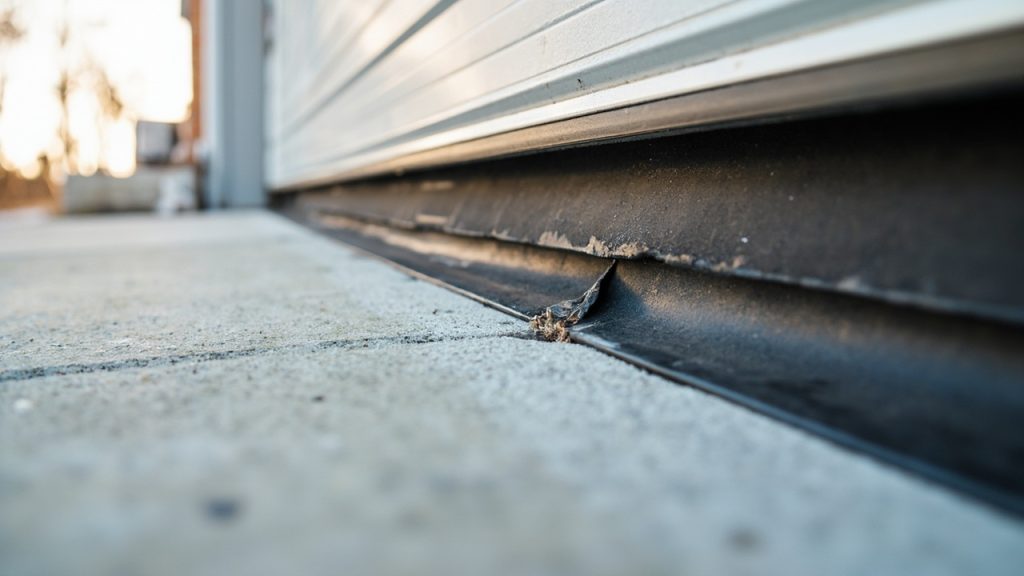
If you live in a Canton Township subdivision, your driveway is almost certainly flat or nearly flat. That matters a lot in winter. When Metro Detroit gets a heavy snowfall followed by a warm spell, that melting snow has nowhere to drain except toward your garage floor. And if your bottom seal is worn, cracked, or simply pressed against an uneven concrete pad, water finds its way inside every single time.
Canton homeowners deal with this more than most. The subdivisions built across Canton, Plymouth Township, and western Wayne County over the past few decades feature wide, flat driveways with direct slope toward attached garages. Unlike older Detroit neighborhoods where steep grades and brick pavers help redirect water, these newer layouts funnel snowmelt straight to the gap between your garage door and the concrete.
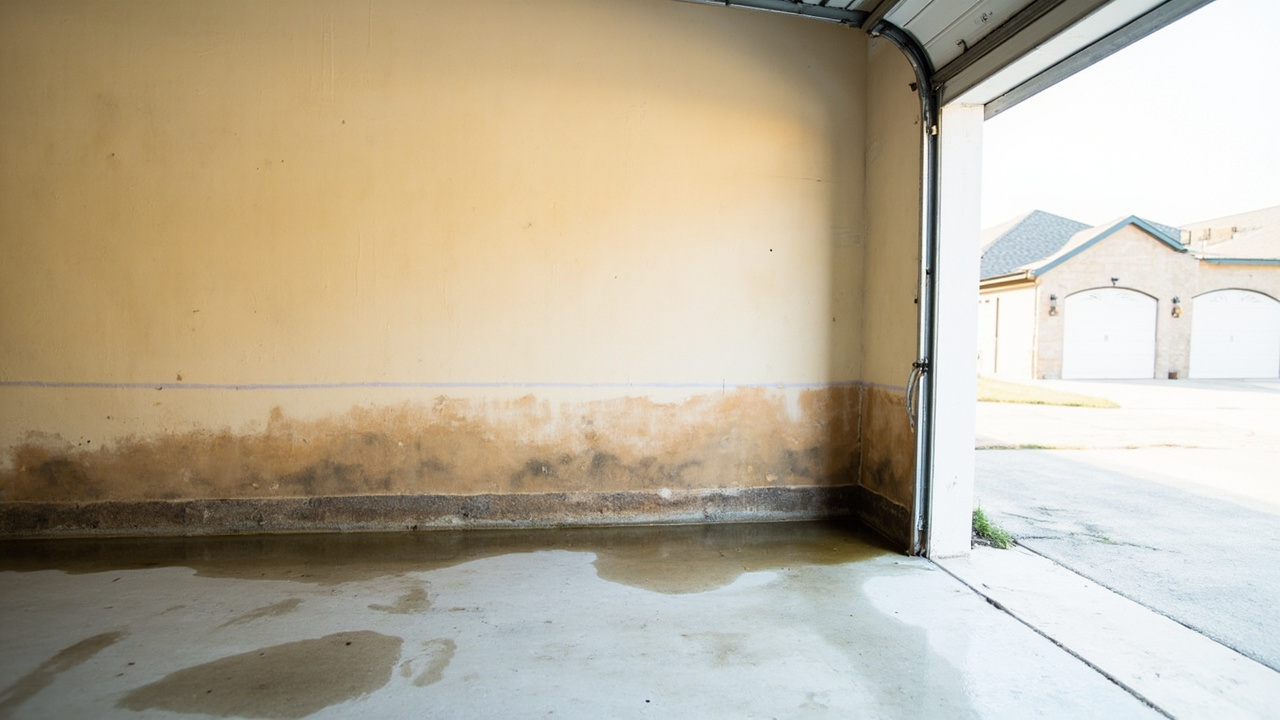
Once that water gets inside, it does not just puddle on the floor and evaporate. It wicks into the drywall on the shared wall between your garage and your home, saturates the bottom plates of your wall framing, and creates exactly the humid, dark environment that mold needs to establish itself within 24 to 48 hours.
Identifying the Root Cause of Your Garage Water Leak
Before you spend money on a fix, you need to identify which failure point is actually letting water in. Most Canton garage water leaks come from one of four sources, and they often work together to make the problem worse.
Worn or Cracked Bottom Seals
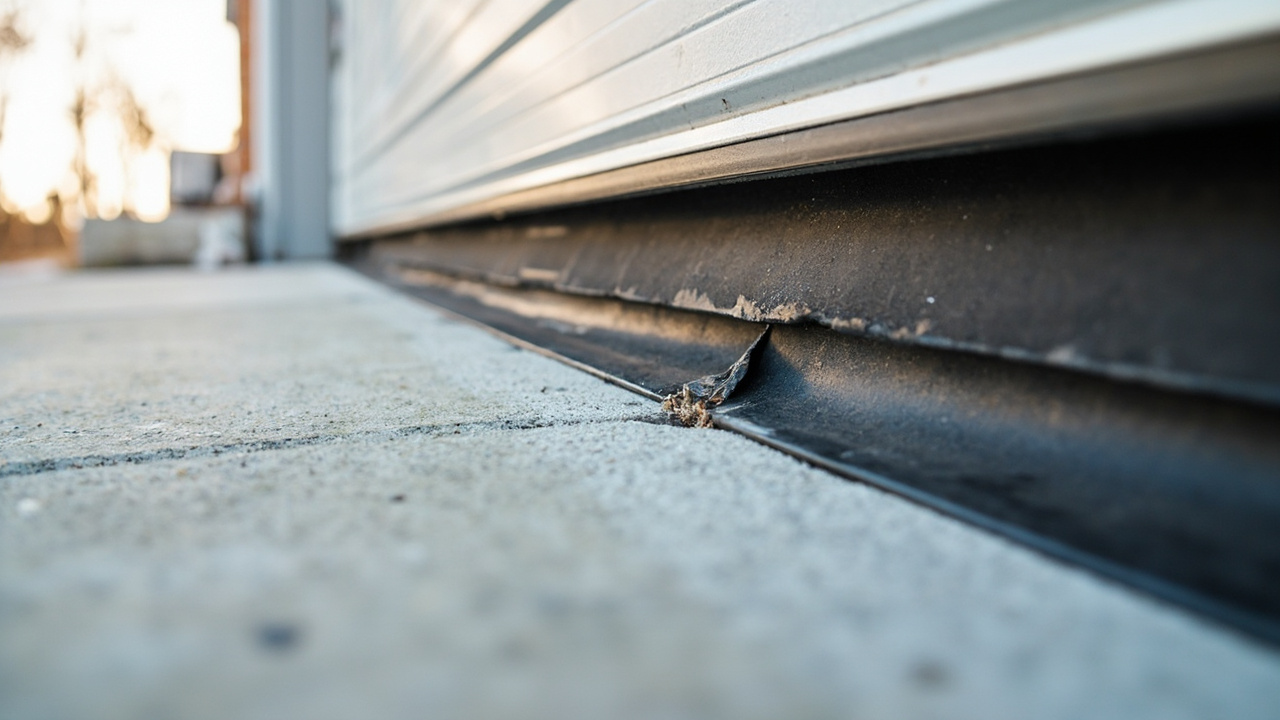
The bottom seal on a garage door is a rubber or vinyl strip attached to the bottom panel. On most residential doors, it is shaped like a T or a bulb. Over time, Michigan winters destroy these seals. Freeze-thaw cycling causes the rubber to harden and crack. The seal loses its ability to compress evenly against the floor. Even a 3-millimeter gap across a 16-foot door opening is enough to let significant water volume pass through during a heavy snowmelt event.
Press down on your bottom seal when the door is closed. If it does not compress and spring back, it needs to be replaced. If you can see daylight along any section of the seal, water will follow that same path.
Uneven Concrete and Settled Pads
Concrete slabs in Michigan settle over time, especially in areas with clay-heavy soil like much of Wayne County. When your garage floor settles unevenly, the bottom seal cannot maintain contact across the full width of the door. You might have a perfect seal on the left side and a visible gap on the right side. No weatherstripping product fixes a floor gap problem. That requires a threshold seal or a concrete leveling solution.
Missing or Damaged Threshold Seals
A threshold seal is a rubber strip that adheres to the concrete floor rather than to the door itself. It creates a secondary barrier that the door presses against when closed. Many Canton homeowners do not have one installed at all. When both the bottom door seal and the threshold seal are in place and intact, your door has two lines of defense against snowmelt intrusion.
The Michigan Freeze-Thaw Cycle Impact on Door Hardware
Michigan winters cycle through freezing and thawing repeatedly. That cycling warps door panels, causes tracks to shift slightly out of alignment, and degrades the U-shape gasket on the door sides and header. When the door sits slightly out of plumb, the bottom seal does not contact the floor evenly across its full length. Water finds the low spot and pools there before seeping inside.
The Hidden Damage That Water Intrusion Actually Causes
Most Canton homeowners notice the puddle on the garage floor and assume the problem stops there. It does not. The visible puddle is the least of your concerns.
Mold Growth in Garage Drywall
Attached garages in Metro Detroit homes are typically drywalled on the interior side of the shared wall with the living space. That drywall sits directly on the bottom plate of the wall framing, which sits on the concrete floor. When water pools against that wall, it wicks up the drywall face and into the paper backing within hours. The paper backing of standard drywall is a primary food source for mold, specifically Stachybotrys and Cladosporium species that are common in Great Lakes-area homes.
You will not see mold growth immediately. It typically becomes visible between 24 and 72 hours after saturation, depending on temperature and humidity levels. By the time you see black or green staining on the drywall surface, the colony is already established behind the wall surface as well. Wiping it down with a surface cleaner does not solve the problem, as explained in detail in our guide on why bleach does not fix mold the way most homeowners assume it does.
Structural Damage to Bottom Plates and Framing
The wood bottom plate beneath your drywall is typically pressure-treated lumber in newer construction, but many Canton homes built in the earlier part of this century use standard dimensional lumber that is vulnerable to rot. Once the bottom plate begins to rot, it compromises the structural integrity of that entire wall section. Replacing a rotted bottom plate and the surrounding framing costs significantly more than replacing weatherstripping.
Concrete Pitting and Surface Deterioration
Standing water mixed with road salt that tracks in from your driveway aggressively pits concrete surfaces. The salt accelerates freeze-thaw spalling on your garage floor. Over multiple winters, this creates channels and low spots that make the water intrusion problem progressively worse each season.
Rusting of Hardware and Stored Items
Garage door torsion springs, hinges, and track hardware corrode quickly in the presence of standing water and elevated humidity. Replacement of a full hardware set adds meaningful cost to what started as a simple seal failure. Beyond the door itself, tools, metal shelving, and stored items suffer irreversible rust damage once garage humidity stays consistently elevated.
Comparing the Severity of Garage Water Damage Over Time
The table below shows how the same garage door leak progresses and escalates if left unaddressed through a single Michigan winter season.
| Timeframe After First Water Intrusion | What Is Happening Inside | Repair Complexity |
|---|---|---|
| 0 to 24 hours | Water pools on floor, begins wicking into drywall bottom edge | Low. Dry and seal. DIY possible. |
| 24 to 72 hours | Drywall saturation deepens, mold spore germination begins | Moderate. Professional drying recommended. |
| 3 to 7 days | Visible mold growth, bottom plate moisture content elevated | High. Mold remediation and drywall removal needed. |
| 1 month or more | Structural wood rot, mold colony spread behind wall, possible spread to living space | Severe. Full remediation, framing repair, rebuild required. |
DIY Fixes That Actually Work vs. When to Call a Detroit Restoration Professional
Not every garage water leak requires professional intervention. Here is a clear breakdown of what you can address yourself and what requires expert equipment and judgment.
Garage Door Fixes You Can Do Yourself
- Replace the bottom door seal if the door is properly aligned and the floor is level. Most home improvement retailers carry T-style and bulb-style replacements. Cut to length and attach to the door bottom retainer.
- Install a threshold seal if none exists. Clean the concrete thoroughly, apply the adhesive that comes with the seal, press firmly, and allow full cure time before closing the door on it.
- Check and replace the side and top weatherstripping if the U-shape gasket is cracked or pulling away from the door frame.
- Apply a concrete sealant to your garage floor to reduce absorption and make cleanup faster after water intrusion events.
- Confirm your garage door is sitting level when fully closed. If it is not, that is a spring tension or track alignment issue that a garage door technician should correct before the new seal will work properly.
The Institute of Inspection Cleaning and Restoration Certification (IICRC) sets the industry standard for what constitutes proper drying and mold remediation. Their S500 Standard and S520 Standard are the benchmarks professionals follow in Detroit and across Michigan.
When the Problem Has Already Crossed Into Water Damage Territory
If you are reading this article because you have already noticed water staining on your drywall, a musty odor in the garage, or soft and discolored material at the base of your garage wall, the fix is no longer a hardware project. At that point, you are dealing with a water damage and potentially a mold remediation situation.
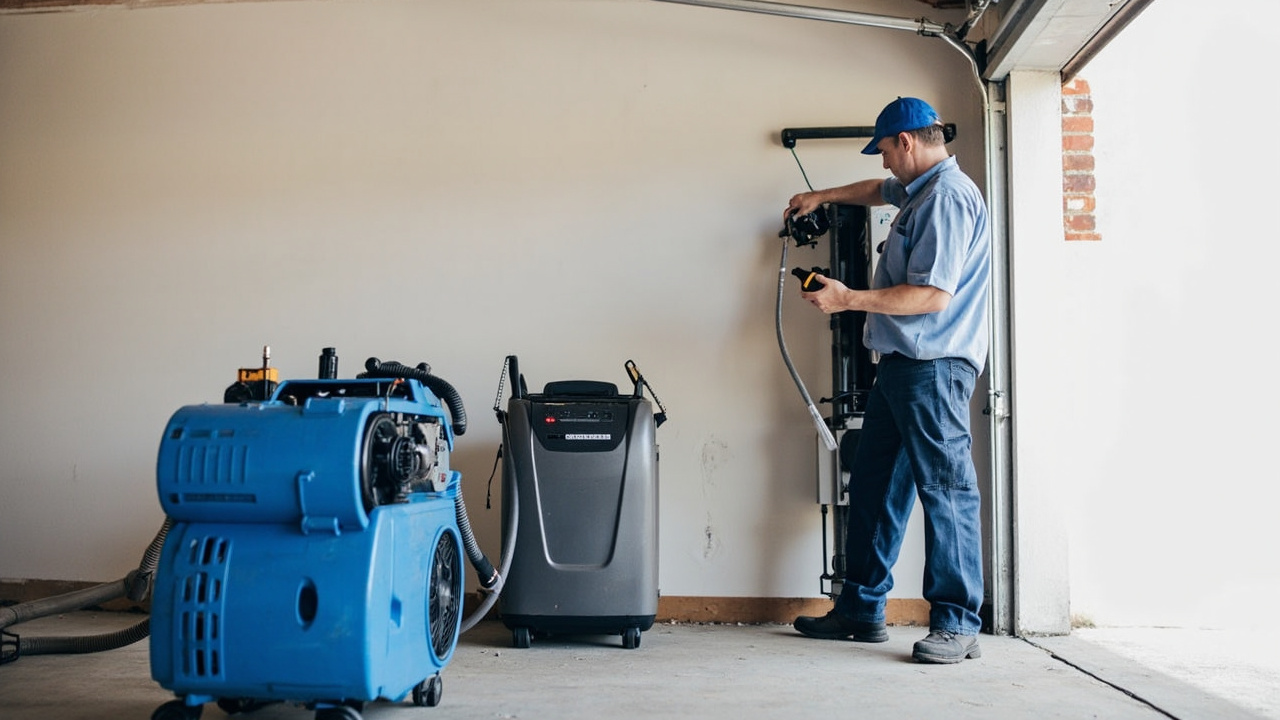
Proper structural drying requires commercial-grade dehumidifiers and air movers, not shop fans. The psychrometrics of drying wet concrete, wood framing, and drywall simultaneously require monitoring equipment that measures moisture content in materials, not just ambient air humidity. A consumer dehumidifier will not generate the airflow or grains-per-pound moisture removal rate needed to dry a water-damaged garage wall cavity to IICRC standards.
What Professional Water Damage Mitigation Looks Like in a Garage Setting
When a Detroit-area restoration team responds to a water-damaged garage in Canton or the surrounding Wayne County communities, the process follows a structured sequence based on IICRC S500 guidelines.
Initial Moisture Mapping
Technicians use penetrating moisture meters and thermal imaging cameras to map exactly how far water has migrated from the source. This step is critical because water in a wall cavity travels further than you expect. It wicks up wall studs, travels along top plates, and can saturate insulation in the adjacent living space before you detect it with your eyes.
Water Extraction and Material Assessment
Standing water comes out first with truck-mounted or portable extraction equipment. Then comes the assessment of which materials are salvageable and which need to be removed. Drywall that has been saturated beyond a certain moisture threshold and has active mold growth typically must come out. Concrete floors can be dried in place. Wood framing can often be dried and treated with antimicrobial solutions if caught early enough.
Structural Drying with Commercial Equipment
Desiccant or refrigerant dehumidifiers are staged in the garage and connected to air movers positioned to create calculated airflow patterns across wet surfaces. The goal is to pull moisture out of building materials and push it into the airstream where the dehumidifier can remove it from the environment. Daily moisture readings track progress against the drying goal.
Typical drying timelines for common garage materials are shown in the table below.
| Material | Typical Drying Time (IICRC Standard Conditions) | Notes |
|---|---|---|
| Concrete garage floor | 3 to 5 days | Dense concrete dries slower than porous concrete. Cold temperatures extend drying time. |
| Standard drywall (no mold) | 3 to 5 days with air movers | Must reach below 15% moisture content for paper-faced drywall to be considered dry. |
| Wood wall studs and bottom plates | 5 to 7 days | Equilibrium moisture content target is typically 12 to 16% in Michigan climate conditions. |
| Fiberglass batt insulation | Not typically salvageable when saturated | Must be removed, bagged, and replaced. Retains moisture and becomes a mold substrate. |
Antimicrobial Treatment
Once materials reach their drying goals, affected structural cavities receive an EPA-registered antimicrobial treatment applied to exposed framing, concrete, and subfloor surfaces. This step is not a mold remediation shortcut. It is a preventive measure on structurally sound materials that were exposed to moisture but not yet colonized by mold.
Does Homeowners Insurance Cover a Garage Door Water Leak and the Resulting Damage
This question comes up constantly, and the honest answer is that it depends on how the water entered the structure. Michigan homeowners insurance policies treat water damage differently based on the source and mechanism.
Water that enters from a sudden and accidental event may have coverage arguments. Water that enters slowly over time through a worn seal, classified by insurers as deferred maintenance or gradual seepage, is frequently excluded. The distinction matters significantly when you are looking at the cost of drywall removal, framing replacement, and mold remediation.
Before you call your insurance company, read our detailed breakdown of how to get your Detroit home insurance to actually pay for water restoration. Knowing how to document the damage and frame the claim properly makes a real difference in outcomes.
If this is not your first rodeo with a water damage claim, the article on filing a successful water damage insurance claim walks through the documentation process that restoration professionals use to support claims on behalf of Detroit-area homeowners.
Preventing Future Snowmelt Intrusion in Canton and Western Wayne County
After the damage is repaired and the garage is dry, these steps will significantly reduce the chance of a repeat event through future Michigan winter seasons.
- Inspect your bottom seal before the first freeze of each winter. Replace it if you see any cracking, separation, or loss of flexibility.
- Confirm your threshold seal is still adhered firmly to the concrete. Peeling edges create channels for water to run through.
- Use a floor squeegee to push snowmelt water away from the garage walls immediately after parking your vehicle. Do not let pooled water sit overnight against the drywall.
- Keep the garage temperature above freezing when possible. A cold garage slows the drying of any moisture that does get inside and extends the time materials remain at risk for mold growth.
- Install a battery-operated water alarm at the base of your shared garage wall. These cost very little and alert you the moment moisture reaches the floor near the wall, giving you hours of response time instead of days.
- Have a garage door service technician check spring tension and track alignment annually. A door that does not sit fully level when closed will never seal properly regardless of the weatherstripping quality.
The Michigan Bureau of Construction Codes sets minimum standards for garage construction and weatherproofing in residential structures across the state. If your garage was built to minimum code, it was built to survive Michigan winters, but only if the weatherproofing components are maintained.
Frequently Asked Questions About Garage Water Damage in Metro Detroit
How fast does mold grow after water gets into garage drywall?
Mold spore germination begins within 24 to 48 hours of drywall saturation when temperatures are above 40 degrees Fahrenheit. In an attached garage during a Michigan thaw cycle, temperatures are typically in that range. Visible mold growth on drywall surfaces typically appears between 72 hours and 5 days after the water event, depending on humidity levels and the specific mold species present.
Can wet garage drywall dry out on its own without professional equipment?
Saturated drywall rarely dries adequately without mechanical assistance. The paper face and gypsum core trap moisture, and the wall cavity behind the drywall has almost no airflow. Even if the surface feels dry to the touch, the wall cavity and bottom plate may remain at elevated moisture content for weeks. That sustained moisture is enough to support mold growth and begin wood rot. Professional drying equipment forces airflow through and around building assemblies in a way that passive evaporation cannot replicate.
Should I remove the wet drywall myself or wait for a restoration team?
If you are confident there is no mold present yet and the damage is caught within the first 24 hours, removing the lower section of affected drywall yourself speeds up the drying process and allows you to inspect the framing behind it. If you see any black, green, or fuzzy growth on the back side of the drywall panel or on the wall framing, stop. That situation requires containment and proper remediation protocols, not a weekend DIY project. Read more about when mold crosses the line into professional territory in our article on why bleach does not solve your mold problem.
Get a Free Moisture Inspection Before the Next Snowmelt Event
If water has gotten under your Canton garage door this winter, the time to act is before the next freeze-thaw cycle adds to the damage. A moisture inspection takes about 30 minutes and tells you exactly what condition your garage wall assembly is in right now, whether it is dry and sound or whether it is already carrying hidden moisture that will turn into a larger problem by spring.
Our team serves Canton, Plymouth Township, Westland, Dearborn, and communities throughout Wayne County and Metro Detroit. We work directly with homeowners and insurance adjusters, and we carry the IICRC certifications that document the quality of every drying project we complete. Call us or use the contact form on this site to schedule your inspection at no charge.
{
“@context”: “https://schema.org”,
“@type”: “BlogPosting”,
“headline”: “How to Stop Snow Melt from Seeping Under Your Canton Garage Door and Rotting the Drywall”,
“description”: “Snow melt seeping under your Canton garage door can rot drywall and grow mold fast. Learn how to stop it and when to call a Detroit restoration pro.”,
“wordCount”: 2722,
“datePublished”: “2026-08-06T09:53:00.000Z”,
“dateModified”: “2026-08-06T09:53:00.000Z”,
“inLanguage”: “en-US”,
“mainEntityOfPage”: {
“@type”: “WebPage”,
“@id”: “https://ironwoodwaterdamagerestorationdetroit.com”
},
“publisher”: {
“@type”: “LocalBusiness”,
“name”: “Ironwood Water Damage Restoration Detroit”,
“url”: “https://ironwoodwaterdamagerestorationdetroit.com”
},
“author”: {
“@type”: “Organization”,
“name”: “Ironwood Water Damage Restoration Detroit”,
“url”: “https://ironwoodwaterdamagerestorationdetroit.com”
},
“image”: {
“@type”: “ImageObject”,
“url”: “https://ironwoodwaterdamagerestorationdetroit.com/wp-content/uploads/2026/03/keeping-snow-melt-from-seeping-under-your-canton-g-1.jpg”
}
}
{
“@context”: “https://schema.org”,
“@type”: “LocalBusiness”,
“name”: “Ironwood Water Damage Restoration Detroit”,
“url”: “https://ironwoodwaterdamagerestorationdetroit.com”,
“address”: {
“@type”: “PostalAddress”,
“addressLocality”: “Detroit”
},
“areaServed”: {
“@type”: “City”,
“name”: “Detroit”
}
}
{
“@context”: “https://schema.org”,
“@type”: “FAQPage”,
“mainEntity”: [
{
“@type”: “Question”,
“name”: “How fast does mold grow after water gets into garage drywall?”,
“acceptedAnswer”: {
“@type”: “Answer”,
“text”: “Mold spore germination begins within 24 to 48 hours of drywall saturation when temperatures are above 40 degrees Fahrenheit. In an attached garage during a Michigan thaw cycle, temperatures are typically in that range. Visible mold growth on drywall surfaces typically appears between 72 hours and 5 days after the water event, depending on humidity levels and the specific mold species present.”
}
},
{
“@type”: “Question”,
“name”: “Can wet garage drywall dry out on its own without professional equipment?”,
“acceptedAnswer”: {
“@type”: “Answer”,
“text”: “Saturated drywall rarely dries adequately without mechanical assistance. The paper face and gypsum core trap moisture, and the wall cavity behind the drywall has almost no airflow. Even if the surface feels dry to the touch, the wall cavity and bottom plate may remain at elevated moisture content for weeks. That sustained moisture is enough to support mold growth and begin wood rot. Professional drying equipment forces airflow through and around building assemblies in a way that passive evaporation cannot replicate.”
}
},
{
“@type”: “Question”,
“name”: “Should I remove the wet drywall myself or wait for a restoration team?”,
“acceptedAnswer”: {
“@type”: “Answer”,
“text”: “If you are confident there is no mold present yet and the damage is caught within the first 24 hours, removing the lower section of affected drywall yourself speeds up the drying process and allows you to inspect the framing behind it. If you see any black, green, or fuzzy growth on the back side of the drywall panel or on the wall framing, stop. That situation requires containment and proper remediation protocols, not a weekend DIY project. Read more about when mold crosses the line into professional territory in our article on why bleach does not solve your mold problem.”
}
}
]
}
{
“@context”: “https://schema.org”,
“@type”: “BreadcrumbList”,
“itemListElement”: [
{
“@type”: “ListItem”,
“position”: 1,
“name”: “Home”,
“item”: “https://ironwoodwaterdamagerestorationdetroit.com”
},
{
“@type”: “ListItem”,
“position”: 2,
“name”: “Blog”,
“item”: “https://ironwoodwaterdamagerestorationdetroit.com/blog”
},
{
“@type”: “ListItem”,
“position”: 3,
“name”: “How to Stop Snow Melt from Seeping Under Your Canton Garage Door and Rotting the Drywall”
}
]
}
{
“@context”: “https://schema.org”,
“@type”: “Service”,
“serviceType”: “Water Damage Restoration”,
“provider”: {
“@type”: “LocalBusiness”,
“name”: “Ironwood Water Damage Restoration Detroit”,
“url”: “https://ironwoodwaterdamagerestorationdetroit.com”
},
“areaServed”: {
“@type”: “City”,
“name”: “Detroit”
},
“description”: “Snow melt seeping under your Canton garage door can rot drywall and grow mold fast. Learn how to stop it and when to call a Detroit restoration pro.”
}