
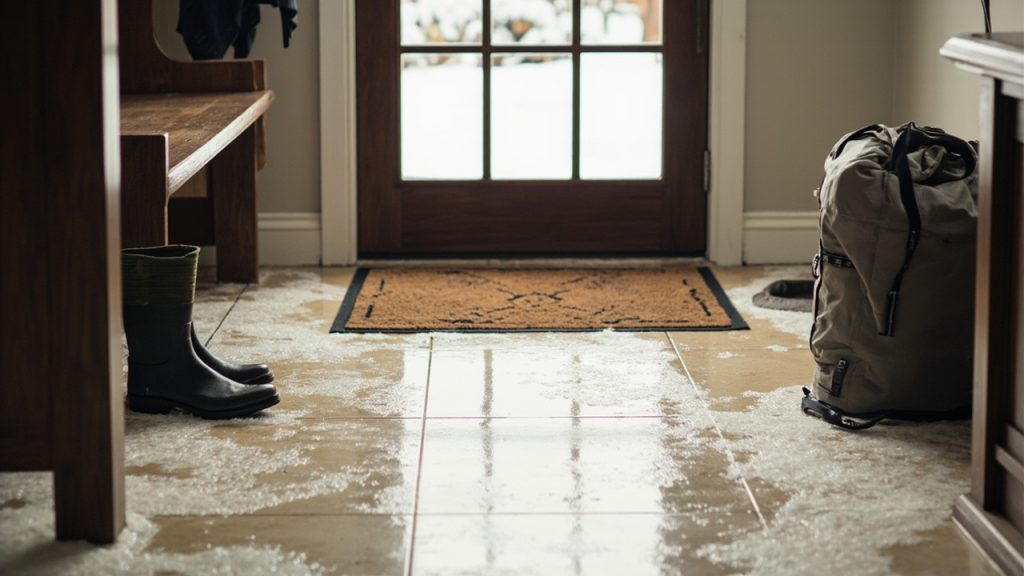
Your mudroom absorbs everything Michigan winter throws at it. Wet boots, dripping coats, tracked-in road salt, and puddles of melted slush pile up every single day from November through March. For Northville homeowners, that seasonal punishment adds up fast. When the freeze-thaw cycle repeatedly soaks and re-freezes the subfloor beneath your mudroom, the structural damage that follows can cost significantly more to fix than any prevention measure would have.
This guide covers what actually damages mudrooms in Metro Detroit winters, which materials hold up, and what to do if you already see signs that water has worked its way in.
Why Michigan Winters Are Uniquely Hard on Mudrooms
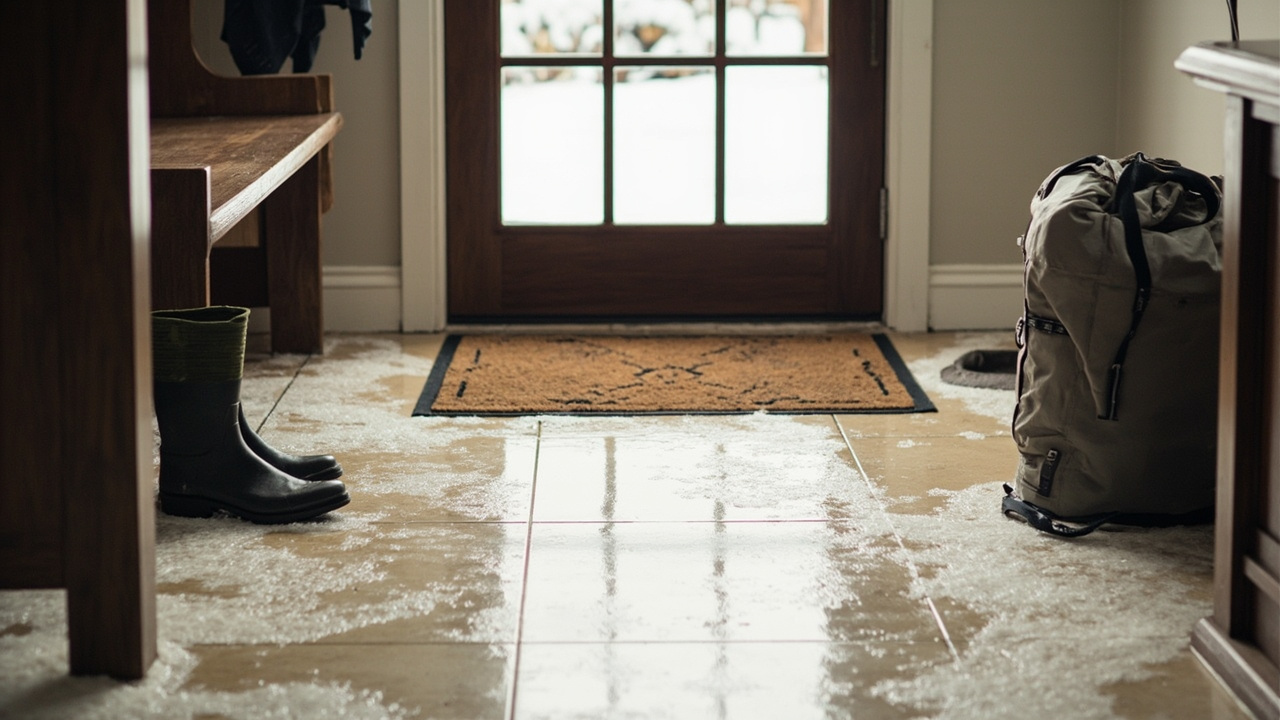
Detroit averages roughly 43 inches of snow annually, and that number climbs for communities along the Lake Erie and Lake St. Clair corridors due to lake-effect snow patterns. Northville, sitting in western Wayne County, sees consistent snowfall from late November onward. The bigger problem is not the snow itself. It is what happens when that snow melts.
Michigan road crews apply sodium chloride and magnesium chloride to roads and sidewalks at high volume throughout winter. Every time someone walks into your mudroom, they carry that salt in on their boots. Salt is hygroscopic, meaning it actively draws moisture from the air. On an unsealed floor, salt deposits pull water into porous grout, concrete backer board, and wood subfloor material before you can wipe it up.
The freeze-thaw cycle compounds this. Water trapped in subfloor layers expands when it freezes, then contracts when temperatures rise above 32°F. That repeated expansion and contraction creates micro-cracks in grout joints, breaks adhesive bonds beneath tile, and causes wood subfloor panels to swell and delaminate. Once delamination begins beneath a floor covering, mold growth in that cavity is almost guaranteed within 48 to 72 hours of sustained moisture exposure, according to EPA mold remediation guidance.
The Materials That Actually Hold Up (And the Ones That Don’t)
Flooring choice is your first line of defense. Not all materials handle the combination of standing water, salt residue, and freeze-thaw stress equally. Here is a direct comparison of the most common mudroom flooring options.
| Material | Water Resistance | Salt Durability | Subfloor Requirement | Best For |
|---|---|---|---|---|
| Porcelain Tile (rectified) | Excellent | Excellent | Cement board or uncoupling membrane | High-traffic mudrooms with slab or concrete subfloor |
| Luxury Vinyl Plank (LVP, 6mm+) | Very Good | Good | Smooth, level subfloor required | Mudrooms over wood subfloor, family homes |
| Epoxy Coating | Excellent | Excellent | Concrete slab only | Garage-adjacent mudrooms, utility-focused spaces |
| Ceramic Tile | Good | Moderate | Cement board | Lower-traffic areas, drier climates |
| Hardwood or Engineered Hardwood | Poor | Poor | Any wood subfloor | Not recommended for Michigan mudrooms |
| Laminate | Poor | Poor | Any subfloor | Not recommended for mudrooms |
For Northville homes with wood-framed construction, porcelain tile installed over a Schluter-DITRA uncoupling membrane is the most technically sound choice. The DITRA membrane creates a plane of uncoupling between the tile and the subfloor. When the subfloor moves seasonally due to temperature changes, the tile does not crack. The membrane also serves as a vapor control layer, stopping moisture migration upward from the subfloor into the tile assembly.
LVP is a strong second choice if your mudroom sits over a wood subfloor and you want the look of wood without the water vulnerability. Choose a product with a wear layer of at least 12 mils and a fully waterproof core, not just water-resistant. The distinction matters. Water-resistant LVP can handle splashes. Waterproof LVP handles standing water and moisture from below.
Subfloor Waterproofing Techniques That Actually Work
The floor covering is only as good as what sits beneath it. In older Northville homes, particularly those built before the 1990s in neighborhoods like Mill Race Village, the subfloor under mudrooms is often OSB or solid lumber that was never treated for moisture exposure. If that subfloor has seen repeated winter seasons without protection, check for soft spots before you install anything new.
Waterproof Membranes
For tile installations, apply a liquid waterproofing membrane like RedGard directly to the cement board substrate before setting tile. RedGard goes on pink and dries to a deep red color, making it easy to verify full coverage. Pay special attention to the transition between the floor and the wall, and any penetrations for pipes or floor drains. Those corners and joints are where water finds its way in first.
Schluter-KERDI membrane is another proven option for shower-to-mudroom transitions or areas where a laundry appliance shares space with the entry zone. KERDI bonds directly to the substrate with unmodified thin-set and creates a continuous waterproofed assembly that meets IICRC S500 structural drying standards for water management at the floor level.
Caulking and Joint Sealing
Sanded grout alone is not waterproof. Grout absorbs water over time, especially under salt stress. Seal all grout joints with a penetrating silicone-based sealer annually. For the cove joint where the floor meets the baseboard, do not rely on caulk as a decorative finish. Use a polyurethane sealant rated for wet environments. Reapply it every two seasons in high-traffic mudrooms.
In mudrooms with floor drains, verify that the drain maintains a slope of at least 1/8 inch per foot toward the drain. Standing water that cannot exit is the single most common cause of subfloor saturation in Wayne County mudroom restoration jobs. If your current floor is flat or slopes away from the drain, that needs to be corrected before any new floor covering goes down.
Appliance Risks in Mudroom Laundry Setups
Many Northville homes, particularly in newer subdivisions off Six Mile Road and in the Taft Road corridor, have laundry stacked or side-by-side in the mudroom to keep utility functions out of the main living space. That setup is practical until a supply hose fails or a drain line backs up.
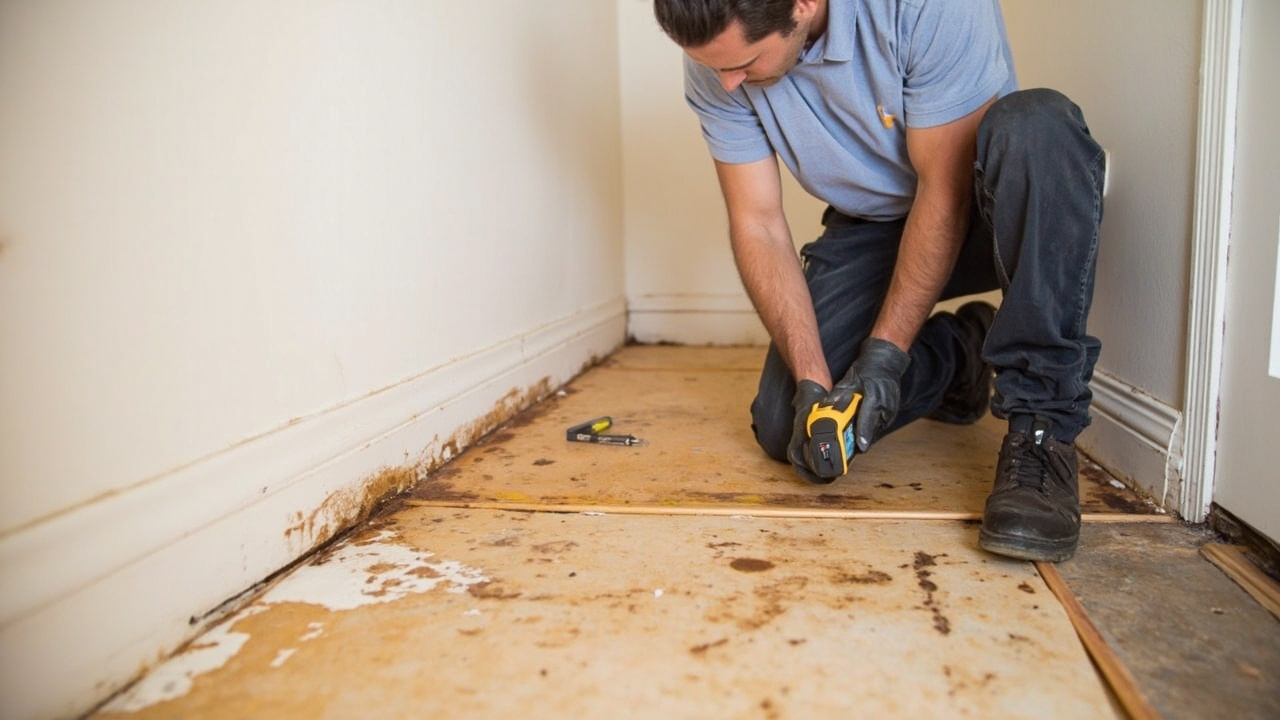
Rubber washing machine supply hoses fail without warning. Replace them with stainless steel braided hoses rated for high-pressure use. Inspect the connections at both ends twice per year. The back wall behind a washer is often the last place a homeowner looks until there is visible damage. By then, the drywall has wicked moisture up 12 to 18 inches and mold colonies are already established inside the wall cavity.
Install a washing machine floor pan beneath any washer in a mudroom. Route the pan’s drain line to a floor drain or laundry sink. The pan alone will not stop a catastrophic hose failure, but it contains smaller leaks long enough for you to notice them before subfloor damage sets in. Pair it with a water leak detector placed directly inside the pan. These devices cost very little and send an alert to your phone the moment moisture is detected.
How to Read the Early Warning Signs
Water damage in mudrooms rarely announces itself loudly. It communicates in subtle signals that most homeowners dismiss as cosmetic problems. Catching those signals early is the difference between a repair and a full restoration.
- Baseboard swelling or paint bubbling at the floor-to-wall joint. This means water is wicking up from the floor or coming in from the exterior threshold. The baseboard absorbs moisture, the paint loses adhesion, and the wood begins to cup or swell.
- Discolored or efflorescent grout. White powdery deposits on grout lines indicate that water is moving through the grout and pulling mineral salts to the surface. This is a sign of active moisture migration through the floor assembly.
- Musty odor that is stronger after a warm day following a cold snap. The freeze-thaw cycle releases trapped moisture into the air as temperatures rise. If your mudroom smells earthy or musty on warm winter days, mold is likely growing in the subfloor cavity or behind the baseboard.
- Tile that sounds hollow when tapped. Use a coin or the handle of a screwdriver and tap tiles near the exterior door. A hollow sound means the tile has debonded from the substrate. Water has gotten beneath it and the adhesive bond is broken.
- Soft spots in LVP or visible bubbling. If luxury vinyl plank feels spongy underfoot or shows bubbles, the subfloor beneath it has absorbed enough moisture to cause the panel to lift.
- Visible staining on the ceiling of a basement or crawl space directly below the mudroom. Staining in that location is a clear indicator that water has penetrated the subfloor entirely and is moving through the floor system.
If you notice any of these signs in your mudroom, the next step is a moisture reading of the subfloor, not a cosmetic patch. A professional restoration technician uses a calibrated moisture meter to measure both surface and deep subfloor moisture content. Wood subfloor should read below 12 percent moisture content. Anything above that indicates active or recent water intrusion. For homeowners dealing with damage that has progressed to the subfloor, the information in our guide on saving floors after a water leak in Birmingham MI applies directly to this type of structural drying situation.
Humidity Control in an Enclosed Mudroom Entry
Mudrooms that are fully enclosed, as opposed to open vestibules, trap humid air from wet gear and tracked-in slush. The recommended indoor relative humidity range is 30 to 50 percent. In a closed mudroom after a Michigan winter day, humidity levels can spike to 70 percent or higher within minutes of the family coming home.
| Relative Humidity Level | Risk Level | Likely Outcome Without Correction |
|---|---|---|
| Below 30% | Low (moisture risk) | Dry air, wood shrinkage, door gaps |
| 30% to 50% | Optimal | No moisture-related risk |
| 51% to 60% | Moderate | Condensation on cold surfaces, grout saturation over time |
| 61% to 70% | High | Mold spore germination possible within 24 to 48 hours |
| Above 70% | Critical | Active mold growth, structural moisture absorption, vapor barrier failure |
Install a small exhaust fan with a humidistat in an enclosed mudroom if you do not already have one. Set the humidistat to activate at 55 percent. This keeps the space ventilated automatically without you having to think about it. Position a boot dryer and a designated wet gear hook area away from walls. The fewer minutes wet materials contact drywall or baseboard, the less moisture transfers into the structure.
If your mudroom connects to a basement or crawl space, verify that the vapor barrier in that lower space is intact and properly lapped. Hydrostatic pressure from winter soil saturation can push ground moisture upward through slab cracks and rim joist areas into spaces directly above. Homeowners in Northville neighborhoods near the Rouge River or its tributaries should be especially attentive to this, as the soil in those areas retains moisture at high levels through spring thaw. If mold has already appeared, read our article on why bleach won’t eliminate mold in Detroit-area homes before attempting any DIY remediation.
Prevention at the Entry Point Before Water Gets Inside
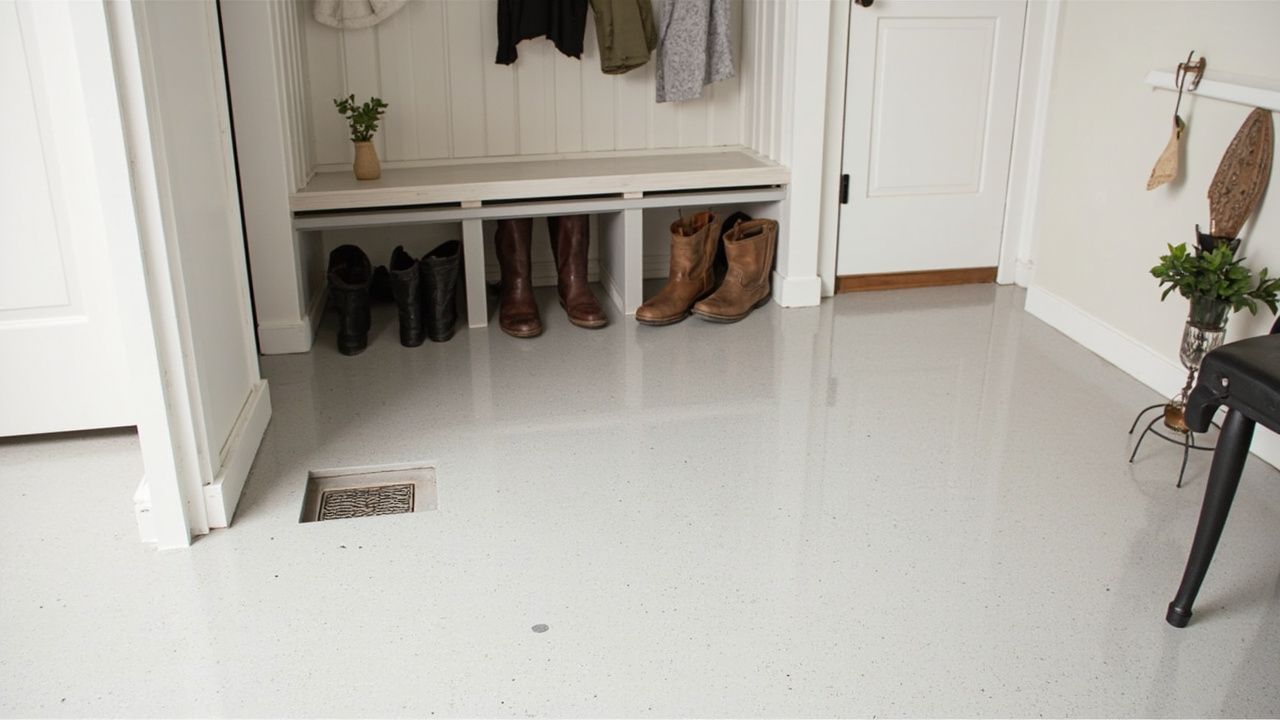
The exterior threshold is where prevention begins. Check that the door sweep on your exterior mudroom door creates a tight seal against the threshold plate. A gap of even 1/4 inch allows wind-driven rain and snowmelt to push under the door and directly onto the floor. Replace worn door sweeps before winter arrives each year.
Use a high-capacity commercial-grade entry mat both outside and inside the door. The outdoor mat should be rubber-backed with drainage channels that release water downward rather than pooling it on the surface. The indoor mat should have a waterproof backing and be large enough that at least two full steps land on it before reaching the uncovered floor. Machine-washable mats are worth the investment because a mat that is too wet to absorb more moisture is no longer doing its job.
Inspect the exterior caulk around the door frame annually. Michigan’s freeze-thaw cycle breaks down caulk compounds faster than climates with stable temperatures. Use a silicone or polyurethane caulk rated for exterior use and temperature ranges that cover Michigan winters. Standard latex caulk cracks within one season in this climate and should not be used on exterior penetrations.
What Professional Restoration Looks Like When Prevention Fails
If subfloor moisture content is elevated, mold is present, or structural materials have been compromised, professional water damage restoration is not optional. The process follows a defined protocol. First, technicians document moisture readings throughout the affected area using thermal imaging and calibrated meters. Then they extract any standing water, establish controlled drying with commercial-grade air movers and dehumidifiers, and monitor drying progress daily until materials reach equilibrium moisture content.
Mold remediation, if required, follows IICRC S520 standard protocols. That means containment of the affected area, HEPA filtration, physical removal of contaminated materials, and application of EPA-registered antimicrobial treatments. Surface cleaning alone does not meet the standard and does not solve the problem. If you need to involve your homeowner’s insurance in a mudroom water damage claim, our guides on getting Detroit home insurance to pay for water restoration and filing a successful water damage insurance claim walk through exactly what documentation and steps improve your outcome.
The cost-benefit case for prevention is straightforward. Replacing a waterproof membrane, resealing grout, and installing a quality exhaust fan takes a weekend and a modest materials budget. Professional mudroom restoration involving subfloor replacement, mold remediation, and reinstallation of floor covering takes days to weeks and costs many times more. The freeze-thaw cycle will not stop. What you do before winter hits determines whether your mudroom handles it or absorbs it.
If you have noticed any of the warning signs covered here, or if your Northville mudroom has not had a professional moisture assessment, contact our team today. We serve homeowners throughout western Wayne County, Oakland County, and the greater Metro Detroit area with 24/7 emergency response and thorough moisture inspections. Catching a problem now prevents a restoration project later.
{
“@context”: “https://schema.org”,
“@type”: “BlogPosting”,
“headline”: “How Northville Mudrooms Take a Beating from Melting Snow and Salt (And How to Stop the Damage)”,
“description”: “Protect your Northville mudroom from winter water damage caused by melting snow and de-icing salt. Expert prevention tips from Detroit’s water restoration pros.”,
“wordCount”: 2280,
“datePublished”: “2026-06-07T12:33:00.000Z”,
“dateModified”: “2026-06-07T12:33:00.000Z”,
“inLanguage”: “en-US”,
“mainEntityOfPage”: {
“@type”: “WebPage”,
“@id”: “https://ironwoodwaterdamagerestorationdetroit.com”
},
“publisher”: {
“@type”: “LocalBusiness”,
“name”: “Ironwood Water Damage Restoration Detroit”,
“url”: “https://ironwoodwaterdamagerestorationdetroit.com”
},
“author”: {
“@type”: “Organization”,
“name”: “Ironwood Water Damage Restoration Detroit”,
“url”: “https://ironwoodwaterdamagerestorationdetroit.com”
},
“image”: {
“@type”: “ImageObject”,
“url”: “https://ironwoodwaterdamagerestorationdetroit.com/wp-content/uploads/2026/03/protecting-your-northville-mudroom-from-water-dama-1.jpg”
}
}
{
“@context”: “https://schema.org”,
“@type”: “LocalBusiness”,
“name”: “Ironwood Water Damage Restoration Detroit”,
“url”: “https://ironwoodwaterdamagerestorationdetroit.com”,
“address”: {
“@type”: “PostalAddress”,
“addressLocality”: “Detroit”
},
“areaServed”: {
“@type”: “City”,
“name”: “Detroit”
}
}
{
“@context”: “https://schema.org”,
“@type”: “BreadcrumbList”,
“itemListElement”: [
{
“@type”: “ListItem”,
“position”: 1,
“name”: “Home”,
“item”: “https://ironwoodwaterdamagerestorationdetroit.com”
},
{
“@type”: “ListItem”,
“position”: 2,
“name”: “Blog”,
“item”: “https://ironwoodwaterdamagerestorationdetroit.com/blog”
},
{
“@type”: “ListItem”,
“position”: 3,
“name”: “How Northville Mudrooms Take a Beating from Melting Snow and Salt (And How to Stop the Damage)”
}
]
}
{
“@context”: “https://schema.org”,
“@type”: “Service”,
“serviceType”: “Water Damage Restoration”,
“provider”: {
“@type”: “LocalBusiness”,
“name”: “Ironwood Water Damage Restoration Detroit”,
“url”: “https://ironwoodwaterdamagerestorationdetroit.com”
},
“areaServed”: {
“@type”: “City”,
“name”: “Detroit”
},
“description”: “Protect your Northville mudroom from winter water damage caused by melting snow and de-icing salt. Expert prevention tips from Detroit’s water restoration pros.”
}