

If you live in Palmer Woods, your chimney has probably been standing since the 1920s or 1930s. That is a long time for mortar, flashing, and masonry to hold up against Detroit winters. When a chimney starts leaking, the water rarely announces itself with a puddle on the floor. It hides behind plaster, soaks into ceiling joists, and feeds mold colonies inside your walls for months before you notice anything obvious.
Chimney leak water damage is one of the most misdiagnosed problems in older Detroit homes. Homeowners blame roof shingles, condensation, or plumbing before they look up at the chimney. By the time the real source gets identified, the secondary damage has already spread.
This guide walks you through the specific signs, causes, and risks tied to chimney leaks in Palmer Woods and the broader Detroit metro area, so you can catch the problem early and know exactly what to do about it.
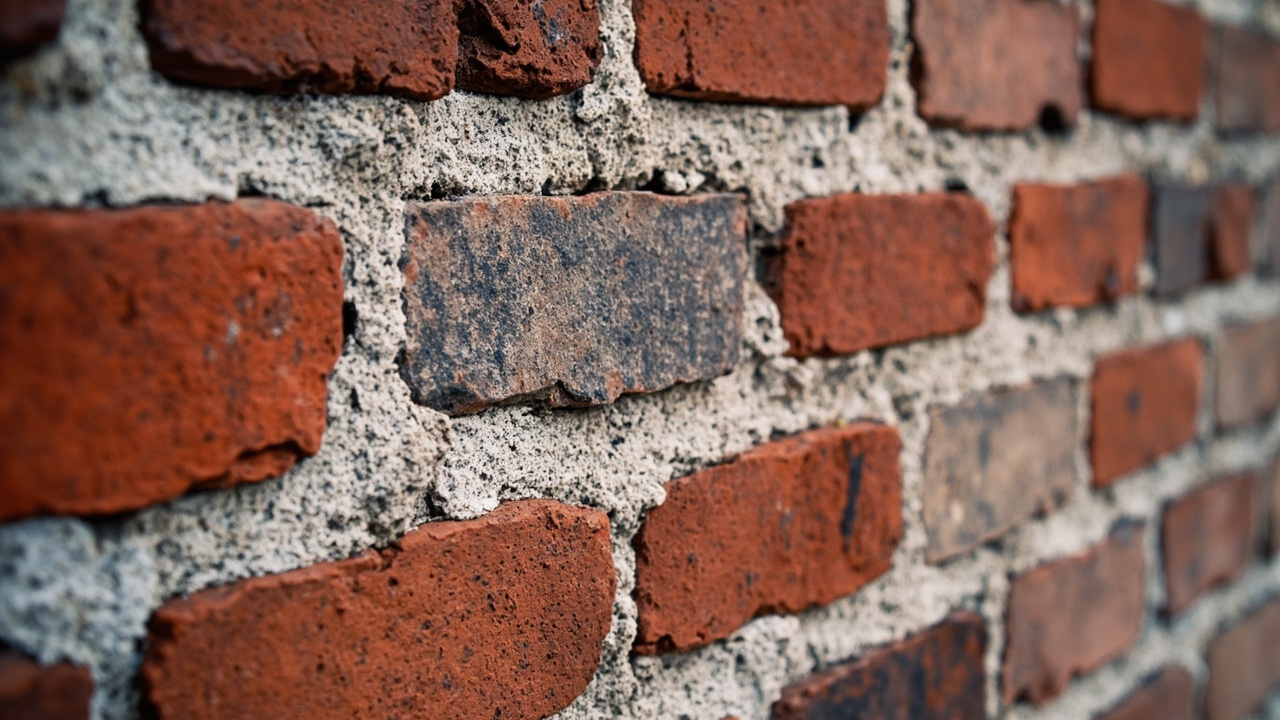
Warning Signs of Chimney Water Damage in Palmer Woods Homes
These homes have plaster walls, hardwood floors, and wood-framed structures that were built before modern moisture barriers existed. Water that enters through a chimney follows a path of least resistance, and it can travel surprisingly far from the source before showing up.
Staining on Ceilings Near the Fireplace
A yellow or brown ring on the ceiling close to where your chimney meets the roofline is one of the clearest early signals. The stain forms as water saturates insulation above and wicks down into the drywall or plaster. In Palmer Woods homes, these stains often appear on upper-floor ceilings near the chimney breast.
Do not assume a single stain means a minor problem. One stain visible from below can represent significant saturation above that you cannot see without opening the ceiling.
Efflorescence on the Masonry
Efflorescence is the white, chalky residue you see on brick or stone surfaces. It forms when water moves through masonry, dissolves mineral salts, and then deposits them on the surface as the water evaporates. Seeing efflorescence on your chimney exterior or on the firebox walls inside your home means water has been moving through that masonry repeatedly.
It is not a cosmetic issue. It tells you the masonry is already saturated on a regular basis, which accelerates spalling and structural degradation.
A Musty Smell Coming From the Fireplace
If your firebox smells damp or musty, especially after rain or during the spring thaw, that odor is a sign of moisture inside the flue or behind the firebox walls. Mold growth on organic material inside the chimney chase produces exactly this smell.
Many Palmer Woods residents mistake this for a normal chimney smell or a drafting issue. It is worth treating as a moisture problem until proven otherwise.
Rust on the Damper or Firebox
A rusted damper is a reliable indicator of long-term moisture exposure inside the flue. Rust does not develop quickly. By the time you spot it, the chimney has been taking on water through multiple seasonal cycles. Rusted metal components can also become a fire hazard if the damper warps and fails to open properly.
Peeling Paint or Bubbling Plaster Near the Chimney Wall
Water migrating through a chimney stack into adjacent wall cavities often shows up as paint failure or plaster bubbling on interior walls. In Palmer Woods homes, this is frequently mistaken for old paint or humidity issues. If the bubbling appears near the chimney breast on any floor of the home, treat it as a moisture investigation priority.
Deteriorating Mortar Joints Visible From Outside
Walk outside and look at your chimney from ground level. If the mortar joints between bricks look recessed, crumbly, or have gaps, water is already getting into the masonry structure. Damaged mortar is both a sign of past water damage and an active entry point for more water.

Why Detroit Chimneys Leak More Than You Might Expect
Detroit sits in a climate zone that is particularly hard on masonry. The city averages more than 33 inches of precipitation annually, with significant snowfall adding roof load and prolonged moisture exposure. The freeze-thaw cycle is the primary culprit for chimney deterioration here.
The Freeze-Thaw Cycle and Masonry Spalling
When water seeps into a small crack in brick or mortar and then freezes overnight, it expands by roughly 9 percent. That expansion forces the crack wider. The next rain fills the larger crack. The next freeze expands it further. After a few seasons of this, what started as a hairline crack becomes a gap that lets water into the wall cavity.
Palmer Woods and neighboring communities like Sherwood Forest and University District all have homes with chimneys built with the lime mortar mixes common in the early 20th century. That mortar was excellent for flexibility but degrades faster than modern Portland cement mixes under repeated freeze-thaw stress.
Failed or Missing Chimney Flashing
Chimney flashing is the metal seal between the chimney base and the roof surface. It is typically a combination of step flashing (running up the side of the chimney) and counter flashing (embedded into the mortar joints). On homes built before modern flashing standards, this connection is often the first place to fail.
Flashing can fail from corrosion, from mortar joint deterioration that loosens the embedded counter flashing, or from improper installation during a previous roof replacement. When flashing fails, water runs directly into the wall cavity at the roofline, often dripping down inside the wall without ever appearing inside the firebox.
A Damaged or Missing Chimney Crown
The chimney crown is the concrete or mortar cap that covers the top of the chimney stack, sealing the space between the flue liner and the chimney’s outer edge. A cracked or deteriorated crown allows rainwater to pour directly into the chimney cavity rather than shedding off to the sides.
Crown damage is extremely common on Detroit-area chimneys because the wide temperature swings between winters and summers cause the crown material to expand and contract until cracks develop. According to the Chimney Safety Institute of America, a damaged crown is one of the leading causes of preventable chimney water damage in residential homes.
No Chimney Cap or a Damaged One
A chimney cap sits over the flue opening at the top of the crown. It keeps rain from falling directly into the flue and also keeps birds and debris out. Homes without a cap, or with a cap that has rusted through, allow water to saturate the interior masonry with every rainfall. On a Palmer Woods Tudor or Colonial, this is often an original installation that has never been replaced.
What Happens When You Ignore Chimney Leak Water Damage
The longer water moves through a chimney and into your home’s structure, the more systems it damages. Chimney leaks rarely stay contained to one area.
| Damage Type | Typical Timeline for Onset | Structural Risk Level |
|---|---|---|
| Ceiling and drywall staining | 2 to 6 weeks after leak starts | Low to Moderate |
| Mold growth on organic material | 24 to 48 hours after sustained moisture | Moderate to High |
| Wood rot in framing near chimney | 3 to 12 months of ongoing moisture | High |
| Attic insulation saturation | 1 to 3 months | Moderate |
| Chimney liner deterioration | Multiple seasons of unchecked leaking | Very High (fire hazard) |
| Masonry spalling and structural failure | 2 to 5 years without repair | Very High |
Mold is the most time-sensitive risk. According to EPA guidance on mold in homes, mold colonies can begin forming within 24 to 48 hours of a surface staying wet. Inside a wall cavity near a leaking chimney, those conditions exist without anyone knowing. By the time you smell something musty, a mold colony may already span several square feet of wall framing.
If you are dealing with mold that has already spread, read our guide on why bleach is not an adequate solution for mold in Detroit-area homes and when professional remediation is necessary.
Structural wood rot is the slow, expensive disaster. Roof framing, ceiling joists, and wall studs adjacent to a chimney that has been leaking for years can absorb enough moisture to begin rotting through. In Palmer Woods homes where original old-growth lumber was used, the material holds up longer than modern framing lumber, but once it starts to rot, repair costs climb fast.
A compromised chimney liner is also a fire hazard. The liner protects the framing around the flue from exhaust heat. If water has cracked or deteriorated the liner, the insulating barrier between your fire and your wood framing is gone.
The Professional Restoration Process for Chimney Water Damage
Chimney leak restoration is not a single trade job. It requires coordination between masonry repair and structural drying, and sometimes mold remediation. IICRC-certified restoration professionals follow the S500 Standard for Professional Water Damage Restoration, which governs how water-damaged structures must be dried before reconstruction begins.
Step 1 — Moisture Mapping and Inspection
A qualified restoration technician uses thermal imaging and pin-type moisture meters to trace how far water has migrated from the chimney. Ceiling staining often represents only a fraction of the actual wet area. Moisture may extend into wall cavities, attic insulation, and floor assemblies without any visible sign at the surface.
Step 2 — Water Extraction and Material Assessment
If standing water is present in the attic or wall cavities, it gets extracted. Saturated insulation almost always needs to be removed because it cannot be effectively dried in place and harbors mold growth. A technician will assess whether drywall, plaster, or wood framing has crossed the threshold for drying versus replacement.
Step 3 — Structural Drying with Commercial Equipment
Restoration-grade air movers and dehumidifiers dry structural assemblies to their pre-loss moisture content. This process typically takes three to five days depending on how much material is affected. Technicians check moisture readings daily and adjust equipment placement until target readings are achieved.
Skipping this step and jumping to repairs is one of the most common mistakes homeowners make. Painting over wet drywall or closing up a wall cavity that has not been properly dried leads to mold growth inside a newly repaired wall.
Step 4 — Mold Remediation if Required
If mold is present, it gets addressed before any reconstruction. Affected materials are removed, the area is HEPA-vacuumed and treated, and containment barriers prevent spore spread to unaffected areas. The attic is one of the most common locations for mold growth associated with chimney leaks in Palmer Woods homes because warm, moist air from the leak meets the cold underside of the roof deck.
Step 5 — Masonry Repair and Waterproofing
Once the structure is dry, the chimney itself gets addressed. Tuckpointing restores deteriorated mortar joints. Flashing gets repaired or replaced. Crown repair or reconstruction seals the top of the stack. A penetrating masonry waterproofing sealant can then be applied to the entire chimney exterior to reduce future water absorption without trapping moisture inside the masonry.

Chimney Leak Damage at a Glance — Cause and Repair Summary
| Leak Source | Visible Symptom | Repair Type |
|---|---|---|
| Failed chimney flashing | Water at wall near roofline, ceiling stain on upper floor | Flashing replacement, re-embedding in mortar joints |
| Cracked chimney crown | Water in firebox during rain, interior masonry staining | Crown repair or full replacement |
| Missing or damaged chimney cap | Damper rust, flue water pooling, musty odor | Cap installation or replacement |
| Deteriorated mortar joints | Efflorescence, spalling brick, visible gaps in mortar | Tuckpointing, masonry waterproofing |
| Porous masonry (no sealant) | Damp smell after rain, interior wall moisture | Penetrating waterproof sealant application |
| Cracked flue liner | Smoke smell in adjacent rooms, unexplained wall moisture | Liner repair or relining |
Navigating Insurance Claims for Chimney Water Damage
Whether your homeowner’s insurance covers chimney leak damage depends on how the damage is classified. Sudden and accidental damage, like a chimney crown that cracks during a severe storm, is typically covered. Gradual deterioration from deferred maintenance is generally excluded.
This distinction matters enormously for Palmer Woods homeowners because many chimney leaks are the result of years of slow deterioration. Insurance adjusters will look for evidence of when the damage started and whether routine maintenance was performed.
- Document everything with photos before any repairs begin.
- Get a written inspection report from a certified chimney inspector or restoration professional that identifies the specific failure point and estimated timeline of damage.
- Do not wait. Most policies require you to notify your insurer promptly after discovering damage.
- Understand the difference between the chimney repair itself (often not covered) and the resulting water damage to your home’s interior (more likely covered under dwelling protection).
- Ask your adjuster specifically whether the interior structural damage falls under sudden and accidental loss language in your policy.
For a deeper breakdown of how to work with your insurer on water damage claims in Wayne County, read our guide on how to get your Detroit home insurance to actually pay for water restoration. And if you are in the early stages of filing, the article on filing a successful water damage insurance claim covers the documentation steps that separate approved claims from denied ones.
Secondary Damage You Might Not Have Considered
Chimney water damage is rarely limited to the chimney wall. Water that enters the home at roofline level travels down. In a two-story Palmer Woods home, that means it passes through the attic, potentially saturating insulation and roof deck, then moves into the wall cavity of the second floor, and in prolonged cases reaches the first floor ceiling.
Hardwood floors on the upper level near the chimney chase can cup and buckle when wall moisture reaches the subfloor level. If you are seeing floor movement near your fireplace, treat it as a serious moisture problem. Our guide on saving hardwood floors after a water leak explains what restoration is possible and what the timing window looks like before floors become unsalvageable.
Carpet near a first-floor fireplace that connects to an upper-floor chimney is another concern. If you are in the greater Detroit metro area and questioning whether wet flooring can be saved, the factors involved in that decision are covered in detail in our breakdown on deciding whether wet carpet can be saved or needs replacement.
A Practical Self-Inspection Checklist for Palmer Woods Homeowners
You do not need to climb onto the roof to check for early signs of chimney water damage. Most indicators are visible from ground level or from inside your home.
- Look for white chalky streaks (efflorescence) on the exterior brick surface of the chimney.
- Check interior walls adjacent to the chimney for paint bubbling, peeling, or plaster staining.
- Look up at ceilings on every floor near the chimney breast for yellow or brown ring stains.
- Open the damper and look up into the firebox with a flashlight. Look for water staining, rust, or visible daylight through cracks.
- After a heavy rain, go into the attic and check the wood framing around the chimney penetration for wet spots or staining.
- Check the mortar joints on the exterior chimney from the ground using binoculars. Recessed, crumbly, or missing mortar is a clear warning sign.
- Note any musty or earthy smell coming from the fireplace when it is not in use.
If you find two or more of these indicators, the chimney is almost certainly the source of active water intrusion. The next step is a professional moisture assessment, not a patch with caulk from a hardware store.
Chimney leak water damage in Palmer Woods homes is a structural issue, a health risk, and a fire safety concern all at once. Getting a certified restoration professional involved early keeps the scope of damage manageable. Waiting turns a contained moisture problem into a project that touches framing, insulation, mold remediation, and flooring replacement all at the same time.
If you are seeing any of the signs described here, call a restoration professional serving the Detroit metro area for a moisture assessment. The earlier the problem is mapped and addressed, the more of your home’s original structure can be preserved.
{
“@context”: “https://schema.org”,
“@type”: “BlogPosting”,
“headline”: “How to Tell If Your Palmer Woods Chimney Is Letting Water Into Your Walls”,
“description”: “Spot the signs of chimney leak water damage in Palmer Woods homes before it spreads. Detroit restoration experts explain what to look for and what to do next.”,
“wordCount”: 2646,
“datePublished”: “2026-04-15T05:16:00.000Z”,
“dateModified”: “2026-04-15T05:16:00.000Z”,
“inLanguage”: “en-US”,
“mainEntityOfPage”: {
“@type”: “WebPage”,
“@id”: “https://ironwoodwaterdamagerestorationdetroit.com”
},
“publisher”: {
“@type”: “LocalBusiness”,
“name”: “Ironwood Water Damage Restoration Detroit”,
“url”: “https://ironwoodwaterdamagerestorationdetroit.com”
},
“author”: {
“@type”: “Organization”,
“name”: “Ironwood Water Damage Restoration Detroit”,
“url”: “https://ironwoodwaterdamagerestorationdetroit.com”
},
“image”: {
“@type”: “ImageObject”,
“url”: “https://ironwoodwaterdamagerestorationdetroit.com/wp-content/uploads/2026/03/signs-your-palmer-woods-chimney-is-letting-water-i-1.jpg”
}
}
{
“@context”: “https://schema.org”,
“@type”: “LocalBusiness”,
“name”: “Ironwood Water Damage Restoration Detroit”,
“url”: “https://ironwoodwaterdamagerestorationdetroit.com”,
“address”: {
“@type”: “PostalAddress”,
“addressLocality”: “Detroit”
},
“areaServed”: {
“@type”: “City”,
“name”: “Detroit”
}
}
{
“@context”: “https://schema.org”,
“@type”: “BreadcrumbList”,
“itemListElement”: [
{
“@type”: “ListItem”,
“position”: 1,
“name”: “Home”,
“item”: “https://ironwoodwaterdamagerestorationdetroit.com”
},
{
“@type”: “ListItem”,
“position”: 2,
“name”: “Blog”,
“item”: “https://ironwoodwaterdamagerestorationdetroit.com/blog”
},
{
“@type”: “ListItem”,
“position”: 3,
“name”: “How to Tell If Your Palmer Woods Chimney Is Letting Water Into Your Walls”
}
]
}
{
“@context”: “https://schema.org”,
“@type”: “Service”,
“serviceType”: “Water Damage Restoration”,
“provider”: {
“@type”: “LocalBusiness”,
“name”: “Ironwood Water Damage Restoration Detroit”,
“url”: “https://ironwoodwaterdamagerestorationdetroit.com”
},
“areaServed”: {
“@type”: “City”,
“name”: “Detroit”
},
“description”: “Spot the signs of chimney leak water damage in Palmer Woods homes before it spreads. Detroit restoration experts explain what to look for and what to do next.”
}