
Why Vacant Properties in Warrendale Are at Serious Risk
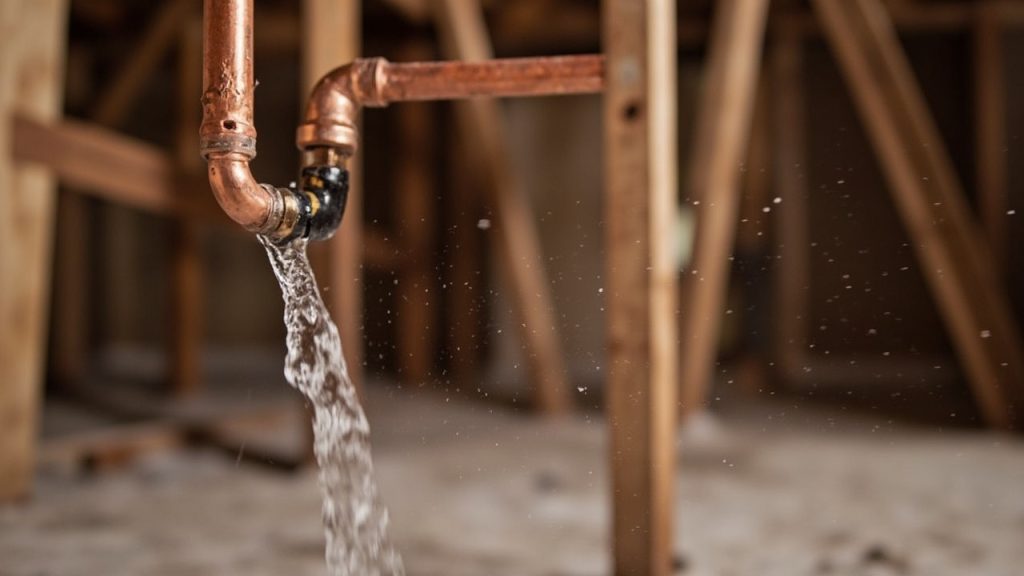
A vacant property in Warrendale is one of the most financially vulnerable assets a Detroit investor can own. No one is home to catch the sound of running water behind a wall. No one notices the basement filling with groundwater during a spring thaw. By the time you walk through the door, you may be facing a total loss.
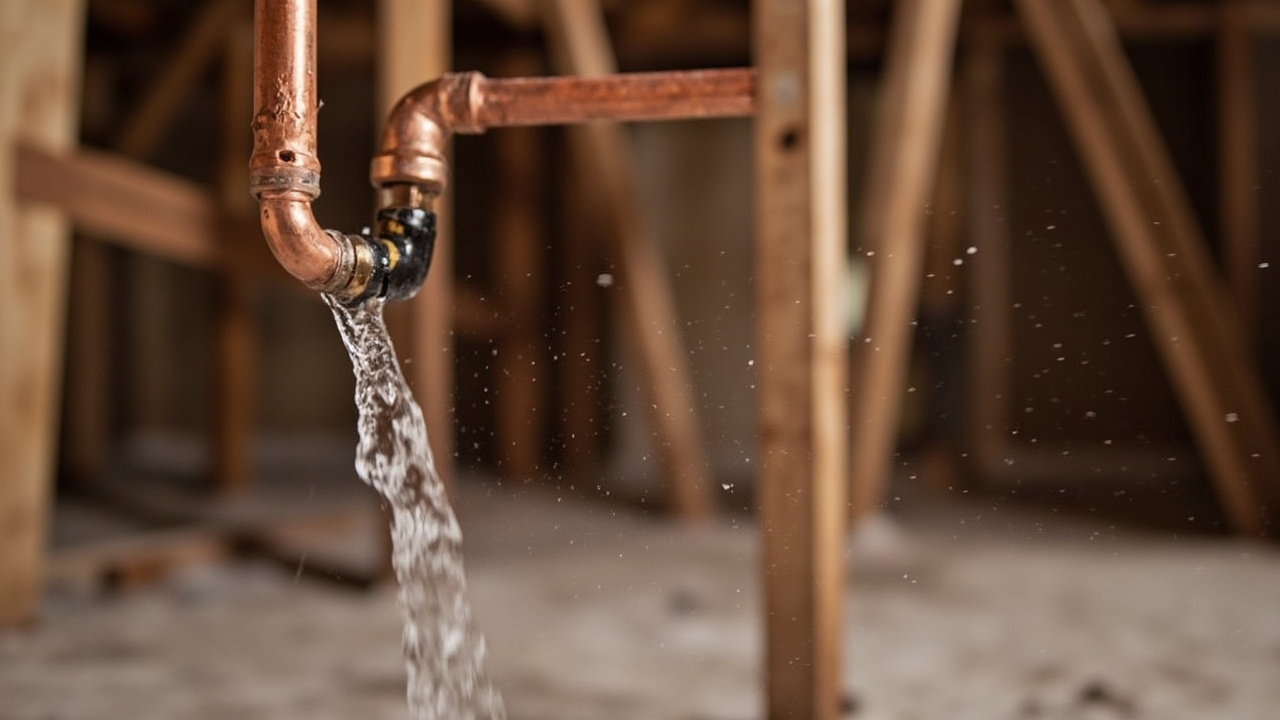
Detroit’s freeze-thaw cycle is brutal. Temperatures routinely swing between single digits and the upper 40s within the same week, especially from January through March. That thermal stress puts direct mechanical strain on copper and galvanized steel supply lines, particularly in homes built before 1980, which describes most of Warrendale’s housing stock.
Here’s the number that should get your attention. Mold colonization begins within 24 to 48 hours of a moisture event, according to the U.S. Environmental Protection Agency. In a vacant home with no climate control and no airflow, secondary damage from a burst pipe can make a property uninhabitable in under a week. Prevention costs a fraction of what restoration does.
What Makes Warrendale Specifically Vulnerable
Warrendale sits on Detroit’s west side, bounded roughly by Grand River Avenue to the north and Joy Road to the south. The neighborhood has a high concentration of investment properties, many of them 1920s and 1930s bungalows with original cast iron drain lines and copper supply pipes that have never been replaced.
Older plumbing in these homes often runs through uninsulated exterior wall cavities. When heat is cut off or drops below 55 degrees Fahrenheit, those lines freeze fast. The Detroit Water and Sewerage Department (DWSD) responds to main breaks throughout the city, but your interior plumbing is your responsibility entirely.
Vacant properties also attract unauthorized entry, which can mean broken windows, missing copper pipe stolen for scrap, or blocked drains stuffed with debris. Any of these conditions accelerates water intrusion risk. You need a layered prevention strategy, not just a turned-off water main.
The Complete Winterization Checklist for Your Vacant Investment Property
Walk through this list before you leave a property vacant for any period longer than five days during Michigan’s cold season. Skipping even one of these steps has cost investors thousands in preventable damage.
- Shut off the main water supply valve at the meter or the street shutoff. Locate the valve before you need it. In many Warrendale bungalows, the main shutoff is in the basement near the front foundation wall.
- Open all faucets and flush all toilets to drain residual pressure from the supply lines. Leave faucets in the open position so any remaining water can expand without splitting the pipe.
- Drain the water heater using the bottom drain valve. A full tank sitting in an unheated space can crack or allow freeze damage in the connecting lines.
- Add RV-grade antifreeze to toilet traps, floor drains, and P-traps under every sink. Standard antifreeze is toxic. Use only propylene glycol formulations rated for potable water systems.
- Set the thermostat to a minimum of 55 degrees Fahrenheit if you are keeping utilities active. This is the professional standard. Going lower risks pipe failure in an exterior wall where air temperature drops faster than your interior thermostat reads.
- Insulate exposed pipes in unheated spaces with foam pipe insulation rated at R-3 or higher. For pipes running through rim joist areas or crawlspaces, use foam with foil facing for added vapor control.
- Inspect and clear the sump pump discharge line to confirm it is not frozen or obstructed at the outlet.
- Secure all ground-level windows and entry points to prevent wind-driven cold from penetrating wall cavities where plumbing runs.
Sump Pump Maintenance for Homes You Are Not Watching Daily
Detroit’s spring thaw is aggressive. When temperatures climb in late February and March, snowmelt saturates the clay-heavy soils throughout the metro area. Hydrostatic pressure builds against your foundation walls, and if the sump pump fails, the basement fills fast.
A vacant property needs a battery backup sump system, not just a primary pump. Primary pumps rely on electricity. Power outages during spring storms are common in Detroit, and no one is there to notice the pump stopped running.
Test the battery backup by pouring water directly into the pit until the float rises. Watch the backup activate. If the response is sluggish or the alarm sounds before the pump engages, replace the battery. Most sealed lead-acid backup batteries need replacement every three to four years under normal cycling conditions.
Also check the discharge line outlet on the exterior of the foundation. In late winter, that line can freeze solid at the termination point, causing water to back up through the pump and into the pit with nowhere to go. The discharge line should terminate at least ten feet from the foundation and slope continuously downward to prevent standing water from freezing in the line.
Smart Technology That Protects Properties When You Cannot Be There
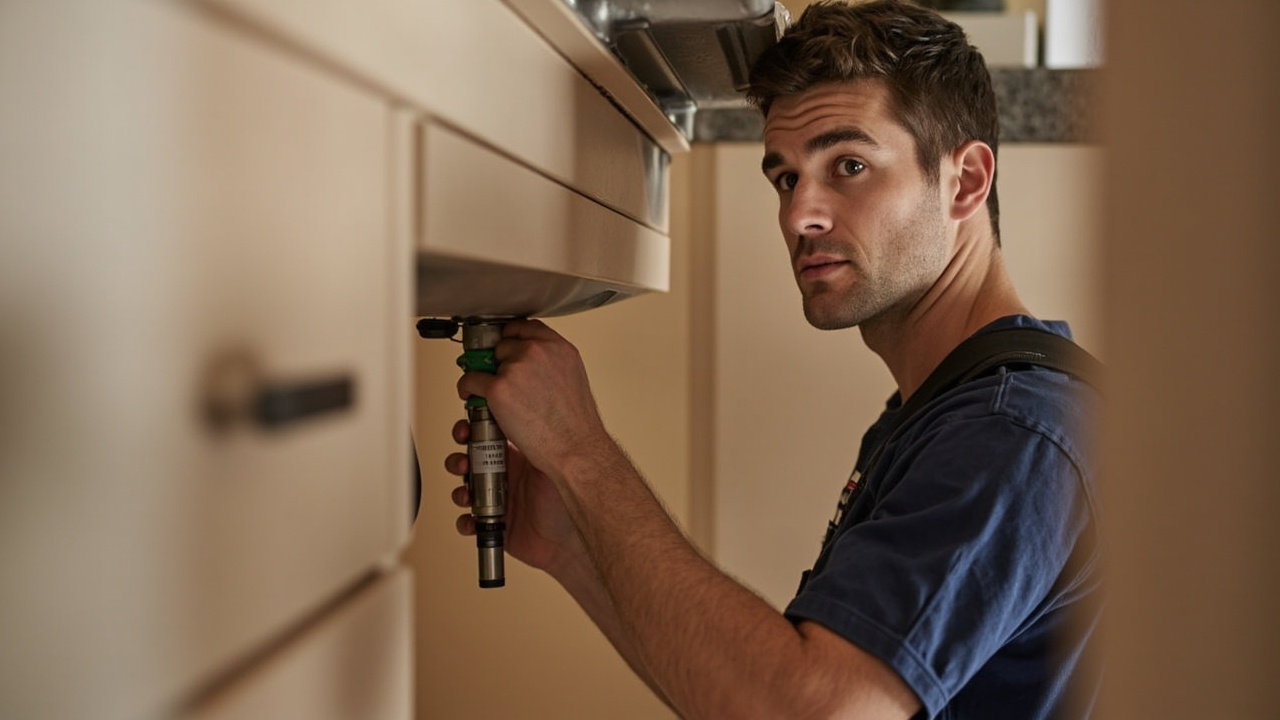
Out-of-state investors managing Warrendale properties have a real tool advantage now compared to even five years ago. Wi-Fi-enabled water sensors, smart thermostats, and automatic shut-off valves have changed the math on remote property management.
Water Detection Sensors
Place sensors under every sink, near the water heater, on the basement floor near the sump pit, and at the base of the water supply line entry point. Devices like the Moen Flo, Phyn Plus, or Resideo leak detectors send alerts to your phone the moment moisture is detected. Response time matters enormously. An alert at 2 a.m. that gets you a local contact on-site within an hour can mean the difference between a minor repair and a full structural dry-out.
Automatic Water Shut-Off Valves
Inline shut-off valves installed at the main supply line can detect sudden flow changes consistent with a burst pipe and close automatically, even without cellular signal. These devices are not a replacement for draining lines before vacancy, but they add a critical failsafe layer if someone leaves a valve cracked or a supply line develops a slow pinhole leak.
Smart Thermostats with Remote Monitoring
A standard programmable thermostat does not tell you when the furnace fails. A Wi-Fi thermostat like an Ecobee or Honeywell T6 Pro sends low-temperature alerts when the property drops below your set threshold. If the furnace goes down on a night when temperatures fall to 8 degrees Fahrenheit (a realistic Detroit January scenario), you have hours, not days, before pipes in exterior walls freeze.
| Device Type | Primary Function | Response Trigger | Best Placement | Requires Wi-Fi |
|---|---|---|---|---|
| Wi-Fi Water Sensor (e.g., Resideo) | Detects standing moisture | Contact with water | Under sinks, near water heater, basement floor | Yes |
| Inline Shut-Off Valve (e.g., Moen Flo) | Auto-shuts main supply on abnormal flow | Flow anomaly or sensor alert | Main supply line entry point | Yes |
| Smart Thermostat (e.g., Ecobee) | Remote temperature monitoring | Temp drops below set minimum | Central hallway, main living area | Yes |
| Battery Backup Sump Monitor | Alerts on pump failure or high water | Float activation without pump response | Sump pit | Some models; others use cellular |
Understanding the Real Cost Gap Between Prevention and Restoration
Investors sometimes treat winterization as optional because the upfront cost feels unnecessary on a property that is not generating income. That logic is expensive.
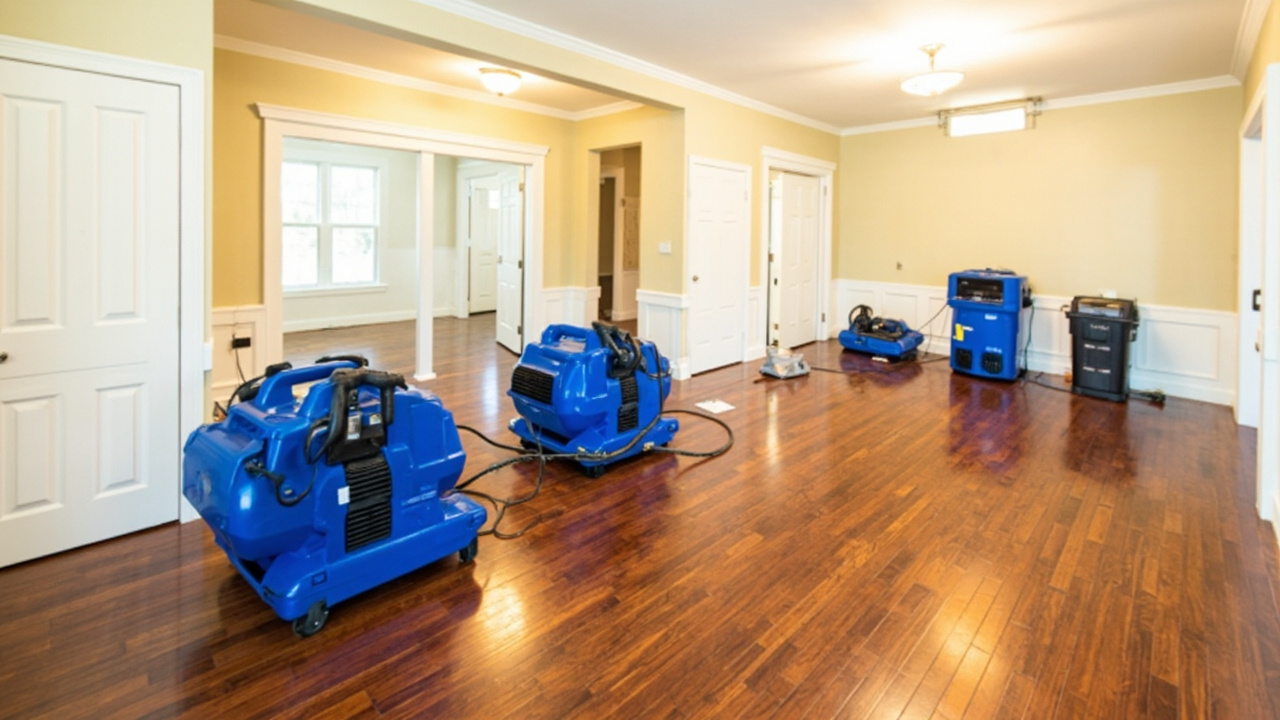
Prevention measures including pipe insulation, antifreeze treatment, a battery backup sump, and a basic sensor system represent a fraction of what a full structural dry-out costs after a burst pipe event. Water damage restoration in Detroit involves extraction, structural drying using industrial air movers and desiccant dehumidifiers, antimicrobial treatment, and often full drywall and flooring replacement. If mold sets in before you catch it, you are also looking at a full mold remediation protocol, which is a separate scope of work entirely.
The IICRC (Institute of Inspection Cleaning and Restoration Certification) sets the industry standard for water damage and mold remediation procedures. A certified restoration contractor will follow IICRC S500 and S520 standards, which dictate moisture measurement, drying validation, and documentation requirements. That documentation matters when you file an insurance claim.
| Scenario | Scope of Work | Relative Cost | Timeline |
|---|---|---|---|
| Full Winterization | Main shutoff, drain lines, antifreeze, insulation, smart sensors | Low (one-time seasonal cost) | Half day to full day of labor |
| Single Burst Pipe Repair (no secondary damage) | Pipe repair, minor drywall access, dry-out | Moderate | 3 to 5 days drying; 1 to 2 days repair |
| Undetected Leak (48+ hours) | Full extraction, structural drying, drywall and flooring replacement | High | 7 to 14 days minimum |
| Undetected Leak with Mold | Above plus IICRC S520 mold remediation, containment, air scrubbing | Very High | 3 to 6 weeks total project |
Your Insurance Policy and What It Actually Covers
Most landlord or dwelling fire policies cover sudden and accidental discharge from a burst pipe. They do not cover damage from gradual leaks, neglect, or freezing when the property was left without adequate heat. That language matters enormously.
If you shut off utilities entirely and do not drain the system, and a pipe freezes and bursts, your insurer may deny the claim on the basis of inadequate maintenance. Document your winterization steps with photos and dates. Keep receipts for antifreeze, pipe insulation, and any professional services. That documentation is your defense if a claim gets disputed.
If you do find water damage and need to file, read our guide on how to get your Detroit home insurance to actually pay for water restoration before you make any calls. The sequence of your actions in the first 24 hours affects your claim outcome more than most investors realize.
What to Do the Moment You Find Water Damage in a Vacant Property
If you walk into a vacant Warrendale property and find standing water, do not touch anything until you confirm the power is safe. Water in contact with electrical outlets, panels, or appliances creates an electrocution hazard. If water levels are above the outlets, call Detroit Edison (DTE Energy) and the fire department before entering.
Once the space is confirmed safe, take these steps in order.
- Shut off the main water supply immediately if it is still active.
- Document everything with video before moving any material. Walk every room, capture the water line heights on walls, and photograph all affected flooring and ceiling areas.
- Call your insurance company to open a claim. Get a claim number before remediation begins.
- Contact a certified water damage restoration contractor. Do not wait for the insurance adjuster to schedule their visit before starting dry-out. Water does not pause for paperwork, and delays increase your mold exposure risk significantly.
- Do not remove wet building materials yourself unless directed to do so by the restoration technician. Moisture meters and thermal imaging cameras can reveal hidden saturation in wall cavities and subfloors that are not visible to the naked eye.
Thermal imaging leak detection is a critical part of any professional assessment. An IICRC-certified technician uses infrared cameras to identify temperature differentials in walls and ceilings caused by evaporative cooling from trapped moisture. You cannot find this saturation by touch or visual inspection alone. This is one of the key reasons why professional assessment after a water event is not optional.
Mold Risk in Detroit’s Humid Summers
If a water event in a vacant Warrendale property goes undetected through winter and into spring, you are entering Detroit’s high-humidity season with compromised building materials. Southeast Michigan regularly sees relative humidity levels above 70 percent from May through August.
Porous materials including drywall, OSB sheathing, and wood framing that absorbed water during a freeze event become active mold growth media once temperatures and humidity climb. By the time you see visible mold colonies on surfaces, the spore count inside wall cavities is typically far higher.
Bleach does not solve this problem. Surface application of bleach does not penetrate porous building materials, does not eliminate the root structure of mold colonies, and does not address the moisture source that caused growth in the first place. For more on why that approach fails, read our breakdown of why bleach won’t fix your Ferndale basement mold.
Proper mold remediation in a vacant investment property follows IICRC S520 protocols, including containment with poly barriers and negative air pressure, HEPA air scrubbing, removal of affected building materials, and post-remediation clearance testing. That process protects both the property and future occupants.
Protecting Floors and Finishes You Have Already Invested In
If you have put money into hardwood floors in a Warrendale rehab, a burst pipe can destroy that investment in hours. Hardwood is particularly sensitive to prolonged moisture exposure, and the window for successful salvage is narrow. Our guide on how to save your hardwood floors after a significant water leak covers the technical criteria that determine whether drying or replacement is the right call.
Carpet in investment properties presents a different set of decisions. Category 2 and Category 3 water contamination, which includes any water that has contacted soil, sewage, or has been standing for more than 24 hours, typically makes carpet replacement the more responsible and cost-effective path forward. Our article on deciding whether wet carpet can be saved or needs to go walks through exactly how that determination gets made.
Building a Local Response Network Before You Need It
The single biggest advantage a prepared Detroit investor has over an unprepared one is a list of contacts that is already made before the emergency happens. You do not want to be searching for a restoration contractor at midnight in January after a sensor alert.
Build your response network now. This includes a local property manager or trusted neighbor who can do a visual check within 30 minutes of an alert, a licensed plumber familiar with older Detroit-area plumbing systems, and an IICRC-certified restoration contractor with 24-hour emergency response capability.
Also keep the DWSD emergency line (313-267-8000) in your contacts. Main breaks, sewage backups, and water pressure issues affecting your lateral connection are DWSD matters. Knowing the difference between a DWSD issue and a private plumbing issue saves time and money when every hour counts.
For Corktown, Woodbridge, or other neighborhoods where you may have additional investment properties, the same documentation discipline applies to insurance claims across all sites. A well-documented claim gets paid faster. A successful water damage insurance claim for any Detroit property depends on the quality of your evidence, not just the strength of your policy.
Protecting a vacant investment property is not complicated. It is systematic. The investors who avoid catastrophic losses in Warrendale and across Detroit’s west side are not lucky. They run the same checklist every season, they monitor remotely, and they respond fast when something goes wrong. If your property has already taken on water and you need professional assessment, call a certified restoration team now. The clock on secondary damage starts the moment water stops flowing.
{
“@context”: “https://schema.org”,
“@type”: “BlogPosting”,
“headline”: “Protecting Your Vacant Warrendale Investment Property from Burst Pipes”,
“description”: “Detroit investors: protect your vacant Warrendale property from burst pipes with this expert winterization guide covering smart tech, sump pumps, and more.”,
“wordCount”: 2463,
“datePublished”: “2026-05-04T12:00:00.000Z”,
“dateModified”: “2026-05-04T12:00:00.000Z”,
“inLanguage”: “en-US”,
“mainEntityOfPage”: {
“@type”: “WebPage”,
“@id”: “https://ironwoodwaterdamagerestorationdetroit.com”
},
“publisher”: {
“@type”: “LocalBusiness”,
“name”: “Ironwood Water Damage Restoration Detroit”,
“url”: “https://ironwoodwaterdamagerestorationdetroit.com”
},
“author”: {
“@type”: “Organization”,
“name”: “Ironwood Water Damage Restoration Detroit”,
“url”: “https://ironwoodwaterdamagerestorationdetroit.com”
},
“image”: {
“@type”: “ImageObject”,
“url”: “https://ironwoodwaterdamagerestorationdetroit.com/wp-content/uploads/2026/03/how-to-protect-your-vacant-warrendale-investment-p-1.jpg”
}
}
{
“@context”: “https://schema.org”,
“@type”: “LocalBusiness”,
“name”: “Ironwood Water Damage Restoration Detroit”,
“url”: “https://ironwoodwaterdamagerestorationdetroit.com”,
“address”: {
“@type”: “PostalAddress”,
“addressLocality”: “Detroit”
},
“areaServed”: {
“@type”: “City”,
“name”: “Detroit”
}
}
{
“@context”: “https://schema.org”,
“@type”: “BreadcrumbList”,
“itemListElement”: [
{
“@type”: “ListItem”,
“position”: 1,
“name”: “Home”,
“item”: “https://ironwoodwaterdamagerestorationdetroit.com”
},
{
“@type”: “ListItem”,
“position”: 2,
“name”: “Blog”,
“item”: “https://ironwoodwaterdamagerestorationdetroit.com/blog”
},
{
“@type”: “ListItem”,
“position”: 3,
“name”: “Protecting Your Vacant Warrendale Investment Property from Burst Pipes”
}
]
}
{
“@context”: “https://schema.org”,
“@type”: “Service”,
“serviceType”: “Water Damage Restoration”,
“provider”: {
“@type”: “LocalBusiness”,
“name”: “Ironwood Water Damage Restoration Detroit”,
“url”: “https://ironwoodwaterdamagerestorationdetroit.com”
},
“areaServed”: {
“@type”: “City”,
“name”: “Detroit”
},
“description”: “Detroit investors: protect your vacant Warrendale property from burst pipes with this expert winterization guide covering smart tech, sump pumps, and more.”
}