

Water got into your Taylor crawl space. You had it pumped out. Maybe you ran a fan down there for a few days. Now you’re wondering if that’s enough, or if you need to go further with full encapsulation.
This is the right question to ask. Getting this decision wrong in either direction costs you money. Under-treating a flood means mold, structural rot, and rising energy bills. Over-treating a minor moisture event means spending on something you didn’t need.
Here’s how to think through it clearly, based on what we see in homes throughout the 48180 zip code and greater Wayne County every season.
Why Taylor Crawl Spaces Are Especially Vulnerable
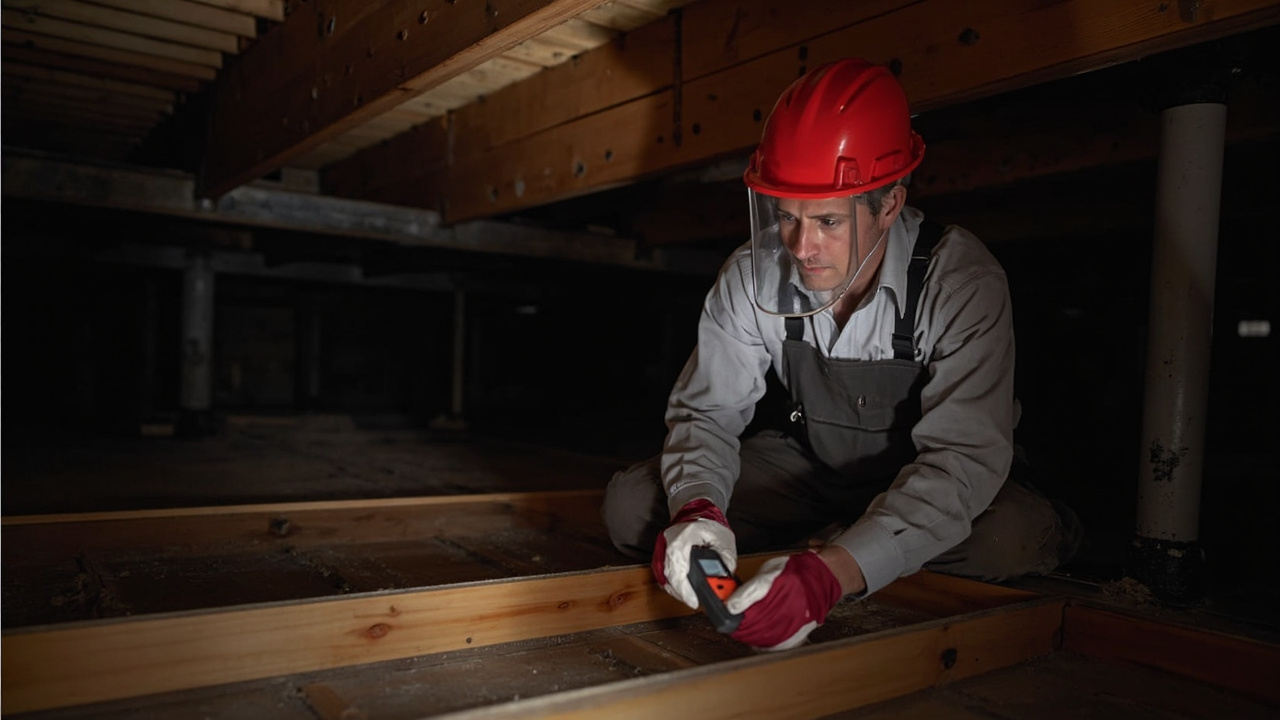
Taylor sits on soil conditions that make crawl space moisture a chronic problem, not just a one-time flood concern. The clay-heavy soil throughout much of Wayne County does not drain well. When rainwater or snowmelt saturates the ground, it has nowhere to go quickly. That moisture migrates through foundation walls and up through the ground itself.
The water table in the Taylor and Southland Center area can rise fast after heavy rain events. Homes built before the mid-1980s, which make up a large portion of neighborhoods near Heritage Park and Telegraph Road, often have minimal or no vapor barrier at all in the crawl space. When those homes flood, the crawl space floor becomes a sponge that stays wet for weeks without intervention.
Michigan’s climate adds another layer of difficulty. Relative humidity in Taylor during summer routinely climbs above 70%. That ambient humidity alone, without any flood event, can cause condensation on cold pipes and floor joists. Add a flood on top of that baseline moisture load, and you have a serious problem that simple extraction cannot solve.
What Simple Extraction Actually Does and Does Not Fix
Water extraction and drying equipment removes standing water and lowers moisture content in materials. Done quickly and correctly, it can stop active damage. But extraction is a response to an event. It does not change the underlying conditions that allowed the water in.
After extraction, the ground beneath your crawl space is still saturated. Moisture still moves up through the soil via capillary action. If your crawl space has open vents, outside humid air is cycling through and depositing moisture on every wood surface. The structural joists, band boards, and subfloor all absorb that ambient humidity.
This is where the EPA’s guidance on mold and moisture becomes relevant. Mold growth begins at relative humidity above 60% sustained over time. A crawl space that was flooded and then simply dried out still has the conditions for mold growth if the vapor pathway from the ground is left open.
The Stack Effect and Why It Matters for Your Taylor Home
Your home breathes. Air enters from the lowest point and rises toward the top. This is called the Stack Effect. In a home with a crawl space, that means the air in your crawl space is the air your family eventually breathes on the first floor and above.
Studies show that up to 50% of the air on the first floor of a crawl space home comes from the crawl space. If that space is holding mold spores, elevated relative humidity, or off-gassing from rotting wood, that air moves upward into your living space. This is why Taylor homeowners often notice musty odors in rooms that have nothing to do with the crawl space directly.
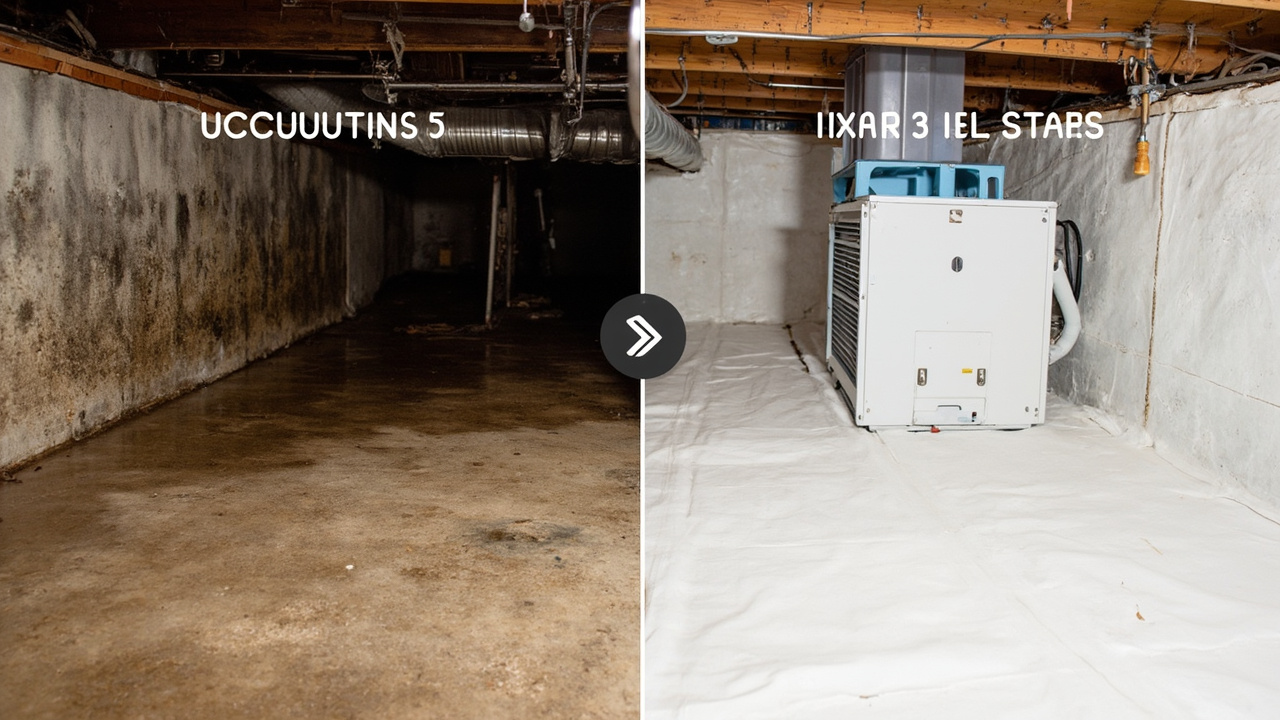
Full encapsulation breaks that air pathway. A 20-mil polyethylene vapor barrier sealed across the floor and up the walls, combined with a properly sized dehumidifier, converts the crawl space from a humid, uncontrolled zone into a sealed conditioned space. The Stack Effect then works in your favor, pulling drier conditioned air downward rather than pulling wet ground air upward.
Signs That Extraction Alone Is Not Going to Be Enough
After a flood event, certain conditions tell you clearly that simple drying will not get the job done. Watch for these:
- Visible mold on floor joists or the underside of the subfloor (even small patches expand fast)
- Wood moisture readings above 19% after drying equipment has been running for 72 hours
- Soft or spongy spots in your floor above the crawl space
- Condensation forming on cold water pipes in the crawl space
- A persistent musty smell inside the home that does not clear after drying is complete
- No existing vapor barrier, or a barrier that is torn, bunched up, or less than 6 mil thick
- Visible efflorescence (white mineral deposits) on foundation walls indicating chronic moisture migration
- Evidence of previous water events, like water stain lines on the foundation walls
Any one of these after a flood event points toward encapsulation as the appropriate next step. Multiple signs together make it essentially non-negotiable if you want to protect the home’s structure long-term.

Encapsulation vs. Simple Vapor Barrier vs. Doing Nothing
These three approaches are not equal, and they are not interchangeable depending on severity. Here’s how they compare in real-world outcomes for Wayne County homes:
| Approach | What It Addresses | What It Leaves Unsolved | Best Suited For |
|---|---|---|---|
| Doing Nothing After Extraction | Standing water removed | Ground moisture, ambient humidity, mold risk, Stack Effect | Very minor surface moisture with no history of flooding |
| Basic 6-mil Poly Vapor Barrier | Some ground moisture blockage | Wall moisture, ambient humidity, mold if already present, poor seal at seams | New construction with low moisture exposure and no flood history |
| Full Encapsulation (20-mil + dehumidifier + sealed vents) | Ground moisture, wall moisture, ambient humidity, air quality, energy efficiency | Active water intrusion from plumbing leaks (needs to be addressed separately) | Post-flood homes, chronic dampness, Wayne County clay soil conditions, older homes |
The 20-mil polyethylene barrier is not marketing language. Thinner barriers tear at seams, shift over time, and fail around pipe penetrations. In a Taylor crawl space where a technician or inspector needs to access the space periodically, the barrier gets walked on. Thicker material holds up and maintains the seal that makes encapsulation work.
The Full Encapsulation Process Step by Step
If you determine encapsulation is the right call, here’s what a proper installation looks like from start to finish. This is not a weekend DIY project, especially in a post-flood situation where mold assessment is part of the work.
Step 1, Inspection and Mold Assessment. A thorough inspection checks moisture readings in all structural wood members, looks for active mold colonies, and assesses any structural damage to joists or the band board. If mold is present, it must be remediated before encapsulation begins. Sealing over active mold is not encapsulation, it’s just covering up a problem.
Step 2, Debris and Standing Water Removal. Any remaining water, debris, old vapor barrier material, and contaminated insulation comes out. The crawl space needs to be fully clear before barrier installation begins.
Step 3, Structural Joist Repair if Needed. If joists show rot or structural compromise, they need sistering or reinforcement at this stage. Encapsulating around damaged structure is a mistake that shows up later as floor movement or worse.
Step 4, Vapor Barrier Installation. The 20-mil polyethylene goes down on the floor and runs up the foundation walls, typically 6 to 12 inches, where it is sealed with a waterproof tape system and mechanical fasteners. Seams overlap by at least 12 inches and are sealed fully. All pipe penetrations get sealed individually.
Step 5, Vent Sealing. Open crawl space vents are sealed from the inside. This is counterintuitive to many homeowners who grew up hearing that crawl spaces need ventilation. For an encapsulated crawl space, open vents work against the system by introducing outside humid air.
Step 6, Dehumidifier Installation. A properly sized dehumidifier, one rated for the actual square footage and cubic volume of the crawl space, gets installed with a drain line routed to a sump pump or condensate line. This maintains relative humidity below 50% consistently.
Step 7, Sump Pump Evaluation. If the home doesn’t have a sump pump, or if the existing one failed during the flood event, this is the time to address it. An encapsulated crawl space needs a functioning sump system to handle any future water intrusion events.
What Encapsulation Actually Costs You in the Long Run
The upfront cost of encapsulation is real. But the cost comparison that matters is against the alternative outcomes.
| Outcome If You Skip Encapsulation | Typical Timeline for Damage to Develop | Relative Cost Impact |
|---|---|---|
| Mold colony growth on floor joists | 3 to 8 weeks post-flood | Mold remediation plus re-treatment, significantly more than prevention |
| Structural joist rot from sustained moisture | 6 to 18 months | Joist sistering or replacement, a major structural repair cost |
| Increased heating and cooling costs from air infiltration | Immediate and ongoing | 15 to 25% higher HVAC costs in Michigan climate conditions |
| Reduced property value and failed home inspection | At time of sale | Negotiated price reductions or required repairs at buyer’s demand |
| Indoor air quality issues and occupant health effects | Weeks to months | Variable but ongoing quality of life impact |
For homes in the 48180 zip code with clay soil, older construction, and Michigan’s seasonal humidity swings, the math on encapsulation vs. repeated remediation events generally favors encapsulation after the first significant flood.
Insurance and Encapsulation After a Flood in Taylor
Whether your homeowner’s insurance covers crawl space encapsulation after a flood depends on the cause and your specific policy. Most standard homeowner’s policies cover sudden and accidental water damage but exclude gradual moisture damage or flooding from outside sources (which requires separate flood insurance).
If the flood originated from a burst pipe, appliance failure, or HVAC condensate issue, encapsulation as part of the restoration scope may be coverable. If the water came in from ground saturation or surface water, standard policies typically will not cover it. Document everything before work begins, including photos, moisture readings, and the adjuster’s report. If you are working through a claim, read through how to get your Detroit home insurance to actually pay for water restoration before you sign off on any scope of work with your adjuster.
If mold is part of your claim, the process gets more complex. The article on why bleach won’t fix basement mold explains why proper remediation matters for both health outcomes and claim documentation.
Michigan Building Code Requirements Worth Knowing
Wayne County follows the Michigan Residential Code, which aligns with the International Residential Code for crawl space construction and vapor control. For an encapsulated crawl space to meet code requirements, the vapor barrier must meet minimum thickness specs, and the space must have either mechanical ventilation or conditioned air supply. Sealed vents without a dehumidifier or conditioned air source do not meet code in Michigan.
Before work begins, confirm whether your contractor is pulling the appropriate permits. Some encapsulation work in Wayne County requires a permit depending on scope, particularly if sump pump installation or structural repairs are included. Working without permits creates title issues when you sell, and your insurance adjuster may also require documentation of permitted work. You can verify Michigan’s construction code requirements through the Bureau of Construction Codes if you want to review the specifics before your contractor conversation.
When Encapsulation Is Not the First Priority
There are situations where encapsulation needs to wait. If you have active water intrusion from a failed sump pump, a compromised foundation wall, or a plumbing leak that has not been repaired, encapsulation does not solve those problems. It may actually hide them.
Get the source of water entry identified and fixed before any barrier goes down. An honest contractor will tell you this upfront. If someone is pushing you toward immediate encapsulation without addressing active intrusion points, that’s a red flag.
If you have water damage affecting other parts of the home beyond the crawl space, such as wet carpet or hardwood floors above, those need to be assessed in parallel. Read through how to save hardwood floors after a significant water leak if you’re dealing with floor damage above the crawl space as part of the same event.
Questions to Ask Before You Hire Anyone for This Work
Not all encapsulation installations are equal. Before committing to a contractor for post-flood crawl space work in Taylor, get clear answers on these points:
- What is the mil thickness of the vapor barrier material you use and what brand?
- Do you perform mold testing or assessment before installing the barrier?
- How do you seal seams and pipe penetrations specifically?
- What dehumidifier sizing calculation do you use for this space?
- Do you pull permits for this scope of work in Wayne County?
- Will you provide moisture readings before and after to document the work?
- Is IICRC certification held by the technicians doing the work?
IICRC certification (the Institute of Inspection Cleaning and Restoration Certification) is the industry standard for water damage and mold remediation work. It indicates the technician has been trained to a defined standard and understands moisture measurement, drying science, and mold protocols. Ask for it by name.
Making the Call for Your Taylor Home
The decision comes down to a few clear factors. If your crawl space flooded, has no existing vapor barrier or a compromised one, sits on Wayne County clay soil, and shows any of the warning signs listed above, full encapsulation is the right call. The cost of doing it now is substantially less than the cost of mold remediation, joist replacement, or selling a home with a flagged crawl space.
If the event was minor, the existing barrier is intact and in good condition, and moisture readings return to normal quickly after drying, a professional assessment may confirm that barrier repair and dehumidification is sufficient for now.
Either way, don’t guess. Get a moisture assessment done by someone with actual equipment, not just a visual inspection, before you decide. The ground beneath a Taylor crawl space tells a different story than what you can see from the access hatch.
If you are also dealing with other water damage throughout the home and wondering what else needs attention, the guide on deciding whether wet carpet can be saved or needs to go covers the parallel decisions you may be facing above the crawl space.
Reach out to a certified water damage restoration professional who serves the Taylor area. Have them take moisture readings, assess the structural members, and give you a scope of work with a clear explanation of why each component is included. That conversation will tell you everything you need to know about what your specific crawl space actually needs.
{
“@context”: “https://schema.org”,
“@type”: “BlogPosting”,
“headline”: “Should Your Taylor Crawl Space Get Full Encapsulation After a Flood (Here Is How to Decide)”,
“description”: “Flooded crawl space in Taylor, MI? Learn when simple drying isn’t enough and full encapsulation is the right call for Wayne County homes.”,
“wordCount”: 2412,
“datePublished”: “2026-06-20T13:43:00.000Z”,
“dateModified”: “2026-06-20T13:43:00.000Z”,
“inLanguage”: “en-US”,
“mainEntityOfPage”: {
“@type”: “WebPage”,
“@id”: “https://ironwoodwaterdamagerestorationdetroit.com”
},
“publisher”: {
“@type”: “LocalBusiness”,
“name”: “Ironwood Water Damage Restoration Detroit”,
“url”: “https://ironwoodwaterdamagerestorationdetroit.com”
},
“author”: {
“@type”: “Organization”,
“name”: “Ironwood Water Damage Restoration Detroit”,
“url”: “https://ironwoodwaterdamagerestorationdetroit.com”
},
“image”: {
“@type”: “ImageObject”,
“url”: “https://ironwoodwaterdamagerestorationdetroit.com/wp-content/uploads/2026/03/deciding-if-your-taylor-crawl-space-needs-full-enc-1.jpg”
}
}
{
“@context”: “https://schema.org”,
“@type”: “LocalBusiness”,
“name”: “Ironwood Water Damage Restoration Detroit”,
“url”: “https://ironwoodwaterdamagerestorationdetroit.com”,
“address”: {
“@type”: “PostalAddress”,
“addressLocality”: “Detroit”
},
“areaServed”: {
“@type”: “City”,
“name”: “Detroit”
}
}
{
“@context”: “https://schema.org”,
“@type”: “BreadcrumbList”,
“itemListElement”: [
{
“@type”: “ListItem”,
“position”: 1,
“name”: “Home”,
“item”: “https://ironwoodwaterdamagerestorationdetroit.com”
},
{
“@type”: “ListItem”,
“position”: 2,
“name”: “Blog”,
“item”: “https://ironwoodwaterdamagerestorationdetroit.com/blog”
},
{
“@type”: “ListItem”,
“position”: 3,
“name”: “Should Your Taylor Crawl Space Get Full Encapsulation After a Flood (Here Is How to Decide)”
}
]
}
{
“@context”: “https://schema.org”,
“@type”: “Service”,
“serviceType”: “Water Damage Restoration”,
“provider”: {
“@type”: “LocalBusiness”,
“name”: “Ironwood Water Damage Restoration Detroit”,
“url”: “https://ironwoodwaterdamagerestorationdetroit.com”
},
“areaServed”: {
“@type”: “City”,
“name”: “Detroit”
},
“description”: “Flooded crawl space in Taylor, MI? Learn when simple drying isn’t enough and full encapsulation is the right call for Wayne County homes.”
}