
Why Box Gutters Are a Different Problem Entirely
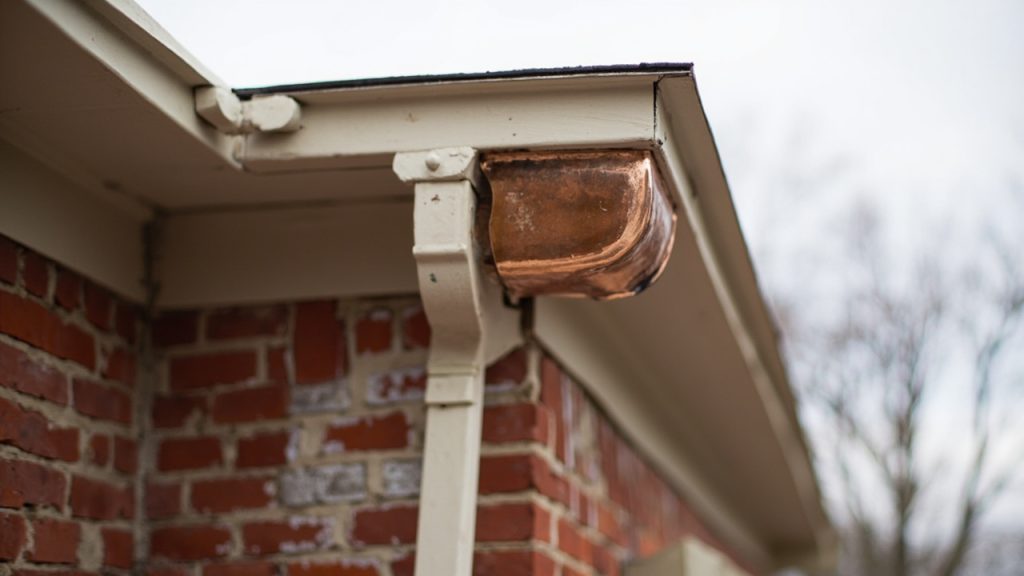
If your Huntington Woods home was built between the 1920s and 1950s, there is a good chance it has built-in box gutters. These are not the aluminum K-style gutters you see on newer construction. Box gutters are carved directly into the roofline, lined with metal or rubber, and completely integrated into the structure of your home. When they work, they are elegant. When they fail, the water goes straight into your walls and roof deck before you ever notice a drip inside.
That is the core danger. A standard external gutter overflows and you see water pouring off the roof edge. A failing box gutter bleeds moisture into the framing, fascia, and interior sheathing for months before any visible sign appears. By the time you see a stain on a second-floor ceiling in your Huntington Woods colonial, the structural damage is often already significant.
The Architecture Behind the Problem
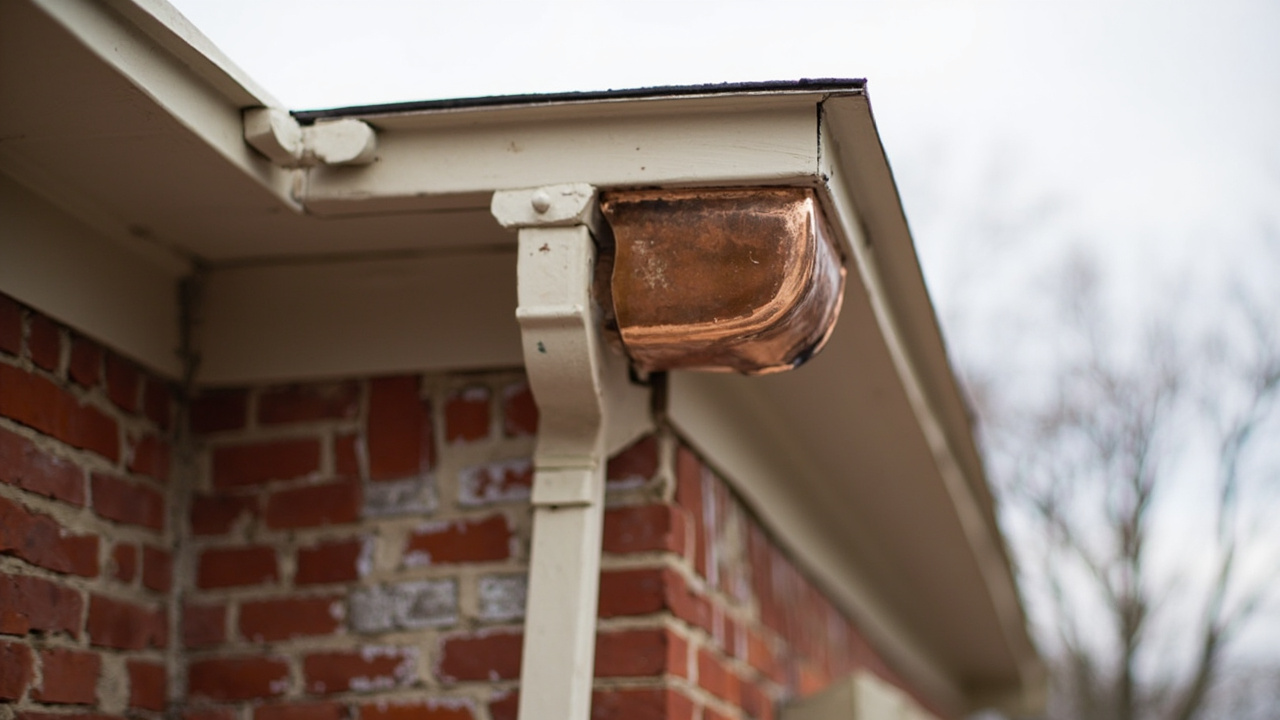
Huntington Woods sits inside Oakland County, and it was developed primarily as a walkable, tree-lined suburb with a strong Colonial Revival and Tudor architectural character. These home styles almost universally used built-in box gutters as part of the original design. The same is true throughout nearby historic districts including Boston-Edison and Indian Village closer to Detroit proper.
Box gutters in this era were typically lined with either soldered copper or lead-coated copper. Over decades, those soldered seams expand and contract with every Michigan freeze-thaw cycle. Southeast Michigan averages more than 40 inches of snowfall annually, and the temperature can swing from well below freezing to above 40 degrees Fahrenheit within the same week. That thermal movement is relentless, and it destroys soldered joints over time.
Many box gutters in this area have been relined at some point, often with EPDM rubber membrane. EPDM is a solid choice for Michigan climates when installed correctly, but improper seams or shrinkage in cold temperatures can create the same hidden leak problems as failed copper joints. Understanding which lining material your gutters have, and what condition it is in, is the first diagnostic step.
How the Freeze-Thaw Cycle Destroys Box Gutter Seams
Michigan’s freeze-thaw cycle is uniquely destructive. Snow accumulates on the roof. Heat escaping from the attic warms the deck and melts the snow from below. That meltwater runs down toward the eaves, where temperatures are colder, and refreezes. This is the classic ice dam formation process documented by the U.S. Department of Energy.
For standard gutters, ice dams force water under shingles. For box gutters, the problem is compounded. The standing water trapped behind an ice dam sits inside a channel that is already part of your roof structure. Any seam failure, any micro-crack in a liner, any lifted caulk joint becomes a direct pathway for water into the roof deck and into the wall assembly below.
Box gutter troughs are often wood-framed and lined, meaning the substrate beneath the liner is raw lumber. Once that lumber gets wet repeatedly, fungal decay sets in fast. Soft, punky wood at the gutter trough bottom is one of the most common findings in box gutter restoration work on homes in Huntington Woods and across Metro Detroit.
Common Box Gutter Failure Points
- Soldered copper seam separation at inside corners and downspout connections
- EPDM membrane shrinkage causing gaps at termination edges
- Deteriorated or missing end dams allowing water to migrate into wall cavities
- Clogged downspout leaders causing standing water in the trough
- Failed or missing overflow scuppers that allow water to back up under shingles
- Rotted wood substrate beneath the liner, causing the liner to flex and crack under foot traffic or snow load
- Rust-through on older galvanized steel-lined gutters common in post-WWII construction
Signs of Hidden Water Damage You Should Not Ignore
Because box gutter leaks are slow and internal, homeowners often miss the early warning signs. By the time damage is obvious, the restoration scope has grown considerably. Here is what to look for, starting with the least obvious signs.
Exterior Warning Signs
Walk the perimeter of your home and look up at the roofline. Peeling paint on the fascia or soffit directly below the gutter trough is an early indicator of moisture intrusion. Look for staining or efflorescence on brick or stone where the roofline meets the wall. Efflorescence, that white crystalline residue on masonry, means water is moving through the material and depositing mineral salts on the surface.
Check the condition of any exposed wood at the eave line. Soft, discolored, or visibly cracked wood around the gutter trough area points to active moisture exposure. If you can safely access the gutter itself, look for standing debris, rust staining, or visible gaps in the liner at seams and corners.
Interior Warning Signs
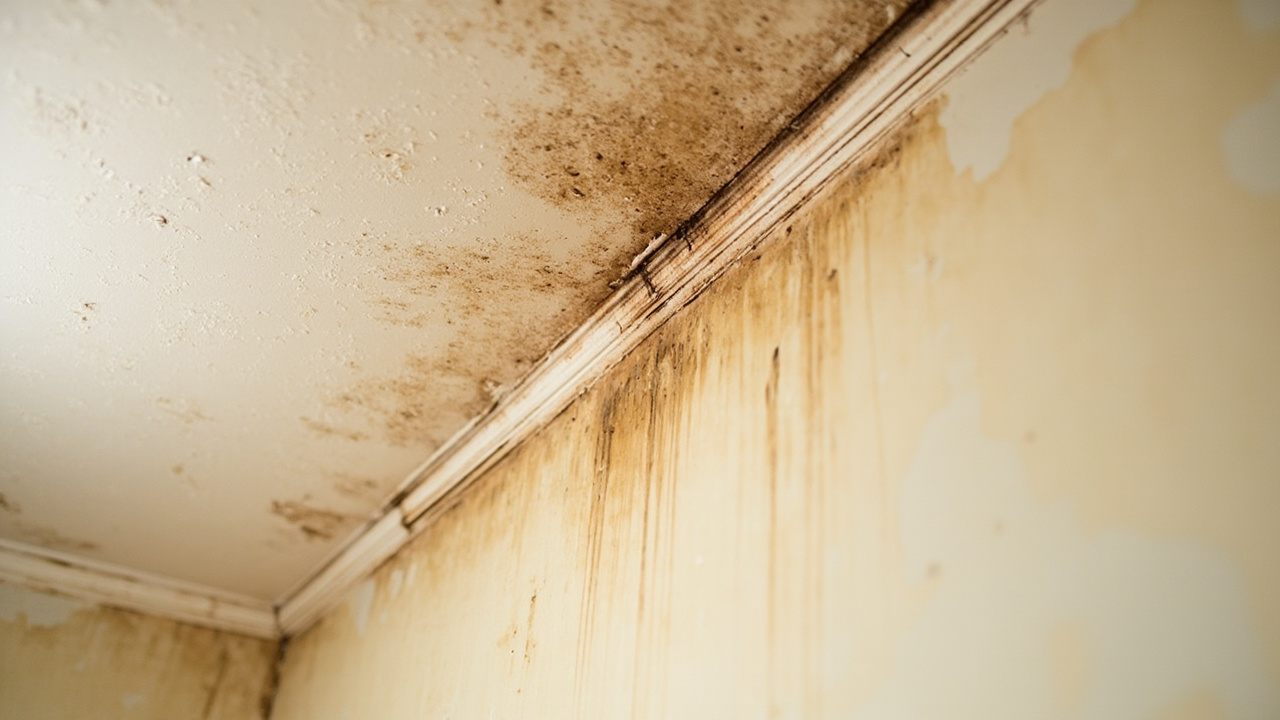
Inside the home, focus on the second floor and any rooms that share a wall or ceiling with the roofline. Water stains on upper-floor ceilings, especially near exterior walls, are a direct red flag. Bubbling or peeling paint on interior walls near the roofline is another sign that moisture is present inside the wall assembly.
A musty odor in upper-floor rooms, particularly in bedrooms or hallways that adjoin the eave line, often indicates mold growth has already started inside the wall cavity or in the structural framing. If you smell it but cannot see it, the mold is almost certainly behind the drywall. This is where early intervention matters most, because mold remediation tied to structural drying is far more involved than surface treatment.
For a deeper look at why surface-level mold treatments fall short, read our article on why bleach won’t fix your mold problem and when to call a pro.
EPDM vs. Copper Lining for Michigan Box Gutters
When box gutters are restored or relined, the two most common material choices are EPDM rubber membrane and copper. Each has real trade-offs in Michigan’s climate.
| Feature | EPDM Rubber Membrane | Copper with Soldered Seams |
|---|---|---|
| Cold temperature flexibility | Good, remains pliable to -40°F | Rigid, seams vulnerable to thermal movement |
| Lifespan in Michigan climate | 20 to 30 years with proper installation | 50+ years if seams are maintained |
| Seam failure risk | Low if adhesive seams are fully bonded | High at solder joints over time |
| Repair complexity | Patches are straightforward | Requires skilled coppersmith for seam repair |
| Cost relative to other option | Lower upfront cost | Higher upfront, lower long-term maintenance |
| Historic preservation compatibility | Acceptable, less visually authentic | Preferred for historic district compliance |
For homes in Huntington Woods that fall under historic district guidelines, your choice of lining material may be subject to review. Copper is generally preferred because it matches original construction methods and materials. Always verify with the city before committing to a relining approach on a regulated historic property.
The Restoration Process When Box Gutters Have Already Failed
If a box gutter leak has been active for any length of time, you are not just dealing with a roofing repair. You are dealing with a multi-layer water damage restoration scenario that requires systematic work.
Step 1. Source Identification and Moisture Mapping
A certified water damage professional will use thermal imaging cameras and calibrated moisture meters to map the extent of moisture intrusion. This is not guesswork. The goal is to identify every affected material, from the roof deck to the wall sheathing to the interior framing, before any drying or demolition begins.
The IICRC S500 Standard for Professional Water Damage Restoration outlines the protocols that guide this process. Compliance with S500 standards matters particularly if you are filing an insurance claim, as carriers increasingly require documentation that work was performed to recognized industry standards.
Step 2. Controlled Demolition and Structural Assessment
Affected drywall, plaster, and insulation must come out to expose the wet framing. In older Huntington Woods homes, this often means working with historic plaster walls, which require more care than standard drywall. The structural framing, including rafters, sill plates, and wall studs in the affected cavity, needs to be assessed for fungal decay before drying begins.
Sill plate damage is particularly serious. The sill plate is the horizontal framing member that sits on top of the foundation wall. When box gutter leaks migrate down the wall assembly, sill plates can absorb moisture and begin to rot from the inside, compromising the structural connection between your walls and foundation. This is a repair that goes well beyond surface restoration.
Step 3. Structural Drying
Commercial desiccant dehumidifiers and high-velocity air movers are positioned to dry the structural assembly to pre-loss moisture content. This process typically takes three to five days for moderate intrusions, longer for cases where moisture has been present for an extended period. Daily moisture readings document progress and determine when materials are safe for reconstruction.
If your home has historic hardwood floors in upper rooms affected by the leak, read our guide on how to save hardwood floors after a water leak for specific guidance on that material.
Step 4. Mold Remediation If Required
If mold growth is confirmed in the structural cavity, remediation follows IICRC S520 protocols. Affected materials are removed and bagged for disposal. The remaining structure is HEPA-vacuumed and treated with an EPA-registered antimicrobial agent. Air scrubbers with HEPA filtration run throughout the process to contain spore dispersal.
Step 5. Reconstruction and Gutter Restoration
After the structure is verified dry and clean, reconstruction begins. Rotted framing members are sistered or replaced. New substrate is installed in the gutter trough. The gutter is relined with the chosen material, end dams are properly installed, and downspout connections are sealed. Interior finishes are then restored to match the existing historic character of the home.
Restoration Timeline and Scope Reference
| Damage Scenario | Typical Scope | Estimated Timeline |
|---|---|---|
| Early-stage seam failure, no structural rot | Gutter relining, minor drywall repair, structural drying | 5 to 10 days total |
| Moderate intrusion with localized wood rot | Framing repair, gutter reline, full drying protocol, interior restoration | 2 to 4 weeks |
| Advanced rot with mold and sill plate damage | Structural repair, mold remediation, full drying, gutter reline, interior rebuild | 4 to 8 weeks or more |
| Emergency ice dam backup with active flooding | Immediate water extraction, emergency drying, full assessment and restoration | 24-hour response, then 2 to 6 weeks restoration |
Working With Your Insurance Company on Box Gutter Claims
Box gutter water damage claims can be complicated. Carriers often try to classify damage as resulting from deferred maintenance rather than a sudden and accidental loss. The distinction matters significantly to your claim outcome. Thorough documentation from the initial moisture mapping through the final structural assessment gives your claim the factual foundation it needs.
Our detailed guide on how to get your Detroit home insurance to actually pay for water restoration covers the documentation strategy, adjuster communication, and claim language that makes a real difference. If you are in the Corktown area or own a historic property elsewhere in the Metro Detroit region, our guide on filing a successful water damage insurance claim for historic homes addresses the specific challenges that come with older construction.

Preventive Maintenance That Actually Works
The single most effective thing you can do for a box gutter system is schedule a professional inspection before each winter season. Have the trough cleaned of debris, all seams inspected, end dams checked, and downspout leaders confirmed clear. A blocked downspout on a box gutter system is a near-guarantee of overflow and seam stress during heavy rain or snowmelt events.
If your attic insulation is inadequate, address it. Proper attic insulation reduces the heat transfer through the roof deck that drives ice dam formation. Air sealing around recessed lights, plumbing chases, and attic access panels is equally important. A well-sealed, properly insulated attic in a Huntington Woods home significantly reduces the thermal cycling that kills box gutter seams.
Consider installing heat cables in the gutter trough and along the downspout leader for high-risk sections of your roof. This is not a substitute for proper insulation and air sealing, but it provides active ice dam prevention during extreme cold snaps when those Michigan temperature swings happen fast.
Protect Your Home Before the Next Michigan Winter
Box gutters are part of what makes Huntington Woods homes architecturally distinctive. They deserve to be maintained properly, not covered over with generic aluminum gutters that change the look of a historic roofline. With the right attention and a restoration team that understands the specific failure modes of built-in gutter systems in Michigan’s climate, your box gutters can function well for decades.
If you are seeing any of the warning signs described here, do not wait until the ceiling stain gets bigger. The scope of water damage restoration grows quickly when structural wood is involved. A professional moisture assessment now costs far less than a full structural repair and mold remediation job after a winter of unchecked leakage.
We serve Huntington Woods, Royal Oak, Ferndale, Birmingham, and the broader Wayne, Oakland, and Macomb county region. Call us any time, day or night, for a no-obligation assessment of your box gutter situation.
{
“@context”: “https://schema.org”,
“@type”: “BlogPosting”,
“headline”: “The Hidden Water Risks of Historic Box Gutters on Your Huntington Woods Home”,
“description”: “Box gutters on Huntington Woods homes hide serious water damage risks. Learn the warning signs, failure points, and how to protect your historic home.”,
“wordCount”: 2153,
“datePublished”: “2026-05-25T05:04:00.000Z”,
“dateModified”: “2026-05-25T05:04:00.000Z”,
“inLanguage”: “en-US”,
“mainEntityOfPage”: {
“@type”: “WebPage”,
“@id”: “https://ironwoodwaterdamagerestorationdetroit.com”
},
“publisher”: {
“@type”: “LocalBusiness”,
“name”: “Ironwood Water Damage Restoration Detroit”,
“url”: “https://ironwoodwaterdamagerestorationdetroit.com”
},
“author”: {
“@type”: “Organization”,
“name”: “Ironwood Water Damage Restoration Detroit”,
“url”: “https://ironwoodwaterdamagerestorationdetroit.com”
},
“image”: {
“@type”: “ImageObject”,
“url”: “https://ironwoodwaterdamagerestorationdetroit.com/wp-content/uploads/2026/03/hidden-water-risks-of-the-historic-box-gutters-on-1.jpg”
}
}
{
“@context”: “https://schema.org”,
“@type”: “LocalBusiness”,
“name”: “Ironwood Water Damage Restoration Detroit”,
“url”: “https://ironwoodwaterdamagerestorationdetroit.com”,
“address”: {
“@type”: “PostalAddress”,
“addressLocality”: “Detroit”
},
“areaServed”: {
“@type”: “City”,
“name”: “Detroit”
}
}
{
“@context”: “https://schema.org”,
“@type”: “BreadcrumbList”,
“itemListElement”: [
{
“@type”: “ListItem”,
“position”: 1,
“name”: “Home”,
“item”: “https://ironwoodwaterdamagerestorationdetroit.com”
},
{
“@type”: “ListItem”,
“position”: 2,
“name”: “Blog”,
“item”: “https://ironwoodwaterdamagerestorationdetroit.com/blog”
},
{
“@type”: “ListItem”,
“position”: 3,
“name”: “The Hidden Water Risks of Historic Box Gutters on Your Huntington Woods Home”
}
]
}
{
“@context”: “https://schema.org”,
“@type”: “Service”,
“serviceType”: “Water Damage Restoration”,
“provider”: {
“@type”: “LocalBusiness”,
“name”: “Ironwood Water Damage Restoration Detroit”,
“url”: “https://ironwoodwaterdamagerestorationdetroit.com”
},
“areaServed”: {
“@type”: “City”,
“name”: “Detroit”
},
“description”: “Box gutters on Huntington Woods homes hide serious water damage risks. Learn the warning signs, failure points, and how to protect your historic home.”
}