
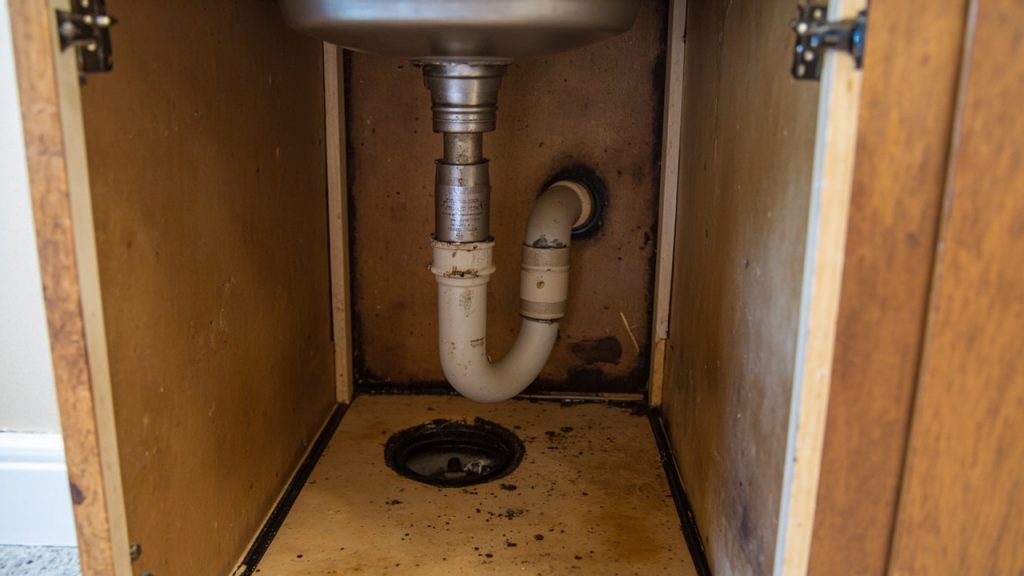
A slow drip behind your wet bar cabinet does more damage than a burst pipe. You can see a burst pipe. You can’t see water quietly soaking into drywall, wicking up your cabinet frames, and feeding a mold colony for three months before you smell anything wrong.
If you have a finished basement in Troy, Clawson, or Rochester Hills and you’ve noticed a musty odor near the bar, soft flooring, or cabinet doors that won’t close right, you likely have a hidden leak. This guide walks you through finding it, understanding the damage behind the walls, and knowing when you’ve crossed from a plumbing fix into a full restoration project.
Do This First if You Suspect an Active Wet Bar Leak
Before you pull cabinet doors open or start probing around with a screwdriver, address the safety issues.
Wet bars in finished basements almost always have electrical outlets nearby, often under-cabinet lighting, mini-fridges, or wine coolers plugged in at counter height. Water and electricity in a confined space is a serious electrocution risk. Locate the circuit breaker panel and cut power to the basement bar circuit before touching anything wet.
Next, shut off the water supply to the bar. Most wet bars have a dedicated shut-off valve under the sink cabinet. If you can’t find it or it won’t turn, shut off the main water supply to the house. The main shut-off in most Troy homes built in the last 30 years is near the water meter, typically in a utility room or crawl space adjacent to the basement.
Once power and water are off, document everything with your phone. Photos and video of visible moisture, staining, warped materials, and standing water are essential if you file a homeowners insurance claim later.
Common Causes of Wet Bar Leaks in Troy Basements
Not every leak has the same source, and the source matters because it affects both the repair and the insurance coverage.
P-Trap and Drain Line Failures
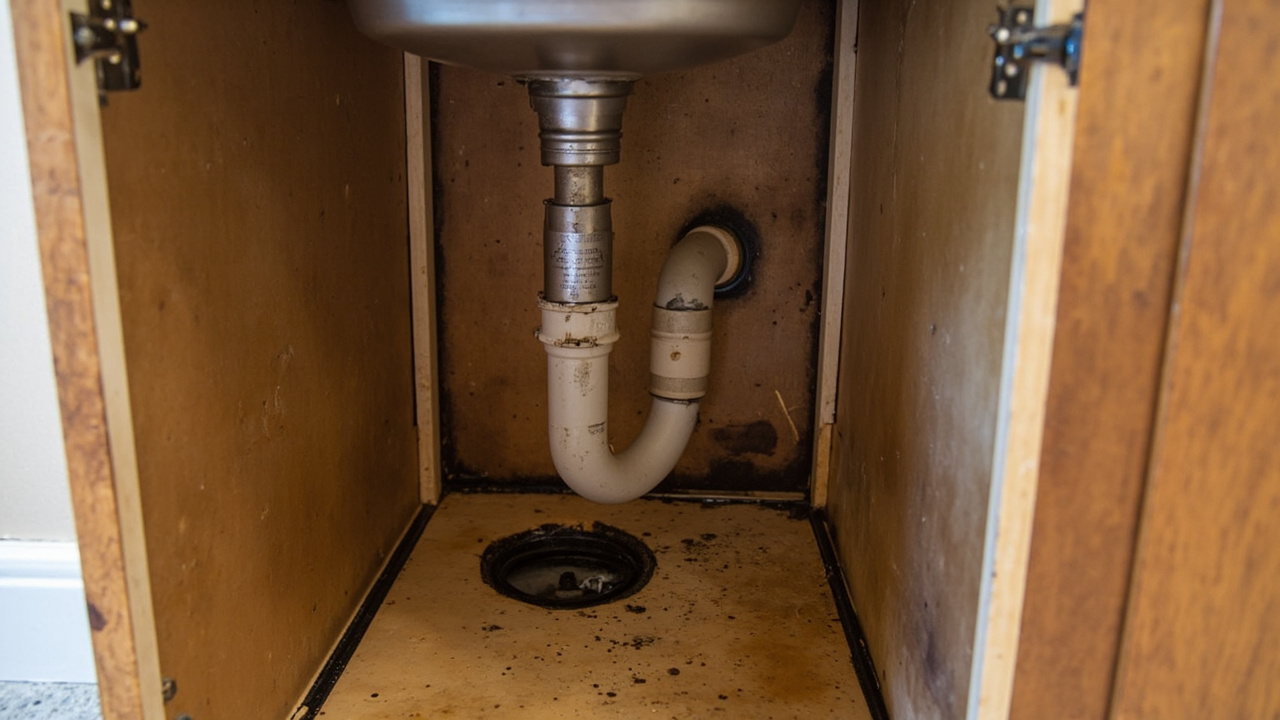
The P-trap is the curved section of pipe beneath the bar sink. It holds water to block sewer gases, but the slip-joint connections that hold it together loosen over time. In basements where temperatures fluctuate during Michigan winters, that thermal expansion and contraction accelerates joint failure. A loose P-trap drips slowly every time the sink drains, and because it’s inside the cabinet, it saturates the cabinet floor and base over months before anyone notices.
Supply Line Failures
The braided stainless supply lines connecting the shut-off valve to the faucet are a common failure point. They look durable, but the rubber interior degrades. A pinhole failure on a supply line runs continuously, unlike a P-trap which only leaks when the sink is used. Pinhole supply line leaks can discharge hundreds of gallons before discovery if the cabinet conceals the drip.
Ice Maker and Refrigerator Line Leaks
Many Troy basement wet bars include a mini-fridge or full bar refrigerator with an ice maker. The quarter-inch copper or plastic supply line feeding that unit is a frequent culprit. These lines run along the floor or wall and can kink, crack at compression fittings, or loosen at the refrigerator connection. The leak often pools behind or under the unit where it’s invisible.
Hydrostatic Pressure and Foundation Infiltration
Troy and the broader Oakland County area sit on glacial till soils with variable drainage capacity. After heavy rain or during spring snowmelt, water pressure builds against basement walls and floor slabs. If your wet bar is on an exterior basement wall and moisture appears even when no plumbing is running, hydrostatic pressure is the likely source. This is a different problem entirely and requires waterproofing solutions, not plumbing repairs.
The EPA’s guidance on mold and moisture makes clear that moisture from any source, whether plumbing or infiltration, creates identical mold risks once it saturates building materials.
Basement Settling and Pipe Stress
Older homes in communities like Clawson, Madison Heights, and parts of south Troy experience foundation settling that stresses drain lines running through or under the slab. A shifted drain connection creates a partial blockage and a slow leak at the joint. You’ll often see efflorescence, a white chalky mineral deposit, on the floor or wall near the bar as a secondary clue.
How to Find a Leak You Can’t See
Hidden leaks require more than a visual check. Here’s a systematic approach.
- Remove everything from inside the bar cabinet and shine a flashlight into every corner. Look for discoloration, soft particleboard, or dark staining at the cabinet floor seams.
- Press your fingertips into the cabinet floor material. Healthy particleboard is firm. Wet or repeatedly wetted particleboard feels spongy and will indent slightly under pressure.
- Check the drywall or paneling on the back wall of the cabinet. Drywall that has absorbed water will feel soft, show dark staining, or have a slight give when pressed.
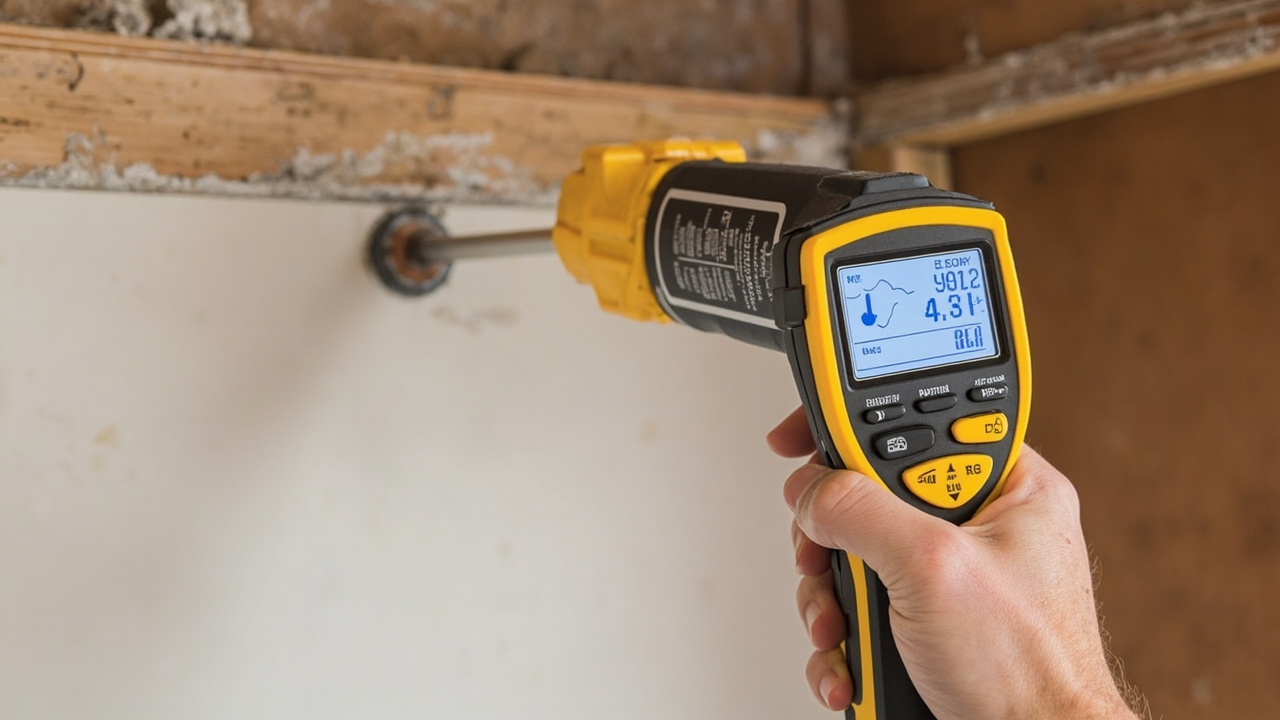
- Use a consumer moisture meter if you have one. A reading above 16% on wood materials indicates elevated moisture. Anything above 20% is a serious concern and likely supports mold growth.
- Run the sink and watch the P-trap and supply lines under load. Have a second person run water while you watch with a flashlight. Even a small drip becomes visible under active flow.
- Check the refrigerator line connection at both ends. Pull the unit out from the wall and inspect the line along its full length.
- Look at the floor outside the cabinet. Tile grout that has darkened, vinyl flooring that has lifted at the seams, or carpet that feels damp near the bar base indicates water has already migrated beyond the cabinet.
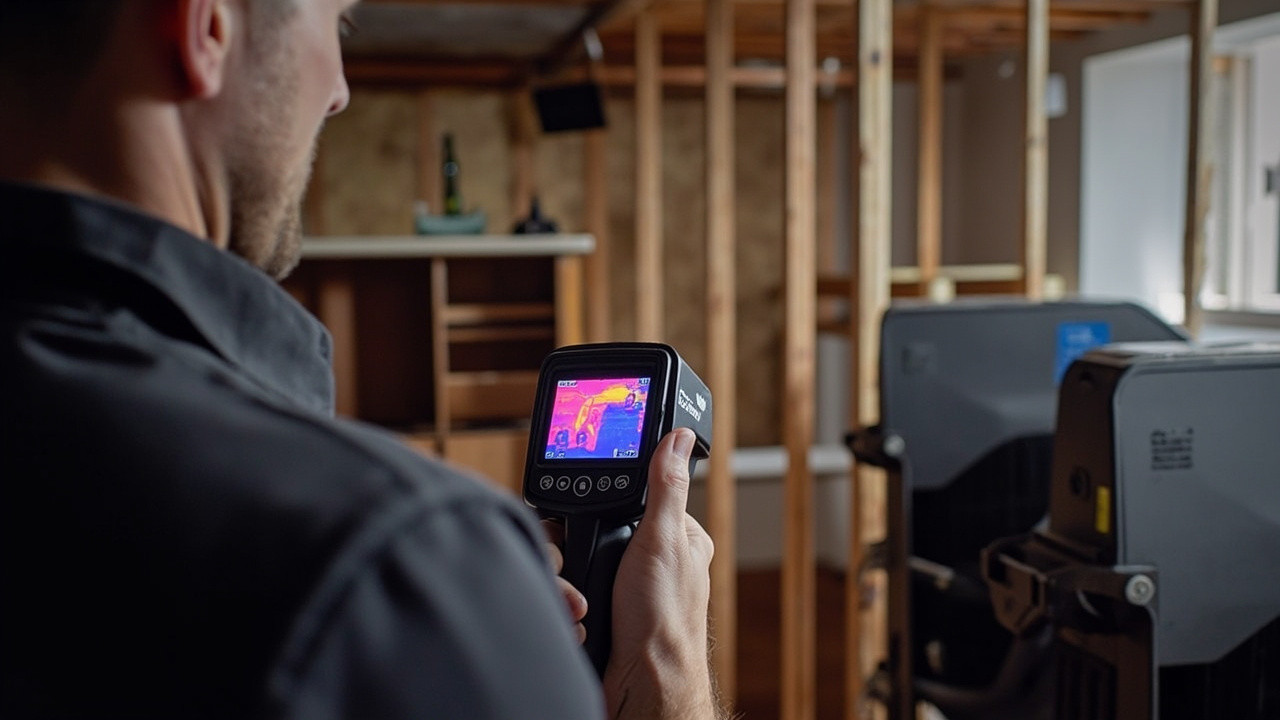
Professional restoration technicians use thermal imaging cameras and calibrated moisture meters to map exactly how far water has traveled through materials. Thermal imaging shows temperature differentials caused by evaporating moisture, which reveals wet areas behind walls without any demolition. If you can’t identify the source or the extent of damage, that equipment is the right next step.
What a Slow Leak Does to Your Finished Basement Over Time
The reason hidden wet bar leaks become expensive problems is the way building materials respond to sustained moisture exposure. This is not about immediate flooding. It’s about slow, sustained saturation.
Cabinet and Subfloor Rot
Most wet bar cabinets use particleboard or MDF for cabinet floors and shelf material. These materials absorb water rapidly and lose structural integrity. Once saturated, they don’t dry out and return to their original strength. They swell, delaminate, and eventually crumble. If the cabinet sits on a wood subfloor, that framing absorbs water too. Subfloor rot underneath a wet bar requires opening the floor, removing deteriorated material, and sistering or replacing the framing before any reconstruction can happen.
Mold Growth Behind Custom Cabinetry
Mold can begin colonizing damp drywall within 24 to 48 hours under the right temperature and humidity conditions. Michigan basements in summer, with ambient humidity running between 60% and 75%, provide ideal conditions. The target range for basement relative humidity is 30% to 50%. A wet bar with an active leak behind it will almost certainly exceed that threshold continuously.
The insidious part is location. The mold grows on the back of the cabinet, on the drywall behind it, and in the wall cavity where you can’t see or smell it easily. By the time the odor becomes noticeable in the living space, the colony is well established. If you’ve been dealing with what seems like persistent basement mustiness near your bar area, read our breakdown of why bleach won’t fix your basement mold and when to call a pro. Surface cleaning does not address mold growing inside wall cavities.
Electrical Hazards That Persist After Drying
Water infiltration into electrical boxes, under-cabinet wiring, or outlet boxes creates corrosion that doesn’t resolve when the water dries. Corroded connections increase resistance, generate heat, and create fire risk. Any electrical components that experienced water exposure need inspection by a licensed electrician, not just visual checks after drying.
| Material Type | Time to Permanent Damage | Signs of Damage | Typical Outcome Without Intervention |
|---|---|---|---|
| Particleboard cabinet floors | 24 to 72 hours of saturation | Swelling, soft texture, delamination | Full cabinet replacement required |
| Drywall (standard) | 48 to 72 hours | Dark staining, soft wall surface, mold | Cut-out and replacement required |
| Wood subfloor framing | 1 to 3 weeks sustained moisture | Soft spots, squeaking, visible rot | Structural framing repair required |
| Vinyl or tile flooring | Days to weeks depending on permeability | Lifted seams, discoloration, hollow sound | Flooring removal and subfloor inspection |
| Mold colony (paper-faced drywall) | 24 to 48 hours for initial growth | Musty odor, visible spots on surfaces | Remediation and material removal required |
The Professional Restoration Process for a Wet Bar Water Damage Claim
When a plumbing repair alone isn’t enough because moisture has already spread into materials, the work shifts from plumbing to restoration. Here’s what a proper remediation and restoration sequence looks like.
Inspection and Moisture Mapping
A certified technician uses thermal imaging cameras and calibrated moisture meters to map every affected material. This step establishes the true scope of damage, which is almost always larger than what’s visible. The moisture readings become the baseline for measuring when materials have returned to acceptable drying targets, typically 12% to 16% moisture content for wood materials per IICRC S500 standard professional water damage restoration protocols.
Water Classification and Safety Assessment
Not all water is the same from a safety standpoint. A supply line break is clean water, or Category 1. A drain leak from the P-trap carries grey water, or Category 2, which contains biological contaminants from the drain system. If sewage backed up into the wet bar drain, that’s black water, or Category 3, requiring full personal protective equipment and antimicrobial treatment of all affected materials. The source of your leak determines the cleaning protocol and what materials can be dried in place versus what must be removed.
Controlled Demolition and Material Removal
Wet or mold-affected drywall cannot be dried and reused. Saturated particleboard cannot be dried and reused. These materials come out. Structural framing that is wet but not rotted can often be dried in place using targeted air movement and dehumidification. A restoration contractor documents what is removed and why, which supports your insurance claim.
Structural Drying with Industrial Equipment
Consumer fans and a dehumidifier from a hardware store are not adequate for drying a finished basement wall cavity. Industrial air movers and low-grain refrigerant (LGR) dehumidifiers move far more air volume and extract significantly more moisture per hour. HEPA air scrubbers run concurrently to capture airborne mold spores and particulates during demolition and drying. A professional drying setup in a Troy basement wet bar typically runs continuously for three to five days, with daily moisture readings to track progress.
Antimicrobial Treatment and Clearance Testing
After structural drying is complete, affected surfaces receive antimicrobial treatment. If mold was identified, post-remediation verification testing confirms spore counts have returned to acceptable levels before reconstruction begins.
Reconstruction
Once the structure is dry and clear, reconstruction can begin. This includes drywall installation, priming and painting, flooring reinstallation, and cabinet installation. The scope of reconstruction depends entirely on what was removed during the mitigation phase. If your wet bar flooring had water damage, our guide on saving hardwood floors after a significant water leak covers what can and can’t be salvaged before the subfloor work begins.
Navigating Homeowners Insurance for a Wet Bar Water Damage Claim in Michigan
Michigan homeowners insurance policies cover sudden and accidental water damage. A supply line that failed without warning is typically covered. A slow leak that the insurer can argue was ongoing and not addressed promptly is often denied, or coverage is reduced.
This distinction matters enormously. Document when you first noticed any signs of a problem. Photograph the failed component. Keep the defective part. Do not throw away the P-trap or supply line that failed because it is physical evidence of a sudden mechanical failure.
For a detailed walkthrough of the Michigan insurance claim process for water damage, our article on how to get your Detroit home insurance to actually pay for water restoration walks through the documentation steps that make the difference between a paid claim and a denial. If you’re in a Corktown, Midtown, or East English Village home and dealing with a claim for the first time, filing a successful water damage insurance claim covers the adjuster interaction process specifically.
| Damage Scenario | Typically Covered by Michigan HO Policy | Typically Not Covered | Key Documentation Needed |
|---|---|---|---|
| Sudden supply line burst | Water damage to materials, restoration labor | The supply line itself (maintenance item) | Photos of failed part, date of discovery |
| Slow P-trap drip over months | Contested, often partially denied | Damage attributable to neglect or delayed response | Evidence the leak was not visible or detectable |
| Hydrostatic pressure infiltration | Generally not covered (groundwater) | Most infiltration from outside water sources | Flood insurance or separate endorsement may apply |
| Refrigerator ice maker line failure | Sudden failure typically covered | Pre-existing visible wear not addressed | Appliance age, maintenance records if available |
How Far Can Water Travel from a Wet Bar Leak
One of the most consistent surprises in wet bar restoration work is how far moisture travels from the original source. Water follows framing cavities, runs along vapor barriers, and wicks through flooring underlayment. A P-trap leak under a corner bar unit can migrate six to ten feet from the source before showing any surface indication.
In basements with carpet, the moisture travels even further. The carpet pad acts as a sponge that distributes water over a large area while the surface still looks and feels dry. If you’re dealing with wet carpet adjacent to a bar area, our breakdown of whether wet basement carpet can be saved or needs to go covers the decision criteria that restoration technicians use.
This migration pattern is why moisture mapping with equipment matters. Pulling one cabinet out and declaring the area dry because it looks dry is how secondary damage develops three months later.
What to Look for in a Detroit Area Restoration Contractor
When water damage moves beyond a plumbing repair, you need a contractor with specific credentials and equipment, not a general handyman.
Look for IICRC certification, specifically technicians certified to the S500 water damage restoration standard. This certification means the technician is trained in psychrometric calculations, drying science, and proper equipment deployment. It’s the industry benchmark, and it matters to your insurance adjuster when reviewing documentation of the work performed.
Ask whether the company performs moisture mapping before and after drying. Any restoration contractor who doesn’t use thermal imaging and moisture meters for a finished basement project is guessing at scope and guessing at completion. That’s not acceptable when you’re rebuilding custom cabinetry over a wall that may still be holding moisture.
Response time matters for active leaks. The difference between a contained restoration project and a full mold remediation job is often measured in hours during the first 48 hours after a leak is discovered. A contractor who can deploy equipment the same day you call limits secondary damage and limits your claim cost.
If you’re in Troy, Royal Oak, Bloomfield Township, Warren, or anywhere across the Detroit metro and you’ve found moisture behind your wet bar cabinet, stop guessing at the extent of it. Call a certified restoration team, get a moisture map done, and make decisions based on actual readings rather than what you can see from the outside of the cabinet. The cost of professional assessment is a fraction of what cabinet rot, subfloor replacement, and mold remediation run if the problem continues unchecked.
{
“@context”: “https://schema.org”,
“@type”: “BlogPosting”,
“headline”: “Tracking Down Hidden Leaks in Your Troy Basement Wet Bar Before the Cabinets Rot”,
“description”: “Hidden wet bar leaks in Troy basements cause cabinet rot and mold fast. Learn how to find them, stop the damage, and when to call a Detroit restoration pro.”,
“wordCount”: 2580,
“datePublished”: “2026-07-04T09:27:00.000Z”,
“dateModified”: “2026-07-04T09:27:00.000Z”,
“inLanguage”: “en-US”,
“mainEntityOfPage”: {
“@type”: “WebPage”,
“@id”: “https://ironwoodwaterdamagerestorationdetroit.com”
},
“publisher”: {
“@type”: “LocalBusiness”,
“name”: “Ironwood Water Damage Restoration Detroit”,
“url”: “https://ironwoodwaterdamagerestorationdetroit.com”
},
“author”: {
“@type”: “Organization”,
“name”: “Ironwood Water Damage Restoration Detroit”,
“url”: “https://ironwoodwaterdamagerestorationdetroit.com”
},
“image”: {
“@type”: “ImageObject”,
“url”: “https://ironwoodwaterdamagerestorationdetroit.com/wp-content/uploads/2026/03/tracking-down-hidden-leaks-in-your-troy-basement-w-1.jpg”
}
}
{
“@context”: “https://schema.org”,
“@type”: “LocalBusiness”,
“name”: “Ironwood Water Damage Restoration Detroit”,
“url”: “https://ironwoodwaterdamagerestorationdetroit.com”,
“address”: {
“@type”: “PostalAddress”,
“addressLocality”: “Detroit”
},
“areaServed”: {
“@type”: “City”,
“name”: “Detroit”
}
}
{
“@context”: “https://schema.org”,
“@type”: “BreadcrumbList”,
“itemListElement”: [
{
“@type”: “ListItem”,
“position”: 1,
“name”: “Home”,
“item”: “https://ironwoodwaterdamagerestorationdetroit.com”
},
{
“@type”: “ListItem”,
“position”: 2,
“name”: “Blog”,
“item”: “https://ironwoodwaterdamagerestorationdetroit.com/blog”
},
{
“@type”: “ListItem”,
“position”: 3,
“name”: “Tracking Down Hidden Leaks in Your Troy Basement Wet Bar Before the Cabinets Rot”
}
]
}
{
“@context”: “https://schema.org”,
“@type”: “Service”,
“serviceType”: “Water Damage Restoration”,
“provider”: {
“@type”: “LocalBusiness”,
“name”: “Ironwood Water Damage Restoration Detroit”,
“url”: “https://ironwoodwaterdamagerestorationdetroit.com”
},
“areaServed”: {
“@type”: “City”,
“name”: “Detroit”
},
“description”: “Hidden wet bar leaks in Troy basements cause cabinet rot and mold fast. Learn how to find them, stop the damage, and when to call a Detroit restoration pro.”
}