
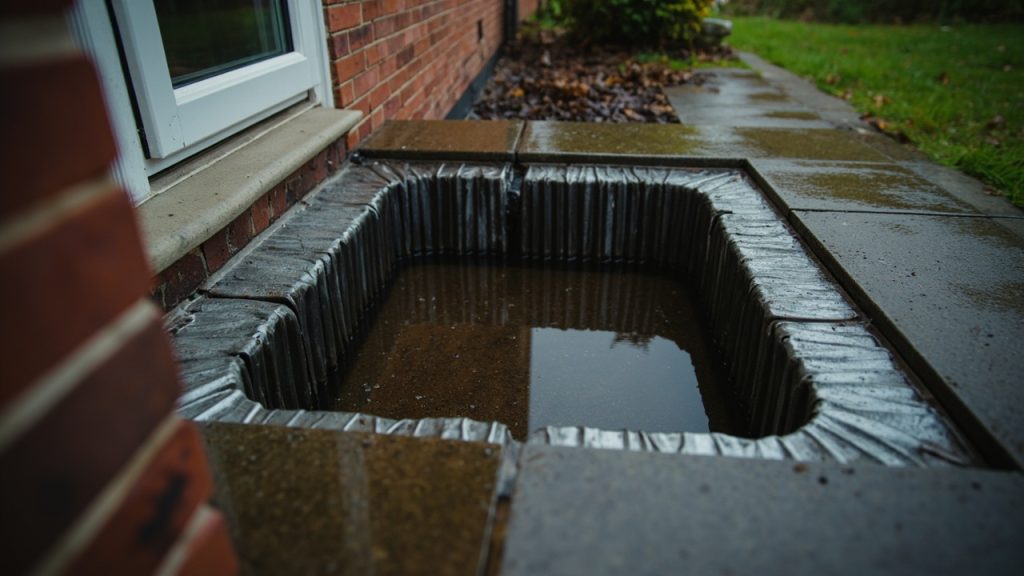
Your window wells are quietly collecting water right now. If you live in Grandmont Rosedale, Rosedale Park, or anywhere along the northwest Detroit corridor, that water has nowhere to go once your soil hits its saturation point. And in this part of Wayne County, that point comes faster than most homeowners expect.
This is not a problem that announces itself clearly. It builds. Then one night during a heavy storm, you walk downstairs and find two inches of standing water against your foundation wall. By that point, you are already dealing with potential mold growth, damaged drywall, and hydrostatic pressure working against your foundation.
Knowing the signs before that happens is what protects your home.
Why Window Well Flooding Is a Specific Problem in Grandmont Rosedale
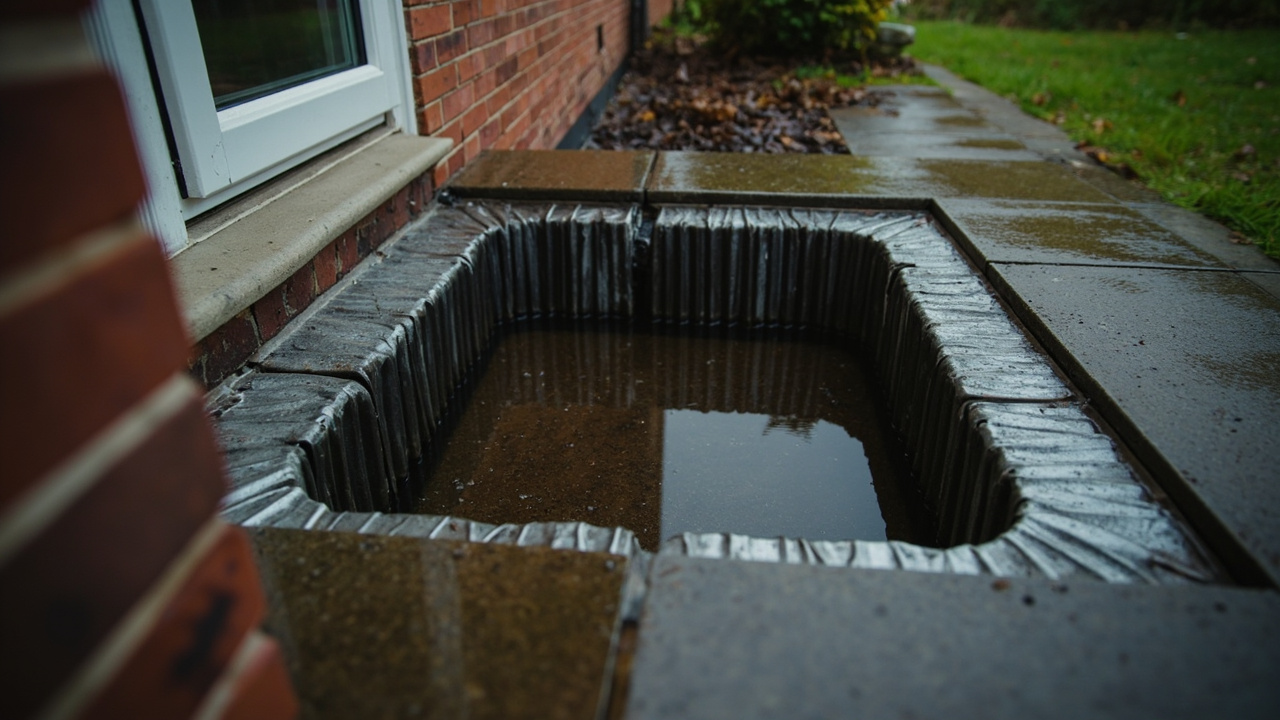
Grandmont Rosedale sits on some of the most clay-dense soil in metro Detroit. That clay soil does not absorb water the way sandy or loamy soil does. During a hard rain, water pools at the surface and drains slowly, or not at all. Your window wells act like small bathtubs sunk into that clay, and they fill up fast.
The homes in this neighborhood were built primarily between the 1920s and 1950s. The drainage infrastructure around these foundations is aging. Original perforated drain tile systems, if they even exist, are often crushed, offset, or completely clogged with root intrusion and sediment after decades of use.
Add in the Great Lakes weather patterns that push heavy rain systems across southeast Michigan each spring and fall, and you have a combination that puts window wells under serious stress multiple times per year. The National Weather Service Detroit forecast office consistently documents the region receiving concentrated rainfall events that overwhelm residential drainage systems.
The Early Warning Signs You Should Not Ignore
Most homeowners do not catch window well problems early because they are not looking for them. Here is what to check after any significant rain event.
Standing Water That Stays in the Well for Hours
After rain stops, a properly draining window well should clear within 30 to 60 minutes. If water is still sitting at the bottom two or three hours later, your drain is restricted or completely failed. That slow drain means the next heavy rain will bring water up and over the well ledge and directly against your window frame.
Rust Stains or Mineral Deposits on the Window Frame
Look at the metal framing around your basement window from outside. Orange rust streaks or white calcium deposits on the frame or the well wall tell you water has been sitting there repeatedly. This is long-term chronic contact, not a one-time splash. The window seal is already being compromised.
Efflorescence on Your Basement Wall Below the Window
Efflorescence is the white, chalky powder that appears on concrete or block walls when water moves through them and deposits minerals on the surface. If you see it on the interior basement wall directly beneath a window well, water is actively migrating through your foundation at that point.
Soft or Damp Soil Pressed Against the Well Frame
Get down and feel the soil around the outside edge of your window well. If it feels spongy or wet 24 hours or more after the last rain, your grade is sloping toward the foundation rather than away from it. Water is pooling and staying. That sustained moisture is building hydrostatic pressure against your foundation wall.
Visible Cracks or Gaps Where the Well Meets the Foundation
Galvanized steel and corrugated aluminum wells expand and contract through Michigan’s freeze-thaw cycles. Over time, the seal between the well flange and the foundation wall fails. Even a small gap at that joint allows water to move directly behind the well and down the exterior foundation face.

What Causes Window Wells to Fail in Detroit Homes
Understanding the cause helps you address the right problem instead of applying a temporary fix that fails the next season.
Clogged or Missing Gravel Drainage Beds
A properly installed window well should have at least six inches of washed gravel at the bottom sitting above a perforated drain tile that connects to the foundation drainage system or daylight. In older Grandmont Rosedale homes, this gravel bed has often compacted with sediment and organic debris until it functions like a solid plug. Water has no exit.
Disconnected or Crushed Drain Tile
Even if a drain pipe was originally installed under the gravel, it may no longer function. Clay tile systems common in pre-1960s construction crack and shift as soil moves through freeze-thaw cycles. Tree roots from the mature street trees throughout Grandmont Rosedale penetrate any crack and fill the pipe completely over time.
Negative Grade Around the Foundation
Grade slope is one of the most overlooked factors. The soil around your foundation should slope away from the house at a rate of at least one inch per foot for the first six feet. Decades of soil settlement and landscaping changes often reverse this slope, directing surface water straight toward your window wells instead of away from them.
Undersized Window Wells
Some original wells installed in these homes are simply too small for the drainage load they face during heavy rainfall. A well that holds only a few gallons of water will overflow in a storm that drops an inch of rain in an hour, which is not an unusual event in the Detroit River Basin during spring storm systems.
The Immediate Steps If Your Window Well Is Filling Right Now
If you are reading this because water is rising in your well during an active storm, take these steps in order.
- Check your basement window immediately for any active seepage or weeping through the frame seal.
- If water is not yet inside, place a plastic tarp over the window well opening and weight the edges with whatever is available. This buys time.
- Use a submersible pump or wet/dry vacuum to pull water out of the well faster than it is accumulating if you have access to one.
- If water is actively entering the basement, move valuables, electronics, and documents to higher ground immediately.
- Do not use standard shop towels or cardboard to block seepage. These absorb and wick, making the interior moisture problem worse.
- Call a water damage restoration professional. Once water breaches a basement window, the drying timeline and mold risk clock starts immediately.
The response time window matters here. Water sitting against wood framing, insulation, and drywall for more than 24 to 48 hours moves the situation from a water removal job into a water removal plus mold remediation job. Those are two different scopes of work with significantly different recovery timelines.
The Real Damage That Window Well Flooding Causes
Window well flooding is not just an inconvenience. The chain of damage it triggers is the reason homeowners in northwest Detroit neighborhoods call restoration professionals rather than just mopping up and moving on.
Foundation Wall Deterioration from Hydrostatic Pressure
When water saturates the soil directly against your foundation wall, it exerts hydrostatic pressure outward and downward against the block or poured concrete. Over time, this pressure causes horizontal cracks in block walls and inward bowing. This is structural damage. It does not resolve when the water dries out.
Mold Growth in Framing and Insulation
Michigan’s humidity levels, combined with water-saturated framing around a basement window, create ideal mold conditions. Mold colonies establish within 24 to 72 hours on wet wood and organic materials. If your basement has fiberglass batt insulation against the rim joist area near window wells, that insulation holds moisture against the framing and accelerates the problem. Read more about why surface treatments alone do not solve basement mold in our guide on why bleach will not fix your Ferndale basement mold.
Damaged Finishes and Personal Property
Finished basements in Grandmont Rosedale homes lose flooring, drywall, trim, and stored belongings when window well flooding goes unaddressed. If you have hardwood flooring that has taken water damage, timing is critical for saving it. The process differs significantly from other flooring types, and you can learn more in our article on how to save hardwood floors after a water leak.
Professional Solutions That Actually Fix the Problem
The right solution depends on the specific failure point. A good water damage and drainage professional will diagnose before recommending. Here are the legitimate fixes used in Detroit-area homes.
| Problem | Professional Solution | Expected Outcome |
|---|---|---|
| Clogged gravel bed and drain pipe | Excavate well, replace gravel, hydro-jet or replace drain tile | Restores drainage capacity to original design specification |
| Negative grade sloping toward foundation | Grade correction with compacted fill and topsoil | Directs surface water away from foundation |
| Failed well-to-foundation seal | Reseat and re-seal well flange with hydraulic cement and waterproof membrane | Eliminates direct water path behind well |
| Undersized well volume | Replace with larger well unit, integrate to French drain system | Increases drainage capacity for heavy rainfall events |
| No functional perimeter drainage | Install interior French drain system tied to sump pump | Intercepts water before it reaches living space |
| Active basement water intrusion | Professional water extraction, industrial air movers, dehumidification | Returns structure to dry standard, prevents mold |
French Drain Integration and Sump Pump Discharge
For homes with chronic drainage problems at multiple window wells, a French drain system that connects window well drain tiles to an interior sump basin is often the most reliable long-term answer. The sump pump then handles discharge away from the foundation. This setup works with Wayne County’s clay soil conditions because it does not rely on the soil absorbing water. It physically moves the water out.
The Michigan Department of Environment, Great Lakes, and Energy provides guidance on residential drainage standards that inform how these systems should be designed relative to local soil conditions and storm drainage codes.
Vapor Barriers and Waterproof Coatings
After any active water intrusion through a window well area, a vapor barrier system on the interior foundation wall prevents ongoing moisture migration through the block or concrete. This is not a standalone fix. It works alongside drainage improvements, not instead of them.
How Detroit’s Freeze-Thaw Cycle Makes This Worse Each Year
Michigan winters create a specific compounding problem for window wells. When water saturates the soil around a well and then freezes, it expands. That expansion pushes against the well frame, the foundation wall, and whatever seal exists between them. When it thaws, the movement leaves gaps and shifts that were not there before.
Over several winters, this cycle progressively damages even well-installed systems. A window well that drained fine when the previous owners lived in the home may no longer drain properly because of cumulative freeze-thaw damage to the drain tile below it.
Inspecting your window wells every spring, immediately after ground thaw, is the most effective time to catch these failures before the spring rain season puts them under load.
What to Expect from the Restoration Process After a Flood Event
| Phase | What Happens | Typical Timeframe |
|---|---|---|
| Initial assessment | Moisture mapping with thermal imaging and moisture meters to document affected areas | Same day as call, usually within 2 to 4 hours |
| Water extraction | Submersible pumps and wet extraction equipment remove standing water | First few hours on site |
| Structural drying | Industrial air movers and commercial dehumidifiers run continuously | 3 to 5 days depending on saturation level |
| Mold assessment | Post-drying inspection for mold growth indicators in framing and insulation | After drying phase completes |
| Reconstruction | Replace damaged drywall, insulation, flooring, and trim as needed | Varies by scope, typically 1 to 2 weeks |
Insurance coverage for window well flooding depends heavily on how the claim is filed and documented. Many Detroit homeowners are surprised to find their standard homeowners policy has gaps around groundwater intrusion. Getting the documentation right from the start makes a significant difference in what gets covered. Our guide on how to get your Detroit home insurance to pay for water restoration walks through the specifics of that process.
If you have already been through a claim and want to understand the filing process in detail, the article on filing a successful water damage insurance claim covers the documentation steps that matter most.
Practical Prevention Steps You Can Do This Month
Not everything requires a contractor. Some of the most effective prevention is simple maintenance that homeowners in Grandmont Rosedale can do themselves.
- Clear all leaves, dirt, and debris from the window well gravel bed at least twice per year, once in spring and once after fall leaf drop.
- Check that your downspout extensions discharge water at least four feet from your foundation wall, not into an area that drains toward your window wells.
- Inspect the caulk seal between your basement window frame and the foundation opening annually and recaulk any gaps with an exterior-grade waterproof sealant.
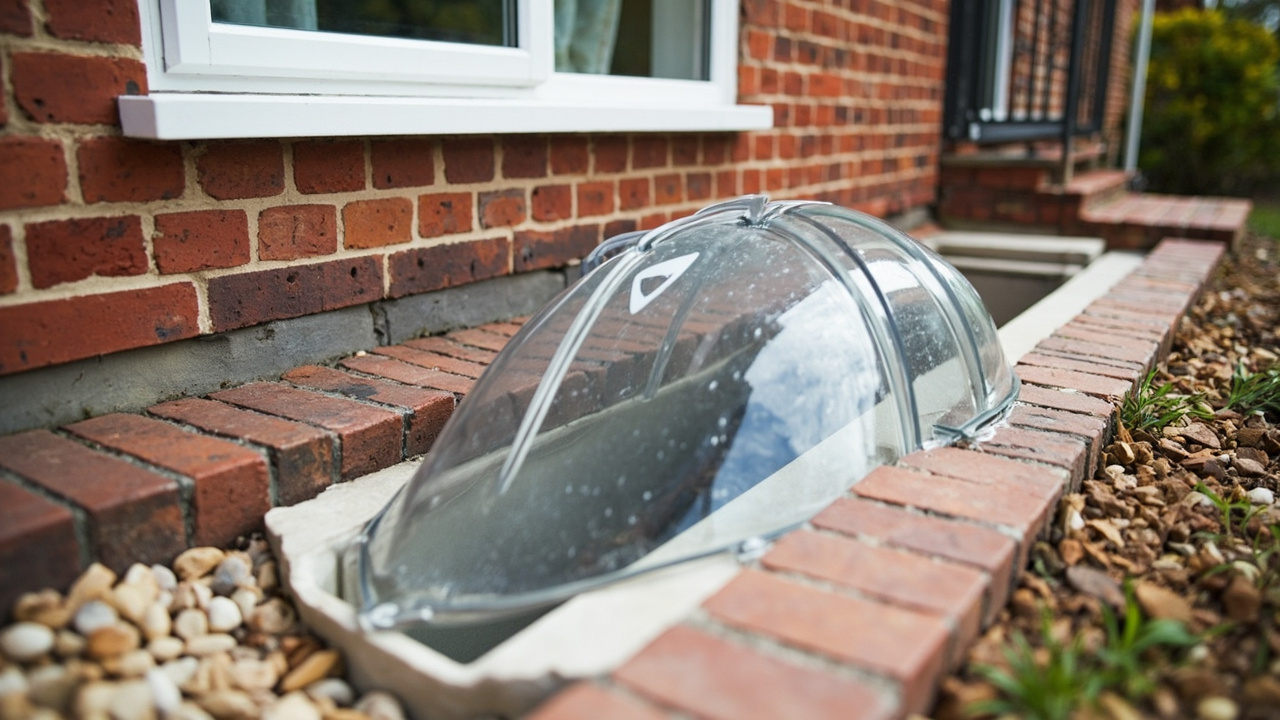
- Install a window well cover. A properly fitted polycarbonate dome cover dramatically reduces the volume of water entering the well during rain events without blocking egress or light.
- After heavy rain, stick a probe or your finger into the gravel at the bottom of the well to confirm it is draining. If gravel feels saturated two hours after rain stops, your drain needs attention.
When to Call a Professional Instead of Waiting It Out
There is a clear line between DIY maintenance and situations that need professional intervention. Do not wait if you see any of the following.
Water is entering the basement through the window frame or the wall below the window during or after rain. You see efflorescence, staining, or visible mold on the interior wall below the window well. Your window well has filled to within two inches of the window sill during a single storm event. You have standing water inside the basement from any source. The window well frame has visibly separated from the foundation wall.
Window well flooding in Grandmont Rosedale homes is a fixable problem. The clay soil and aging drainage infrastructure make it more common here than in newer subdivisions, but that also means local restoration professionals have deep experience with exactly this situation. The worst outcome is ignoring the warning signs until a preventable flood causes foundation damage and mold that takes weeks to remediate.
If you are seeing any of the warning signs described here, or if you have already had water enter your basement through a window well, contact a Detroit-area water damage restoration professional for a diagnostic assessment. The earlier you catch it, the simpler the fix.
{
“@context”: “https://schema.org”,
“@type”: “BlogPosting”,
“headline”: “Warning Signs Your Grandmont Rosedale Window Wells Are About to Flood Your Basement”,
“description”: “Detroit homeowners: learn the early warning signs of window well flooding, what causes it in Grandmont Rosedale, and how to stop basement water damage fast.”,
“wordCount”: 2392,
“datePublished”: “2026-04-10T09:15:00.000Z”,
“dateModified”: “2026-04-10T09:15:00.000Z”,
“inLanguage”: “en-US”,
“mainEntityOfPage”: {
“@type”: “WebPage”,
“@id”: “https://ironwoodwaterdamagerestorationdetroit.com”
},
“publisher”: {
“@type”: “LocalBusiness”,
“name”: “Ironwood Water Damage Restoration Detroit”,
“url”: “https://ironwoodwaterdamagerestorationdetroit.com”
},
“author”: {
“@type”: “Organization”,
“name”: “Ironwood Water Damage Restoration Detroit”,
“url”: “https://ironwoodwaterdamagerestorationdetroit.com”
},
“image”: {
“@type”: “ImageObject”,
“url”: “https://ironwoodwaterdamagerestorationdetroit.com/wp-content/uploads/2026/03/how-to-tell-if-your-grandmont-rosedale-window-well-1.jpg”
}
}
{
“@context”: “https://schema.org”,
“@type”: “LocalBusiness”,
“name”: “Ironwood Water Damage Restoration Detroit”,
“url”: “https://ironwoodwaterdamagerestorationdetroit.com”,
“address”: {
“@type”: “PostalAddress”,
“addressLocality”: “Detroit”
},
“areaServed”: {
“@type”: “City”,
“name”: “Detroit”
}
}
{
“@context”: “https://schema.org”,
“@type”: “BreadcrumbList”,
“itemListElement”: [
{
“@type”: “ListItem”,
“position”: 1,
“name”: “Home”,
“item”: “https://ironwoodwaterdamagerestorationdetroit.com”
},
{
“@type”: “ListItem”,
“position”: 2,
“name”: “Blog”,
“item”: “https://ironwoodwaterdamagerestorationdetroit.com/blog”
},
{
“@type”: “ListItem”,
“position”: 3,
“name”: “Warning Signs Your Grandmont Rosedale Window Wells Are About to Flood Your Basement”
}
]
}
{
“@context”: “https://schema.org”,
“@type”: “Service”,
“serviceType”: “Water Damage Restoration”,
“provider”: {
“@type”: “LocalBusiness”,
“name”: “Ironwood Water Damage Restoration Detroit”,
“url”: “https://ironwoodwaterdamagerestorationdetroit.com”
},
“areaServed”: {
“@type”: “City”,
“name”: “Detroit”
},
“description”: “Detroit homeowners: learn the early warning signs of window well flooding, what causes it in Grandmont Rosedale, and how to stop basement water damage fast.”
}