
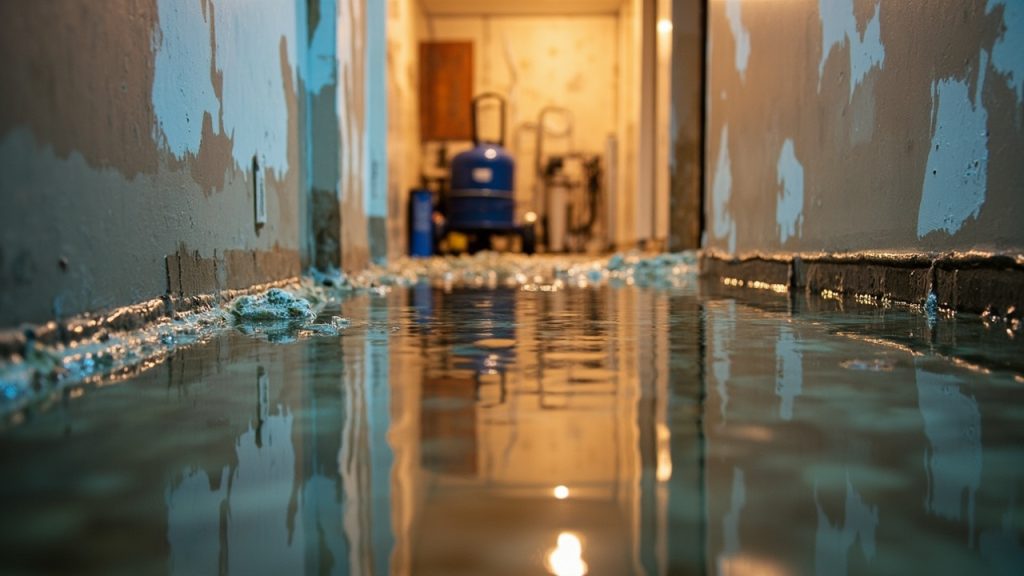
A flooded apartment is one of the most stressful situations a renter can face. You are dealing with soaked belongings, potential mold, and a landlord who may or may not be returning your calls. In Detroit, where over half of occupied housing units are rentals, this scenario plays out thousands of times a year. Knowing your rights before the water rises gives you real leverage.
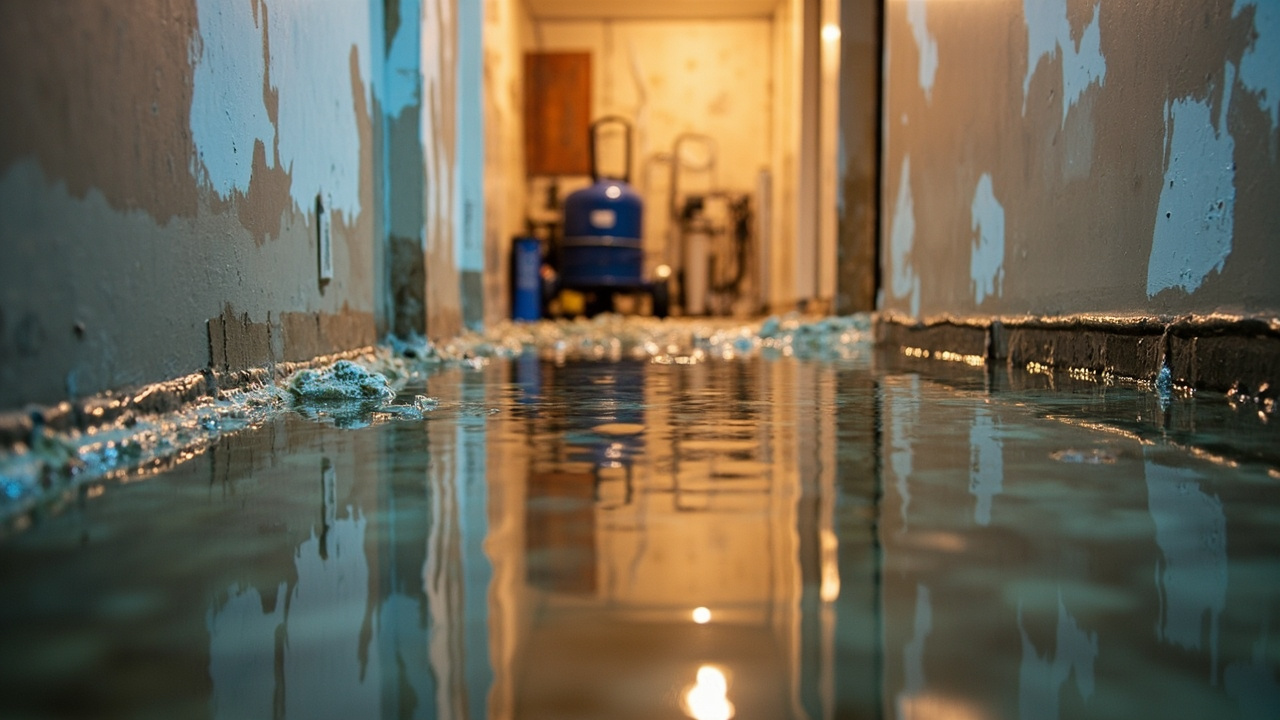
What to Do in the First 24 Hours After a Flood
Your first job is safety, not documentation. Before you touch anything, confirm the electricity is off at the breaker panel. Water and live circuits kill people. If you cannot safely access the panel, call Detroit’s emergency utility line or your landlord immediately. Do not re-enter until power is confirmed off.
Once it is safe, start documenting everything. Take timestamped photos and video of every affected room, every piece of damaged property, and the source of the water if visible. Upload these to cloud storage immediately so they cannot be lost or disputed later.
Then notify your landlord in writing. A text message or email works for documentation purposes. State the date, describe the damage, and request an immediate response. Michigan courts treat written notice seriously. Verbal-only complaints are much harder to enforce.
The 24-Hour Rule and What It Means for You
Michigan does not have a single hard 24-hour statutory repair deadline, but courts have consistently interpreted “reasonable time” under MCL 554.139 to mean landlords must respond to emergency conditions within 24 hours. A flooded apartment absolutely qualifies as an emergency condition. If your landlord fails to respond within that window, you are building a legal record.
Michigan Law and the Implied Warranty of Habitability
Under Michigan Compiled Laws Section 554.139, every landlord in the state must maintain rental property in a condition fit for its intended use. This is the implied warranty of habitability. It is not negotiable and cannot be waived by any lease clause.
A flooded unit violates this warranty automatically. Mold growth following water damage also triggers a separate violation. If your unit has standing water, structural damage, or active sewage backup, your landlord is legally obligated to make repairs. The question becomes how fast and what happens if they do not.
The Michigan Landlord-Tenant Relationship Act (Act 348 of 1972)
This act governs the relationship between landlords and tenants in Michigan. It outlines repair obligations, notice requirements, and tenant remedies. Combined with MCL 554.139, it gives tenants a clear legal framework. Your landlord cannot ignore a habitability violation and continue collecting full rent without potential legal consequences.
The Michigan Truth in Renting Act adds another layer. Landlords cannot include lease provisions that waive their statutory responsibilities. If your lease says you are responsible for all repairs, that clause is unenforceable under Michigan law when it conflicts with the implied warranty of habitability.

Detroit-Specific Enforcement Through BSEED
Detroit tenants have a powerful local tool that renters in most other Michigan cities lack. The Detroit Buildings, Safety Engineering, and Environmental Department (BSEED) enforces the Detroit City Code Chapter 8, which covers building safety and housing standards. You can file a complaint directly with BSEED when your landlord fails to address water damage.
A BSEED inspector can issue a Notice of Violation to your landlord and set a compliance deadline. This creates an official government record of the habitability problem, which is extremely useful if you later need to pursue rent escrow or take legal action.
How to File a BSEED Complaint
- Download the Improve Detroit app or visit the City of Detroit’s 311 portal online
- Select “Property Maintenance” as the complaint category
- Upload your photos and describe the water damage in detail
- Request a formal inspection in your submission
- Save your complaint confirmation number
- Follow up if no inspector contacts you within five business days
BSEED also oversees Detroit’s rental registration program. Landlords in Detroit are required to register their rental properties and obtain certificates of compliance. A landlord who is not registered or whose certificate has lapsed is operating illegally. This matters because courts have used a landlord’s non-compliance status to favor tenants in repair disputes.
Rent Withholding and the Rent Escrow Strategy
Many tenants hear “you can withhold rent” and assume they can simply stop paying. In Michigan, that is wrong, and it can get you evicted. The correct approach is the rent escrow process.
Under Michigan law, tenants can petition the district court to pay rent into escrow rather than to the landlord when habitability conditions exist. The court holds the funds. The landlord receives them only after making verified repairs. This is not a fast process, but it is a protected one. Tenants who simply stop paying without a court order face eviction proceedings regardless of how legitimate their repair complaint is.
The Repair-and-Deduct Option in Michigan
Michigan does allow a limited repair-and-deduct remedy, but the conditions are strict. The repair must be essential to the habitability of the unit. You must have given written notice to the landlord. A reasonable time for the landlord to act must have passed. And the deduction typically cannot exceed one month’s rent.
For something like a basement sewage backup or a collapsed ceiling from water intrusion, repair-and-deduct may not cover the full cost of professional remediation. Document every expense carefully if you use this option.
Constructive Eviction as a Last Resort
If the flood damage makes your unit genuinely uninhabitable and your landlord refuses to act, you may have grounds to claim constructive eviction. This allows you to vacate the unit and terminate the lease without penalty. You must be able to prove that the condition was severe, that you notified the landlord, and that they failed to respond adequately. Courts take this seriously, but it requires clear documentation throughout the process.
Understanding Water Damage Categories and Why Sewage Backup Is Different
Not all flood water is the same. The IICRC S500 Standard for Professional Water Damage Restoration classifies water into three categories. This classification matters for both health and legal liability.
| Water Category | Source | Health Risk | DIY Cleanup? |
|---|---|---|---|
| Category 1 (Clean) | Broken supply line, overflowing sink | Low | Limited, with proper drying |
| Category 2 (Gray) | Washing machine overflow, dishwasher leak | Moderate, contains contaminants | Not recommended |
| Category 3 (Black) | Sewage backup, floodwater from outside | Severe, biohazard level | No. Requires professional remediation |
Detroit’s combined sewer system is a significant factor here. Much of the city, especially older neighborhoods like Jefferson Chalmers, Delray, and parts of the East Side, sits on infrastructure that combines stormwater and sanitary sewage in the same pipes. During heavy rain events, the system can back up, sending Category 3 water into basement units. This is a biohazard situation. It requires full personal protective equipment, antimicrobial treatment, and in most cases, removal of porous materials like drywall and carpeting.
Your landlord cannot hand you a mop and call it done. Category 3 cleanup requires professional remediation under IICRC S500 protocols, and your landlord is responsible for arranging and paying for it.
Renters Insurance Versus Your Landlord’s Insurance
This is one of the most misunderstood areas of tenant rights. Your landlord’s insurance covers the structure of the building. It does not cover your personal belongings. If your laptop, furniture, and clothing are ruined in a flood caused by a burst pipe in the building, you need your own renters insurance policy (HO-4) to recover those losses.
| Coverage Type | What It Covers | Who Pays | Applies to Tenant Personal Property? |
|---|---|---|---|
| Landlord Policy | Structure, building systems, common areas | Landlord’s insurer | No |
| Renters Insurance (HO-4) | Personal property, additional living expenses, liability | Tenant’s insurer | Yes |
| Flood Insurance (NFIP) | Structural damage from flood events | Landlord or tenant (separate policy) | Only with separate contents coverage |
If your landlord’s negligence directly caused the flood, such as failing to repair a known roof leak or a broken pipe, you may have a claim against their liability coverage for your personal property losses. This requires proving negligence, which goes back to your documentation. For more guidance on how insurance claims work in Detroit’s water damage context, read our guide on how to get your Detroit home insurance to actually pay for water restoration.
The Wayne County Health Department’s Role in Severe Cases
When mold growth follows a flood and your landlord still refuses to act, the Wayne County Health Department can become involved. Significant mold colonization in a residential unit is a public health issue. A complaint to the Health Department can trigger an inspection and a formal notice that carries more weight than a BSEED citation alone.
Do not underestimate how fast mold grows after water damage. In Detroit’s humid summers, mold can begin colonizing porous materials within 24 to 72 hours of water exposure. Waiting for a slow landlord to act is not a neutral choice. Before you assume surface mold can be cleaned with bleach, read why that approach often fails at our resource on why bleach will not fix basement mold.
What Professional Water Damage Restoration Actually Looks Like
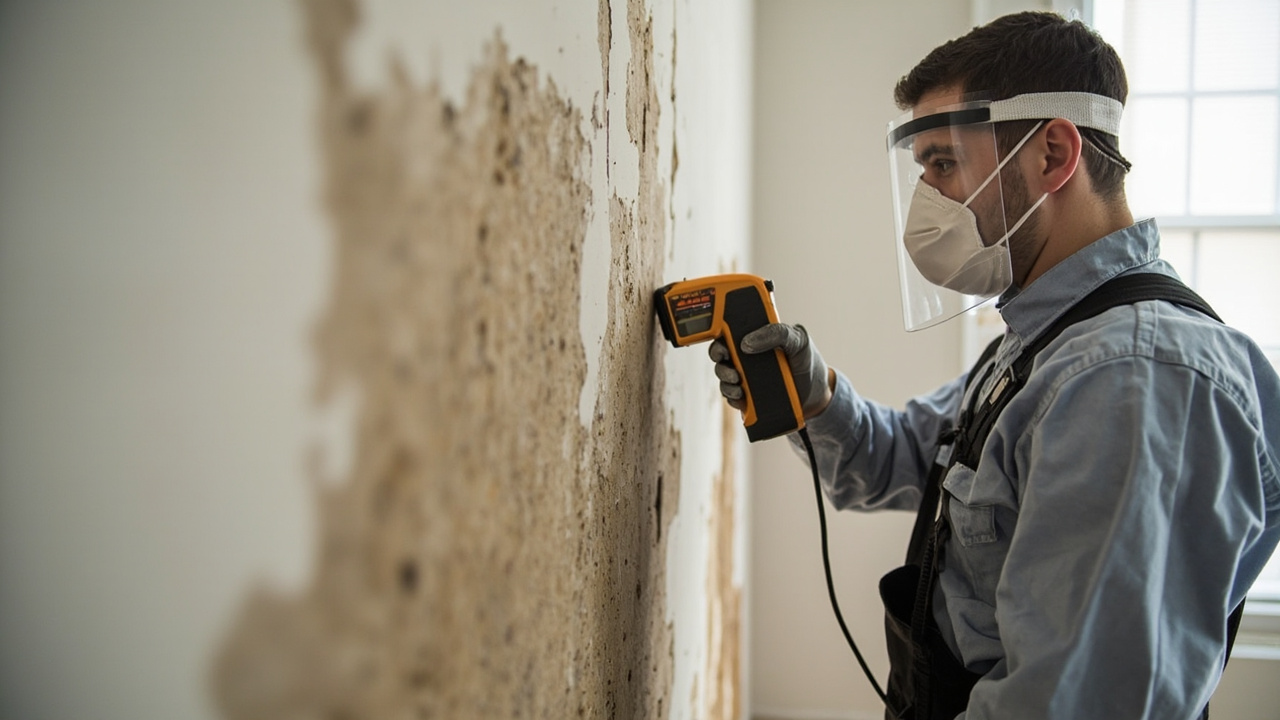
Whether the remediation bill falls to your landlord or gets split through insurance, understanding the restoration process helps you verify that the work is done correctly. A licensed, IICRC-certified restoration company follows a specific protocol.
First, standing water is extracted using truck-mounted or portable extraction units. Then, industrial air movers and dehumidifiers are placed to drive out residual moisture from structural materials. Technicians use moisture meters and thermal imaging cameras to confirm drying progress behind walls and under flooring. This is not optional. Hidden moisture is what causes mold to grow inside walls months after a flood appears to be resolved.
For Category 3 events, contaminated materials, including drywall up to the flood line, insulation, and carpeting, are removed and disposed of following EPA guidelines. Antimicrobial applications follow. A final clearance test confirms the space is safe before reconstruction begins.
The Detroit Water and Sewerage Department (DWSD) can sometimes assist with documenting sewer backup events, which strengthens your case that the flood originated from a city infrastructure failure rather than tenant negligence. If DWSD confirms a system overflow in your neighborhood, your landlord may have a claim against the city, but your unit still needs to be cleaned properly and on a timeline that protects your health.
If the flood affected hardwood flooring, the timeline for salvageability is short. Learn what factors determine whether floors can be saved at our guide on saving hardwood floors after a water leak. And for carpet that has taken on water, the decision to save or replace is not always obvious, which we cover in detail for wet carpet assessment in Michigan rentals.
Timelines That Matter for Detroit Tenants
Knowing the legal and practical timelines helps you hold your landlord accountable and make informed decisions about your next steps.
| Action | Recommended Timeline | Authority or Source |
|---|---|---|
| Notify landlord of flood damage | Immediately, in writing | MCL 554.139, court precedent |
| Landlord emergency response | Within 24 hours | Michigan courts’ “reasonable time” standard |
| Begin professional extraction | Within 24-48 hours to prevent mold | IICRC S500 Standard |
| File BSEED complaint if landlord fails to act | Day 2-3 if no response | Detroit City Code Chapter 8 |
| File rent escrow petition | After written notice and landlord inaction | Michigan Landlord-Tenant Relationship Act |
| Mold becomes visible on surfaces | 24-72 hours post-flood | EPA, IICRC |
When Your Landlord Files for Corktown or Midtown Renovation Permits
In neighborhoods like Corktown, Midtown, and New Center, where renovation activity is high, some tenants have encountered situations where flood damage conveniently precedes a landlord’s intent to vacate the building for renovation. If your landlord is pressuring you to leave voluntarily after a flood without offering proper repairs, consult a tenant rights attorney. Detroit Legal Aid and Michigan Legal Help both offer free resources. Relocation assistance requirements may apply depending on the circumstances of the displacement.
If you are working through an active insurance claim related to your own policy or a shared situation with your landlord’s insurer, our detailed walkthrough on filing a successful water damage insurance claim in Detroit explains how to document and submit claims correctly.
Protecting Yourself Going Forward
Before the next storm, take three steps. Get renters insurance with personal property and additional living expenses coverage if you do not have it already. Photograph the current condition of your unit, especially the basement and any areas near windows, pipes, or exterior walls. And find your landlord’s contact information, registered address, and rental certificate number now, not after a flood has started.
Detroit’s older housing stock, combined with an aging sewer system that the Detroit Water and Sewerage Department is actively working to upgrade, means flooding events in rental units are not rare. Being prepared legally and practically puts you in a position to protect your health, your belongings, and your housing stability when it happens.
If your unit has flooded and your landlord is not moving fast enough, call a professional restoration company to assess the damage immediately. The assessment documents the scope of damage independently of your landlord’s version of events. That documentation has value whether you end up in court, in a BSEED proceeding, or in an insurance claim. Do not wait for permission to get the facts on paper.
{
“@context”: “https://schema.org”,
“@type”: “BlogPosting”,
“headline”: “What Detroit Renters Need to Know When Their Apartment Floods”,
“description”: “Detroit tenant rights after flooding explained. Know Michigan law, landlord responsibilities, BSEED rules, and when to call a restoration pro.”,
“wordCount”: 2193,
“datePublished”: “2026-06-17T13:25:00.000Z”,
“dateModified”: “2026-06-17T13:25:00.000Z”,
“inLanguage”: “en-US”,
“mainEntityOfPage”: {
“@type”: “WebPage”,
“@id”: “https://ironwoodwaterdamagerestorationdetroit.com”
},
“publisher”: {
“@type”: “LocalBusiness”,
“name”: “Ironwood Water Damage Restoration Detroit”,
“url”: “https://ironwoodwaterdamagerestorationdetroit.com”
},
“author”: {
“@type”: “Organization”,
“name”: “Ironwood Water Damage Restoration Detroit”,
“url”: “https://ironwoodwaterdamagerestorationdetroit.com”
},
“image”: {
“@type”: “ImageObject”,
“url”: “https://ironwoodwaterdamagerestorationdetroit.com/wp-content/uploads/2026/03/navigating-your-rights-as-a-renter-when-your-detro-1.jpg”
}
}
{
“@context”: “https://schema.org”,
“@type”: “LocalBusiness”,
“name”: “Ironwood Water Damage Restoration Detroit”,
“url”: “https://ironwoodwaterdamagerestorationdetroit.com”,
“address”: {
“@type”: “PostalAddress”,
“addressLocality”: “Detroit”
},
“areaServed”: {
“@type”: “City”,
“name”: “Detroit”
}
}
{
“@context”: “https://schema.org”,
“@type”: “BreadcrumbList”,
“itemListElement”: [
{
“@type”: “ListItem”,
“position”: 1,
“name”: “Home”,
“item”: “https://ironwoodwaterdamagerestorationdetroit.com”
},
{
“@type”: “ListItem”,
“position”: 2,
“name”: “Blog”,
“item”: “https://ironwoodwaterdamagerestorationdetroit.com/blog”
},
{
“@type”: “ListItem”,
“position”: 3,
“name”: “What Detroit Renters Need to Know When Their Apartment Floods”
}
]
}
{
“@context”: “https://schema.org”,
“@type”: “Service”,
“serviceType”: “Water Damage Restoration”,
“provider”: {
“@type”: “LocalBusiness”,
“name”: “Ironwood Water Damage Restoration Detroit”,
“url”: “https://ironwoodwaterdamagerestorationdetroit.com”
},
“areaServed”: {
“@type”: “City”,
“name”: “Detroit”
},
“description”: “Detroit tenant rights after flooding explained. Know Michigan law, landlord responsibilities, BSEED rules, and when to call a restoration pro.”
}