
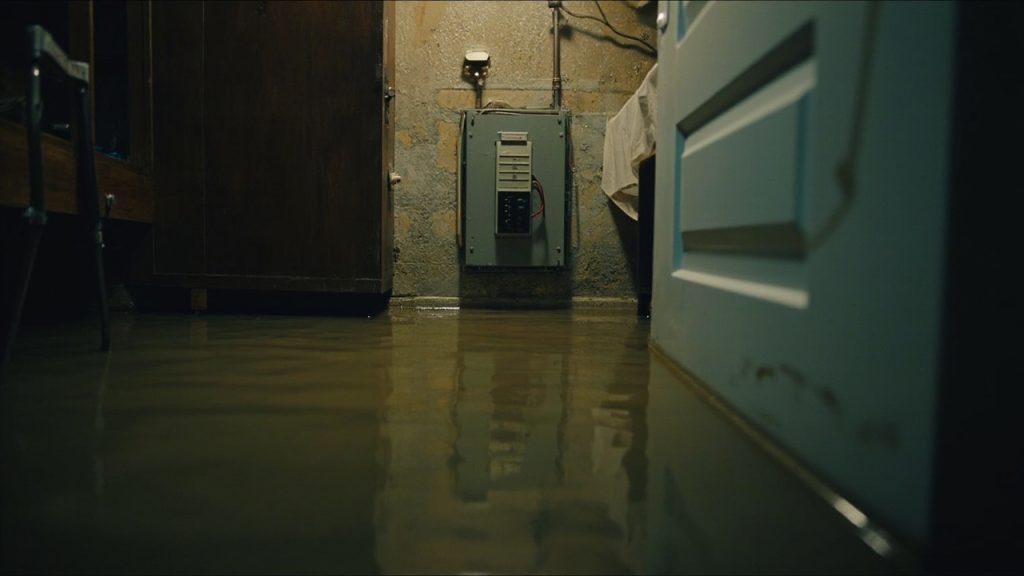
A flooded basement in Detroit is not just a mess. It is a potential electrocution scene. Water and live electricity in the same space create a lethal combination that kills people every year, and the danger is invisible. You cannot see energized water. You cannot feel it until it is too late.
If your basement is flooded right now, stop reading and do not go downstairs until you have confirmed the power is off. This guide will walk you through exactly how to do that, what risks are hiding in your basement, and what needs to happen before any restoration work begins.
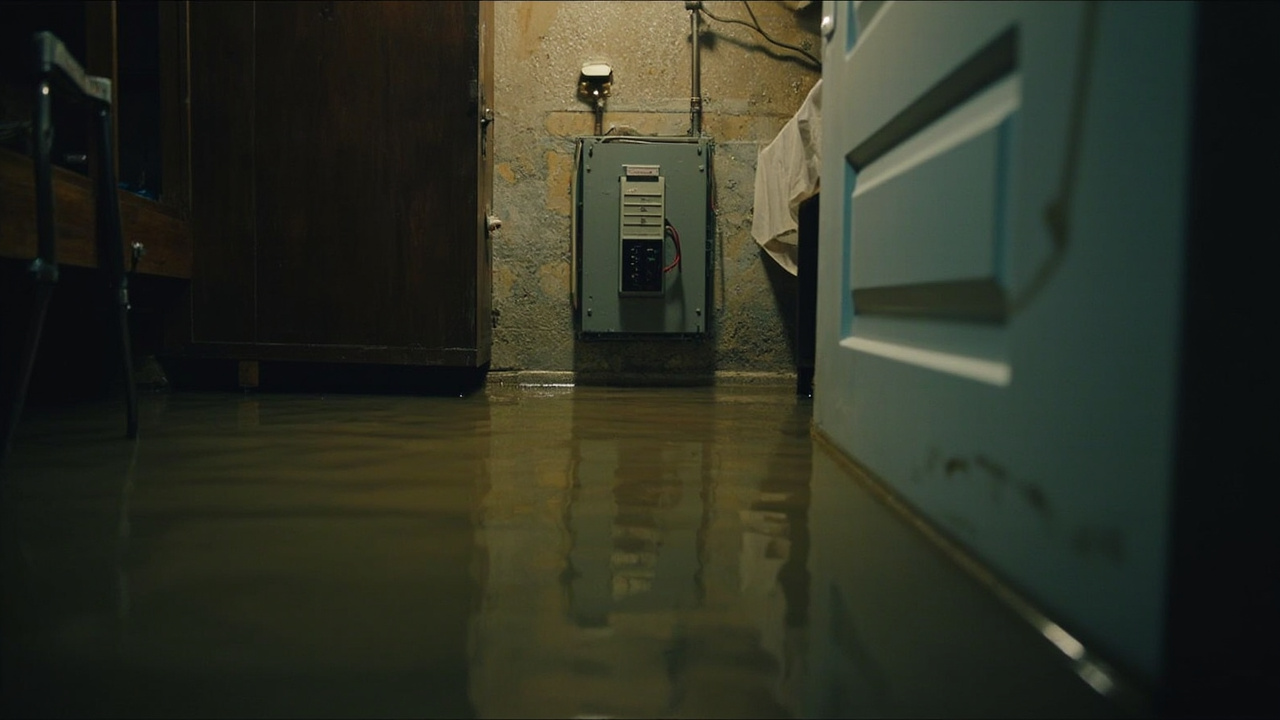
Why Flooded Basement Electrical Hazards Are Especially Dangerous in Detroit
Detroit’s housing stock is old. Many homes in neighborhoods like Rosedale Park, East English Village, and Grandmont were built before modern electrical codes existed. That means a significant number of basements still have older wiring, unprotected outlets, and panel boxes that were never upgraded.
When water enters those spaces, it does not just damage drywall and flooring. It contacts live circuits. And unlike a puddle in a newer home with modern GFCI (Ground Fault Circuit Interrupter) protection, an older Detroit basement may have zero automatic shutoff protection between you and a fatal shock.
Detroit also sits in a region prone to heavy rain events that overwhelm the city’s combined sewer overflow (CSO) system. When the CSO backs up, water does not just come in through window wells. It comes up through floor drains, carrying with it Category 3 black water, which is contaminated sewage-laden water that carries biological and chemical hazards on top of the electrical risks.
What Is Step Potential and Why It Matters in a Wet Basement
Most homeowners know that touching a live wire is dangerous. Fewer know about step potential, which is the voltage difference that forms between two points on the ground when electrical current spreads through water or wet concrete.
You do not need to touch anything to be electrocuted. Simply walking through energized water can complete a circuit through your body. One foot contacts a higher voltage point, the other a lower one, and current flows through you. This is one of the primary causes of Electric Shock Drowning (ESD) in residential flooding scenarios.
In a Detroit basement with submerged appliances like a furnace, water heater, or sump pump, this risk is real and immediate. According to the National Fire Protection Association (NFPA), electrical failures and malfunctions are among the leading causes of fire and death during and after flooding events.
Immediate Danger Signals That Mean You Stay Out
Do not enter a flooded basement if any of the following conditions exist.
- Standing water is present at any depth, including just an inch or two.
- You can hear buzzing, crackling, or humming sounds near the electrical panel or appliances.
- The main breaker panel is in the basement and is at or below water level.
- Any appliance, outlet, or extension cord is submerged or visibly wet.
- The power to your home has not been confirmed off by a licensed electrician or utility technician.
- You smell burning plastic or an acrid, electrical-type odor.
Even a quarter-inch of water covering the floor of a basement with live circuits can be lethal. Do not assume the water is safe because it looks clean or because nothing is sparking visibly.
Step-by-Step Safety Protocol for a Flooded Detroit Basement
Follow this sequence. Do not skip steps or rearrange the order.
Step 1. Do Not Enter the Basement
Repeat this to yourself and to anyone else in the house. No one enters until power is confirmed off. Not to grab valuables. Not to check the water heater. Not for any reason.
Step 2. Call DTE Energy Immediately
If your main electrical panel is in the basement and you cannot safely access it, call DTE Energy at their emergency line. A field technician can disconnect power at the utility meter outside your home. This is a free service in an emergency. Do not attempt to disconnect the utility meter yourself. That equipment belongs to DTE and carries lethal voltage that a standard breaker cannot interrupt.
Step 3. Shut Off the Main Breaker If You Can Do It Safely
If your main breaker panel is on the first floor or in a dry, accessible location, flip the main breaker to the OFF position. Stand on dry ground. Use one hand only. Do not lean against the panel. If there is any doubt about safety, wait for DTE Energy or a licensed electrician.
Step 4. Contact a Licensed Electrician Before Anyone Enters
A licensed electrician must inspect and clear the electrical system before restoration crews or homeowners enter the space. The Detroit Building Safety Engineering and Environmental Department (BSEED) requires permits for electrical work in flood-damaged structures. Your electrician should be familiar with these local requirements.
Step 5. Document Everything for Your Insurance Claim
Before any water is removed or any items are moved, photograph and video the entire affected area from a safe vantage point, like the top of the basement stairs. Capture the water level, all visible damage, and the location of any submerged appliances or electrical components. This documentation is essential for your claim. Read more about navigating the claims process in this guide on how to get your Detroit home insurance to actually pay for water restoration.
Step 6. Call an IICRC-Certified Water Damage Restoration Company
Once power is confirmed off and the electrician has cleared the space, bring in an IICRC-certified restoration team. The Institute of Inspection Cleaning and Restoration Certification (IICRC) sets the S500 Standard for water damage mitigation. Certified technicians follow that protocol to safely remove contaminated water, dry structural materials, and prevent mold growth.
Common Electrical Risks Hiding in Flooded Detroit Basements
Beyond the obvious danger of submerged outlets, there are several less obvious electrical hazards that appear in Detroit basement flooding scenarios.
Submerged Furnaces and Water Heaters
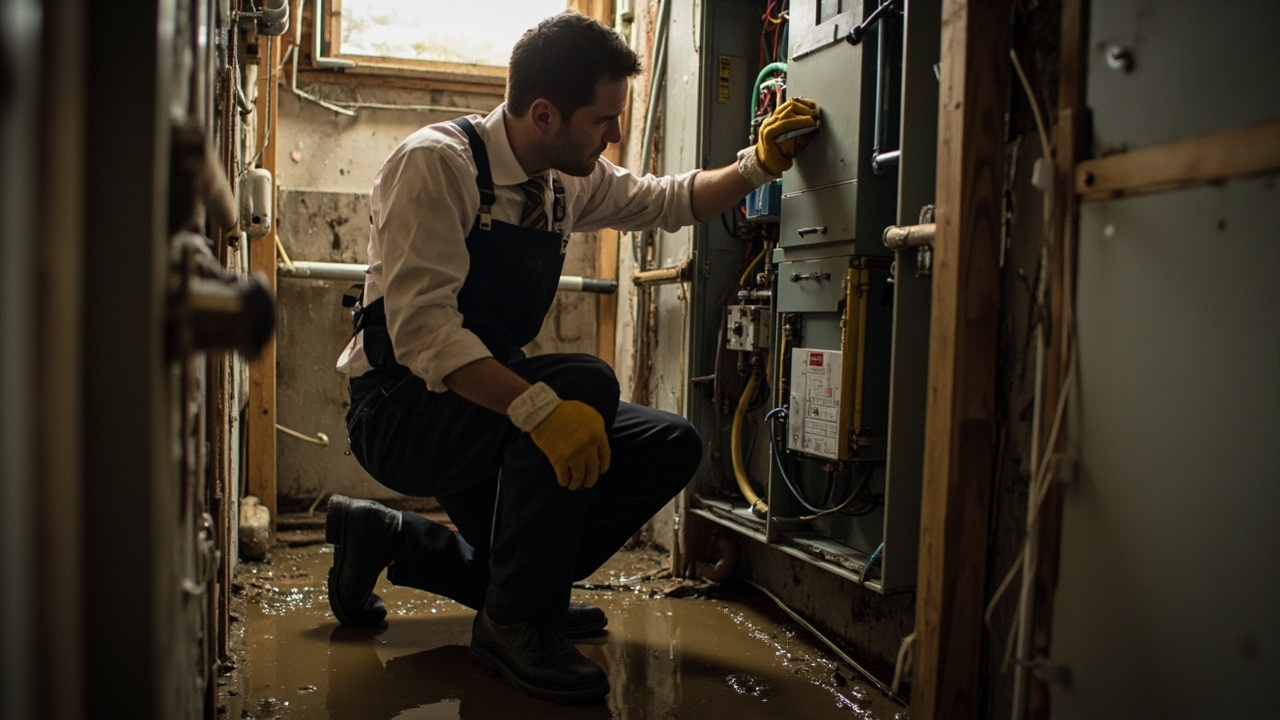
Most Detroit homes use natural gas furnaces, but the ignition systems, blower motors, and control boards are all electric. A flooded furnace is a damaged furnace, and it cannot be turned back on after flooding without a full inspection. The same applies to electric water heaters and any tankless units in the space.
Sump Pump Failure and Electrical Backfeed
Sump pump failure is one of the most common causes of basement flooding in Southeast Michigan. When a sump pump fails during a heavy rain event, the pit overflows and water spreads across the floor. The pump itself, while submerged, may still be drawing power and energizing the surrounding water.
Knob-and-Tube Wiring in Historic Detroit Homes
Homes in historic Detroit neighborhoods, particularly those built before the mid-20th century, may still contain knob-and-tube wiring. This type of wiring has no ground conductor, meaning there is no path to redirect a fault current away from a person who contacts it. It also lacks the insulation integrity of modern wiring. When wet, knob-and-tube wiring is unpredictable and extremely dangerous.
Modern GFCI outlets and breakers are designed to detect ground faults and cut power in milliseconds. Knob-and-tube systems have no such protection. If your home has this type of wiring, flooding should trigger an immediate call to a licensed electrician before any other action is taken.
Electrical Panels at or Below Water Level
Many Detroit bungalows and older two-stories have their main electrical panels installed low on the basement wall. When water rises to panel level, the entire system is compromised. Water inside a panel box creates short circuit risks, arc flash hazards, and potential fire ignition even after the water recedes.
A panel that has been flooded must be inspected by a licensed electrician and may need to be fully replaced before power is restored to the home.
Detroit’s Older Infrastructure and Why It Raises the Risk
Wayne County Floodplain Management data consistently shows that Detroit and its surrounding communities experience higher basement flooding rates than newer suburban developments. The city’s aging sewer infrastructure, the prevalence of flat lots with poor drainage, and the clay-heavy soils common to Southeast Michigan all contribute to water intrusion events that can be both frequent and severe.
Older electrical systems were not designed with flooding in mind. Modern code now requires GFCI protection at all basement outlets, but homes built decades ago were never retrofitted. The result is a large housing stock where the electrical risk in a flooding event is significantly higher than in newer construction.
| Home Era | Typical Wiring Type | GFCI Protection Likely? | Flood Electrical Risk Level |
|---|---|---|---|
| Pre-1950 | Knob-and-Tube | No | Extreme |
| 1950 to 1975 | Early Romex, Aluminum | No | High |
| 1975 to 2000 | Romex (Copper) | Partial | Moderate |
| 2000 to Present | Modern NM-B Cable | Yes (Code Required) | Lower (but still present) |
What Happens After the Electrician Clears the Space
Once a licensed electrician has inspected the panel, outlets, wiring, and any permanently installed appliances, and confirmed the space is safe to enter, the water damage restoration process can begin.
An IICRC-certified team will classify the water source (Category 1, 2, or 3), measure moisture levels in walls and subfloor assemblies using thermal imaging and pin-type moisture meters, and establish a drying plan based on the IICRC S500 standard. In a Detroit flooding event tied to a CSO backup, the water is almost always Category 3 black water, which requires full protective equipment and specific decontamination procedures.
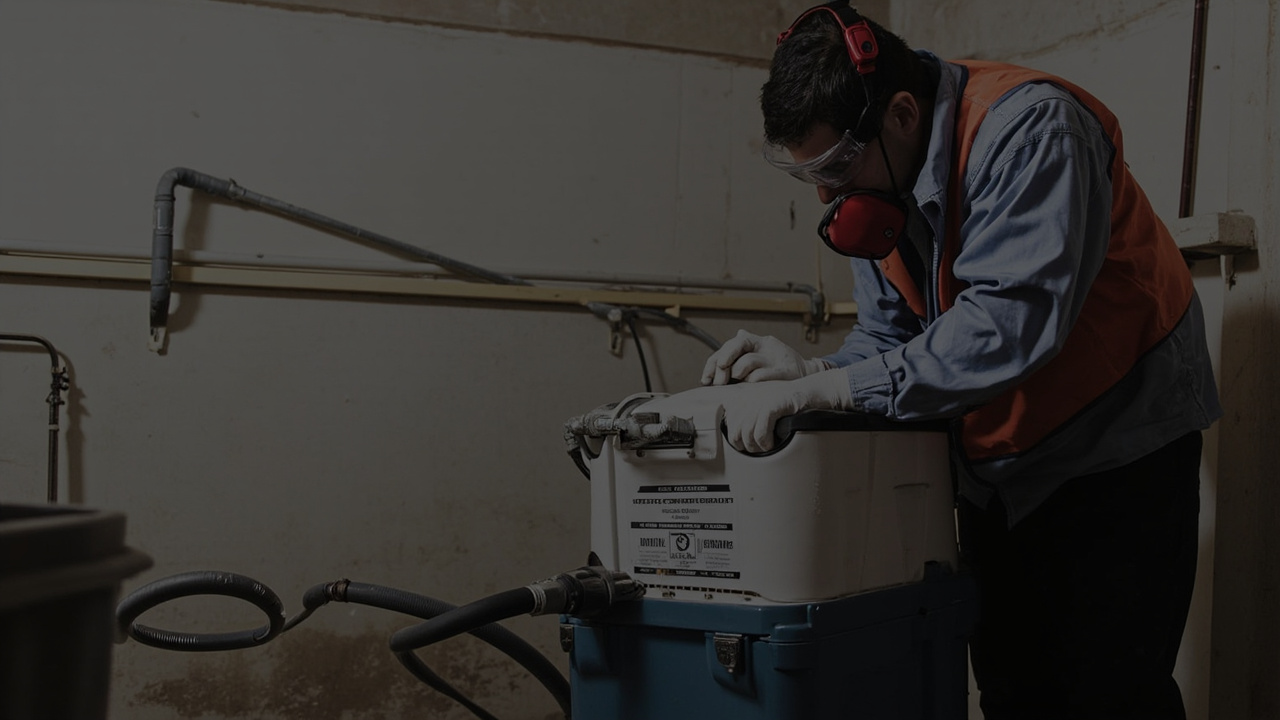
Do not attempt to run a shop vacuum or consumer-grade wet vac through a flooded basement before this process is complete. Even after power is off, standing water can harbor bacteria and pathogens from sewage. And if power is somehow restored before all moisture is extracted, any standing water immediately becomes a hazard again.
| Category | Water Source | Contamination Level | PPE Required | Common Detroit Cause |
|---|---|---|---|---|
| Category 1 | Clean supply line | None | Standard | Water heater supply line break |
| Category 2 | Appliance discharge, sump | Moderate | Gloves, eye protection | Sump pump overflow |
| Category 3 | Sewage, CSO backup, groundwater | Severe (Biohazard) | Full PPE, respirator | CSO sewer backup, storm flooding |
What You Should Not Do After a Flooded Basement Electrical Event
Just as important as what to do is what to avoid. These mistakes can cost you your life or significantly increase your restoration costs.
Do not restore power to your home without a licensed electrician’s sign-off. It does not matter if the water is gone and everything looks dry. Water penetrates inside junction boxes, breaker panels, and outlet housings where it cannot be seen. Restoring power to wet components can cause arcing, electrical fires inside walls, and panel failures.
Do not use gasoline-powered generators inside or near the basement. Carbon monoxide poisoning is a serious risk during flooding events when people lose power and reach for generators.
Do not assume your standard homeowner’s insurance covers basement flooding. Flood damage caused by external water intrusion is typically excluded from standard policies and requires separate flood insurance through the National Flood Insurance Program. For help navigating your specific claim, this resource on filing a successful water damage insurance claim for your Corktown home breaks down the process in detail.
Do not use bleach as your primary mold prevention strategy after water removal. Bleach does not penetrate porous materials where mold roots establish. If mold develops after a basement flood, which it will within 24 to 48 hours in Southeast Michigan’s humidity if drying is delayed, you need a professional remediation approach. More on that in this article about why bleach won’t fix your Ferndale basement mold.
The Role of Professional Restoration After Electrical Clearance
A flooded basement is not a DIY project. Between the contamination risks of Category 3 water, the structural assessment required for soaked framing and subfloor materials, and the documentation required for insurance, the process demands trained professionals working with calibrated equipment.
IICRC-certified technicians use desiccant dehumidifiers, air movers positioned to ANSI/IICRC S500 specifications, and thermal imaging to track drying progress through walls and floor assemblies. In a Detroit winter flooding scenario, where ambient basement temperatures may be near freezing, this equipment is critical because cold air cannot carry moisture effectively and drying times extend significantly without professional-grade intervention.
The work extends beyond the basement, too. If water reached your first-floor subfloor or wicked up through wall cavities, adjacent materials on other floors can be affected. Hardwood floors on the main level can cup and buckle. For a detailed look at that process, this guide on how to save your hardwood floors after a significant water leak covers what is salvageable and what is not.
Before the Next Storm Season in Southeast Michigan
Detroit’s CSO system handles both storm water and sanitary sewage in the same pipes. During heavy rain events, the system can exceed capacity and back up into basements throughout the city. This is a known, recurring issue in neighborhoods from Bagley to Jefferson Chalmers.
Proactive steps that reduce both flooding risk and electrical hazard exposure include having your electrical panel inspected and GFCI protection added to all basement circuits, installing a battery-backup sump pump alongside your primary unit, adding a backwater valve to your floor drain (which can require a permit through BSEED), and keeping your main shutoff accessible and labeled so anyone in the household can find it in an emergency.
If carpeting or finished flooring in your basement was affected, the salvageability question is worth understanding before you commit to restoration or replacement. This breakdown on deciding whether wet carpet can be saved or needs to go applies directly to flooded basement situations.
If your basement is flooding right now and you have not confirmed the power is off, that is the only thing that matters at this moment. Call DTE Energy, step back from the basement door, and wait for confirmation before anyone goes downstairs. Everything else, including the water, the appliances, and the cleanup, can wait. Electrocution cannot be undone.
When you are ready to move forward with safe, professional water damage restoration in the Detroit metro area, call a team with IICRC certification and real experience with Southeast Michigan flooding conditions. The restoration process has a clear sequence, and when followed correctly, even severe basement flooding is recoverable.
{
“@context”: “https://schema.org”,
“@type”: “BlogPosting”,
“headline”: “What Every Detroit Homeowner Needs to Know About Electrical Safety in a Flooded Basement”,
“description”: “Flooded basement in Detroit? Learn the electrical hazards that can kill, how to shut off power safely, and when to call a pro. A critical safety guide.”,
“wordCount”: 2362,
“datePublished”: “2026-06-14T09:14:00.000Z”,
“dateModified”: “2026-06-14T09:14:00.000Z”,
“inLanguage”: “en-US”,
“mainEntityOfPage”: {
“@type”: “WebPage”,
“@id”: “https://ironwoodwaterdamagerestorationdetroit.com”
},
“publisher”: {
“@type”: “LocalBusiness”,
“name”: “Ironwood Water Damage Restoration Detroit”,
“url”: “https://ironwoodwaterdamagerestorationdetroit.com”
},
“author”: {
“@type”: “Organization”,
“name”: “Ironwood Water Damage Restoration Detroit”,
“url”: “https://ironwoodwaterdamagerestorationdetroit.com”
},
“image”: {
“@type”: “ImageObject”,
“url”: “https://ironwoodwaterdamagerestorationdetroit.com/wp-content/uploads/2026/03/what-every-detroit-homeowner-needs-to-know-about-e-1.jpg”
}
}
{
“@context”: “https://schema.org”,
“@type”: “LocalBusiness”,
“name”: “Ironwood Water Damage Restoration Detroit”,
“url”: “https://ironwoodwaterdamagerestorationdetroit.com”,
“address”: {
“@type”: “PostalAddress”,
“addressLocality”: “Detroit”
},
“areaServed”: {
“@type”: “City”,
“name”: “Detroit”
}
}
{
“@context”: “https://schema.org”,
“@type”: “BreadcrumbList”,
“itemListElement”: [
{
“@type”: “ListItem”,
“position”: 1,
“name”: “Home”,
“item”: “https://ironwoodwaterdamagerestorationdetroit.com”
},
{
“@type”: “ListItem”,
“position”: 2,
“name”: “Blog”,
“item”: “https://ironwoodwaterdamagerestorationdetroit.com/blog”
},
{
“@type”: “ListItem”,
“position”: 3,
“name”: “What Every Detroit Homeowner Needs to Know About Electrical Safety in a Flooded Basement”
}
]
}
{
“@context”: “https://schema.org”,
“@type”: “Service”,
“serviceType”: “Water Damage Restoration”,
“provider”: {
“@type”: “LocalBusiness”,
“name”: “Ironwood Water Damage Restoration Detroit”,
“url”: “https://ironwoodwaterdamagerestorationdetroit.com”
},
“areaServed”: {
“@type”: “City”,
“name”: “Detroit”
},
“description”: “Flooded basement in Detroit? Learn the electrical hazards that can kill, how to shut off power safely, and when to call a pro. A critical safety guide.”
}