

Basement Areaway Drain Backup in Detroit’s Historic Neighborhoods
If you own a home in Boston-Edison, Arden Park, or any of Detroit’s historic districts, you already know these properties come with beauty and complexity in equal measure. One of the most overlooked vulnerabilities in these older homes is the areaway drain. When it backs up, your basement can go from dry to flooded in under an hour during a heavy Great Lakes rainstorm.
This is not a theoretical problem. It is happening right now to homeowners across zip codes like 48202 and 48221. Understanding how an areaway drain fails, and what that failure means for your foundation and your health, is the first step toward preventing a costly disaster.
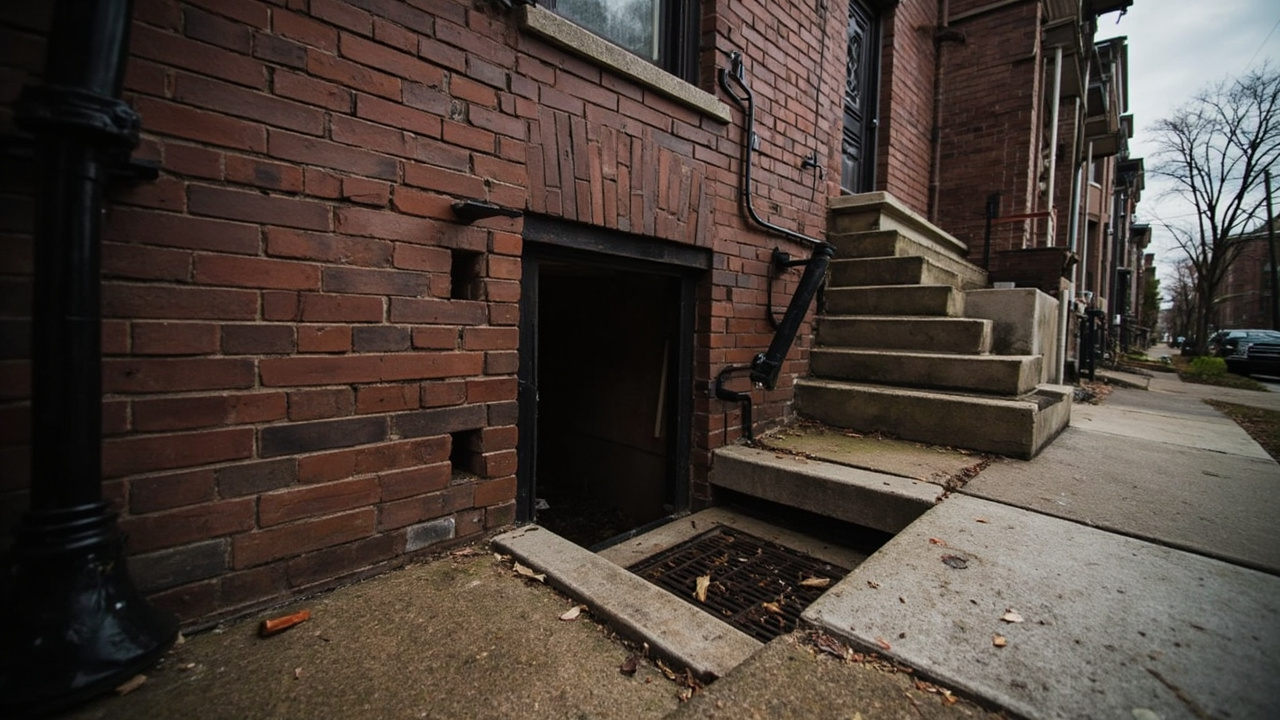
What Is an Areaway Drain and Why Do Historic Detroit Homes Have Them
An areaway is the sunken, exterior stairwell that leads down to a below-grade basement entry door. Most Boston-Edison homes built between the early and mid-twentieth century have one. Water that falls into this below-grade pocket has only one place to go: the areaway floor drain, which connects to your home’s internal drain system or directly to the municipal sewer line.
That single drain is doing serious work. During a typical Detroit summer thunderstorm, rainfall intensity can push several inches of water per hour into a confined areaway. The drain grate at the bottom catches all of it. If that drain is blocked, the water has no exit. It rises against your basement door, finds gaps in aging mortar joints and historic masonry, and enters your living space.
The drain itself is usually a cast iron floor drain connected to a catch basin below. In homes this old, the pipe running away from that catch basin is often original clay tile, which is prone to root intrusion, joint separation, and full collapse.
Why Your Areaway Drain Is Backing Up
Debris Accumulation on the Stairwell Drain Grate
Leaves, dirt, seed pods from trees, and general organic debris settle into areaway stairwells constantly. The drain grate catches this material. Over a season, it forms a compacted mat that water cannot penetrate quickly enough. This is the most common cause of a backup and the easiest to prevent.
Frozen Drain Lines During Detroit Winters
Detroit winters are genuinely brutal on below-grade plumbing. When temperatures drop into the single digits, the water sitting in an areaway catch basin or the drain line itself freezes solid. When the spring thaw arrives alongside heavy rain, the drain line is still frozen and cannot accept flow. The result is a flooded areaway and a compromised basement door seal.
Collapsed Clay Pipes and Root Intrusion
The clay tile lateral pipes in many Boston-Edison homes are well past their service life. Tree roots from the massive, mature elms and oaks that line these streets find every hairline crack in clay pipe joints. Over time, roots fill the pipe interior completely. Water backs up, and eventually the clay pipe collapses under soil pressure. At that point, hydro-jetting alone will not fix the problem. The pipe needs full replacement.
Hydrostatic Pressure and the Detroit Water Table
Detroit sits on relatively flat terrain with a moderately high water table in many historic neighborhoods. After sustained rain events, the soil becomes saturated. Hydrostatic pressure builds against your foundation walls and floor slab. Even if your areaway drain is partially functional, the combination of surface water and groundwater pressure can overwhelm it and push water through foundation seepage points.
Detroit’s Combined Sewer System and CSO Events
This is a factor that is specific to Detroit and critically important for residents to understand. Detroit operates a combined sewer system, meaning stormwater and sanitary sewage share the same pipes. During heavy rainfall, these pipes surcharge. The Detroit Water and Sewerage Department (DWSD) manages Combined Sewer Overflow (CSO) events, but during peak surge conditions, sewer pressure can actually reverse flow up through your areaway drain. This is no longer just stormwater backing up. This is black water, carrying sewage contamination, entering your stairwell and potentially your basement.
The Real Risks When Your Areaway Floods
Standing water in your areaway stairwell is not just inconvenient. It creates a cascade of problems that get more expensive the longer you wait.
Mold Growth Starts Faster Than Most Homeowners Expect
Mold colonization can begin within 24 to 48 hours in a wet environment. Your basement door frame, any wood framing near the areaway opening, and interior drywall or plaster are all vulnerable. Once mold establishes in a historic home’s older building materials, remediation becomes significantly more involved. The EPA provides clear guidelines on mold remediation thresholds, and black mold species like Stachybotrys require full containment protocols before any demo work begins.
Foundation Erosion and Structural Risk
Repeated flooding cycles against an unreinforced masonry foundation do cumulative damage. Mortar joints soften. Brick faces spall. Over years, foundation seepage creates voids in the soil beneath your footing. This is how minor drainage neglect becomes a structural engineering problem worth tens of thousands of dollars to repair.
Sewage Backflow Is a Category 3 Water Event
If your areaway drain backup includes any sewage component due to a CSO event, the water in your stairwell is classified as Category 3 (black water) under IICRC standards. This means any material it contacts must be treated as contaminated. You cannot simply dry it out. Full black water remediation protocols apply, including antimicrobial treatment, controlled demolition of affected materials, and clearance testing. Attempting to clean this up yourself puts your family’s health at serious risk.
Immediate Steps in the First 60 Minutes
If you are staring at a flooded areaway right now, move through this list quickly.
- Do not enter standing water in the areaway or basement until you confirm electrical circuits serving those areas are off at the breaker panel.
- Photograph and video everything before touching anything. Your insurance claim depends on documentation.
- If the water level is rising and has not yet reached your basement door threshold, use sandbags or water barriers to protect the door opening while you call for help.
- Do not attempt to clear the drain grate by hand if the water appears dark or has any odor. Assume sewage contamination.
- Call a licensed water damage restoration company immediately. A basement areaway backup in a historic Detroit home is not a weekend DIY project.
- Call your insurance company to open a claim. Time-stamp everything.
For guidance on working through the insurance process, read our detailed breakdown on how to get your Detroit home insurance to actually pay for water restoration. Knowing what documentation insurers require before your adjuster arrives can be the difference between a full payout and a partial one.
The Professional Restoration Process for Areaway Drain Backups
Water Extraction and Initial Assessment
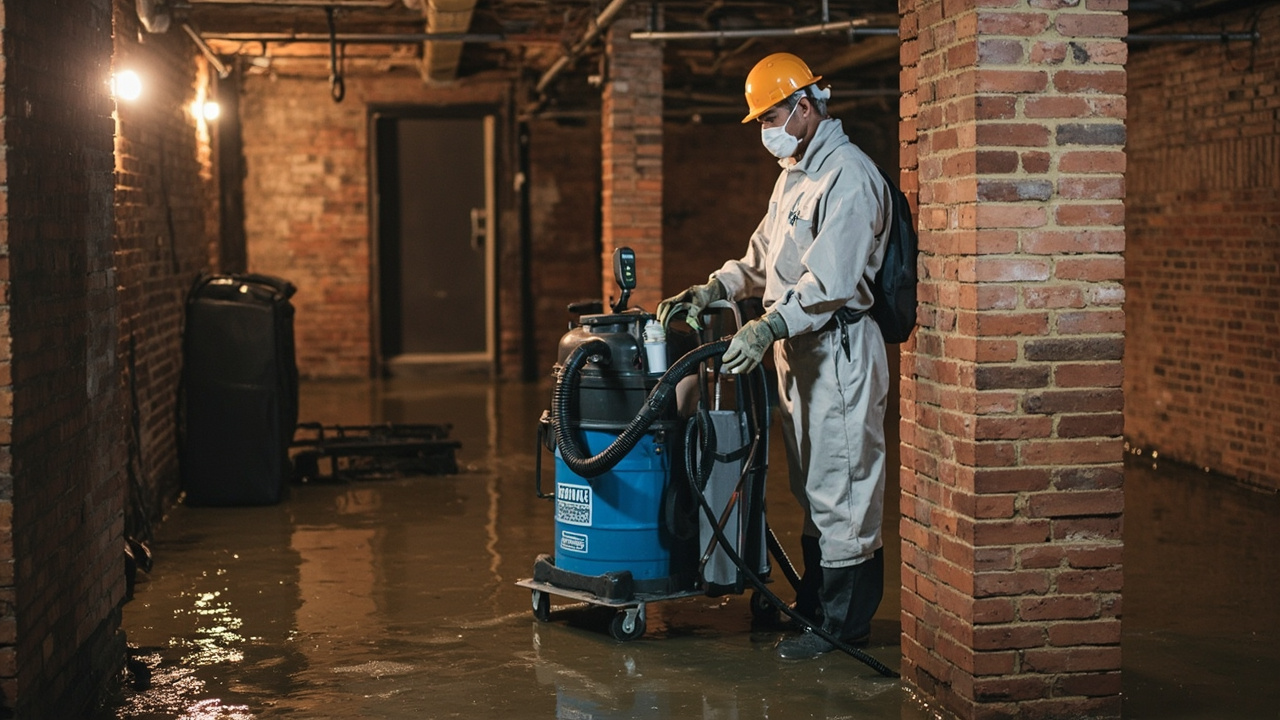
The first priority is removing standing water from the areaway and any area of the basement that has been affected. Truck-mounted extraction equipment pulls water out at a rate that shop vacuums simply cannot match. Simultaneously, a technician performs moisture mapping using thermal imaging cameras and penetrating moisture meters to find water that has wicked into walls, framing, and flooring.
Hydro-Jetting the Areaway Drain and Lateral
Once water levels are down, a drain camera goes into the areaway floor drain to identify the obstruction. Root intrusion, debris accumulation, and partial pipe collapse each require a different approach. In most cases, hydro-jetting clears the immediate blockage using high-pressure water that scours the pipe walls clean. If the camera reveals a collapsed section of clay tile, the restoration team coordinates with a licensed plumber for pipe replacement before any further work proceeds.
Sanitization After Any Black Water Contact
If the backup involved any sewage component, every affected surface receives EPA-registered antimicrobial treatment. This is not optional. IICRC Certification training standards require it, and skipping this step creates liability and health risk for your family.
Structural Drying
Commercial-grade dehumidifiers and air movers run continuously, often for three to five days, to bring affected structural materials back to acceptable moisture content. Technicians take daily readings and adjust equipment placement based on drying progress. A moisture log documents the entire process, which your insurer will require for claim closure.
If mold is found during the drying process, do not use bleach as a primary treatment. Read more about why bleach won’t fix your basement mold and when to call a pro before attempting any DIY mold cleanup.
Common Causes of Areaway Drain Backup and Typical Response Timelines
| Cause of Backup | How Quickly Flooding Occurs | Professional Fix Required | Restoration Timeline |
|---|---|---|---|
| Debris-clogged drain grate | 30 to 60 minutes in heavy rain | Grate clearing, drain flush | Same day, 1 to 2 days drying |
| Frozen drain line | Immediate during thaw events | Thaw and hydro-jet | 2 to 4 days drying |
| Root intrusion in clay lateral | Progressive, weeks to sudden failure | Hydro-jetting or pipe liner | 3 to 5 days drying |
| Collapsed clay pipe | Complete backup at any rain event | Pipe replacement | 5 to 10 days full restoration |
| CSO sewage backflow | During or after storm peak | Black water remediation + backwater valve | 7 to 14 days full remediation |
Preventing Future Areaway Drain Backups in Detroit’s Climate
Install a Backwater Valve
A backwater valve on your areaway drain line is the single most important upgrade you can make if you live in an older Detroit neighborhood. This one-way valve allows water to flow out toward the sewer but snaps shut if sewer pressure reverses. It physically prevents sewage backflow from entering your areaway during CSO events. The DWSD has historically offered incentive programs for backwater valve installation, so it is worth checking their current offerings.
Upgrade Your Drain Grate and Clean It Seasonally
Replace a corroded or undersized stairwell drain grate with a heavy-duty cast iron grate that has larger flow openings. Clean it at minimum four times per year: before the spring thaw, after leaf fall in November, mid-summer, and before the first hard freeze. Add a catch basket below the grate to trap debris before it reaches the catch basin.
Integrate a Sump Pump in the Areaway
Some Boston-Edison homeowners have added a small submersible sump pump to the areaway catch basin as a backup measure. If the drain line surcharges or freezes, the pump activates and discharges water to grade or to an approved discharge point. Pair it with a battery backup unit so it still functions when a storm kills your power.
Have Your Lateral Pipe Inspected
If your home predates the 1960s and you have never had a drain camera inspection, schedule one. A camera run takes about 30 minutes and shows you exactly what condition your clay tile lateral is in. If roots are present but the pipe is intact, a hydro-jetting service and annual maintenance clears them. If the pipe is cracked or collapsed in sections, a cured-in-place pipe (CIPP) liner can often rehabilitate it without full excavation.
Water Damage Risk Factors Comparison for Detroit Historic Home Types
| Risk Factor | Boston-Edison / Arden Park Homes | Mid-Century Ranch Homes | New Construction (Post-2010) |
|---|---|---|---|
| Areaway drain present | Very common | Uncommon | Rare |
| Clay tile lateral pipe | High probability | Moderate probability | None (PVC standard) |
| CSO backflow risk | High (older sewer connections) | Moderate | Lower (often separate sewer) |
| Foundation material | Unreinforced brick/block | Poured concrete block | Poured concrete with waterproofing |
| Mold risk after backup | High (older porous materials) | Moderate | Lower (modern vapor barriers) |
| Average drying time after event | 4 to 7 days | 3 to 5 days | 2 to 4 days |
A Real Detroit Areaway Restoration Project in 48221
In the Bagley neighborhood near 7 Mile and Livernois, we received a call from a homeowner with a fully flooded areaway stairwell following back-to-back June thunderstorms. The areaway drain grate was packed with seed debris from a mature silver maple, and the clay lateral beneath had a partial root intrusion that restricted flow to about 20 percent capacity.
Water had entered the basement through the door frame gap and spread across roughly 400 square feet of original hardwood flooring and the lower 18 inches of plaster walls. We extracted standing water, ran a drain camera, hydro-jetted the root intrusion, and set eight air movers and two commercial dehumidifiers. Moisture readings returned to acceptable levels on day five. The homeowner installed a backwater valve and a new cast iron grate assembly before the next storm season.
If your floors have taken water damage in a similar event, our guide on how to save your hardwood floors after a significant water leak walks through what is salvageable and what needs to go.
For homeowners in the Corktown area dealing with adjacent drainage or insurance claim questions, our article on filing a successful water damage insurance claim for your Corktown home covers the documentation process in detail.

When to Stop Waiting and Call a Restoration Professional
If your areaway has flooded even once, the underlying drainage system has already told you something is wrong. One event often becomes two, then three. Each time, water penetrates a little deeper into your historic masonry, your door frame degrades a little more, and your basement air quality gets a little worse.
Do not wait until you have visible mold or a structurally compromised foundation wall to act. The cost of a professional drain inspection and a backwater valve installation is a fraction of what full black water remediation and foundation repair costs.
If you have standing water in your areaway right now, call an IICRC-certified restoration company with experience in Detroit’s historic housing stock. Make sure they have commercial extraction equipment on their trucks, not just residential gear. Ask specifically whether they do drain camera inspection and hydro-jetting as part of their process, or whether they subcontract it. The answer tells you a lot about whether they actually specialize in this type of work.
Detroit’s historic neighborhoods deserve houses that stay dry. Your areaway drain is a small component with an outsized ability to damage everything around it. Keep it clear, get it inspected, and protect it with a backwater valve before the next storm rolls in off Lake St. Clair.