

Brightmoor homeowners are converting basements into livable space at a pace not seen in years. More bedrooms, home offices, and rental units are pushing egress window installations through the roof. But a poorly installed egress window is one of the fastest ways to flood your basement, crack your foundation, and grow a mold colony you cannot see.
This is not a scare tactic. It is what happens when you cut a large opening into a Detroit basement wall without understanding the soil, the drainage, and the freeze-thaw pressures that work against you every single season.
Why Brightmoor Basements Are Especially Vulnerable
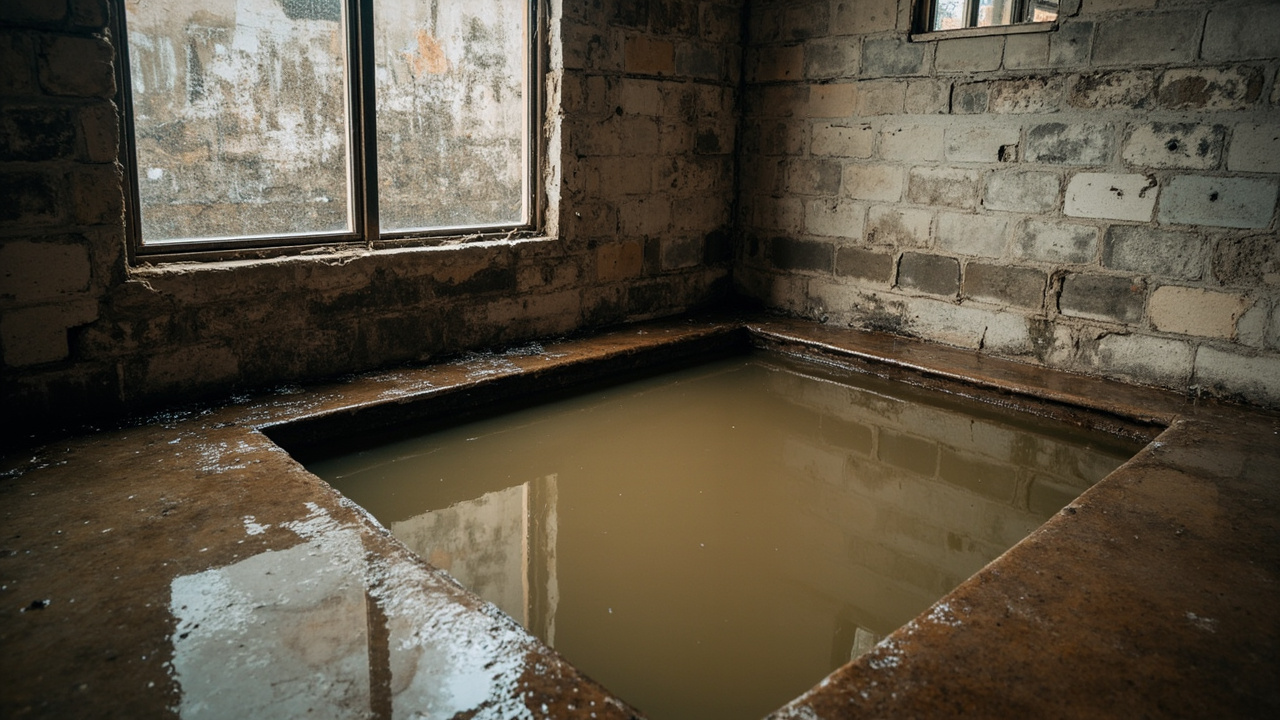
Detroit sits on a thick bed of heavy glacial clay. That clay does not drain well. When rain or snowmelt hits the ground near your foundation, that water has nowhere to go quickly. It pools, it saturates the soil, and it pushes against your basement wall with what engineers call hydrostatic pressure.
Cut an egress window opening into that wall, and you have introduced a structural weak point directly in the path of that pressure. The Michigan frost line runs 42 inches deep in Wayne County. That means the freeze-thaw cycle attacks the ground around your egress window well every winter, shifting the gravel bed, cracking mortar, and separating window frames from their rough openings year after year.
Neighborhoods west of the Lodge Freeway, including Brightmoor and neighboring Cody-Rouge, tend to have older housing stock from the mid-twentieth century. These foundations were built for small, high basement windows. They were not designed to carry the load redistribution that comes with cutting a large egress opening, often 32 inches wide by 24 inches tall or larger per Michigan Building Code requirements.
The Three Ways Egress Windows Cause Water Damage
Poor Window Well Drainage and Gravel Bed Failures
The window well is the semicircular or rectangular steel shell that surrounds the exterior of your egress window below grade. It should sit on a gravel bed at least 6 inches deep to allow water to percolate away from the window frame. In practice, most DIY and budget installations skip proper gravel depth or use the wrong aggregate entirely.
When the gravel bed is too shallow or the bottom of the well is not pitched away from the foundation, standing water accumulates. That water contacts the window frame, the sealant, and eventually the rough opening. Detroit averages over 33 inches of precipitation annually, and a significant portion of that arrives as heavy, fast rainfall that overwhelms shallow window wells in minutes.
Clogged drainage is just as common. Leaves, mud, and debris fill window wells throughout fall and spring. A well that is packed with organic material acts like a bathtub pressed against your foundation wall. The water has to go somewhere, and that somewhere is usually your basement floor.
Hydrostatic Pressure and Foundation Wall Cracking
This is where egress window leaks become a structural problem, not just a wet floor problem. When saturated clay soil presses against a weakened section of your foundation wall, the wall cracks. Those cracks start small. Hairline fractures let water seep through in a slow, steady stream that goes unnoticed until you smell musty air or see white mineral deposits, called efflorescence, streaking down the wall.
A wall that has cracked around an improperly installed egress window is telling you that the lintel above the opening is carrying more load than it was designed to handle. Left alone, this progresses from cosmetic cracking to active bowing and, in the worst cases, partial wall failure. We have seen this in Brightmoor homes where the window was installed without proper header support or where the original mason block was not reinforced after the cut.
Sealant Failures and Frame Separation
Every egress window depends on a weathertight seal between the window frame, the rough opening, and the exterior waterproofing membrane. Installers use hydraulic cement, waterproof sealants, and flashing tape to create that barrier. When any one of those components fails, water finds the path of least resistance into your basement.
Michigan’s freeze-thaw cycle is particularly brutal on sealants. A material that bonds perfectly in September will expand and contract with temperature swings that can range 60 degrees Fahrenheit within a single week in early spring. Cheap sealants crack. Improper flashing lifts. And once water gets behind the frame, it wicks into the framing, the drywall, and the insulation before you ever see a drop on your floor.

What Happens When You Ignore an Egress Window Leak
Water intrusion from a leaking egress window does not stay in one place. Within 24 to 48 hours, mold spores begin colonizing wet drywall, insulation, and wood framing. Within a week, you are looking at active mold growth that requires professional remediation, not a bleach spray. If you have already tried the DIY approach, read about why bleach does not actually fix basement mold and when the problem requires a certified professional.
Beyond mold, ongoing water intrusion accelerates wood rot in your floor joists and sill plate. Those structural members hold the weight of your first floor. Rot in the sill plate directly above a failing egress window is a foundation repair plus a structural carpentry job. The cost compounds fast.
Homeowners in Detroit also need to think carefully about insurance. Water damage from a slow leak is often categorized differently than sudden flood damage, and that distinction affects how your claim is handled. Understanding your policy language before you have a problem makes a significant difference in what you recover. Our guide on getting your Detroit home insurance to pay for water restoration covers what adjusters look for and how to document damage correctly.
Comparing Window Well Cover Options for Michigan Conditions
One of the most cost-effective ways to reduce egress window water intrusion risk is a proper window well cover. Not all covers perform equally in a Michigan winter. Here is a comparison of the common options:
| Cover Type | Snow Load Capacity | UV Resistance | Ventilation | Best Use Case |
|---|---|---|---|---|
| Flat Polycarbonate Panel | Moderate | High | None | Basic debris and rain protection |
| Dome-Style Polycarbonate | High (shed load naturally) | High | Vented models available | Michigan freeze-thaw conditions |
| Metal Grate Cover | Very High | N/A (galvanized) | Full | High foot-traffic areas, egress compliance |
| Custom-Fit Aluminum Frame | Very High | High (powder coated) | Optional | Permanent installation on older foundations |
Dome-style covers are consistently the best performer in Detroit’s climate. They shed snow without letting it accumulate and prevent ice dams from forming at the base of your window well. Metal grate covers are Michigan Building Code compliant for egress escape purposes because occupants can push them open from inside, but they offer no rain protection and allow debris to pile up.
The Professional Restoration Process When Leaks Occur
When an egress window leak has already caused water intrusion, the restoration process follows a clear sequence. Skipping steps creates recurring problems. Here is the process as IICRC-certified restoration professionals perform it on Detroit job sites:
- Source Identification – Inspect the window well, gravel bed, sealant perimeter, and foundation wall for active cracks or separation before any drying begins.
- Water Extraction – Remove standing water using truck-mounted extraction units. Do not begin structural drying with water still present on the floor or in wall cavities.
- Moisture Mapping – Use thermal imaging cameras and calibrated moisture meters to trace how far water has traveled into framing, insulation, and concrete block.
- Structural Drying – Deploy commercial-grade dehumidifiers and air movers targeted to the affected wall assembly. Drying timelines in a block foundation wall can run three to five days depending on saturation depth.
- Mold Assessment – If materials have been wet for more than 48 hours or visible mold is present, an IICRC-certified mold remediation protocol begins separately from the drying phase.
- Source Repair – Apply hydraulic cement to active cracks, re-flash and re-seal the window perimeter, regrade the window well bed with clean drainage aggregate, and install a proper drain tile connection if not present.
- Rebuild and Verification – Replace damaged drywall, insulation, and framing. Conduct final moisture readings to confirm all materials are below acceptable thresholds before closing the wall.
If your finished basement has been affected, floor material decisions come into play quickly. Wet carpet in a basement is rarely worth saving when water has been present for more than 24 hours. Our resource on deciding whether wet carpet can be saved gives you a practical framework for that decision.

DIY Repairs Versus Calling a Restoration Professional
Some egress window issues are within the reach of a competent homeowner. Others are not. The line is usually defined by whether you are dealing with a surface problem or a structural and microbial problem.
| Situation | DIY Appropriate? | Reason |
|---|---|---|
| Debris-clogged window well | Yes | Clear debris, check drainage, add gravel if shallow |
| Worn window well cover replacement | Yes | Straightforward hardware swap, no structural impact |
| Minor sealant cracking at frame perimeter | Possibly | Surface sealant only. Requires full removal of old sealant and proper backer rod installation |
| Active water seeping through foundation wall | No | Requires hydraulic cement and waterproofing membrane. Missteps worsen cracking |
| Standing water in basement, wet drywall | No | Risk of mold growth within 48 hours. Requires professional drying equipment and moisture mapping |
| Visible mold on framing or drywall | No | Requires IICRC mold remediation protocol and containment to prevent spread |
| Bowing or cracked foundation wall near opening | No | Structural engineering assessment required before any repair |
Preventative Steps for Michigan’s Freeze-Thaw Seasons
Preventing egress window water intrusion is far less expensive than restoring a wet basement. These maintenance steps are specific to what Wayne County homeowners deal with from November through April.
- Clean window wells each fall before the first freeze. Remove leaves, dirt, and any debris that has accumulated over the summer.
- Check the gravel drainage bed at the base of the well every two years. It should be clean crushed stone, not compacted mud. Add fresh drainage gravel when the bed has settled or silted over.
- Inspect the sealant perimeter around the exterior frame each spring after the ground thaws. Look for gaps, crumbling material, or separation between the frame and the foundation wall.
- Make sure the window well itself is not pulling away from the foundation. Steel window wells corrode and lose their adhesion over time, creating a gap that channels water directly to your wall.
- Verify that your sump pump is operational before spring thaw. A failing sump pump during March snowmelt is one of the most common causes of flooded Detroit basements. Test the float switch manually every fall.
- Confirm proper grading around the exterior well. Soil should slope away from the well at a minimum of one inch per foot for the first six feet.
If you have experienced water intrusion and you are also managing damage to hardwood floors on your first floor from water that traveled upward through wall assemblies or subfloor, our article on saving hardwood floors after a water leak gives specific guidance on timing and what can realistically be restored.
What to Document Before the Restoration Crew Arrives
If you are dealing with an active leak right now, documentation protects your insurance claim. Take photos and video of the window well, the interior basement wall, and any standing water before you touch anything. Note the time the leak began and the weather conditions. If you have prior inspection reports or permits from the original egress window installation, locate those as well.
Brightmoor homeowners filing water damage claims often run into disputes about whether the damage qualifies as sudden and accidental or gradual deterioration. The documentation you provide in the first 24 hours shapes that determination. For specifics on how to present your claim effectively, our guide on filing a successful water damage insurance claim walks through the process step by step.
Getting the Right Help in the Brightmoor Area
Egress window water leaks do not fix themselves, and every day of delay increases the scope of remediation work. If your window well is holding water, your basement wall shows active seepage, or you can smell the musty signature of early mold growth, contact a water damage restoration professional with documented experience in Detroit basement conditions.
Ask specifically whether they carry IICRC certification in Water Damage Restoration (WRT) and Applied Structural Drying (ASD). Those credentials mean the technician has been trained to moisture-map and dry a block foundation wall, not just extract standing water and set a fan in the corner.
Our team responds 24 hours a day to water intrusion calls across Wayne County, including Brightmoor, Cody-Rouge, and the surrounding west-side neighborhoods. When you call, you speak with a technician, not an answering service. We assess the source before we recommend a repair path, because the right fix depends on exactly where and how your egress window is failing.
A leaking egress window is a solvable problem. The key is catching it before it becomes a mold problem, a structural problem, and a significantly larger bill.
{
“@context”: “https://schema.org”,
“@type”: “BlogPosting”,
“headline”: “What No One Tells You About Egress Window Installations in Your Brightmoor Basement”,
“description”: “Egress window water leaks in Detroit basements cause mold, foundation damage, and flooding. Learn the real risks and how to fix them fast.”,
“wordCount”: 2148,
“datePublished”: “2026-04-16T10:17:00.000Z”,
“dateModified”: “2026-04-16T10:17:00.000Z”,
“inLanguage”: “en-US”,
“mainEntityOfPage”: {
“@type”: “WebPage”,
“@id”: “https://ironwoodwaterdamagerestorationdetroit.com”
},
“publisher”: {
“@type”: “LocalBusiness”,
“name”: “Ironwood Water Damage Restoration Detroit”,
“url”: “https://ironwoodwaterdamagerestorationdetroit.com”
},
“author”: {
“@type”: “Organization”,
“name”: “Ironwood Water Damage Restoration Detroit”,
“url”: “https://ironwoodwaterdamagerestorationdetroit.com”
},
“image”: {
“@type”: “ImageObject”,
“url”: “https://ironwoodwaterdamagerestorationdetroit.com/wp-content/uploads/2026/03/the-hidden-dangers-of-installing-an-egress-window-1.jpg”
}
}
{
“@context”: “https://schema.org”,
“@type”: “LocalBusiness”,
“name”: “Ironwood Water Damage Restoration Detroit”,
“url”: “https://ironwoodwaterdamagerestorationdetroit.com”,
“address”: {
“@type”: “PostalAddress”,
“addressLocality”: “Detroit”
},
“areaServed”: {
“@type”: “City”,
“name”: “Detroit”
}
}
{
“@context”: “https://schema.org”,
“@type”: “BreadcrumbList”,
“itemListElement”: [
{
“@type”: “ListItem”,
“position”: 1,
“name”: “Home”,
“item”: “https://ironwoodwaterdamagerestorationdetroit.com”
},
{
“@type”: “ListItem”,
“position”: 2,
“name”: “Blog”,
“item”: “https://ironwoodwaterdamagerestorationdetroit.com/blog”
},
{
“@type”: “ListItem”,
“position”: 3,
“name”: “What No One Tells You About Egress Window Installations in Your Brightmoor Basement”
}
]
}
{
“@context”: “https://schema.org”,
“@type”: “Service”,
“serviceType”: “Water Damage Restoration”,
“provider”: {
“@type”: “LocalBusiness”,
“name”: “Ironwood Water Damage Restoration Detroit”,
“url”: “https://ironwoodwaterdamagerestorationdetroit.com”
},
“areaServed”: {
“@type”: “City”,
“name”: “Detroit”
},
“description”: “Egress window water leaks in Detroit basements cause mold, foundation damage, and flooding. Learn the real risks and how to fix them fast.”
}