
What Those Strange Thumping Noises from Your Trenton Sump Pump Really Mean
If you are hearing strange thumping noises from your Trenton sump pump, do not dismiss it as the house settling. Your pump is signaling a mechanical problem, and in downriver Trenton, ignoring it can mean a flooded basement within hours. Detroit’s heavy clay soil, aggressive spring thaws, and aging storm infrastructure put more stress on residential sump pumps here than in most other parts of Michigan. Our IICRC-certified technicians have responded to hundreds of sump pump failures across Wayne County, and the pattern is consistent: the noise comes first, the flood comes second. If you hear something unusual, the clock is already running.
This guide breaks down every common sump pump noise by what it means mechanically, what you can check yourself right now, and when the problem has moved past DIY territory.
Identifying the Noise and What Your Sump Pump Is Trying to Tell You
Different noises point to different mechanical failures. A homeowner in Riverview who ignores a clunking sound is dealing with a different problem than a homeowner in Woodhaven who hears grinding. Getting the diagnosis right saves you money and keeps your basement dry.
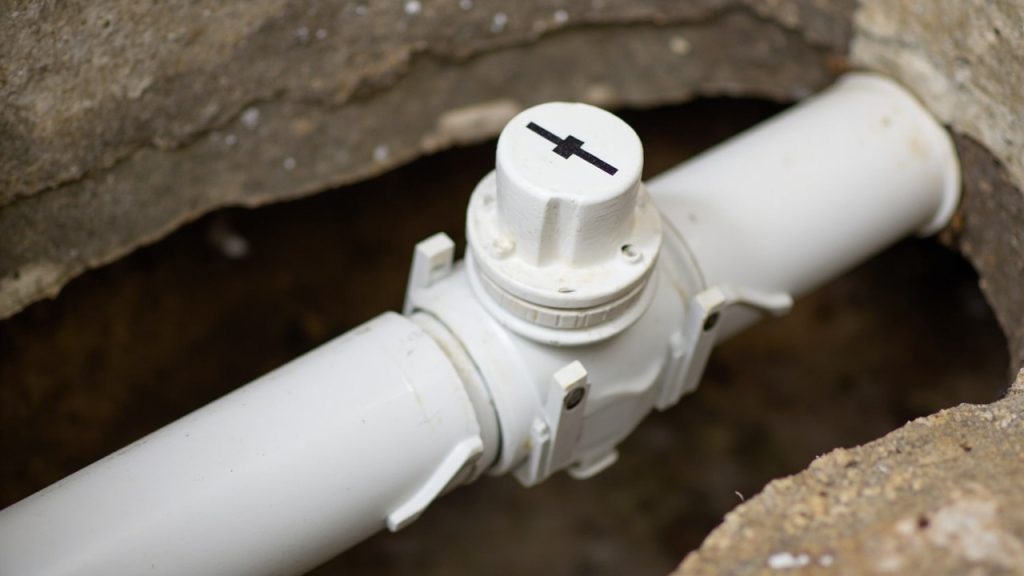
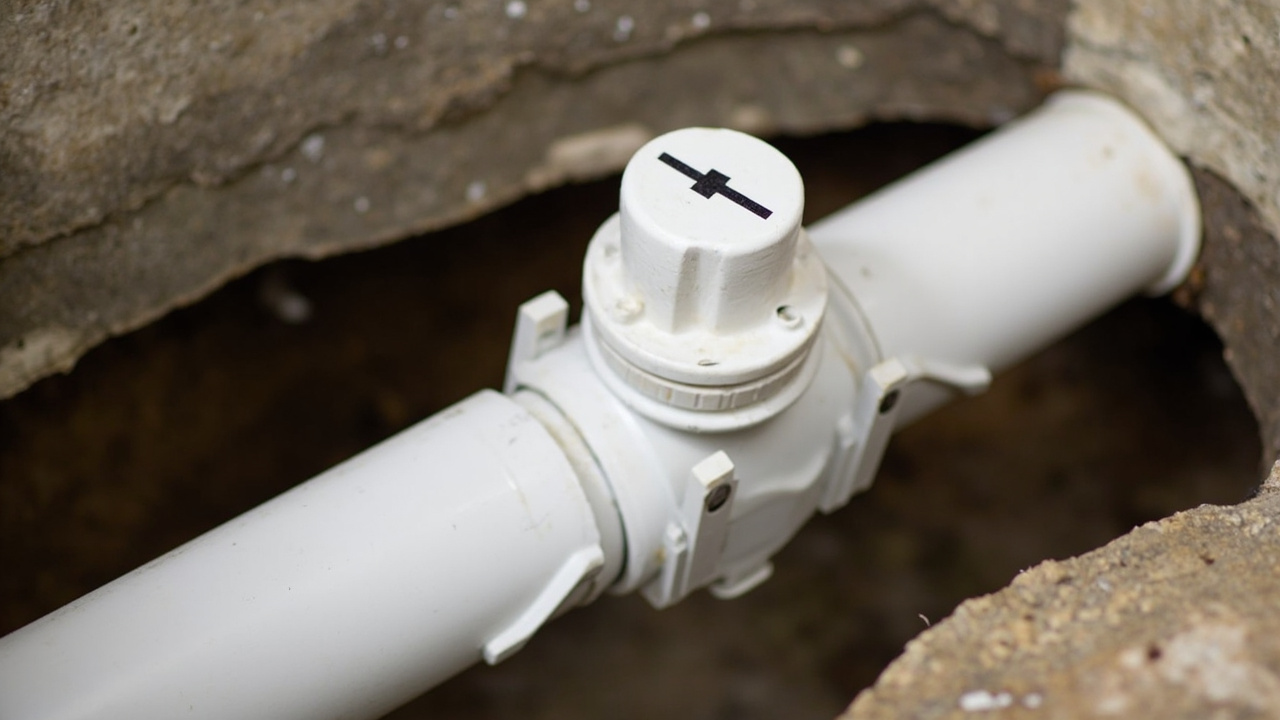
Thumping or Clunking Noises from Your Trenton Sump Pump (The Check Valve)
Strange thumping noises from your Trenton sump pump are the most common complaint we hear from downriver homeowners. After the pump shuts off, water in the discharge line falls back down and slams into the closed impeller housing. The technical term for this is water hammer, and it almost always points to a failing or incorrectly installed check valve.
The check valve sits on the discharge line and prevents backflow after the pump cycles off. If the valve is worn, positioned at the wrong angle, or missing entirely, that column of water crashes back down with significant force. You will hear a loud thump or clunk every time the pump shuts off. Over time, this repeated impact can crack fittings and damage the pump motor itself.
Humming but Not Pumping (Seized Impeller or Motor)
A pump that hums but does not move water is in serious trouble. The motor is receiving power but something is blocking the impeller, which is the rotating component that moves water through the pump housing. This is often caused by debris lodged in the intake screen or a motor winding that is starting to fail.
In Detroit’s older neighborhoods, the pit itself sometimes collects silt, gravel, and small stones that migrate through the weeping tile system. Once debris jams the impeller, the motor overheats trying to push through the resistance. If you do not address this fast, the motor burns out entirely.
Gurgling or Slurping (Suction and Air Lock Issues)
Gurgling usually happens when the pump is drawing air along with water, a condition tied to low water levels in the pit or a discharge line that is partially blocked. You will also hear this sound when the pump is oversized for the pit, meaning it evacuates water faster than the pit refills and starts pulling air into the intake.
Cavitation is a related issue. It happens when rapid pressure changes inside the pump create tiny vapor bubbles that collapse violently against the impeller. Cavitation sounds like gravel tumbling inside the pump housing and causes significant long-term damage to metal components.
Grinding (Bearing Failure or Metal-on-Metal Contact)
Grinding is the noise you least want to hear. It means metal components are making direct contact, which happens when the motor bearings wear out. Bearings keep the impeller shaft centered and spinning smoothly. Once they fail, the shaft wobbles and grinds against the pump housing.
Submersible pumps, which sit in the pit submerged in water, typically have sealed bearings designed to last the life of the motor. When you hear grinding from a submersible unit, the pump is at or near the end of its service life. Pedestal pumps, which have the motor mounted above the pit on a stand, are more accessible but more vulnerable to bearing wear from debris and moisture exposure.
Vibrating or Rattling (Improper Installation or Pipe Contact)
Vibration noise is almost always an installation issue. If the discharge pipe contacts a floor joist, a wall, or another pipe without a flexible coupling between them, the pump’s normal operating vibration transfers directly into the structure and amplifies into a loud rattle. This is extremely common in homes in Taylor and Southgate where basement plumbing was modified over the decades without following the original layout.
DIY Fixes You Can Try Right Now
Some sump pump problems have straightforward fixes that do not require a service call. Work through this checklist before assuming you need a new pump.
- Inspect the discharge pipe. Follow the pipe from the pump to where it exits the house. Check for any point where the pipe physically contacts a joist or wall. If you find one, insert a rubber coupling or foam pipe insulation between the contact points to stop vibration transfer.
- Clean the intake screen. Unplug the pump, lift it out of the pit if it is a submersible model, and examine the intake screen at the base. Use a stiff brush to clear away silt, sand, or debris. A clogged screen starves the pump of water flow and causes the humming-without-pumping symptom.
- Check the float switch position. The float switch triggers the pump to turn on when water reaches a set level. If the float is tangled against the pit wall or wedged under the pump itself, the switch cannot operate correctly. Reposition it so it floats freely in the center of the pit.
- Verify the check valve orientation. The check valve has an arrow printed on its body indicating the direction of flow. If it was installed backward, water will not exit correctly and you will hear constant noise and poor performance. The arrow should point away from the pump toward the exit of the house.
- Test the battery backup system. Unplug the primary pump and see if the backup unit activates. A dead backup battery in a Trenton home during a March thaw or a summer thunderstorm is how basements flood. Replace batteries every two to three years regardless of whether the backup has been used.
A Quick Reference for Sump Pump Noises and Urgency Levels
| Noise Type | Likely Cause | Urgency Level | DIY Possible? |
|---|---|---|---|
| Thumping or clunking | Failing or backward check valve | Moderate | Yes, valve replacement |
| Humming without pumping | Jammed impeller or motor failure | High | Partial (clean screen first) |
| Gurgling or slurping | Air intake, low water, or cavitation | Moderate to high | Possible (check pit level and sizing) |
| Grinding | Bearing failure, end-of-life motor | Very high | No, replace the pump |
| Vibrating or rattling | Pipe contact, loose mounting | Low | Yes, add flexible couplings |
Why Trenton Basements Are Especially Prone to Sump Pump Failure
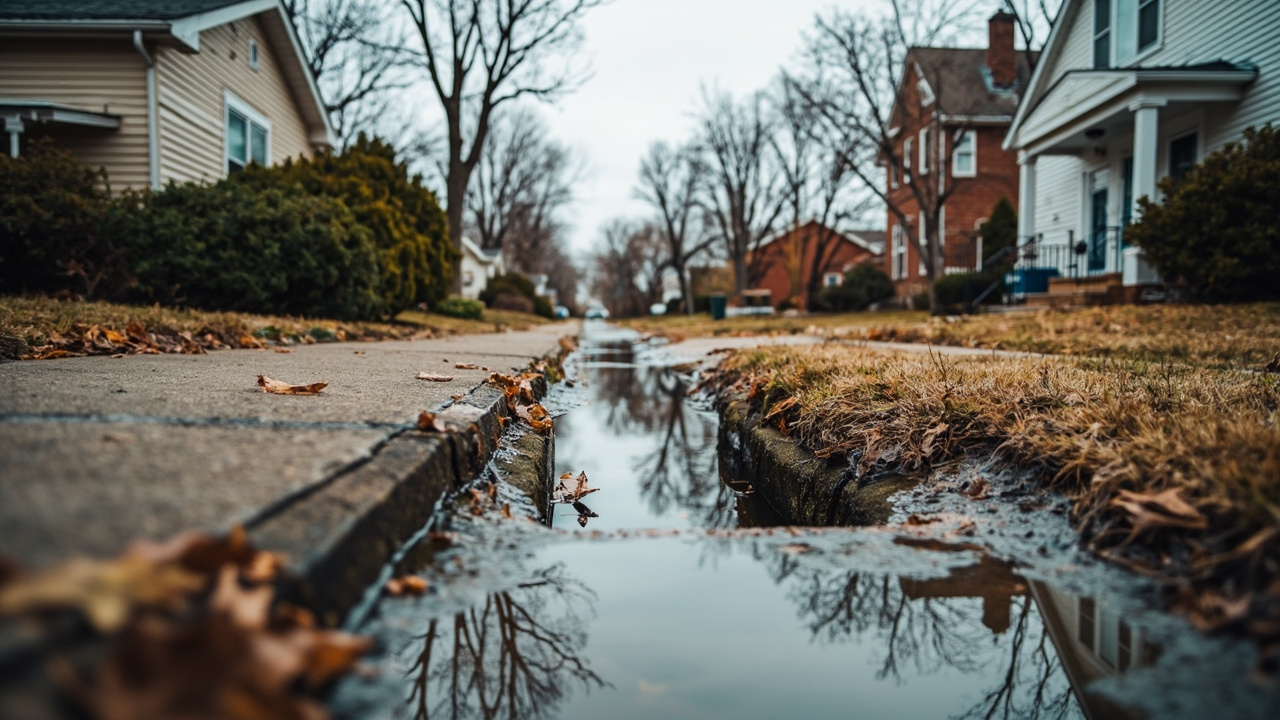
Trenton and the surrounding downriver communities sit on some of the most challenging soil conditions for residential drainage in the Midwest. The region’s heavy clay soil does not absorb water efficiently. When rain falls or snow melts, water has nowhere to go quickly, so it builds up against foundation walls and generates significant hydrostatic pressure.
Hydrostatic pressure is the force that water exerts against your foundation as it accumulates in the surrounding soil. In Trenton, Riverview, and Gibraltar, where the soil composition is particularly dense and the water table sits close to the surface due to proximity to the Detroit River and Lake Erie, that pressure can overwhelm a sump pit within minutes during a heavy rain event.
The Michigan Department of Environment, Great Lakes, and Energy has documented the challenges of stormwater management throughout Wayne County, particularly in older communities with combined sewer systems. When those systems back up during heavy precipitation, the pressure on residential sump pumps increases dramatically.
Detroit’s spring thaw pattern is another major factor. The ground freezes deep during winter months, then thaws rapidly in March and April, often while snow is still melting. The result is a massive volume of water trying to move through frozen ground, which forces enormous amounts of moisture into basements all at once. This is the season when sump pumps that were running quietly for months suddenly fail under the load.
Power outages compound the problem. The metro Detroit grid takes significant stress during spring storms and summer thunderstorms. A sump pump without a functional battery backup system is useless during exactly the moments it is needed most. Homes in older parts of Trenton and along the downriver communities near Jefferson Avenue are particularly exposed to extended outages from storm damage to overhead lines.
Submersible vs. Pedestal Pumps in Trenton and Downriver Conditions
| Feature | Submersible Pump | Pedestal Pump |
|---|---|---|
| Motor location | Inside the pit, submerged | Above the pit on a stand |
| Noise level | Quieter, water muffles sound | Louder, motor is exposed |
| Lifespan in Detroit clay conditions | 8 to 15 years with maintenance | 25 years or more, but noisier |
| Debris tolerance | Lower, intake screen clogs faster | Higher, motor stays dry |
| Best for | High-volume pits, finished basements | Low-volume pits, tight spaces |
| Battery backup compatibility | Excellent | Good |
When a Noisy Sump Pump Has Already Led to Water Damage
If you are reading this after water has already entered your basement, the conversation shifts from prevention to damage control. Water moves fast through finished basement spaces. Drywall absorbs moisture within the first hour. Carpet padding holds water for days even after the surface appears dry, which creates the perfect conditions for mold growth behind walls and under flooring.
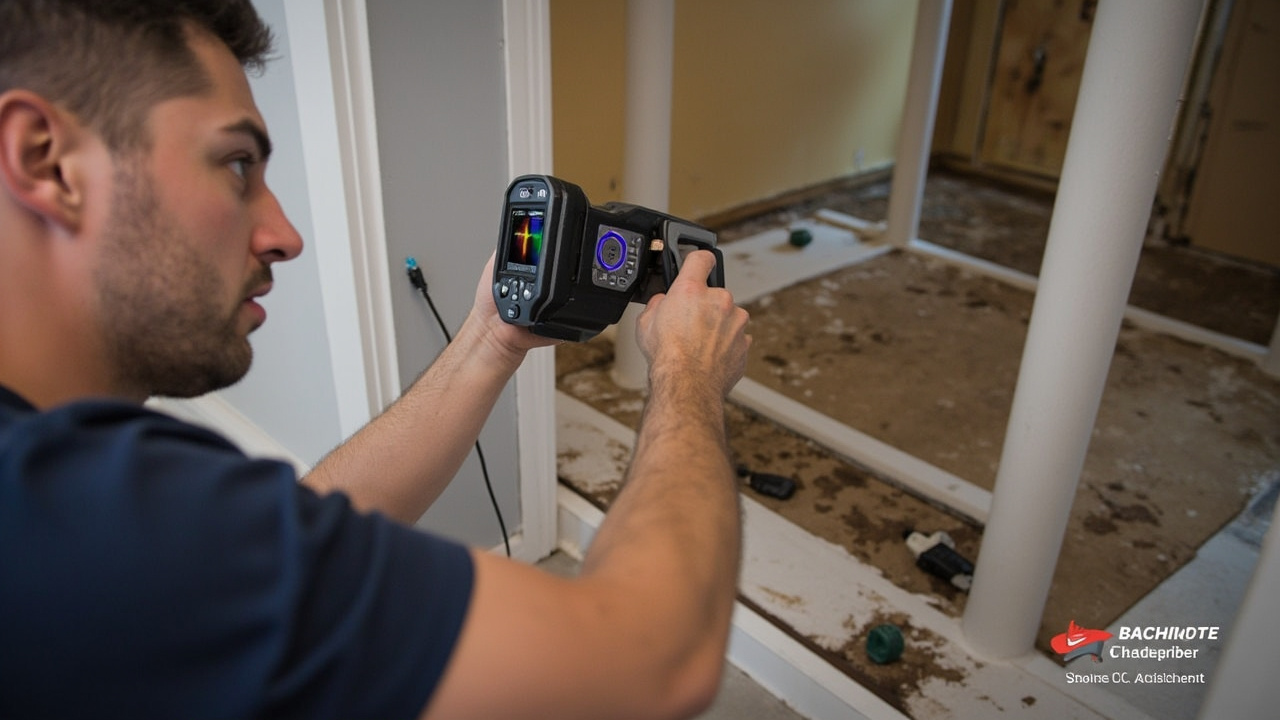
The Institute of Inspection Cleaning and Restoration Certification (IICRC) sets the professional standards for water damage restoration, including drying time requirements and moisture content thresholds that must be met before a space is considered safe. Certified restoration technicians use moisture meters, thermal imaging cameras, and industrial air movers to verify that structural materials are genuinely dry, not just surface dry.
Mold can begin colonizing wet materials within 24 to 72 hours in Michigan’s humid conditions. A basement that flooded on Monday can have visible mold growth by Wednesday if drying did not begin immediately. If you are dealing with this situation in your Trenton home, read our detailed breakdown of why bleach will not fix basement mold and what a professional remediation actually involves.
Hardwood floors throughout greater Detroit homes are also at serious risk once water enters. The window for saving hardwood flooring closes quickly. Our guide on how to save hardwood floors after a water leak walks through the extraction and drying process in detail.
Navigating Insurance After a Sump Pump Failure in Trenton
Standard homeowner’s insurance policies in Michigan typically exclude sump pump overflow as a covered peril unless you purchased a water backup endorsement. The Detroit Water and Sewerage Department does not assume liability for water that enters your home through your own drainage system.
That means documentation is everything. Before any cleanup begins, photograph the water level, the failed pump, and all affected materials from multiple angles. Keep any damaged materials that a claims adjuster will need to inspect. The difference between a successful claim and a denied one often comes down to the documentation gathered in the first 30 minutes.
Our detailed article on how to get your Detroit home insurance to pay for water restoration covers exactly what adjusters look for and how to present your claim effectively. If you are in the Corktown or downriver areas, the guide to filing a successful water damage insurance claim for Corktown homeowners has neighborhood-specific guidance worth reviewing.
When to Call a Water Damage Restoration Professional
You can handle some sump pump issues yourself, but there are clear points where professional help is the only responsible choice. Call a professional if any of the following apply.
- The pump has failed and water is actively entering the basement.
- Water has been standing in the basement for more than an hour.
- The water reached any electrical outlets, your HVAC system, or the water heater.
- You can smell a musty odor within 48 hours of any flooding event.
- Wet carpet has been sitting more than 24 hours. Review our resource on whether wet carpet can be saved or needs replacement to understand the decision factors.
- You hear grinding from your pump and a significant storm is forecast within 48 hours.
IICRC-certified restoration crews bring equipment that is simply not available at a hardware store. Commercial-grade truck-mounted extraction units remove water 20 to 30 times faster than a shop vac. Desiccant dehumidifiers and high-velocity air movers create the controlled drying environment that prevents secondary mold damage. Thermal imaging cameras identify moisture trapped inside wall cavities and subfloor systems that would otherwise be missed entirely.
Sump Pump Questions Trenton Homeowners Ask Most
Why does my sump pump thump when it shuts off?
That thumping sound when your sump pump shuts off is water hammer. When the pump stops, the water column in the discharge line has nowhere to go and falls back down, slamming against the check valve or impeller housing. The fix is usually a check valve replacement or repositioning. A spring-loaded check valve installed at a 45-degree angle absorbs the backflow more gradually and eliminates most of the impact. If the thumping is severe and has been going on for months, inspect the discharge fittings for cracks before the problem compounds.
How long should a sump pump last in Michigan?
In Michigan’s clay-heavy soil conditions, a submersible sump pump typically lasts 8 to 12 years with regular maintenance. Pedestal units can push 20 years or more since the motor stays above water. The variables that shorten lifespan in the Trenton area are high cycling frequency during spring thaw season, debris from aging weeping tile systems clogging the intake screen, and power fluctuations during summer thunderstorms that stress the motor windings. If your pump is over 10 years old and you are hearing any of the noises described above, replacement is a more cost-effective decision than repeated repairs.
Can a sump pump noise mean my basement is about to flood?
Yes, in some cases directly. A grinding noise means bearing failure is imminent and the pump could seize entirely before the next rain event. A humming pump that is not moving water is already failing to protect your basement. Even thumping from water hammer, if left unaddressed, can crack discharge fittings and cause the pump to lose prime. If Trenton is under a heavy rain advisory and your pump is making any abnormal sound, treat it as an emergency. The window between a noisy pump and a flooded basement is often just one significant storm.
Protect Your Trenton Home Before the Next Storm System Moves In
Trenton sits in a low-lying corridor between the Detroit River and Lake Erie, and the downriver drainage system was not designed for the precipitation volumes the region sees in current weather patterns. When a line of thunderstorms rolls across Wayne County off the lake, sump pumps along Elizabeth Road, Van Horn Road, and throughout the West End neighborhood cycle at a pace that separates a maintained pump from a failing one within the first hour.
If your pump is making any of the noises described above, do not wait for a weather event to find out what happens next. Call our Detroit-area team at any hour for an assessment. We will tell you honestly whether you need a restoration professional or whether the DIY steps above will get the job done. A quick inspection costs you nothing and could save you thousands in structural drying and mold remediation.
{
“@context”: “https://schema.org”,
“@type”: “BlogPosting”,
“headline”: “What Those Strange Thumping Noises from Your Trenton Sump Pump Really Mean”,
“description”: “Hearing thumping noises from your Trenton sump pump? Learn what each sound means, what you can fix yourself, and when to call a pro before your basement floods.”,
“wordCount”: 2584,
“datePublished”: “2026-07-01T06:30:00.000Z”,
“dateModified”: “2026-07-01T06:30:00.000Z”,
“inLanguage”: “en-US”,
“mainEntityOfPage”: {
“@type”: “WebPage”,
“@id”: “https://ironwoodwaterdamagerestorationdetroit.com”
},
“publisher”: {
“@type”: “LocalBusiness”,
“name”: “Ironwood Water Damage Restoration Detroit”,
“url”: “https://ironwoodwaterdamagerestorationdetroit.com”
},
“author”: {
“@type”: “Organization”,
“name”: “Ironwood Water Damage Restoration Detroit”,
“url”: “https://ironwoodwaterdamagerestorationdetroit.com”
},
“image”: {
“@type”: “ImageObject”,
“url”: “https://ironwoodwaterdamagerestorationdetroit.com/wp-content/uploads/2026/03/what-those-strange-thumping-noises-from-your-trent-1.jpg”
}
}
{
“@context”: “https://schema.org”,
“@type”: “LocalBusiness”,
“name”: “Ironwood Water Damage Restoration Detroit”,
“url”: “https://ironwoodwaterdamagerestorationdetroit.com”,
“address”: {
“@type”: “PostalAddress”,
“addressLocality”: “Detroit”
},
“areaServed”: {
“@type”: “City”,
“name”: “Detroit”
}
}
{
“@context”: “https://schema.org”,
“@type”: “FAQPage”,
“mainEntity”: [
{
“@type”: “Question”,
“name”: “Why does my sump pump thump when it shuts off?”,
“acceptedAnswer”: {
“@type”: “Answer”,
“text”: “That thumping sound when your sump pump shuts off is water hammer. When the pump stops, the water column in the discharge line has nowhere to go and falls back down, slamming against the check valve or impeller housing. The fix is usually a check valve replacement or repositioning. A spring-loaded check valve installed at a 45-degree angle absorbs the backflow more gradually and eliminates most of the impact. If the thumping is severe and has been going on for months, inspect the discharge fittings for cracks before the problem compounds.”
}
},
{
“@type”: “Question”,
“name”: “How long should a sump pump last in Michigan?”,
“acceptedAnswer”: {
“@type”: “Answer”,
“text”: “In Michigan’s clay-heavy soil conditions, a submersible sump pump typically lasts 8 to 12 years with regular maintenance. Pedestal units can push 20 years or more since the motor stays above water. The variables that shorten lifespan in the Trenton area are high cycling frequency during spring thaw season, debris from aging weeping tile systems clogging the intake screen, and power fluctuations during summer thunderstorms that stress the motor windings. If your pump is over 10 years old and you are hearing any of the noises described above, replacement is a more cost-effective decision than repeated repairs.”
}
},
{
“@type”: “Question”,
“name”: “Can a sump pump noise mean my basement is about to flood?”,
“acceptedAnswer”: {
“@type”: “Answer”,
“text”: “Yes, in some cases directly. A grinding noise means bearing failure is imminent and the pump could seize entirely before the next rain event. A humming pump that is not moving water is already failing to protect your basement. Even thumping from water hammer, if left unaddressed, can crack discharge fittings and cause the pump to lose prime. If Trenton is under a heavy rain advisory and your pump is making any abnormal sound, treat it as an emergency. The window between a noisy pump and a flooded basement is often just one significant storm.”
}
}
]
}
{
“@context”: “https://schema.org”,
“@type”: “BreadcrumbList”,
“itemListElement”: [
{
“@type”: “ListItem”,
“position”: 1,
“name”: “Home”,
“item”: “https://ironwoodwaterdamagerestorationdetroit.com”
},
{
“@type”: “ListItem”,
“position”: 2,
“name”: “Blog”,
“item”: “https://ironwoodwaterdamagerestorationdetroit.com/blog”
},
{
“@type”: “ListItem”,
“position”: 3,
“name”: “What Those Strange Thumping Noises from Your Trenton Sump Pump Really Mean”
}
]
}
{
“@context”: “https://schema.org”,
“@type”: “Service”,
“serviceType”: “Water Damage Restoration”,
“provider”: {
“@type”: “LocalBusiness”,
“name”: “Ironwood Water Damage Restoration Detroit”,
“url”: “https://ironwoodwaterdamagerestorationdetroit.com”
},
“areaServed”: {
“@type”: “City”,
“name”: “Detroit”
},
“description”: “Hearing thumping noises from your Trenton sump pump? Learn what each sound means, what you can fix yourself, and when to call a pro before your basement floods.”
}