
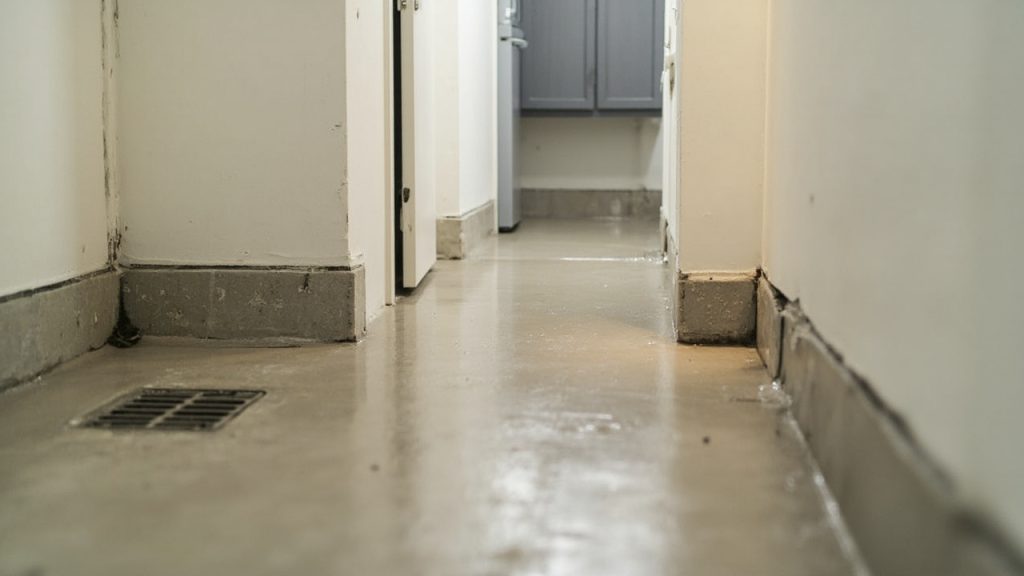
Water is already on your floor. You can feel the panic setting in. If you live in a garden level apartment in Midtown Detroit, you need to act fast and in the right order. This guide gives you exactly that.
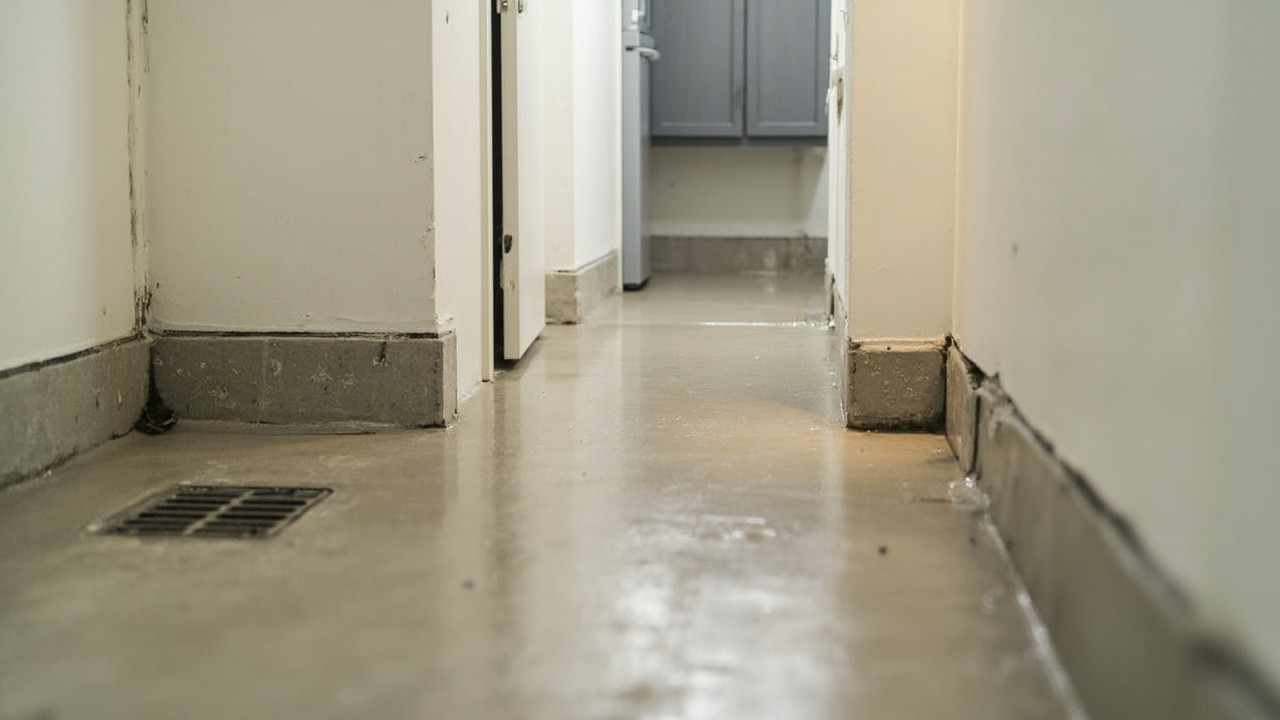
Why Garden Level Apartments in Midtown Are So Vulnerable
Garden level and below-grade units sit at or below the surrounding ground elevation. That positioning puts them directly in the path of water moving through Detroit’s aging infrastructure and the heavy clay soil that dominates Wayne County’s subsurface geology.
Midtown specifically has a high density of older brick apartment buildings along corridors like Second Avenue, Cass Avenue, and Woodward. Many of these buildings were constructed decades before modern waterproofing standards existed. Their foundation drains, weeping tile systems, and window well drains have been fighting Detroit weather for a long time.
The Detroit Water and Sewerage Department’s combined sewer overflow (CSO) system is a known pressure point. When heavy rainfall hits, storm water and sanitary sewage share the same pipes. When those pipes exceed capacity, sewage can push backward through floor drains in below-grade units. This is what professionals call Category 3 water or black water, and it carries pathogens that make the situation a health emergency, not just a cleanup job.
Add to that the hydrostatic pressure that builds up in the Great Lakes-influenced water table after prolonged rain or snowmelt, and you have a situation that can escalate from a damp floor to several inches of standing water within hours.
Immediate Safety Steps Before You Touch Anything
The first ten minutes matter more than the next ten hours. Follow this sequence without deviation.
- Do not enter standing water without first cutting power. If your electrical panel is accessible and dry, shut off the circuit breakers for the affected area. If the panel is in the flooded zone, call Detroit Edison (DTE Energy) immediately and stay out.
- Do not touch anything submerged. Appliances, outlets, and extension cords become electrocution hazards the moment water contacts them.
- Identify the water source before calling anyone. Is it coming through a window well? Up through the floor drain? Through a wall? This information tells a restoration crew exactly what category of water they are dealing with before they arrive.
- Document everything on your phone. Video is better than photos. Walk the perimeter. This footage becomes your insurance claim.
- Avoid contact with Category 3 water. If the water has any discoloration, odor, or if it entered through a floor drain, assume it contains sewage. Do not wade through it. Do not let it contact broken skin or your face.
- Move irreplaceable items to higher ground if it is safe to do so. Documents, electronics, medications. Leave furniture where it is for now. Insurers need to see it in place.
- Notify your landlord immediately in writing. Text or email creates a time-stamped record of when you reported the damage.
The Most Common Causes of Garden Level Flooding in Detroit
Understanding the cause shapes the entire restoration plan. It also affects your insurance claim.
Sump Pump Failure
Many older Midtown buildings added sump pumps as retrofits. These pumps rely on electricity and float switches that wear out. During the heavy spring rains that push Detroit’s annual precipitation totals, a failed sump pump in a garden level unit can allow water to accumulate faster than you can respond.
Combined Sewer Backup
This is the most serious cause in terms of contamination. The CSO infrastructure that serves older Detroit neighborhoods including Midtown, Woodbridge, and New Center was not designed for current population density or current rainfall intensities. When it backs up, the water entering your unit is Category 3 by definition.
Hydrostatic Pressure Through Foundation Walls
Detroit’s clay-heavy soil absorbs water slowly and holds it. After saturated soil reaches its capacity, water pressure against below-grade foundation walls forces moisture through cracks, joints, and porous concrete block. You may see walls weeping or water seeping up through the floor-wall joint.
Window Well Drainage Failure
Garden apartments with egress or view windows below grade depend on window well drains. When those drains clog with leaves and debris, the well fills and water pushes directly through the window frame into your living space. This is often clean water initially but becomes contaminated quickly once it contacts flooring and building materials.
What Professional Water Damage Restoration Actually Looks Like
A professional crew following IICRC S500 standards will move through a defined process. There is no shortcut that produces a safe result.
Step 1 — Inspection and Moisture Mapping
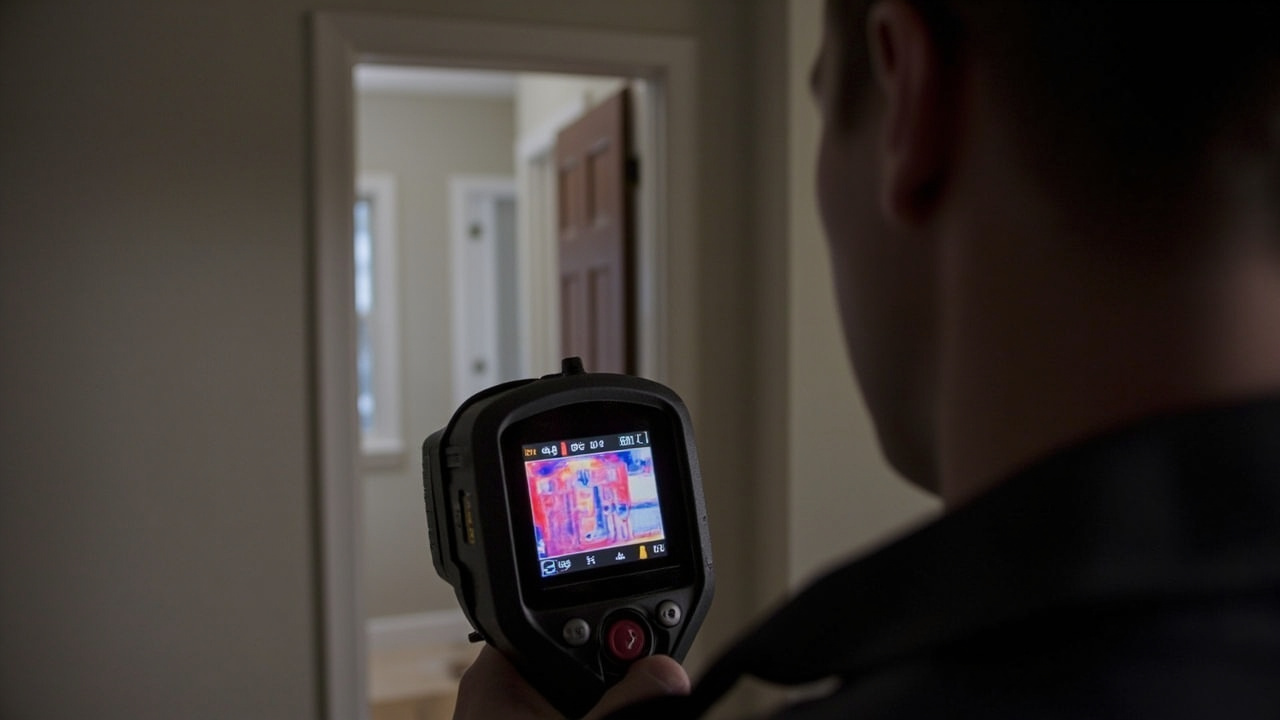
A thermal imaging camera identifies moisture hidden inside walls, under flooring, and above drop ceilings. You cannot dry what you cannot find. This step uses psychrometrics to establish baseline conditions so the crew knows exactly how far the water has migrated.
Step 2 — Water Extraction
Truck-mounted extractors and submersible pumps remove standing water. For Category 3 water events, this step also involves initial containment to prevent cross-contamination into dry areas of the unit.
Step 3 — Structural Drying
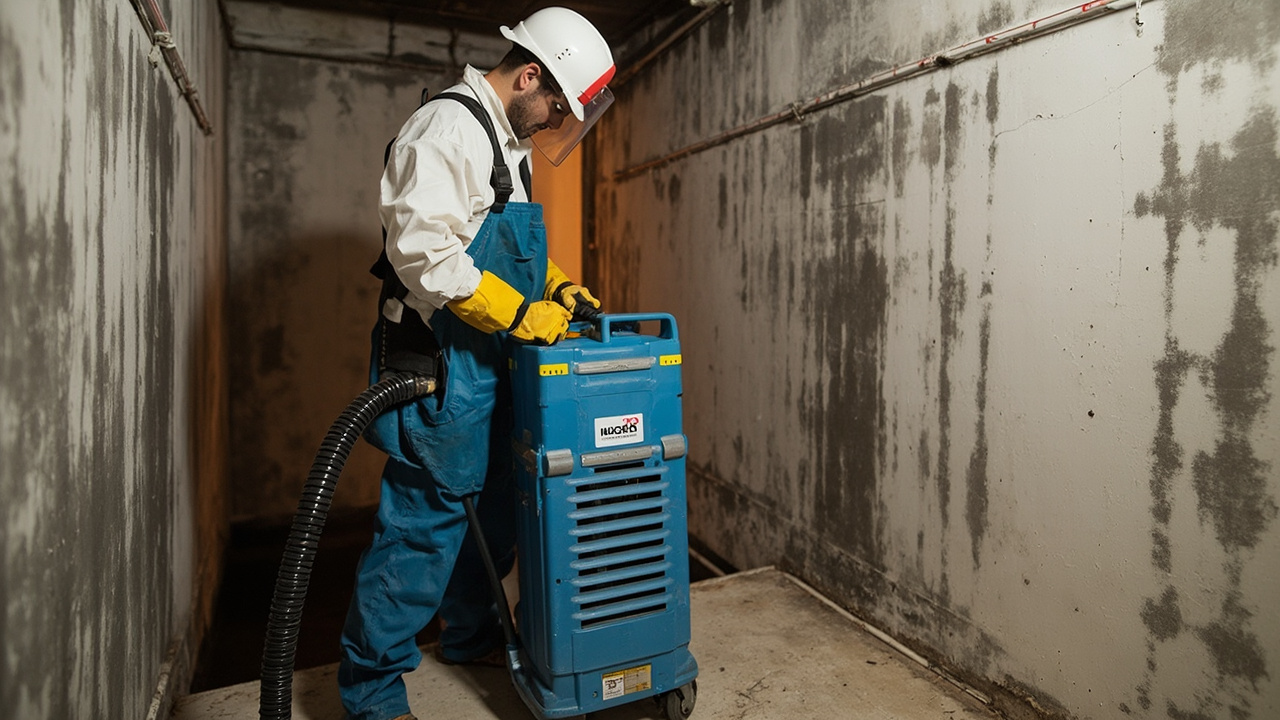
This is where most DIY attempts fall apart. Drying a below-grade apartment requires high-volume air movers positioned to create a circular airflow pattern combined with LGR (low grain refrigerant) dehumidifiers. LGR units pull significantly more moisture out of the air than consumer-grade dehumidifiers. In a confined below-grade space, standard equipment simply cannot achieve the psychrometric targets required to prevent mold germination.
Step 4 — Material Assessment and Removal
Wet drywall, wet insulation, and wet carpet that cannot be dried within the mold-safe window (typically 48 to 72 hours after initial saturation) must come out. This is called flood cutting. It looks aggressive but it protects the structure. If your flooring is affected, the article on deciding whether your wet carpet can be saved or needs to go explains the decision criteria in detail.
Step 5 — Antimicrobial Treatment and Sanitization
For Category 2 and Category 3 water events, every affected surface receives an EPA-registered antimicrobial treatment. This step is not optional and it is not something a bottle of bleach at Home Depot replicates. The article on why bleach does not actually fix mold explains the chemistry behind why professional-grade antimicrobials are necessary.
Step 6 — HEPA Air Scrubbing
After a contaminated water event, airborne particulates and mold spores must be filtered out of the unit before it is safe to occupy. HEPA air scrubbers run continuously until final clearance testing confirms air quality is within acceptable limits.
Water Damage Category Reference
| Category | Source | Health Risk | Typical Cause in Detroit Garden Units |
|---|---|---|---|
| Category 1 (Clean Water) | Supply line break, rain through window | Low if addressed within 24 to 48 hours | Burst supply pipe, window well overflow |
| Category 2 (Gray Water) | Washing machine overflow, dishwasher leak | Moderate, contains contaminants and microorganisms | Appliance failure in upper unit draining down |
| Category 3 (Black Water) | Sewage backup, CSO backup, floodwater | Severe, contains pathogens and fecal matter | Combined sewer overflow through floor drain |
How Long Will the Drying Process Take
Time is one of the most common questions and one of the most variable answers in this industry. A reputable crew will not give you a guaranteed completion date on day one because drying is governed by conditions, not a calendar.
| Scope of Damage | Estimated Drying Time | Key Variables |
|---|---|---|
| Minor (surface water, no wall saturation) | 2 to 4 days | Ambient humidity, floor material type |
| Moderate (wet drywall, subfloor saturation) | 4 to 7 days | Wall cavity access, equipment density, below-grade air circulation |
| Severe (Category 3 event, structural saturation) | 7 to 14 days or longer after demolition | Extent of material removal, concrete slab dry-back time |
Below-grade spaces take longer to dry than above-grade spaces. Cold concrete slabs absorb water and release it slowly. In a Detroit winter or early spring event, ambient temperatures in a garden apartment can work against drying efficiency, which is why equipment selection and placement is a specialized skill, not guesswork.
Mold Risk in Below-Grade Apartments
Mold is not a future problem in a flooded garden level apartment. It is a 48-hour problem. Spores that exist in every building begin germinating on wet porous materials within 24 to 48 hours under the right temperature and humidity conditions. Below-grade spaces in Detroit have naturally higher ambient humidity year-round, which means the mold clock runs faster in your unit than it would on the third floor.
Aspergillus, Cladosporium, and Stachybotrys (commonly called black mold) are all documented in post-flood Detroit residential environments. Stachybotrys requires sustained moisture over time and is typically found in units where a slow leak went undetected. A rapid flood event more commonly produces Aspergillus and Penicillium growth within the first week.
The health risk is not theoretical. Spores become airborne during and after drying. Without a HEPA air scrubber running during the process, you and your restoration crew are breathing them in.
Your Insurance Claim and What Most Renters Get Wrong
This section could save you thousands of dollars or cost you thousands if you skip it.
Renters Insurance vs. Landlord Insurance
Your renters insurance covers your personal property. Your landlord’s insurance covers the building structure. These are two separate claims, two separate adjusters, and two separate processes. Do not assume your landlord’s coverage protects your belongings.
The Sewer Backup Rider
Standard renters insurance policies typically exclude sewer backup damage. This is the most expensive gap in coverage that Detroit renters discover after a Category 3 event. If you do not have a sewer backup endorsement on your policy, a CSO-related flood may produce a denied claim. This is a known issue across Southeast Michigan. The article on how to get your Detroit home insurance to pay for water restoration walks through how to make this case to an adjuster.
Landlord Liability
If your unit flooded due to a building maintenance failure (a broken sump pump your landlord knew about, a window well drain that was reported and ignored), you may have a liability claim against your landlord’s policy in addition to your own renters claim. Document every communication. The article on filing a successful water damage insurance claim covers the documentation strategy in detail.
What Your Adjuster Needs
Your adjuster needs a detailed inventory of damaged personal property with replacement value, photos and video of the damage before any cleanup, a copy of the professional restoration company’s moisture mapping and inspection report, and a written scope of work from the restoration contractor.
Do not sign any release or accept any settlement before the full scope of damage is documented. Hidden moisture inside walls may not manifest as visible damage for days.
Questions Detroit Renters Actually Ask After a Flood
Can I stay in my garden level apartment during restoration?
Usually no, and most restoration professionals will tell you the same. Running air movers and dehumidifiers in an enclosed below-grade space creates significant noise and airborne particulate. If Category 3 water was involved, the unit should be vacated until antimicrobial treatment is complete and air quality testing passes. Talk to your landlord about temporary housing or displacement coverage in your renters policy.
What if my landlord refuses to hire a restoration company?
Document the refusal in writing. In Michigan, landlords are obligated under the Michigan Truth in Renting Act to maintain habitable conditions. A flooded unit with standing water or active mold growth does not meet that standard. Contact the City of Detroit’s Buildings, Safety Engineering and Environmental Department if your landlord is unresponsive.
How do I know if the drying is actually done?
Moisture meters and thermal imaging cameras give objective readings. A professional crew should provide you with final moisture readings on every affected material that match the baseline dry standard for that material type. Concrete, wood framing, and drywall all have different target moisture content values under IICRC S500 guidelines. Ask for the documentation. If a company cannot provide it, that is a red flag.
Protecting Your Garden Level Unit Going Forward
If you rent, your ability to retrofit your unit is limited. But there are steps worth taking.
First, ask your landlord about overhead sewer conversion. Properties that have their sewer line reconfigured to drain by gravity out of the building (rather than through a pump system) eliminate the risk of sewage backing up through floor drains. The Detroit Water and Sewerage Department has offered assistance programs for this type of work on qualifying properties.
Second, confirm that window well drains are clear before every major rain season. This takes five minutes and prevents thousands of dollars in water damage.
Third, buy the sewer backup rider on your renters policy today. It is inexpensive. It covers exactly the scenario most likely to affect a garden level apartment in Midtown.
If you are dealing with ongoing moisture issues or you notice musty odors even without a visible flood event, do not wait for a major event to take action. Chronic below-grade moisture creates ideal conditions for long-term mold colonization in wall cavities that may not be visible until a renovation or inspection reveals it.
If your floors were affected and you are dealing with hardwood or engineered wood that took on water, the process for saving versus replacing them is more involved than most people expect. The article on how to save hardwood floors after a water leak gives you an honest breakdown of what is salvageable and what is not.
A flooded apartment feels overwhelming in the first hour. The path through it is straightforward once you know the sequence. Cut the power, stay out of contaminated water, document everything, call a certified restoration crew, and start your insurance process immediately. Every hour you wait narrows your options and raises the final cost.
If you are in a garden level apartment right now and you are looking at water on your floor, call a restoration company that operates 24 hours a day and can get someone on-site in under 60 minutes. That response window matters more in a below-grade space than anywhere else.
{
“@context”: “https://schema.org”,
“@type”: “BlogPosting”,
“headline”: “What to Do When Your Garden Level Apartment in Midtown Detroit Floods”,
“description”: “Garden level apartment flooding in Midtown Detroit? Get immediate safety steps, restoration timelines, and insurance advice from a local water damage expert.”,
“wordCount”: 2319,
“datePublished”: “2026-05-12T13:32:00.000Z”,
“dateModified”: “2026-05-12T13:32:00.000Z”,
“inLanguage”: “en-US”,
“mainEntityOfPage”: {
“@type”: “WebPage”,
“@id”: “https://ironwoodwaterdamagerestorationdetroit.com”
},
“publisher”: {
“@type”: “LocalBusiness”,
“name”: “Ironwood Water Damage Restoration Detroit”,
“url”: “https://ironwoodwaterdamagerestorationdetroit.com”
},
“author”: {
“@type”: “Organization”,
“name”: “Ironwood Water Damage Restoration Detroit”,
“url”: “https://ironwoodwaterdamagerestorationdetroit.com”
},
“image”: {
“@type”: “ImageObject”,
“url”: “https://ironwoodwaterdamagerestorationdetroit.com/wp-content/uploads/2026/03/dealing-with-a-flooded-garden-level-apartment-in-m-1.jpg”
}
}
{
“@context”: “https://schema.org”,
“@type”: “LocalBusiness”,
“name”: “Ironwood Water Damage Restoration Detroit”,
“url”: “https://ironwoodwaterdamagerestorationdetroit.com”,
“address”: {
“@type”: “PostalAddress”,
“addressLocality”: “Detroit”
},
“areaServed”: {
“@type”: “City”,
“name”: “Detroit”
}
}
{
“@context”: “https://schema.org”,
“@type”: “FAQPage”,
“mainEntity”: [
{
“@type”: “Question”,
“name”: “Can I stay in my garden level apartment during restoration?”,
“acceptedAnswer”: {
“@type”: “Answer”,
“text”: “Usually no, and most restoration professionals will tell you the same. Running air movers and dehumidifiers in an enclosed below-grade space creates significant noise and airborne particulate. If Category 3 water was involved, the unit should be vacated until antimicrobial treatment is complete and air quality testing passes. Talk to your landlord about temporary housing or displacement coverage in your renters policy.”
}
},
{
“@type”: “Question”,
“name”: “What if my landlord refuses to hire a restoration company?”,
“acceptedAnswer”: {
“@type”: “Answer”,
“text”: “Document the refusal in writing. In Michigan, landlords are obligated under the Michigan Truth in Renting Act to maintain habitable conditions. A flooded unit with standing water or active mold growth does not meet that standard. Contact the City of Detroit’s Buildings, Safety Engineering and Environmental Department if your landlord is unresponsive.”
}
},
{
“@type”: “Question”,
“name”: “How do I know if the drying is actually done?”,
“acceptedAnswer”: {
“@type”: “Answer”,
“text”: “Moisture meters and thermal imaging cameras give objective readings. A professional crew should provide you with final moisture readings on every affected material that match the baseline dry standard for that material type. Concrete, wood framing, and drywall all have different target moisture content values under IICRC S500 guidelines. Ask for the documentation. If a company cannot provide it, that is a red flag.”
}
}
]
}
{
“@context”: “https://schema.org”,
“@type”: “BreadcrumbList”,
“itemListElement”: [
{
“@type”: “ListItem”,
“position”: 1,
“name”: “Home”,
“item”: “https://ironwoodwaterdamagerestorationdetroit.com”
},
{
“@type”: “ListItem”,
“position”: 2,
“name”: “Blog”,
“item”: “https://ironwoodwaterdamagerestorationdetroit.com/blog”
},
{
“@type”: “ListItem”,
“position”: 3,
“name”: “What to Do When Your Garden Level Apartment in Midtown Detroit Floods”
}
]
}
{
“@context”: “https://schema.org”,
“@type”: “Service”,
“serviceType”: “Water Damage Restoration”,
“provider”: {
“@type”: “LocalBusiness”,
“name”: “Ironwood Water Damage Restoration Detroit”,
“url”: “https://ironwoodwaterdamagerestorationdetroit.com”
},
“areaServed”: {
“@type”: “City”,
“name”: “Detroit”
},
“description”: “Garden level apartment flooding in Midtown Detroit? Get immediate safety steps, restoration timelines, and insurance advice from a local water damage expert.”
}