
Your sump pump stopped working during a heavy rain. Water is rising in your basement right now. Every minute it sits there, it soaks deeper into your drywall, your framing, and your flooring. This is the situation we respond to every week across Troy, Michigan, and the window to prevent serious long-term damage is narrow.
This page tells you exactly what to do, what to expect from professional cleanup, and why Troy basements carry a higher flood risk than most homeowners realize.
Why Troy Basements Flood When Sump Pumps Fail
Troy sits within the Clinton River Watershed, and large portions of the city rest on clay-heavy soil that does not drain well. When rain saturates that soil, hydrostatic pressure builds fast against your basement walls and floor. Your sump pump is the only thing standing between that pressure and your finished space.
Neighborhoods near Sylvan Glen, Emerald Lakes, and the older subdivisions along Livernois north of Big Beaver Road are especially prone to groundwater infiltration. The infrastructure in these areas was built for a different era of storm intensity. Current storm events routinely overwhelm it.
Sump pump failures in Troy almost always come down to one of four causes. Power outages during storms knock out primary pumps. Backup battery systems fail when batteries age past their service life. Float switches stick. Submersible pump motors burn out after years of high-demand cycling. When any one of these fails during a storm, you can have six to twelve inches of standing water in under an hour.
If your failure involved sewage or a drain backup alongside the sump pit, you may be dealing with Category 3 black water contamination. That requires a completely different safety and remediation protocol. Read more about the differences between water categories before you step into that water.
Stop Everything and Do These Four Things First
Before cleanup crews arrive, your job is to limit exposure and prevent additional damage. Do not skip these steps.
- Cut power to the affected area. Go to your breaker panel and shut off circuits that serve the basement. Do not wade into standing water with live electrical outlets nearby. If your panel is in the basement and already submerged, call the utility company first.
- Do not touch the water if it smells sewage-like or is discolored. Grey water from a sump pit is a Category 2 hazard. Black water from a sewage backup is Category 3. Both require protective gear. Neither is safe to handle without proper equipment.
- Call your insurance agent before you remove anything. Document everything with photos and video. Moving contents or beginning cleanup before documentation can complicate your claim.
- Call a certified restoration company, not just a plumber. A plumber fixes the pump. A restoration crew handles the water damage. You need both, but the restoration team needs to start within hours, not days.
The Full Cleanup Process for Sump Pump Failures in Troy
There is a specific sequence to professional water damage restoration. Skipping steps leads to hidden moisture, mold growth, and structural deterioration that shows up weeks later. Here is what the process looks like when it is done correctly according to IICRC S500 Standards, the industry benchmark for water damage restoration.
Step 1: Emergency Water Extraction
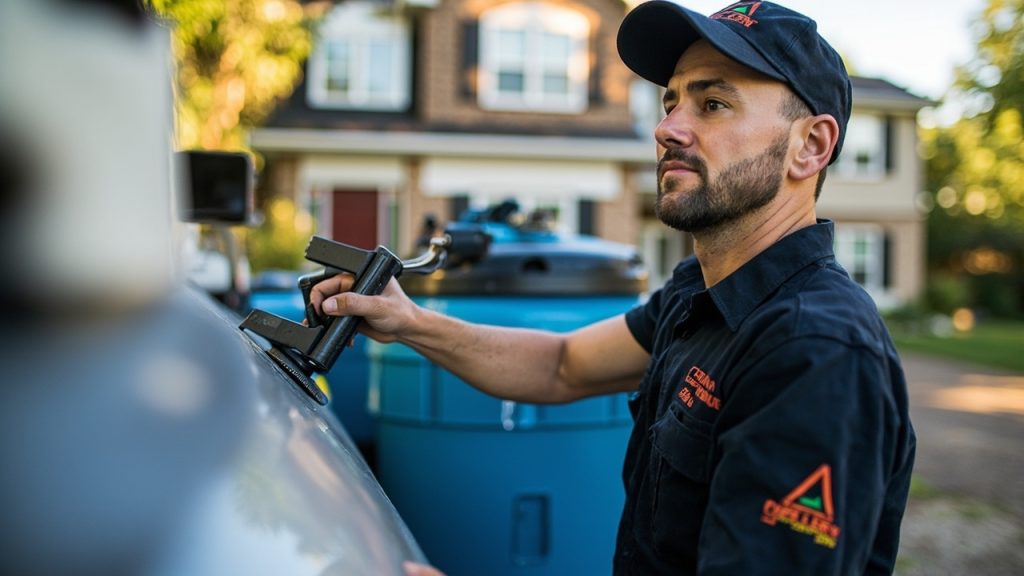
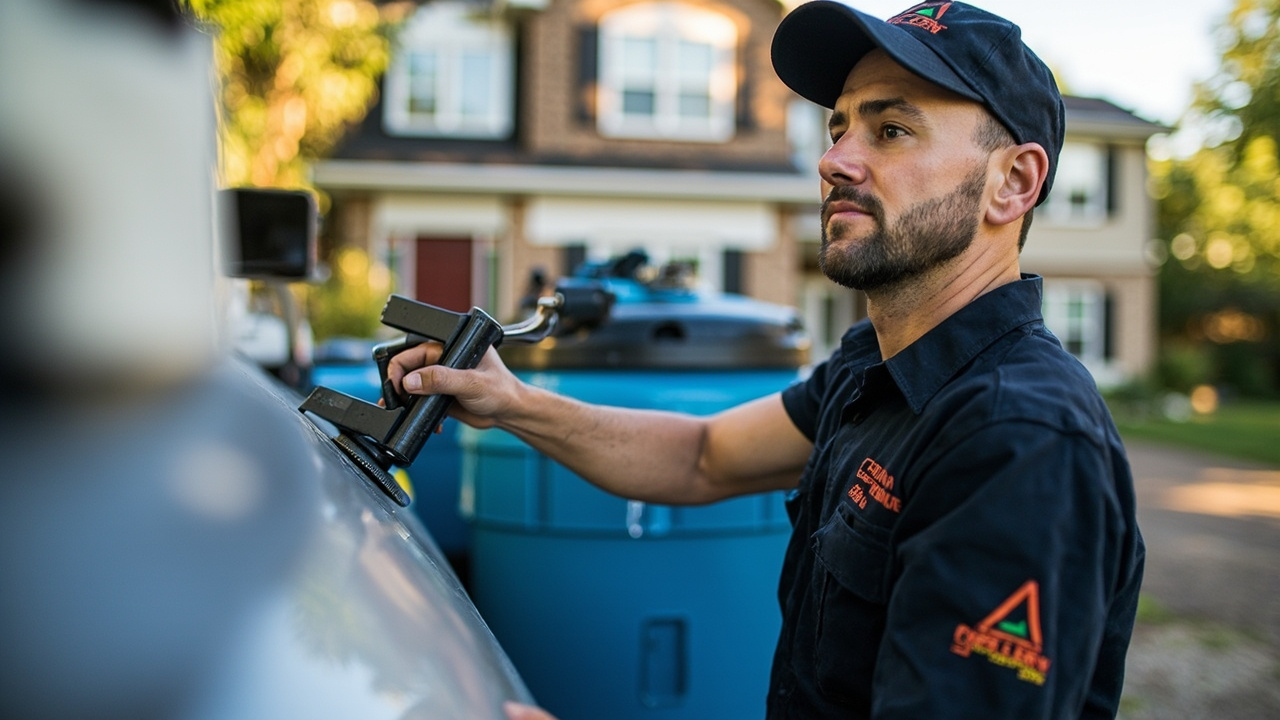
Truck-mounted extraction units pull hundreds of gallons of standing water in minutes. For finished basements with carpet, technicians use weighted extraction tools that compress the carpet pile and pull water out of both the surface layer and the padding underneath. Our large-scale water extraction equipment handles even the worst basement flood scenarios.
Standing water is gone within the first hour. But that is only the beginning.
Step 2: Moisture Mapping and Hidden Damage Assessment
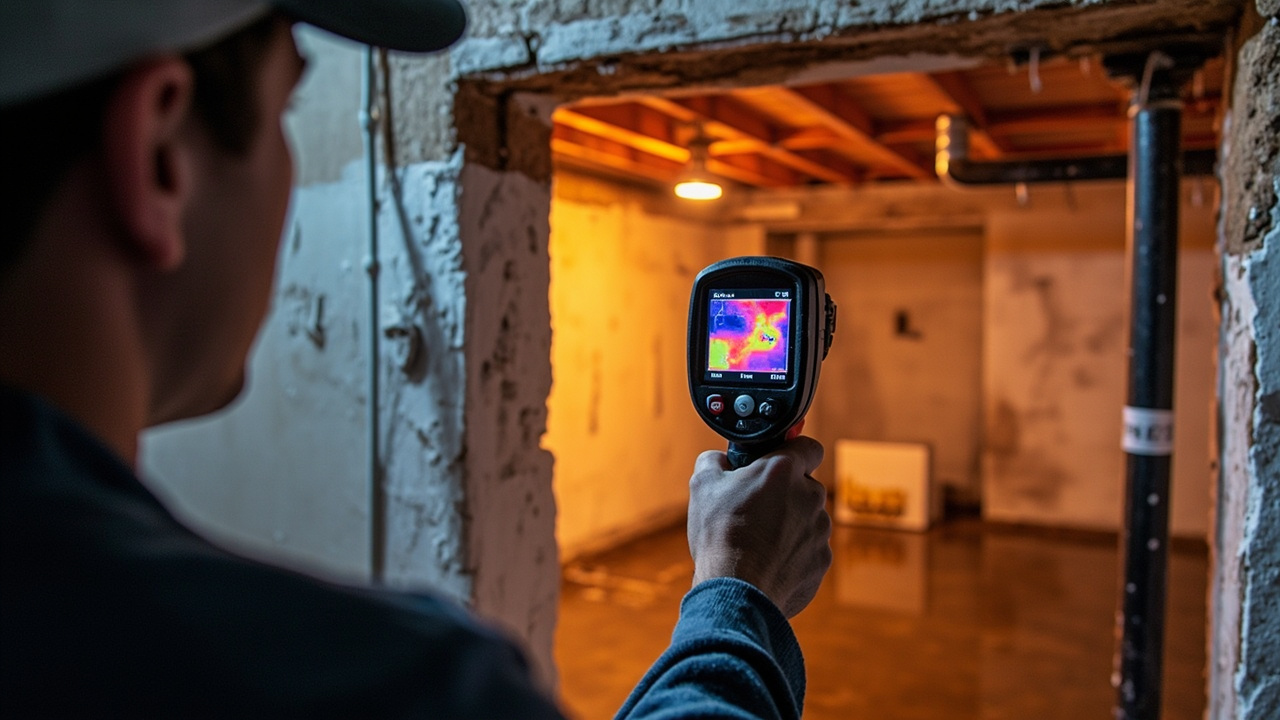
Water follows the path of least resistance. In a Troy basement, that means it travels under flooring, into wall cavities, and wicks up drywall far beyond where it is visible. Technicians use thermal imaging cameras and penetrating moisture meters to map every wet surface in the space. Nothing gets missed. Our hidden moisture detection process is a critical part of every job.
Step 3: Controlled Demolition of Unsalvageable Material
Wet drywall that has been submerged does not dry out and return to normal. It holds moisture in the wall cavity and becomes a mold substrate within 24 to 72 hours. Technicians cut drywall to the flood cut line, typically 12 to 24 inches above the water line, to open the wall cavity for drying. Wet carpet padding is almost always non-salvageable and gets removed immediately.
Step 4: Structural Drying with LGR Dehumidifiers and Air Movers
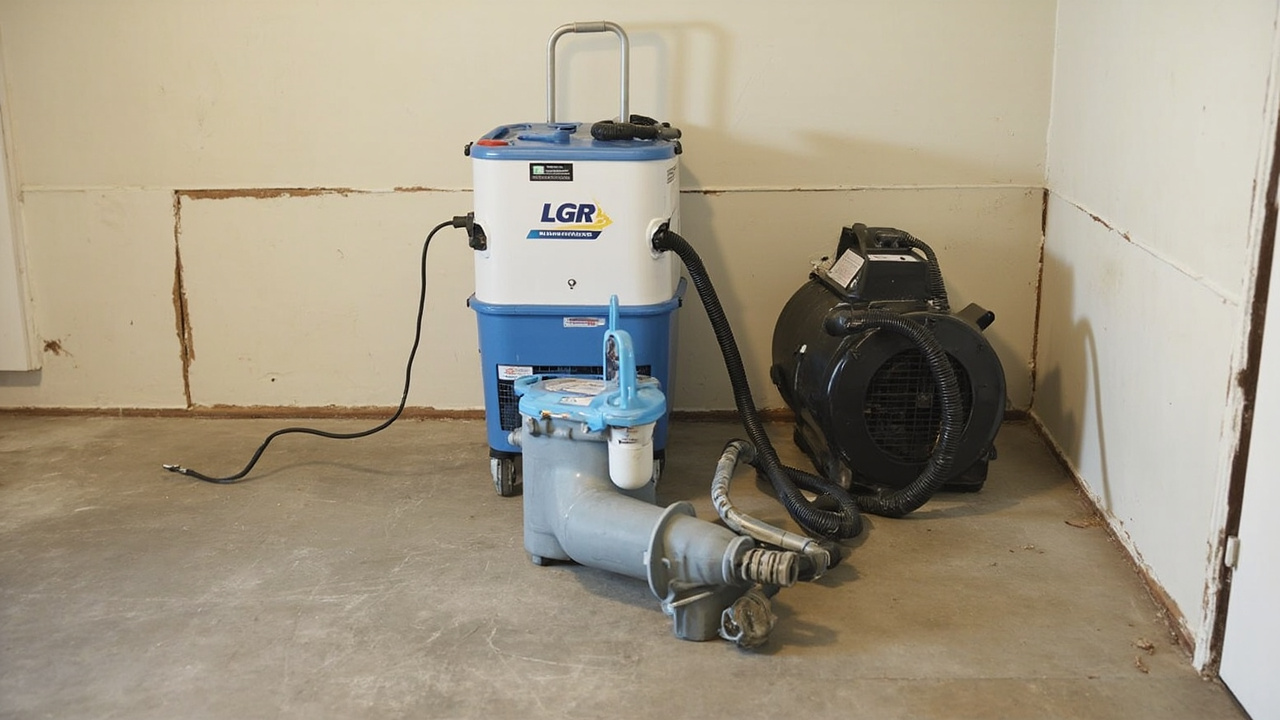
This is where most DIY attempts fall short. Consumer-grade dehumidifiers cannot remove moisture fast enough to prevent mold growth in structural materials. Professional crews deploy Low Grain Refrigerant (LGR) dehumidifiers and high-velocity air movers in calculated configurations based on the square footage, ambient humidity, and the specific materials being dried.
LGR dehumidifiers extract moisture at dewpoint levels that standard units cannot reach. In a Troy basement in summer, when outdoor humidity is already high, this equipment is the only thing that creates a drying environment fast enough to meet the IICRC S500 time-temperature-humidity curve. Learn more about what professional structural drying services actually involve.
Step 5: Antimicrobial Application
After extraction and before drying begins, all affected surfaces receive an EPA-registered antimicrobial treatment. This addresses bacteria introduced by the floodwater and reduces the risk of mold colonization during the drying period. If the event involved any sewage component, a hospital-grade disinfectant protocol applies to every surface, not just the obvious ones.
Step 6: Daily Moisture Monitoring
Drying is not done when it looks dry. It is done when moisture readings in structural materials return to pre-loss baselines. Technicians return daily to take readings and adjust equipment placement. Most residential sump pump failures in Troy require three to five days of active drying, sometimes longer for finished basements with multiple layers of flooring.
Step 7: HEPA Air Scrubbing and Odor Removal
Floodwater carries particulates, bacteria, and organic matter that produce persistent odors. HEPA air scrubbers run continuously during the drying phase, capturing airborne contaminants down to 0.3 microns. After drying is complete, thermal fogging or hydroxyl treatment addresses any residual odor in the structural materials. Our sanitization and odor removal process handles the full scope of post-flood contamination.
How Long Does Cleanup Take in a Troy Basement
| Scenario | Extraction Time | Structural Drying | Total Project Duration |
|---|---|---|---|
| Unfinished basement, 1 to 3 inches of water | 1 to 2 hours | 2 to 3 days | 3 to 4 days |
| Finished basement, carpet and drywall, 3 to 6 inches | 2 to 4 hours | 4 to 5 days | 5 to 7 days |
| Finished basement, hardwood flooring, 6 to 12 inches | 3 to 5 hours | 5 to 7 days | 7 to 10 days |
| Basement with sewage backup component | 2 to 4 hours | 5 to 7 days | 7 to 14 days (includes remediation protocol) |
These timelines assume professional equipment deployed immediately. Every 12 hours of delay adds roughly one additional day of drying time due to deeper moisture penetration into structural materials.
What Sump Pump Failure Does to Specific Materials in Your Basement
| Material | Salvageable If Dried Within 24 Hours | Salvageable After 48 to 72 Hours | Notes |
|---|---|---|---|
| Concrete block walls | Yes | Yes | Requires thorough drying to prevent efflorescence and spalling |
| Drywall (standard) | Possibly, if Category 1 water only | No | Paper facing traps moisture, becomes mold substrate rapidly |
| Carpet | Sometimes | Rarely | Padding almost always requires replacement regardless of timing |
| Hardwood flooring | Possibly with aggressive drying | Unlikely | Cupping begins within hours; see our hardwood floor water damage guide |
| Fiberglass batt insulation | No | No | Must be removed and replaced |
| Laminate flooring | No | No | Swells and delaminate immediately upon water contact |
| Wood framing (studs, subfloor) | Yes | Yes, with proper drying | Monitor for mold growth; check moisture content before enclosing |
Does Homeowners Insurance Cover Sump Pump Failure in Michigan
Standard homeowners insurance in Michigan does not cover sump pump failure by default. It requires a separate water backup and sump pump rider. If you have Farm Bureau of Michigan, State Farm, or a similar carrier, check your policy declarations page specifically for this endorsement.
If you have the rider, you are typically covered for the cost of cleanup and structural repairs, but not for the cost of replacing the pump itself. The coverage limits on water backup riders vary widely. Some cap at ten thousand dollars, which can be insufficient for a finished basement with significant flooring and content damage.
Our team documents every element of your loss from the moment we arrive, including moisture readings, photos, and material takeoffs. That documentation directly supports your claim. For a detailed walkthrough of the claim process, see our guide on how to handle insurance claims after water damage.
If you do not have the rider, you are paying out of pocket. That makes the speed of your response even more critical, because faster professional intervention means less material replacement and a lower total bill.
Troy’s Specific Risk Factors That Make Backup Plans Critical
Homes in the 48083 and 48084 zip codes near the I-75 corridor sit in low-lying areas that experience sheet runoff from surrounding commercial development along Big Beaver Road. That runoff concentrates groundwater pressure against residential foundations faster than the storm sewers can handle.
In 48085 and 48098, the newer subdivisions north of Auburn Hills Road often have deeper basements and more sophisticated finished spaces, meaning flood damage there tends to involve more expensive materials. A single sump pump failure in a finished walkout basement in these zip codes can affect theater rooms, bars, and home offices simultaneously.
If you have not read it yet, our sump pump maintenance guide covers what to inspect before storm season and how to test your backup system. Prevention is always cheaper than cleanup.
For Troy homeowners looking at broader flood prevention, our basement waterproofing guide covers interior and exterior options specific to Oakland County soil conditions.
Mold Risk After a Sump Pump Failure
Mold can begin colonizing wet structural materials in as little as 24 to 48 hours under the right temperature and humidity conditions. A Troy basement in spring or summer provides exactly those conditions. This is not a hypothetical risk. It is the reason the IICRC S500 drying standards exist.
If cleanup is delayed more than 48 hours, or if improper drying leaves hidden moisture in wall cavities, you will likely see mold growth within two to three weeks. At that point, the project shifts from water damage restoration to mold remediation, which is a separate, more involved, and more expensive process.
Learn what to look for in the weeks after a flood with our resources on signs of hidden mold and what visible mold growth on walls means for your remediation timeline.
Frequently Asked Questions About Sump Pump Failure Cleanup in Troy
How quickly can a restoration crew arrive in Troy?
We maintain crews available 24 hours a day, 7 days a week, including holidays. Response time to Troy addresses in the 48083, 48084, 48085, and 48098 zip codes is typically 45 to 60 minutes from the time you call. During major regional storm events, demand spikes and response windows can stretch, which is one reason calling immediately matters. Our 24/7 emergency water removal team is dispatched as soon as you hang up.
Can I run my own dehumidifier while waiting for professionals?
You can, but understand its limitations. A residential dehumidifier removes moisture from the air. It does not dry structural materials like framing and subfloor. If the moisture content in those materials stays elevated, mold grows regardless of how dry the air feels. Professional LGR dehumidifiers combined with directed airflow from air movers is a fundamentally different system. Running your own unit is not harmful, but it should not replace professional drying equipment.
My basement smells but the water is gone. Is that a problem?
Yes. A persistent musty smell after water removal indicates moisture remains in structural materials or that microbial activity has already begun. This requires professional moisture mapping and possibly additional drying time or mold assessment. Do not assume the problem resolved itself because the standing water is gone. Our musty smell and odor removal service addresses exactly this situation.
Serving Troy and the Surrounding Oakland County Area
We handle sump pump failure cleanup throughout Troy and across Oakland County, including nearby Royal Oak, Farmington Hills, Pontiac, and Sterling Heights. Our technicians hold current IICRC certifications in Water Damage Restoration (WRT) and Applied Structural Drying (ASD). Every job follows IICRC S500 protocols from start to finish.
For comprehensive information about our full service area, visit our main water damage restoration in Troy page. For general information about what restoration involves across Detroit Metro, our water damage restoration service overview covers the full scope of what we do.
If your sump pump failed and you have standing water right now, call us. We will have a certified technician on-site in Troy within 60 minutes. Bring your insurance information if you have it. We handle the documentation from the moment we walk through the door, so you can focus on your family while we focus on your home.
{
“@context”: “https://schema.org”,
“@type”: “BlogPosting”,
“headline”: “What Troy Homeowners Need to Know About Sump Pump Failure and Professional Cleanup”,
“description”: “Sump pump failed in Troy, MI? Get 24/7 emergency cleanup from IICRC-certified technicians. We serve 48083, 48084, 48085, and 48098. On-site in 60 minutes.”,
“wordCount”: 2191,
“datePublished”: “2026-02-14T07:48:00.000Z”,
“dateModified”: “2026-02-14T07:48:00.000Z”,
“inLanguage”: “en-US”,
“mainEntityOfPage”: {
“@type”: “WebPage”,
“@id”: “https://ironwoodwaterdamagerestorationdetroit.com”
},
“publisher”: {
“@type”: “LocalBusiness”,
“name”: “Ironwood Water Damage Restoration Detroit”,
“url”: “https://ironwoodwaterdamagerestorationdetroit.com”
},
“author”: {
“@type”: “Organization”,
“name”: “Ironwood Water Damage Restoration Detroit”,
“url”: “https://ironwoodwaterdamagerestorationdetroit.com”
},
“image”: {
“@type”: “ImageObject”,
“url”: “https://ironwoodwaterdamagerestorationdetroit.com/wp-content/uploads/2026/03/sump-pump-failure-and-professional-cleanup-service-1.jpg”
}
}
{
“@context”: “https://schema.org”,
“@type”: “LocalBusiness”,
“name”: “Ironwood Water Damage Restoration Detroit”,
“url”: “https://ironwoodwaterdamagerestorationdetroit.com”,
“address”: {
“@type”: “PostalAddress”,
“addressLocality”: “Detroit”
},
“areaServed”: {
“@type”: “City”,
“name”: “Detroit”
}
}
{
“@context”: “https://schema.org”,
“@type”: “FAQPage”,
“mainEntity”: [
{
“@type”: “Question”,
“name”: “How quickly can a restoration crew arrive in Troy?”,
“acceptedAnswer”: {
“@type”: “Answer”,
“text”: “We maintain crews available 24 hours a day, 7 days a week, including holidays. Response time to Troy addresses in the 48083, 48084, 48085, and 48098 zip codes is typically 45 to 60 minutes from the time you call. During major regional storm events, demand spikes and response windows can stretch, which is one reason calling immediately matters. Our 24/7 emergency water removal team is dispatched as soon as you hang up.”
}
},
{
“@type”: “Question”,
“name”: “Can I run my own dehumidifier while waiting for professionals?”,
“acceptedAnswer”: {
“@type”: “Answer”,
“text”: “You can, but understand its limitations. A residential dehumidifier removes moisture from the air. It does not dry structural materials like framing and subfloor. If the moisture content in those materials stays elevated, mold grows regardless of how dry the air feels. Professional LGR dehumidifiers combined with directed airflow from air movers is a fundamentally different system. Running your own unit is not harmful, but it should not replace professional drying equipment.”
}
},
{
“@type”: “Question”,
“name”: “My basement smells but the water is gone. Is that a problem?”,
“acceptedAnswer”: {
“@type”: “Answer”,
“text”: “Yes. A persistent musty smell after water removal indicates moisture remains in structural materials or that microbial activity has already begun. This requires professional moisture mapping and possibly additional drying time or mold assessment. Do not assume the problem resolved itself because the standing water is gone. Our musty smell and odor removal service addresses exactly this situation.”
}
}
]
}
{
“@context”: “https://schema.org”,
“@type”: “BreadcrumbList”,
“itemListElement”: [
{
“@type”: “ListItem”,
“position”: 1,
“name”: “Home”,
“item”: “https://ironwoodwaterdamagerestorationdetroit.com”
},
{
“@type”: “ListItem”,
“position”: 2,
“name”: “Blog”,
“item”: “https://ironwoodwaterdamagerestorationdetroit.com/blog”
},
{
“@type”: “ListItem”,
“position”: 3,
“name”: “What Troy Homeowners Need to Know About Sump Pump Failure and Professional Cleanup”
}
]
}
{
“@context”: “https://schema.org”,
“@type”: “Service”,
“serviceType”: “Water Damage Restoration”,
“provider”: {
“@type”: “LocalBusiness”,
“name”: “Ironwood Water Damage Restoration Detroit”,
“url”: “https://ironwoodwaterdamagerestorationdetroit.com”
},
“areaServed”: {
“@type”: “City”,
“name”: “Detroit”
},
“description”: “Sump pump failed in Troy, MI? Get 24/7 emergency cleanup from IICRC-certified technicians. We serve 48083, 48084, 48085, and 48098. On-site in 60 minutes.”
}