
Your Sump Pump Is Talking. You Should Listen.
That noise coming from your basement is not random. Sump pumps give clear warning signals before they fail, and in Allen Park, where clay-heavy soil and aging infrastructure put constant stress on these systems, ignoring those signals is how basements flood. This guide breaks down exactly what each noise means, what you can fix yourself, and when you need a professional in your home fast.
Allen Park sits in the heart of Wayne County, where the soil composition holds water like a sponge. Older ranch-style homes throughout the area, especially those built between the postwar era and the late 1970s, rely on single sump pump setups that were never designed to handle the volume of water Southeast Michigan throws at them today. When that pump starts making noise, the clock is already running.
The Four Noises That Predict Sump Pump Failure
Thumping or Banging After the Pump Shuts Off
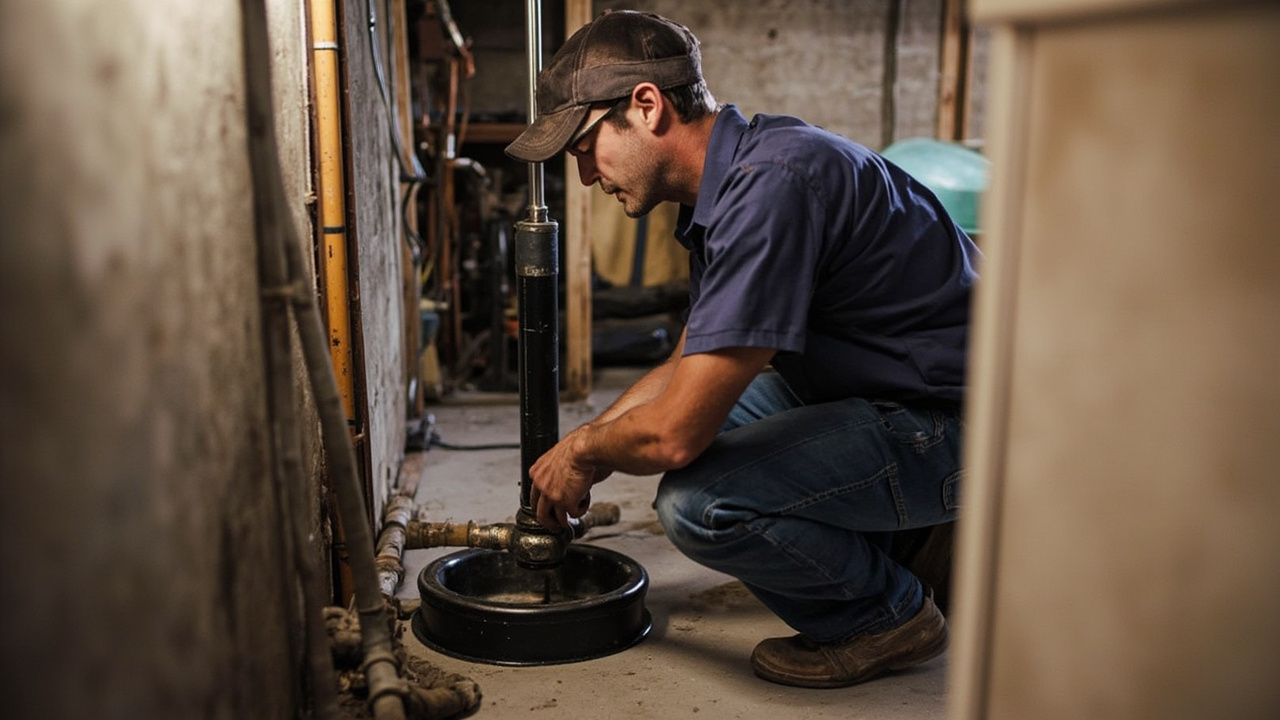
This is the most common noise homeowners in Allen Park and the broader Downriver area call about. The culprit is almost always the check valve. When your pump shuts off, water in the discharge pipe needs somewhere to go. If the check valve is worn, missing, or improperly installed, that water falls back down into the pit and slams against the pump head. That bang you hear? That is several pounds of water hitting metal.
A failing check valve also forces your pump to re-pump the same water repeatedly. This shortens motor life significantly. Current check valves are inexpensive, and many homeowners can replace them. But if the banging has been happening for months, the repeated hydraulic shock may have already damaged the impeller housing.
Grinding or Rattling While the Pump Runs
Grinding is a serious noise. It points to impeller damage. The impeller is the rotating component inside your submersible pump that actually moves water. When gravel, silt, or debris from your sump basin gets pulled into the pump, it can chip or crack the impeller blades. Once that happens, the pump works harder, draws more power, and produces less flow.
In Wayne County, the combination of clay soil and older pit liners without proper intake screens means impeller damage is common. If your pump is grinding, do not assume it will clear on its own. A damaged impeller will continue to degrade, and the pump will fail without warning, typically during a storm when you need it most.
Constant Humming Without Water Moving
A pump that hums but does not pump is in serious trouble. This usually means one of two things. The float switch is stuck, leaving the motor running continuously against a closed or seized impeller. Or the motor windings are overheating and the pump is in a locked-rotor condition, drawing full current without turning.
Both scenarios burn out motors quickly. If you hear a constant hum and the water level in your pit is not dropping, cut power to the pump at the breaker immediately. Running a seized pump for even 20 to 30 minutes can destroy the motor completely. At that point, replacement is your only option.
Gurgling or Slurping Sounds During Normal Operation
Some gurgling is normal, especially as the pump approaches the end of a cycle and begins drawing air. But loud, persistent gurgling often signals a partial airlock in the discharge pipe or a pipe that is not pitched correctly. In colder months, this matters even more. Allen Park’s freeze-thaw cycles can partially ice a discharge line, restricting flow and creating back pressure that causes gurgling and premature motor strain.
A quick check of your exterior discharge point during winter is worth doing. If the pipe exit is capped with ice, you have found your problem. The U.S. Environmental Protection Agency and local water management authorities both flag improper discharge as a contributing factor in neighborhood flooding events across Southeast Michigan.
Sump Pump Noise Diagnostic Matrix
| Noise Type | Most Likely Cause | Risk Level | DIY Fix Possible? | Typical Timeframe to Failure |
|---|---|---|---|---|
| Thumping after shutdown | Worn or missing check valve | Moderate | Yes, if caught early | Weeks to months |
| Grinding during operation | Impeller debris damage | High | No, requires disassembly | Days to weeks |
| Constant humming, no flow | Stuck float switch or seized motor | Critical | Float switch only | Hours |
| Gurgling during cycle | Airlock or blocked discharge | Low to Moderate | Yes, check discharge line | Variable |
| Loud vibration on startup | Pump loose in pit or failing bearings | Moderate | Partial (reseating pump) | Weeks |
DIY Steps to Take Right Now
Before calling anyone, run through these checks. They cost nothing and will tell you exactly how serious the situation is.
- Cut power and inspect the basin. Look inside the pit liner. Is there gravel, debris, or sediment near the intake screen? Clear anything blocking the pump intake with a shop vac. Never reach into a powered pit.
- Test the float switch manually. With power restored, lift the float ball or arm by hand. The pump should activate immediately. If it does not, the switch is the problem, not the motor. Float switches are a straightforward replacement for most homeowners.
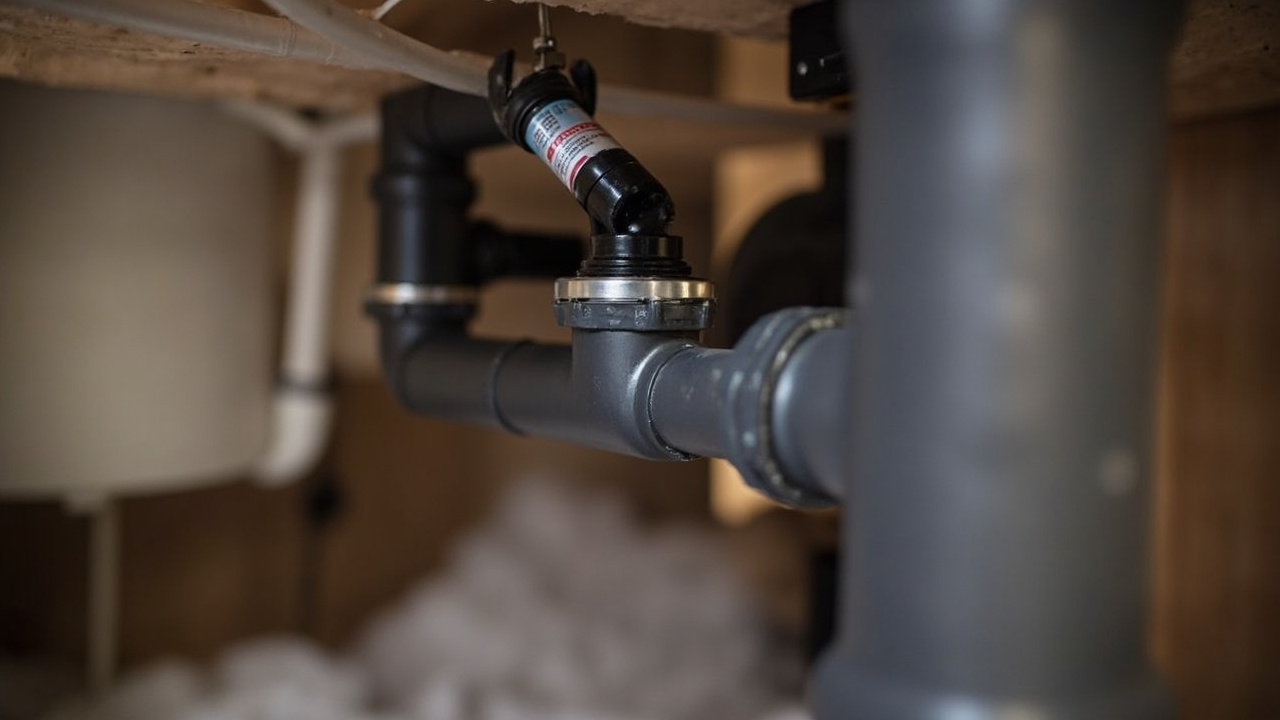
- Check the check valve. The check valve sits on the discharge pipe above the pump. It should only allow flow in one direction. Listen for backflow after shutdown. A properly functioning valve makes a soft click. Banging means it is time for a new one.
- Inspect the discharge pipe exterior. Go outside and confirm the discharge outlet is clear, unobstructed, and draining water away from your foundation. In Grandmont Rosedale, Corktown, and older Allen Park neighborhoods, discharge lines sometimes terminate too close to the home’s footprint, causing water to re-enter the drain tile system.
- Listen to the motor at startup. A healthy pump starts cleanly and runs quietly. A struggling motor hesitates, buzzes, or starts and stops rapidly. Rapid cycling usually means the pit is too small, the float switch is set too high, or the pump capacity is mismatched to the water volume.
How Detroit’s Weather Destroys Sump Pumps Faster Than Anywhere Else
Wayne County averages significant freeze-thaw cycles every winter, and the clay-dominant soil throughout Allen Park does not drain. When temperatures drop, that saturated clay expands. When it thaws, it contracts. This constant movement creates hydrostatic pressure against your basement walls and floor, pushing water toward the sump pit year-round, not just during spring rains.
The Detroit Water and Sewerage Department (DWSD) also manages one of the country’s older combined sewer overflow systems. During heavy rainfall events, the system can surcharge, meaning water backs up rather than flows away. This is a known contributing factor to basement flooding across Southeast Michigan, and it means your sump pump may face demand spikes that far exceed what it was rated for. A single-pump setup with no battery backup in this environment is a liability.
Great Lakes weather patterns bring intense, concentrated rainfall events throughout spring and fall. These are not slow, steady rains. They are high-volume, short-duration storms that can overwhelm a compromised pump in under an hour. A pump showing warning signs in March may fail completely during the first major April storm.
Submersible vs. Pedestal Pumps in Allen Park Homes
The type of pump in your home affects both the noises you will hear and the repair options available to you.
| Feature | Submersible Pump | Pedestal Pump |
|---|---|---|
| Motor location | Inside the pit, underwater | Above the pit on a stand |
| Common in Allen Park homes | Newer installations, post-renovation | Original installations, pre-1990s |
| Noise characteristics | Water muffles sound, quieter | Motor noise clearly audible |
| Average lifespan in Michigan | 7 to 10 years | 25 to 30 years (less strain) |
| DIY serviceability | Moderate, requires removal from pit | Higher, motor is accessible |
| Flood risk if motor fails | Higher, failure is silent until water rises | Lower, failure is audible earlier |
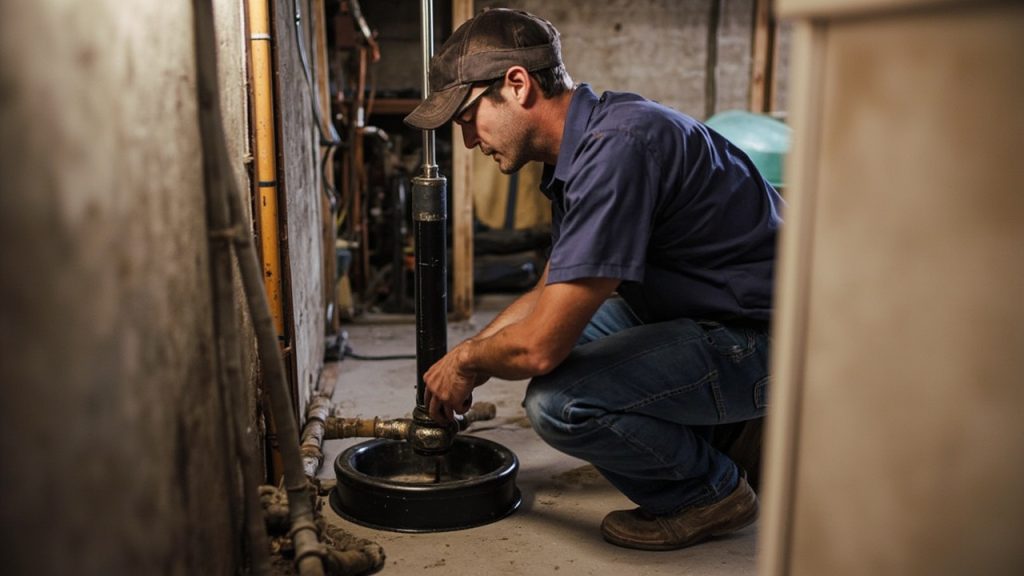
Most Allen Park ranch homes built before 1990 still have pedestal pumps. These older units are often in their second or third decade of service. The motors on pedestal pumps show wear through grinding and high-pitched whining long before failure. If yours is whining, do not ignore it.
When the Problem Goes Past DIY
Some situations require a professional, and waiting costs you more than a service call ever will. Call a Detroit water damage specialist when you notice any of these conditions.
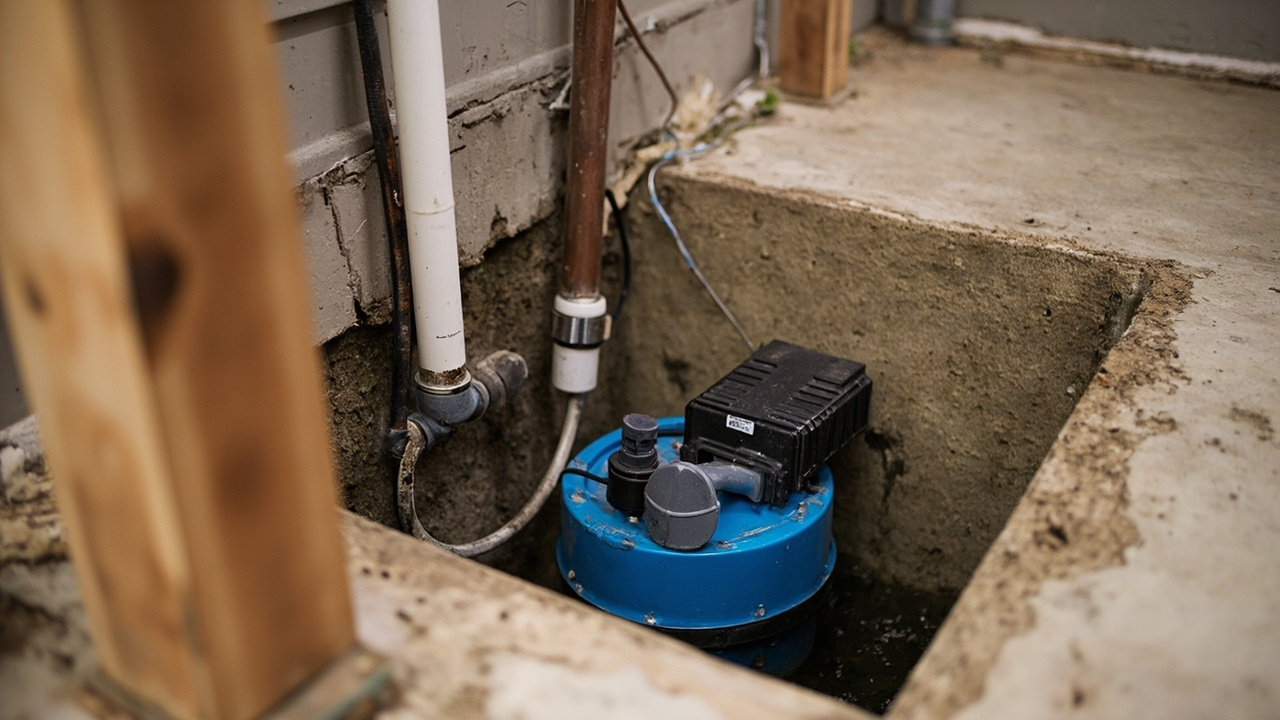
You smell burning near the sump pit. A burning electrical smell means the motor is overheating or the wiring has degraded. This is both a fire risk and a sign of imminent pump failure. Cut power and call immediately.
You see moisture on the basement floor near the pit. Efflorescence on the pit liner walls or moisture at the base of the sump basin suggests hydrostatic pressure is winning. This is not just a pump problem. It points to a larger waterproofing issue that a pump replacement alone will not solve.
The pump runs every few minutes around the clock. A healthy pump in a dry period might run once or twice per hour during wet weather. If yours cycles constantly, the water table or a broken drain tile line is feeding the pit faster than the pump can clear it. This also burns out motors at a rate that makes annual replacement the norm rather than the exception.
Water damage has already started. If you are seeing water on the floor, smelling mildew, or noticing your carpet feels damp, the pump has already been compromised long enough for water to migrate. At this point, the concern shifts from pump repair to water damage restoration and mold prevention. Mold can establish in a damp basement within 24 to 48 hours. You can read more about why surface cleaning is not enough in situations like this in our article on why bleach will not fix basement mold and when you need a professional.
The Real Cost of Waiting
Sump pump replacement is a fraction of the cost of water damage restoration. A flooded basement in Allen Park or anywhere in the Wayne County area means extraction, structural drying, content removal, potential mold remediation, and possible flooring replacement. If your hardwood floors take on water, the window to save them is narrow. Our guide on saving hardwood floors after a significant water leak explains what that timeline looks like and what determines whether floors can be rescued.
If you are dealing with wet carpet in a finished basement, the calculus changes further. Water-saturated carpet padding is almost always a replacement situation, regardless of how quickly you respond. The decisions around carpet salvage versus replacement are worth understanding before you are in that position, and our breakdown on deciding whether wet carpet can be saved or needs to go walks through the key factors.
Home insurance claims for water damage are also more complex than most homeowners expect. Standard policies often exclude ground water intrusion, which is exactly what a failed sump pump allows in. Understanding what your policy covers before you file is critical. Our resource on getting your Detroit home insurance to pay for water restoration covers what documentation you need and where most claims run into problems.
Monthly Maintenance That Actually Prevents Failure
Most sump pump failures are predictable and preventable. The Federal Emergency Management Agency recommends routine sump pump testing as part of household flood preparedness, particularly in flood-prone metro areas like the Detroit region. A basic monthly check takes under five minutes.
- Pour a bucket of water into the pit and confirm the pump activates and clears it within 30 seconds.
- Check that the discharge pipe is clear of debris, ice, or blockage at the exterior outlet.
- Confirm the float arm or float ball moves freely without obstruction from the pit walls or pump casing.
- Listen to the motor during the test cycle. Note any change from its normal sound profile.
- Inspect the check valve for signs of leaking or backflow noise after the pump shuts down.
- Verify that the pump is plugged into a GFCI outlet and that the outlet is functioning correctly.
If your pump is approaching or past the 7-year mark, add a battery backup unit to your priority list. Allen Park experiences enough power outages during severe storms that a primary pump without backup is a significant risk. Power goes out exactly when you need the pump most.
What a Detroit Water Damage Professional Does That You Cannot
When a restoration team responds to a water event caused by sump failure, the work follows IICRC S500 Standards for water damage restoration. That means moisture mapping with thermal imaging, measurement of structural drying progress using calibrated equipment, and documentation that meets insurance carrier requirements.
DIY drying with box fans does not reach the moisture trapped in wall cavities, subfloor assemblies, or concrete block. That trapped moisture is where mold starts. By the time you see visible mold growth, the remediation scope is already larger than it needed to be. If a water event has already occurred and you need to file a claim, our article on filing a successful water damage insurance claim explains exactly what adjusters look for and how to document your loss correctly from day one.
If your Allen Park sump pump is making noise you cannot explain, do not wait for the next storm to find out what it means. The warning signs described above are reliable indicators of how much time you have. Use that time.
{
“@context”: “https://schema.org”,
“@type”: “BlogPosting”,
“headline”: “What Your Allen Park Sump Pump Is Telling You Before It Fails (A Detroit Homeowner’s Guide)”,
“description”: “Hearing strange noises from your Allen Park sump pump? Learn what thumping, grinding, and humming mean before your basement floods. Detroit expert advice.”,
“wordCount”: 2220,
“datePublished”: “2026-06-19T06:22:00.000Z”,
“dateModified”: “2026-06-19T06:22:00.000Z”,
“inLanguage”: “en-US”,
“mainEntityOfPage”: {
“@type”: “WebPage”,
“@id”: “https://ironwoodwaterdamagerestorationdetroit.com”
},
“publisher”: {
“@type”: “LocalBusiness”,
“name”: “Ironwood Water Damage Restoration Detroit”,
“url”: “https://ironwoodwaterdamagerestorationdetroit.com”
},
“author”: {
“@type”: “Organization”,
“name”: “Ironwood Water Damage Restoration Detroit”,
“url”: “https://ironwoodwaterdamagerestorationdetroit.com”
},
“image”: {
“@type”: “ImageObject”,
“url”: “https://ironwoodwaterdamagerestorationdetroit.com/wp-content/uploads/2026/03/understanding-the-strange-noises-coming-from-your-1.jpg”
}
}
{
“@context”: “https://schema.org”,
“@type”: “LocalBusiness”,
“name”: “Ironwood Water Damage Restoration Detroit”,
“url”: “https://ironwoodwaterdamagerestorationdetroit.com”,
“address”: {
“@type”: “PostalAddress”,
“addressLocality”: “Detroit”
},
“areaServed”: {
“@type”: “City”,
“name”: “Detroit”
}
}
{
“@context”: “https://schema.org”,
“@type”: “BreadcrumbList”,
“itemListElement”: [
{
“@type”: “ListItem”,
“position”: 1,
“name”: “Home”,
“item”: “https://ironwoodwaterdamagerestorationdetroit.com”
},
{
“@type”: “ListItem”,
“position”: 2,
“name”: “Blog”,
“item”: “https://ironwoodwaterdamagerestorationdetroit.com/blog”
},
{
“@type”: “ListItem”,
“position”: 3,
“name”: “What Your Allen Park Sump Pump Is Telling You Before It Fails (A Detroit Homeowner’s Guide)”
}
]
}
{
“@context”: “https://schema.org”,
“@type”: “Service”,
“serviceType”: “Water Damage Restoration”,
“provider”: {
“@type”: “LocalBusiness”,
“name”: “Ironwood Water Damage Restoration Detroit”,
“url”: “https://ironwoodwaterdamagerestorationdetroit.com”
},
“areaServed”: {
“@type”: “City”,
“name”: “Detroit”
},
“description”: “Hearing strange noises from your Allen Park sump pump? Learn what thumping, grinding, and humming mean before your basement floods. Detroit expert advice.”
}