
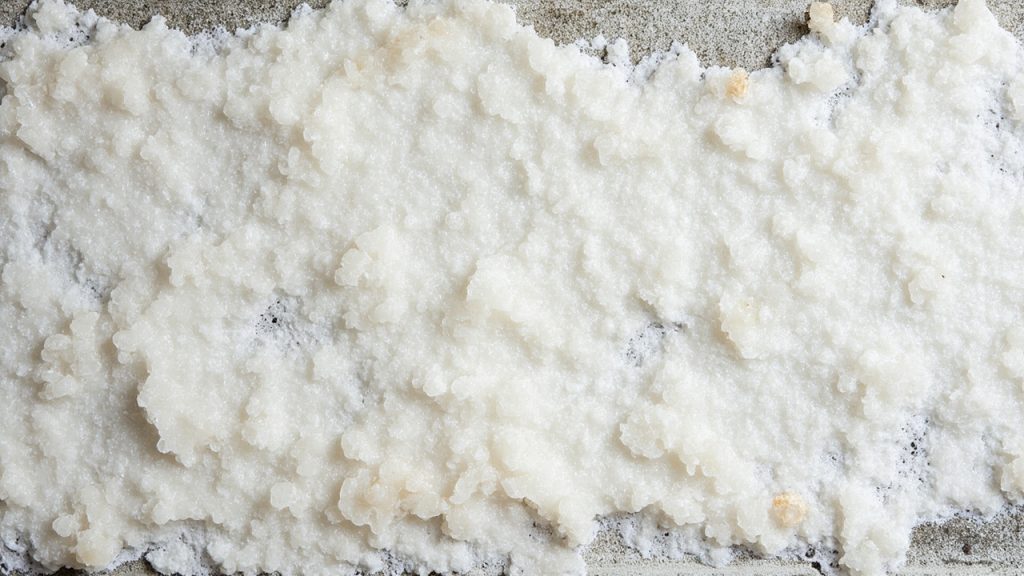
You walk into your basement and spot a white, chalky crust crawling across your cinder block wall. Your first thought is mold. Your second thought is panic. But before you call anyone, take a breath — because there is a very good chance what you are looking at is efflorescence, not mold. And knowing the difference will save you from either ignoring a real health threat or throwing money at a problem that a scrub brush can fix.
This matters especially in Highland Park. The neighborhood sits on some of the most moisture-prone real estate in Wayne County. Aging masonry foundations, clay-heavy Michigan soil, and basements that predate modern vapor barriers all create the perfect conditions for both of these white wall invaders. I have been walking into Detroit-area basements for over 15 years, and I see this misidentification constantly — homeowners convinced they have black mold because it is white, or homeowners brushing off actual mold growth because it looks chalky.
Let me walk you through exactly how to tell which one you are dealing with.
What Efflorescence Actually Is (And Why Detroit Homes Get It So Often)
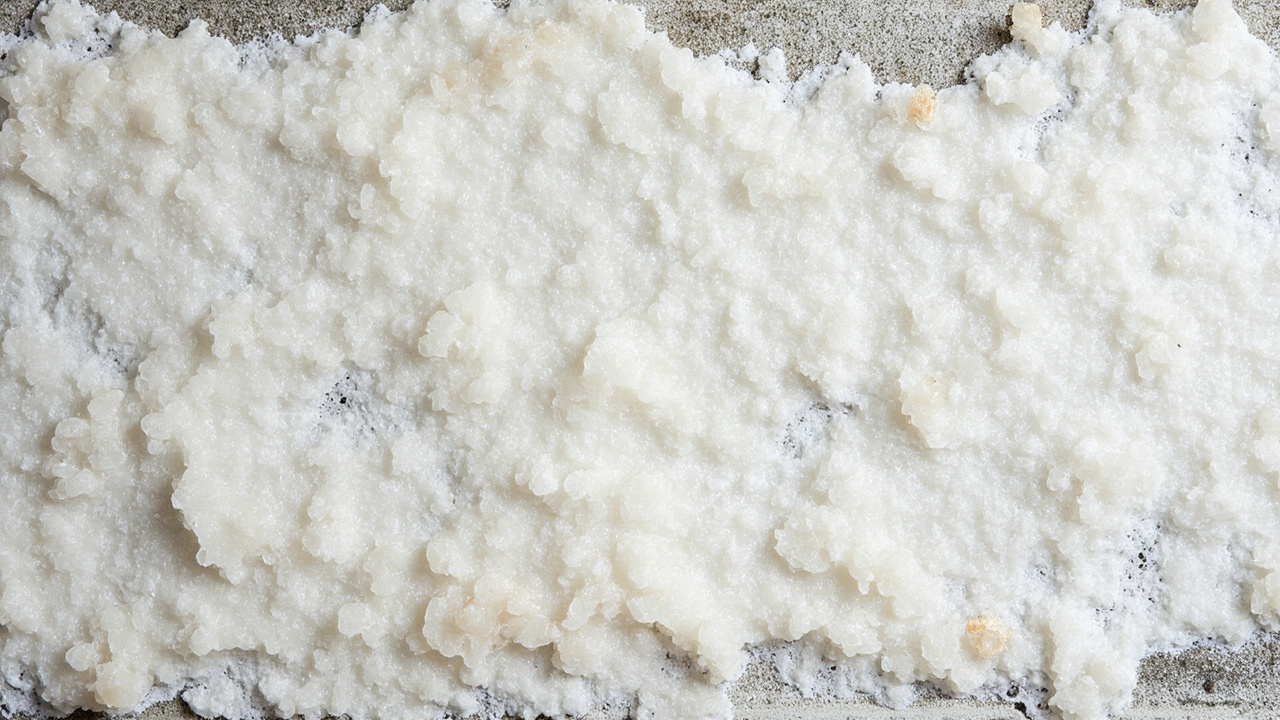
Efflorescence is a mineral salt deposit. It forms when water moves through porous masonry — concrete block, brick, or mortar — and carries dissolved calcium hydroxide and other soluble salts toward the surface. When that water evaporates, the salts remain behind as a white or grayish powder or crust.
In Highland Park and across the greater Detroit metro, this process is accelerated by two local factors. First, Michigan’s clay-heavy soil holds water against your foundation walls much longer than sandy soils would. That means hydrostatic pressure stays elevated for days or even weeks after a heavy rain, forcing moisture through capillary action into your masonry. Second, the Great Lakes climate gives Detroit hard freeze-thaw cycles through late winter and early spring. Each freeze-thaw event cracks microscopic pathways in aging concrete block, opening new routes for water infiltration.
The result is that efflorescence is extremely common in classic Michigan basements — the partial-depth, stone-foundation style you find in pre-war homes throughout Highland Park, Hamtramck, and nearby Woodbridge. These foundations were never designed to keep water out; they were designed to let it breathe. Efflorescence is essentially the evidence that they are doing exactly what they were built to do.
What Mold Actually Is (And Why the Confusion Happens)
Mold is a fungal growth. In basement environments, the most common species are Cladosporium, Penicillium, and Aspergillus — and in cases of prolonged water damage, Stachybotrys chartarum, commonly called black mold, though it can appear greenish-black or even pale gray depending on the surface and light conditions.
Mold needs four things to grow: moisture, a food source, warmth, and time. In a Highland Park basement, it finds all four without much trouble. Drywall paper, wood framing, dust on concrete, and cardboard boxes all serve as organic food sources for fungal colonies. Mycotoxins — the byproducts mold produces — are the real health concern. They can cause respiratory irritation, headaches, and more serious long-term effects for people with compromised immune systems.
The visual confusion between mold and efflorescence happens because both can appear white or off-white, both tend to show up after moisture events, and both often appear on the same wall. In fact, the EPA notes that mold comes in virtually any color, which surprises homeowners who expect it to always be dark or greenish.
Quick Visual Comparison — Efflorescence vs. Mold
| Feature | Efflorescence | Mold |
|---|---|---|
| Color | White, chalky gray, or slightly yellowish | White, green, black, gray, or spotted |
| Texture | Crystalline, gritty, powdery | Fuzzy, filamentous, or slimy |
| Surface type | Concrete, brick, mortar, cinder block | Drywall, wood, fabric, organic dust on concrete |
| Smell | Odorless | Musty, earthy, sometimes ammonia-like |
| Reaction to water | Dissolves or smears | Does not dissolve — stays intact or spreads |
| Location pattern | Follows moisture pathways — cracks, joints, seams | Spreads outward from a moisture source in colonies |
| Health risk | Minimal — irritant if inhaled in large quantities | Potentially serious — mycotoxins, spores |

Three Simple DIY Tests to Know for Sure
Before you touch anything, put on gloves. If it is mold, you do not want skin contact. If it is efflorescence, the salts can be irritating. Either way, gloves first.
The Water Drop Test
This is the most reliable field test. Take a spray bottle or a damp cloth and apply a small amount of water directly to the white substance.
- If it dissolves, smears, or disappears into the wall — you have efflorescence. The salts are water-soluble, so they break down on contact.
- If it stays completely intact, does not dissolve, or appears to spread slightly when wet — you likely have mold. Fungal structures are not water-soluble.
This single test eliminates the guesswork in the majority of cases. I have used this method on job sites from the Fenkell corridor all the way to East English Village, and it works consistently.
The Smell Test
Stand close to the affected area and breathe in carefully. Efflorescence is completely odorless. If you notice any musty, earthy, or stale smell — that damp-basement-times-ten odor — mold is almost certainly present, even if the growth itself looks white or pale.
Mold produces volatile organic compounds as part of its biological process. That musty smell is your nose detecting those compounds before your eyes can confirm the growth. Trust your nose.
The Scrape Test
Using a gloved finger or a small tool, gently scrape at the white material. Efflorescence will crumble into a dry, gritty powder — like fine sand or chalk. Mold will often have a fibrous, fuzzy quality when disturbed. In some cases, mold will smear rather than powder. If you scrape it off and can see the wall surface underneath is stained or discolored, that is another indicator of fungal penetration into the substrate.
The Specific Risk Factors for Highland Park Foundations
Highland Park’s housing stock is old. Most of the residential blocks were developed between the early 1900s and the mid-1950s. That means the basements are often built with unreinforced concrete block or limestone rubble — both highly porous masonry types that absorb water freely.
The water table in the Detroit area sits relatively high, especially in low-lying sections near the Rouge River drainage basin. After significant rainfall, hydrostatic pressure builds against these old walls and pushes water inward through every available crack and pore. The capillary action in porous masonry means moisture can wick upward or laterally even when there is no visible crack.
Wayne County also sees some of the densest urban tree canopy in Southeast Michigan, which affects drainage patterns. Tree roots disrupt the grading and drainage tiles that once kept water away from these old foundations. I regularly see homes on Woodward Heights and surrounding blocks where decades of root growth have completely redirected subsurface water flow directly against a foundation wall.
If you find white deposits on your basement walls, the presence of moisture is confirmed regardless of whether it is efflorescence or mold. The question is what the moisture is feeding.
Can Efflorescence Turn Into a Mold Problem?
Yes, and this is the most important thing homeowners miss. Efflorescence itself is not dangerous, but it is a symptom of persistent moisture intrusion. That same moisture — the water carrying salts through your foundation — is simultaneously creating the wet environment that mold needs to grow.
I have seen plenty of Highland Park basements where efflorescence covered the lower half of a cinder block wall and mold was growing on the wood framing or drywall just a few feet away. The efflorescence told me water was coming through the wall. The mold told me organic materials had been wet long enough for fungal colonization to begin.
Do not clean off the white powder and walk away satisfied. The moisture problem that created it is still active. If you have drywall finishing your basement walls, or wood framing sitting against those wet blocks, you need to investigate further.
If you are dealing with visible mold — or you suspect mold is hiding behind finished walls — read through why bleach won’t fix your Ferndale basement mold and when to call a pro before attempting any DIY cleanup. Improper mold treatment in a confined space like a basement can spread spores to the rest of your home.

What to Do When You Have Confirmed Efflorescence
If your tests point to efflorescence, the immediate threat is low. You can clean it off the wall surface using a stiff brush and a mild acid wash — white vinegar works for light deposits, and masonry-specific efflorescence removers are available at most Detroit-area hardware stores for heavier buildup. Always wear eye protection and gloves.
But cleaning it off is cosmetic. The underlying problem is water infiltration, and that needs a real fix. Depending on the severity, solutions range from improving exterior grading and extending downspouts, to applying a waterproof masonry sealer on the interior wall, to installing a full interior drainage system with a sump pump.
The IICRC (Institute of Inspection Cleaning and Restoration Certification) sets the standards for water damage assessment and remediation professionals. If you are considering interior waterproofing, work with an IICRC-certified contractor who can properly assess whether the moisture is coming through the wall (lateral infiltration) or rising up from below (a hydrostatic or drainage issue).
For homeowners dealing with insurance considerations around water intrusion, the Detroit home insurance water restoration guide breaks down what policies typically cover and how to document your claim effectively.
What to Do When You Have Confirmed Mold
The next steps depend on the size of the affected area. The EPA uses 10 square feet as a general guideline for when DIY cleanup is reasonable versus when professional remediation is warranted. A small patch of surface mold on a painted concrete wall is different from a colony that has spread into framing or insulation.
For anything beyond a small, isolated surface patch, professional mold remediation is the right call. A certified remediator will establish containment to prevent cross-contamination, use negative air pressure equipment to capture airborne spores, remove and properly dispose of affected materials, and treat the area to inhibit regrowth.
After mold remediation, you still need to address the moisture source — or the mold will return. If the remediation revealed water damage to structural materials or flooring, the repairs go deeper. For context on what water damage does to different building materials over time, the guide to saving hardwood floors after water damage gives a clear picture of how quickly materials degrade when moisture exposure continues unchecked.
Side-by-Side — What Each Problem Requires
| Problem | Immediate Fix | Long-Term Fix | Professional Needed? |
|---|---|---|---|
| Light efflorescence (small area) | Scrub with stiff brush and vinegar or masonry cleaner | Improve drainage, seal wall | Optional — DIY manageable |
| Heavy efflorescence (widespread) | Masonry cleaner, thorough scrub | Interior drain tile system, sump pump | Recommended for waterproofing |
| Surface mold under 10 sq ft | HEPA vacuum, approved mold cleaner (not bleach on porous surfaces) | Fix moisture source, improve ventilation | Possible DIY with proper PPE |
| Mold over 10 sq ft or inside walls | Do not disturb — call a certified remediator | Full remediation, moisture barrier, waterproofing | Yes — IICRC-certified pro required |
| Mold plus ongoing water intrusion | Stop water source first, then remediate | Full waterproofing system, remediation, rebuild | Yes — multiple trades involved |
Frequently Asked Questions From Highland Park Homeowners
Is efflorescence dangerous to breathe?
In large quantities, the fine dust from efflorescence can irritate your respiratory system, particularly if you have asthma or allergies. For most people, brief exposure during cleaning is not a significant health concern. Wear a dust mask when scrubbing it off. It is not toxic in the way mold mycotoxins are.
My white wall deposit came back two weeks after I cleaned it. What does that mean?
It means the water source driving the efflorescence is still active. Repeated reappearance after cleaning almost always points to a grading problem, a failed or missing vapor barrier, or ongoing hydrostatic pressure from clay soil holding water against your foundation. Cleaning the surface without fixing the water path will result in the same deposits returning indefinitely.
Can I have both efflorescence and mold on the same wall?
Absolutely. This is more common than most people expect. The porous concrete block shows efflorescence from water passing through it, while mold grows on adjacent wood framing or drywall that has stayed wet. Always check the full wall assembly, not just the visible masonry surface.
Does homeowner’s insurance cover mold from a leaky basement?
It depends heavily on the cause and your specific policy language. Sudden water events — a burst pipe, for example — are more likely to be covered than slow seepage or gradual infiltration. The water damage insurance claim guide covers what documentation you need and how cause of loss affects your payout.
Get a Professional Assessment Before You Commit to a Fix
If you ran the tests above and still are not certain, or if the affected area is large, call in an IICRC-certified restoration professional for an inspection. A good assessment will confirm the substance, identify all active moisture pathways in your basement, and give you a clear picture of what needs to happen next — whether that is a basic masonry seal or a full remediation and waterproofing project.
Highland Park homes have a lot of character and a lot of age. The basements in this neighborhood were built before modern waterproofing standards existed. That does not mean they are beyond help. It just means the fix needs to match the actual problem — and that starts with knowing exactly what you are looking at on that wall.
{
“@context”: “https://schema.org”,
“@type”: “BlogPosting”,
“headline”: “White Powder on Your Highland Park Basement Walls — Efflorescence or Mold?”,
“description”: “Is that white stuff on your basement walls efflorescence or mold? Learn how to tell the difference fast with simple DIY tests — from a Detroit restoration pro.”,
“wordCount”: 2277,
“datePublished”: “2026-05-18T13:35:00.000Z”,
“dateModified”: “2026-05-18T13:35:00.000Z”,
“inLanguage”: “en-US”,
“mainEntityOfPage”: {
“@type”: “WebPage”,
“@id”: “https://ironwoodwaterdamagerestorationdetroit.com”
},
“publisher”: {
“@type”: “LocalBusiness”,
“name”: “Ironwood Water Damage Restoration Detroit”,
“url”: “https://ironwoodwaterdamagerestorationdetroit.com”
},
“author”: {
“@type”: “Organization”,
“name”: “Ironwood Water Damage Restoration Detroit”,
“url”: “https://ironwoodwaterdamagerestorationdetroit.com”
},
“image”: {
“@type”: “ImageObject”,
“url”: “https://ironwoodwaterdamagerestorationdetroit.com/wp-content/uploads/2026/03/how-to-tell-if-the-white-powder-on-your-highland-p-1.jpg”
}
}
{
“@context”: “https://schema.org”,
“@type”: “LocalBusiness”,
“name”: “Ironwood Water Damage Restoration Detroit”,
“url”: “https://ironwoodwaterdamagerestorationdetroit.com”,
“address”: {
“@type”: “PostalAddress”,
“addressLocality”: “Detroit”
},
“areaServed”: {
“@type”: “City”,
“name”: “Detroit”
}
}
{
“@context”: “https://schema.org”,
“@type”: “FAQPage”,
“mainEntity”: [
{
“@type”: “Question”,
“name”: “Can Efflorescence Turn Into a Mold Problem?”,
“acceptedAnswer”: {
“@type”: “Answer”,
“text”: “Yes, and this is the most important thing homeowners miss. Efflorescence itself is not dangerous, but it is a symptom of persistent moisture intrusion. That same moisture — the water carrying salts through your foundation — is simultaneously creating the wet environment that mold needs to grow.”
}
},
{
“@type”: “Question”,
“name”: “Is efflorescence dangerous to breathe?”,
“acceptedAnswer”: {
“@type”: “Answer”,
“text”: “In large quantities, the fine dust from efflorescence can irritate your respiratory system, particularly if you have asthma or allergies. For most people, brief exposure during cleaning is not a significant health concern. Wear a dust mask when scrubbing it off. It is not toxic in the way mold mycotoxins are.”
}
},
{
“@type”: “Question”,
“name”: “My white wall deposit came back two weeks after I cleaned it. What does that mean?”,
“acceptedAnswer”: {
“@type”: “Answer”,
“text”: “It means the water source driving the efflorescence is still active. Repeated reappearance after cleaning almost always points to a grading problem, a failed or missing vapor barrier, or ongoing hydrostatic pressure from clay soil holding water against your foundation. Cleaning the surface without fixing the water path will result in the same deposits returning indefinitely.”
}
},
{
“@type”: “Question”,
“name”: “Can I have both efflorescence and mold on the same wall?”,
“acceptedAnswer”: {
“@type”: “Answer”,
“text”: “Absolutely. This is more common than most people expect. The porous concrete block shows efflorescence from water passing through it, while mold grows on adjacent wood framing or drywall that has stayed wet. Always check the full wall assembly, not just the visible masonry surface.”
}
},
{
“@type”: “Question”,
“name”: “Does homeowner’s insurance cover mold from a leaky basement?”,
“acceptedAnswer”: {
“@type”: “Answer”,
“text”: “It depends heavily on the cause and your specific policy language. Sudden water events — a burst pipe, for example — are more likely to be covered than slow seepage or gradual infiltration. The water damage insurance claim guide covers what documentation you need and how cause of loss affects your payout.”
}
}
]
}
{
“@context”: “https://schema.org”,
“@type”: “BreadcrumbList”,
“itemListElement”: [
{
“@type”: “ListItem”,
“position”: 1,
“name”: “Home”,
“item”: “https://ironwoodwaterdamagerestorationdetroit.com”
},
{
“@type”: “ListItem”,
“position”: 2,
“name”: “Blog”,
“item”: “https://ironwoodwaterdamagerestorationdetroit.com/blog”
},
{
“@type”: “ListItem”,
“position”: 3,
“name”: “White Powder on Your Highland Park Basement Walls — Efflorescence or Mold?”
}
]
}
{
“@context”: “https://schema.org”,
“@type”: “Service”,
“serviceType”: “Water Damage Restoration”,
“provider”: {
“@type”: “LocalBusiness”,
“name”: “Ironwood Water Damage Restoration Detroit”,
“url”: “https://ironwoodwaterdamagerestorationdetroit.com”
},
“areaServed”: {
“@type”: “City”,
“name”: “Detroit”
},
“description”: “Is that white stuff on your basement walls efflorescence or mold? Learn how to tell the difference fast with simple DIY tests — from a Detroit restoration pro.”
}