
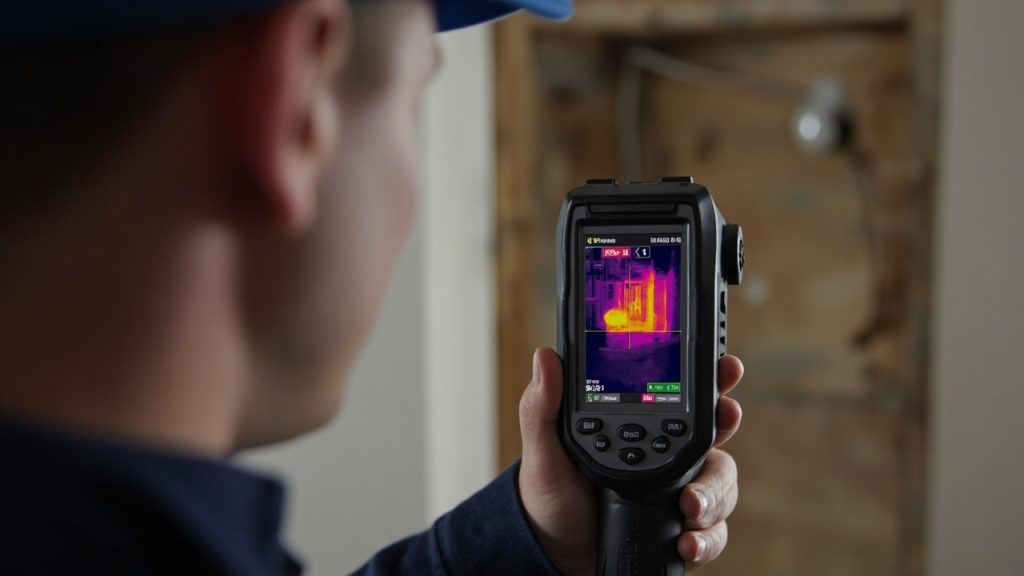
A sudden spike in cockroaches inside your Midtown apartment is not a housekeeping problem. It is almost always a moisture problem. If you have been spraying, trapping, and cleaning for weeks with no results, a hidden leak somewhere in your unit or the shared plumbing of your building is feeding the infestation. Until you fix the water source, the bugs will keep coming back.. Read more about Why Water Pools on the Flat Roof of Your Downtown Detroit Commercial Building.
This guide explains the biological connection between moisture and pest activity, which specific insects signal which types of leaks, and what a certified restoration professional looks for in older Detroit buildings like the ones common throughout Midtown, Corktown, and New Center.
The Biological Connection Between Moisture and Pest Infestation
Cockroaches need three things to survive: food, warmth, and water. In a Detroit winter, the outside environment eliminates the warmth and water options, which pushes them deeper into structures where pipe condensation, slow drips, and sub-floor moisture create year-round humid microclimates.
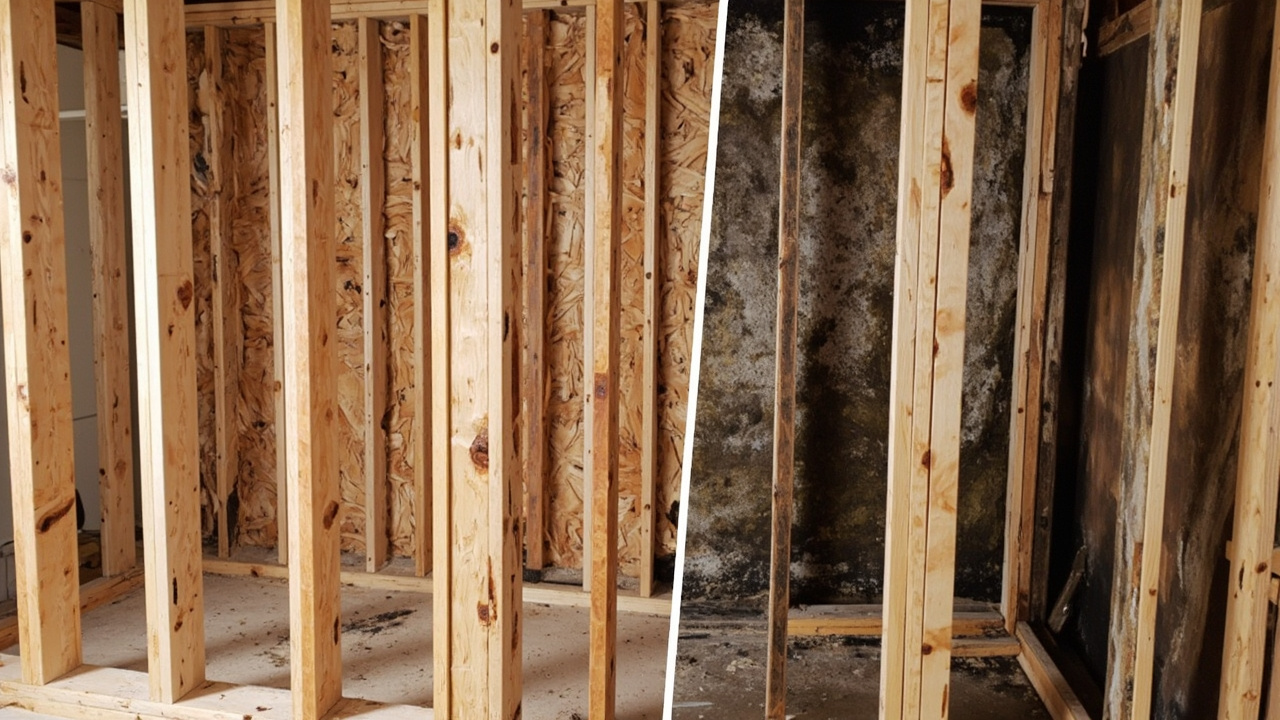
From a psychrometry standpoint, any area with relative humidity above 60 percent becomes a viable breeding zone for moisture-loving insects. A pinhole leak inside a wall cavity can raise the localized humidity in that void to 90 percent or higher within 48 hours. That is not just enough to attract cockroaches. It is enough to begin active mold colonization at the same time.
The insects are essentially a biological sensor. When you see them in numbers, something in your environment is wet. The question is where.
Detroit Pest Profiles and the Leaks They Signal
Different insects prefer different moisture conditions. Matching the pest to the water source saves significant time during a professional leak detection inspection.
Cockroaches and Pipe Condensation
German cockroaches, the flat tan variety most common in Detroit apartment buildings, gravitate toward pipe condensation around supply lines under sinks, behind dishwashers, and inside bathroom vanity cabinets. They do not need standing water. High humidity from a slow-dripping compression fitting or a deteriorated supply line gasket is enough.
In Midtown buildings constructed before the 1970s, galvanized steel supply lines are still present in some units. These corrode from the inside out. You will not see the leak externally until it has been saturating the cabinet floor and sub-floor framing for months.
Silverfish and Insulation or Wallboard Saturation
Silverfish feed on organic materials including paper, drywall facing, and wallpaper adhesive. When drywall stays wet from a slow roof leak or a plumbing leak inside the wall, the paper facing on the drywall becomes both a food source and a moisture source. A silverfish sighting near baseboards or behind wall outlets in an upper-floor unit almost always means a roof membrane failure or a slow supply line leak above that space.
Carpenter Ants and Damp Structural Wood
Carpenter ants do not eat wood. They excavate it to build galleries, and they exclusively choose wood that is already softened by moisture. Seeing carpenter ants in a ground-floor Detroit apartment, particularly in a building with a crawl space or unfinished basement, points directly to damp structural lumber from either basement hydrostatic pressure or a foundation crack allowing groundwater infiltration.
Wayne County’s clay-heavy soil composition is a contributing factor here. Clay soil holds water against foundation walls long after a rain event, increasing hydrostatic pressure and forcing moisture through concrete block or poured walls. Buildings in Midtown and throughout the greater Detroit metro see this constantly, especially after the spring thaw.
Subterranean Termites and Foundation Moisture
Michigan does have subterranean termites, and they are active in Wayne County. They enter structures at or below the soil line and follow moisture trails upward. A foundation leak, a failing sump system, or a burst exterior hose bib that has been saturating the soil against the foundation can create the exact pathway termites use to reach structural framing. If you see mud tubes along your basement wall or foundation sill, you are looking at both a termite problem and a significant water intrusion problem that likely predates the infestation by a season or more.
Centipedes and Earwigs as General Moisture Indicators
House centipedes and earwigs are generalist moisture indicators. They do not signal one specific leak type, but their presence in interior spaces confirms that your home’s overall moisture balance is off. In a properly dried and sealed Detroit apartment, these insects have no reason to be indoors. When you start seeing them regularly in your bathroom, laundry area, or near exterior walls, something nearby is wet.
Hidden Danger Zones Inside Detroit’s Older Buildings
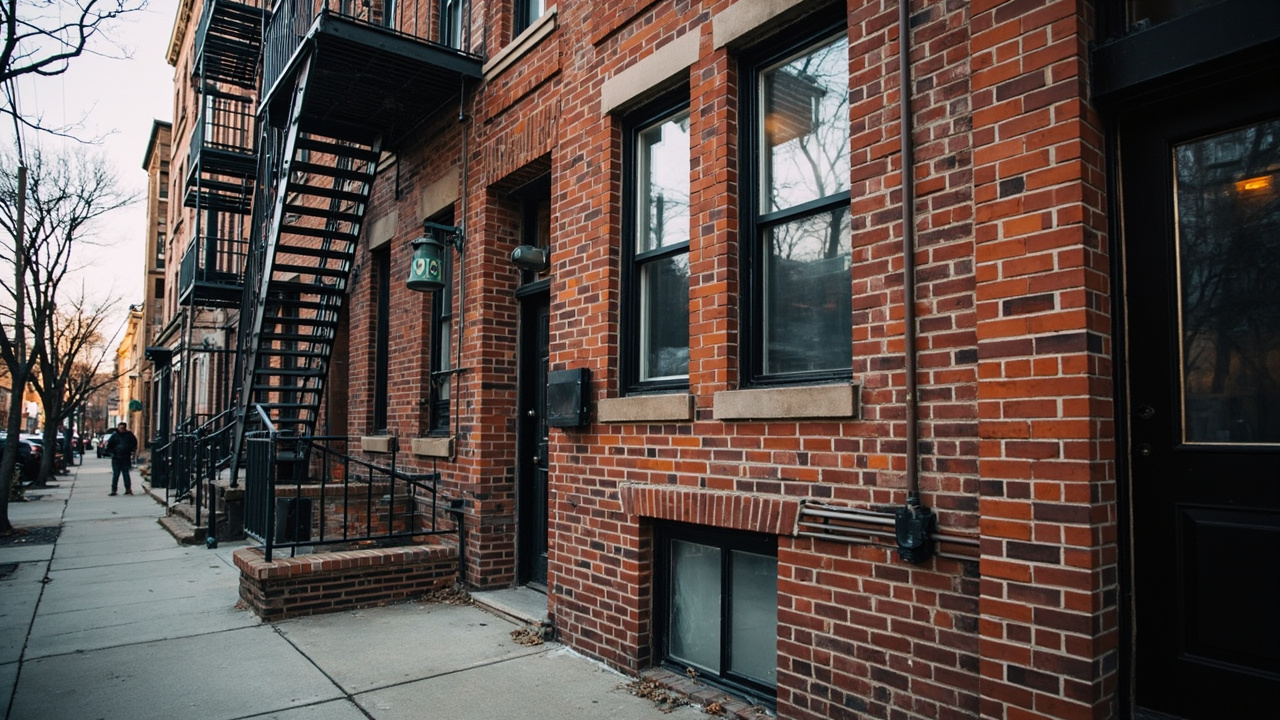
Detroit’s housing stock is one of the oldest in the Midwest. Midtown, in particular, is filled with multi-unit residential buildings and converted single-family homes where original plumbing infrastructure is still in service. Understanding where leaks hide in this architecture is half the diagnostic battle.
Cast Iron Drain Line Failures
Most pre-1970 Detroit buildings used cast iron drain lines. These are durable but not immortal. After decades of use, the joints between sections begin to fail. Cast iron also corrodes from the inside, eventually developing hairline fractures that allow grey water and black water to seep into the surrounding framing and concrete. The slow seep is invisible to the eye but creates a chronic moisture condition inside floor and wall assemblies that insects exploit immediately.
Crawl Spaces and Below-Grade Apartments
Garden-level and basement apartments in Detroit are particularly vulnerable. The EPA’s guidelines on mold and moisture note that below-grade spaces with limited air circulation and direct soil contact are consistently the highest-risk zones for moisture accumulation in residential buildings. In a Detroit crawl space, relative humidity regularly exceeds 70 percent during the summer months when Great Lakes humidity is at its peak. Without a proper vapor barrier and active ventilation, that moisture migrates into floor framing and attracts every moisture-seeking insect in the building.
Shared Plumbing Walls in Multi-Unit Buildings
In apartment buildings, the plumbing supply and drain lines for multiple units often share a single wall chase. A leak originating in the unit above yours will travel down the inside of that wall and pool at the floor level of your unit. You will see the bugs before you see any water staining, because the moisture is hidden inside the wall cavity. Thermal imaging is the most reliable non-invasive tool for locating the exact saturation point in these shared wall scenarios.
Comparing the Costs of Early Detection Versus Late-Stage Damage Repair
The single most important reason to treat a pest infestation as a water damage warning is the cost difference between finding a leak early versus repairing structural damage that develops over months of unchecked moisture exposure.
| Damage Stage | Typical Scope | Relative Cost | Timeline to Reach This Stage |
|---|---|---|---|
| Early Leak Detection | Acoustic or thermal imaging inspection, minor drying | Low | Identified within days of pest sighting |
| Drywall and Insulation Replacement | Demo of wet wall cavity, mold treatment, rebuild | Moderate | 4 to 8 weeks of undetected leaking |
| Sub-floor and Joist Damage | Structural wood replacement, subfloor demo, refinishing | High | 3 to 6 months of chronic moisture exposure |
| Foundation or Sill Plate Repair | Structural framing replacement, foundation waterproofing | Very High | One or more full seasons of water intrusion |
The jump from the first stage to the last is not gradual. Mold begins colonizing wet organic material within 24 to 48 hours of moisture contact at the right temperature. By the time structural wood is visibly soft or discolored, you are already looking at significant remediation scope. If you want to understand how to position yourself for a successful insurance claim before that scope expands, the process for getting your Detroit home insurance to actually pay for water restoration starts with documented professional inspection findings.
Beyond the Bugs Secondary Signs of Water Damage in Your Unit
Cockroaches are the most visible signal, but they rarely appear alone. In an active hidden leak scenario, you will almost always find at least two or three of the following secondary indicators present at the same time.
- Musty odors in cabinet interiors, closets, or near baseboard trim. This smell is microbial off-gassing from active mold growth, not dirt or old building smell.
- Peeling paint or bubbling wallpaper on walls adjacent to plumbing runs. The paper face of drywall absorbs moisture and causes the surface finish to separate.
- Soft or spongy flooring near the kitchen sink, bathroom base, or along an exterior wall. Sub-floor moisture causes OSB and plywood sheathing to delaminate and lose structural integrity.
- Unexplained water bill increases when your usage habits have not changed. A slow supply line leak that loses even a small volume of water per day adds up significantly over a billing cycle.
- Staining on ceilings or upper wall sections that appears, fades, and reappears with weather or neighbor activity above you.
- Condensation on interior walls in rooms that are not bathrooms or kitchens. This often indicates a cold water supply line running inside an exterior wall that is not properly insulated, a common issue in older Detroit construction.
If you are dealing with visible mold on top of the pest activity, it is worth understanding why surface treatments are not a solution. The guide on why bleach will not fix basement mold explains the same principle that applies to any interior mold situation. The surface is a symptom. The water source is the problem.
Why Pest Control Alone Cannot Solve a Moisture-Driven Infestation
A licensed pest control technician can eliminate the current population. They cannot eliminate the conditions that produced it. Pesticide treatments inside a wall cavity that still has active moisture will have a short effectiveness window. New populations will establish because the environment remains ideal for them.
This is not a criticism of pest control professionals. It is simply a scope issue. Their job is the insects. A water damage restoration professional certified under IICRC standards (S500 for water damage) focuses on the structural moisture, the drying science, and the source identification. Both disciplines are necessary, but the restoration work must precede or accompany the pest treatment for the results to hold.
What a Professional Leak Detection Inspection Actually Involves
A thorough inspection in a Midtown apartment building will use a combination of tools and methods.
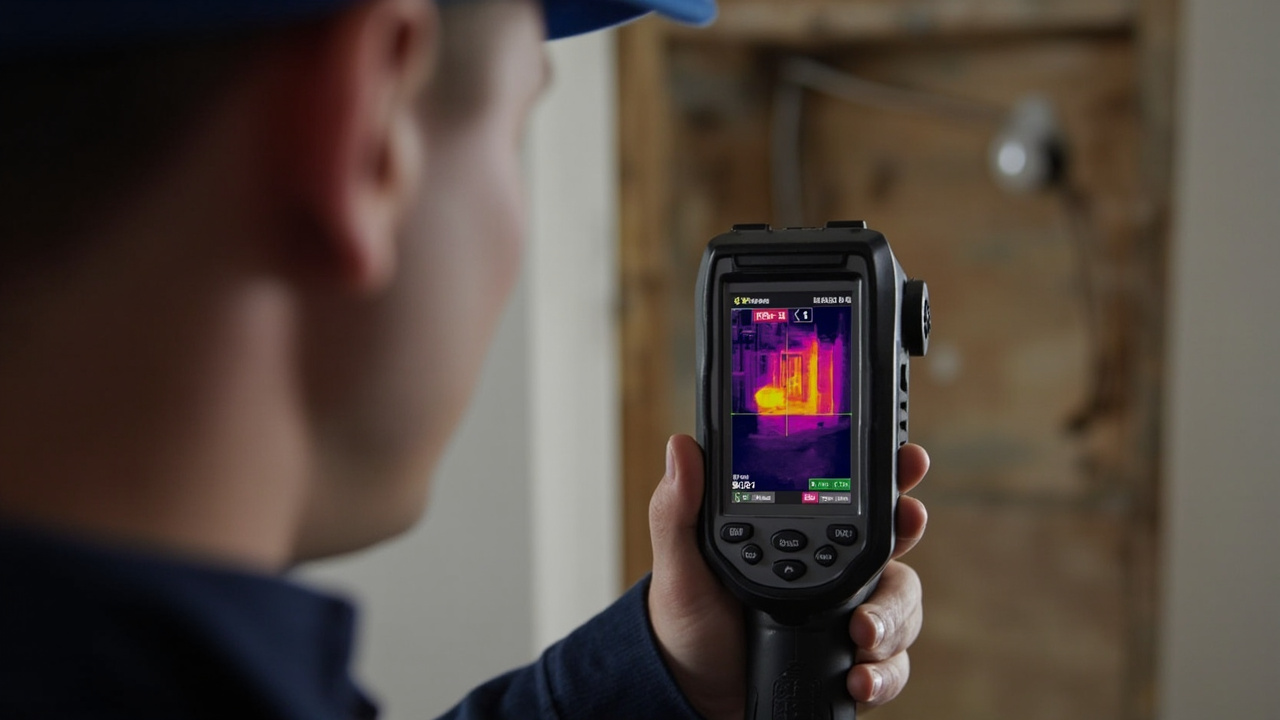
Thermal imaging cameras detect temperature differentials between dry and wet building materials without opening walls. Wet insulation and wet wood retain heat differently than dry materials, and the camera maps those differences clearly. This is particularly effective in shared plumbing wall scenarios common in multi-unit buildings.
Acoustic leak detection equipment listens for the frequency signature of water moving under pressure through a compromised pipe. This is useful for supply line leaks buried in concrete slabs or inside wall assemblies where visual access is not available without demo work.
Moisture meters give quantitative readings of material moisture content at specific points throughout the affected area. A reading above 16 percent in structural wood indicates active moisture presence. Above 20 percent, mold growth risk becomes critical.
Detroit-Specific Case Example A Midtown Condo Slab Leak
A ground-floor condo unit in a converted Midtown building reported a significant cockroach increase near the kitchen and a second bathroom that was rarely used. The tenant had treated the unit twice with store-bought pesticides with no lasting effect. A musty smell had developed in the hallway closet adjacent to the second bath.
Thermal imaging of the floor showed a consistent warm zone running from the second bath toward the building’s central mechanical chase. Moisture meter readings on the base of the drywall along that run showed readings between 22 and 28 percent, well above the threshold for active mold risk. Acoustic detection confirmed a slow leak in the hot water supply line below the slab, a common failure point in concrete-encased copper lines in buildings of that era.
The leak had been running long enough to saturate the slab edge, wick up through the framing, and create a chronic moisture zone behind the drywall. The cockroach infestation was a direct result of that moisture. Once the line was repaired and the affected wall cavity was properly dried to IICRC S500 standards, the pest activity stopped without any additional chemical treatment.
If your situation involves secondary damage to flooring, the process for addressing water-damaged hardwood and sub-floor materials is covered in detail in the guide on saving hardwood floors after a significant water leak. The same sub-floor drying principles apply whether you are in Birmingham or a Midtown condo.
Pest Sighting to Professional Response Timeline
| Day | What Is Happening in the Structure | Recommended Action |
|---|---|---|
| Day 1 to 2 | Moisture source active, humidity rising in wall or sub-floor cavity | Document pest activity location, check for secondary signs |
| Day 3 to 7 | Mold spore germination begins in wet cavities, insect population expanding | Request professional moisture inspection and thermal imaging |
| Week 2 to 4 | Active mold colony forming, drywall paper facing degrading | Leak repair plus professional structural drying under IICRC S500 protocol |
| Month 2 and beyond | Structural wood softening, potential black water contamination if drain line involved | Full remediation, possible drywall and framing replacement, insurance claim documentation |
For apartment renters, understanding your rights and documenting the timeline properly also matters for insurance and landlord liability purposes. The detail on filing a successful water damage insurance claim in Detroit applies directly to situations where a hidden leak caused secondary damage to your personal property or required you to vacate.
What to Do Right Now If You Are Seeing These Signs
Do not wait for the pest population to grow before acting on the water angle. The two problems are linked, and addressing only one will leave the other unresolved. Take these steps today.
- Check under every sink and around every toilet base for visible moisture, soft flooring, or cabinet floor staining.
- Look behind your dishwasher and washing machine for condensation or drip staining on the floor.
- Feel along the baseboards in rooms where you have seen pest activity. Soft or discolored baseboard trim is a strong indicator of sub-floor moisture below.
- Check your water meter reading, then do not use any water for two hours, and check it again. Any movement in the meter during that window confirms an active supply line leak somewhere in your unit.
- Contact a water damage restoration professional for a moisture inspection before scheduling any additional pest control treatments. The inspection results will direct the pest control scope more accurately and prevent repeat infestations.
Detroit’s Great Lakes climate means higher ambient humidity from late spring through early fall. Buildings in Midtown and throughout the greater Metro Detroit area deal with moisture pressure from both the outside climate and aging internal plumbing systems at the same time. A pest sighting in this environment is one of the clearest signals your building gives you that something inside the structure needs attention.
If you are also concerned about carpet or secondary flooring materials that may have been affected by a slow leak, the assessment criteria for whether wet carpet can be saved or needs replacement will help you understand what a restoration professional evaluates during the inspection process.
The bugs are telling you something. The smartest move is to listen to them before the water damage advances to the point where the repair scope becomes a much larger conversation.
{
“@context”: “https://schema.org”,
“@type”: “BlogPosting”,
“headline”: “Why a Sudden Increase in Cockroaches in Your Midtown Apartment Usually Points to a Hidden Leak”,
“description”: “Seeing more cockroaches in your Midtown Detroit apartment? A hidden water leak is likely the real cause. Here’s how to find it before mold takes over.”,
“wordCount”: 2516,
“datePublished”: “2026-08-16T07:11:00.000Z”,
“dateModified”: “2026-08-16T07:11:00.000Z”,
“inLanguage”: “en-US”,
“mainEntityOfPage”: {
“@type”: “WebPage”,
“@id”: “https://ironwoodwaterdamagerestorationdetroit.com”
},
“publisher”: {
“@type”: “LocalBusiness”,
“name”: “Ironwood Water Damage Restoration Detroit”,
“url”: “https://ironwoodwaterdamagerestorationdetroit.com”
},
“author”: {
“@type”: “Organization”,
“name”: “Ironwood Water Damage Restoration Detroit”,
“url”: “https://ironwoodwaterdamagerestorationdetroit.com”
},
“image”: {
“@type”: “ImageObject”,
“url”: “https://ironwoodwaterdamagerestorationdetroit.com/wp-content/uploads/2026/03/why-a-sudden-increase-in-cockroaches-in-your-midto-1.jpg”
}
}
{
“@context”: “https://schema.org”,
“@type”: “LocalBusiness”,
“name”: “Ironwood Water Damage Restoration Detroit”,
“url”: “https://ironwoodwaterdamagerestorationdetroit.com”,
“address”: {
“@type”: “PostalAddress”,
“addressLocality”: “Detroit”
},
“areaServed”: {
“@type”: “City”,
“name”: “Detroit”
}
}
{
“@context”: “https://schema.org”,
“@type”: “BreadcrumbList”,
“itemListElement”: [
{
“@type”: “ListItem”,
“position”: 1,
“name”: “Home”,
“item”: “https://ironwoodwaterdamagerestorationdetroit.com”
},
{
“@type”: “ListItem”,
“position”: 2,
“name”: “Blog”,
“item”: “https://ironwoodwaterdamagerestorationdetroit.com/blog”
},
{
“@type”: “ListItem”,
“position”: 3,
“name”: “Why a Sudden Increase in Cockroaches in Your Midtown Apartment Usually Points to a Hidden Leak”
}
]
}
{
“@context”: “https://schema.org”,
“@type”: “Service”,
“serviceType”: “Water Damage Restoration”,
“provider”: {
“@type”: “LocalBusiness”,
“name”: “Ironwood Water Damage Restoration Detroit”,
“url”: “https://ironwoodwaterdamagerestorationdetroit.com”
},
“areaServed”: {
“@type”: “City”,
“name”: “Detroit”
},
“description”: “Seeing more cockroaches in your Midtown Detroit apartment? A hidden water leak is likely the real cause. Here’s how to find it before mold takes over.”
}