
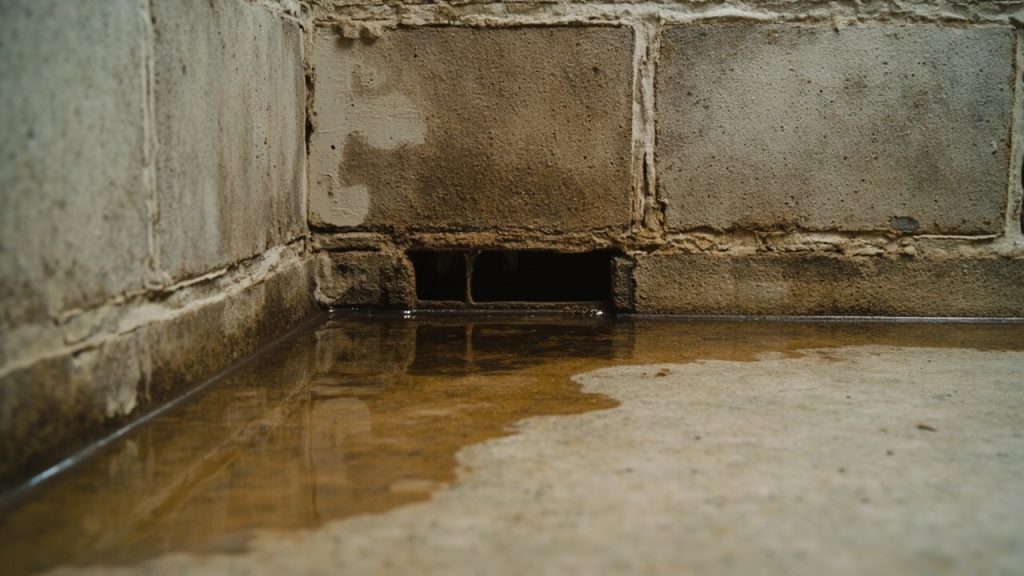
That rotten, sewage-like smell hitting you when you walk downstairs after a heavy rainstorm is not your imagination. If you live in an older Detroit neighborhood, it is likely coming from your city’s infrastructure, not a failed pipe inside your house. Understanding why this happens is the first step toward protecting your home and your family.
How Detroit’s Combined Sewer System Works Against You During Heavy Rain
Detroit operates one of the largest combined sewer systems in the United States. Unlike modern separated systems that route stormwater and sanitary sewage through different pipes, Detroit’s combined sewer system (CSS) moves both through the same underground network. Under normal conditions, everything flows to the water resource recovery facility for treatment.
The problem starts when it rains hard. Stormwater pours off rooftops, driveways, and streets throughout the metro area. Within minutes, that volume of water overwhelms the pipe capacity. The Great Lakes Water Authority (GLWA), which manages regional wastewater infrastructure, acknowledges that combined sewer overflow (CSO) events are a structural reality in older Great Lakes cities like Detroit.
When the system backs up, that pressurized mix of raw sewage and stormwater has to go somewhere. It follows the path of least resistance. For thousands of Detroit homeowners, that path runs directly through the floor drain in your basement.
Which Detroit Neighborhoods Face the Highest CSO Risk
The risk is not equal across the city. Neighborhoods built before the mid-1900s are almost exclusively served by combined sewer infrastructure. Jefferson Chalmers, East English Village, Morningside, and areas along the riverfront in southwest Detroit see repeated CSO-related basement backups. Even adjacent communities near the Grosse Pointe border deal with the overflow effects during significant storm events because the pipe network does not respect municipal boundaries.
If your home sits in a low-lying area near the Detroit River or any of the city’s drainage corridors, your basement sits at the bottom of a literal funnel during heavy rain.
What Category 3 Black Water Actually Means for Your Basement
Any water that enters your home through a sewer backup is classified as Category 3 water under the IICRC S500 Standard for Professional Water Damage Restoration. The industry calls this black water, and the classification exists for a reason.
Category 3 water contains a cocktail of pathogens including E. coli, Hepatitis A, Norovirus, and various parasites. It is a biohazard. This is not a cleanup job for a mop and a bottle of bleach. In fact, using household bleach on sewage-contaminated surfaces can create a false sense of cleanliness while leaving dangerous microbial contamination behind. We have written separately about why bleach won’t fix basement mold and contamination problems and the same principle applies here, multiplied significantly when raw sewage is involved.
Exposure to Category 3 water causes gastrointestinal illness, skin infections, and respiratory problems. Children, elderly residents, and anyone immunocompromised face the highest risk. The contamination also spreads through contact, meaning any porous material in your basement, drywall, carpet, wood framing, insulation, becomes a secondary source of pathogen exposure once it absorbs black water.

Recognizing the Signs of a CSO-Related Backup
- Gurgling sounds from floor drains or toilets during or immediately after heavy rain
- Sewage odor in the basement without any visible standing water
- Slow drainage from multiple fixtures at the same time
- Water or dark residue appearing around the base of the floor drain
- Efflorescence or dark staining on the lower sections of basement walls
- A persistent musty or sulfur smell that intensifies the day after a storm
That last point matters. A CSO event does not always produce visible flooding. Sometimes a small amount of contaminated water wicks up through the floor drain and evaporates before you even see it, leaving behind bacteria and volatile organic compounds that create that distinctive post-storm smell.
The Health Risk Timeline After a Sewer Backup
| Time After Backup | What Is Happening | Risk Level |
|---|---|---|
| 0 to 1 hour | Active contamination, direct pathogen exposure risk | Extreme |
| 1 to 24 hours | Contamination spreads to porous materials, odor intensifies | Very High |
| 24 to 48 hours | Mold spore germination begins in contaminated wet materials | High |
| 48 to 72 hours | Mold colony establishment, structural material degradation accelerates | High to Severe |
| Beyond 72 hours | Full biohazard remediation required, structural loss likely | Severe |
Speed matters more with sewage than with any other type of water damage. Detroit’s humid summers make that 24 to 48 hour mold window even shorter than in drier climates.
What Professional Sewage Remediation Actually Involves
A proper response to a CSO-related basement backup follows a specific protocol under the IICRC S500 standard. It is not simply extracting water and running fans. Here is what a qualified restoration crew does and why each step is non-negotiable.
The first step is containment. Technicians seal off the affected area to prevent cross-contamination to the rest of the home. Personal protective equipment including respirators, gloves, and Tyvek suits are worn throughout the job. You should not be in the space during active remediation.
Extraction comes next. Truck-mounted or portable extraction units remove standing water and any sewage solids. This is followed immediately by the removal of all non-salvageable porous materials. In most CSO backups, that means drywall to at least 12 to 18 inches above the waterline, any saturated insulation, and carpet or flooring that absorbed contaminated water.
Antimicrobial treatment is applied to all affected surfaces using EPA-registered disinfectants rated for Category 3 contamination. This is not a surface wipe-down. It requires dwell time and multiple applications to achieve actual pathogen kill rates. Commercial-grade hydroxyl generators or ozone equipment then treats the air for odor-causing volatile compounds.
Structural drying follows using industrial air movers and dehumidifiers. Detroit’s high summer humidity means drying times can run longer than industry averages. Moisture readings are taken with pin and non-invasive meters throughout the process to confirm drying goals are met before any reconstruction begins.
Filing a Damage Claim with the Detroit Water and Sewerage Department
Detroit homeowners dealing with CSO-related basement damage have a specific legal avenue available under Michigan Public Act 222, which governs claims against governmental agencies for sewer-related property damage.
The Detroit Water and Sewerage Department (DWSD) administers a claim process for residents who experience sewer backups caused by a defect in the municipal system. The critical rule is the 45-day filing requirement. You must file your claim with DWSD within 45 days of the damage event. Miss that window and you forfeit your right to pursue the municipality for compensation.
When you file, you need to document everything before cleanup begins. Photograph all damage from multiple angles. Save any damaged materials if possible. Keep all receipts for emergency services. A professional restoration company can provide a detailed scope of work and itemized cost breakdown, which is essential documentation for your claim.
It is worth noting that Act 222 claims are not automatic payouts. DWSD will investigate whether the backup originated from a defect in the municipal system or from your own private lateral line. Sewer camera inspection records are often central to these determinations. For additional guidance on working through the insurance and municipal claim process, our resource on getting your Detroit home insurance to pay for water restoration covers the documentation strategy in detail.
What DWSD Looks at When Evaluating a Claim
| Claim Factor | Favorable for Homeowner | Unfavorable for Homeowner |
|---|---|---|
| Source of backup | Confirmed defect or blockage in the municipal main | Blockage found only in private lateral line |
| Filing timeline | Filed within 45 days of damage event | Filed after the 45-day deadline |
| Documentation | Photos, receipts, professional assessment on file | No documentation, cleanup already completed without records |
| Backwater valve | No valve installed (DWSD cannot claim negligence) | Valve installed but failed due to lack of maintenance |
| Prior complaints | History of reported CSO events in the block | No prior complaints, isolated incident |
Long-Term Protection for Detroit Homeowners Against CSO Events
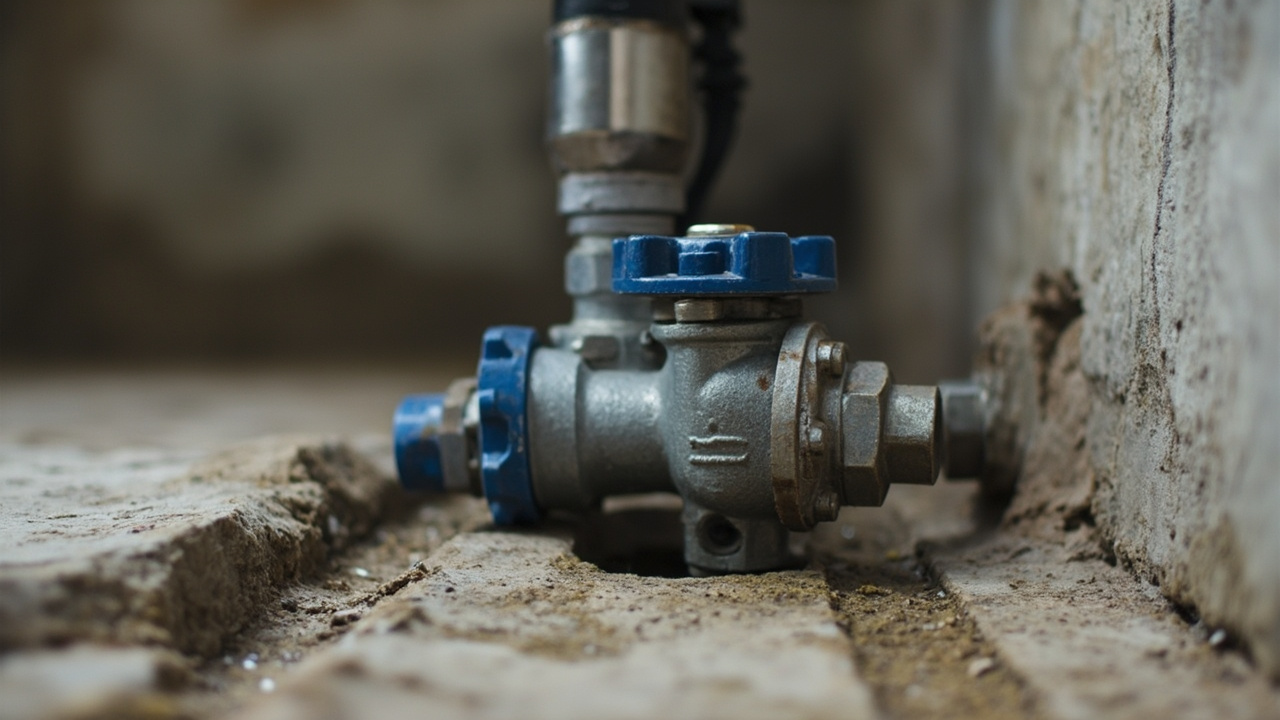
The combined sewer infrastructure in Detroit is not going away overnight. GLWA and DWSD have long-range capital improvement plans, but full system separation across all affected neighborhoods is a multi-decade project. In the meantime, the most effective protection available to individual homeowners is a backwater valve.
How a Backwater Valve Works
A backwater valve (also called a sewer backflow preventer) installs on your home’s main drain line where it exits the foundation. It contains a flap that allows waste to flow out normally but automatically closes when water attempts to flow backward into the home. During a CSO event, the valve seals shut and prevents sewage from entering through your floor drain.
Installation requires cutting the existing drain line, which means a licensed plumber and a building permit through the City of Detroit. The permit process also matters if you later file an insurance or DWSD claim, as permitted work demonstrates code compliance and professional installation.
Pairing a Backwater Valve with Sump Pump Protection
A backwater valve addresses sewer backflow, but it does not address surface water intrusion or groundwater pressure. Detroit homes, particularly bungalows and older ranch-style homes in neighborhoods like Springwells and Bagley, often need both systems working together. A battery backup sump pump ensures that if your primary pump fails during a power outage, which commonly coincides with major storms, you have continuous protection.
If you have already dealt with wet flooring from a previous water event, understanding salvageability is critical before investing in prevention upgrades. Our guide to whether wet carpet can be saved or needs replacement walks through the assessment process that applies to Detroit-area homes as well.
What to Do in the First 30 Minutes After Noticing a Sewer Smell
- Do not go into the basement without protective footwear and gloves if there is standing water
- Turn off the HVAC system to avoid spreading airborne contaminants through ductwork
- Do not use any drains or toilets in the home until the backup pressure clears
- Photograph everything before touching or moving anything
- Call a certified water damage restoration professional immediately
- Note the date and time of discovery for your DWSD and insurance claim records
If you experience recurring sewage odors in your basement without visible flooding, a sewer camera inspection through your lateral line is worth scheduling. This identifies partial blockages, root intrusion, or cracked pipe sections that create recurring contamination events without a full backup. Older Detroit homes with original clay tile lateral lines are especially prone to this problem.
When Your Insurance Policy Covers CSO Damage and When It Does Not
Standard homeowner’s insurance policies in Michigan typically exclude sewer backup damage unless you have purchased a specific sewer backup rider or endorsement. Many Detroit homeowners discover this gap only after a CSO event has already caused significant damage.
If you do have sewer backup coverage, the claims process has specific requirements around documentation, professional assessment, and timelines that mirror the DWSD claim process. Running both tracks simultaneously, the municipal claim under Act 222 and the private insurance claim, gives you the best chance of full cost recovery. For a detailed walkthrough of the insurance side, see our article on filing a successful water damage insurance claim, which covers documentation requirements that apply across Detroit neighborhoods.
If your basement damage affected finished materials like hardwood flooring, the salvageability assessment matters for your claim value as well. Our resource on saving hardwood floors after a water leak explains the moisture content thresholds that determine whether flooring can be dried in place or requires replacement, which is information your adjuster will want from your restoration company.
Detroit’s infrastructure challenges are real, and they affect real families in real neighborhoods every storm season. Knowing what you are dealing with, and knowing the right steps to take immediately after it happens, is the difference between a manageable remediation and a full structural loss.
If your basement smells like sewage after a rainstorm and you are not sure what you are dealing with, call a certified restoration professional for an assessment before you clean anything. The documentation you preserve in the first hour is the documentation that protects you for months to come.
{
“@context”: “https://schema.org”,
“@type”: “BlogPosting”,
“headline”: “Why Detroit’s Combined Sewer System Might Be the Real Reason Your Basement Smells After a Rainstorm”,
“description”: “Detroit’s combined sewer system causes basement sewage odors after heavy rain. Learn why it happens, what it means for your health, and what to do next.”,
“wordCount”: 1998,
“datePublished”: “2026-06-06T08:01:00.000Z”,
“dateModified”: “2026-06-06T08:01:00.000Z”,
“inLanguage”: “en-US”,
“mainEntityOfPage”: {
“@type”: “WebPage”,
“@id”: “https://ironwoodwaterdamagerestorationdetroit.com”
},
“publisher”: {
“@type”: “LocalBusiness”,
“name”: “Ironwood Water Damage Restoration Detroit”,
“url”: “https://ironwoodwaterdamagerestorationdetroit.com”
},
“author”: {
“@type”: “Organization”,
“name”: “Ironwood Water Damage Restoration Detroit”,
“url”: “https://ironwoodwaterdamagerestorationdetroit.com”
},
“image”: {
“@type”: “ImageObject”,
“url”: “https://ironwoodwaterdamagerestorationdetroit.com/wp-content/uploads/2026/03/why-detroit-s-combined-sewer-system-might-be-the-r-1.jpg”
}
}
{
“@context”: “https://schema.org”,
“@type”: “LocalBusiness”,
“name”: “Ironwood Water Damage Restoration Detroit”,
“url”: “https://ironwoodwaterdamagerestorationdetroit.com”,
“address”: {
“@type”: “PostalAddress”,
“addressLocality”: “Detroit”
},
“areaServed”: {
“@type”: “City”,
“name”: “Detroit”
}
}
{
“@context”: “https://schema.org”,
“@type”: “BreadcrumbList”,
“itemListElement”: [
{
“@type”: “ListItem”,
“position”: 1,
“name”: “Home”,
“item”: “https://ironwoodwaterdamagerestorationdetroit.com”
},
{
“@type”: “ListItem”,
“position”: 2,
“name”: “Blog”,
“item”: “https://ironwoodwaterdamagerestorationdetroit.com/blog”
},
{
“@type”: “ListItem”,
“position”: 3,
“name”: “Why Detroit’s Combined Sewer System Might Be the Real Reason Your Basement Smells After a Rainstorm”
}
]
}
{
“@context”: “https://schema.org”,
“@type”: “Service”,
“serviceType”: “Water Damage Restoration”,
“provider”: {
“@type”: “LocalBusiness”,
“name”: “Ironwood Water Damage Restoration Detroit”,
“url”: “https://ironwoodwaterdamagerestorationdetroit.com”
},
“areaServed”: {
“@type”: “City”,
“name”: “Detroit”
},
“description”: “Detroit’s combined sewer system causes basement sewage odors after heavy rain. Learn why it happens, what it means for your health, and what to do next.”
}