
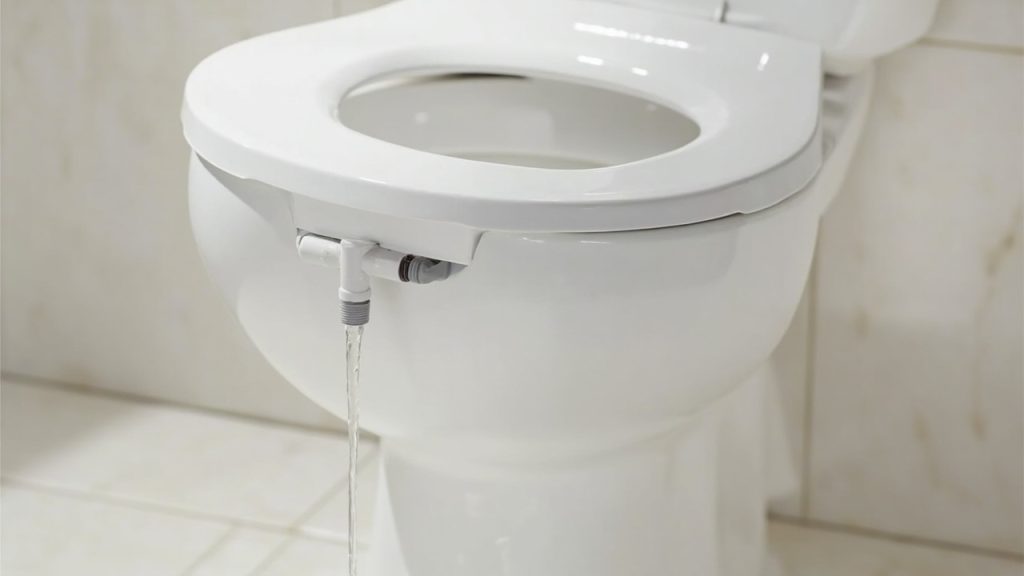
A Slow Bidet Leak Can Destroy a Bathroom Floor Before You Notice It
You installed the bidet seat yourself on a Saturday afternoon. The connections looked tight. The toilet flushed fine. Three weeks later, you notice the baseboard feels soft. By that point, the subfloor underneath may already be saturated.
This is the most common bidet leak water damage scenario we see in Royal Oak and across the Detroit metro. The leak is not dramatic. There is no flood. It is a slow drip from a supply line T-valve or a loose braided hose connection that soaks into the floor over days or weeks.
Bidet installations have surged in popularity, and the DIY market for toilet seat bidet attachments has grown significantly. Most of these units come with basic hardware and instructions written for generic plumbing setups. Older homes in Royal Oak, Ferndale, and Berkley were not built with those generic setups.
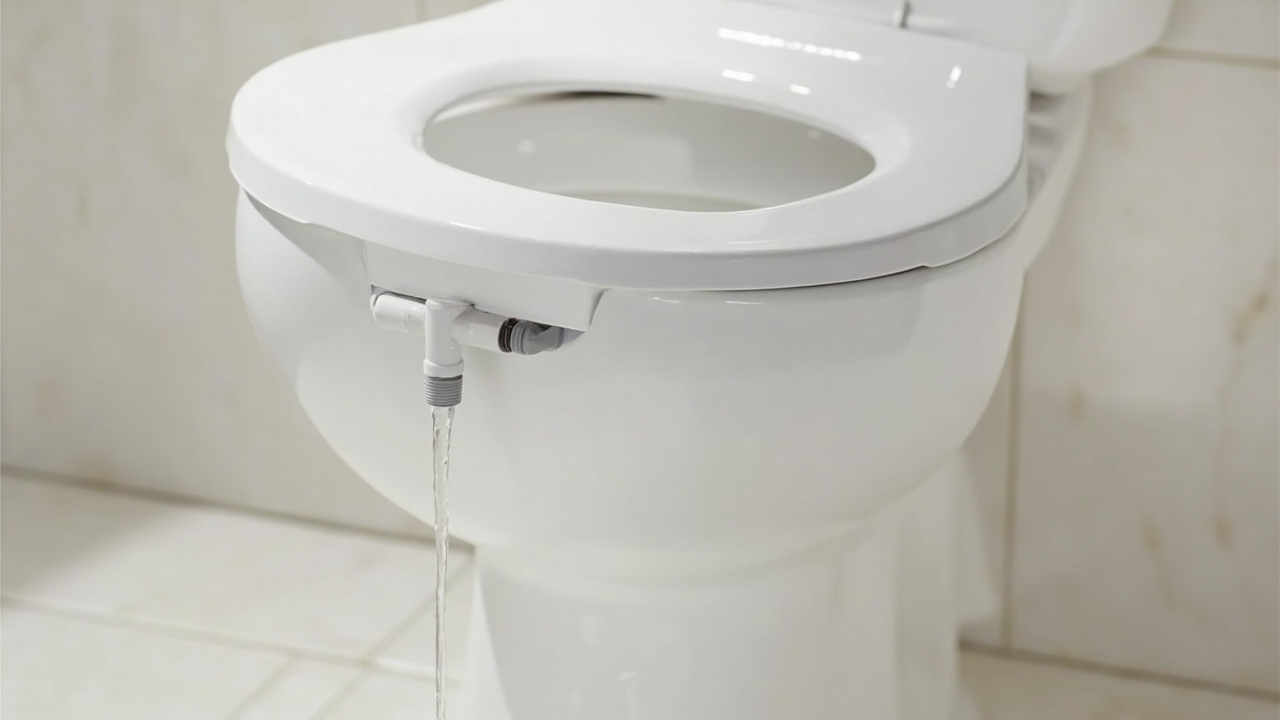
Why Royal Oak Homes Are Especially Vulnerable
Aging Supply Lines and Hard Water Damage
Royal Oak’s housing stock skews older. Many homes in the area were built between the post-war era and the early 1970s. Plumbing supply lines in these homes have seen decades of Detroit’s notoriously hard water. Wayne County and Oakland County tap water carries elevated mineral content that accelerates corrosion inside fittings and at threaded connections.
When you add a bidet T-adapter to a supply line that has been in place for forty or fifty years, you are putting mechanical stress on connections that were never designed to be disturbed. The old fill valve shank may be slightly corroded. The shut-off valve may not fully seat when you try to close it. These small compromises turn a simple installation into a slow-leak risk within weeks.
The Great Lakes Humidity Factor
Detroit sits in a Great Lakes climate zone. Ambient indoor humidity levels in this region run higher than cities in drier climates, especially from spring through early fall. That baseline moisture slows the natural drying process inside wall cavities and under flooring. A bidet supply line dripping at the rate of a few drops per minute can fully saturate a 10-square-foot subfloor section in less than two weeks without ever producing a visible puddle on the surface.
The water wicks into the subfloor, travels along the wood grain, and can reach floor joists before you see any surface staining. By the time you smell something musty, mold colony formation may already be underway.
Immediate Emergency Steps If You Suspect a Bidet Leak
If you find water near your toilet base or notice soft flooring, do these things in order.
- Locate the bidet’s dedicated shut-off valve. Most T-adapter installations include a small inline valve on the cold water supply. Turn it clockwise until it stops.
- If the inline valve does not stop the flow, turn off the toilet’s main shut-off valve. This is the oval handle on the wall behind the toilet, close to the floor.
- If that valve is seized or leaking (common in older Royal Oak homes), go to the main water shut-off for the house. In most Detroit-area homes this is in the basement near the water meter.
- Turn off any electrical circuits serving the bathroom. Water and electricity are a serious safety hazard. Do not skip this step.
- Remove standing water with towels or a wet/dry vacuum if you have one. Do not use a regular household vacuum.
- Open windows and run a bathroom exhaust fan to begin surface evaporation.
- Document everything with photos and video before you clean anything up. You will need this for your insurance claim.
Those first thirty to sixty minutes matter. The faster you stop the water source and start removing surface moisture, the lower your final restoration cost will be.
What the Water Is Actually Doing to Your Bathroom
Category 1 Water and Why It Still Causes Serious Damage
A bidet supply line feeds clean water from the toilet’s cold water supply. Under IICRC S500 standards, this is classified as Category 1 water, meaning it originates from a sanitary source and poses no biological contamination risk at the point of release. That is the good news.
The bad news is that Category 1 water becomes Category 2 or Category 3 water once it contacts porous building materials, biofilm on surfaces, or sits stagnant for more than 24 to 72 hours. A slow bidet leak that has been running for two weeks is no longer clean water by the time you find it.
The Subfloor Problem
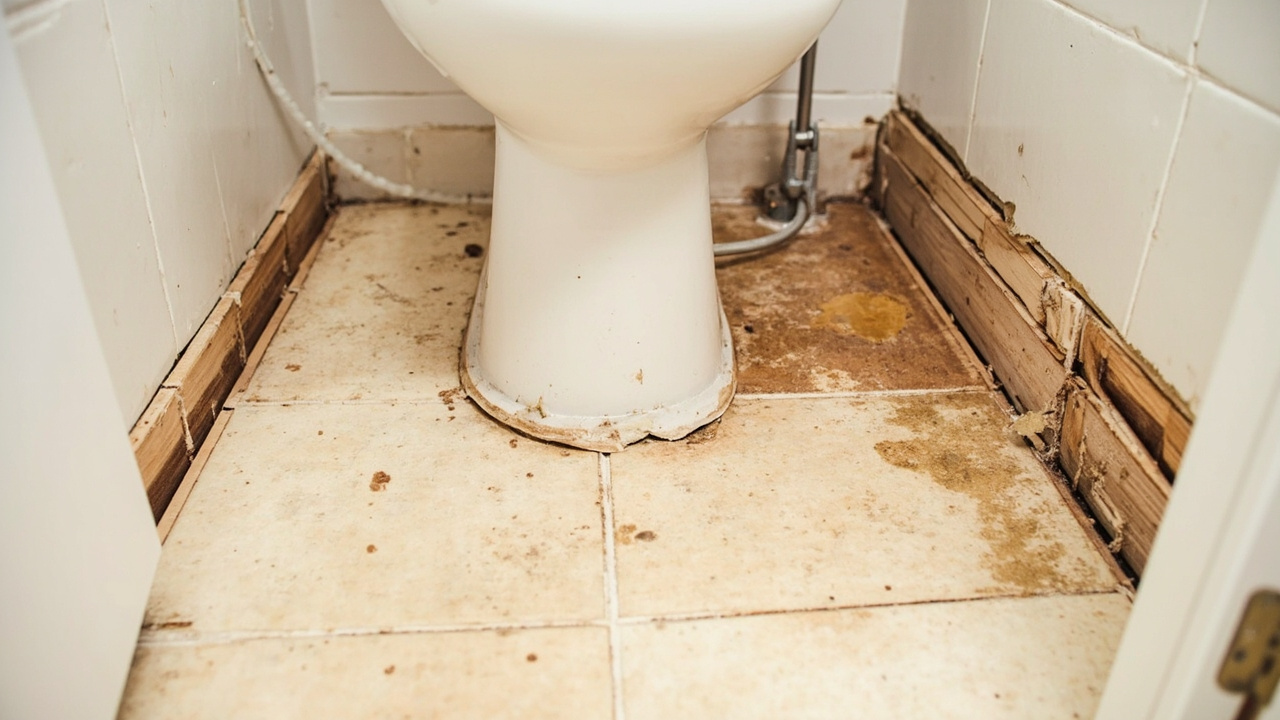
Most Royal Oak bathroom floors are tile or vinyl over plywood or OSB subfloor. Neither plywood nor OSB handles sustained moisture exposure well. OSB especially degrades when wet, swelling at the edges and delaminating from the surface layer. Once structural integrity is compromised, the subfloor requires full replacement rather than drying and restoration.
If water reaches the floor joists below, you are looking at a potential structural drying project that extends beyond the bathroom itself. In two-story homes, a bathroom on the upper level means the ceiling of the room below is also at risk.
Wall Cavity and Drywall Damage
Water does not just go down. It travels horizontally along the bottom plate of walls and wicks up into drywall from the base. The paper facing on drywall is a fast food source for mold. Thermal imaging with an infrared camera often reveals moisture intrusion extending 18 to 24 inches up a wall that looks completely dry on the surface.
If you live in Midtown, Corktown, or one of Detroit’s older neighborhoods, there is a reasonable chance your bathroom walls still have plaster over wood lath rather than modern drywall. Plaster holds moisture differently and requires different drying protocols. A professional moisture meter reading is the only way to know what you are dealing with.
The Professional Restoration Process for Bidet Leak Water Damage
Moisture Mapping and Assessment
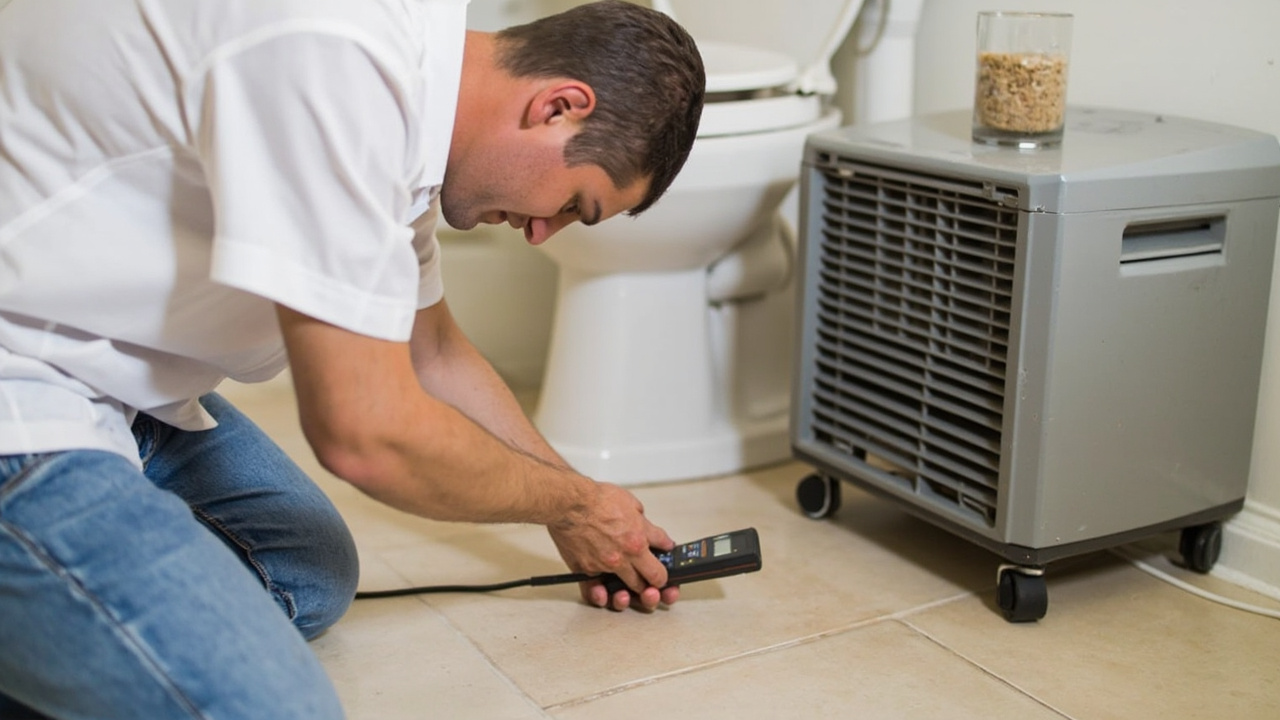
A certified restoration technician will use a combination of penetrating moisture meters, non-invasive radio frequency meters, and thermal imaging cameras to map the full extent of moisture saturation. This is not guesswork. The readings establish a baseline psychrometric profile of the affected space, which drives every drying decision that follows.
Skipping this step is one of the most common mistakes in DIY water damage response. You can dry the surface without drying the substrate, creating ideal conditions for mold growth inside a wall or under flooring that looks perfectly fine.
Water Extraction
Professional extraction equipment removes far more moisture from porous materials than any consumer-grade wet vac. Truck-mounted extraction systems can pull water from subfloor assemblies and carpet padding that surface drying equipment simply cannot reach.
Structural Drying with LGR Dehumidifiers
Low Grain Refrigerant (LGR) dehumidifiers are the industry standard for structural drying in enclosed spaces. Standard dehumidifiers from a hardware store cannot pull moisture from the air at the dew point levels required to dry wet building materials efficiently. LGR units are engineered to maintain specific psychrometric conditions that force moisture migration out of walls, floors, and ceiling assemblies.
Air movers work alongside LGR dehumidifiers to create a controlled airflow pattern that accelerates evaporation at material surfaces. The placement of this equipment follows a calculated drying plan, not a random arrangement. Drying times for a bathroom subfloor typically run between three and five days under controlled conditions, with daily moisture readings confirming progress.
Antimicrobial Treatment
Once structural drying is complete, antimicrobial treatment is applied to all affected surfaces before any reconstruction begins. This step eliminates mold spores and prevents secondary growth in areas that were exposed to moisture. If active mold colonization is already present, a separate mold remediation protocol applies before drying can be considered complete.
If you are dealing with a mold situation that predates the current leak, read our guide on why bleach won’t fix your Ferndale basement mold to understand why surface treatments do not address structural mold growth.
Common Bidet Installation Failure Points and What They Look Like
| Failure Point | Common Cause | Typical Damage Pattern | Average Detection Time |
|---|---|---|---|
| T-adapter connection at fill valve | Overtightening or misaligned threads | Drip down back of toilet, saturates floor at wall base | 1 to 3 weeks |
| Braided supply hose fitting | Under-tightening, no thread tape used | Slow seep at base of toilet, subfloor saturation | 1 to 4 weeks |
| Inline shut-off valve seat failure | Aged valve body, hard water mineral buildup | Persistent drip when valve is in use position | 2 to 6 weeks |
| Bidet unit internal solenoid | Manufacturer defect or water pressure too high | Water at base of bidet seat during non-use cycles | Days to weeks |
| Wax ring disturbance | Toilet movement during installation process | Sewer gas smell, slow leak at toilet base | Weeks to months |
Restoration Timeline and What to Expect
| Phase | Activity | Typical Duration | Equipment Used |
|---|---|---|---|
| Emergency Response | Water source isolation, initial extraction | Same day, within 1 to 4 hours of call | Wet extraction, moisture meters |
| Assessment | Moisture mapping, scope documentation | 2 to 4 hours | Thermal camera, penetrating meters |
| Structural Drying | LGR dehumidification, air mover placement | 3 to 5 days (bathroom) | LGR dehumidifiers, axial air movers |
| Antimicrobial Treatment | Surface treatment of affected materials | Half day | HEPA-filtered sprayers |
| Reconstruction | Subfloor, drywall, flooring replacement | 3 to 10 days depending on scope | Varies by trade |
Hardwood Floors and Tile in the Adjacent Room
Bathroom water damage rarely stays in the bathroom. Water travels along subfloor seams into hallways and adjacent rooms. If you have hardwood floors in a hallway bordering your bathroom, they may already be showing crown or cup warping from moisture absorption.
Time is critical with hardwood. The window to save hardwood floors from bidet leak damage is relatively short. Our detailed guide on how to save your hardwood floors after a significant water leak in Birmingham MI covers the drying and restoration options in detail.
If the bathroom has carpet at the threshold or in a connected bedroom, the saturation assessment is different. Carpet pad acts as a reservoir that holds moisture against the subfloor continuously. Read our breakdown of deciding whether your wet carpet in Sterling Heights can be saved or needs to go to understand the replacement versus restoration decision.
Navigating Your Michigan Homeowners Insurance Claim
Bidet leak water damage typically falls under the sudden and accidental discharge provision in a standard Michigan homeowners policy. The key word is sudden. If an adjuster can establish that the leak was ongoing for weeks without action, your claim may be reduced or denied under the neglect exclusion.
This is why documentation at the moment of discovery matters. Your timestamped photos and video establish the point at which you became aware of the damage. A professional restoration company will provide a moisture assessment report that documents the scope of damage, which supports your claim that the damage was not visible prior to discovery.
Detroit-area homeowners often have questions about what policies cover and how to handle the adjuster process. Our guide on how to get your Detroit home insurance to actually pay for water restoration walks through the documentation and communication process in detail.
If you are in Corktown or another neighborhood with older housing stock, the claim process has some specific nuances worth understanding. The guide on filing a successful water damage insurance claim for your Corktown home covers those specifics.
One important note on Michigan policy language. The Michigan Department of Insurance and Financial Services provides a homeowner’s guide to coverage disputes that is worth reviewing if your claim is denied or underpaid. You have rights under Michigan law to dispute an adjuster’s determination.
When to Call for Professional Help (And When Not to Wait)
If the affected area is larger than 10 square feet, if the floor feels soft underfoot, if you see any discoloration on walls, or if you detect a musty odor, call a certified restoration professional. These are all signs that moisture has moved beyond the surface layer.
The 24 to 72 hour window after water damage is the critical period. Within that window, structural drying can typically restore most materials without full replacement. After 72 hours, mold growth begins to compete with drying, and the scope of work expands significantly.
Do not wait to see if it dries on its own. Bathrooms are enclosed, often poorly ventilated spaces. Without mechanical drying equipment maintaining specific humidity levels, moisture trapped in a subfloor assembly will not evaporate. It will feed mold.
If you are in Royal Oak, Grosse Pointe, Ferndale, Berkley, or anywhere across the Detroit metro and you have a bidet leak situation, get a professional moisture assessment before you start any repairs. The assessment itself establishes the scope. Skipping it means you are guessing at what is wet, and guessing wrong can mean tearing out a floor twice.
Ironwood Water Damage Restoration serves the greater Detroit area with 24/7 emergency response. Call now to reach a live restoration technician who can walk you through immediate steps or dispatch a crew to your location.
You may also find this helpful. Why Curbless Showers in Your Birmingham Remodel Might Be Leaking Into the Subfloor.
{
“@context”: “https://schema.org”,
“@type”: “BlogPosting”,
“headline”: “Why DIY Bidet Installations in Royal Oak Bathrooms Are a Hidden Flood Waiting to Happen”,
“description”: “Bidet leaks cause serious water damage in Detroit-area homes. Learn emergency steps, restoration process, and how to protect your Royal Oak bathroom today.”,
“wordCount”: 2147,
“datePublished”: “2026-08-10T04:03:00.000Z”,
“dateModified”: “2026-08-10T04:03:00.000Z”,
“inLanguage”: “en-US”,
“mainEntityOfPage”: {
“@type”: “WebPage”,
“@id”: “https://ironwoodwaterdamagerestorationdetroit.com”
},
“publisher”: {
“@type”: “LocalBusiness”,
“name”: “Ironwood Water Damage Restoration Detroit”,
“url”: “https://ironwoodwaterdamagerestorationdetroit.com”
},
“author”: {
“@type”: “Organization”,
“name”: “Ironwood Water Damage Restoration Detroit”,
“url”: “https://ironwoodwaterdamagerestorationdetroit.com”
},
“image”: {
“@type”: “ImageObject”,
“url”: “https://ironwoodwaterdamagerestorationdetroit.com/wp-content/uploads/2026/03/the-hidden-flood-risk-of-diy-bidet-installations-i-1.jpg”
}
}
{
“@context”: “https://schema.org”,
“@type”: “LocalBusiness”,
“name”: “Ironwood Water Damage Restoration Detroit”,
“url”: “https://ironwoodwaterdamagerestorationdetroit.com”,
“address”: {
“@type”: “PostalAddress”,
“addressLocality”: “Detroit”
},
“areaServed”: {
“@type”: “City”,
“name”: “Detroit”
}
}
{
“@context”: “https://schema.org”,
“@type”: “BreadcrumbList”,
“itemListElement”: [
{
“@type”: “ListItem”,
“position”: 1,
“name”: “Home”,
“item”: “https://ironwoodwaterdamagerestorationdetroit.com”
},
{
“@type”: “ListItem”,
“position”: 2,
“name”: “Blog”,
“item”: “https://ironwoodwaterdamagerestorationdetroit.com/blog”
},
{
“@type”: “ListItem”,
“position”: 3,
“name”: “Why DIY Bidet Installations in Royal Oak Bathrooms Are a Hidden Flood Waiting to Happen”
}
]
}
{
“@context”: “https://schema.org”,
“@type”: “Service”,
“serviceType”: “Water Damage Restoration”,
“provider”: {
“@type”: “LocalBusiness”,
“name”: “Ironwood Water Damage Restoration Detroit”,
“url”: “https://ironwoodwaterdamagerestorationdetroit.com”
},
“areaServed”: {
“@type”: “City”,
“name”: “Detroit”
},
“description”: “Bidet leaks cause serious water damage in Detroit-area homes. Learn emergency steps, restoration process, and how to protect your Royal Oak bathroom today.”
}