
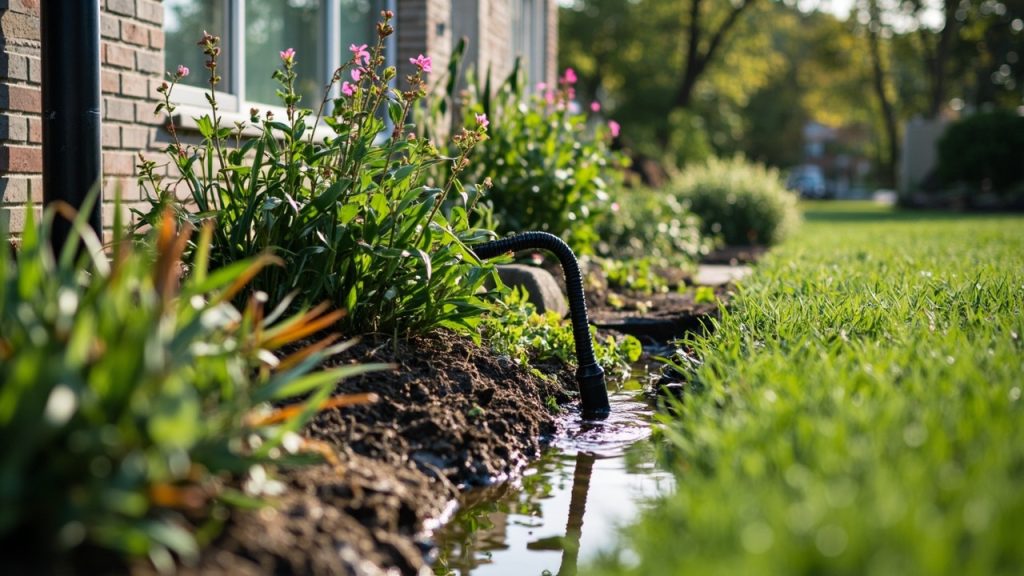
If your Morningside basement has ever taken on water during a heavy storm, you are not dealing with bad luck. You are dealing with a system failure. Detroit’s aging combined sewer infrastructure, clay-heavy soil, and increasingly intense Great Lakes rain cycles make basements in this neighborhood especially vulnerable. A rain garden is one of the most practical, cost-effective tools you can add to your property to change that.
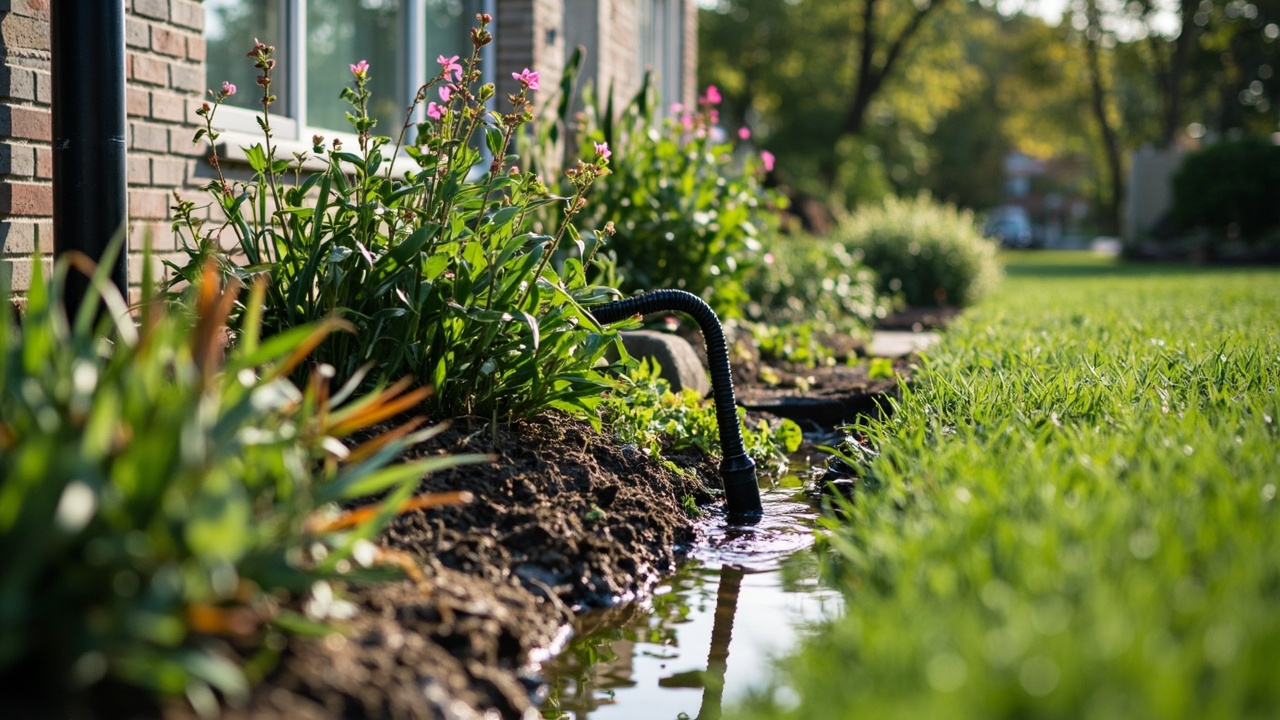
Why Morningside Basements Are Especially Vulnerable to Flooding
Morningside sits on the east side of Detroit, bordered by Grosse Pointe Park and close to the Jefferson Chalmers corridor. The neighborhood features older housing stock, most of it built between the 1920s and 1950s, which means the drainage infrastructure underneath your feet is just as old.
Detroit operates a combined sewer system (CSS) for much of its older residential areas. That means stormwater runoff and sanitary sewage travel through the same pipes. When a significant rain event hits, those pipes overflow. This is what the Detroit Water and Sewerage Department (DWSD) calls a Combined Sewer Overflow (CSO) event. The result is that raw sewage and stormwater can back up directly into your basement drain.
The soil itself makes things worse. Detroit’s east side sits on dense glacial clay, which does not absorb water quickly. When rain falls faster than the ground can absorb it, that water goes somewhere. Without proper drainage features on your property, it goes toward your foundation.
Hydrostatic pressure is the technical term for what happens next. Water saturates the soil around your foundation walls, and the weight of that water pushes inward. Over time, even a well-built foundation develops cracks under that pressure. Water finds every one of them.
What a Rain Garden Actually Does (And What It Does Not Do)
A rain garden is a shallow, strategically planted depression in your yard designed to collect and absorb stormwater runoff. It is not a pond, and it does not stay wet. A properly built rain garden absorbs collected water within 24 to 48 hours, which prevents mosquito breeding and keeps the system functioning through the next storm cycle.
The goal is to intercept water before it reaches your foundation or the municipal sewer system. By directing downspout discharge and surface sheet flow into the garden, you reduce the volume of water that saturates the soil against your basement walls.
What a rain garden cannot do on its own is solve an active foundation crack or a failed sump pump. If your basement already floods, a rain garden is one piece of a broader solution. It works best as a preventative measure or as a complement to sump pump upgrades and grading corrections.
The DWSD Basement Backup Protection Program and What It Covers
The Detroit Water and Sewerage Department offers the Basement Backup Protection Program (BBPP). This program provides eligible Detroit homeowners with financial assistance to install flood prevention devices including backwater valves (also called backflow preventers) and sump pumps with overhead sewers.
A backwater valve is a one-way gate installed in your sewer lateral line. When sewer water tries to flow backward into your home during a CSO event, the valve closes automatically. It is one of the single most effective pieces of flood prevention hardware you can install in a Detroit home, and the BBPP can significantly offset the installation cost.
If you have not applied for this program, contact DWSD directly to check your eligibility. The installation needs to meet Michigan Building Code requirements and must be performed by a licensed plumber. Do not skip that step. An improperly installed backwater valve can create a different set of problems.
Building a Rain Garden in Your Morningside Backyard
Site selection is the first decision. You want your rain garden at least ten feet from your foundation and away from any utility lines. Look for a natural low point in your yard where water already collects, or position it to intercept your downspout discharge.
The garden needs to be sized appropriately for your roof drainage area. As a general rule, your rain garden should be about 20 percent of the impervious surface area draining into it. For a typical Morningside bungalow with a modest backyard, a garden between 100 and 200 square feet handles most storm events effectively.
Soil Amendment Matters on Detroit’s East Side
Because Morningside sits on clay-heavy soil, you need to amend the rain garden basin to improve infiltration. A standard mix of 50 to 60 percent sand, 20 to 30 percent compost, and the remainder native topsoil gives water somewhere to go. Without this step, your rain garden will turn into a standing water problem rather than a solution.
Dig the basin to a depth of about 6 to 8 inches. Create a berm on the downhill side to hold water in the basin during the absorption period. Grade the bottom as flat as you can so water spreads evenly across the planting area.
Plant Selection for SE Michigan Rain Gardens
Plant selection is where many homeowners make mistakes. You need species that tolerate both periodic inundation and drought conditions, because this area swings between both. Native Michigan species perform best because they have root systems adapted to Great Lakes basin conditions.
- Blue flag iris tolerates wet feet and adds early season color
- Swamp milkweed thrives in periodic saturation and supports local pollinators
- Joe Pye weed provides height and late-season structure
- Black-eyed Susan handles the drier edges of the basin
- Switchgrass creates a resilient perimeter that slows incoming runoff
- Wild bergamot fills mid-basin zones and handles variable moisture
Avoid traditional lawn grass in the basin. It does not have the root depth to handle the moisture variation, and it will compact the amended soil over time, reducing infiltration.
Rain Gardens as Part of a Broader Flood Prevention Strategy
A rain garden handles surface water. But Morningside homeowners dealing with basement flooding often face multiple entry points for water. Addressing only one of them leaves the others open.
Gutter and Downspout Management
Your gutters are the first line of defense. Clean them every fall before leaves fully drop and again in early spring. Blocked gutters push water over the edge, dumping it directly against your foundation rather than directing it to your rain garden or a designated discharge point.
Downspout extensions should carry water at least six feet from your foundation. Splash blocks alone are not enough on clay soil. If you are routing discharge to your rain garden, use a solid buried pipe rather than a flexible corrugated extension, which can collapse or disconnect over time.
Grading Corrections Around the Foundation
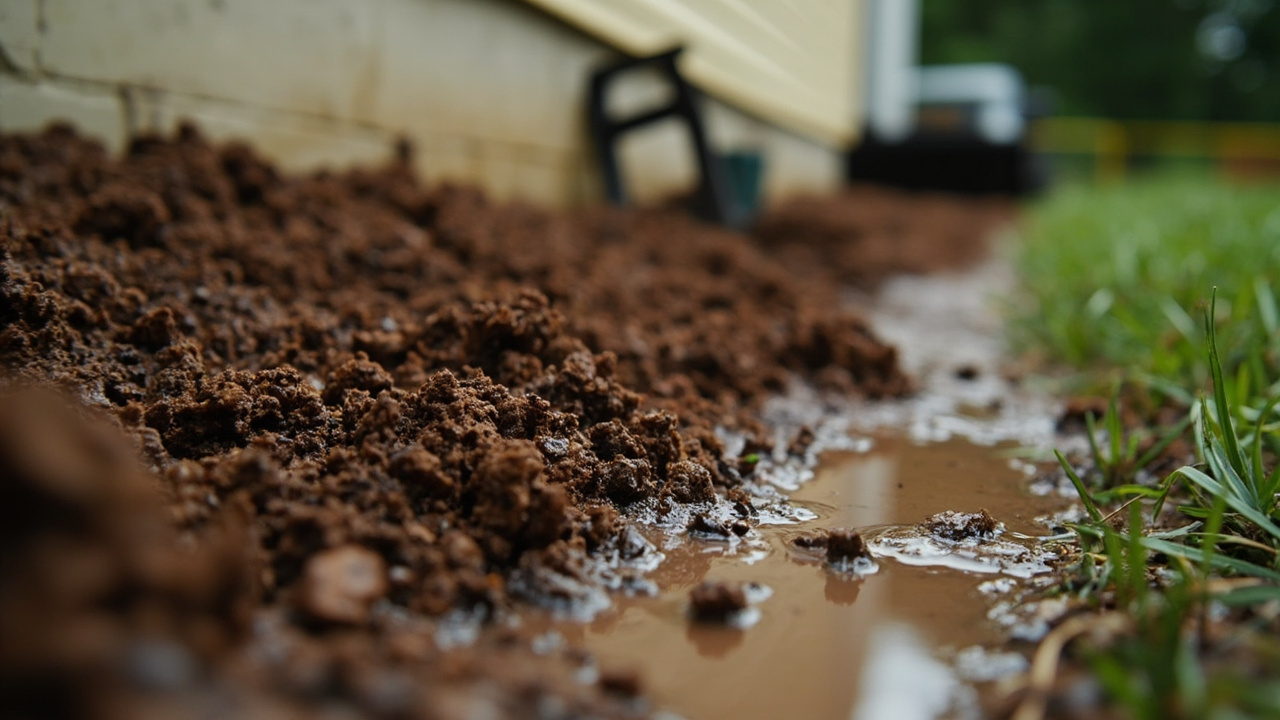
The ground around your foundation should slope away from the house at a rate of about one inch per foot for the first six feet. Over decades, Detroit’s clay soil settles and compacts, and this slope often reverses. When that happens, every rain event sends water pooling against your basement walls.
Correcting the grade is straightforward with a load of topsoil and some manual labor. Re-check it every few years, especially after harsh winters where freeze-thaw cycles can shift settled soil.
Sump Pump Reliability and Battery Backup
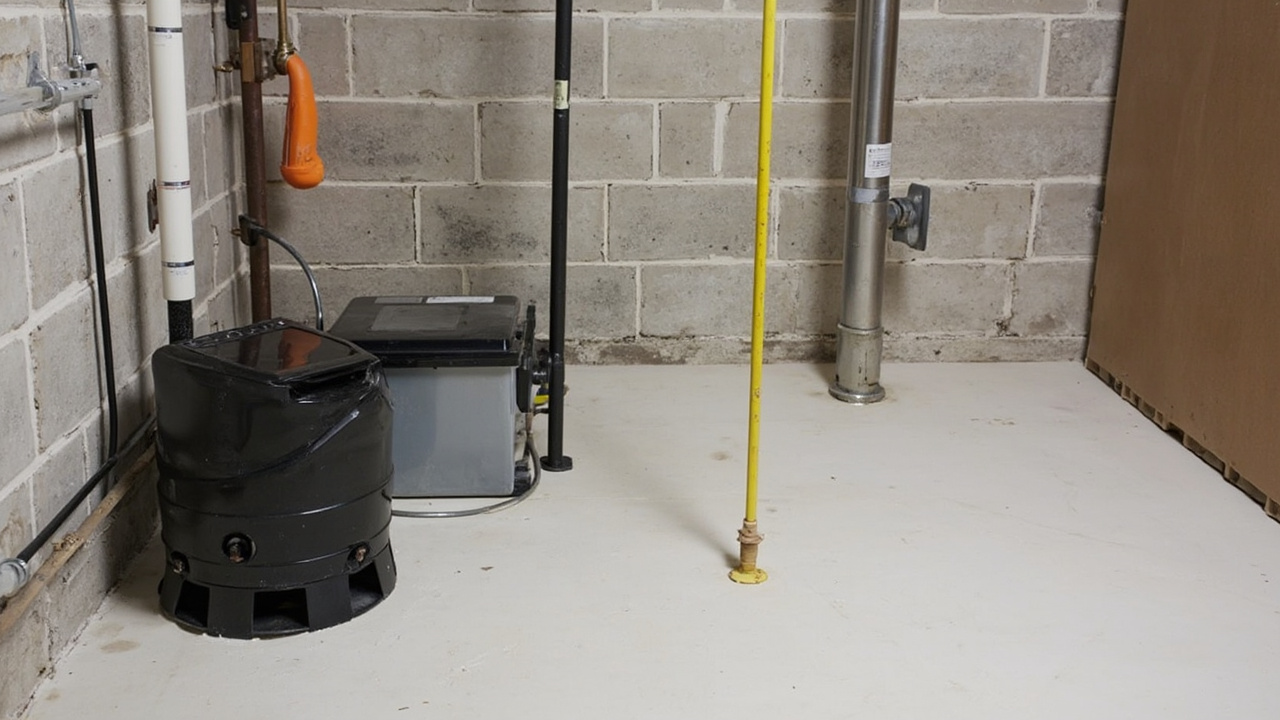
A sump pump is your last line of defense after water has already entered the drainage system around your foundation. In Morningside and across Detroit’s east side, power outages often accompany the same severe storms that cause flooding. A sump pump without a battery backup is a liability.
Install a quality battery backup unit that activates automatically when main power cuts out. Test it quarterly by unplugging the primary pump and confirming the backup engages. Battery backup units that sit untested for years often fail exactly when you need them.
Comparing Flood Prevention Options for Detroit Homeowners
| Prevention Method | What It Addresses | Relative Cost | DIY Possible | Michigan Building Code Required |
|---|---|---|---|---|
| Rain Garden | Surface stormwater runoff, hydrostatic pressure reduction | Low to moderate | Yes | No |
| Backwater Valve | Sewer backflow from CSO events | Moderate | No (licensed plumber required) | Yes |
| Sump Pump with Battery Backup | Subsurface water accumulation | Moderate | Partial | Varies by installation type |
| French Drain System | Subsurface water diversion away from foundation | Moderate to high | Possible but labor intensive | No, but permits may apply |
| Foundation Crack Repair (Injection) | Active water intrusion through existing cracks | Moderate to high | No | No |
| Downspout Extension and Grading | Surface water pooling near foundation | Low | Yes | No |
Understanding FEMA Flood Maps and Your Morningside Property
The FEMA Flood Map Service Center maintains current flood zone designations for Detroit. Morningside properties are not uniformly in high-risk flood zones, but the combination of clay soil, aging sewers, and proximity to drainage corridors near the Grosse Pointe border creates localized flooding patterns that official maps can underrepresent.
Knowing your flood zone designation matters for insurance purposes, and it can also tell you whether your lender requires flood insurance. Check your property’s designation before making decisions about insurance coverage. Many east-side Detroit homeowners find their standard homeowner’s policy excludes flood damage from ground-level water intrusion entirely.
If you need guidance on navigating a water damage insurance claim after flooding, the process is specific and the documentation requirements are strict. Understanding what your insurer expects before you file makes a significant difference in outcomes. For detailed guidance on that process, see this resource on how to get your Detroit home insurance to actually pay for water restoration.
When Preventative Landscaping Is Not Enough
A rain garden reduces flooding risk. It does not eliminate it for every storm scenario. Extreme weather events, which are becoming more frequent across the Great Lakes basin, can overwhelm even well-designed residential drainage systems.
If water has already entered your basement, the response window matters. Porous materials like drywall, fiberglass insulation, and wood framing absorb water quickly. Mold colonization can begin within 24 to 48 hours in Michigan’s summer humidity levels. Speed of drying and extraction is not optional.
IICRC (Institute of Inspection Cleaning and Restoration Certification) standards define the protocols for water damage mitigation and drying. When you hire a restoration contractor, those standards are the benchmark for whether the work is done correctly. A company that skips moisture mapping or pulls equipment too early leaves you with a mold problem waiting to develop.
Seasonal Maintenance Checklist for Morningside Homeowners
| Season | Task | Why It Matters |
|---|---|---|
| Spring | Clear gutters of winter debris, test sump pump, inspect foundation for frost heave cracks | Spring thaw and April storms are peak flooding season in SE Michigan |
| Spring | Check rain garden basin for soil compaction or erosion, replant bare spots | Winter freeze-thaw cycles displace soil and damage root systems |
| Summer | Monitor downspout connections after major storms, recheck grading after heavy rain settling | Summer thunderstorms in Great Lakes basin can drop 2+ inches per hour |
| Fall | Clear gutters after leaf drop (not before), disconnect garden hoses, insulate sump discharge line | Frozen discharge lines disable sump pumps before winter storm events |
| Fall | Test battery backup sump system, replace battery if more than 3 years old | Battery capacity degrades over time, often unnoticed until failure |
| Winter | Monitor basement humidity, check window well drainage is not ice-dammed | Freeze-thaw cycles in January and February cause slow seepage through hairline cracks |
French Drains vs. Rain Gardens for East-Side Detroit Properties
Some homeowners ask whether a French drain is a better choice than a rain garden. The answer depends on where your water problem originates.
A French drain is a subsurface system. It collects groundwater that is already in the soil and redirects it away from your foundation. This is the right tool when you have persistent subsurface water saturation or when water is entering through the base of your foundation walls due to a high water table or slope drainage.
A rain garden handles surface water before it enters the ground near your foundation. It is the right tool when your flooding problems trace back to roof runoff, pavement runoff, or sheet flow across your lawn during storms.
Many Morningside properties benefit from both. A French drain around the foundation perimeter combined with a rain garden positioned to capture downspout and surface runoff creates a two-layer system that addresses both entry points.
What Happens After a Basement Flood and How Restoration Works
If prevention fails and your basement floods, the scope of damage depends on the water category. Water from a clean source like a broken supply line is category one. Water from a sewer backup, which is the most common flood type in Morningside during CSO events, is category three, meaning it contains sewage and pathogens.
Category three water damage requires protective equipment, antimicrobial treatment, and proper disposal of porous materials that absorbed contaminated water. This is not a shop vac and fan situation. Cutting corners on category three extraction and drying leads to health hazards and ongoing mold issues.
If you experienced mold growth after a previous flood event, the issue may be deeper than surface treatment. For information on why surface-level treatments fall short, read about why bleach will not fix basement mold and when to call a professional.
Documenting damage thoroughly before any cleanup is also critical if you plan to file an insurance claim. Photographs, written records of affected materials, and professional moisture readings all support a successful claim. For a step-by-step breakdown of the claims process, this guide on filing a successful water damage insurance claim covers what insurers require.
Taking the Next Step to Protect Your Morningside Property
Flooding in Morningside is a structural problem with structural solutions. A rain garden is a genuinely effective first step that you can design and install yourself with a weekend’s worth of work and the right plant materials. Pair it with a functioning backwater valve, a tested sump pump with battery backup, and corrected grading, and you have addressed the major risk factors that cause basement flooding on Detroit’s east side.
If you have experienced flooding recently or want a professional assessment of your drainage vulnerabilities, contact a certified water damage restoration contractor with direct knowledge of Detroit’s sewer system and east-side neighborhood drainage patterns. An inspection now costs a fraction of what emergency extraction and structural drying costs after a major event.
{
“@context”: “https://schema.org”,
“@type”: “BlogPosting”,
“headline”: “Why Every Morningside Homeowner Needs a Rain Garden to Stop Basement Flooding”,
“description”: “Detroit’s Morningside neighborhood faces serious basement flooding risks. Learn how rain gardens and smart drainage prevent water damage before it starts.”,
“wordCount”: 2342,
“datePublished”: “2026-04-30T08:59:00.000Z”,
“dateModified”: “2026-04-30T08:59:00.000Z”,
“inLanguage”: “en-US”,
“mainEntityOfPage”: {
“@type”: “WebPage”,
“@id”: “https://ironwoodwaterdamagerestorationdetroit.com”
},
“publisher”: {
“@type”: “LocalBusiness”,
“name”: “Ironwood Water Damage Restoration Detroit”,
“url”: “https://ironwoodwaterdamagerestorationdetroit.com”
},
“author”: {
“@type”: “Organization”,
“name”: “Ironwood Water Damage Restoration Detroit”,
“url”: “https://ironwoodwaterdamagerestorationdetroit.com”
},
“image”: {
“@type”: “ImageObject”,
“url”: “https://ironwoodwaterdamagerestorationdetroit.com/wp-content/uploads/2026/03/why-your-morningside-backyard-needs-a-rain-garden-1.jpg”
}
}
{
“@context”: “https://schema.org”,
“@type”: “LocalBusiness”,
“name”: “Ironwood Water Damage Restoration Detroit”,
“url”: “https://ironwoodwaterdamagerestorationdetroit.com”,
“address”: {
“@type”: “PostalAddress”,
“addressLocality”: “Detroit”
},
“areaServed”: {
“@type”: “City”,
“name”: “Detroit”
}
}
{
“@context”: “https://schema.org”,
“@type”: “BreadcrumbList”,
“itemListElement”: [
{
“@type”: “ListItem”,
“position”: 1,
“name”: “Home”,
“item”: “https://ironwoodwaterdamagerestorationdetroit.com”
},
{
“@type”: “ListItem”,
“position”: 2,
“name”: “Blog”,
“item”: “https://ironwoodwaterdamagerestorationdetroit.com/blog”
},
{
“@type”: “ListItem”,
“position”: 3,
“name”: “Why Every Morningside Homeowner Needs a Rain Garden to Stop Basement Flooding”
}
]
}
{
“@context”: “https://schema.org”,
“@type”: “Service”,
“serviceType”: “Water Damage Restoration”,
“provider”: {
“@type”: “LocalBusiness”,
“name”: “Ironwood Water Damage Restoration Detroit”,
“url”: “https://ironwoodwaterdamagerestorationdetroit.com”
},
“areaServed”: {
“@type”: “City”,
“name”: “Detroit”
},
“description”: “Detroit’s Morningside neighborhood faces serious basement flooding risks. Learn how rain gardens and smart drainage prevent water damage before it starts.”
}